More Montenegro
We left Sedlo Pass at first light the next morning to drive across Durmitor Park on the scenic P14 road. It was a good decision because it was a beautiful drive down a narrow windy road and, having left so early we were able to do it without the hassle of meeting any oncoming traffic. We took our time meandering through the mountains (so much so that we were overtaken by a bicycle), stopping to admire the scenery and watch a herd of flighty wild horses.
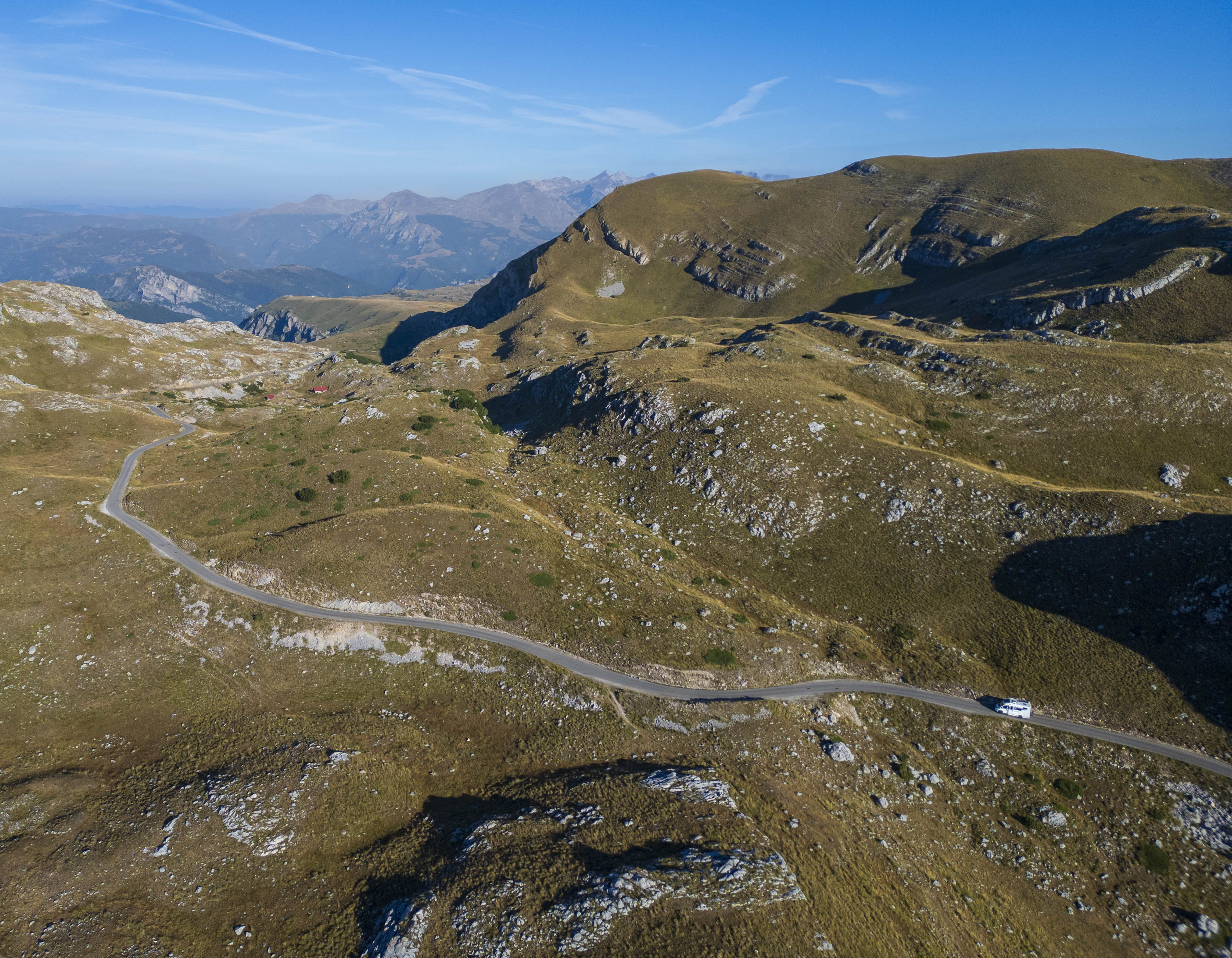
Once through the mountains of the National Park, the road starts to descend through some farm land and then, as you turn a corner, there is another wow moment when you first glimpse the aquamarine Piva Lake far below.
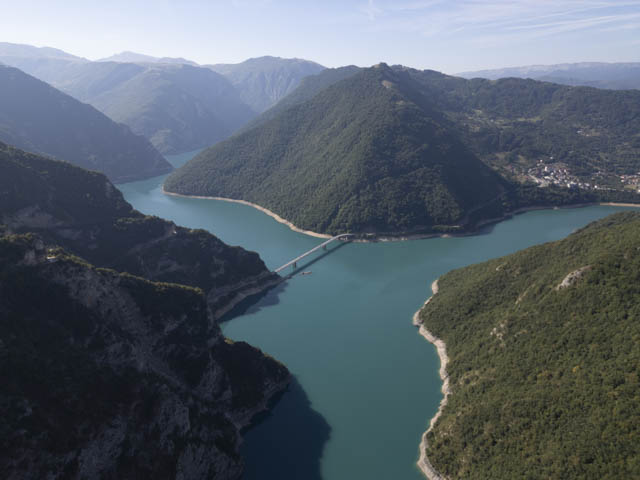
The road then descends alongside the lake through a series of tunnels cut through the rock walls of the cliff. We arrived at the lake and the small town of Pluzine where we got out for a walk around, but there isn’t a great deal here to hold your attention so it wasn’t long before we were back on the road.
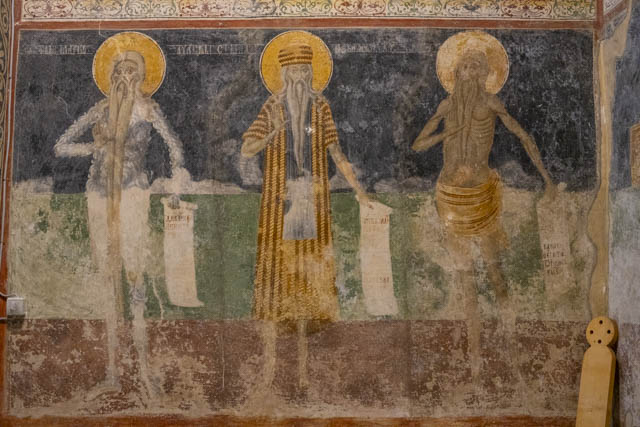
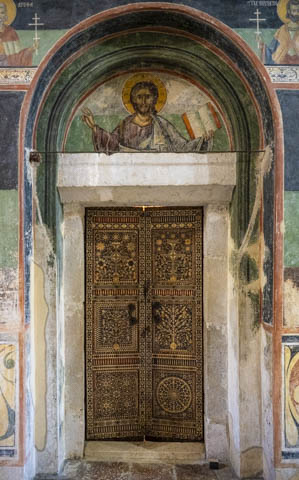
However, not far from the town is Piva Monastery. Originally built in 1573 the monastery was relocated from its original location 3km away and 100m lower in 1982 when the dam was built, to prevent it being flooded. The exterior of the monastery is fairly uninspiring but the frescoes inside are much more impressive. They were originally painted between 1604 and 1639.
It is possible to spend the night at the monastery but the car park was baking hot as we were now much lower than we were in the mountains so we decided to keep going.
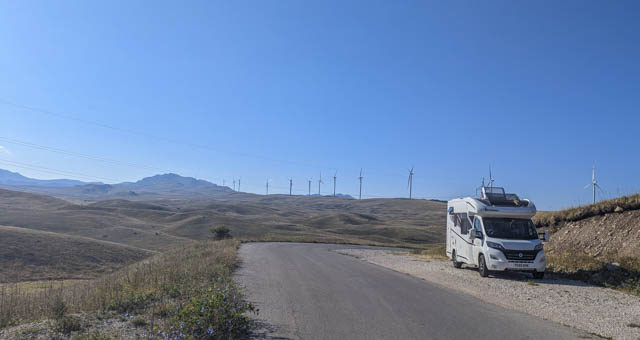
We actually headed in a big loop back up towards Durmitor National Park although that hadn’t been the original plan, or even the back-up plan. We were heading for a mountain lake above the town of Niksic which would have made a great place to stay the night. We turned off the main road and drove up and over a high plateau studded with wind turbines, past a remote farming village, until we reached a tiny ski resort that looked very run down and abandoned. Just past the resort there was a barrier half way across the road which then narrowed into a gravel mountain track. At this point it was early evening so we decided to abandon the idea of finding the lake, and started to look for an alternative spot for the night.
We retraced our steps and settled at the side of the road where we enjoyed a peaceful night.
In the morning we drove the rest of the way back to Durmitor and Zabljak where we restocked at the small local supermarket and then drove to the Savin Kuk ski area.
The ski lifts here are really old, slow attached lifts. There are two lifts to get to the top and the dismounts are definitely interesting as you have to hit the deck running and jump off a platform to the side to avoid being hit from behind by the lift as it comes past. If you are lucky, one of the lift attendants might grab your hand and swing you off and around but for lift attendants they weren’t all that attentive.
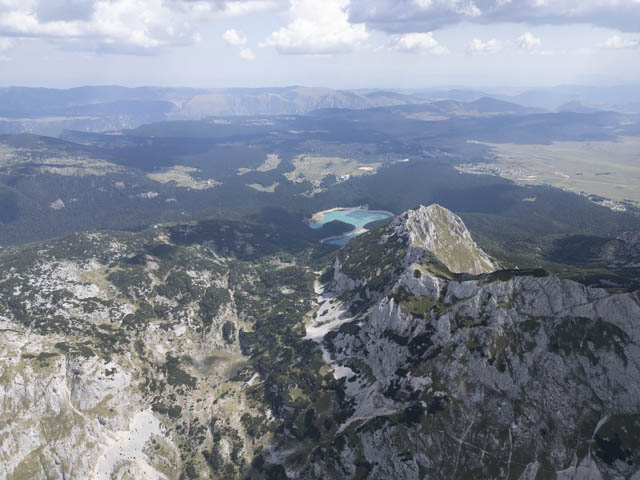
The peak of Savin Kuk was an easy 10 minute walk uphill from the top of the chairlift, which affords you incredible views across to Black lake in one direction, Bobotov Kuk in the other and then, away from Durmitor, you are treated to views across the rolling hills of a high altitude plateau.
We had a lovely picnic lunch at the summit, drinking in the views but, as we were finishing up, the wind started to pick up, the skies darkened and we could hear distant claps of thunder and see the rain falling across the plain. As it takes about 20 minutes on the chairlift we decided it was time to head down the mountain and back to the Beastlet.
Fortunately the rain held off until we were back at the camper but then the heavens opened and it absolutely chucked it down. From where we were parked we could see people coming down the ski lift and legging it to their cars looking particularly bedraggled. I shouldn’t say it but it provided us with some good entertainment!
We had been planning to go to a campsite for the night but the campsite was on grass and, given the terrible weather, which lasted for hours, we decided to stay put on hard-standing ground, where we had no concerns about getting stuck.
We now felt like we had spent enough time in the Durmitor area so we headed back out, on the road we had already driven three times. This time we were relocating to the East of Montenegro to another area of mountainous national parks.
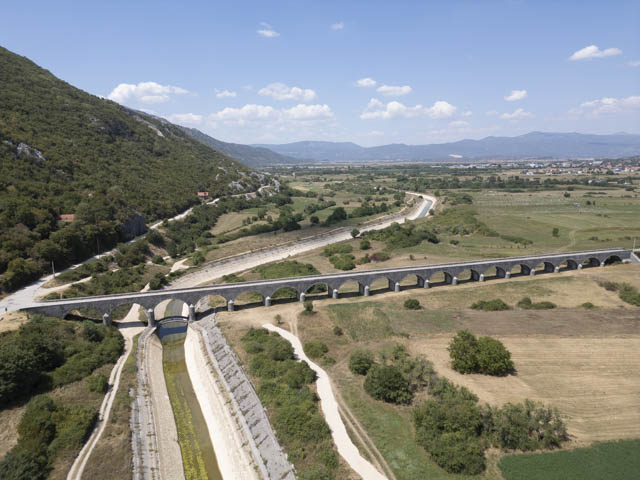
However, this involved dropping down into the lowlands to get there as the main route through the mountains was closed due to a landslide. On the way, we stopped off to see a big old bridge, the Emperor’s Bridge, which was built in 1894 and used to be the main highway.
As we were passing by Niksic we decided to spend a night at the Ilijin Vir campsite that we had enjoyed so much previously with The Roverlanders. You know, the one where we tried and failed to visit Ostrog Monastery and no, we didn’t even bother to try again. After all, we’ve seen a lot of monasteries and there are many more to come! Instead, we spent a lovely day here relaxing and swimming again in the amazing river, which is definitely going down as one of the best swim spots on this trip so far.
Suitably refreshed despite the 30c+ temperatures, we moved on through the capital of Montenegro, Podgoirca (although we didn’t visit the city as the forecast was for 40c). We did however stop off to see a waterfall near the city, called Niagara Falls.
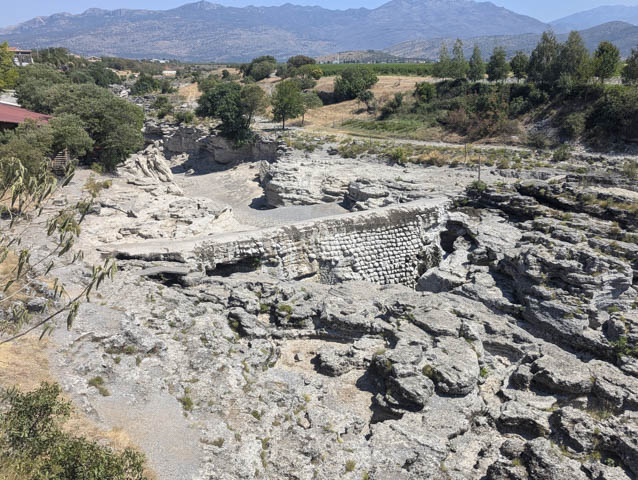
On arriving at the waterfall we discovered that, not only was it dry but the entire river didn’t have a drop of water in it!
So, a little disappointed, we headed back into the mountains. The main road from Podgorica into the mountains is now a brand new toll road but, preferring to take the scenic route, we took the old road which goes up a gorgeous canyon to the town of Kolasin.
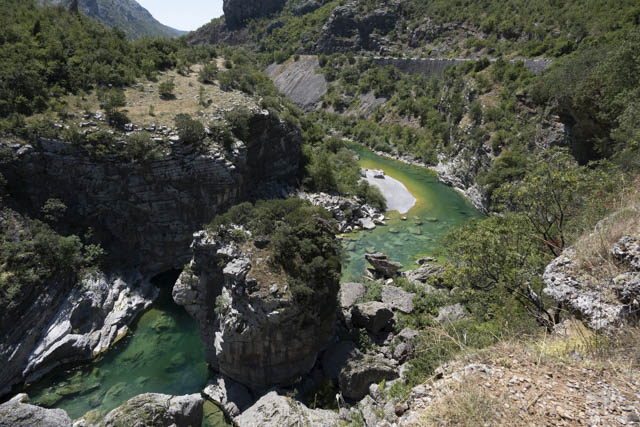
Of course on the way up the gorge there was a monastery to stop off at, the Moraca Monastery, which was built in 1252.
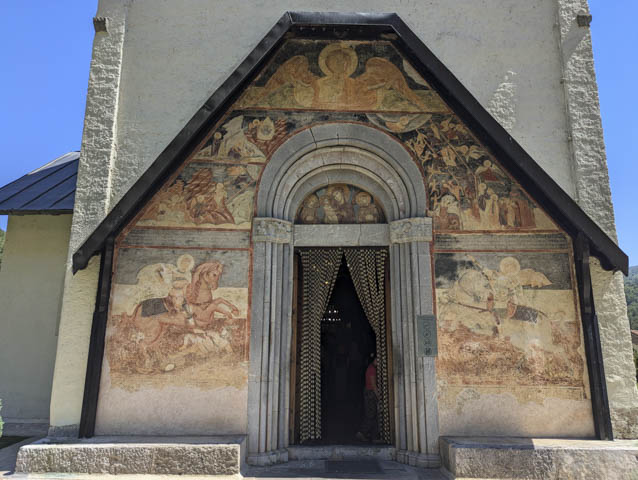
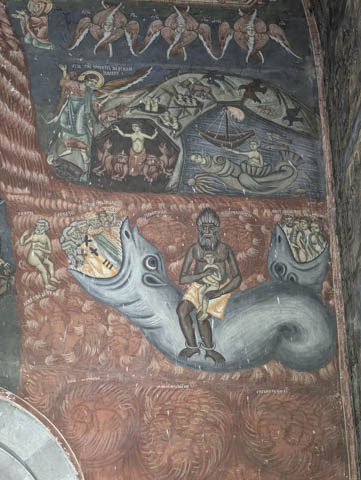
This one had some interesting frescoes and I’ve no idea what the one below is meant to depict.
Kolasin is a busy little town but we managed to stop in the centre to visit the supermarket, albeit double parked in typical Balkan style. From here we drove up to Kolasin 1600, which is the biggest ski resort in Montenegro. It looks like there is a ton of investment being put into the area with the construction of a number of large hotels.
This was a great high altitude location to spend a couple of nights and, in the summer, the new, quick chairlift from 1600 (which does not bash you from behind as you get off), can be used to access the top of the mountain where you can go hiking.
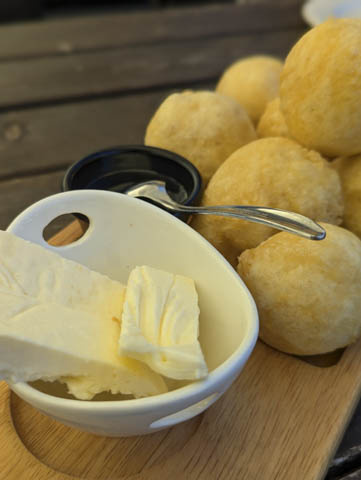
One of the things that makes this a good stop over (other than the free toilets) is the bar/restaurant on site. It would of course have been remiss of us not to enjoy a local beer and try a local specialty – fried dough balls with hard cheese and honey on the side. These were not quite what we had expected (think Pizza Express garlic dough balls – yum), and I can’t say that we enjoyed them, but it was interesting to try them none the less.
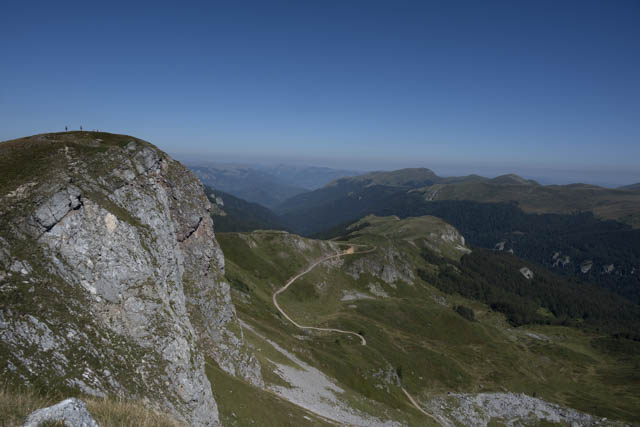
We took the modern detachable chairlift (which has wifi and is even heated in the winter) to the top where there is a lovely hike to a valley behind the ski area with a picturesque lake, Pesica Lake. This is in Biogradska National Park.
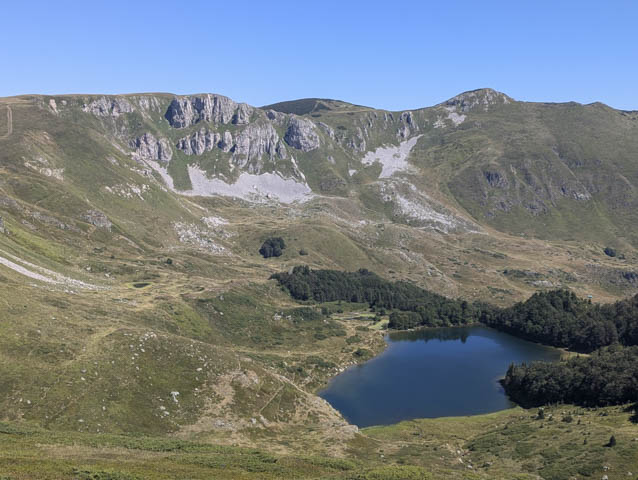
When we left Kolasin we drove down to a parking area which is the main access area to Biogradska, next to Lake Biograd.
We arrived around 9am to secure a parking spot, which this was a good thing because by 10.30am the parking was completely full and complete chaos ensued.
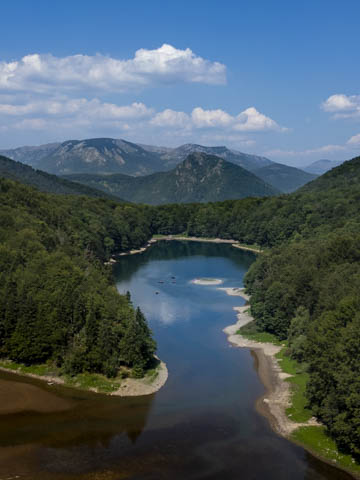
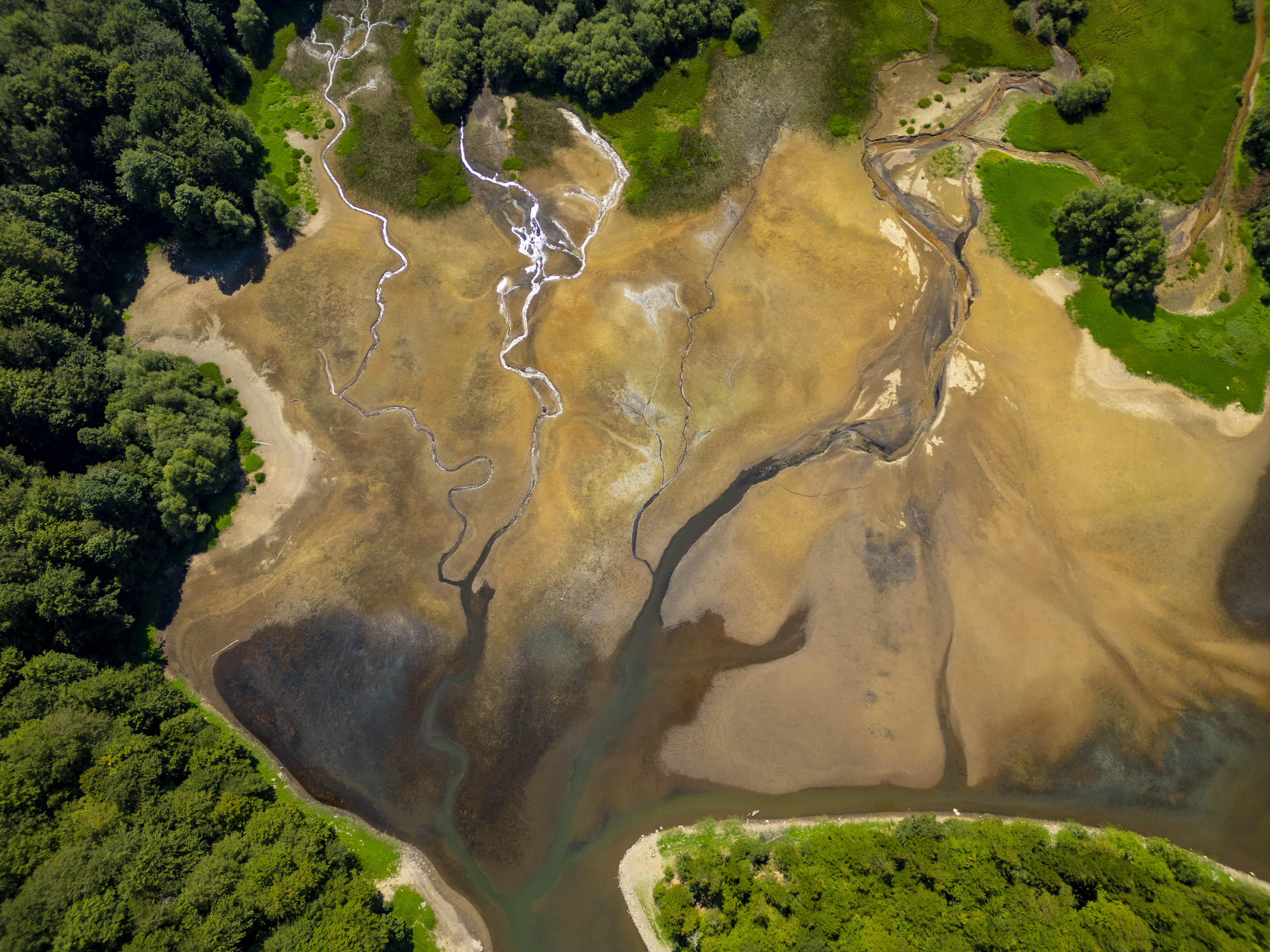
The main attraction here, apart from some trailheads to long hikes, is the walk around Lake Biograd. After a hot summer the water level in the lake was low and the whole back section had pretty much dried out which was a shame. The forest around the lake is lovely though and is one of the oldest in Europe.
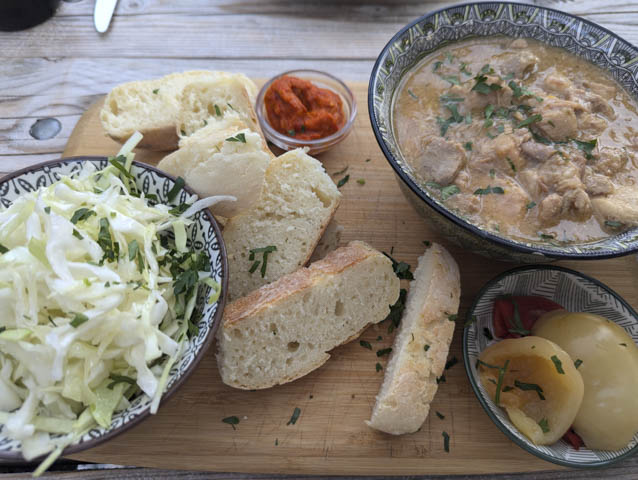
After spending the morning at the lake we decided to leave the busy car park before we got boxed in and headed to a campsite near Kolasin, owned by a young Dutch couple. It was in a lovely setting with a very pretty stream running alongside it but unfortunately it wasn’t deep enough to swim in. We did however lie down in it in an attempt to cool off! There was also a restaurant on site and the owners cooked us a really delicious dinner of local goulash.
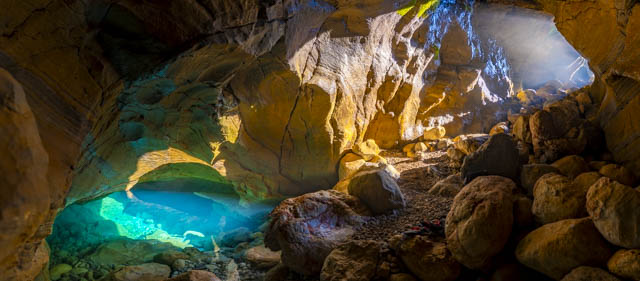
The campsite was an easy 4km walk from a really cool cave which was the source of a river in the area. At this time of year the river was mostly dry but at the bottom of the cave was an icy pool of water. I took the opportunity for a swim but the water was definitely the coldest we have come across and I only lasted under a minute !
While we were at Camp Lipovo, our friends the Roverlanders weren’t too far away (Montenegro really is a very small country), so we arranged to met up again for a night back at Kolasin 1600. This was our last opportunity for some socialising as our paths were soon to diverge as we were heading in opposite directions. We had another great night with Jon and Donna before heading to our next and final destination in Montenegro, Prokletije National Park.
Prokletije National Park is in the Accursed Mountains and is right on the border with Albania. The Peak of the Balkans multi-country hike goes through this park and I decided to hike part of this trail which, if I kept going, would take me to Albania.
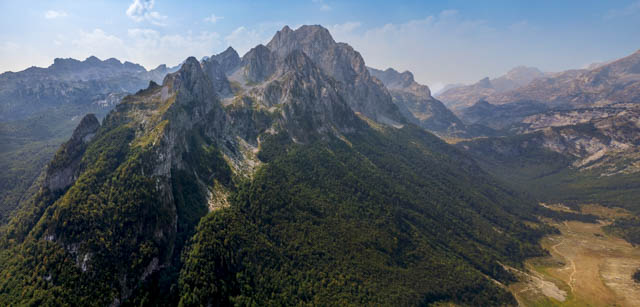
Unfortunately the hike I chose should have had the highlight of a couple of waterfalls and a finish at a mountain lake, but given the heatwave that has plagued the Balkans for the last two months both waterfalls were dry, as was the lake. The mountains however were spectacular!
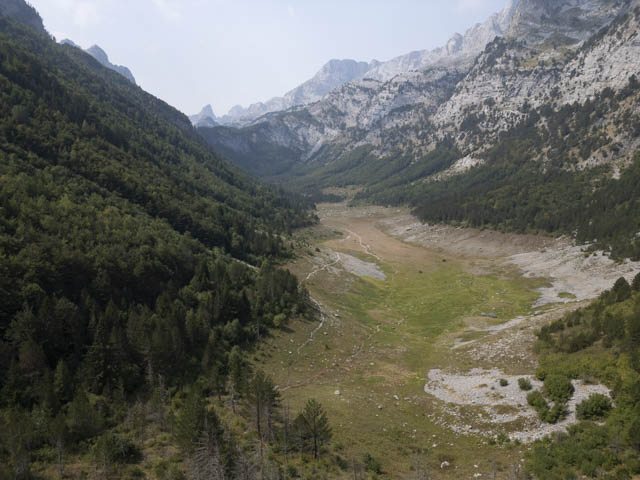
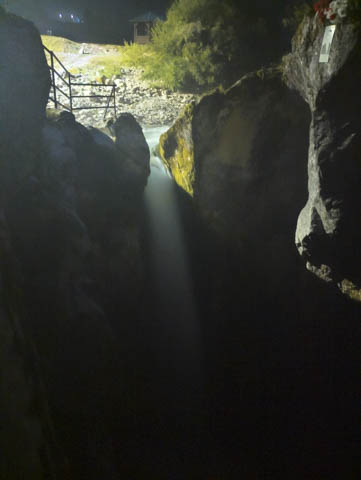
We had parked up at the trail head of the hike and in the early evening it started to rain heavily for an hour or two. After the rain had finished it was fascinating to watch water begin to flow down the dry river and just after night had fallen it reached the dry waterfall by the parking lot, which then began to run. We were so glad we went out to take a look even though it was dark because by sunrise the next morning all the water had gone and the river and waterfall were dry once again.
This was to be our last stop in Montenegro and the next country was Kosovo – one of the newest countries in the world and only recognised by just over 50% of the world’s states.
 FromAtoB