The Peloponnese – Around the Fingers
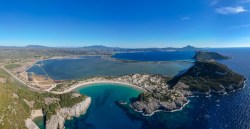
When we finally managed to drag ourselves away from the beautiful beach in the Easternmost finger of the Peloponnese we decided we needed to pick up the pace a little bit or we would run out of our allotted time for Greece.
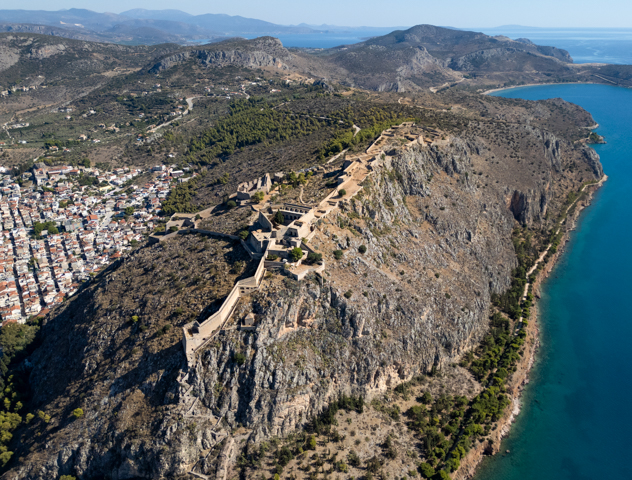
The next place to visit was the town of Nafplio. Nafplio is the regional capital of this part of the Peloponnese and although it is a small town, it has a large harbour.
There is a big castle overlooking the town called the Fortress of Palamidi. With 999 steps up to the castle from the town it could be a bit of a hike but fortunately there is also a road and small car park outside the main gate. Unlike many of the castles in this area this one is relatively new and was in fact built by the Venetians at the start of the 19th Century.
The fortress is actually huge with a number of terraces that stretch across the plateau on top of the hill overlooking the town. The further you go from the central keep the more run down it becomes.
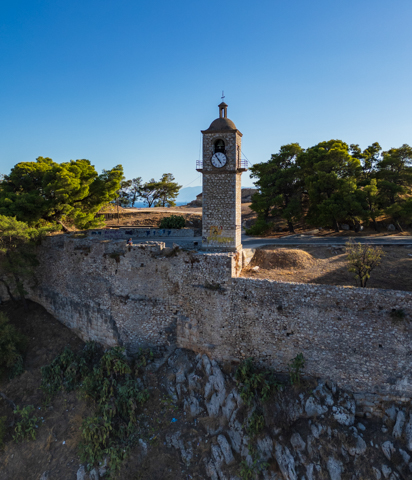
There used to be a link between this castle and another castle directly above the town but this has disappeared over the years. The second smaller castle is much less well preserved but is free to visit and you can see the clock tower that sits just above the town.
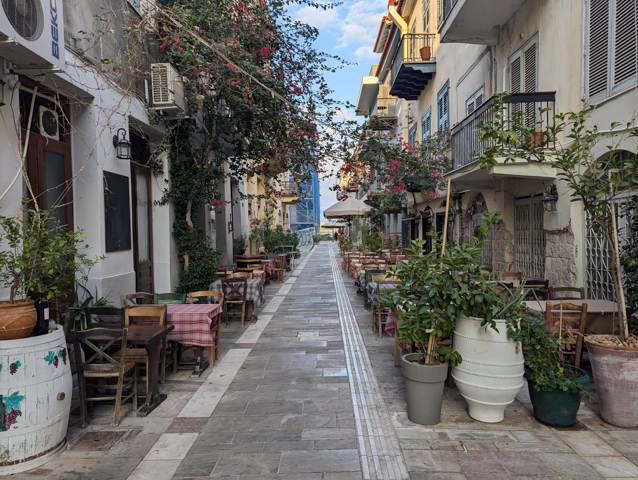
The town itself is very pleasant with narrow shady streets lined with cafes and restaurants which provide a welcome respite from the heat of the day.
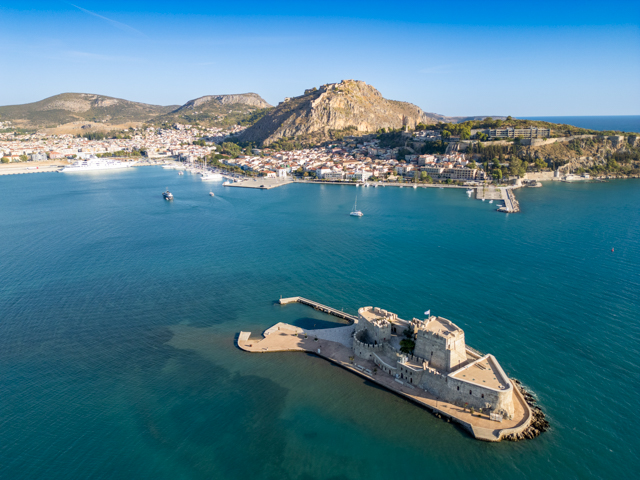
From up in the castle you can look down across the town and harbour and to the Bourtzi Castle, which is located on the island of Agioi Theodoroi.
Inland from Nafplio are a couple of sites of ancient ruins. The first that we visited is Tiryns and the second and much bigger site is Mycenae. These two sites are famous for their well preserved Cyclopean masonry. This was a form of Mycenaean architecture using massive limestone boulders. We visited Tiryns first which has up to 17m thick walls where tunnels run through them. We managed to squeeze a short way into one of the tunnels but were unable to go any further. The walls are impressive but once you enter the site and climb to the top of the city there are only foundations to see.
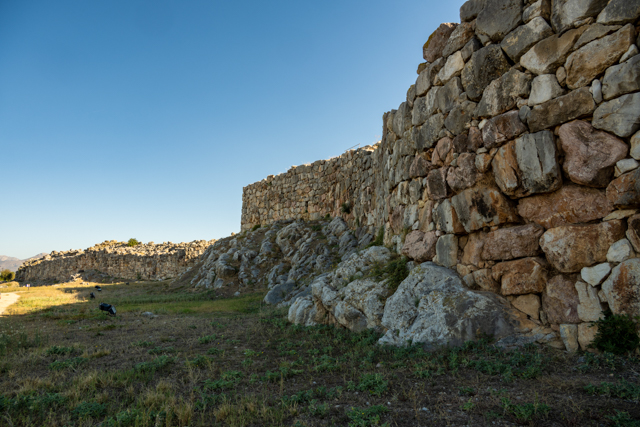
Tiryns is a hill fort which was occupied for 7,000 years from before the Bronze Age. It was part of the Mycenaean empire and in myth is said to be the location from which Hercules performed his Twelve Labours.
Unfortunately, like many of the Greek archaeological sites we have visited, there is a real lack of good informative signage so it is difficult to know what you are looking at without some prior research.
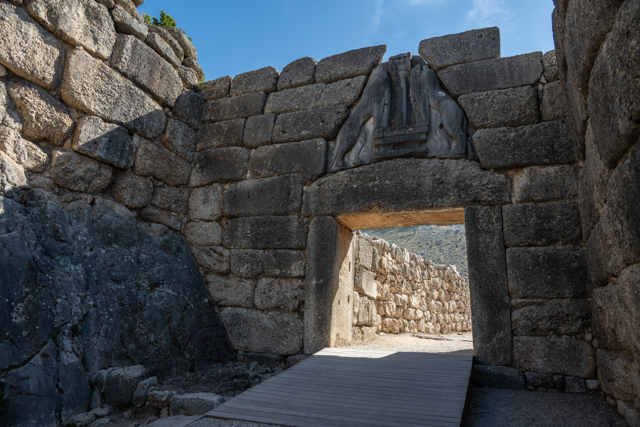
After Tiryns we moved on to Mycenae which is renowned for being the seat of Agamemnon who was responsible for the siege of Troy in the Trojan War. Between 1600 BC and 1100 BC Greek civilization is known as Mycenaen in reference to the dominance of Mycenae at this time.
These ruins are much more impressive and as such were quiet busy with coaches of tour groups. The ruins as we see them today have two main gates – the biggest of which, the Lion gate, is synonymous with the site itself.
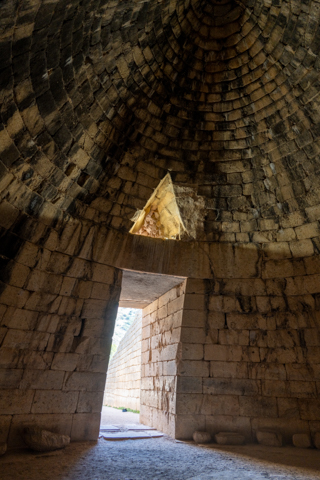
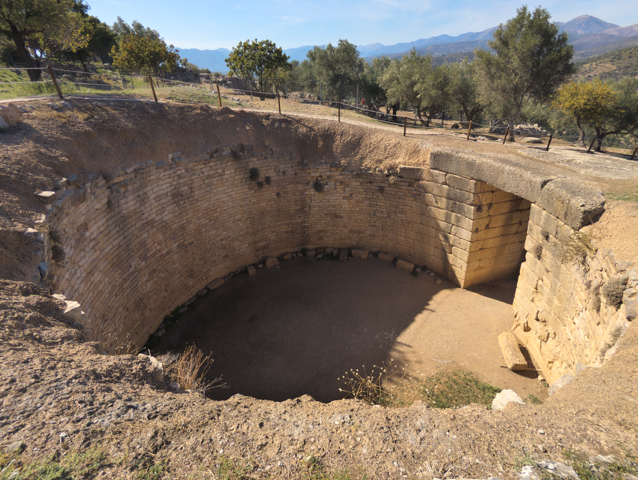
Perhaps the most notable thing for us at the site were the big circular Tholos tombs. In fact just off the site is one such tomb in which the structure is fully intact. These tombs were often used for more than one burial and personal possessions would also be placed inside the tomb to ease their journey to the afterlife or as offerings to Gods.
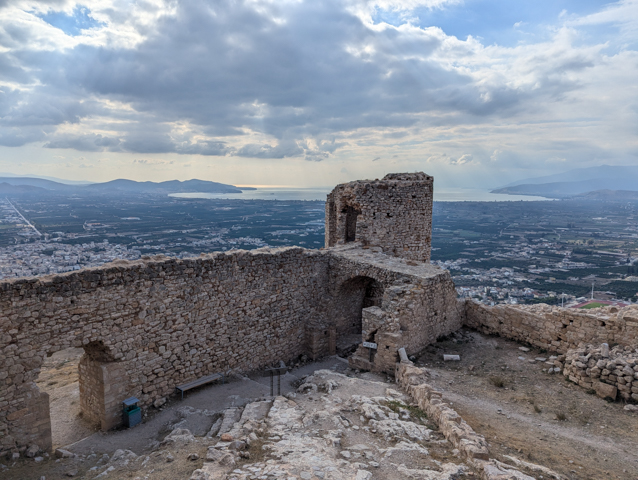
After the two ancient sites we headed to a more modern one, the Larissa Castle of Argos, which can be seen across the valley from Mycenae.
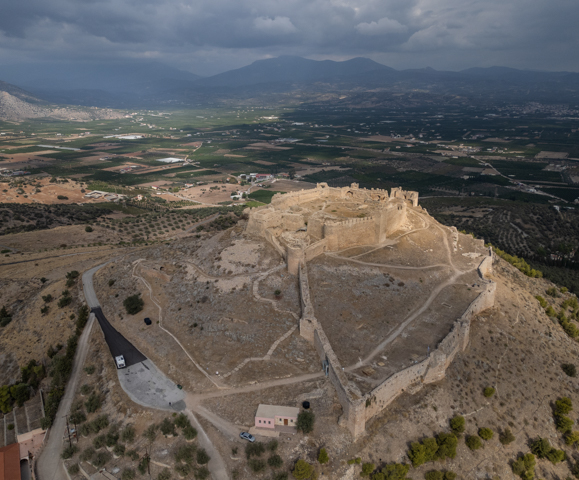
Although there has been a fortress here since Mycenaean times the modern castle was built in the 12th century.
Nafplio had held our attention for a few days but we were in need of a campsite to dump our waste and fill our water so we headed south to a well known and regarded campsite called Semeli Camping.
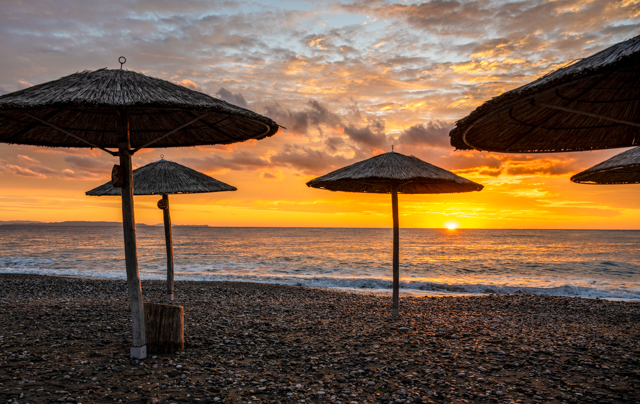
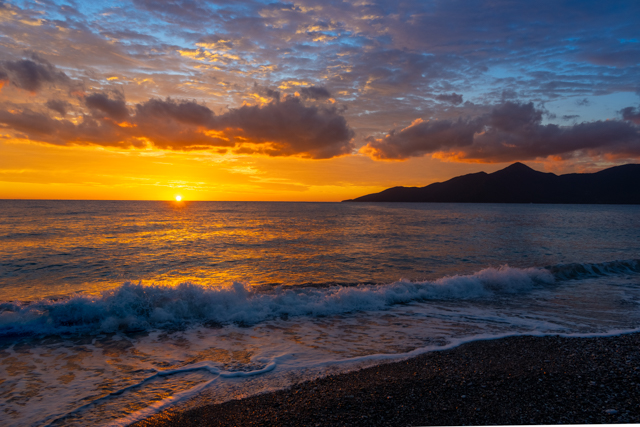
The campsite has a beautiful beach and free to use of their sun loungers (which isn’t always the case). We enjoyed a day lounging on the beach and sundowner beers while watching an amazing sunset.
We had to keep moving though so the next port of call for us was right at the bottom of the second finger, the town of Monemvasia. There is no motorhome parking throughout the town except on a pier sticking out into the sea at one end of the town. During our visit in October this pier was full of motorhomes so it must be all but impossible to park in the high season. However we were now far enough from Athens to be out of the range of day tripping tourists so everything was much quieter.
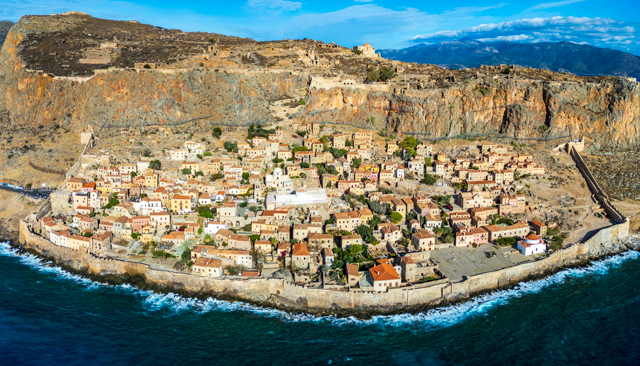
The modern town of Monemvasia is along the coast with a modern harbour. This isn’t the draw for this town though. The main draw is the narrow necked peninsula, which is the site of the ancient town of Monemvasia. The town is built entirely on the backside of the rocky cliffs of the promontory so it is entirely hidden from the mainland as a form of defence.
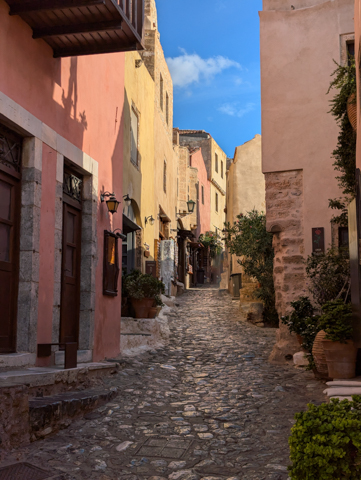
The old town of Monemvasia consists of a well restored and lived-in town with lots of bars, restaurants and hotels alongside old churches. This is a walled town and looks to be very well defended as the walls abut the rough seas and look all but impossible to breach. In fact, originally the only way to the city was by boat but eventually a paved pathway was built to provide access. The town is known as the “Gibraltar of the East” as a result of its location.
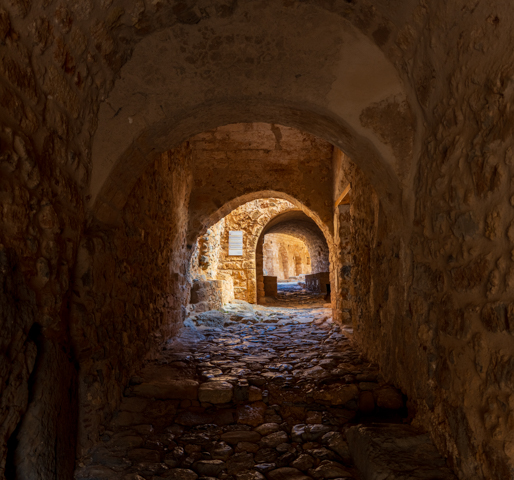
The second part of the city sits on a high plateau of the promontory, up 50m high cliffs.
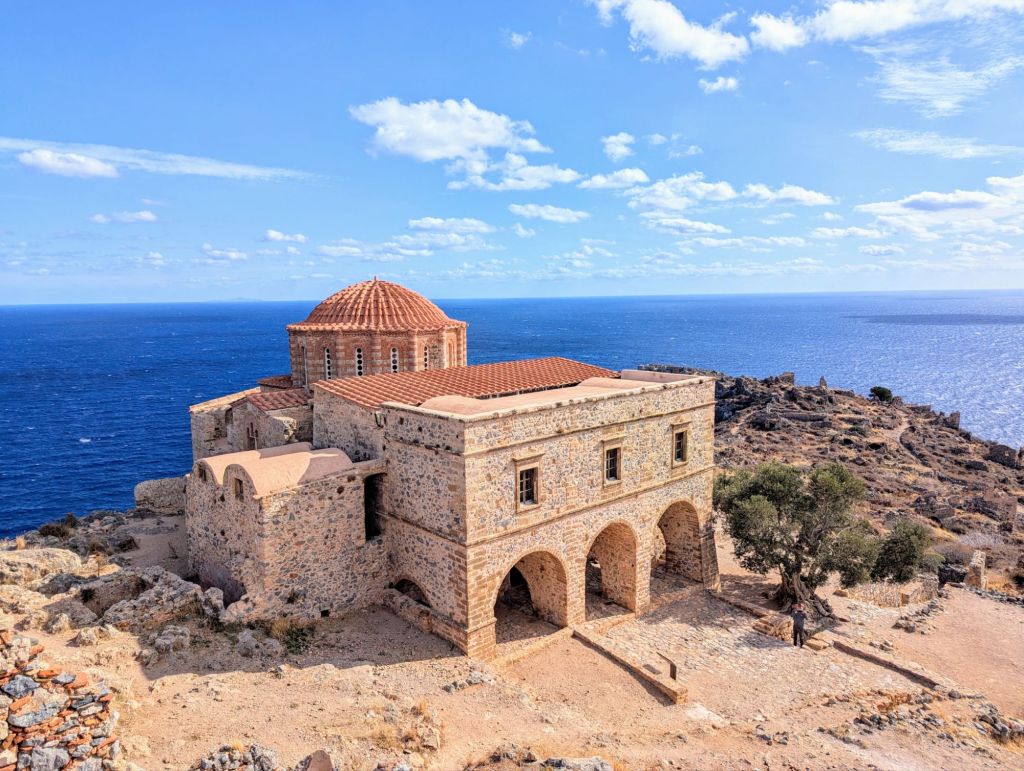
The whole time we were at Monemvasia the wind blew strongly. I cautiously flew my drone for some shots but had to be very careful as the wind was almost too strong and on one attempt I wasn’t able to make it back to the start position so had to move along the city to get to a point where I could land it.
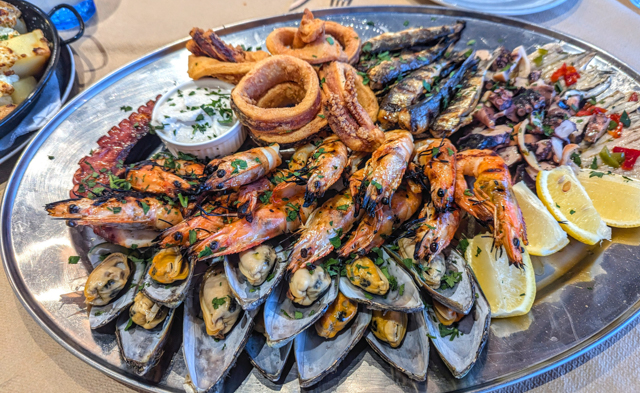
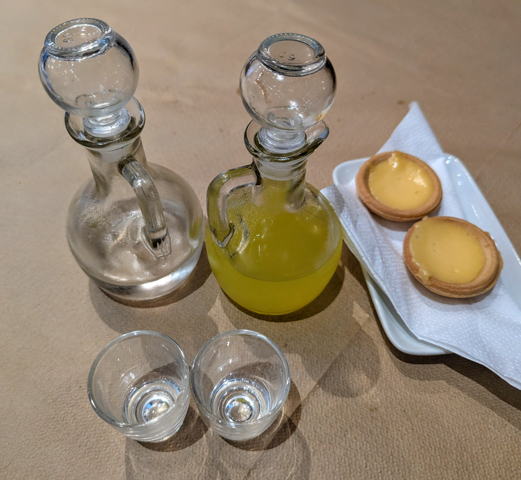
We decided to treat ourselves to a dinner of seafood while we were here and on a cold and windy evening went to a seafront restaurant in the new town which was practically deserted. The massive platter of seafood that we were served was superb and we thoroughly enjoyed it, not least because throughout the Balkans there had been very little fish on the menu. Afterwards of course there was the obligatory Limoncello and some custard tarts to finish.
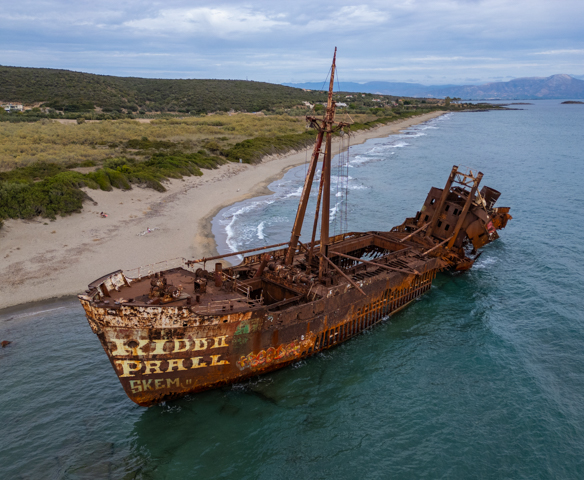
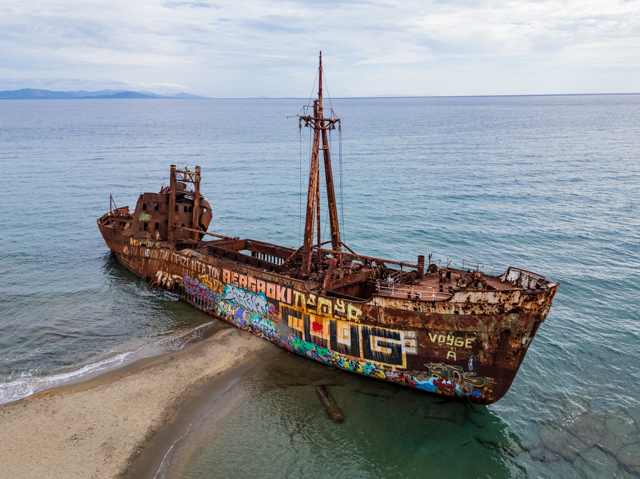
Leaving Monemvasia we drove West along the coast and stopped at a sandy beach to visit the shipwreck of the Dimitros. This is a 67m long 1000 ton cargo ship that was used to smuggle cigarettes between Turkey and Italy before being seized by port authorities. It was deliberately released from the port and set on fire to hide the evidence.
The port where it was released from was the town of Gythio which was where we headed next.
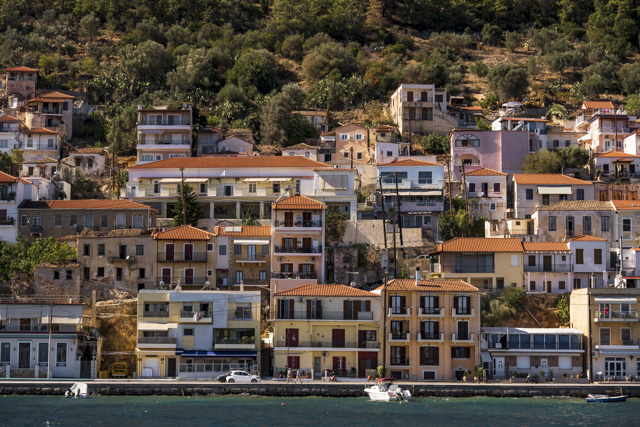
Gythio is a seaside town built up the hillside from the harbour but it only took an hour or two to wander around as there are no specific tourist spots.
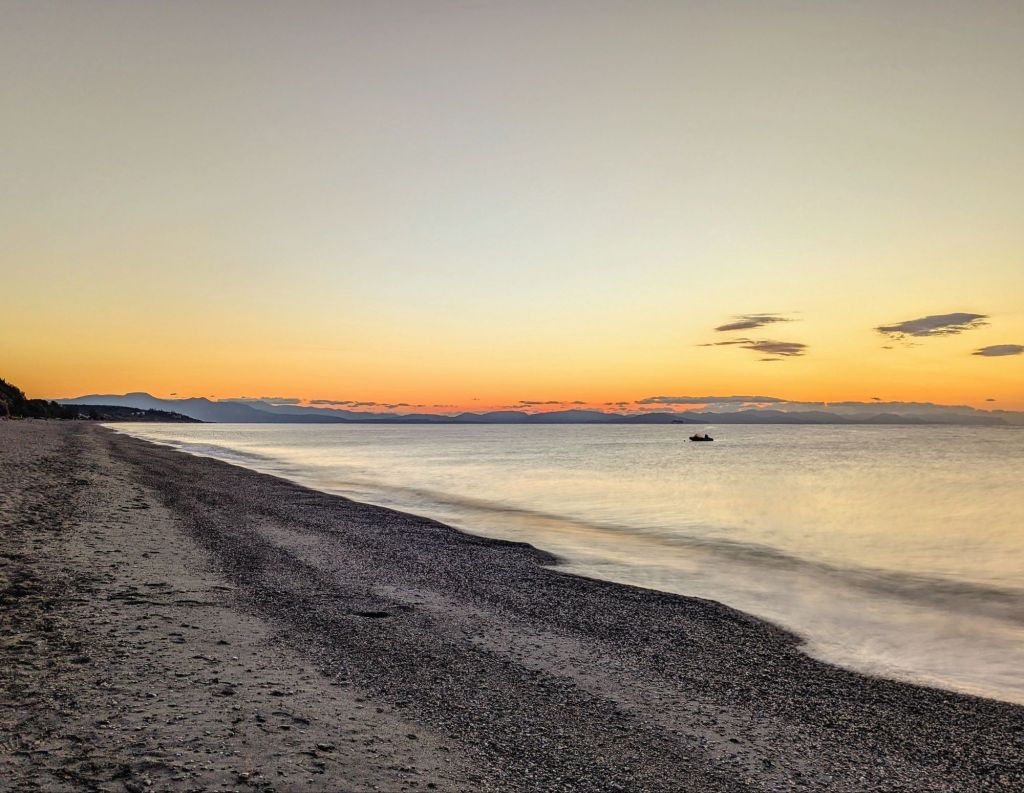
We ended our day at Mani Camping, a huge campsite on a very long sandy beach. This was just a quick stop for us though as we wanted to keep moving.
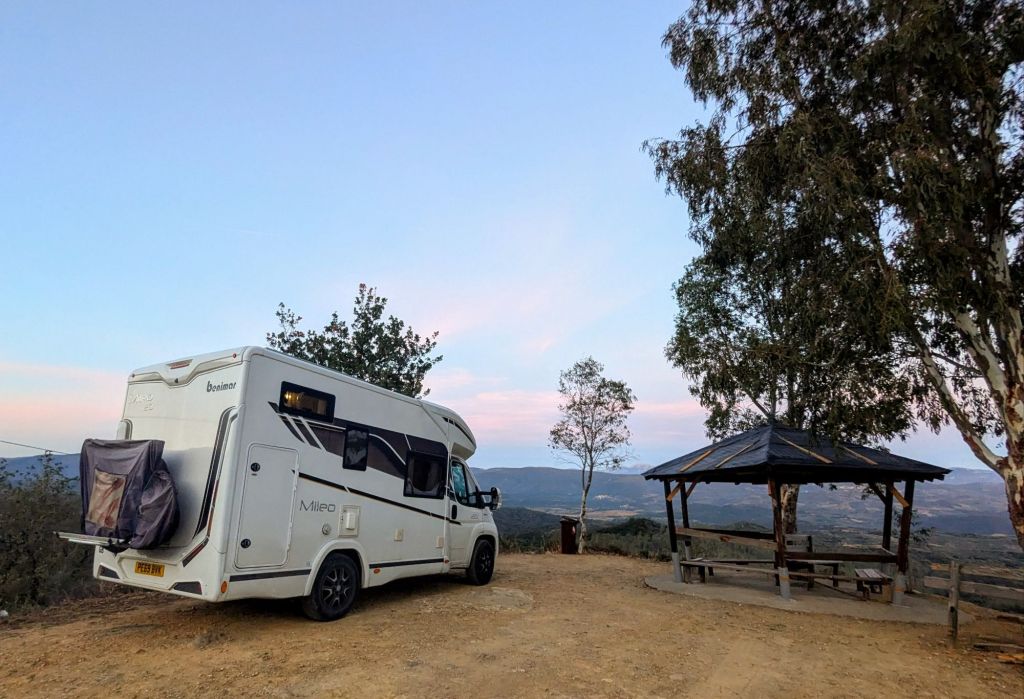
We drove inland to the ruined city of Mystras but first we stopped off at a mountain overlook for the night. There was a lovely view and when we arrived, a fire truck was parked there. It was a small space, only really big enough for two vehicles so we asked if they were happy for us to stay before settling down. It is quite common to see fire trucks parked at mountain lookouts, they spend the whole day there watching for fires and leave in the evening. We spent a quiet night here and in the morning headed to Mystras for opening time. Mystras is near the town of Sparta but there, all the ruins of Ancient Sparta have been destroyed.
Mystras has two entrances, an upper and a lower gate. We went to the upper car park first, which accesses the fortress at the top of the city. This gives easy access to the Frankish Castle which caps the peak of the hill on which Mystras is located. The castle was built in 1249 by the Frankish leader Guillaume de Villehardouin. The castle itself is just bare walls these days with no remaining rooms but the views across the area are good and worth the climb.
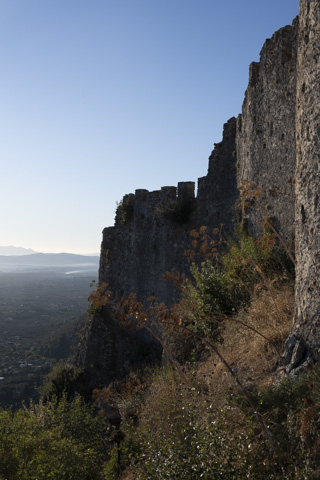
After exploring the fortress we moved the Beastlet down to the lower car park and explored the ruins of the Byzantine city from there. It was a good thing that we arrived early as the small car park was completely full by the time we left.
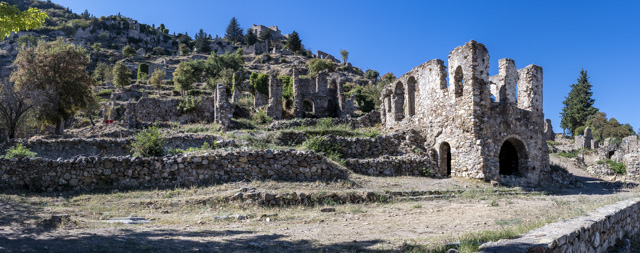
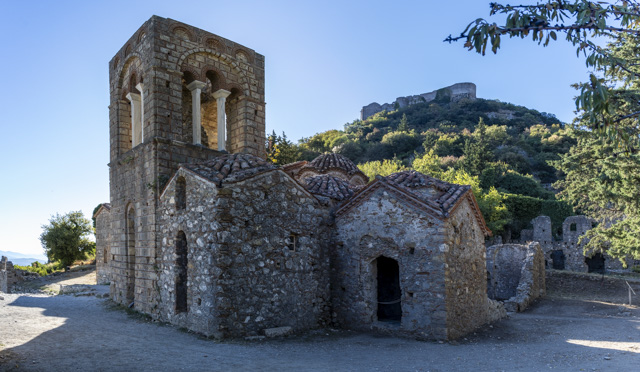
The town itself is largely just crumbling walls but there are a number of churches, monasteries and frescoes that have been preserved and it is definitely worth a visit. The majority of the city dates from 1271 to 1460 but it was a thriving town until 1715 when it was captured by the Turks and then burned during the Orlov uprising in 1720 and what wasn’t burnt then, was in 1825. It did remain inhabited until 1954 but was a shadow of its former self.
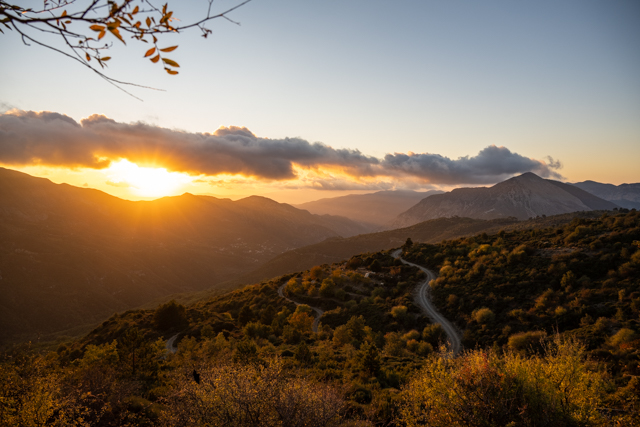
After leaving Mystras in the early afternoon we drove towards Kalamata which involved driving over Langadha Pass in the mountains which reaches over 1,300m. We decided to spend the night in this spot with beautiful views before dropping back down to the coast the next day.
In the morning we skirted the city of Kalamata before ending up at a campsite that we had been recommended, called Camping Loutsa. This was just outside the small fishing village of Foinikounta and was situated on a beautiful sandy beach. The campsite was due to shut for the season in a few days and wasn’t very busy meaning we found a spot on the front rank looking out over the sea.
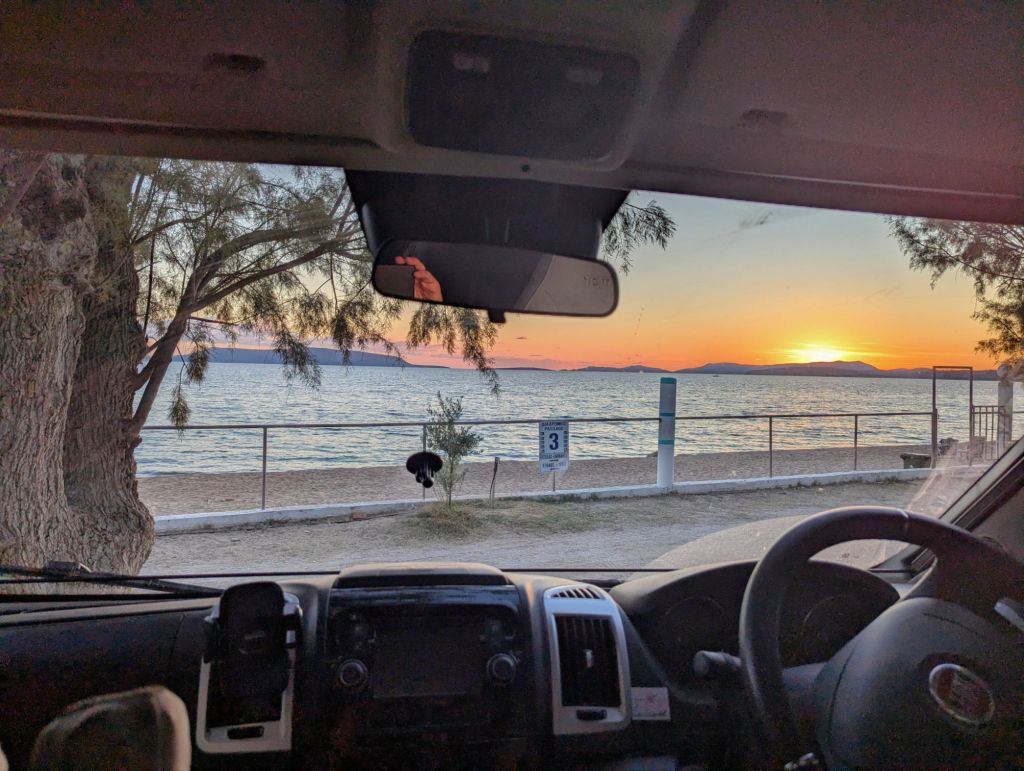
We stayed a couple of nights and enjoyed swimming and lazing on the lovely fine golden sand. In fact if we had more time and they weren’t closing for the season we would have definitely stayed longer as this was probably our favourite ‘campsite beach’ so far, but time was running out and we needed to keep moving in order to meet our timetable, albeit self imposed.
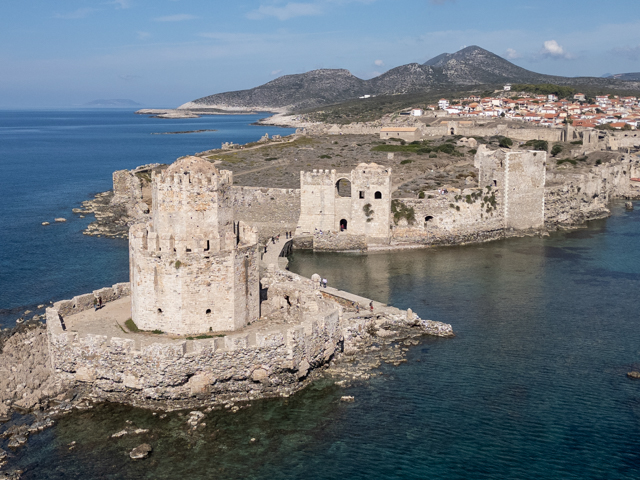
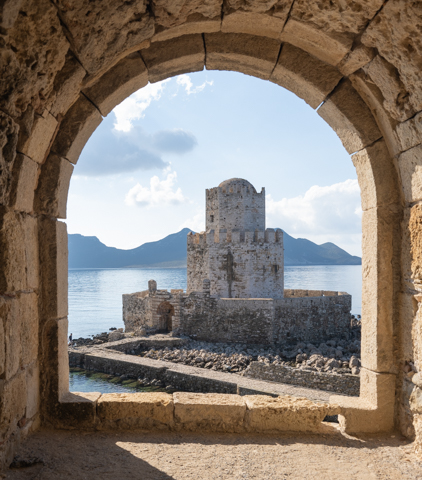
Only a few kilometres along the coast from here is the town of Methoni, which has a large castle on a promontory sticking out into the sea, built by the Venetians in the 13th century. It is one of the largest castles in the Mediterranean and off the tip of the mainland is a fortified inlet, which was used as a prison and place of execution during the Turkish occupation. Called Bourtzi it was built in 1500 and is connected to the main castle by a narrow paved walkway.
From Methoni it is only a short drive to the town of Pylos. This is a lovely town that I’ve visited a couple of times before by yacht as it makes a very convenient stop over on the way from the Ionian to Athens. Arriving by land provides a very different perspective although we parked up next to the marina, which was only a few minutes walk from the centre of town.
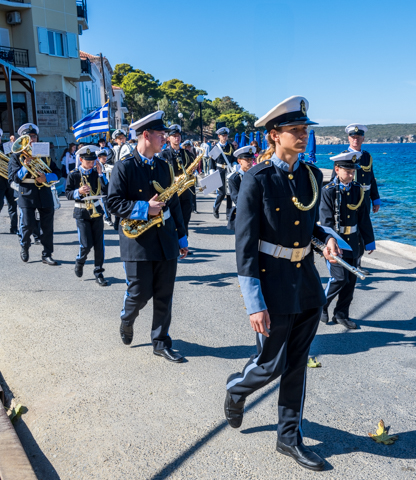
Unbeknown to us, we had arrived on a bank holiday and we were treated to parade of children in costume and a marching band with the whole town there to watch. The best thing about the bank holiday was that the entry to all the monuments and museums was free, so we headed to the castle on the headland above the town to have a look around.
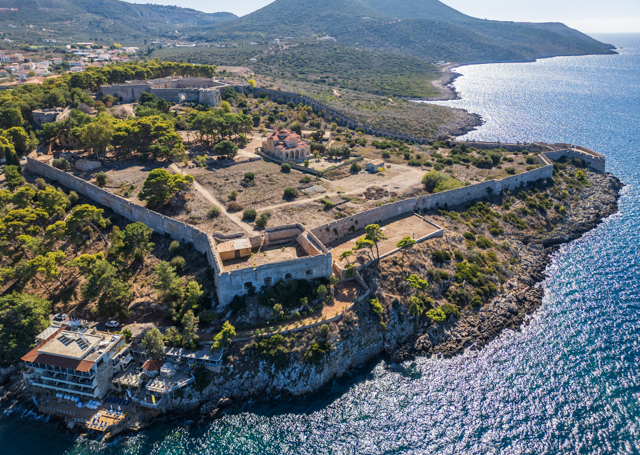
The castle was sprawling and little remained inside other than the outer walls and the inner keep. There were however a couple of small museums inside the walls to checkout.
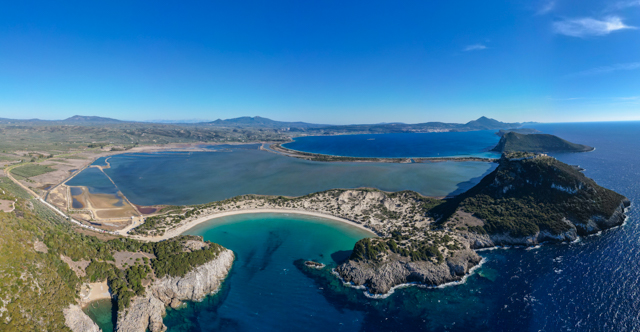
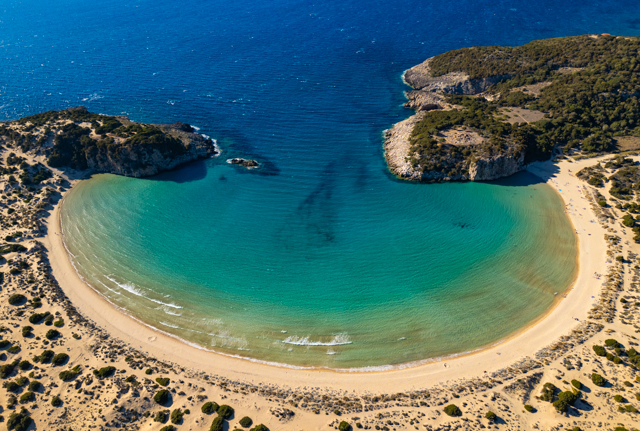
Only a couple of km’s down the road from Pylos is a well known, very pretty and popular beach called Voidokilia beach. The beach backs onto a lagoon, which hosts a large population of flamingos. Unfortunately we weren’t able to get close enough to the flamingos for a good photo as they stayed far enough away to remain undisturbed by any tourists.
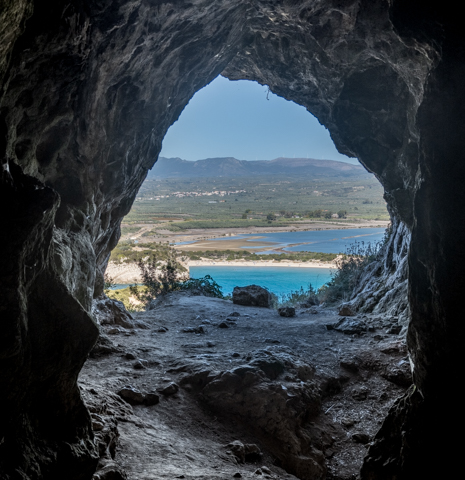
Above the beach is a cave called Nestor’s cave. Nestor was a king of Pylos who features in the Iliad.
Further up is the Old Navarino Castle which is a thirteenth century Frankish castle that was in use until around 1825. The castle is in some disrepair and is officially closed but there is a rough path up to it and a rope at the top to help you clamber over the walls into the interior of the castle.
Our last stop on the Peloponnese was the ancient Greek ruins of Olympia, the birthplace of the Olympics. Olympia didn’t function as a proper city but was a training camp for athletes that competed at the Olympics, which as in modern times, were held every four years, with “champions” attending from all the major cities across Greece.
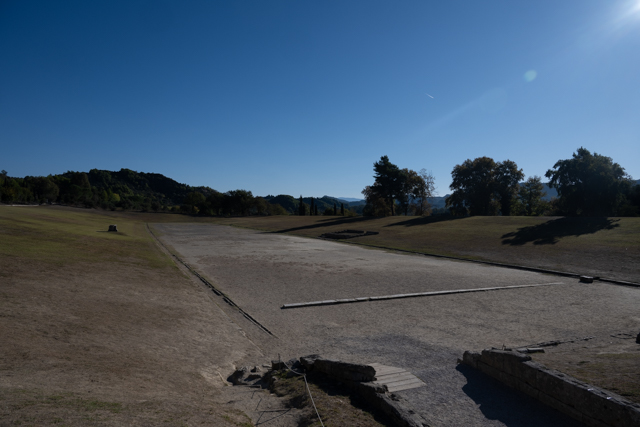
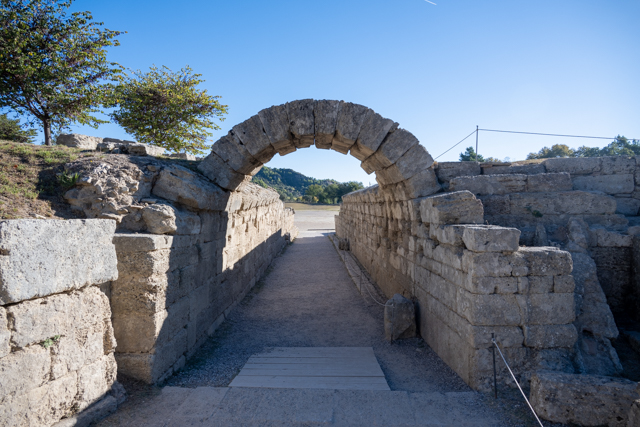
The original stadium where the games were held can be visited but it is just a depression in the ground. However, the original entrance to the stadium has been reconstructed and you can also see a row of 16 stone pedestals leading down to the entrance, which were engraved with the names of cheats to shame the athletes, their city and to dissuade others from cheating. In ancient times, bronze statues of Zeus (Zanes) would have sat atop the pedestals.
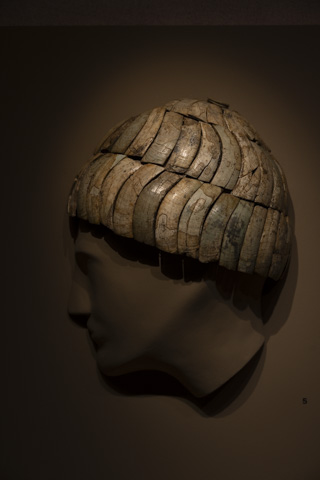
The ancient Olympics had far fewer sports than we are used to these days and in face started as only a single foot race. However, in the years following the first Olympics in 776 BC, other races were added and wrestling, boxing and chariot races were also included. The event that appealed to me most was the last foot race added in 520 BC, the Hoplitodromos, which was a race where the participants had to wear helmets, greaves (armoured shin protectors) and carry a heavy shield. The race was around 400m which must have been hard work with all that heavy metal.
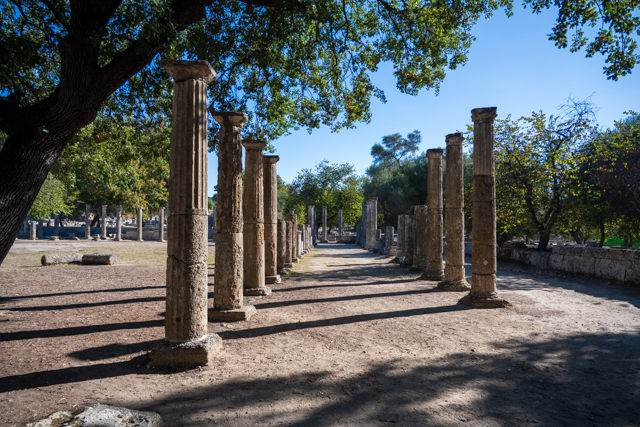
The site at Olympia is split into two places, firstly the ancient ruins and then a very good and informative museum.
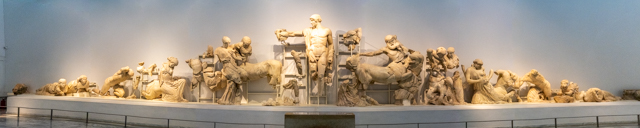
Olympia was the end of our time in the Pelponnese and we were also very close to the end of our time in Greece. We needed to start the long drive home and we had left ourselves a month to complete this but, we had unfinished business in Albania and Montenegro, where we wanted to finally visit all the places that had been too hot for us to visit at the height of the Summer.
 FromAtoB