Addo and the Garden Route
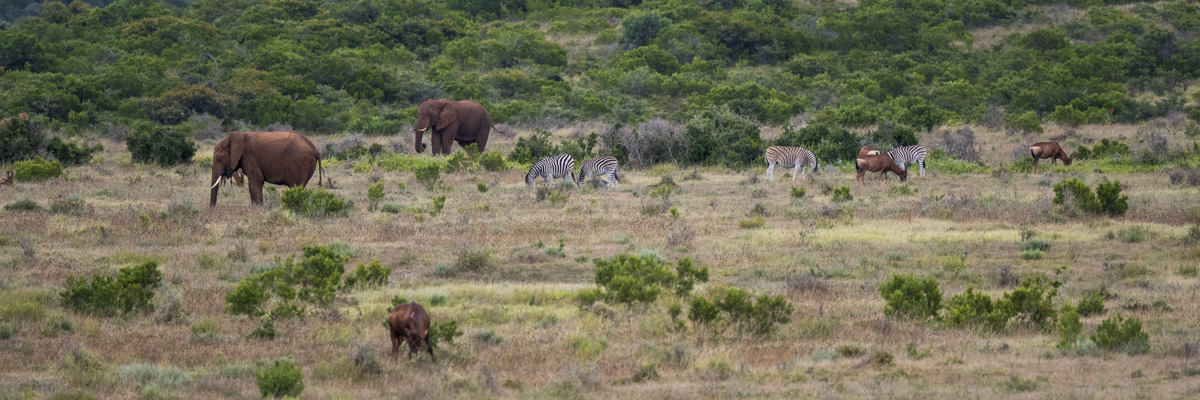
Before starting on the famous Garden Route we decided to visit Addo Elephant Park. Addo is the third biggest game park in South Africa and is home to around 600 elephants so we’d be pretty unlucky not to see one.
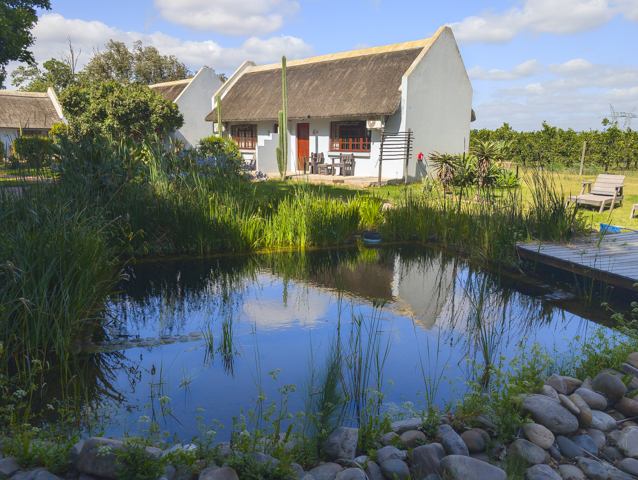
In order to visit Addo we’d booked into a guesthouse a 15 minute drive from the park entrance. The small cottages were set in a beautiful garden with a natural swimming pool which made for a very refreshing dip with the frogs at the end of a hot day – although they’d had a visiting cobra in the pool previously so although refreshing it wasn’t that relaxing!
Just a 3 minute drive away is a lovely restaurant that was recommended to us by the owner of the guesthouse, where I tried their slow roasted shank of Springbok which was excellent.
Addo is not like other parks in that the best time to see the animals is apparently from mid-morning onwards. We weren’t going to complain at the chance of a lie in, so we headed to the park around 11am. Unfortunately it was raining and forecast to rain for most of the day.
Addo is certainly busier than Mountain Zebra and there was actually a queue to check in at reception before we could go into the park proper (albeit not a very long one).
We set off with our map and started with one of the loops close to the main entrance. The landscape here is very different to Mountain Zebra National Park and a lot of the roads are surrounded by quite high scrubby bushes which make wildlife viewing much harder.
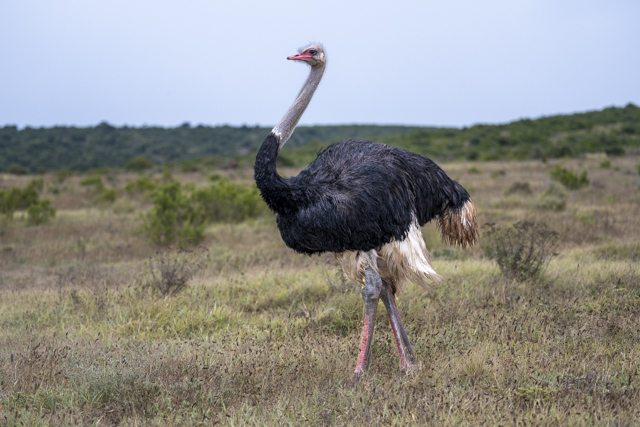
There are however places in the park where the landscape is more open and there are also a number of waterholes which can provide some good sightings.
With the rain, the normal behaviours of the animals were disrupted and it was a bit more of a lottery as to where we would be seeing them. However after a slow start we began to get glimpses of the elephants.
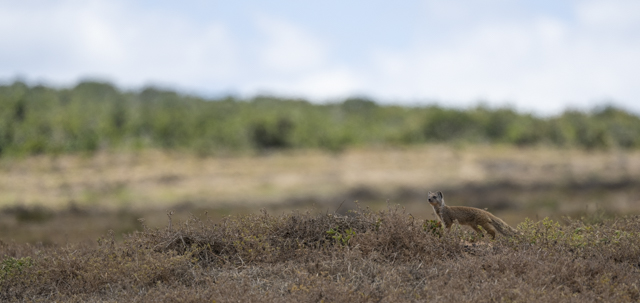
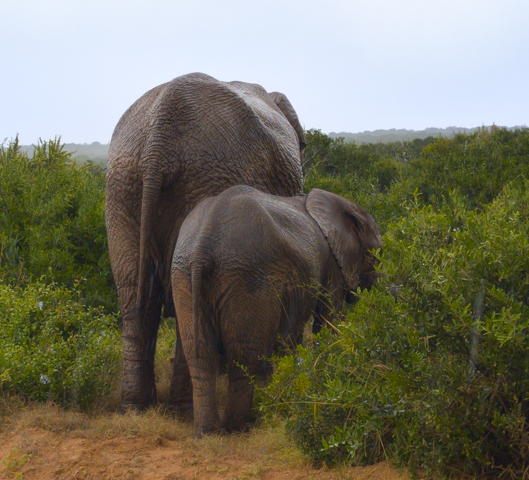
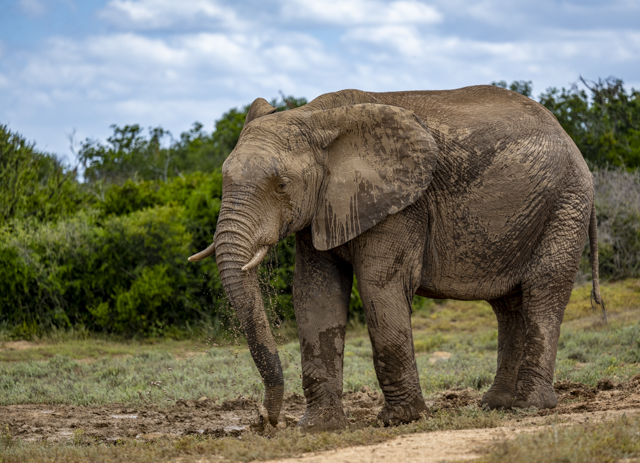
To start with it was a couple of bums here and there sticking out of the bushes but eventually we had a clear view of an elephant at a water hole and as the day went on we were treated to better and better sightings.
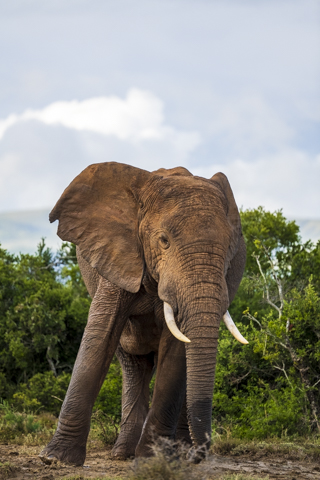
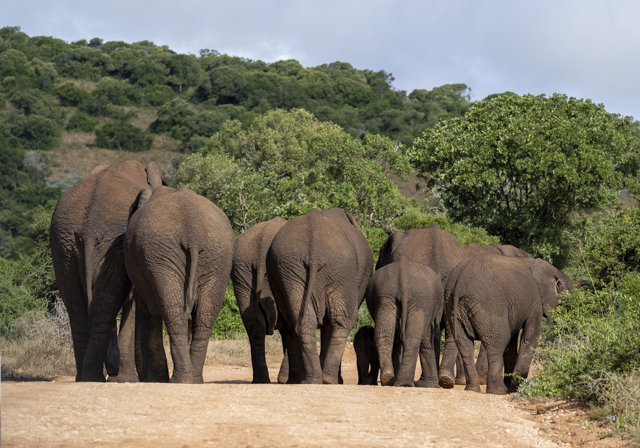
The highlight of the day was a family of around 20 which included a huge bull elephant and even a tiny baby. This family walked down the road and the big bull elephant walked past our car – close enough to touch if we had leaned out the window. There were definitely a few nervous moments as he stopped right next to us and swung his head from side to side.
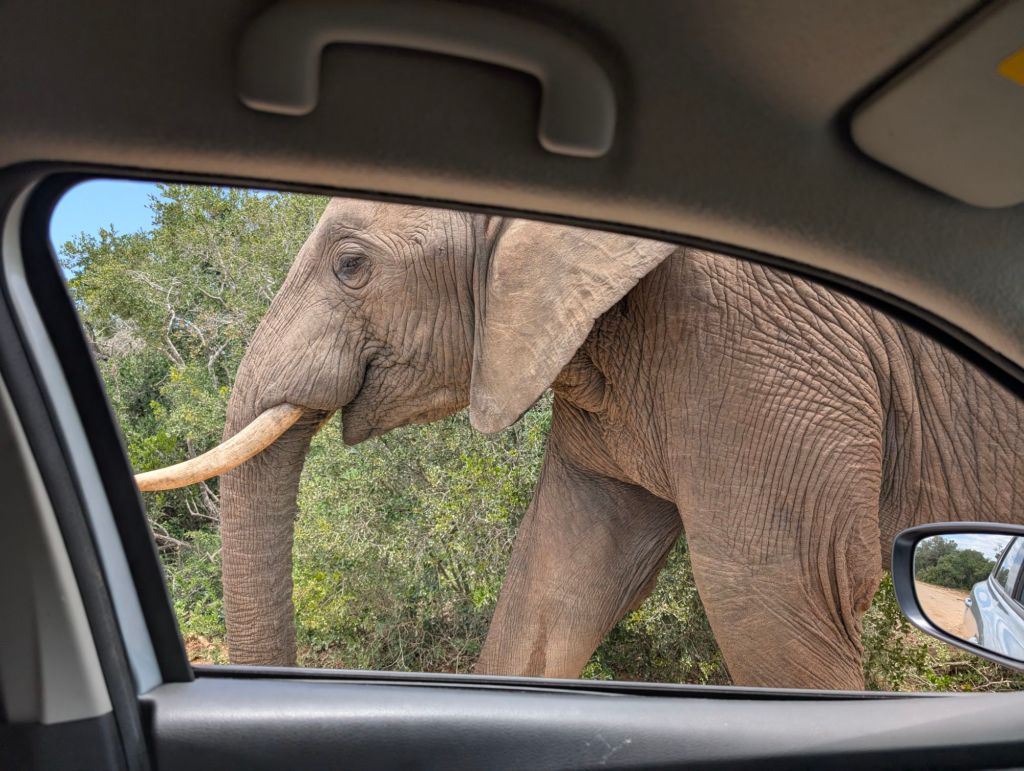
Addo is unusual for game parks in that the elephants are very relaxed. The advice when encountering them is to turn off your engine and stay very still. They will come very close but there has never been an incident of them damaging a car. In other parks you shouldn’t let elephants get too close and should drive away if they start to approach.
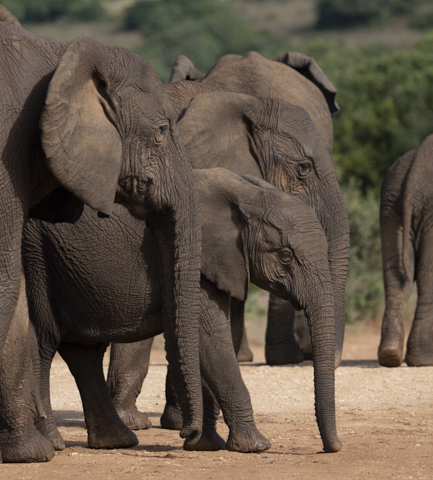
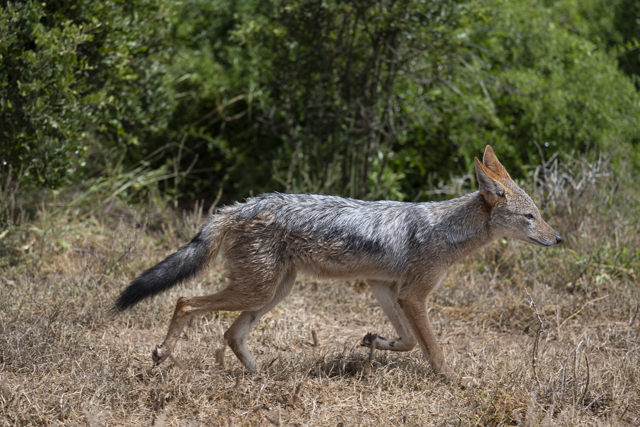
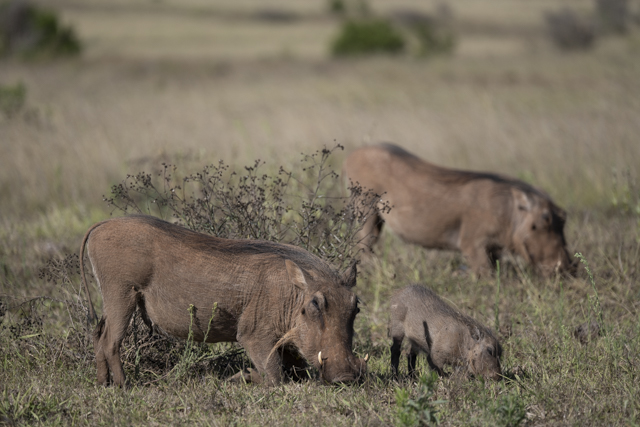
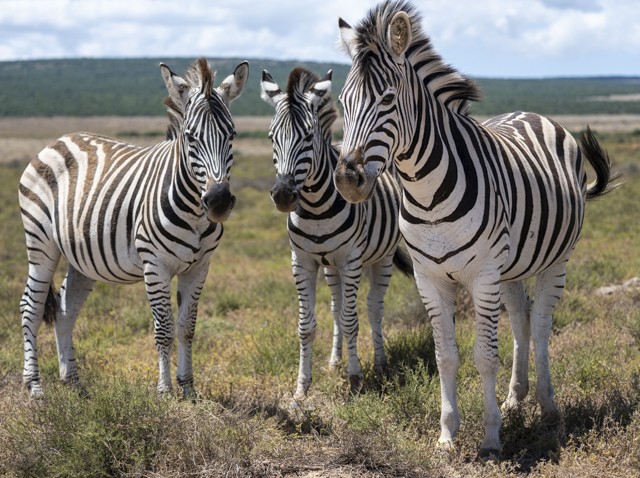
We spent two days in Addo in total. Our first day, despite raining on and off for most of the day was better in terms of the elephant sightings. On the second day we saw fewer elephants but all the zebras seem to have come out and we also saw lots of warthogs. Every day in a game park is a different day !
We left Addo by the southern gate and stayed the night in the suburbs of Port Elizabeth.
Form here we were heading for the coastal national park of Tsitsikamma or Storms River but first we headed inland to a remote highway where a café and animal sanctuary called the Daniell Cheetah Project resides. This is a rescue centre for big cats where they provide free guided tours of their residents.
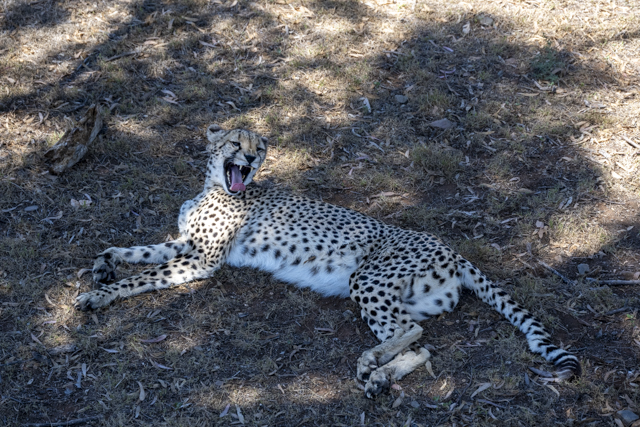
Most of the cats that come to Daniell have been injured or mistreated in some way and can’t be released into the wild. For example, they have a brain damaged cheetah, cats that are blind or with severed limbs.
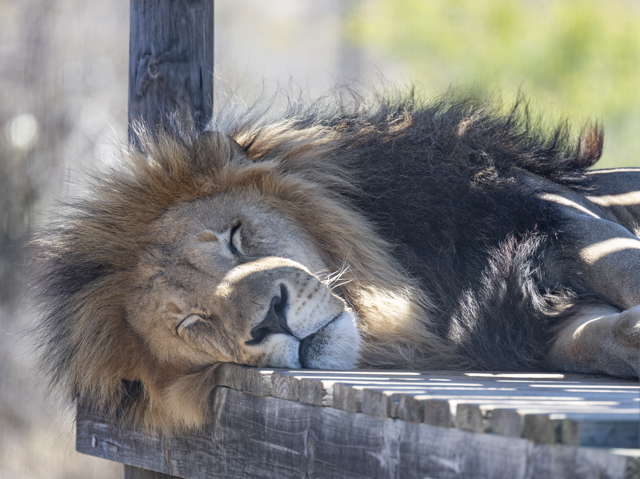
They do breed the cats though if possible and release them into the wild. In fact they had a leopard cub that was still dependant on its mother but was destined to be released when it was old enough.
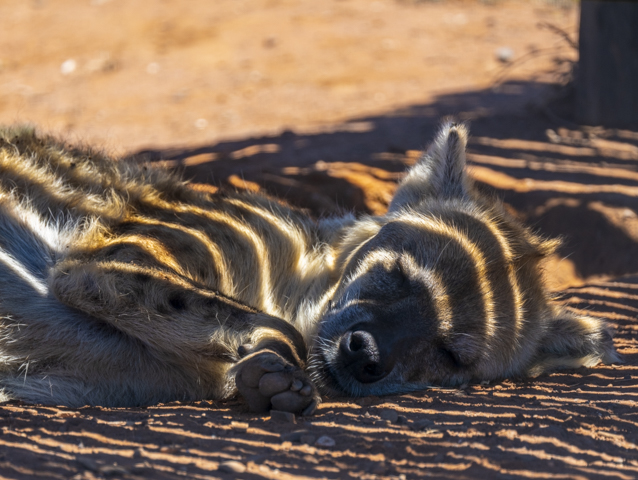
The woman who gave us the tour was really knowledgeable and we learnt a lot about the various cats who live in the centre.
From here we headed back towards the coast with our first stop at Jeffrey’s Bay. This is one of the premier surfing locations in the world and we visited a beach called Supertubes which has big clean waves for surfing – in the winter. Right now there were no real waves and certainly no one out surfing. It was however a lovely beach.
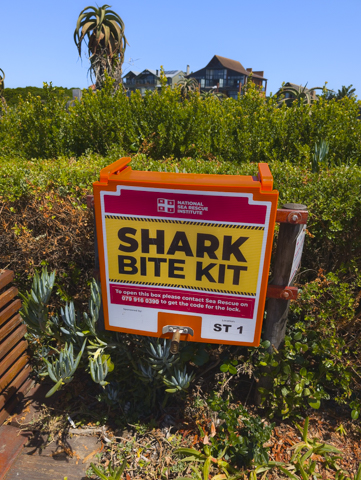
This being the first South African beach we had visited we were not accustomed to seeing Shark Bite Kits. Add to that the signs warning of dangerous currents and rip tides and it tends to make you think twice about going for a dip!
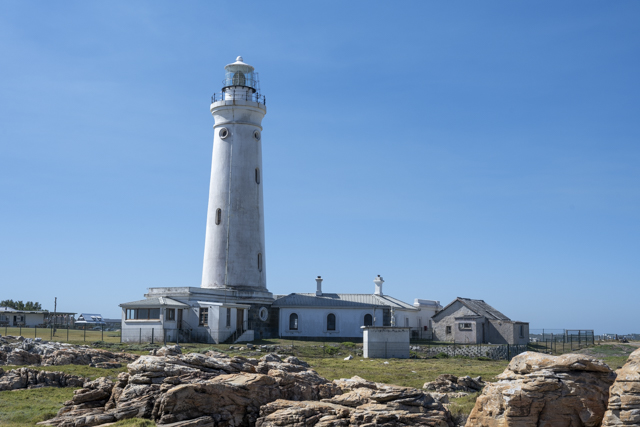
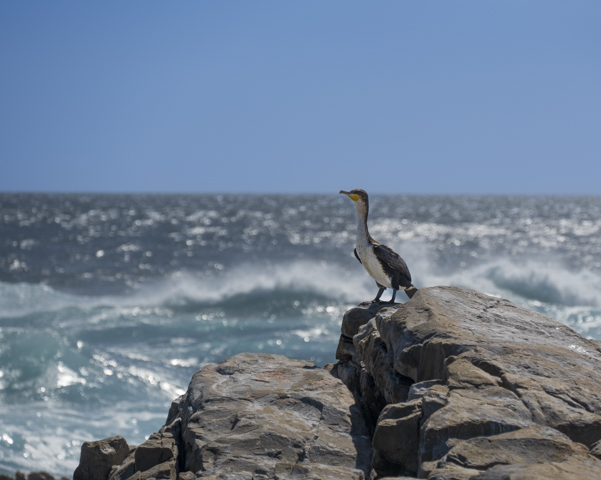
Our next stop was St Francis Bay or more accurately, the Seal Point Lighthouse. Built in 1878 this lighthouse is on the South Easternmost point of Africa (not the southernmost point) and is 28m high. There were no sign of any seals unfortunately but the coast was very dramatic with waves crashing against the rocks.
We ended the day at the small town of Storms River staying at a very eclectic Backpacker’s Hostel. Our room certainly wasn’t the nicest we’ve stayed in but the communal area was really rustic with lots of seating areas throughout the garden, a beautiful big dog wandering around demanding attention and even monkeys trying to raid the partially open-air kitchen. It had a very welcoming, relaxed vibe though and they provided delicious freshly baked beer bread every afternoon and pancakes for breakfast.
While staying there we decided to book a kayaking trip to Storms River Mouth and down the canyon.
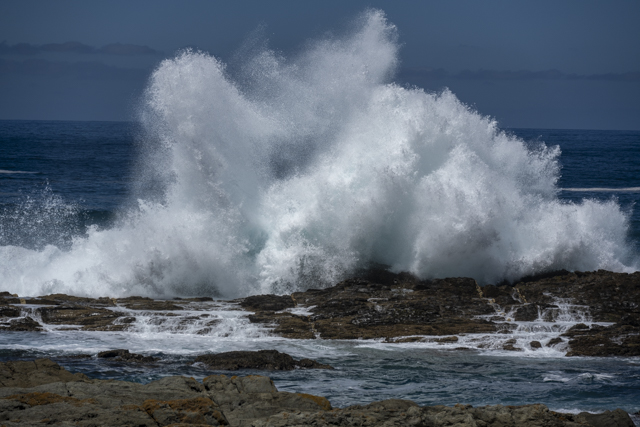
Unfortunately it was too rough to kayak from the home base of the kayak company to the mouth of the river so we started with a kilometre walk along a boardwalk with lots of steps to the river mouth where there are a couple of famous suspension bridges across the river.
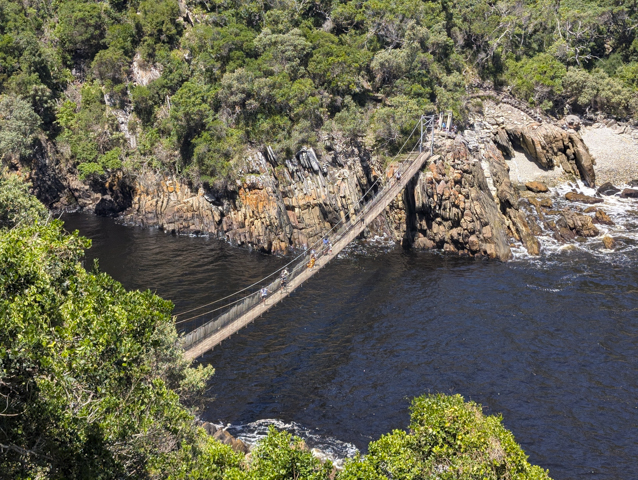
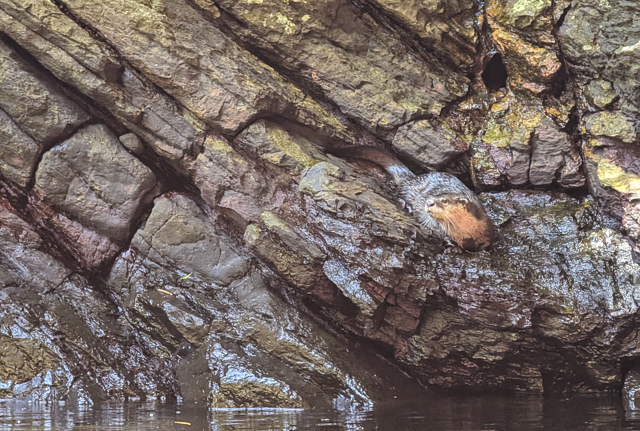
From here we boarded our kayaks and started kayaking down the river gorge which became quite narrow. There was a big cave inhabited by bats that we paddled into in the side of the gorge but the highlight of the paddle was definitely seeing a Cape Clawless Otter playing on the rocks at the side of the canyon.
It wasn’t long before we reached a barrier of rocks, at which point we exited the kayaks and climbed over the rocks to collect an inflatable lilo for the next section of the canyon. These were super fun to lie on and zip around the now very narrow canyon using your arms for propulsion. We only really carried on another 500m or so to another rock barrier with a small waterfall.
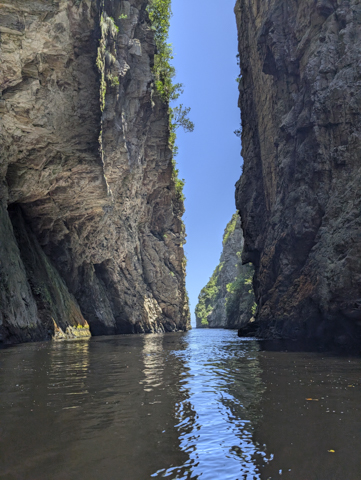
This was our turnaround point as we headed back towards the kayaks. We did stop off for some cliff jumping into the river which was fun before reboarding the kayaks and heading back.
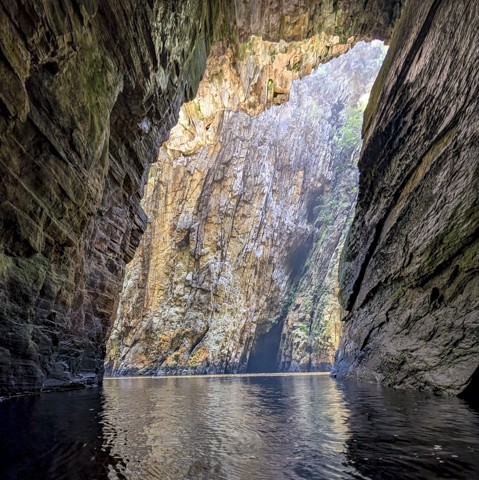
It was a fun trip in a beautiful place, but we felt a little short changed as the actual kayaking wasn’t very far. We had definitely expected a lot more kayaking and a lot less walking for what was billed as a kayaking trip.
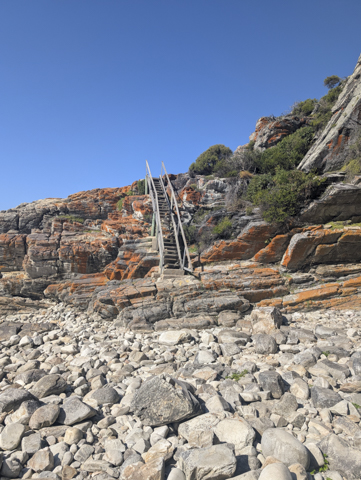
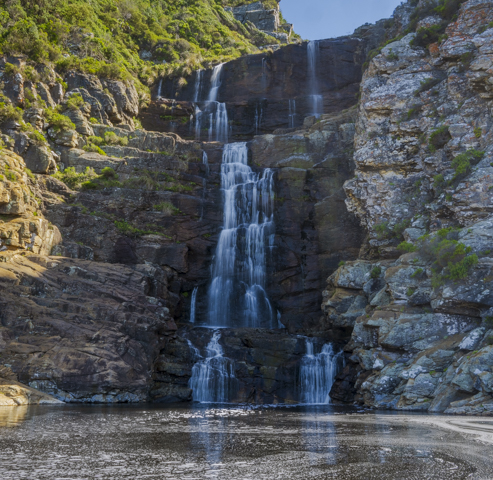
The other thing I did at Storms River was a reasonably strenuous coastal hike along part of the Otter Trail to a waterfall next to the beach. The hike was a little harder than expected as there was a lot of climbing up and over the cliffs and onto the beach itself where you had to rock hop over rough stones.
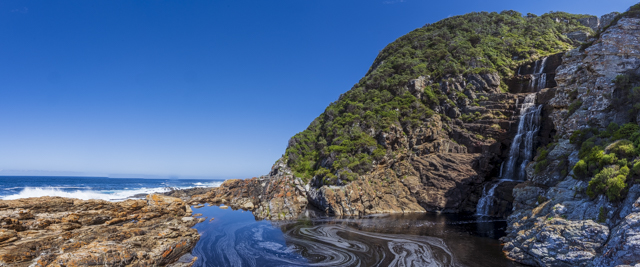
The waterfall itself was lovely and bigger than I expected. A perfect way to cool down after a hot hike.
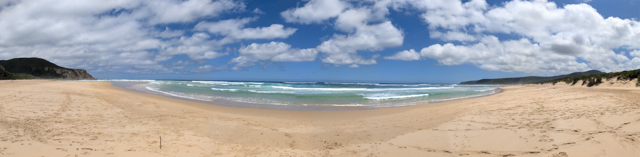
After leaving Storms River we were heading for Plettenberg Bay but we stopped off to explore a beautiful area called Natures Valley. There is a stunning beach here and if you walk across the beach there is a lovely, safe swimming spot in the lagoon. We didn’t have time on this trip to stay overnight here but we have made a note for the future that this is somewhere well worth visiting.
Plettenberg Bay is a bigger town on the Garden Route. We chose to come here because of the big seal colony and there are a number of companies that run seal swimming trips.
We had booked with Offshore Adventures which has their office right on the waterfront only a short walk from where they beach launch their boats.
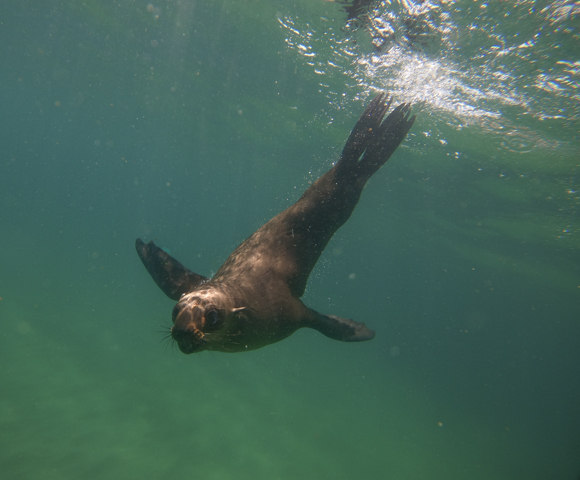
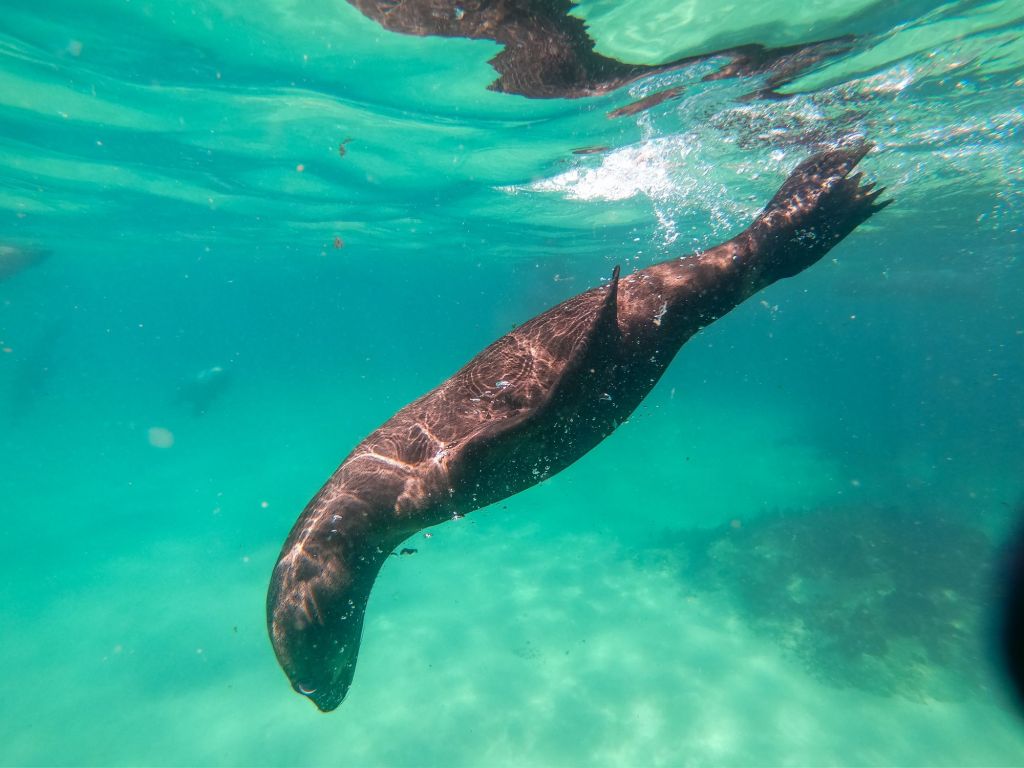
After a quick briefing, we were kitted out in wet suits and snorkelling gear and loaded onto the boat which was pushed into the water by a tractor. The seal colony was about a 15 minute boat ride away over calm seas. As we got closer we were excited to see lots of seals lounging around on the cliffs and swimming in the water and no other boats in sight.
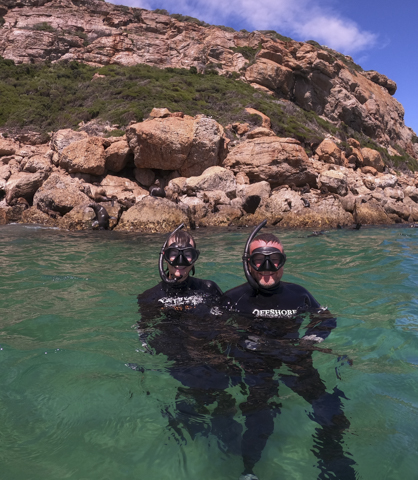
We had a very enjoyable half hour snorkelling with the very active and playful seals as they cruised around us, sometimes very close. It was a very cool experience and highly recommended.
After travelling back to shore in the boat we were instructed to hold on tight for the landing. The boat lined up with the beach and then the captain applied full throttle, launching us towards the beach. We hit the sand, slid out of the water with a big jolt and lurched to a stop canted right over on one side. A pretty exhilarating end to the trip!
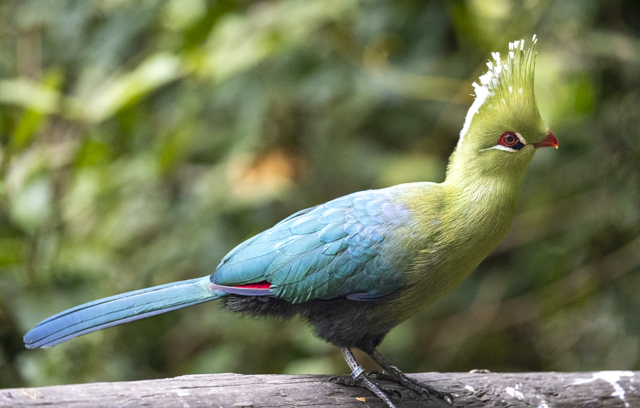
Plettenberg bay is also home to the largest free flight aviary in the world which has a massive netted area 2 hectares in size. It is absolutely stuffed with free roaming birds (although obviously no predators) and there is a boardwalk that traverses the netted area allowing you to get a close look at them.
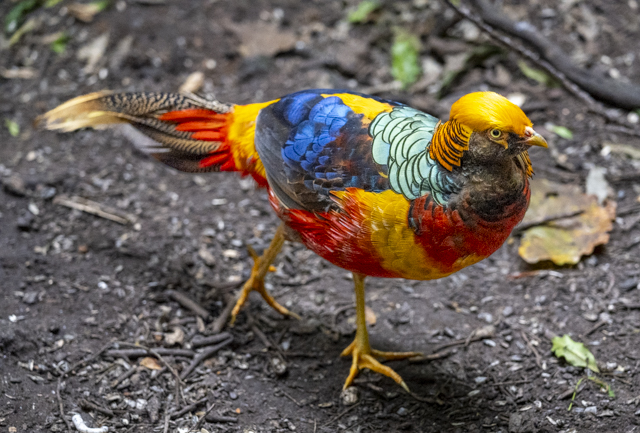
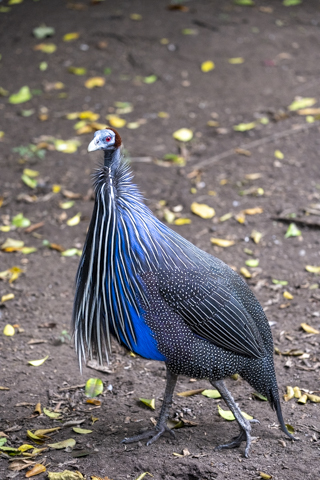
We spent a couple of hours here, walking very slowly and saw some weird and wonderful species. The Vulturine Guinea Fowl was probably the weirdest looking one. There were also lots that we didn’t see so this is the sort of place that rewards repeated visits. They house birds from all over the world, so Rainforest birds from South America rub shoulders with the local African birds.
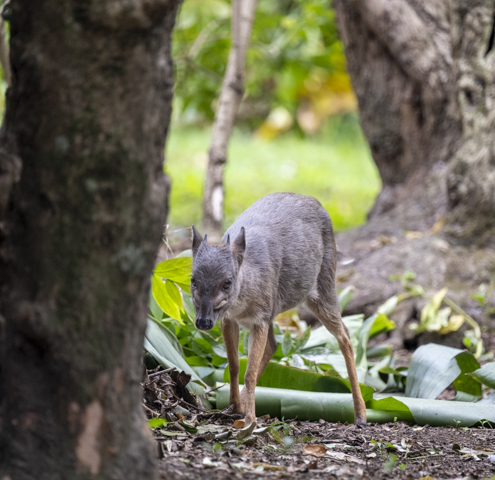
There were also cute little Blue Duiker, the smallest antelope in Southern Africa, running around beneath the trees.
Next door to Birds of Eden is Monkeyland which is another free roaming habitat which has 10 different types of monkeys living in some fairly big family groups. You aren’t allowed to free roam here but instead have a guided tour.
We were lucky to have a private guided tour as no one else was around when we arrived.
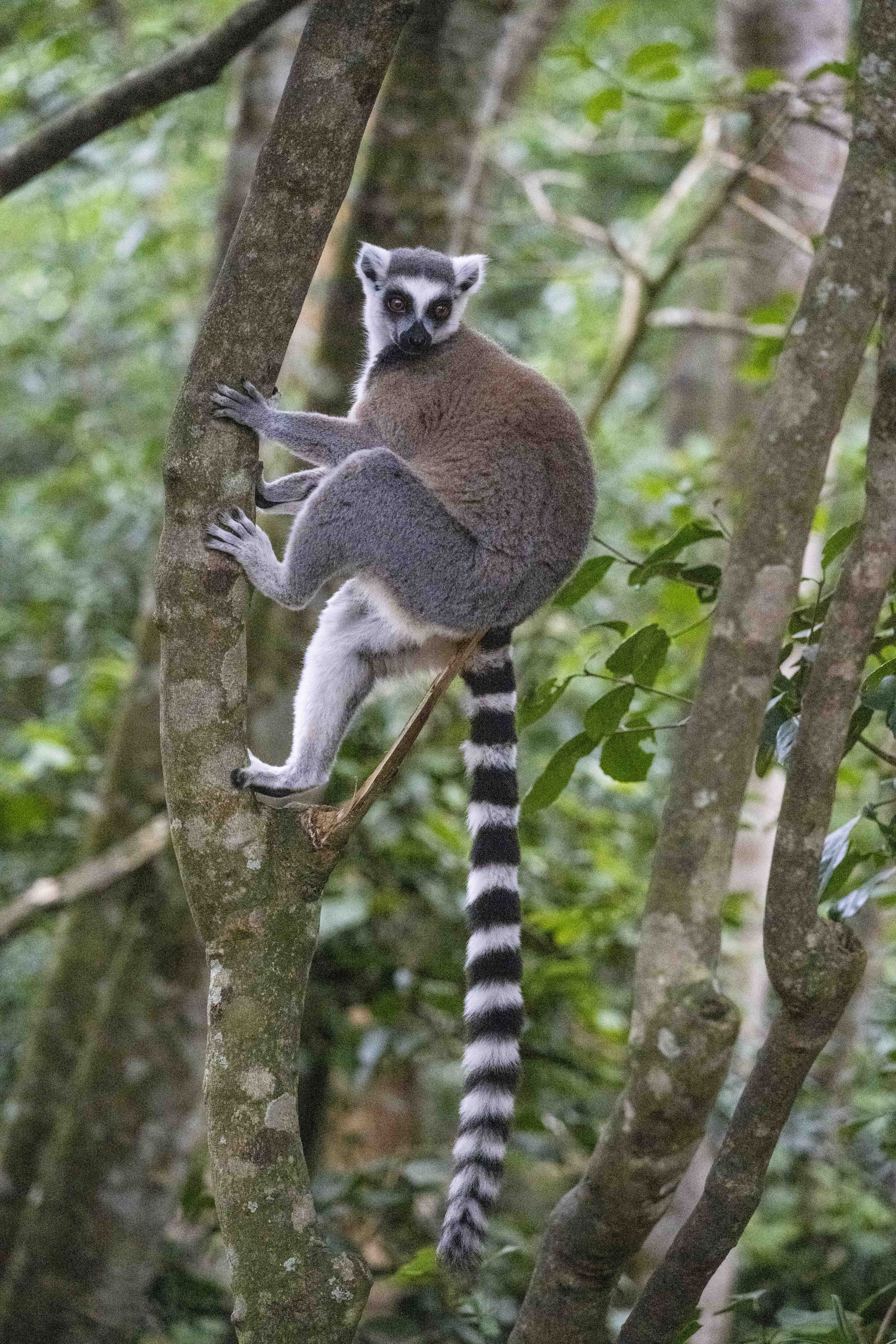
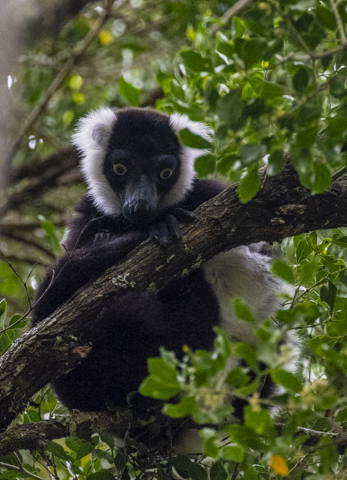
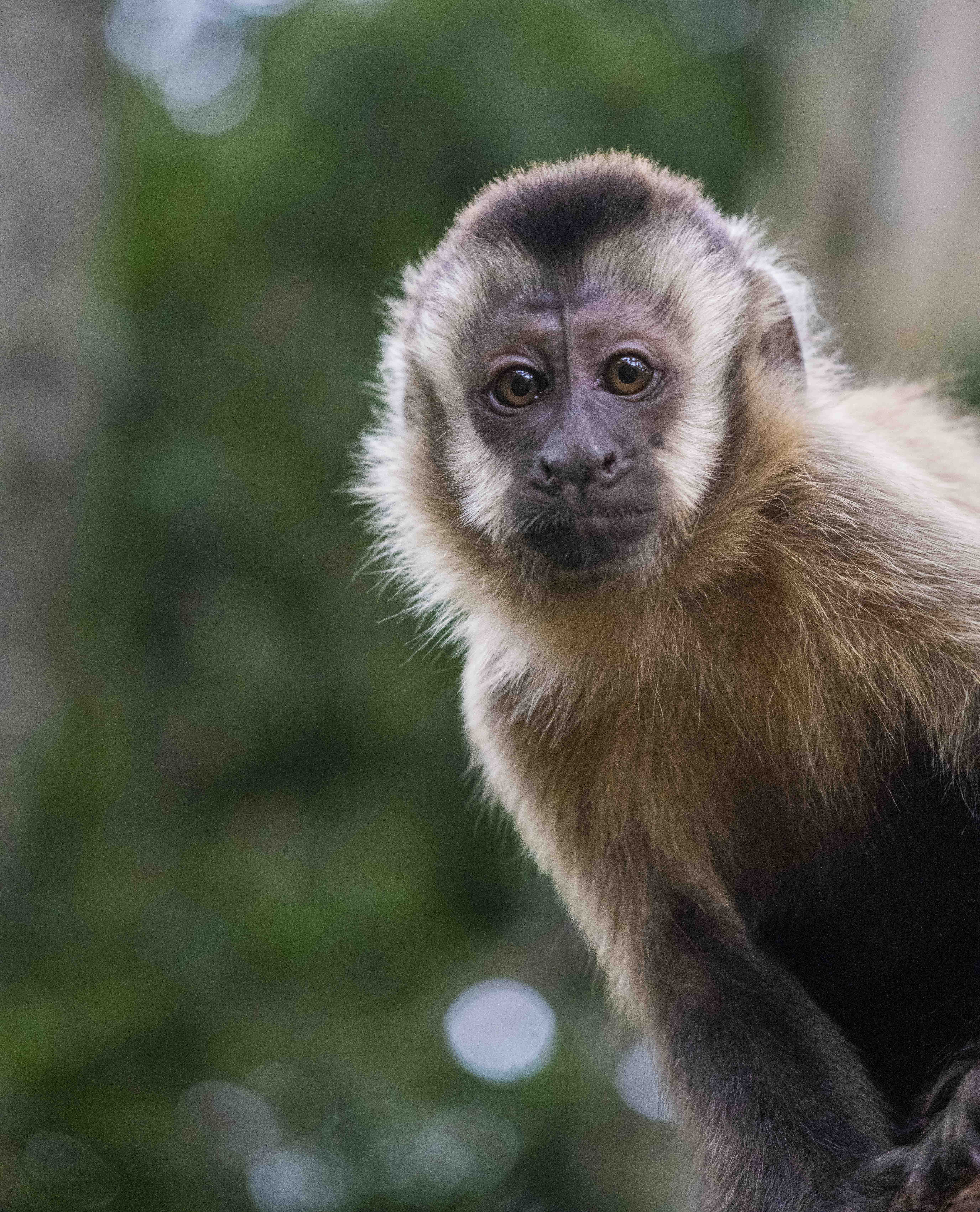
The most numerous monkeys are the ring tailed lemurs, who are apparently the morons of the monkey world, and these greeted us right at the start of the tour. However we also saw Black & White Lemurs, Capuchin monkeys, Vervet monkeys, Howler monkeys, Squirrel monkeys, a Gibbon and Indian Hanuman Langurs. The only monkey we didn’t get to see were the Spider monkeys.
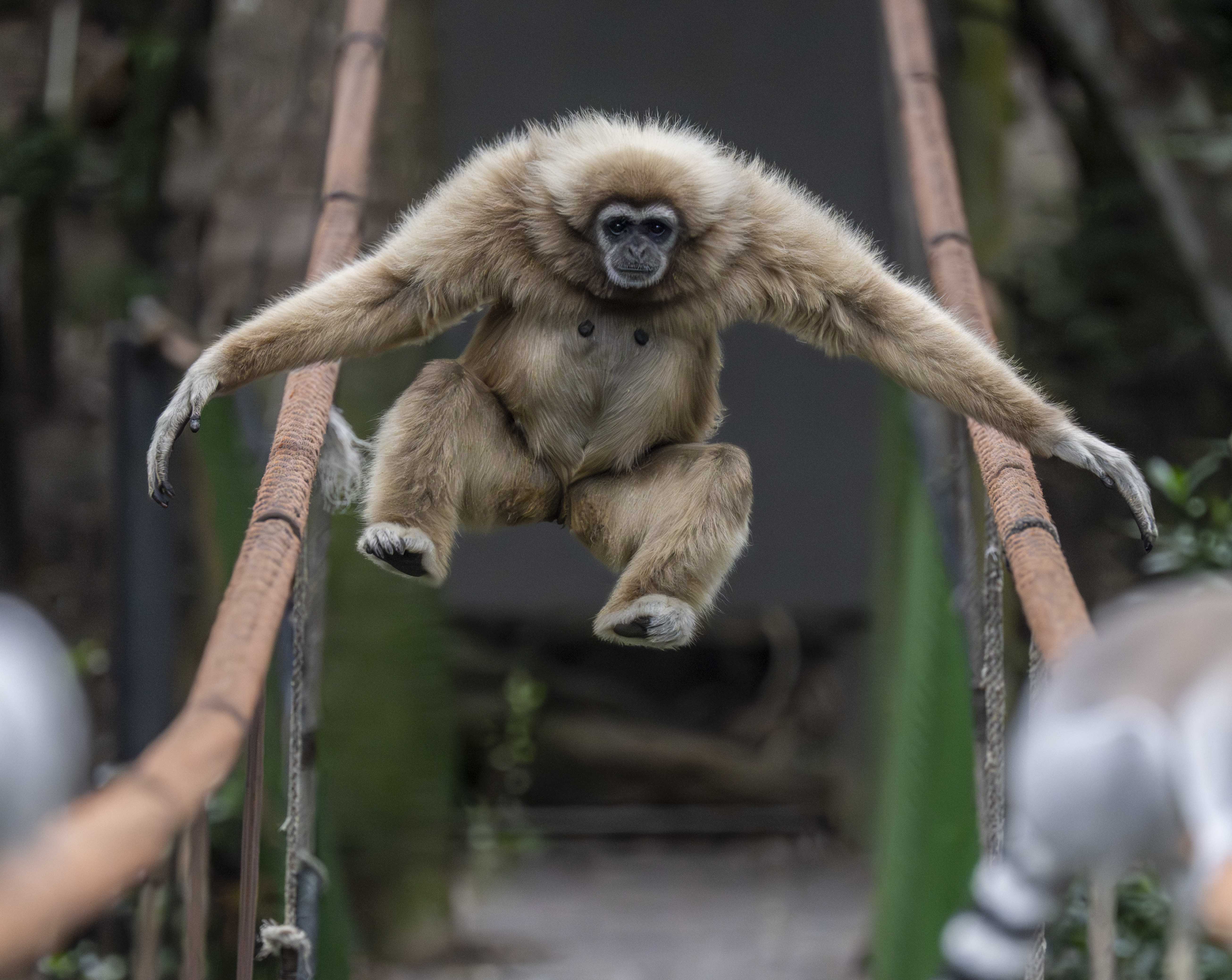
The highlight of the tour was at the end when you cross a big suspension bridge in the canopy and sitting at the end was one of the White Handed Gibbons who proceeded to swing down the bridge right towards us. The guide said duck so we squatted down as the gibbon swung over our heads !
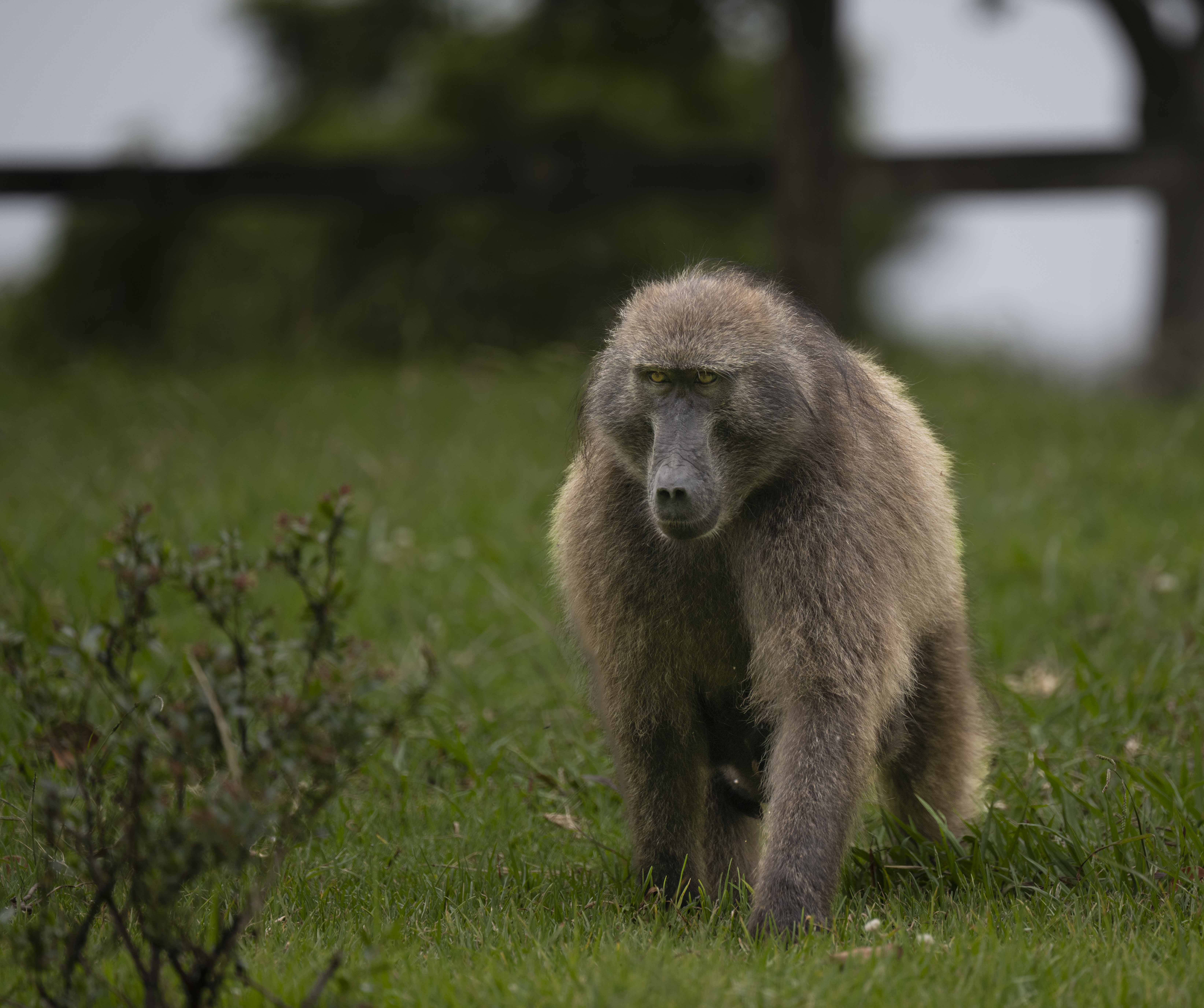
As an added bonus when we returned to our car a big family of wild baboons choose that moment to walk through the car park and very close to us as we stayed still so as not to spook them or indeed provoke a defensive reaction. A great end to what had been a lovely day.
 FromAtoB