Inbetween Travels
After returning from Africa we had a couple of months in the UK before again heading off overseas, which gave us plenty of time to MOT and Service the Beastlet. Unfortunately it was more pricey than usual this year as the camper is now five years old, which meant it was time to replace the timing belt and water pump. This isn’t one to ignore as a failed timing belt destroys the engine.
Being home is also a great opportunity to catch up with friends and family so we inevitably spend a lot of time socialising and eating and drinking in pubs and restaurants.
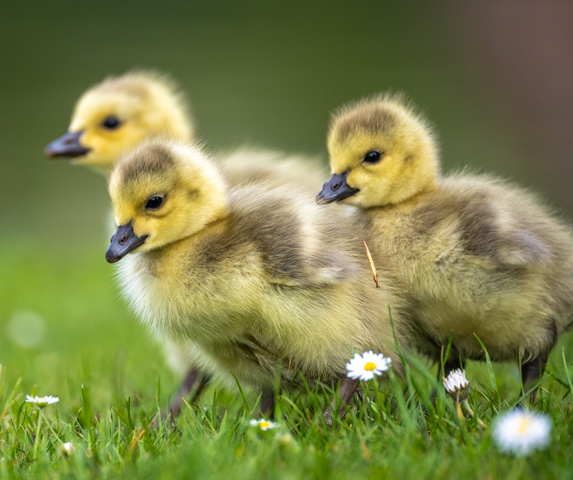
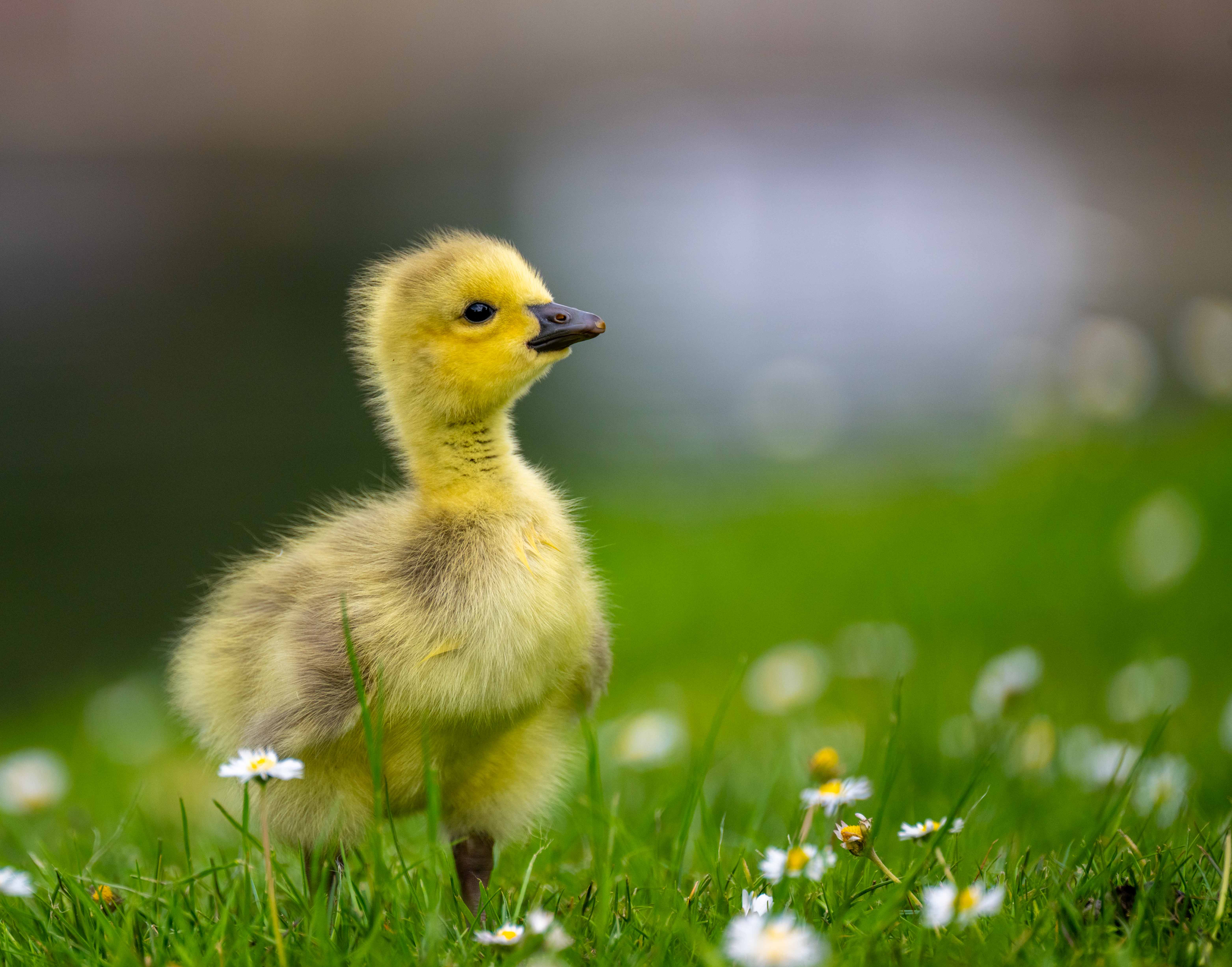
The campsite where we stay in Surrey is ideally situated for us while visiting friends and family and, as an added bonus, this Spring, a pair of Geese hatched a large brood of gorgeous fluffy goslings that they were happily parading around the campsite. They looked like something right out of an Easter cartoon !
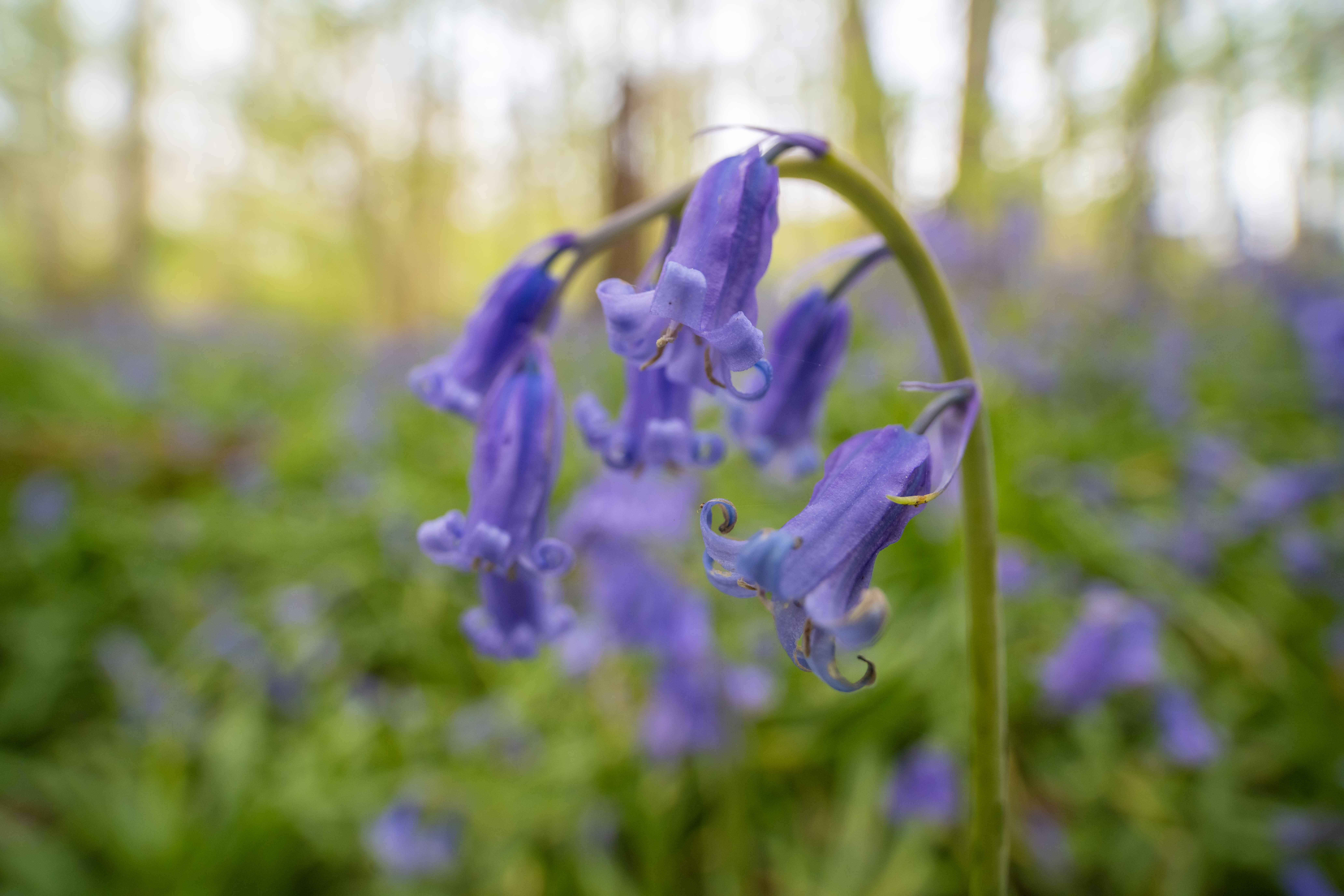
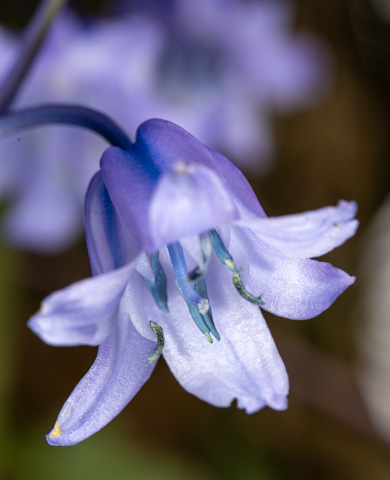
In addition, there are some beautiful bluebell woods around Surrey so we visited a few, making the most of the unusually warm Spring weather before deciding to spend a few weeks touring Wales.
Sarah, despite being a proud Welsh girl, had never actually been to North Wales so as well as showing me some of her favourite places in South West Wales there would be plenty of new places for her to explore as well.
Our first stop though was to visit friends in Cardiff and after a very boozy, fun weekend we headed West towards the coast. Our plan was to stick to the coast as we headed North and then circle back down South via the East of England.
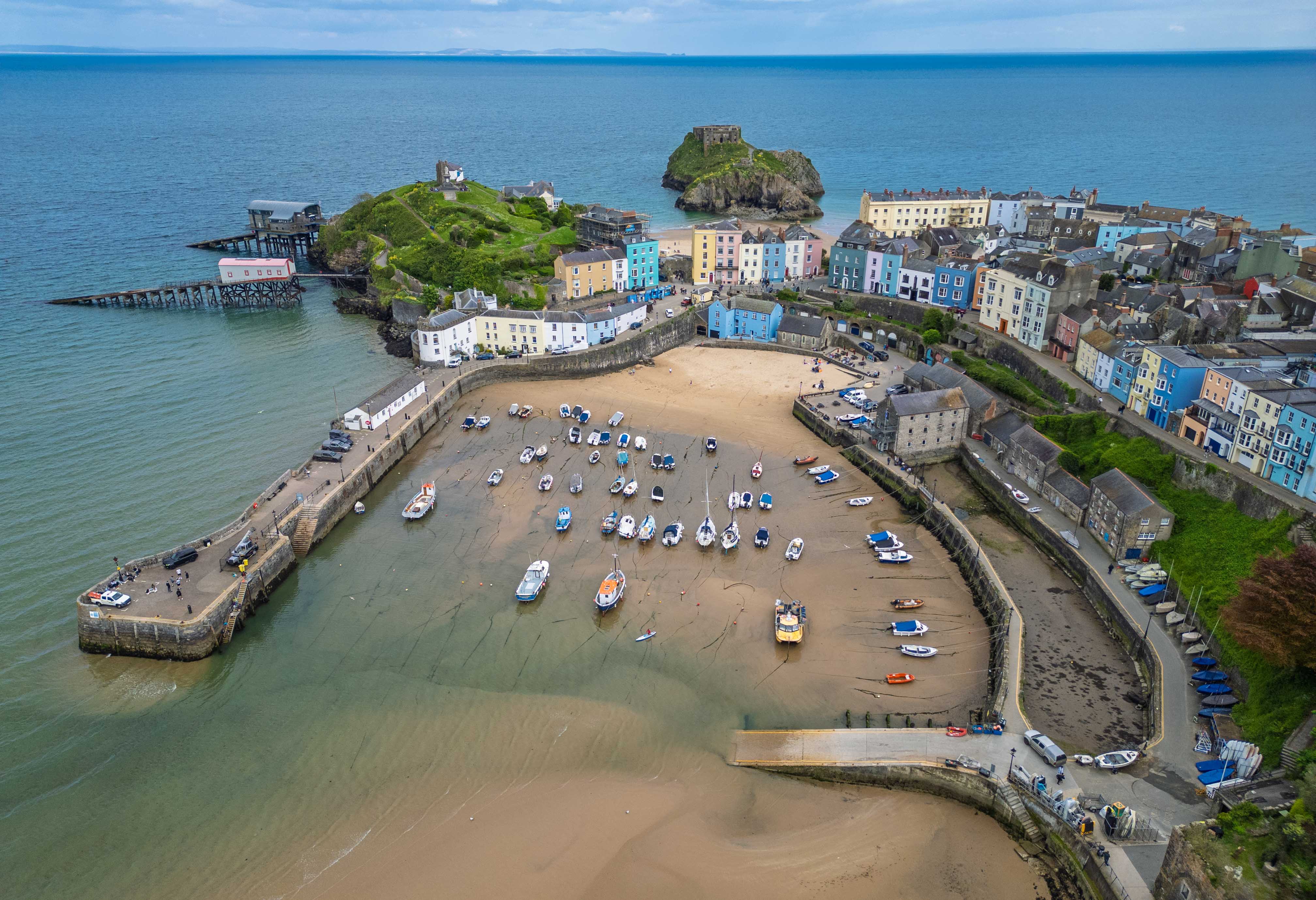
First stop was one of Sarah’s favourites, the town of Tenby, where we stayed in a nice campsite above the town, about a 15 minute walk to the centre. The main irritant (to us) with touring in the UK is that it is pretty difficult to wild camp and there are very few aires so most of the time you have to stay in campsites which get very busy, especially at weekends. Prices of course vary but on average we were paying between £25-£28 a night (excluding electricity), although note that many of the campsites in Wales also charge extra for using the showers?!!
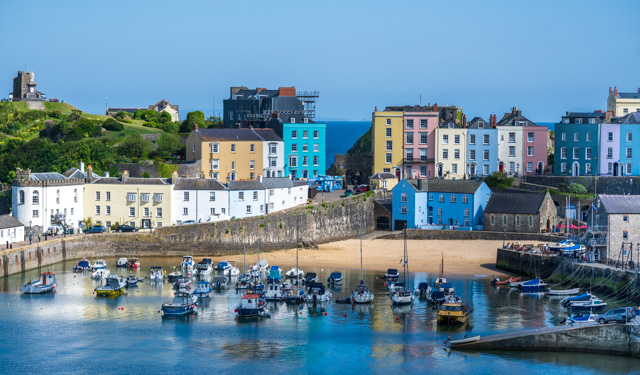
Tenby can get very crowded in the summer but at this time of year the beaches were quiet despite the unseasonably warm weather and we had a lovely time wandering through the streets sampling the different bakeries and taking in the sights.
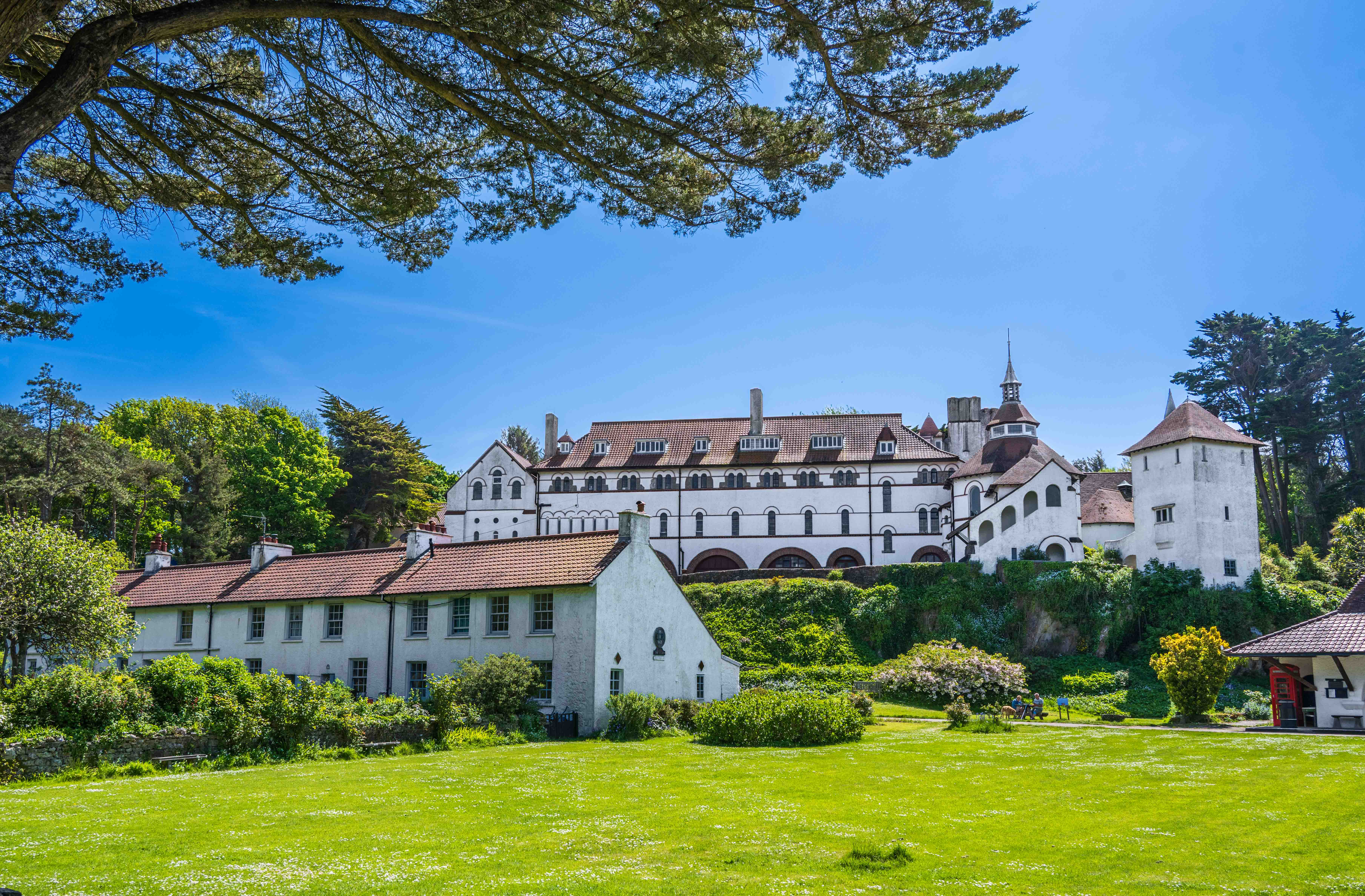
Just offshore from Tenby is a small island called Caldey Island which is owned by monks who have a large monastery there. Besides the monastery and church not far from the boat dock, the island is mostly agricultural and it is possible to do some nice walks around the island while enjoying some of their home-made chocolate!
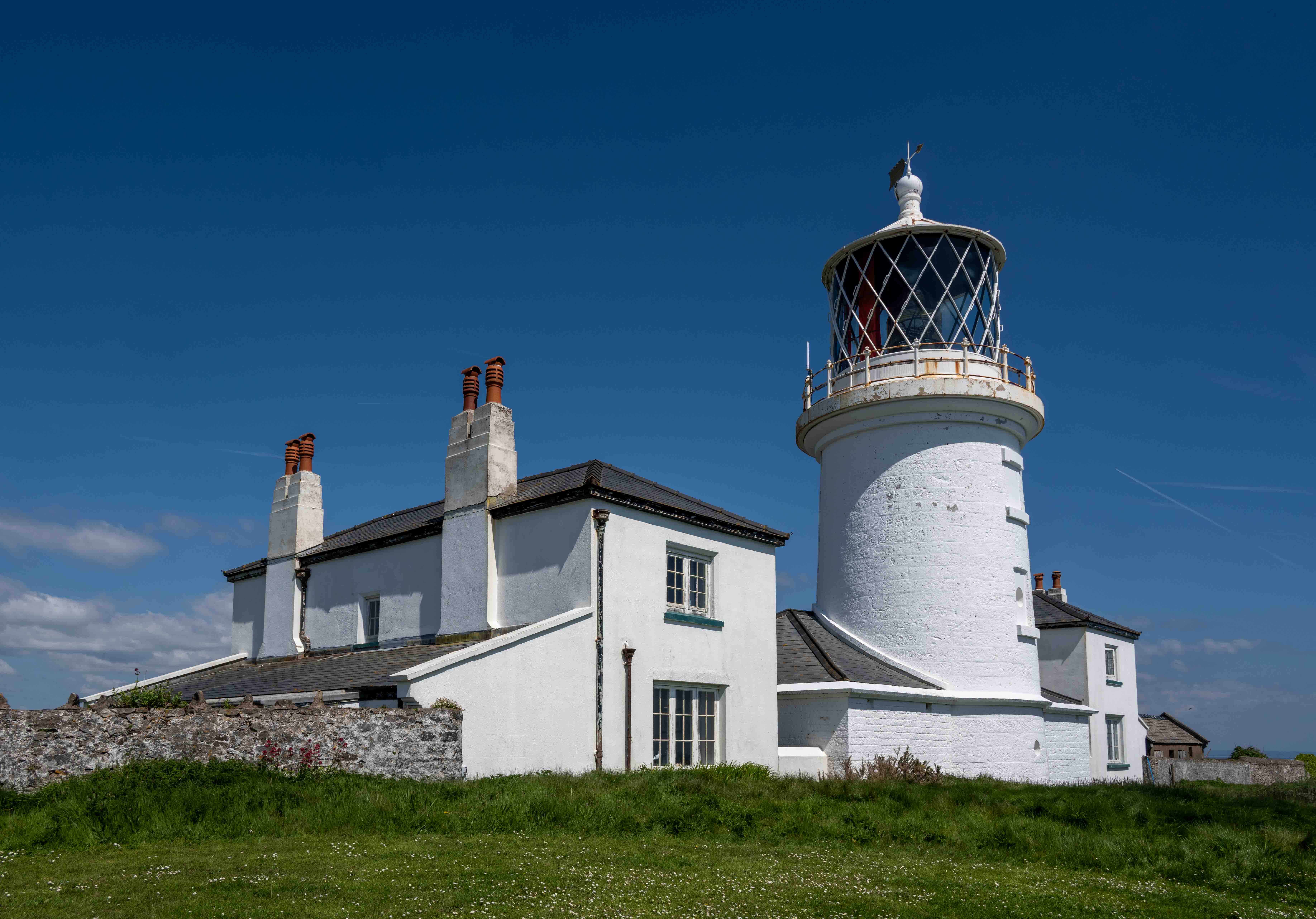
After two days in Tenby (definitely not long enough), we left early the next morning as we had booked a boat trip to Skomer Island to see the Puffins. You have to book way in advance to get a space and even then we couldn’t get a place on the first ferry over. If you are heading there in a motorhome be aware that the road to the boat dock gets very narrow in the last few kilometres but there is parking when you arrive – just hope you don’t meet any oncoming traffic.
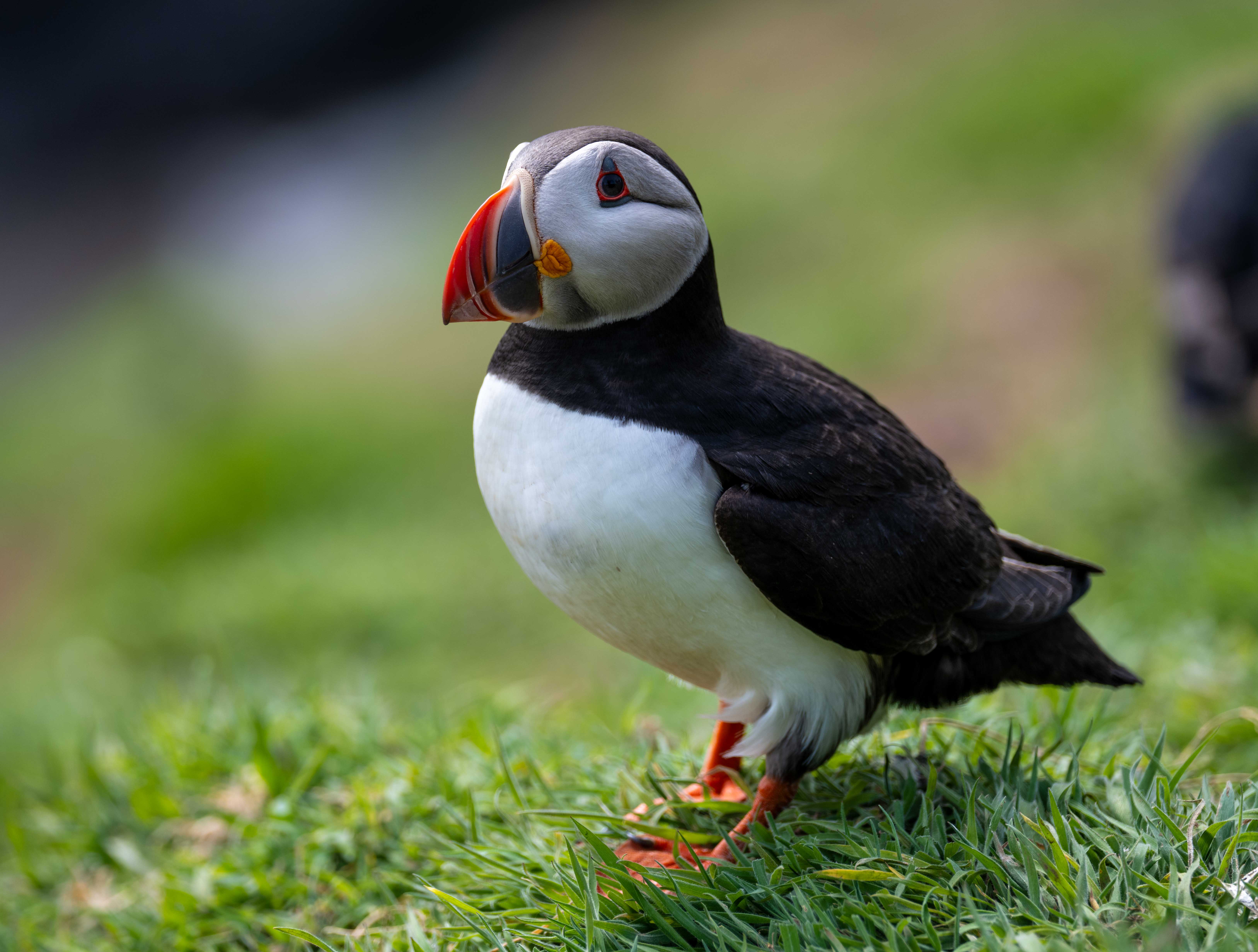
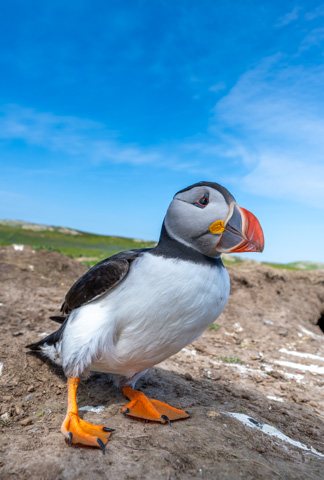
The journey over to Skomer only takes 15 minutes and you get dropped off at a small pier at the foot of a cliff. The climb up to the island itself (using steps and a path), only takes a few minutes and you will definitely see your first puffins on the way up as well as Guillemots and Razorbills that are nesting along the cliffs.
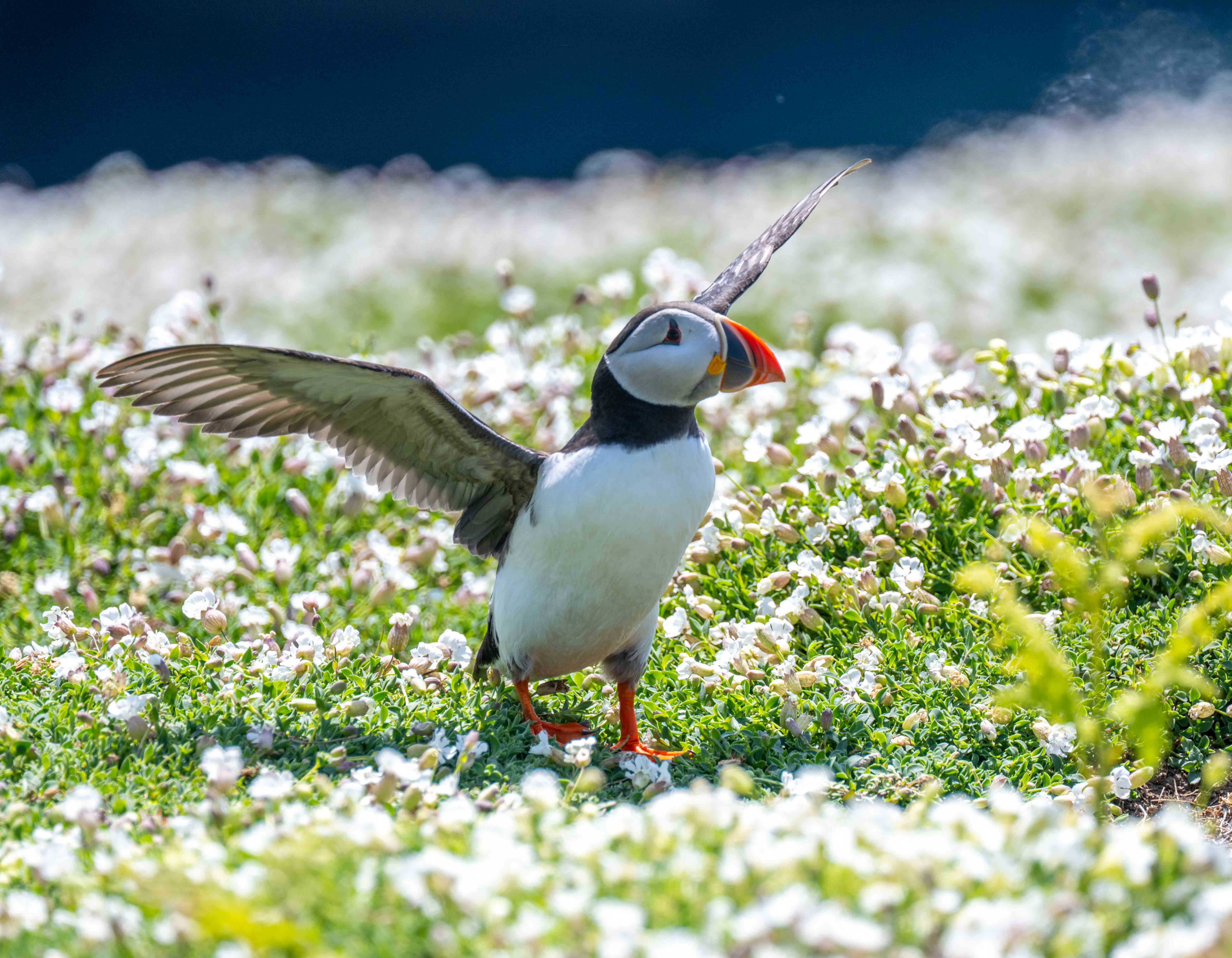
Once you have climbed to the top of the steps there is a short talk by one of the islands volunteers about the island and the regulations governing your interaction with the wildlife. The island of Skomer is a nature reserve and is most famous for having the biggest colony of puffins in Southern Britain and indeed one of the biggest in the world.
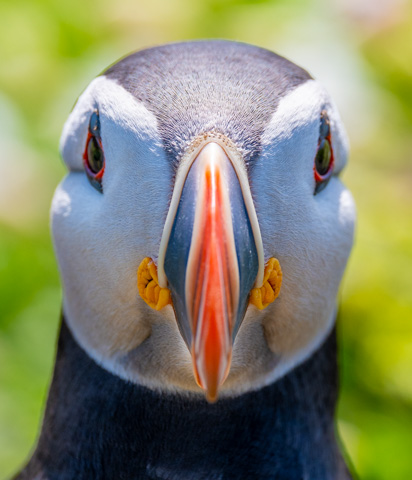
This year the annual puffin count was around 40,000. Not surprisingly we started seeing puffins straight away and their burrows were dotted all around the path.
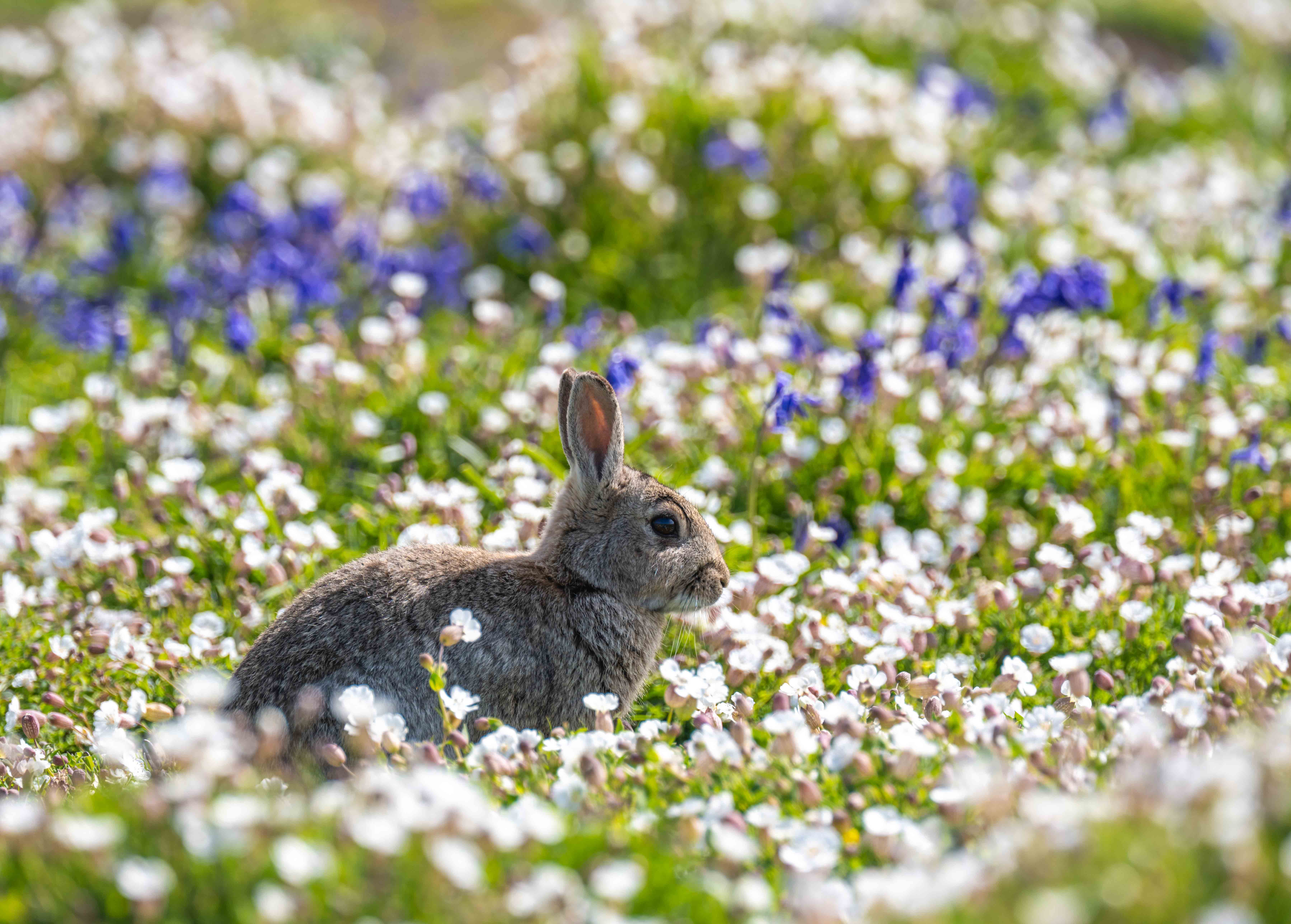
Skomer is much more than just Puffins though and the trip to the island that gives you five hours to explore doesn’t feel like nearly long enough. The island has lots of birdlife, including short-eared owls (although we didn’t see any), seals and lots of cute little bunnies scampering about. The walk around the island is around 6.5km and is gorgeous at this time of year with wildflowers carpeting the landscape.
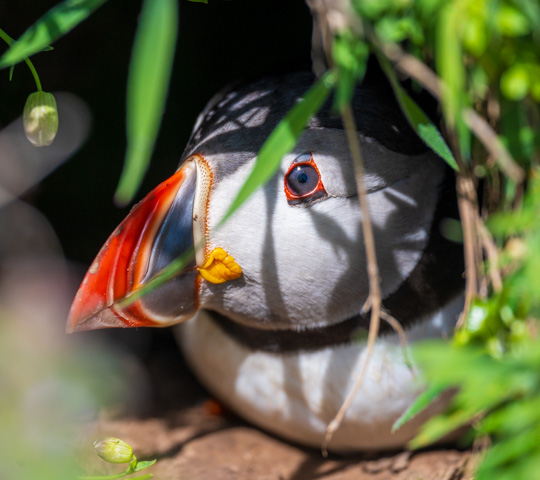
The puffins are of course the highlight and in certain places there are lots of them right next to the path. We saw them coming and going to their shallow burrows but it was still too early in the year for chicks.
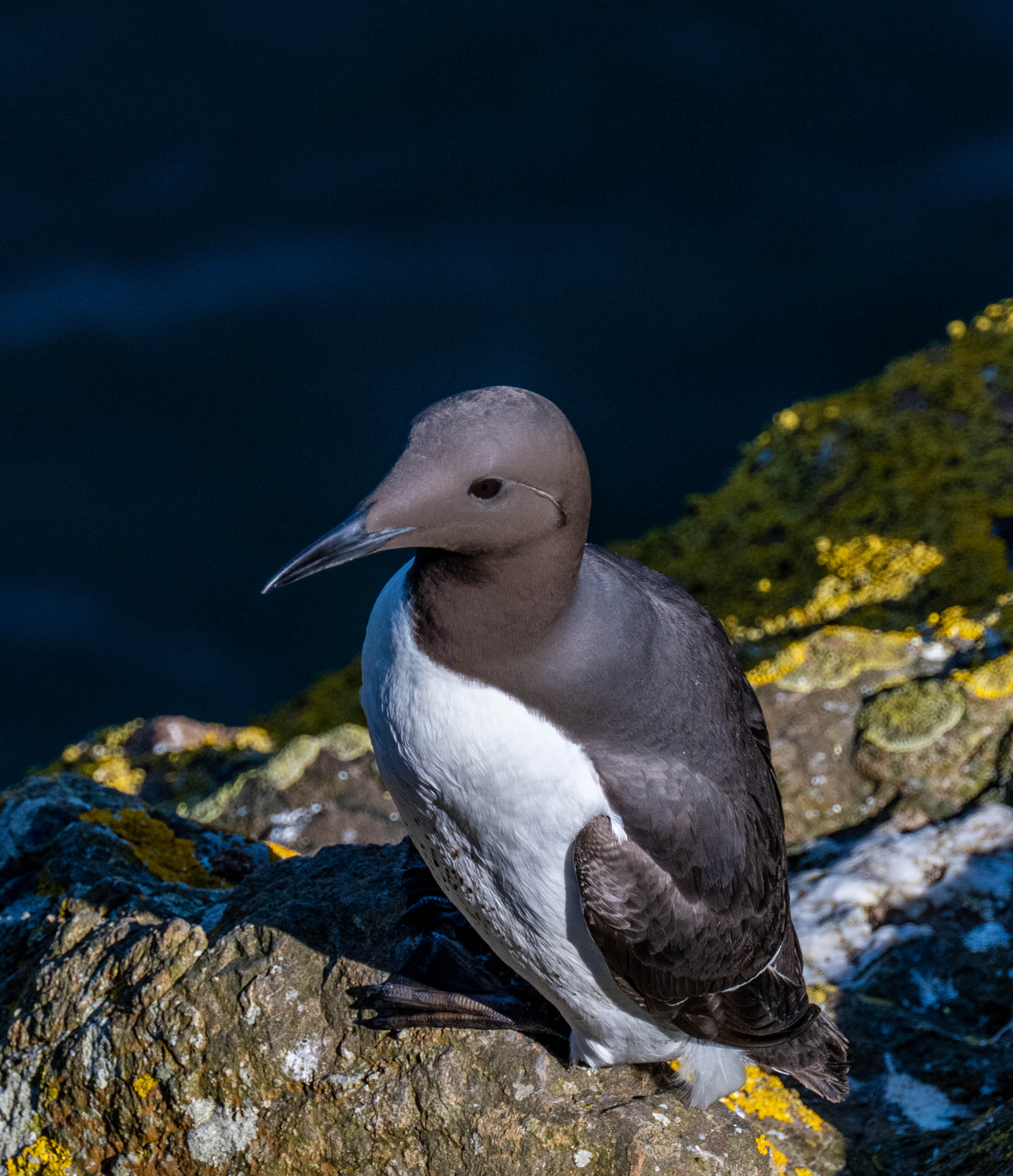
It was much trickier to get a good shot of the Razorbills and Guillemots as they were nesting right on the cliff edges.
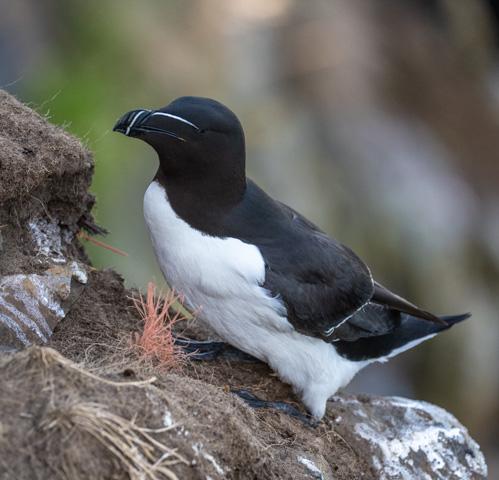
Before arriving, we were dubious as to how we would fill five hours on a small island but in fact, the time flew by and we found ourselves having to hot-foot it back to the pier for our allotted return boat.
We had planned to stay in a campsite right next to the Skomer boat car park but decided that we would rather do the narrow road out later in the day when all the traffic is going in the same direction, rather than the following morning. So we headed off straight away and ended up spending the night in a very nice campsite called Glan y Mor in St. David’s.
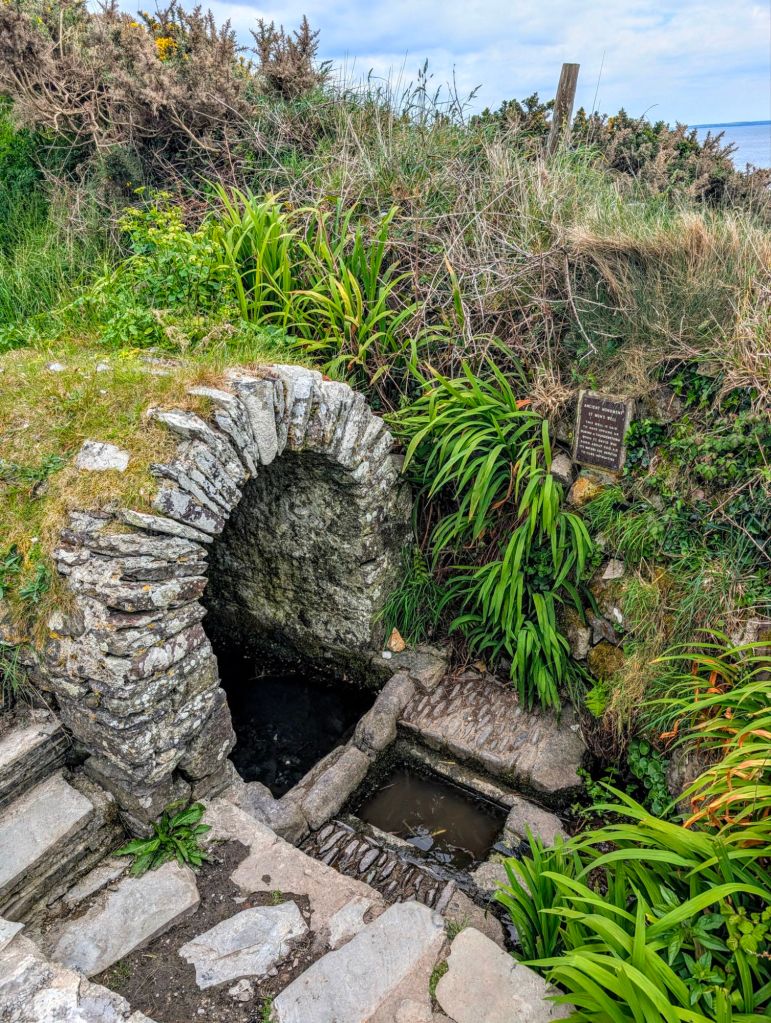
This wasn’t far from the beach and there was a nice clifftop walk to St. Non’s Chapel and well (St. Non was St. David’s mother).
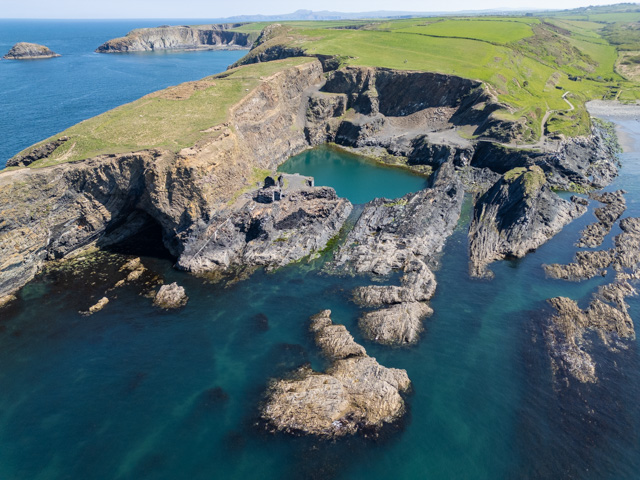
The next day we continued our drive North, first stopping at the Blue Lagoon at Abereiddi – a former quarry right on the coast. I’ve lost count of the number of Blue lagoons that we have visited in various countries !
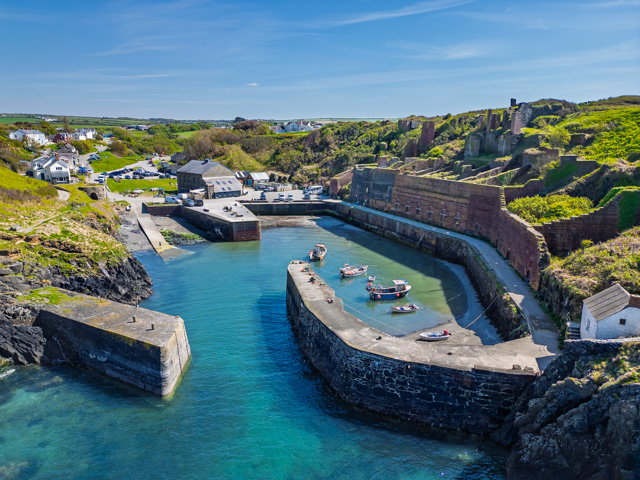
From here we carried on up the coast to the former industrial port of Porthgain. This tiny pretty inlet has a harbour which used to ship quarried and prepared slate around the country, some from the Blue Lagoon we had just visited. Eventually the slate stopped being shipped and it became a centre for brickmaking but after the 1930’s it was abandoned.
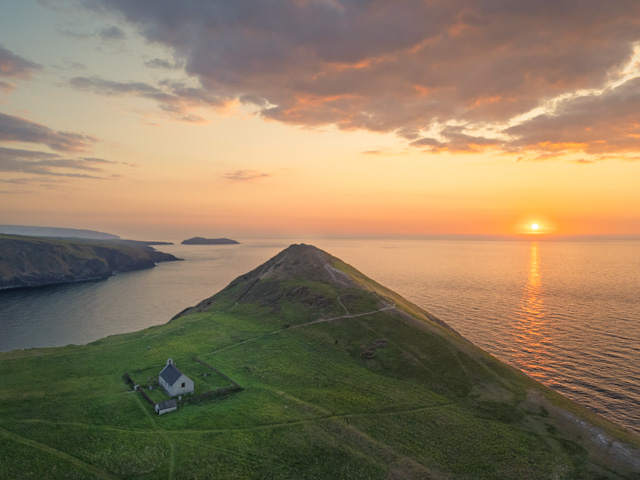
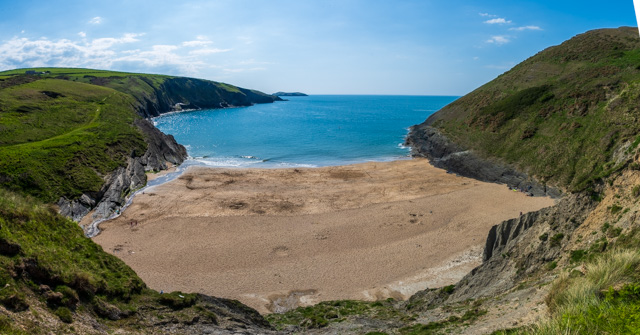
We finished the day at a lovely cliff-top campsite in Mwnt, Cardigan Bay with fantastic views of the coast and the tiny 13th century Holy Cross church. We spent a couple of days relaxing here, enjoying the sunny weather, which we had continued to be blessed with, and visiting the lovely Mwnt beach.
Our next destination was somewhere that Sarah had been wanting to visit for years, Portmeirion.
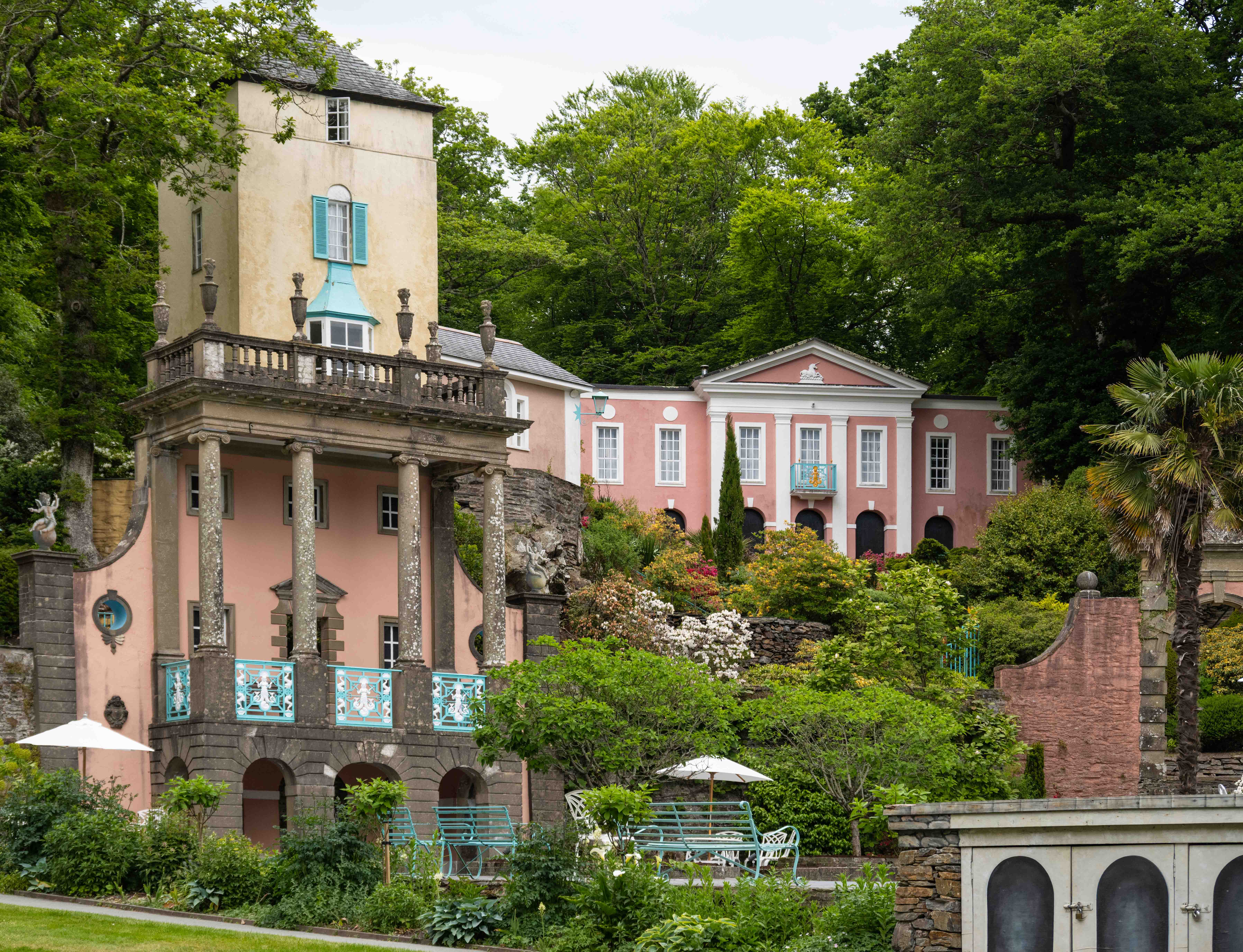
Portmeirion is famous as the shooting location for the surreal TV series the Prisoner in the 1960’s. However, it was actually built as a folly by Sir Clough Williams-Ellis between 1925 and 1975. It is now run as a hotel and tourist site. It is a weirdly wonderful place that feels more Mediterranean than Welsh and I don’t think there is anything else like it in the world.
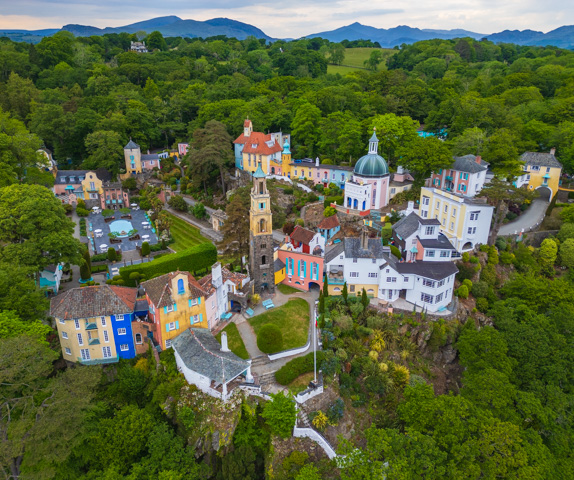
There is actually a motorhome aire on-site (with excellent facilities) so you can stay overnight in a camper. Just like a hotel guest, this gives you access to the site once all the tourists have gone home both in the evening and before they arrive in the morning as well as use of the heated outdoor pool and beach towels. With your entrance included it is actually pretty good value and we had a great time wandering around.
From Portmeirion we headed to Porthdinllaen on the Lynn Peninsula where we of course had to visit the famous Ty Coch pub which sits right on the beach in a pretty little cove just a short walk across a golf course from our campsite. We enjoyed a few beers sitting on the wall outside the pub with our feet dangling over the sand, watching the local fishermen land and tow away their fishing boats across the beach.
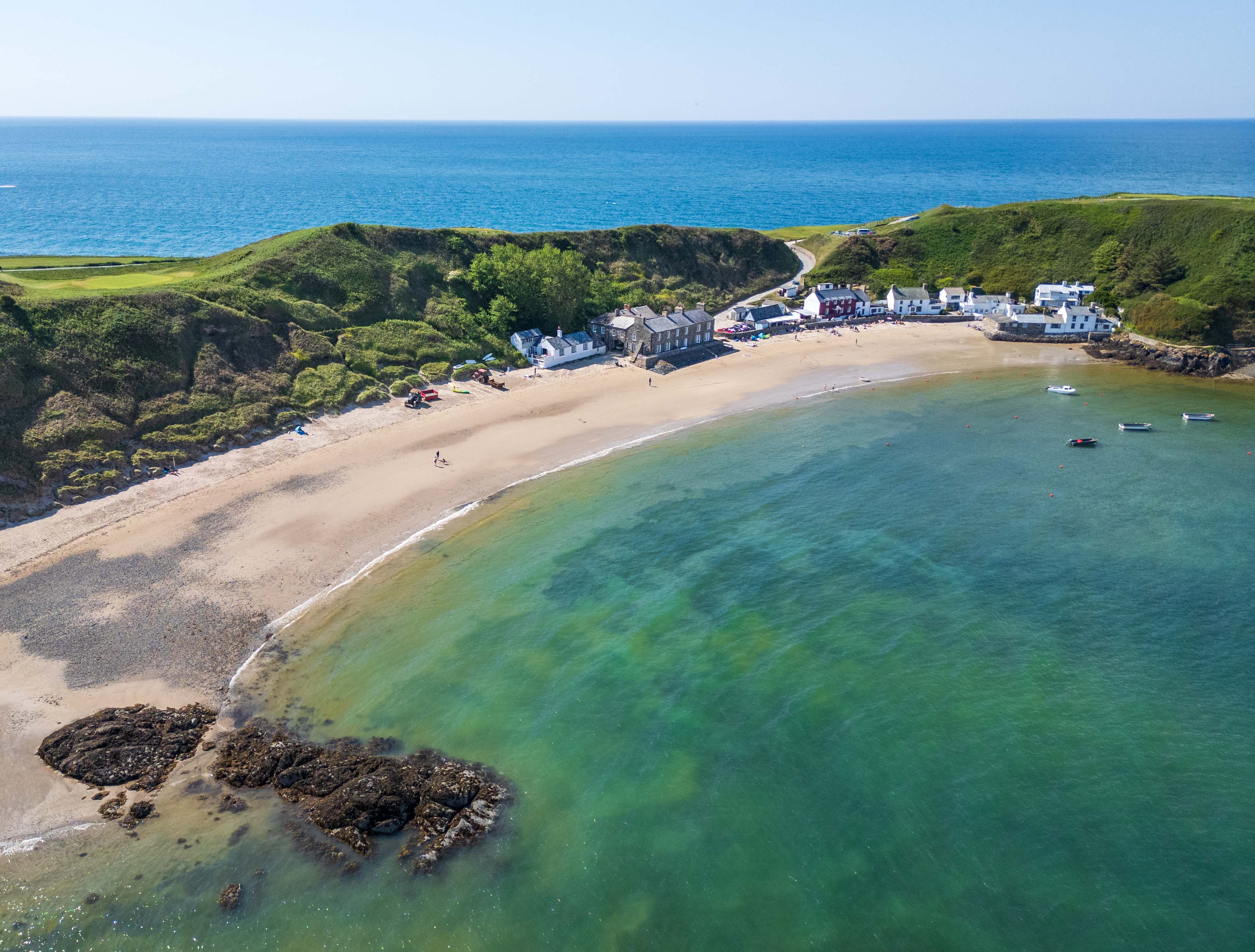
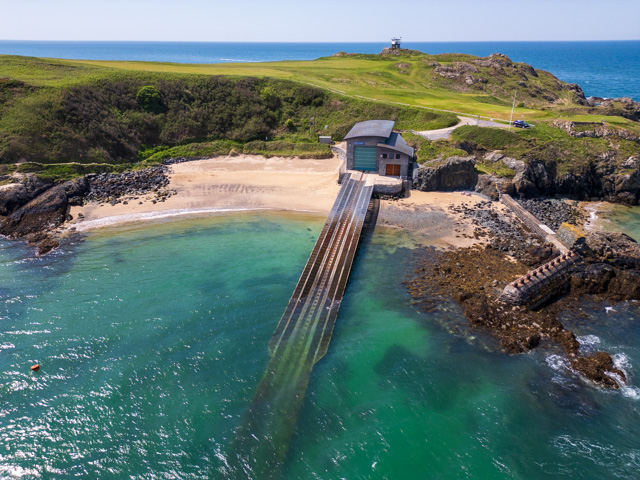
This area also had a really nice coastal walk that goes out to a coastal watch station and then along the beach to the village of Morfa Nefyn and then back to the campsite at Porthdinllaen.
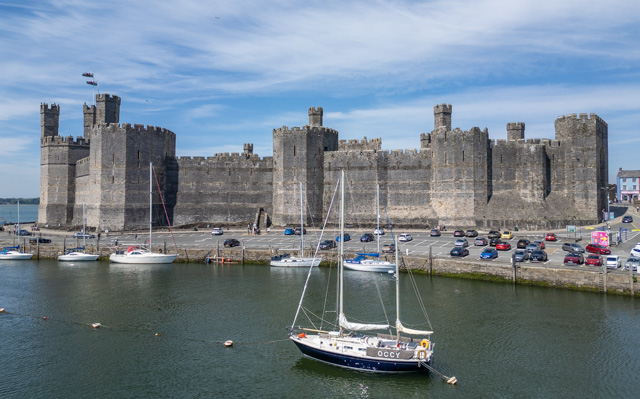
While Sarah had always wanted to visit Portmeirion I had always wanted to see Caernarfon Castle and this was our next stop. It’s a big castle and takes a couple of hours to explore with interesting exhibits and numerous towers to climb to get different perspectives on it. This 11th century castle is a UNESCO World Heritage site and was used for the investiture of the Princes of Wales in 1911 and 1969.
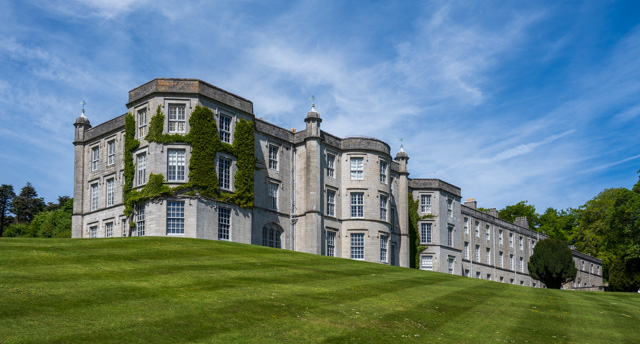
Next up on our Welsh tour was the island of Anglesey where we visited Plas Nedwydd House, most famously the home of the 2nd Earl of Uxbridge who was a hero of the battle of Waterloo as second in command to the Duke of Wellington. He actually lost a leg at the end of the battle after leading a cavalry charge. He was fitted with an artificial leg and they became known as Anglesey legs after his other title of Marquess of Anglesey. The house is quite grand and the gardens are lovely – well worth a visit if in the area.
While on Anglesey we also visited Beaumaris Castle which was designed as a very grand castle indeed but never actually finished as rebellions in Scotland took money away from the budget to build it in the 1320’s as King Edward I switched his attention to Scotland.
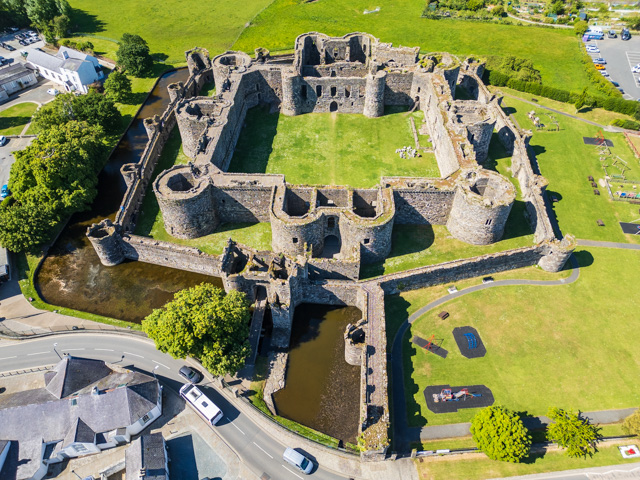
Unfortunately we were running out of time, so that was it for us on Anglesey but we had seen enough to know that it was somewhere we would come back to explore in the future.
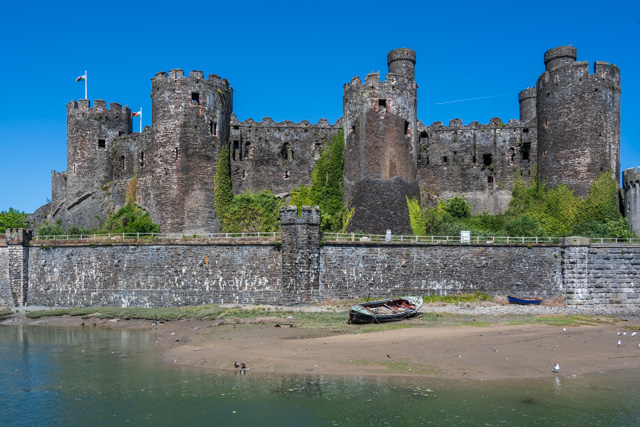
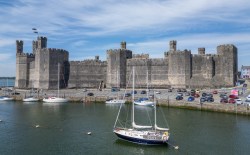
Our last stop in Wales was the pretty town of Conwy, which is dominated by a huge castle that used to have the main road run straight through it. The road has been moved – and is now a much bigger highway.
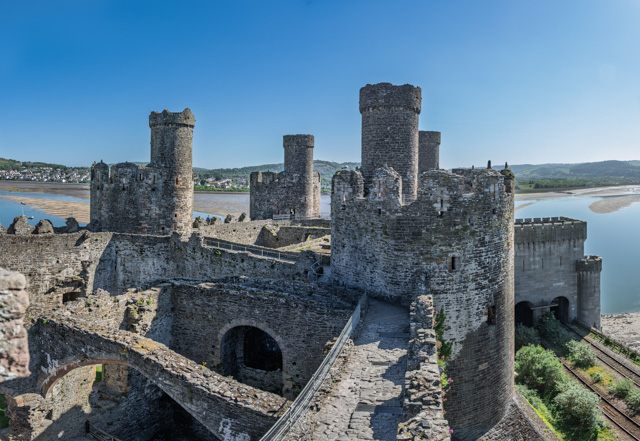
The castle was again one of King Edward I castles and was built very quickly, in just 4 years, in 1283. The castle is split into two parts with the inner royal section having been a luxurious living and entertainment space. It’s another great castle to visit with fantastic views.
The town of Conwy itself is a waterfront town with a tidal harbour wall. When the tide is out it looks as though the boats resting on the sand will never be able to sail away but the tide comes in fast and suddenly they are floating high against the wall.
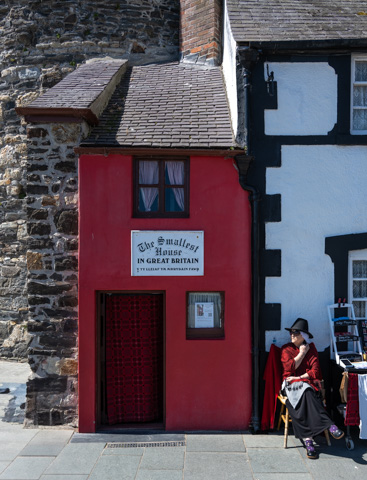
We took a walk through the town, stopping off for some fish and chips and visiting the smallest house in Britain. It was absolutely tiny and bizarrely the last owner had been 6’ 4” – how he fit I don’t know.
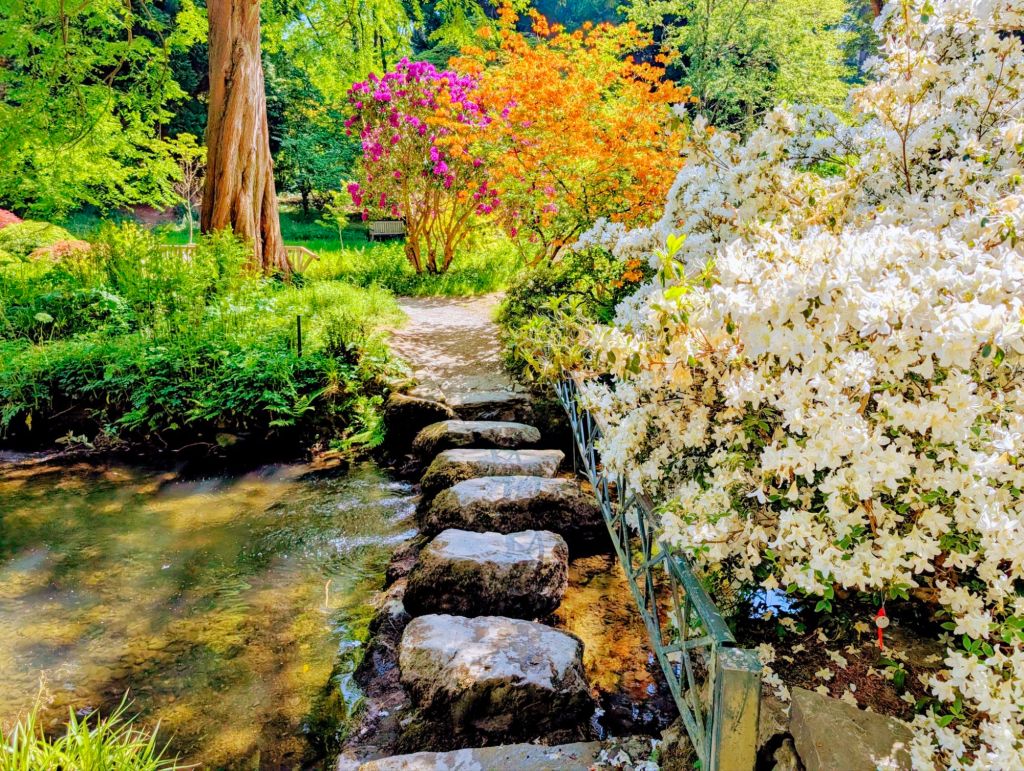
After visiting the town we drove the short distance to Bodnant Gardens which are well worth a visit especially if you are National Trust members. There are lots of different gardens, woods and meadows to explore not to mention the Instagrammers favourite, the Laburnum Arch.
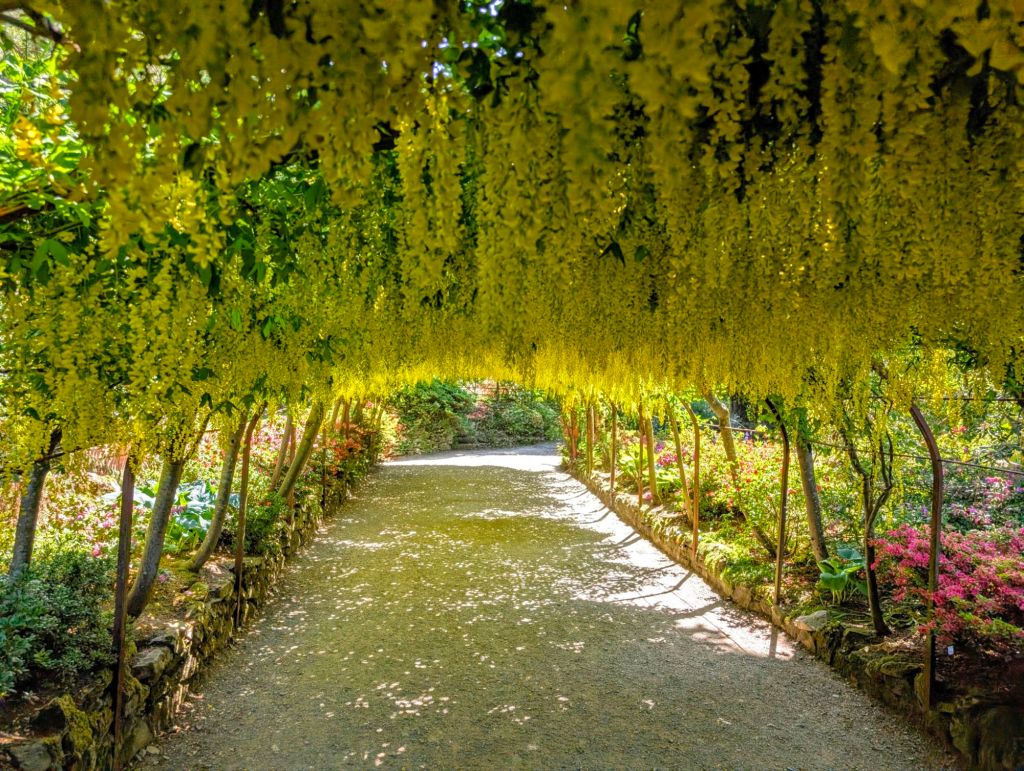
And with that, we had come to the end of our quick tour around the coast of Wales, feeling incredibly lucky that the sun had stuck with us throughout the trip. Needless to say we will definitely be back as there is so much more to see.
We weren’t due to go home yet though, as we were heading to North East England to visit our friends the Roverlanders, who we had met in Serbia last year. They are completely refurbishing their Landrover ambulance conversion, so they’ve rented a house to be their base for doing this.
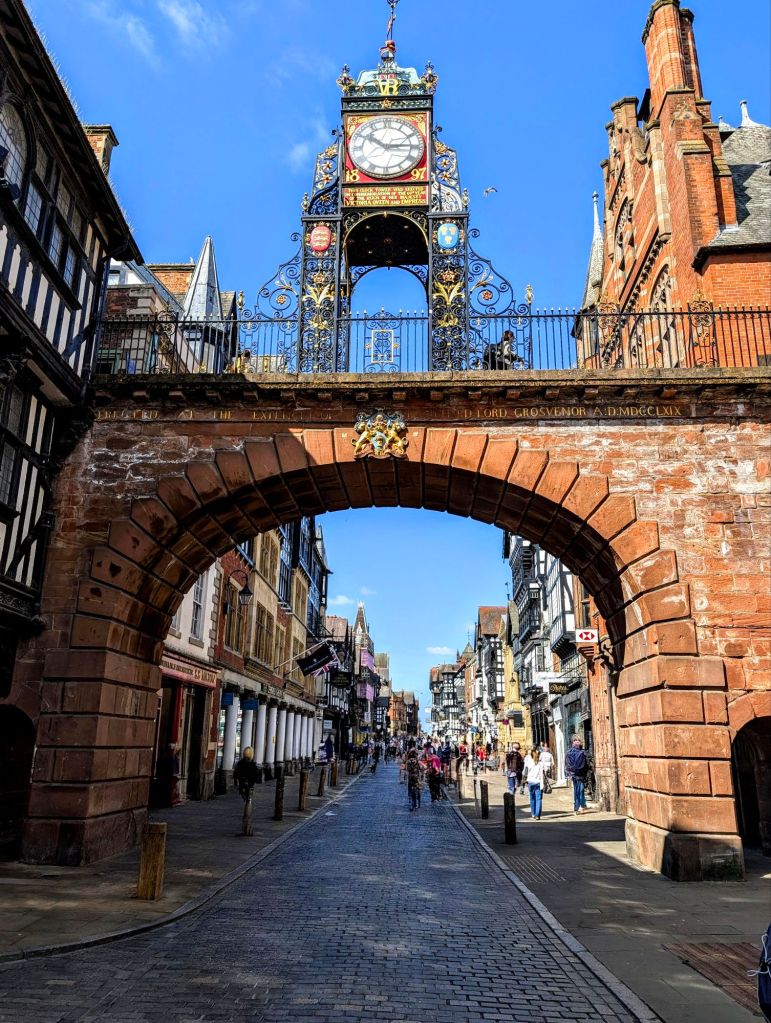
On the way over to them we stopped off at Chester. The town was pretty disrupted as there was a half-marathon taking place so much of it was roped off. We did however manage to get in and see the very impressive cathedral and have the best Bakewell tart EVER at a lovely little cafe called Huxley’s next to the clocktower.
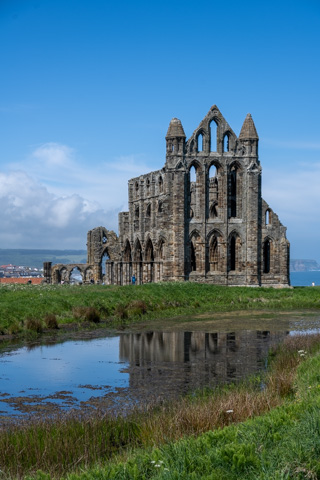
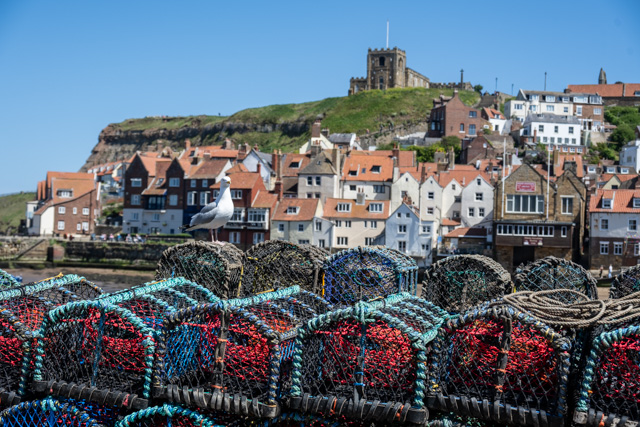
After spending a couple of days with Donna and Jon, The Roverlanders, where we visited Whitby together and enjoyed some delicious fish and chips we headed back South and our little UK excursion was over.
With just a week in London we were then heading off for our summer trip to Norway.
 FromAtoB
The puffins are so cool but those welsh harbours and beaches – wow!!! I had no idea it was so beautiful!
It’s a beautiful country with good weather ! Shame it’s not that reliable.