Norway’s West Coast
After leaving Alesund we took the marine highway up the West coast of Norway. This route involves a lot of ferries but fortunately the less used ones are free as they are subsidised by the government.
We were heading up towards the Lofoten islands, planning to drive onto them from the mainland rather than take the ferry from Bodo, which we had heard could involve a substantial wait.
However, first we needed to do some laundry so we headed to a pretty lakeside campsite on the next peninsula along from where we were. The weather wasn’t great so no swimming or kayaking but we enjoyed a day off and a managed to get our clothes washed and dried.
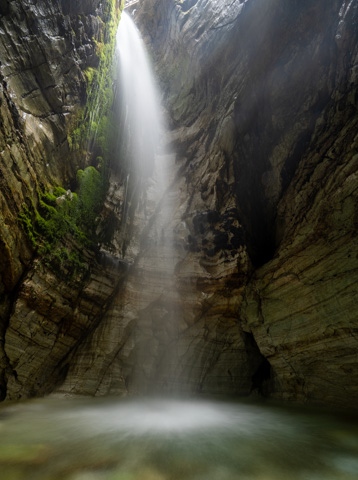
A short drive from the campsite is the trail head for the Troll Church or TrollKirke hike. This is a great hike which heads up into the hills. At the end of the hike are three caves that can be entered – although you need to bring a light.
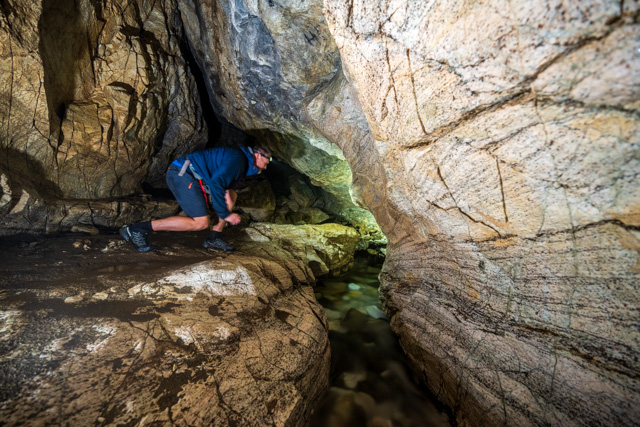
The first cave is the biggest. Here a long narrow tunnel with a small river leads through into a large chamber which is open to the sky and within which, a waterfall plunges down from the cave above.
The exit from this cave is a climb up just before the chamber and requires a little climbing experience.
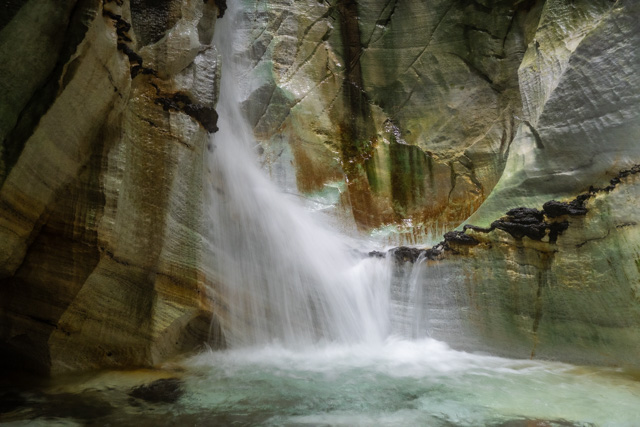
Once out you can enter the second cave from which the waterfall comes. This is much smaller and has another smaller waterfall inside it.
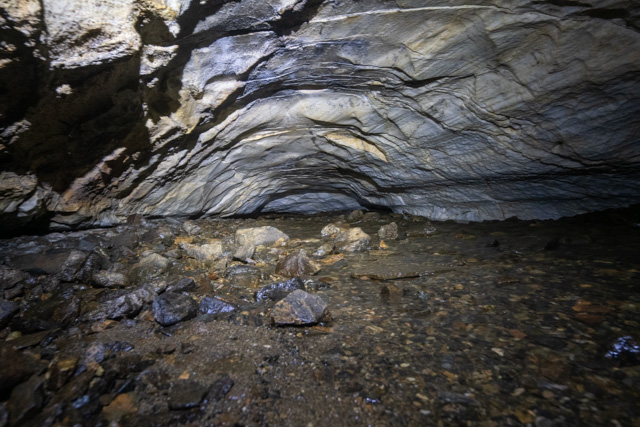
These two caves are the main ones that people visit however there is another one up above. A five minute hike takes you to a plateau above and after a bit of searching you can find a small hole down into the ground. This is the entrance to the third cave which has a small underground river in it. The main passage is around 20m long but gets lower and lower as you progress – I stopped before I was crawling in the water!
This was a great fun hike with something a bit different at the end.
Our next stop was at what is considered to be one of the most scenic drives in Norway. The Atlantic Ocean Road is a 5 mile long series of islands connected by bridges and causeways to create a road across the mouth of a fjord.
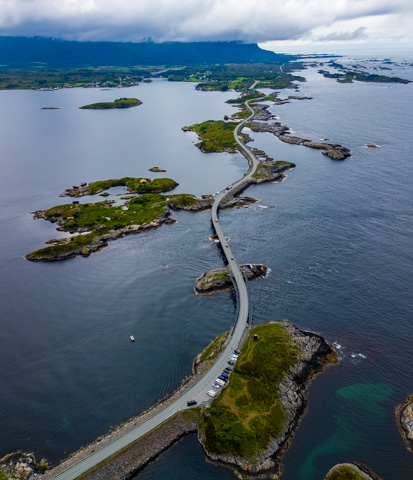
We didn’t do the drive in the best of weather but it is over very quickly and there are definitely much better drives in Norway.
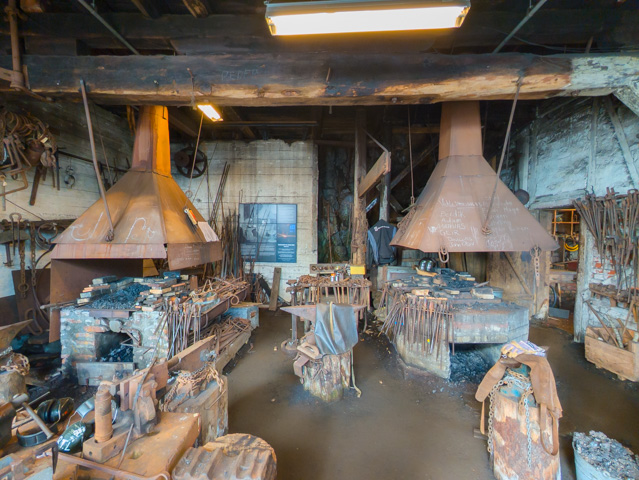
Shortly after the Atlantic Ocean Road we stopped off at Kristiansund which is a port city. There is an interesting historic port area, which has been kept exactly as it was, including a big workshop that still has a forge and all the original tools. This was fascinating to wander around.
Next on the trip was the city of Trondheim, the third biggest city in Norway but with a population of less than 250,000.
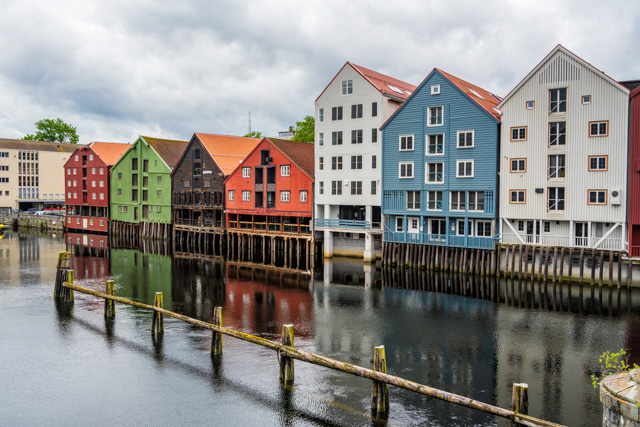
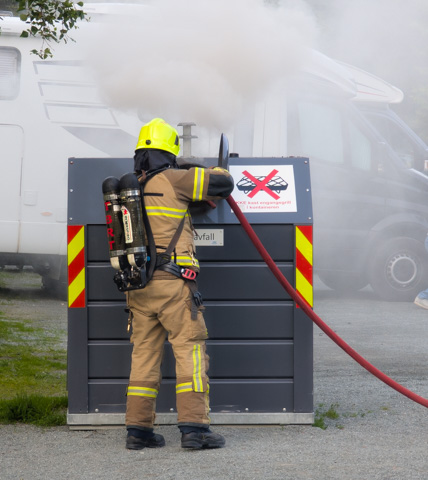
We found a great place to stay just outside the city by a lake that was popular with runners and walkers. While we were staying there we had a bit of drama as a large bin caught fire. The fire brigade arrived and promptly put it out. The full breathing apparatus seemed a bit overkill !
The city of Trondheim itself is quite compact and is easy to see in a day. We visited the Kristiansten fortress and museum, which sits on a hill overlooking the old town with its famous Old Town Bridge that crosses the Nidelva river.
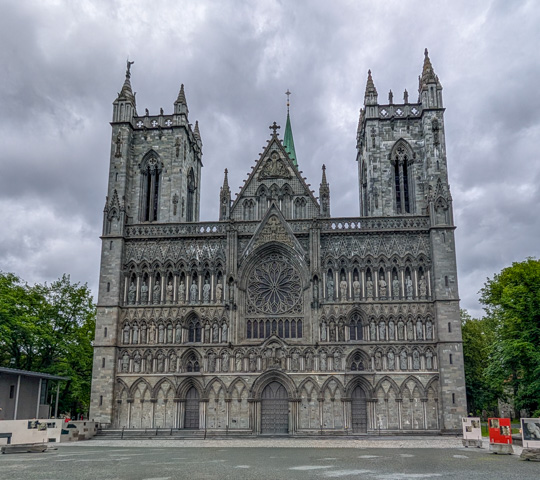
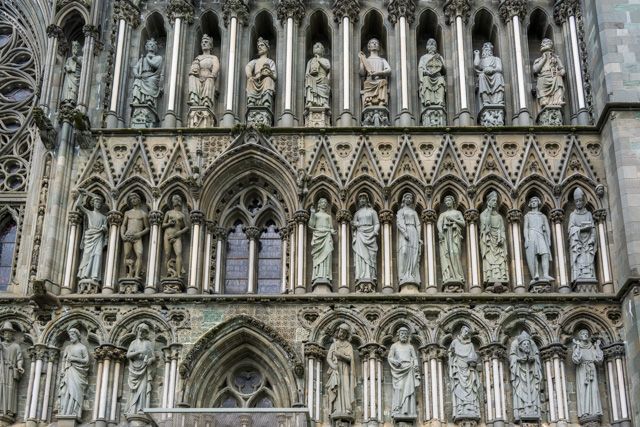
We also enjoyed a wander around the very impressive (inside and out) Nidaros Cathedral. The cathedral was built on the burial site of King Olav II who died in 1030 and is the typical location for the inauguration of Norwegian Monarchs.
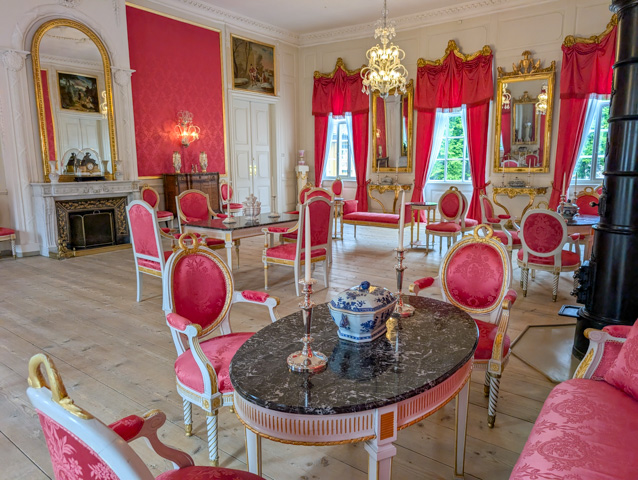
The highlight of our visit however, was a tour of Stiftsgarden, the official royal residence in Trondheim. The palace was built in the 1770’s and was the main setting for the celebrations of the coronations of Norwegian monarchs up until 1906.
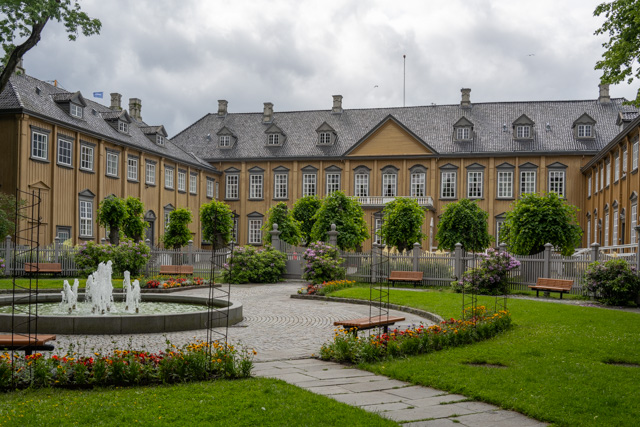
As royal palaces go it was definitely less ornate and lavish than most that we have seen in Europe and reflects the relative poverty of the Norwegians in this time as the country had been hit extremely hard by the black death and took centuries to recover.
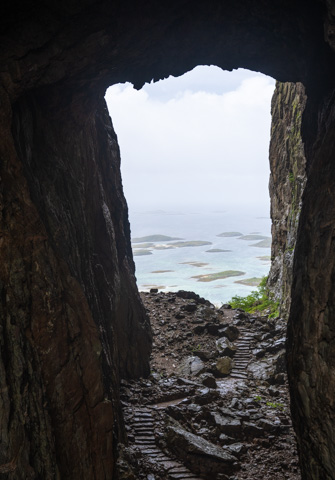
After Trondheim we carried on heading North to the island of Torget which is connected to the mainland by a bridge. This is the home of The Torghatten granite dome which is well known for the big natural tunnel that goes through it. There is a short hike up into the tunnel and down the other side. The tunnel itself is 35 metres high and 160 metres long.
Torget was a stepping stone for us as we caught the ferry from here across to the island of Vega. This is a beautiful and sparsely populated island.
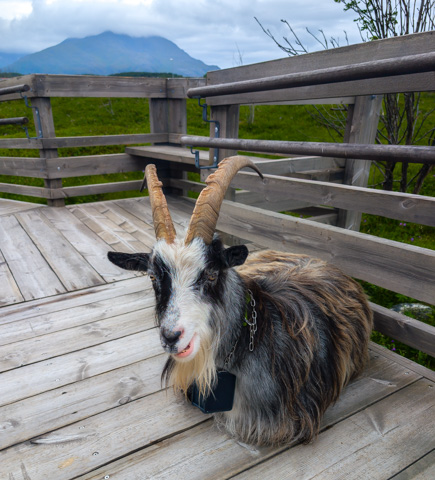
We drove round the island stopping first at the visitor centre, whose boardwalk was being guarded by several very large horned goats that we edged ourselves nervously past, before then visiting the Vega Stairs (vegatrappa).
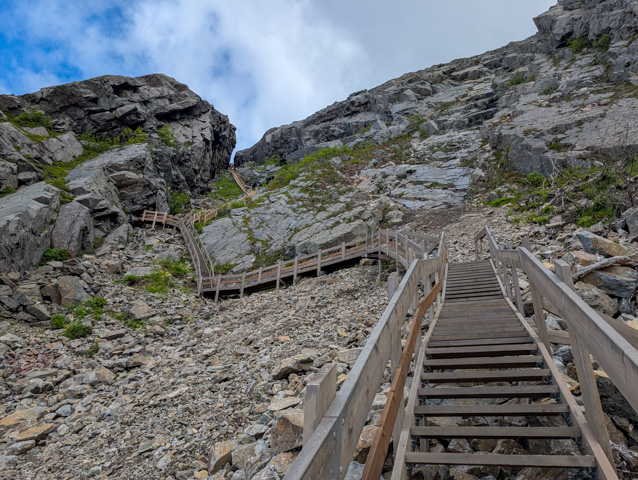
This is a staircase of almost 2000 steps to the top of Ravnfloget, offering beautiful views across the Northern coast of the island and across to the mountain island of Sola.
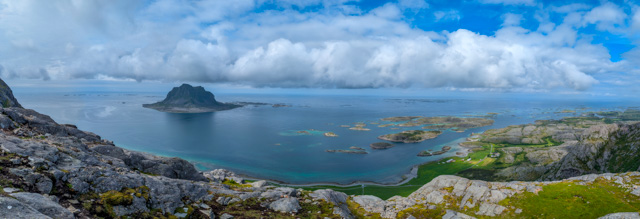
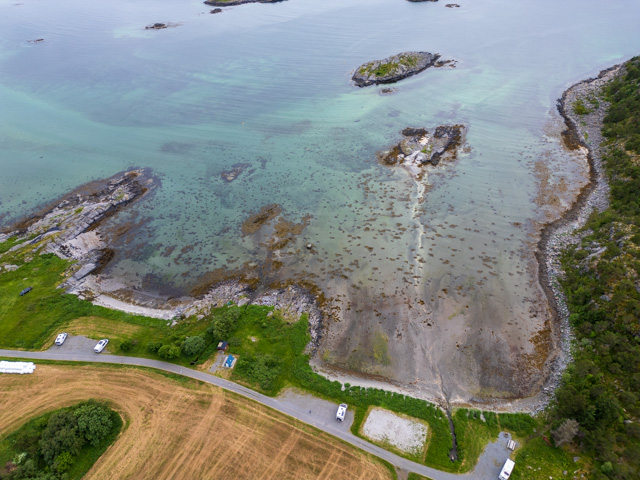
We managed to find a lovely spot for the night on the Western shore of the island before taking another ferry heading North to the island of Tjotta and back onto the road network, before very quickly needing another ferry taking us to Alsta, where the seven sisters mountain range stretches across the length of the island.
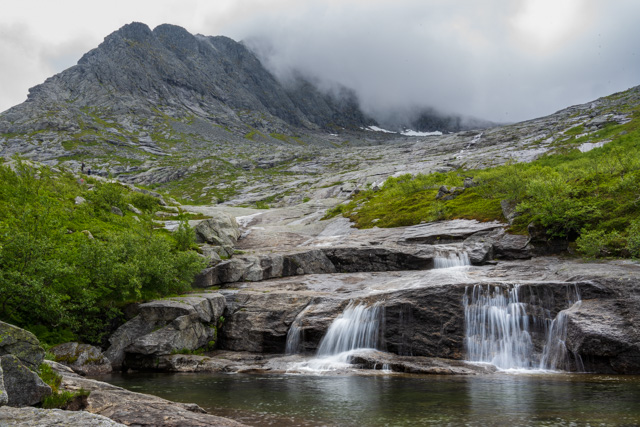
The hike up the mountain was thwarted by the weather and I eventually stopped before reaching the top as it was shrouded in thick cloud.
From Alsta we carried on moving North via bridges and ferries. There were no real highlights to the route but it was a very scenic drive and we stopped at some lovely spots for the night. The overcrowded south seemed a long way away as this part of the country is definitely not as heavily touristed. Most people stick to the main highway and shoot North to get to the Lofoten islands.
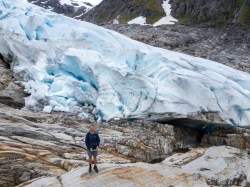
There was one real highlight though as we got closer to Bodo which is the Svartisen glacier. This is visible from the highway although to get to the trail head you have to get a ferry 15 minutes across a fjord and then to avoid a 4km boring walk you can hire a bike to the start of the hiking trail to the glacier.
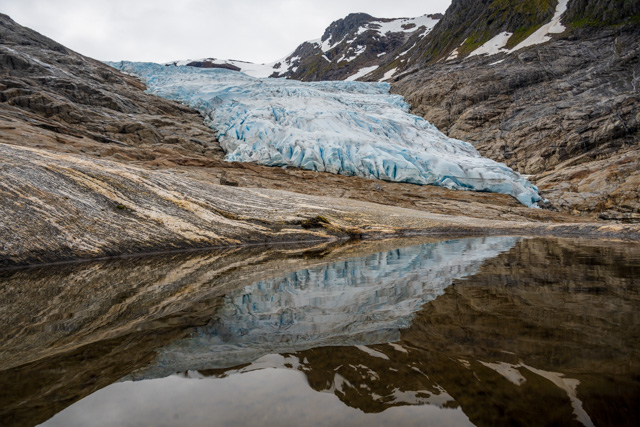
From here it is a hike (pretty steep in parts) up the terminal moraine of the glacier. The trail is well marked and takes you to a viewpoint about 400m from the glacier. From here it’s possible to strike across the rocky terrain and make it right to the front of the glacier.
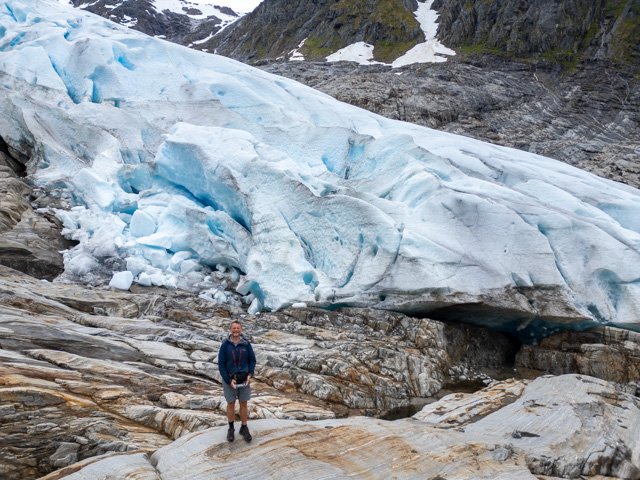
The views from the top of the moraine are great and it’s certainly a more impressive glacier than those that we had visited further south.
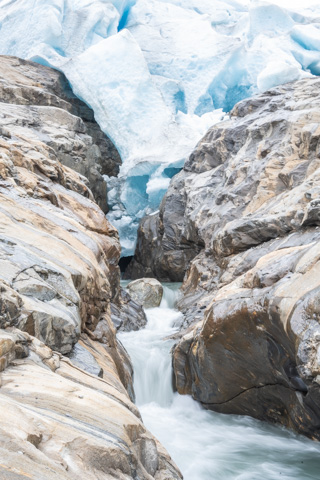
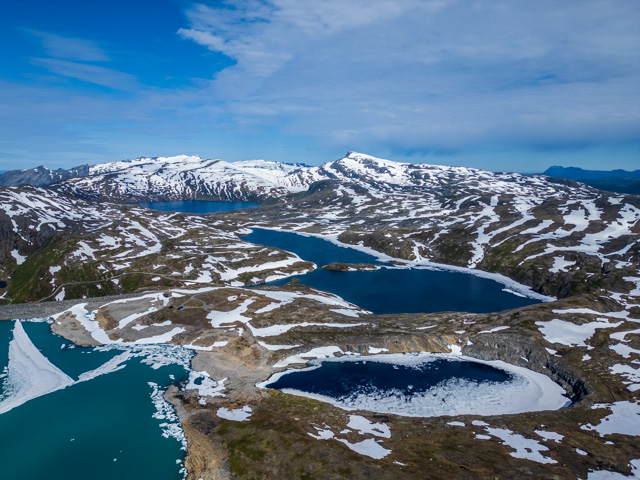
As you drive North from the glacier a long tunnel takes you through the mountainside and to a different fjord. From here there are roads that run up into the mountains and to two big dammed mountain lakes – the Holmvasdammen and the Storglomvassdammen.
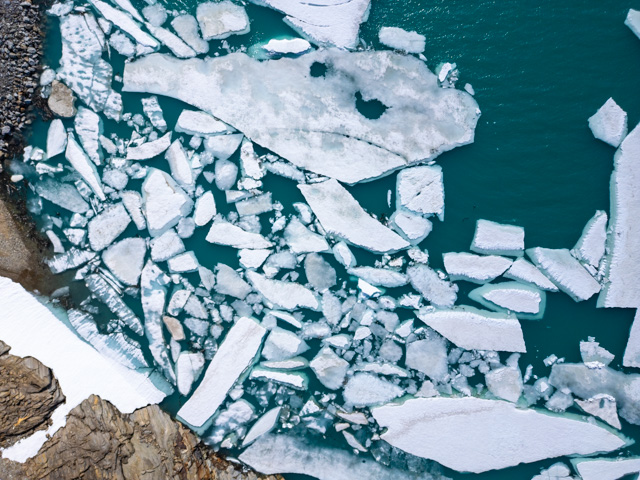
We visited both – travelling through a 1km, single lane pitch black rough hewn tunnel that was something of an adventure. We couldn’t quite drive to either as despite being July there was still thick snow lying on the road – but we could get within walking distance.
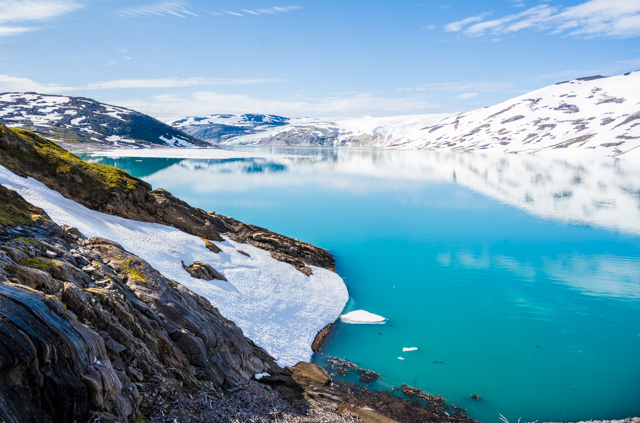
The views across the snowy frozen landscape were great and well worth the challenging drive to get up here.
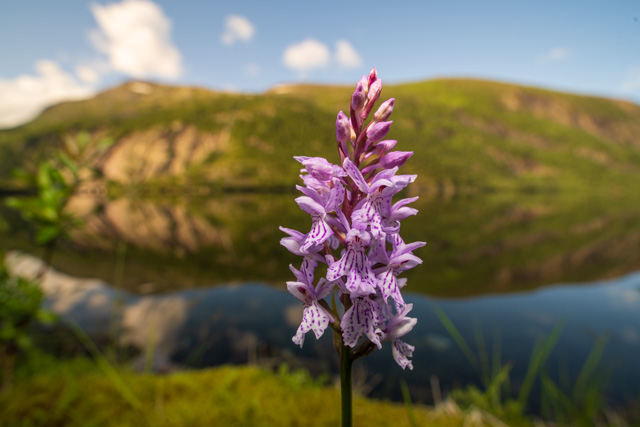
Back down the mountain there was no sign of the snow and beautiful wild orchids grew around a lake where we spent the night.
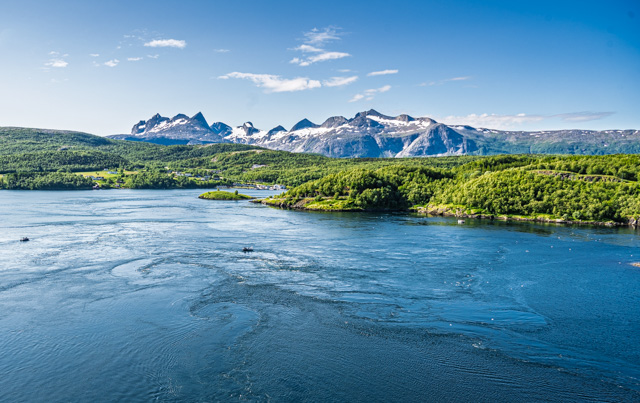
After exploring the mountains we headed back to the coast and carried on northward coming to the bridge over the Saltstraumen which is a narrow strait with one of the strongest tidal flows in the world reaching up to 20 knots. We timed our visit with an incoming tide and although you can definitely see the strength of the current from the bridge above, it’s not the most spectacular show.
This was our last stop before reaching Bodo, the gateway to the Lofoten islands. We drove through the town and passed the lengthy ferry queue, as most people take a ferry from here to the end of the Lofotens islands. However, we had decided to drive around to get to the Lofotens so we still had a little way to go.
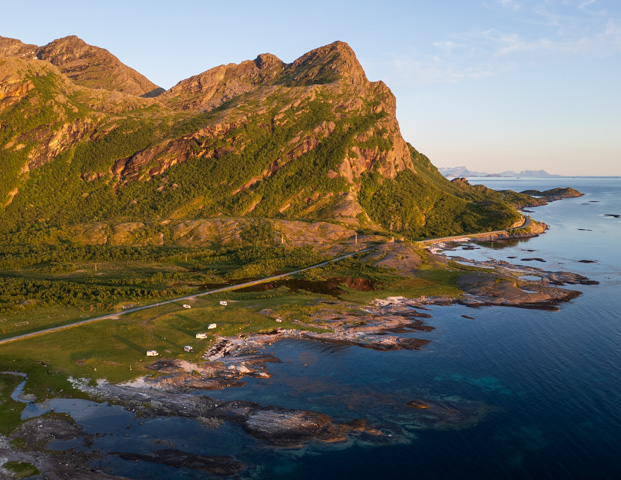
First up though we headed to the pretty island of Kjerringjoy, a popular weekend jaunt for the locals but not many tourists. There wasn’t much to see on the island except lots of lovely coastline and one of our favourite park-ups of this trip – a large grassy area on a beach with a pair of nesting sea eagles on the cliff opposite us. Finally the sun blessed us with its appearance and we enjoyed our first BBQ of the trip after over one month on the road.
 FromAtoB