Loire and its Chateaux: Angers
Having headed south to see the Marais we had always known that we would head back slightly North again to visit the Chateaux of the Loire Valley.
Our first stop in the Loire proper was the town of Brissac, which is the home of the tallest chateau in France, 7 stories high.
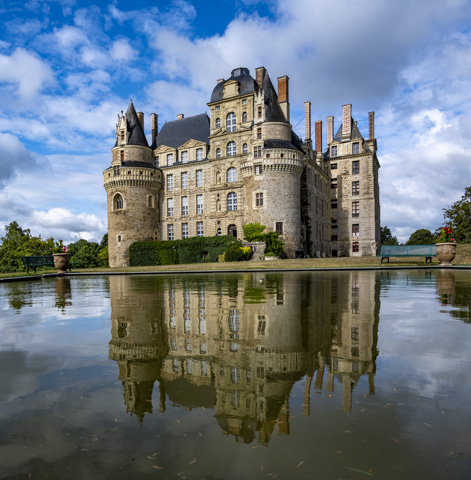
We have adopted a strategy for visiting the chateaux, first thing in the morning at opening time to beat the crowds as they get incredibly busy, especially when the tour groups arrive and fill entire rooms.
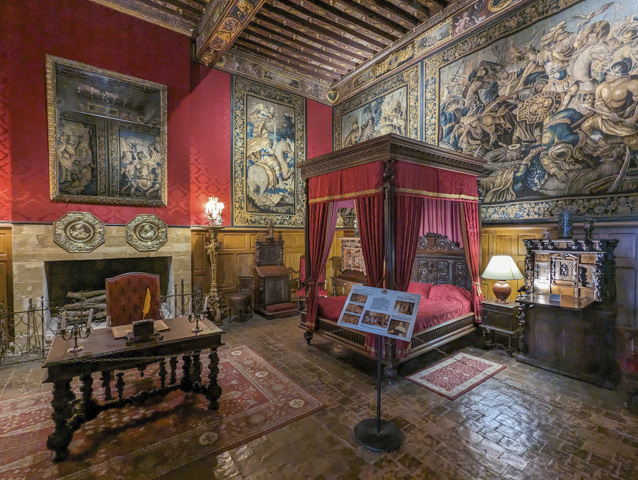
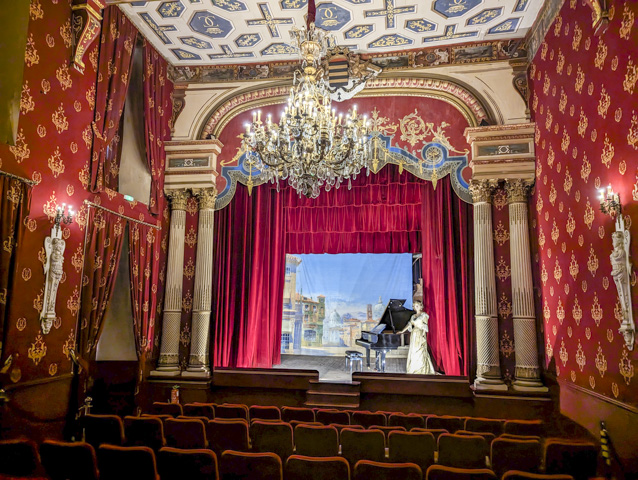
We did this with Brissac and really enjoyed the opulently furnished house which even had a 60 person theatre on one of the floors, used to stage operas. Only half the chateau is open to visitors as the other half is still lived in by the Cosse-Brissac family and one of the notable things about this chateau is that they have old and current photos of the family dotted around, which emphasises the fact that this is still very much a family home.
Although the chateau was originally built as a castle in the 11 century by the Counts of Anjou it was destroyed in the late 1500’s and the current structure was built in 1611 by Charles II de Cosse who became the Duke of Brissac after siding with King Henry of France in the French Wars of Religion.
This is one of the quieter chateau in the Loire region but one of the ones we enjoyed most and we would highly recommend visiting.
Whilst in Brissac we visited the tourist office and purchased a 2 day Angers city pass which would entitle us to visit a whole string of chateau and museums over a 2 day period. It also gave us access to overnight secure parking in the middle of Angers as part of the deal. In this case the city pass provides great value. We paid €52 for the passes and got well over €100 of value from them.
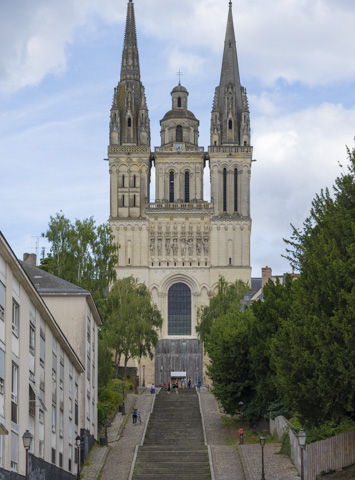
After enjoying our visit to Brissac we drove the 20km to the town of Angers, parked up in the central parking and then jumped on our bikes to explore the centre of the town.
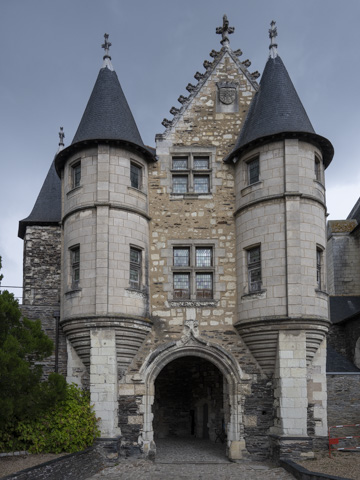
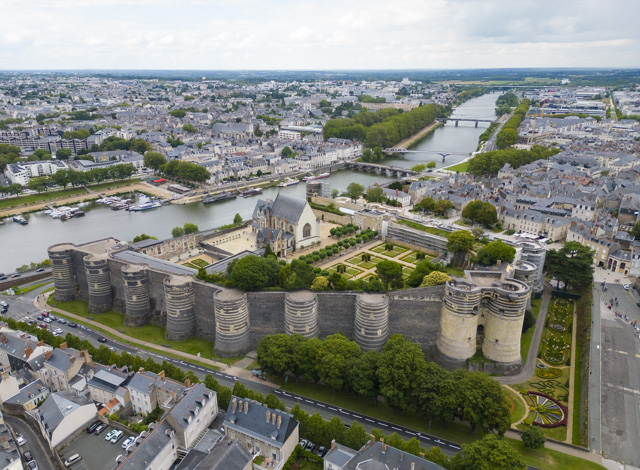
The most striking part of central Angers is the Chateau D’Angers which is very much at the castle-end rather than stately home-end of the chateaux. There has been a fortress here ever since the Romans first built one to take advantage of the defensive location but it wasn’t until the 9th century that the Counts of Anjou began construction of the first actual castle.
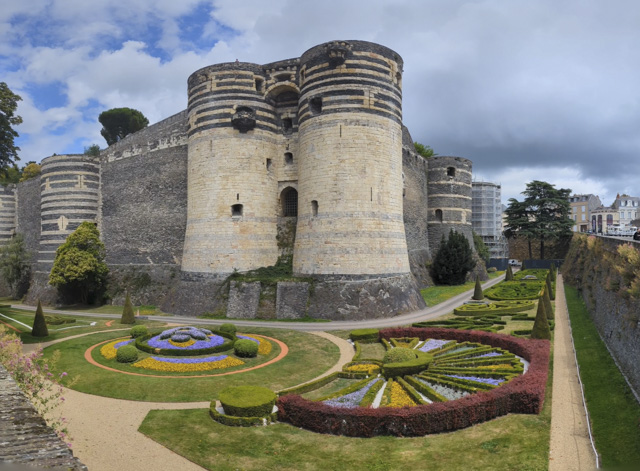
Some of the Chateaux are like big houses, some are like palaces and others have big fortifications and are more like the castles we see in the UK.
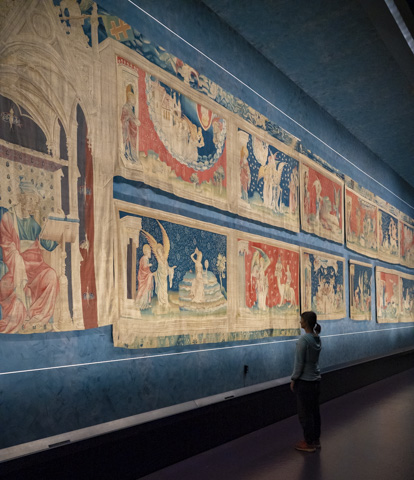
The real attraction of the Chateau D’Angers though is that it holds the Apocalypse Tapestry. This is an absolutely massive tapestry that was commissioned in 1373 and is 140 metres long and 6m high. It depicts the story of the Apocalypse from the Book of Revelation.
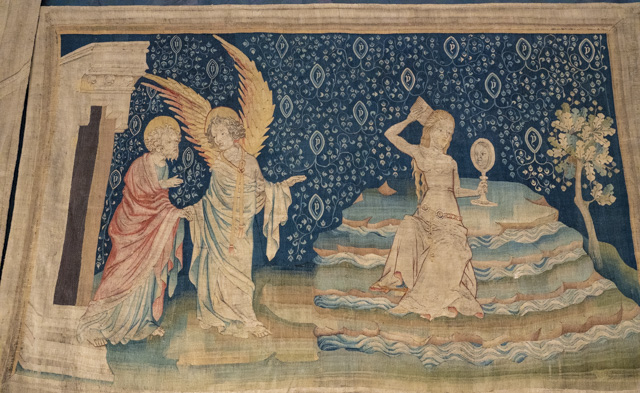
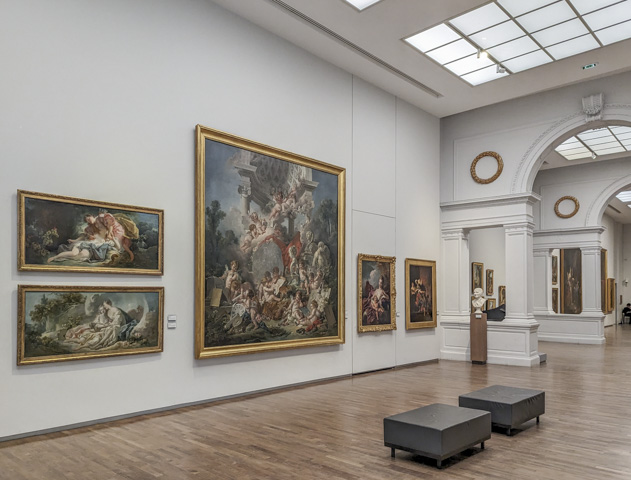
To make sure that we maxed out the Angers city pass we also visited the museum d’beaux arts, a gallery which houses a wide range of art from medieval religious art all the way through to modern art.
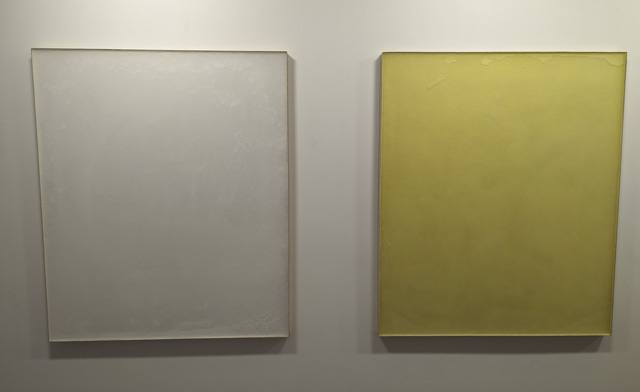
It tickled me to see a white canvas in the modern art section that felt like it could be part of a Monty Python sketch.
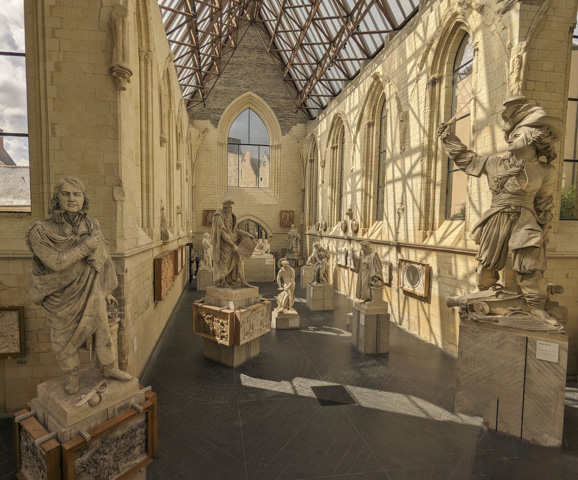
Next door to the art gallery is the gallery David D’Angers which is a converted church and is an exhibition of sculpture. This was really impressive with some very large pieces and I would thoroughly recommend a visit if you are in Angers.
On the second day of our Angers city pass we decided to visit some chateaux that are included but that are outside the city itself. They are each about 20km from the middle of Angers and make an easy circuit for a day trip.
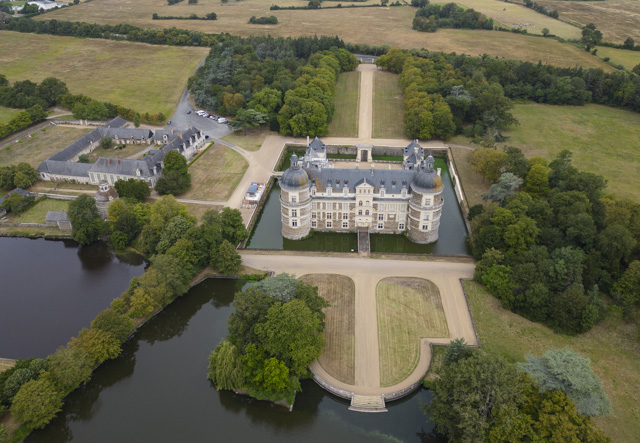
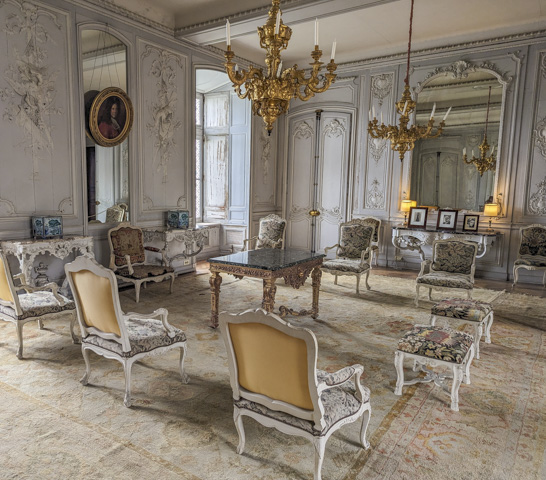
First up was Chateau de Serrant which is probably the most interesting of the three on the inside. The current building is built on the foundations of an older castle but now has no defensive role. The Brie family were the original builders but they fell on hard times and sold it in 1636 to Guillaume de Bautru who carried on the building according to the original plans and also founded the library.
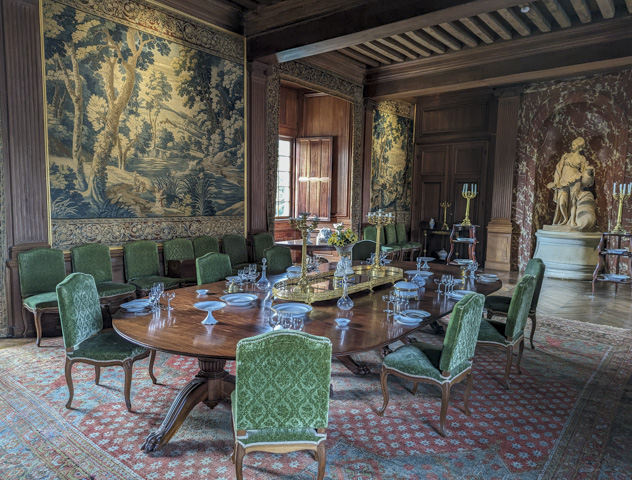
It is known for its library of over 20,000 volumes, but unfortunately this can only be visited as part of a French language tour.
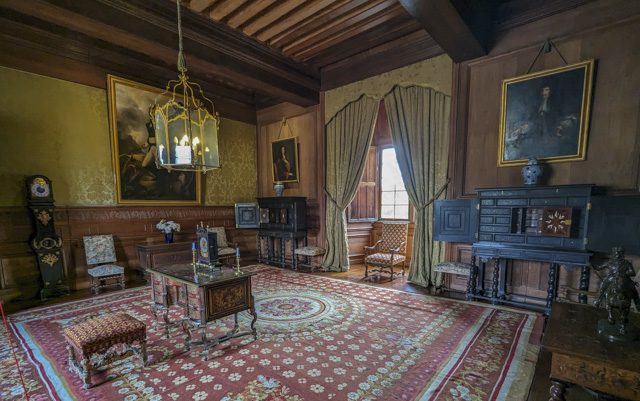
The second chateau we visited is called Plessis-Bourry and this was constructed over 5 years (1468-1473) by Jean Bourre who was Louis XI’s finance minister. It is still lived in today.
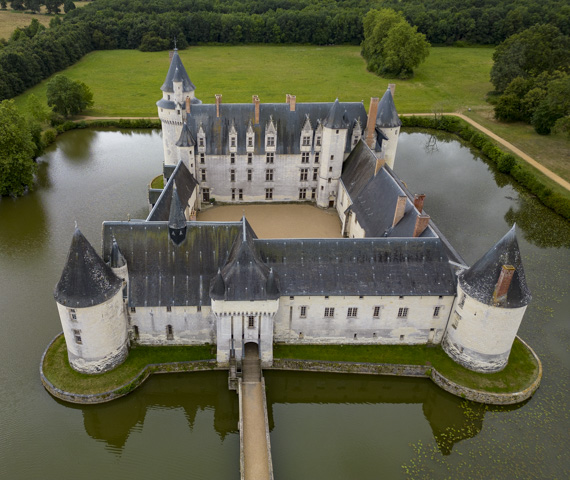
The chateau mixes the architectural style of a medieval castle with its drawbridge and large moats, with the comfortable living spaces of a renaissance chateau. This is known as transitional architecture.
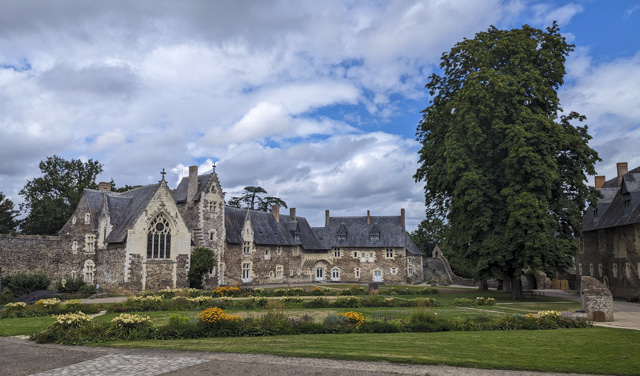
Our final stop of the days chateau road-trip was the Chateau de Plessis-Mace where an original 11th century fortress has been replaced by a 15th century country residence which was rebuilt over 20 years from 1451 to 1474. The de Serrant family, who also owned the first chateau we saw today, owned this chateau from the 16th century but sold it off in the 19th century.
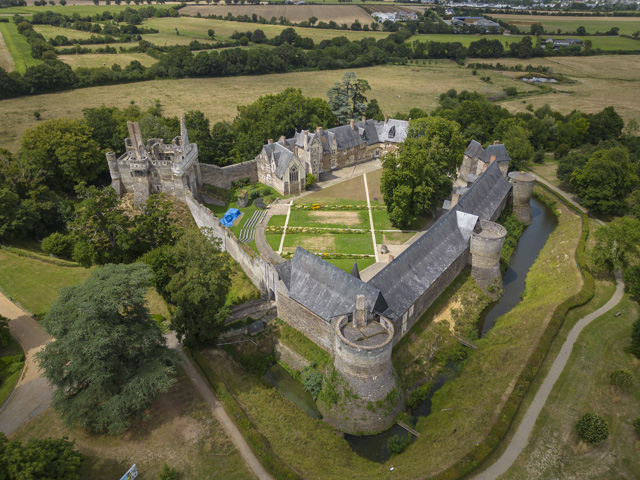
This chateau was not as accessible as the others and we couldn’t go inside anywhere, other than the chapel and some covered battlements, although this may have been possible as part of a guided tour.
After our final chateau we headed back to Anger for our free secure overnight parking. This was to be the start of our trip through the Loire as we moved from chateau to chateau!
 FromAtoB