Huanchaco
The drive from Cajamarca to the coast is on a good paved road the whole way and despite having to drive from 3000m down to sea level we made good time.
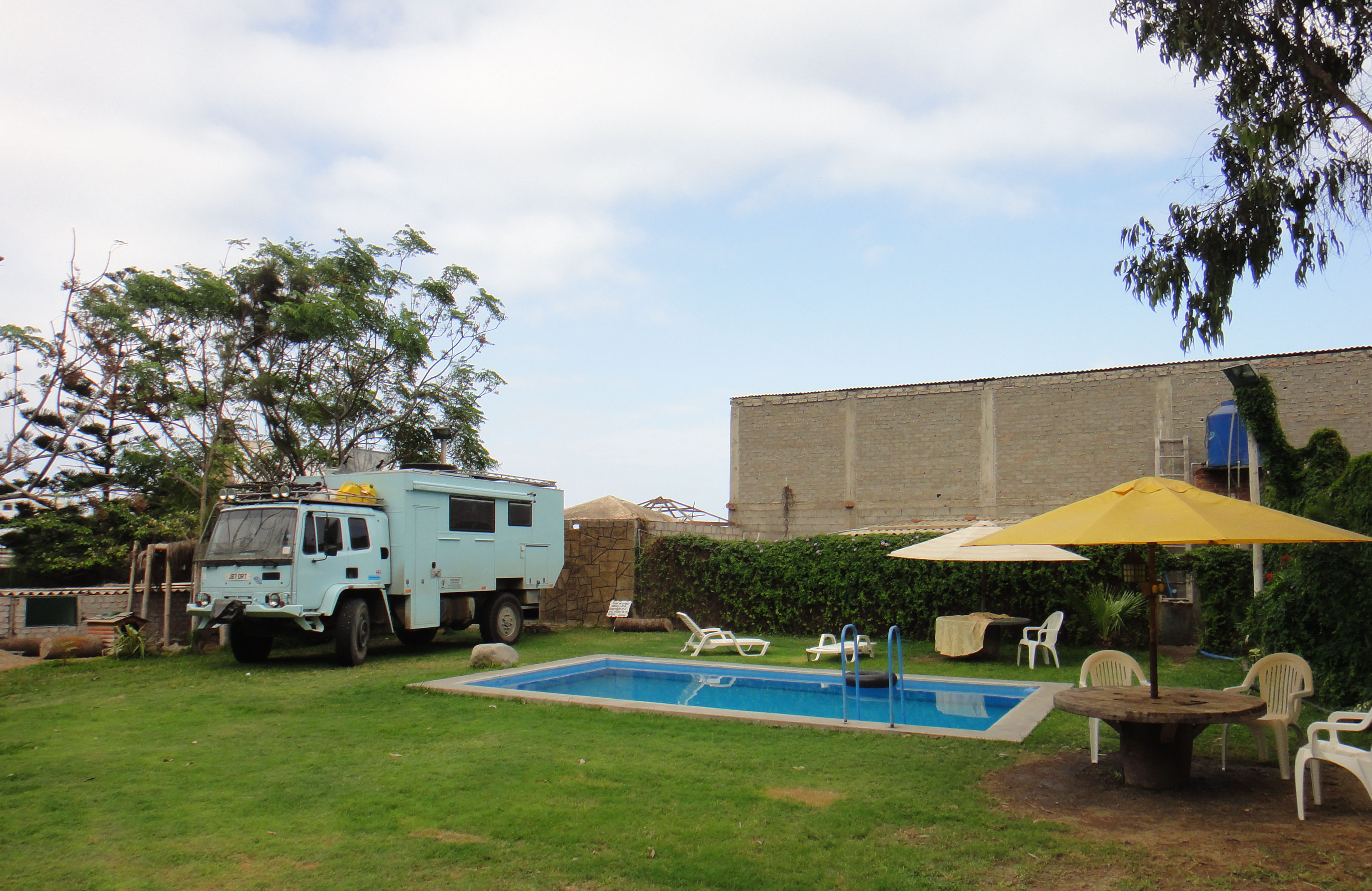
Huanchaco has one of the nicest campgrounds in Peru in a grassy lot with a swimming pool behind the Huanchaco Gardens Hotel. There were 2 peacocks living right by where we were parked and we got used to peacocks under our truck ! On arriving we were surprised to find three other sets of overlanders there. After we had been there a day another overlander arrived, this time someone that we had met about 6 months earlier in Mexico.
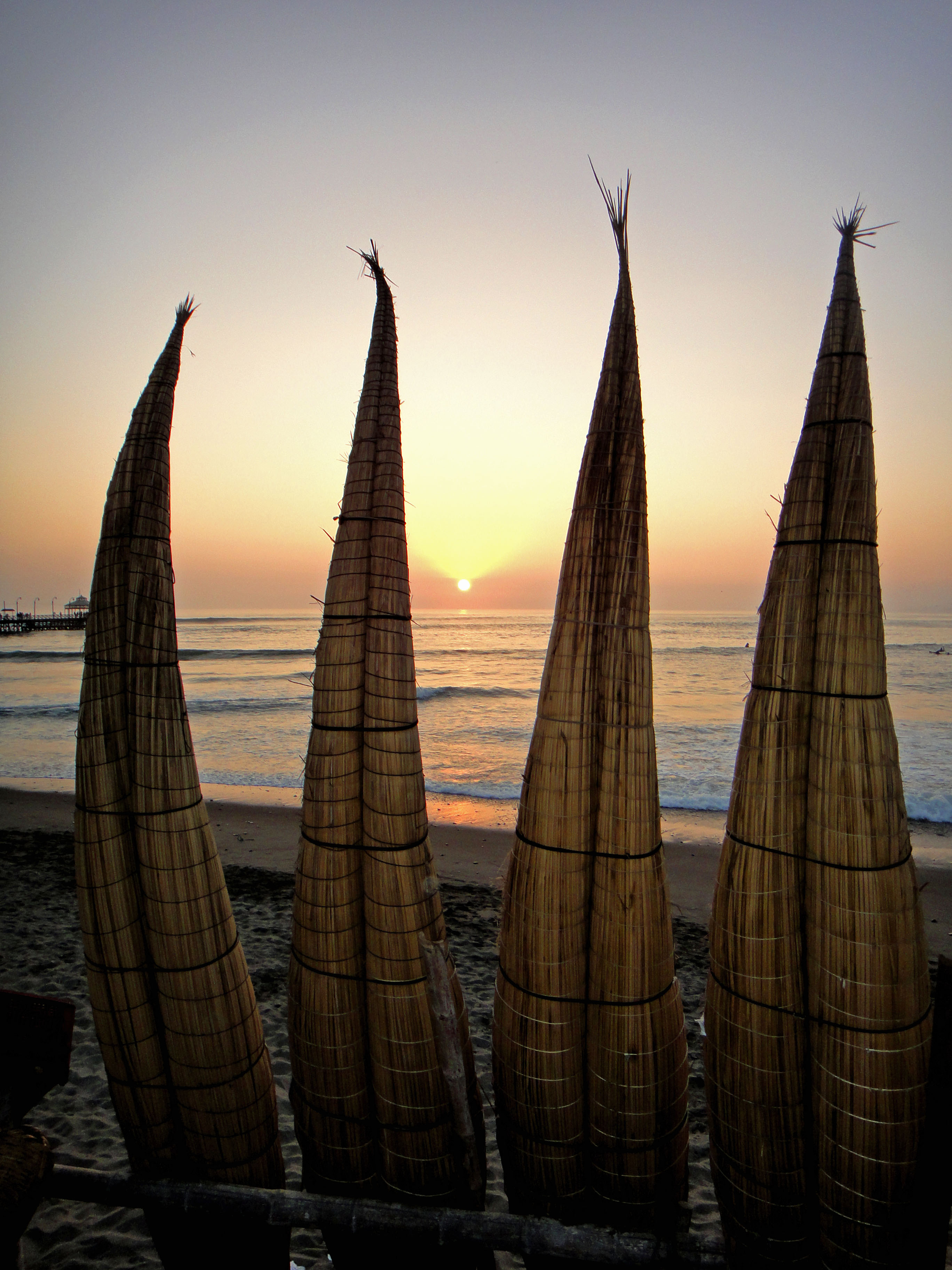
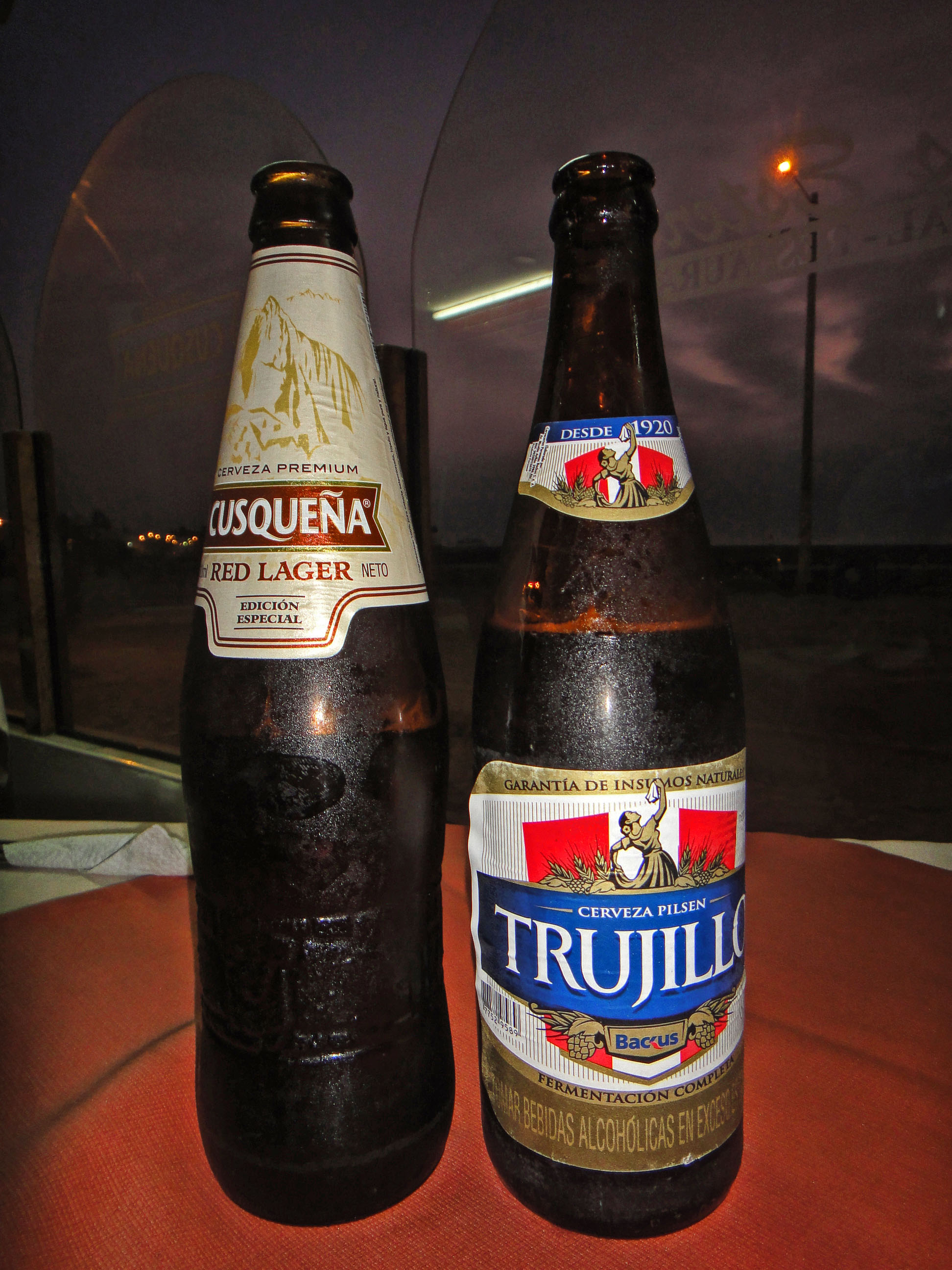
Huanchaco is a relaxed sea side resort which is a great place to kick back for a couple of days. The surfing is great but the water is a bit on the cold side. There are some good restaurants – on the expensive side though – apparently including the President of Peru’s favourite. This gave us the oppurtunity to have our first beers in Peru.
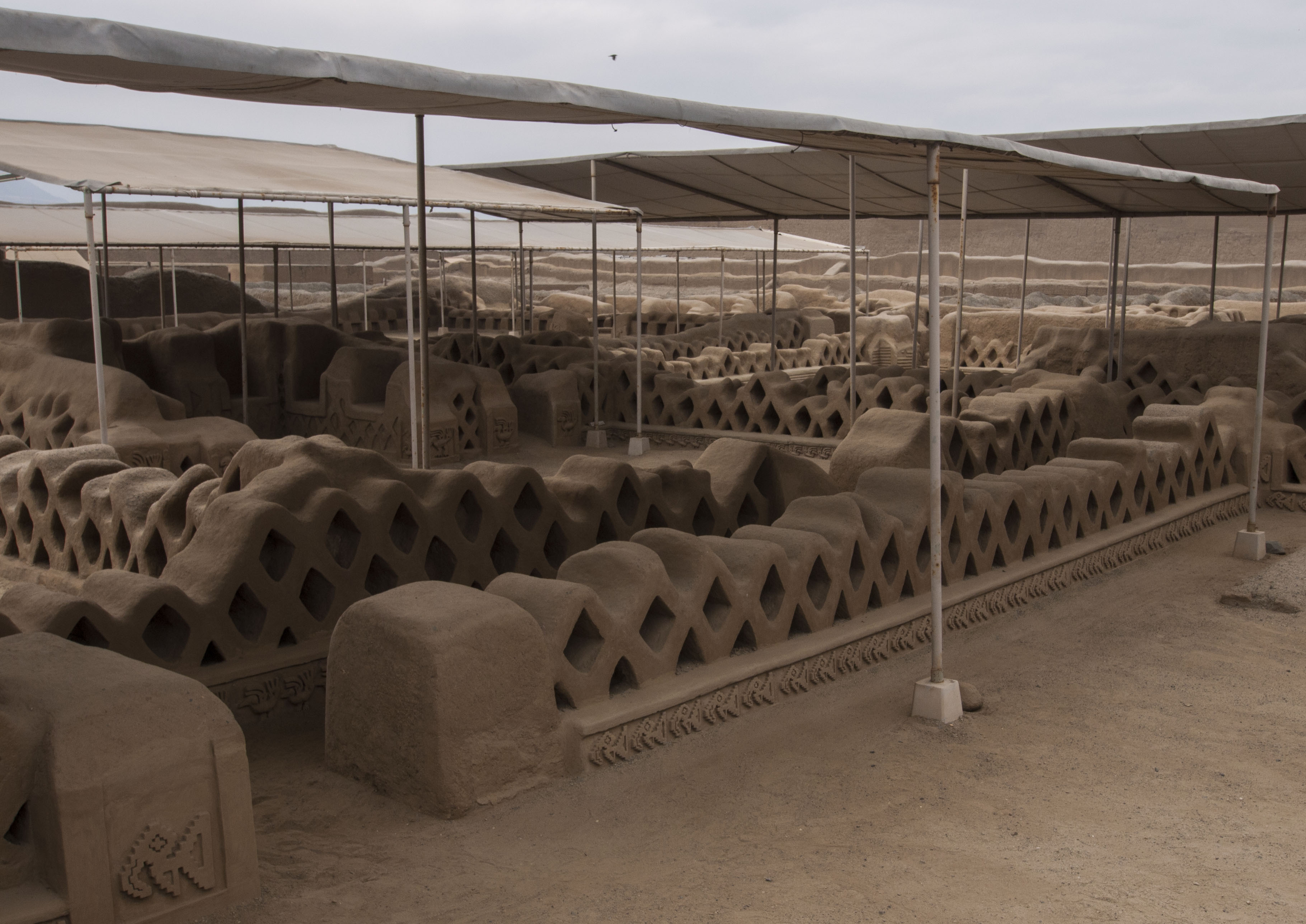
Between Huanchaco and Trujillo is one of the most important Pre-Incan cities, Chan Chan. Like we had discovered at Tucume the adobe walls of the city had been severely damaged by the rain over the years. Unlike Tucume however there has been a large amount of rebuilding and restoration at Chan Chan.
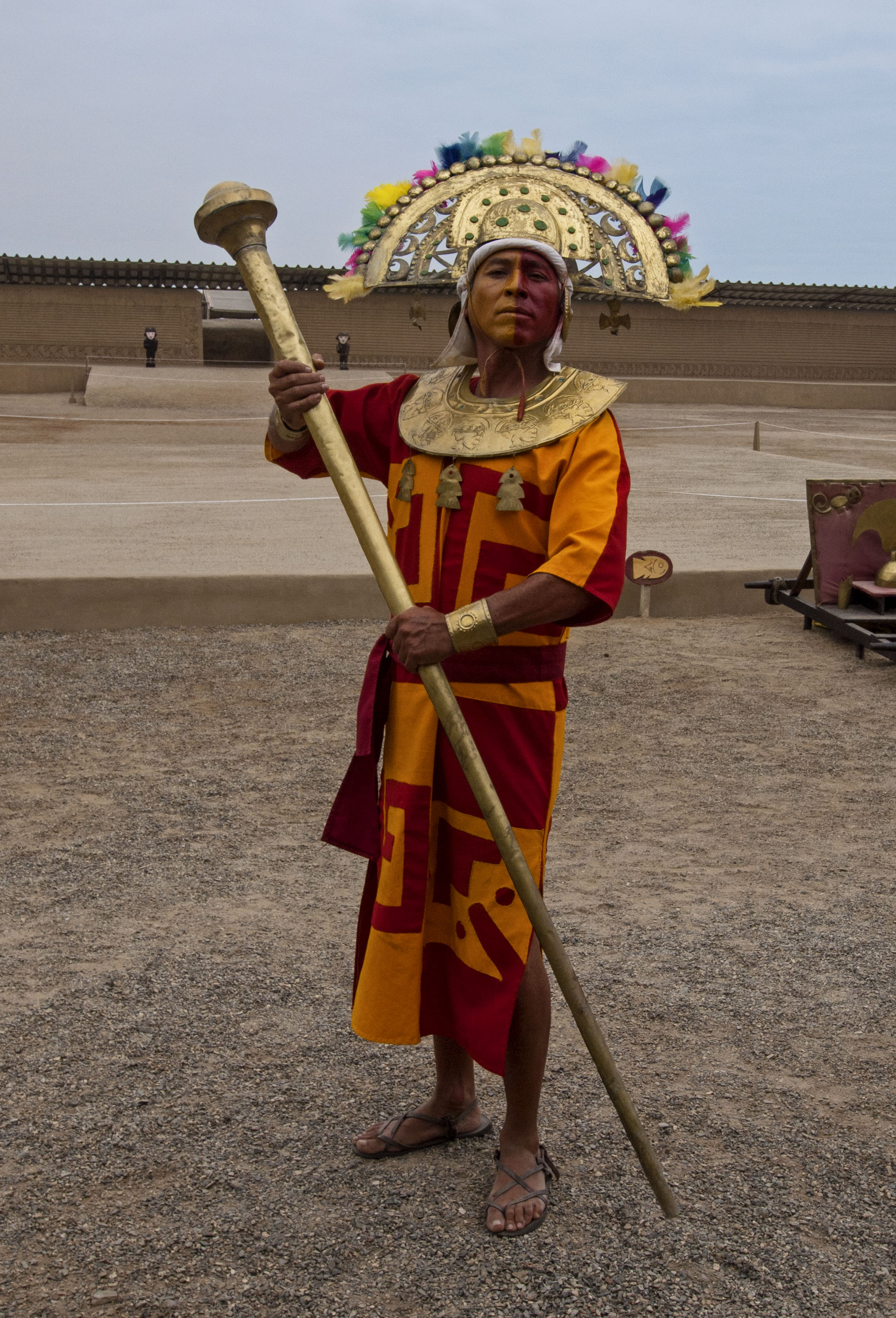
Chan Chan was the capital of the Chimu empire which came to pre-eminence around 1100AD. The Chimu were masters of irrigation and set up a series of aqueducts that brought water from the neighbouring Chicama valley to enable them to live in the desert. This was to prove their undoing as the Incas conquered them (in the 1470s) by cutting off their water supply and eventually peacefully conquering the city and leading to its demise.
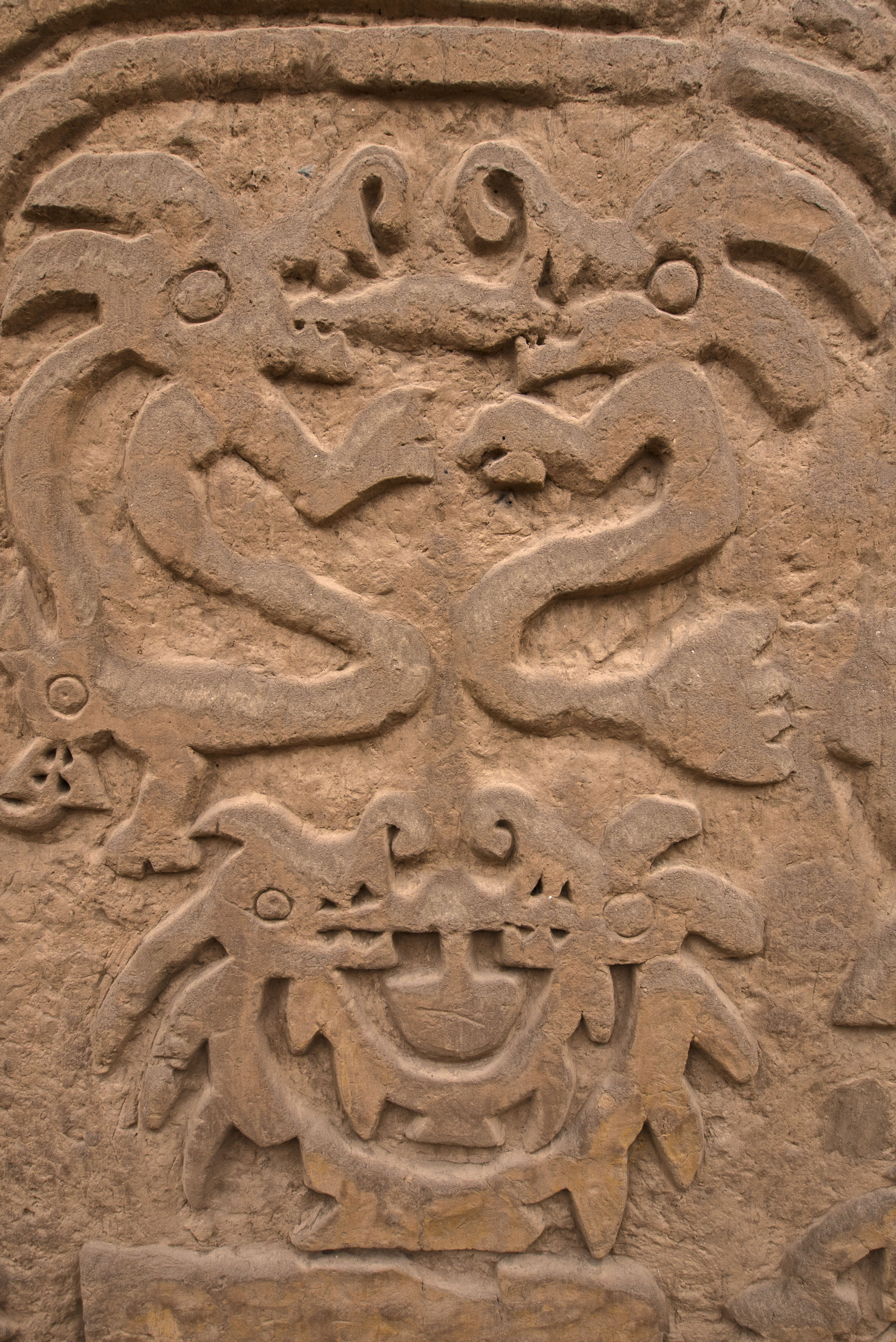
The striking thing about Chan Chan is the sheer size of the city, although much of it is outside the actual park area and is just crumbling walls in the desert.
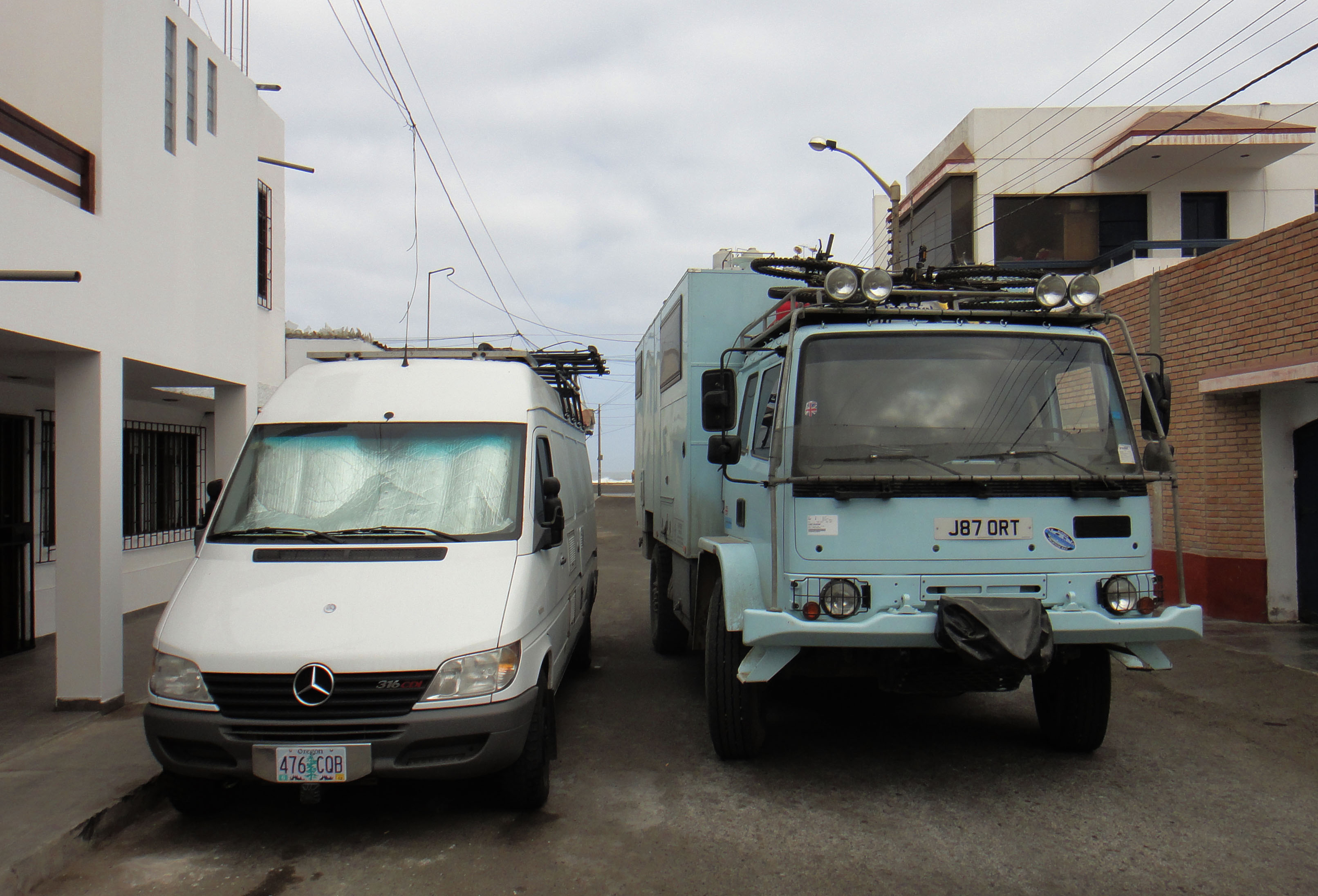
While we were in Hunachaco we met up with Stevie and Tree, www.sprinterlife.com, and their famous dogs Kiki and Mongo. It was great catching up with some fellow overlanders and we wish them loads of luck with the next phase of the lives ! Out truck is a bit bigger than their Mercedes Sprinter.
Cajamarca
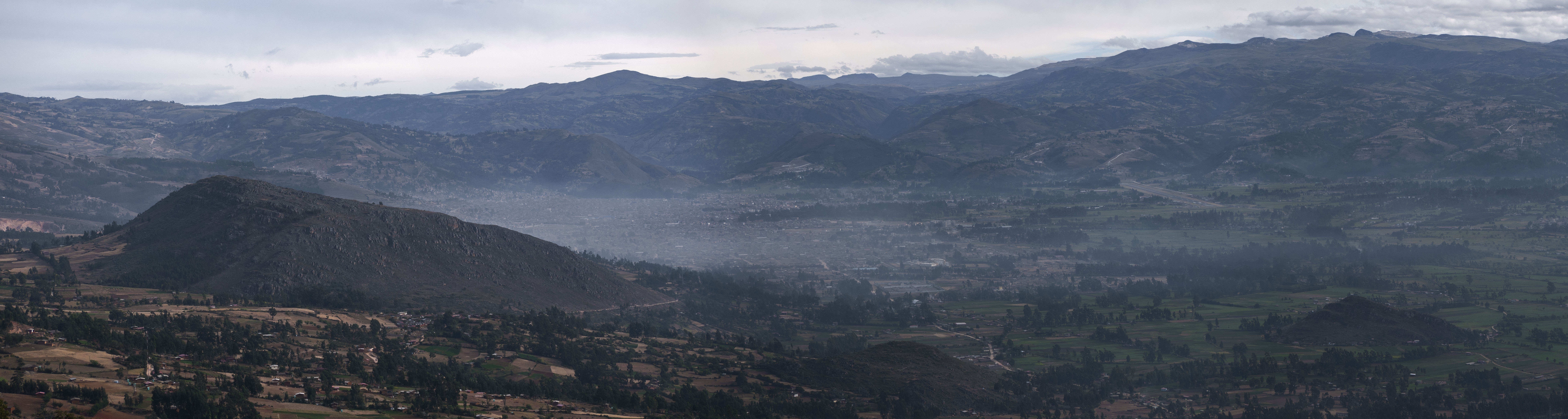
Just outside the town of Cajamarca is the small spa town of Banos del Inca. Cajamarca is a big a busy town whereas Banos del Inca is quiet and relaxed. We decided to stay in Banos del Inca and found a small parking area right on the main square of the town. We spent two nights here. The first was blissfully quiet but unfortunately the second, a Friday night, was pretty noisy with a band playing in a nearby building until 2am. Our third night in the area we moved to a Hacienda in the countryside between Cajamarca and Banos del Inca.
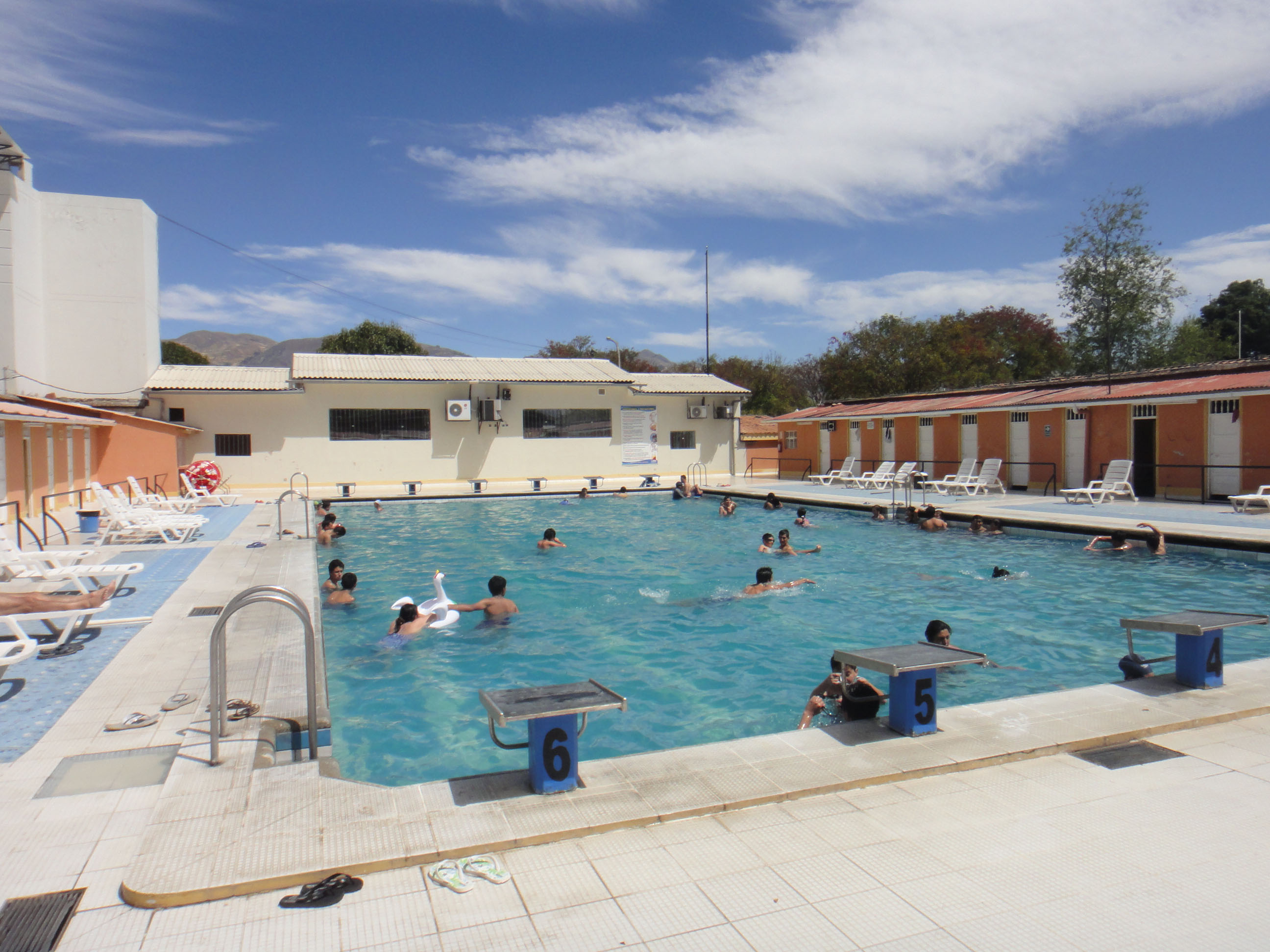
After our epic journey across the mountains we spent our first day in Banos del Inca relaxing. We went to the baths – there are lots of different options. It was really hot so we just went for a swim in the big swimming pool – the water is from the springs and meant to be good for you but it felt like normal water to me.
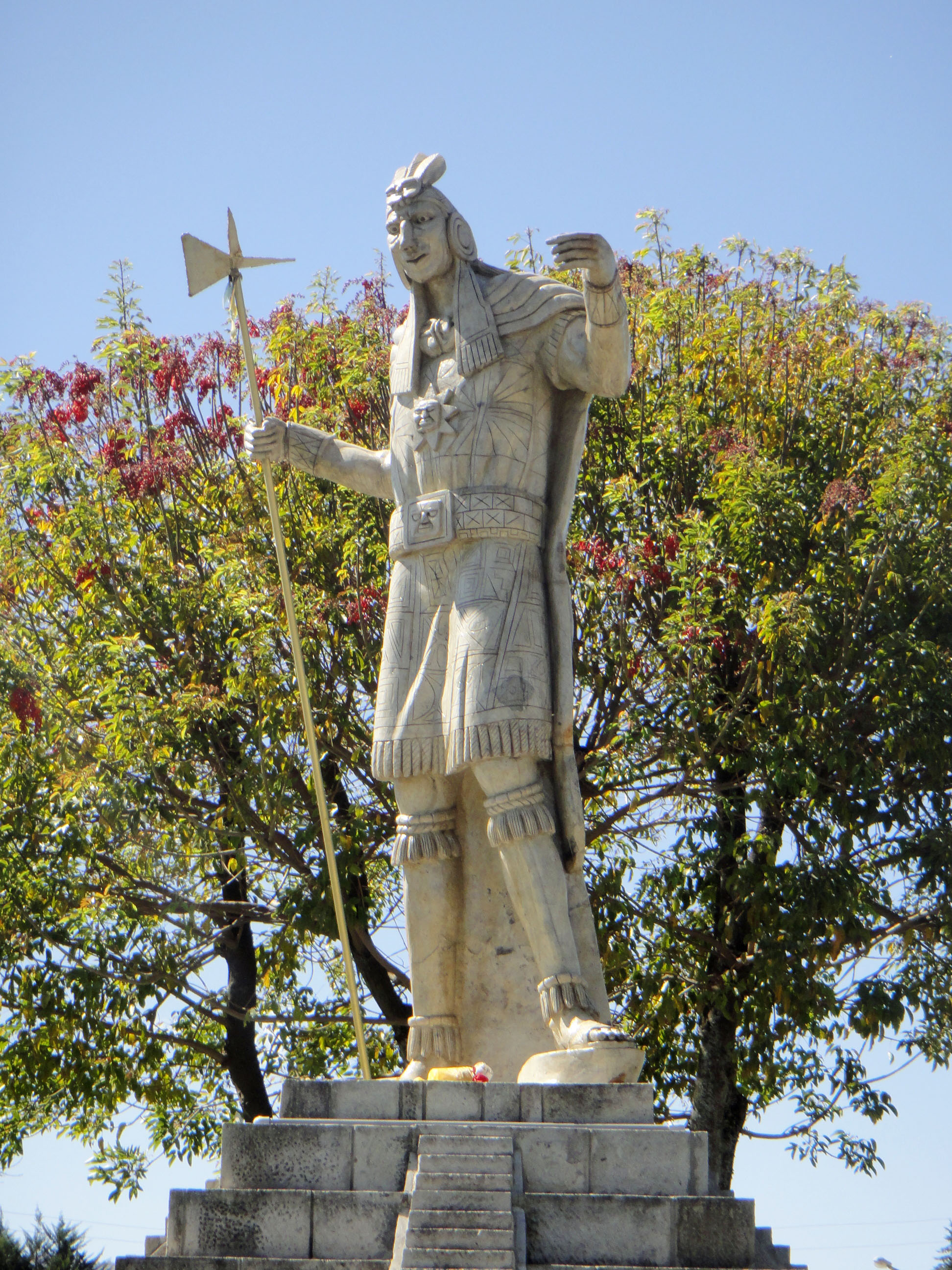
Banos del Inca is famous for its baths which have been in operation since Inca times. In fact this town is famous as the location where the last Inca lord Atahualpa was bathing when he heard news that Pizarro had arrived in town.

Atahualpa was captured by the Conquistador Pizarro in the town of Cajamarca. Pizarro had only 62 horsemen and 106 foot soldiers and there were between 30,000 and 80,000 Inca Warriors in the area. Pizarro laid a trap in the plaza of Cajamarca and waited for Atahualpa to arrive with only 5,000 men. They attacked with such aggression that they managed to Capture Atahualpa without a casualty. The Incas had badly underestimated the steel swords, muskets and horses of the Spaniards.
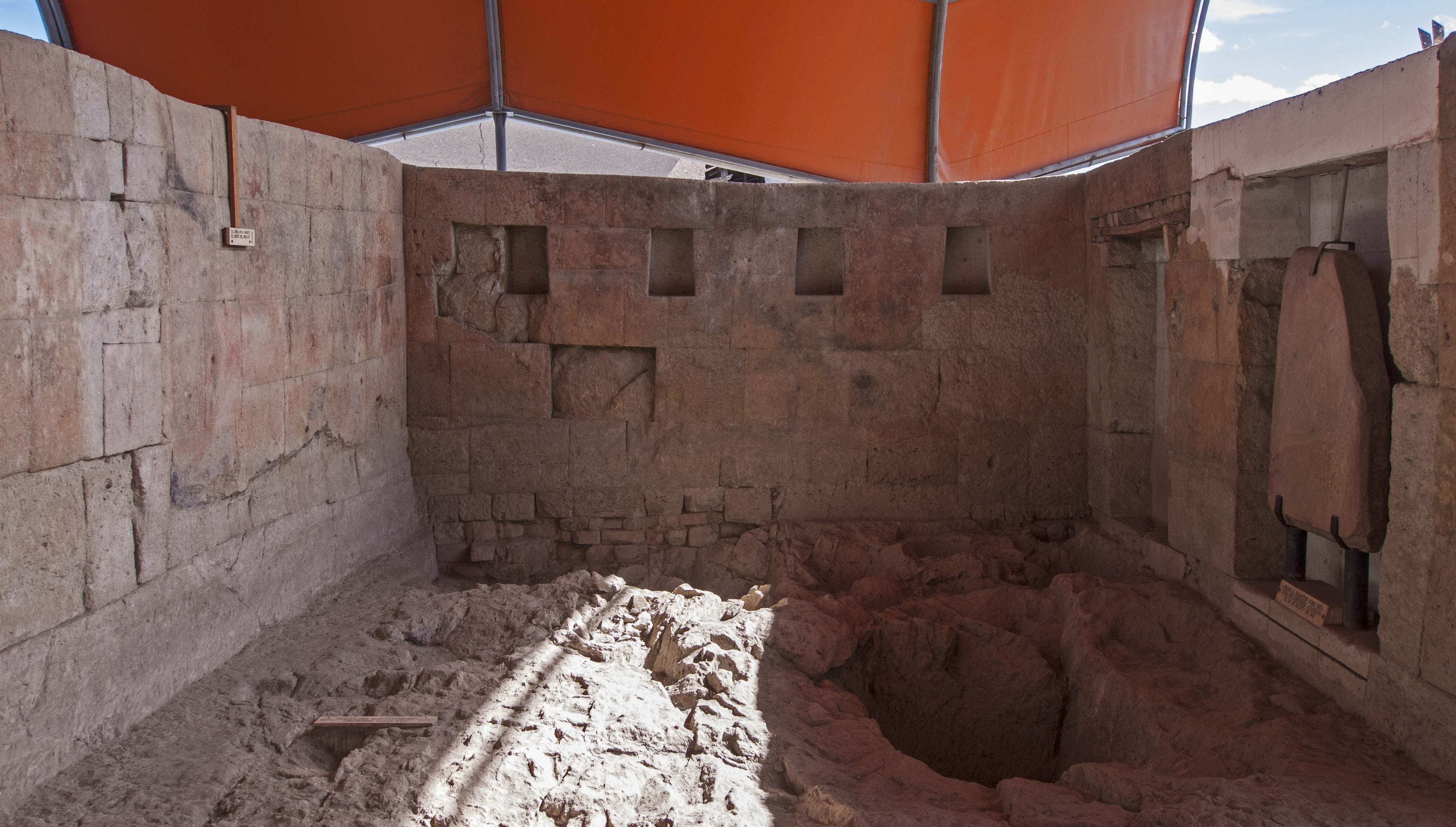
The Ransom Room with mark on the left hand side showing where the gold had to be up to.
Pizarro held Atahualpa for ransom and demanded that a room (since called the ransom room) be filled with gold up to a line on the wall for his release. The gold was delivered and Pizarro held a trial and then executed Atahualpa.
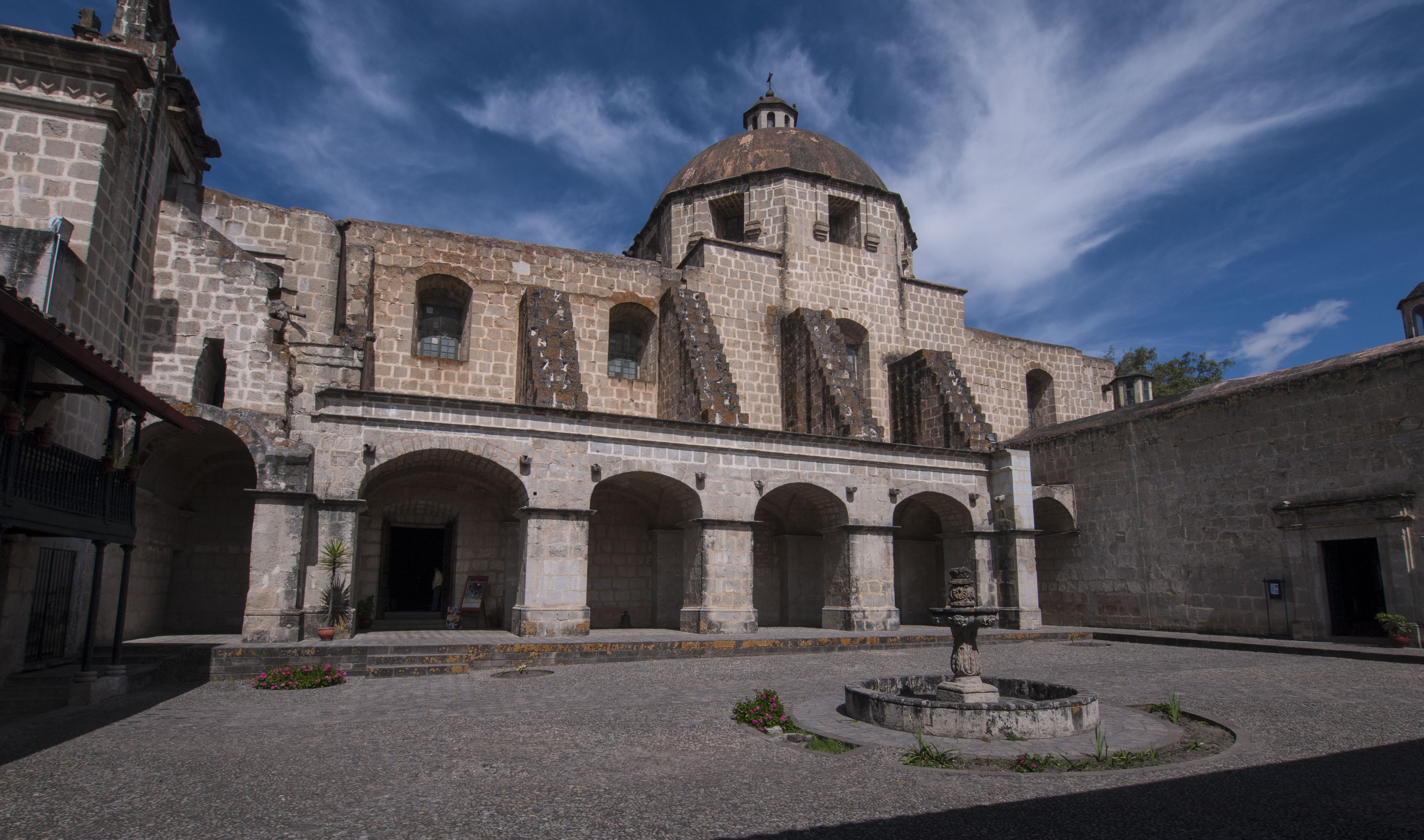
Cajamarca itself is a really busy city but it has a beautiful colonial centre which is worth walking around. After visiting the Ransom Room we went to the Belen complex which includes a number of buildings which are filled with works of art, the Archaeology and Ethnography museum and a church, Iglesia Belen.
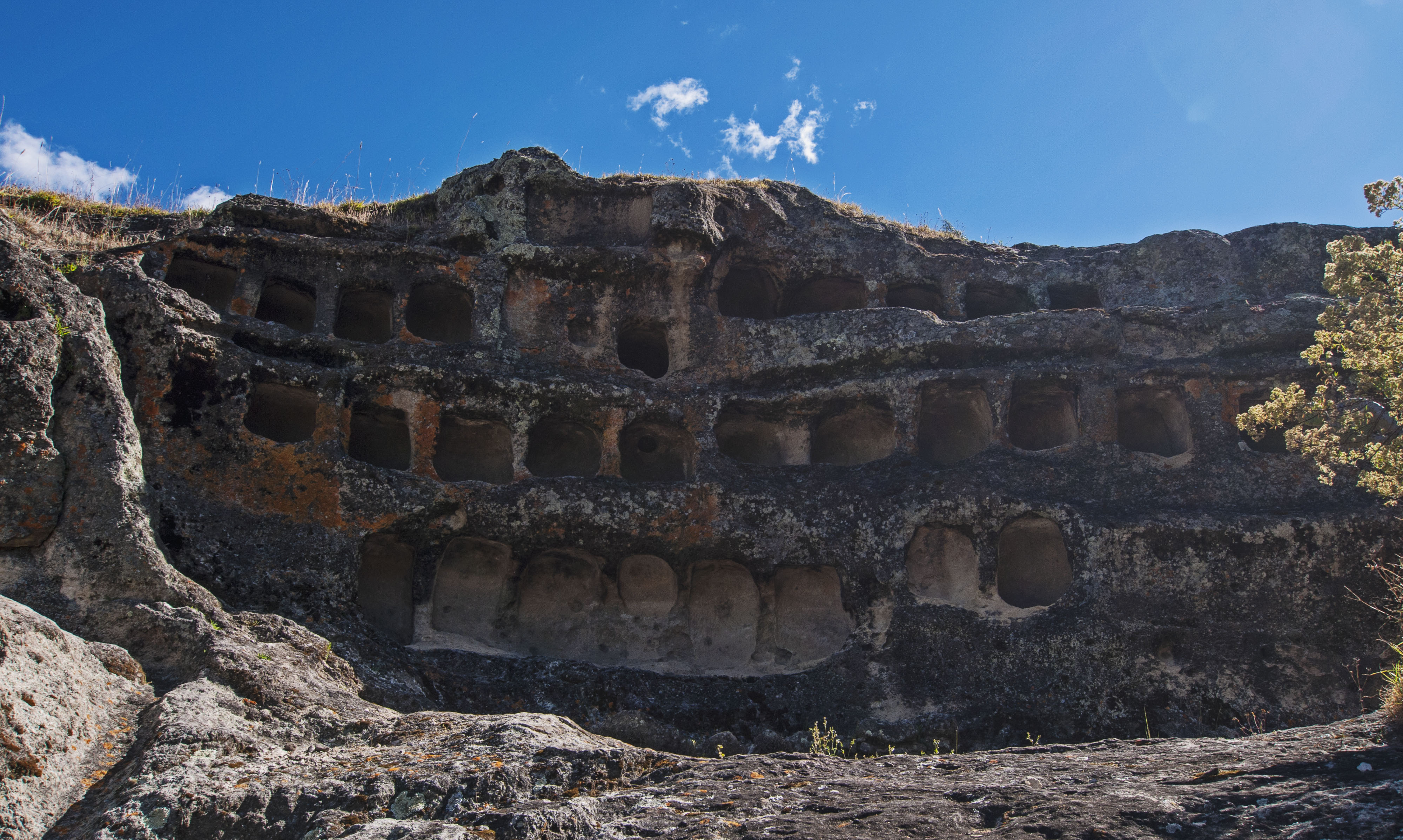
A few km’s outside Cajamarca there is an ancient burial site called the Ventanillas de Otuzco. This is a huge necropolis where the dead chieftains of the Cajamarca culture were buried in niches carved into the volcanic rock.
We were seriously low on supplies when we got to Cajamarca so we headed for the local mall. We were pleased on arriving to see a big outdoor car park with plenty of space and no height restriction. As we pulled in three men jumped out and told us to stop. We though they were just going to take our numberplate for security purposes. However they told us that we couldn’t park here – we argued for a few minutes with them explaining that we were already in and there was plenty of space. All to no avail so we had to do a three point turn and find somewhere else to park.
An Adventurous Drive: Leymebamba to Cajamarca
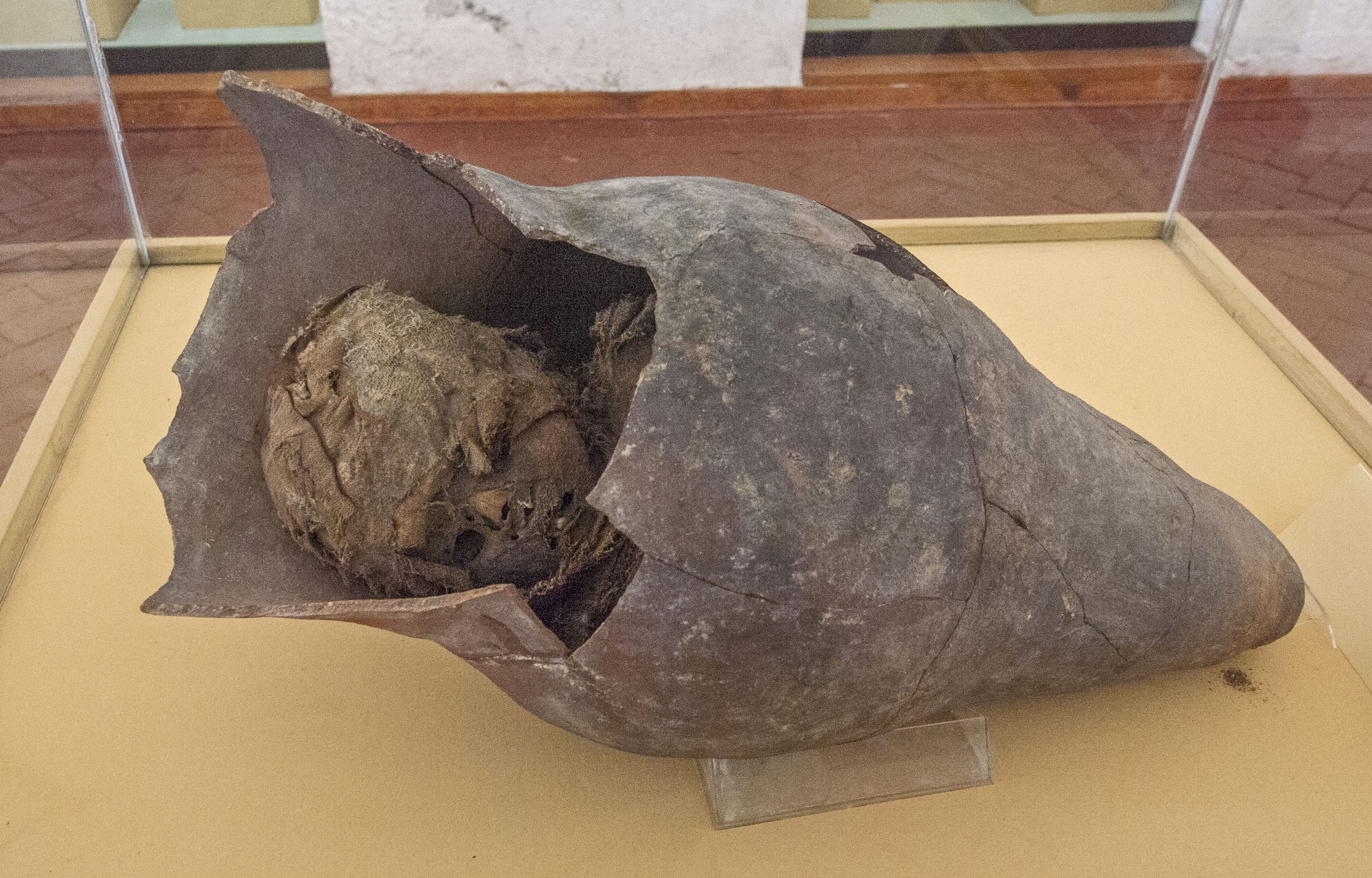
We left Kuelap first thing in the morning to try and avoid traffic on the narrow section of the road and we were successful in this. We carried on down the main (dirt) road towards the town of Leymebamba. This is the site of a really good museum which houses hundreds of mummies that were found in a nearby but fairly inaccessible place, the Lake of the Condors.

The museum would have been a perfect place to stop for the night but we asked to stay and were told we couldn’t. So instead we set out on the road to the town of Celendin.

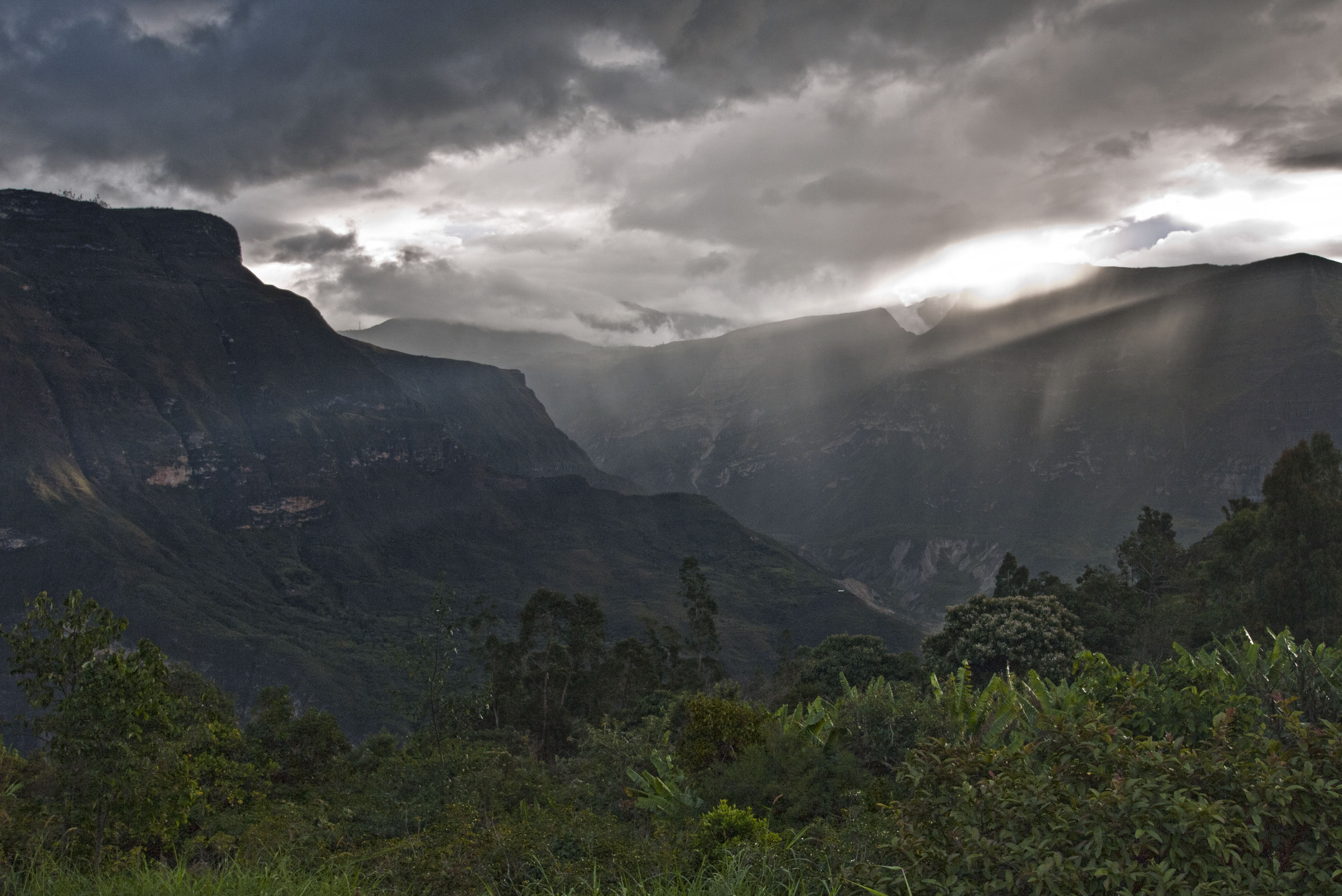
The road to Celendin is an amazing mountain track which rises to 3600m over the first set of mountains and then drops down to under 900m in a hot and steamy valley at the town of Balsas before rising again over another set of mountains to over 3200m and descends into a lush highland valley where the town of Celendin is found at only 2600m. This is one of the most beautiful drives we’ve ever done.

The surface of the road is in really good condition but at times the road is so narrow, with a 1000m drop off on one side and a sheer cliff rising the other, that when we drove round the corners one of our back wheels would be half off the edge. Hair raising stuff ! There was absolutely no room for mistakes.

As nightfall approached on our first day on the road we had climbed over the first path and were descending into the valley as we looked for somewhere to stop. There were a number of pull offs littered with rocks that had fallen from the cliffs – we weren’t too keen to get a rock through our roof in the night. We eventually found a space next to a small hut that looked deserted.

We had a good nights sleep and in the morning we were preparing to set off when the farmer whose hut we’d slept next to appeared. He was really friendly and surprised to see us I think. He gave us some Avocados from his farm as a gift – these were exceptionally tasty and much better than the shop bought ones !

The second day of driving this road was just as exciting as the first as we hit the valley, crossed the river over a narrow bridge and then started climbing up the next mountain range. We drove through desert avoiding the occasional mixed flock of sheep, donkeys and cows. As we gained altitude the country became greener and we climbed through a beautiful upland valley. At one stage we went over a short bridge that I’m pretty sure was not designed for 8+ tonnes.

After reaching the top again at over 3200m we could see the town of Celendin below us. We had been told the road widens out here but we weren’t bargaining on roadworks leading to a diversion through some small local towns and up a singletrack road for 18km before reaching the main road which was under pretty heavy construction – this will be paved in the next few years.

Unfortunately this main road, although wide, was very potholed and not an enjoyable drive at all. Eventually though we reached the town of Cajamarca and the pavement, a few km’s before town, which was well received after a couple of hundred km’s of dirt. Cajamarca is a big town with a mall, supermarket and a decent price for fuel !
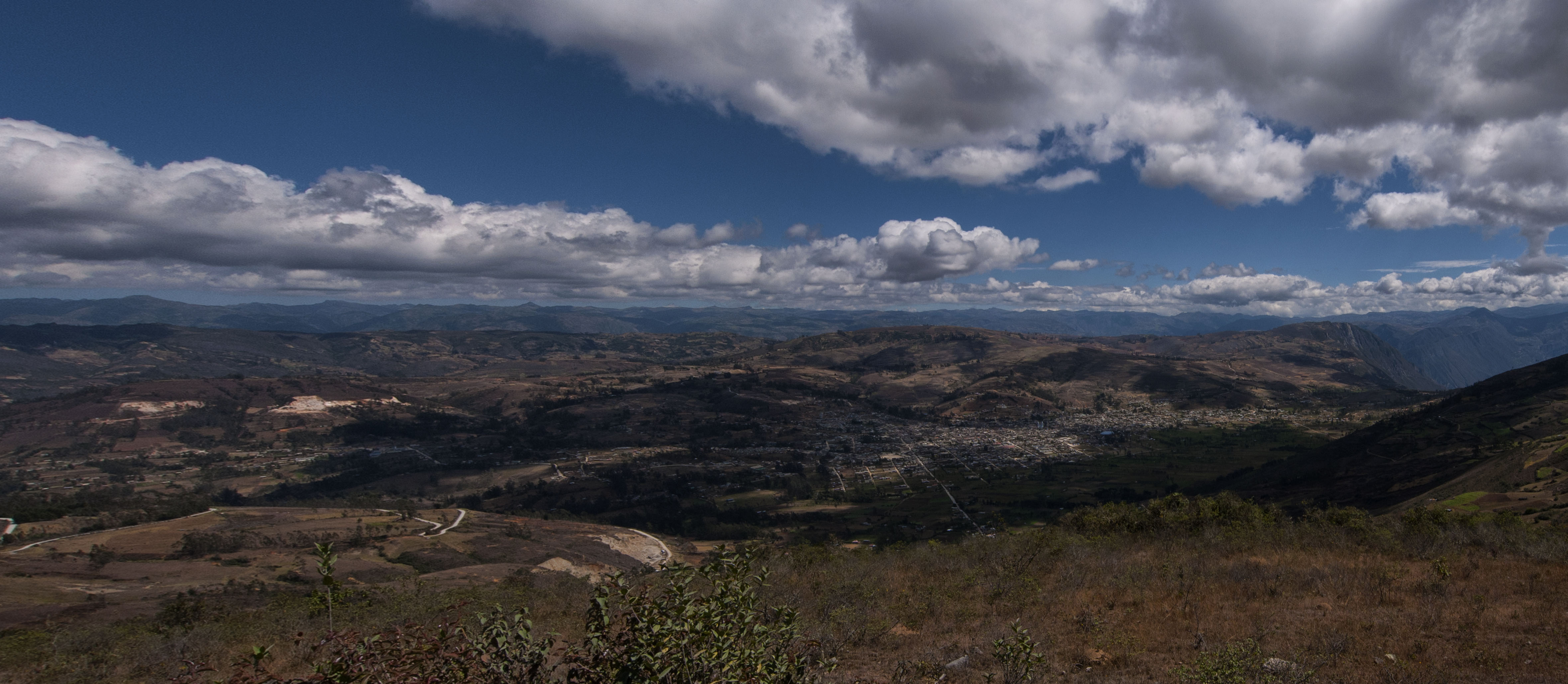
This loop from the coast through Chachapoyas, Celendin and to Cajamarca is a beautiful drive and is wholly recommended for anyone in Northern Peru.

Kuelap
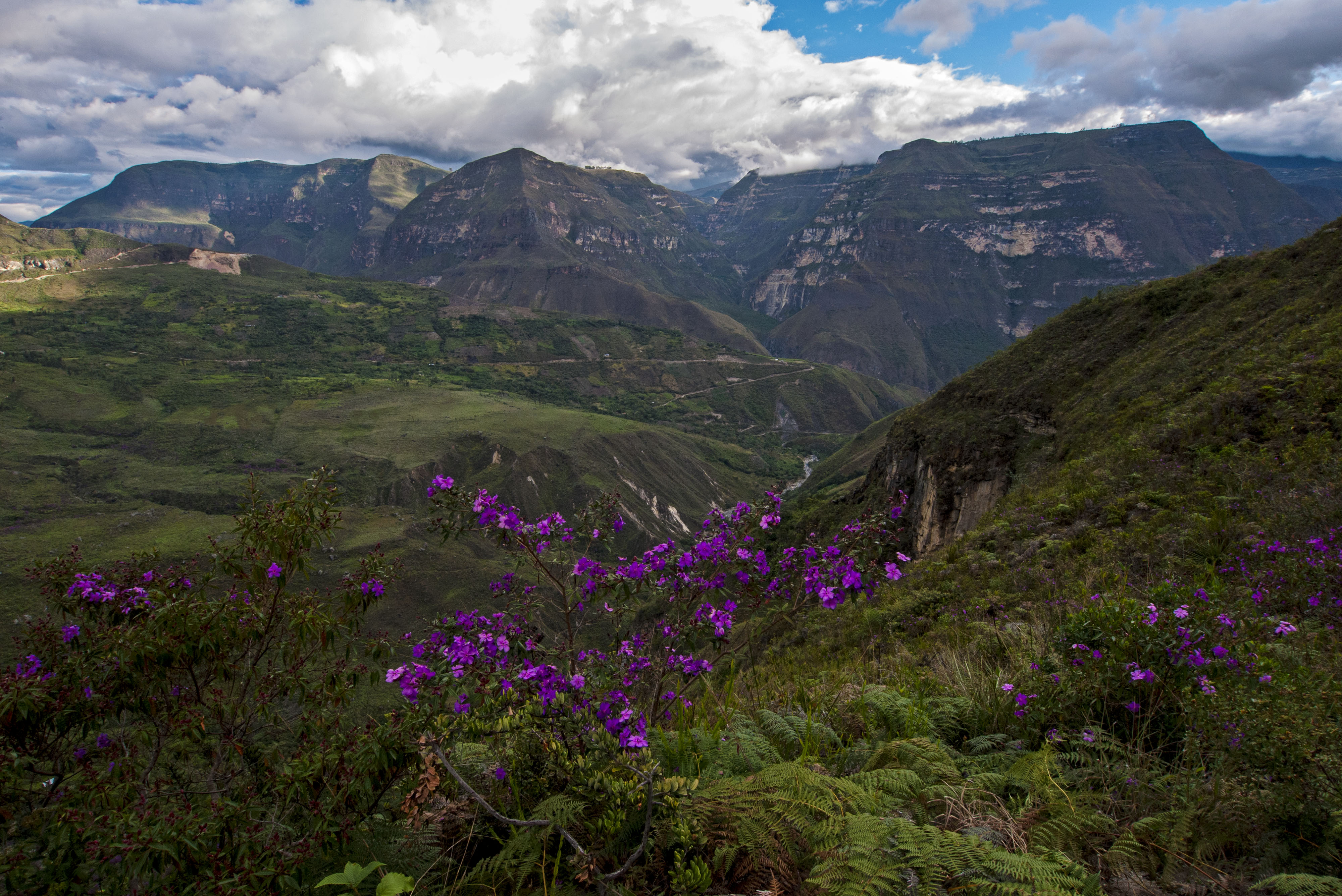
After leaving San Pedro it was only about an hour’s drive to Chachapoyas which is the capital of the Amazonas region on a plateau high above the Utcumbamba river. The town is nice but there isn’t too much to recommend it so we continued on our way to the tourist highlight of the region Kuelap.

To get to Kuelap there is a 35km branch off the main road which leads you high into the mountains and skirts the edge of a valley to take you to the isolated ridge where the city of Kuelap is located. We had been warned that we were too big for the road but in fact despite a couple of narrow sections it was a good dirt road with a large number of passing places.

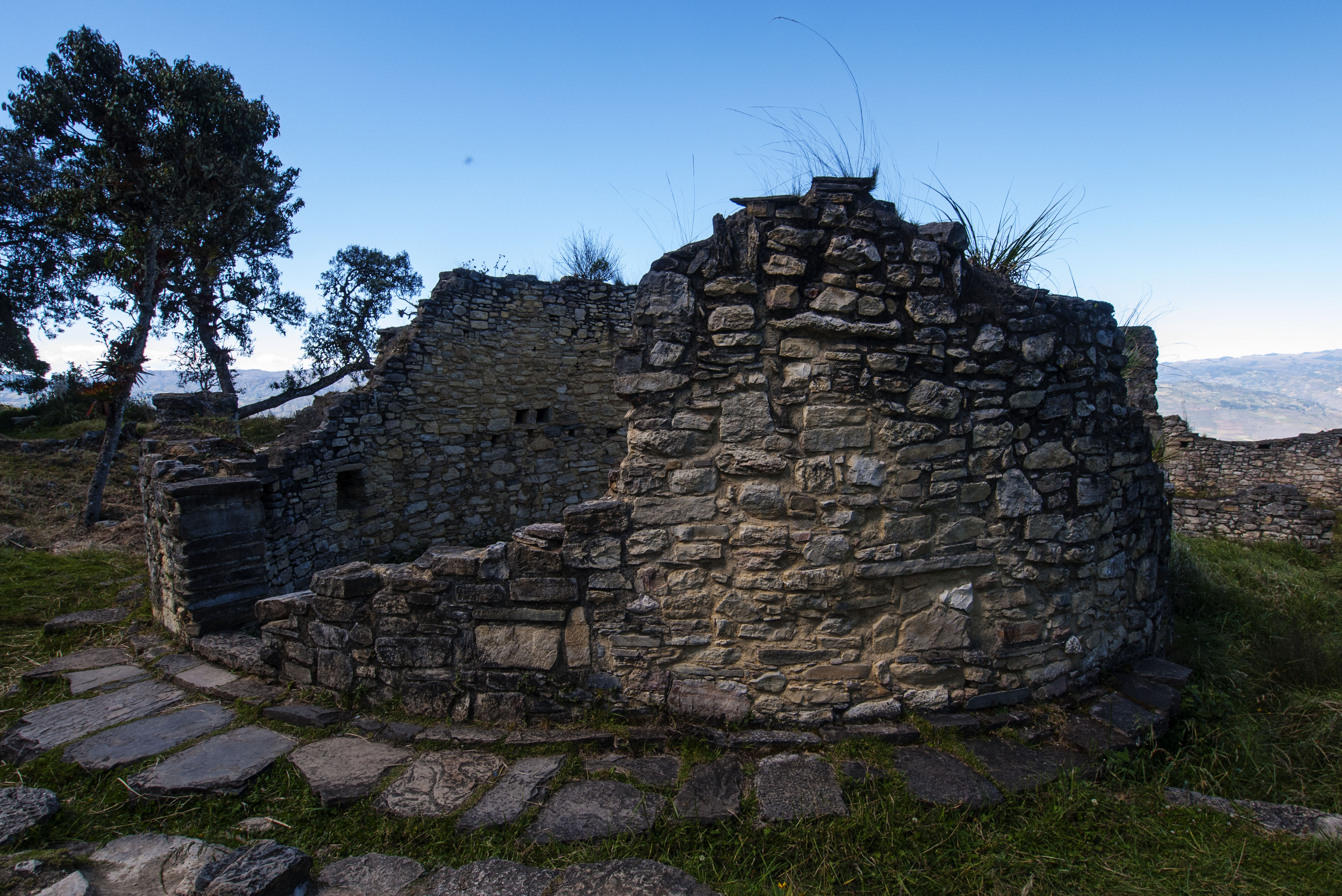
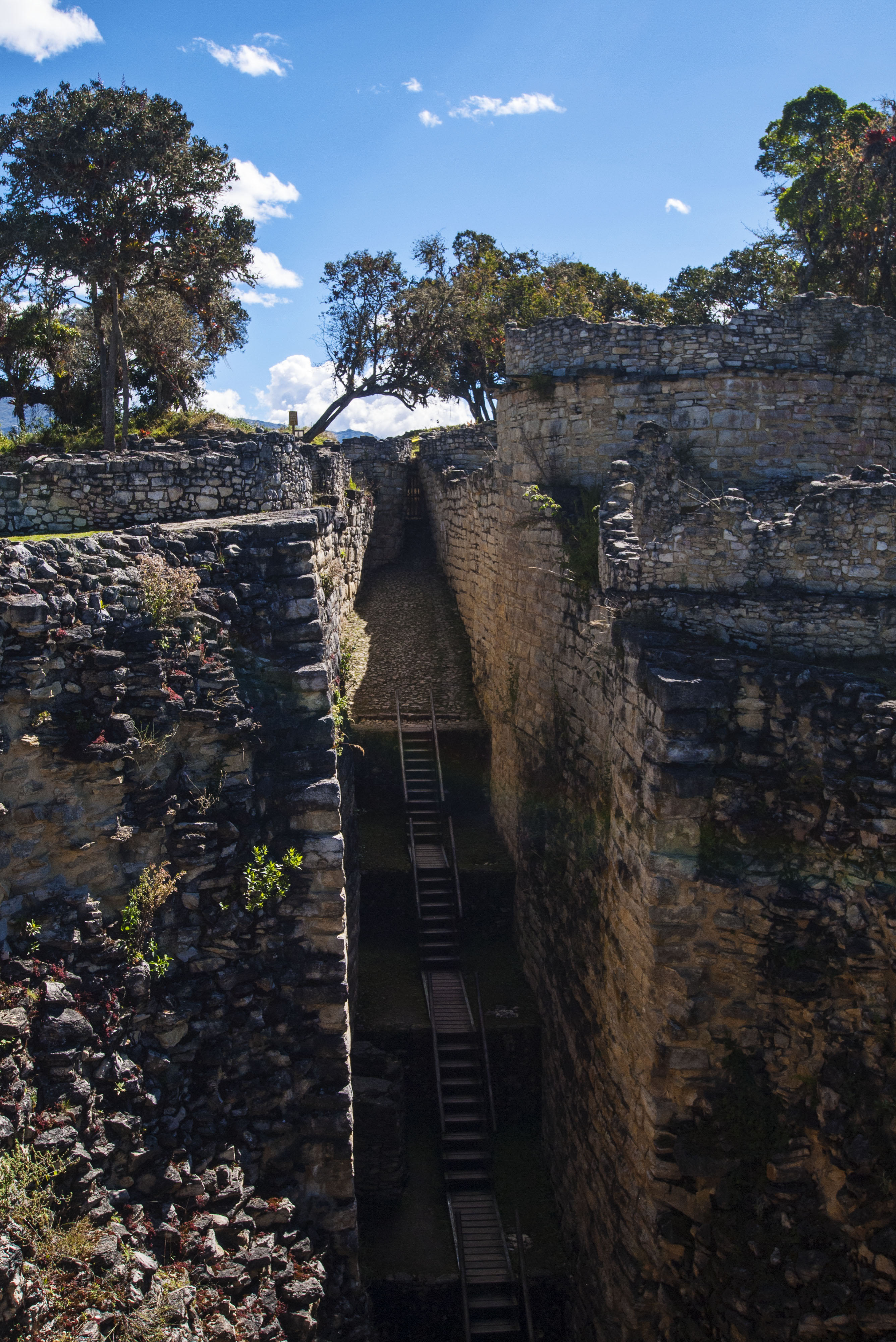
Kuelap itself is a fortress city dating back to pre-Inca times and built by the Chachapoyas Indians. It has been occupied since 600 AD and is considered to be the most easily defended of all the Peruvian fortress cities with walls up to 20m high. The city was however conquered by the Incas in the late 15th century before being abandoned before the Spanish arrived. Some historians believe that if the Incas had made their last stand at Kuelap that they would have beaten the Spanish and South America would be a very different place.

On arriving at the site we were disappointed that the car park area was a building site as they are building a spiffy new visitor centre and car park. We were told to park in the middle of the building site – thank god for 4 wheel drive !
From the car park it is a 10 minute walk uphill to the actual site. We were intercepted at the start of the path by a guide who told us it was compulsory to hire one. We negotiated a good price and set off, the only downside her lack of any English.

The site itself is not restored and trees grow amongst the ancient walls and give it an unexplored feel. The lack of other visitors adds to the feeling that you are exploring an undiscovered city.

Most of the buildings are circular (the Incas built square buildings) and even include a small pen for keeping guinea pigs which were used as food but also to warm the huts at night. The fortress has no water supply and instead water was carried up from the river a two hour walk below.

After a couple of hours at the ruins we slowly walked back down to the Beast enjoying the high altitude sunshine and views. We camped for the night in the building site which was fine apart from the workman starting at around 6am !
Gocta Falls
The road inland from Lambayeque is a fast good road but it still took us all day to reach Bagua Grande which is a lowland town set amongst rice paddies. We had a very uncomfortable night here where it was hot, wet and there were squadrons of mosquitos. In the morning we got on our way and the drive quickly became spectacular as we followed the Rio Utcubamba through its deep gorge into the mountains.

Shortly before reaching Chachapoyas there is a dirt road off the main road which rises out of the gorge and 1000m higher up to the small town of San Pedro. This is the nearest town to Gocta Falls.
We picked up a backpacker, Nacho from Argentina, who was walking up the road – although our lack of a spare seat meant that he had to sit outside on the wheel rim and hold tight! This led to a few hairy moments for him on the corners especially as he had 1 hand heavily bandaged due to a machete accident the week before.

Gocta Falls were only “discovered” in 2005, although of course the locals knew all about them, and were officially measured at this time. The total height of 771m makes Gocta Falls the 3rd tallest in the world (after Angel Fall’s in Venezuela and Tugela Falls in South Africa). There is however some dispute about this ranking !
The town of San Pedro is a tiny but very friendly town. We parked on the town square next to the school – and spent the night here, which was very quiet. There is also a restaurant, small tienda and a tourist information booth.

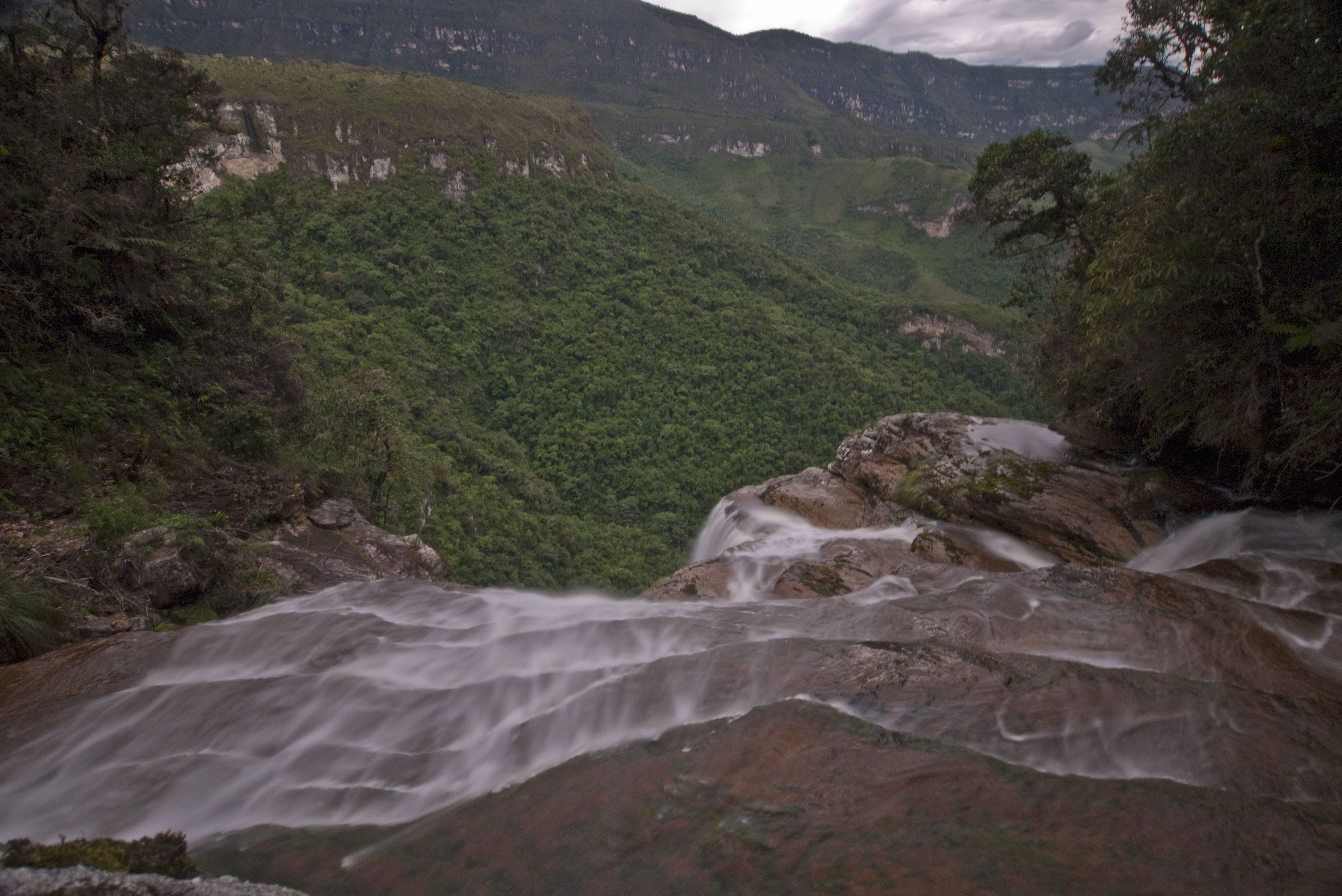
The walk to the waterfall is between 2 and 3 hours, there is a detour to a viewpoint which is the only point you can see the full upper and lower falls and you can continue down here to the bottom of the lower falls. The path ends at the bottom of the upper falls. The walk itself is very pretty as you are walking along a beautiful mountain valley with some amazing views across the tops of the mountains.
Peru’s Northern Beaches
Our first experience of Peru was the border town of Tumbes. This is chaotic to say the least with thousands of tuk-tuks/ motor-taxis on the road making driving difficult. We had to stop here to visit an ATM but left as soon as we could.

The Northern lowlands of Peru are primarily desert interspersed by small villages and towns which are not very pleasant. We drove through a number of these before reaching our first overnight stop at a small eco-lodge called 3 grillos which was on a long deserted beach. To our surprise there were two other campers there who had bagged the prime beach spots with palapas, leaving us in the car park for the night.
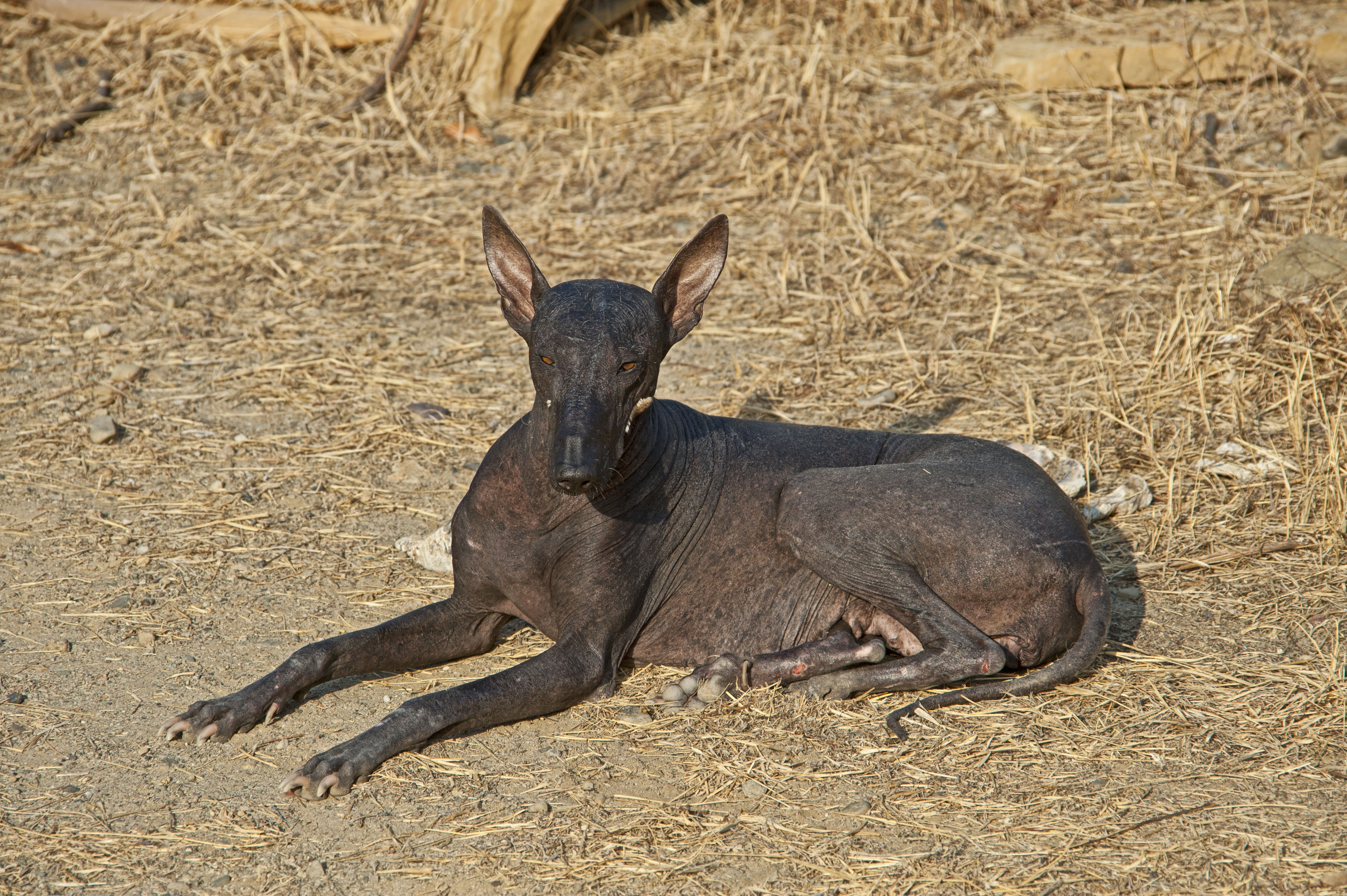
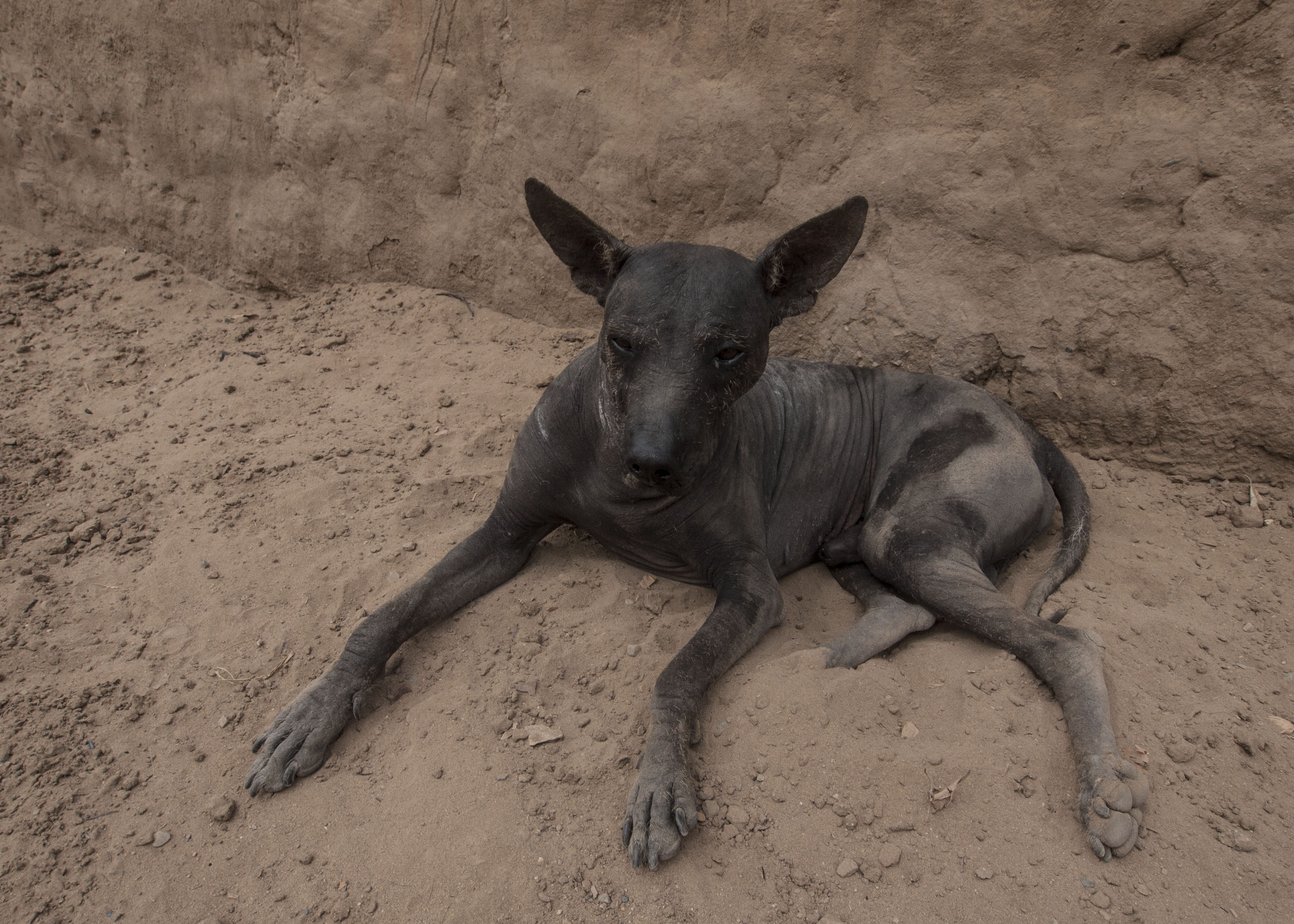
We encountered our first Peruvian Hairless Dogs here – a proper pedigree breed of dog which is native to Peru. I must say they are pretty ugly creatures – I definitely prefer dogs with fur !

We decided to only spend one night here so we pushed on South hoping to stay at the beach resort of Punta Sal – the hostel we tried here refused to let us stay – so we decided to keep on going, the beach here was nice but you couldn’t drive onto it to camp so it wasn’t really ideal for us. After the beaches of Central America the beaches of Western South America have a lot to live up to!

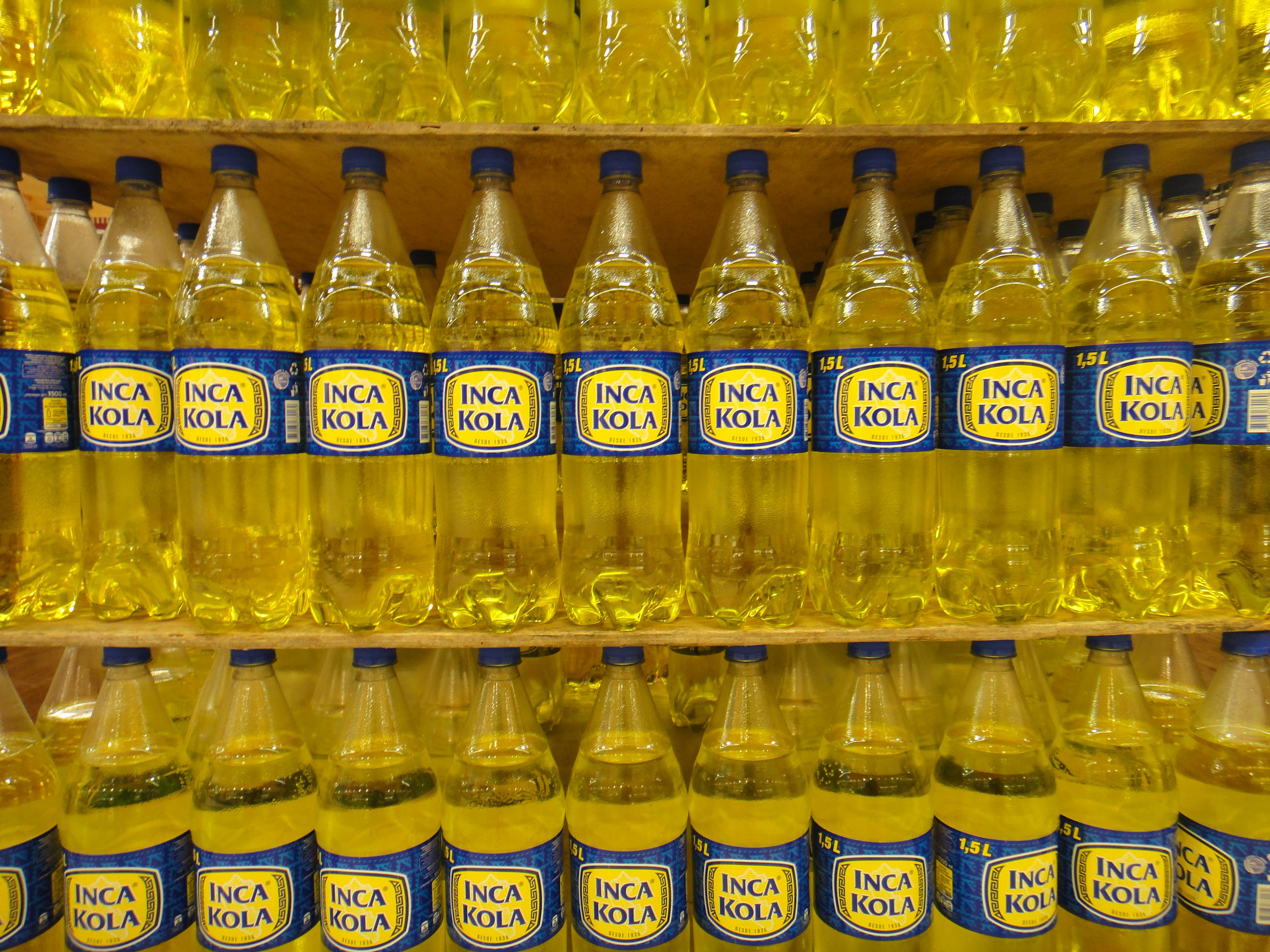
This left us driving through a flat, empty, bleak desert for 150km before reaching the town of Chiclayo. Here we found a modern mall and supermarket which we needed. It didn’t take us long in Peru to come across the national drink, Inca Kola, which tastes like Drinking Bubblegum.
For the night we decided to stay in Chiclayo’s beach resort, El Pimentel, which was very run down and by all accounts quite a dangerous place. We wouldn’t recommend it.

In the morning we drove through Chiclayo to the small town of Lambayeque. Right at the back of town – in a maze of sandy roads we found a small eco-hostel where the proprietor was happy for us to spend the night. With this arranged we set off 20km up the highway to the archaeological site of Tucume.

This was a pre-Inca city where a large number of pyramids were built and governed the surrounding areas. Unfortunately the rain in the years since it has been abandoned have virtually destroyed the buildings and it is now virtually impossible to tell that this was once a major city.
However a far flung part of the site has been excavated and protected under cover and this allows you to see how the buildings were decorated and gives a much better idea of what you would have seen 100’s of years ago.

The best thing about Tucume is that we saw some Burrowing Owls. I think this is the first time we’ve seen owls in the daytime.

Once we left Tucume we headed back to Lambayeque to visit the Museo de las Tumbes Reales de Sipan. The security is pretty heavy here and you are searched before entry to ensure that you haven’t got a camera with you !
The museum is actually really good with the excavated remains of El Senor de Sipan including a lot of gold and copper artefacts. It’s a slightly strange place to have the museum being on a backstreet in a town miles from where the burial site was found (in the town of Sipan) but is definitely worth a visit if you’re in the area.
After the museum we drove back to the eco-hostal Mamita Helmita that we had arranged earlier in the day. Slightly bizarrely in the morning we went to pay and the proprietor told us it was free but that we could tip him if we wanted! What a minefield! We paid 15 Sols and have no idea if this was the right sort of amount or not but he seemed happy with it.
After being a little underwhelmed by the northern coast of Peru we decided to hit the mountains instead and from here drove North East towards Chachapoyas.
Ecuador – Peru Border (Huaquillas)
We thought long and hard about crossing at this lowland border between Ecuador and Peru. Our guide book (Rough Guide) called it chaotic and also mentions the existence of corruption. However friends had told us that the border had recently been refurbished and was now straightforward and quick.
We decided to risk it as we wanted to have a look at the Northern beaches of Peru after a few weeks in the mountains and we are glad we did because it was one of the easiest borders we have done.
As you drive down the PanAm towards the border there are big signs saying Frontera. We happily followed these and the road curved away to the border itself. We quickly realised if we kept going we’d be at the Peru border without getting stamped out of Ecuador.
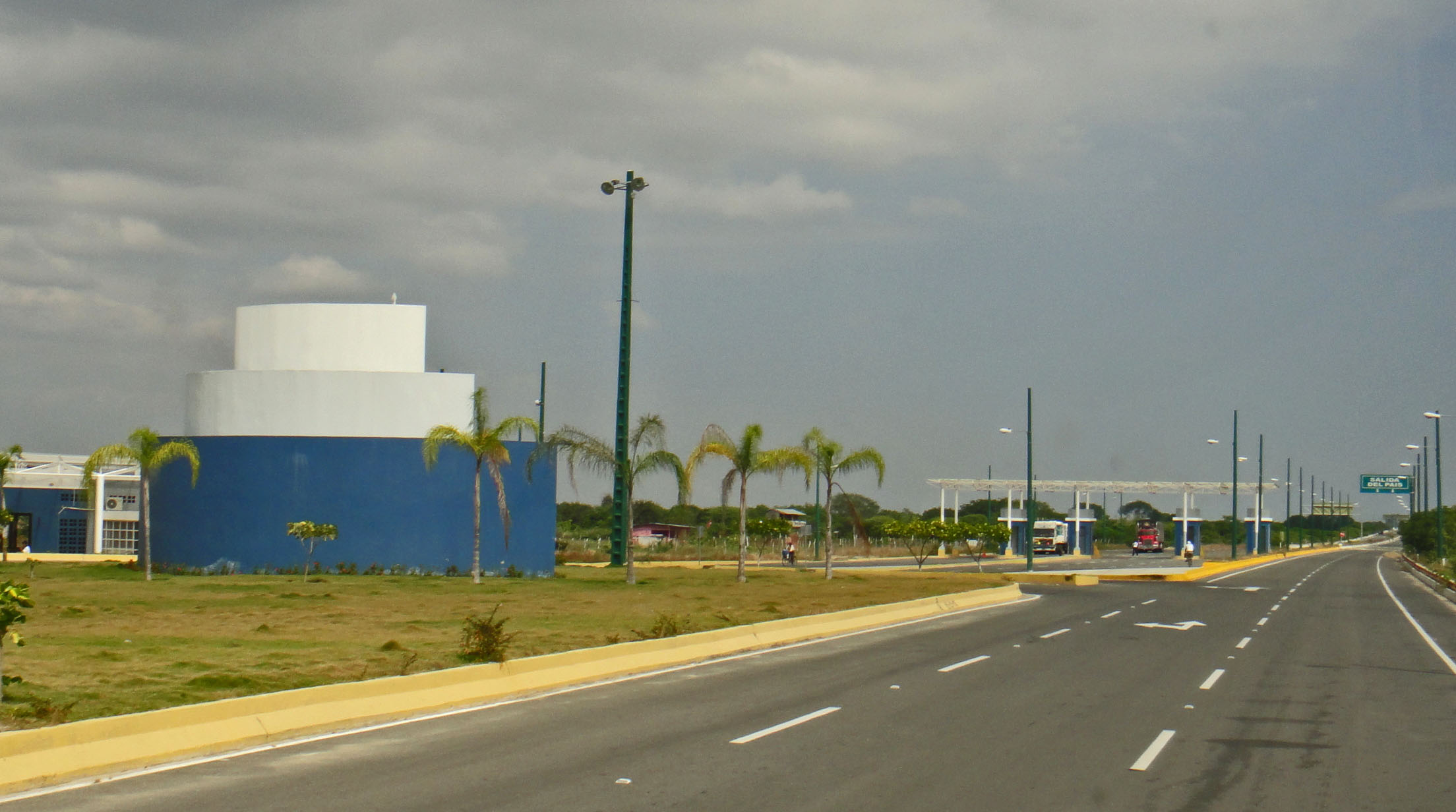
On our left hand side across the dual carriageway was a big blue and white walled complex (S03 29.650 W80 13.014). With nothing on our side of the road and no signs we thought we had better cross over and take a look. It is here where Migracion for entry and exit to the country is to be found. Once you find the right office in the huge complex (very easy as once you are in it’s all well sign-posted), it takes only a couple of minutes to get the printed stamp in your passport to exit the country.
After doing this we knew that next we had to go to customs to cancel the Temporary Import Permit on the Beast. However on enquiry we found that the correct office is 5km back down the road from from which we came, towards Chakras – despite there being two customs offices in the brand new complex.
So if you’re reading this – stop off at the customs office first on the way to the border and you won’t have to backtrack ! (S03 31.943 W80 10.676) It’s sign-posted Control de Policia from the road rather than Aduana which is why we missed it. Once at the right office we just handed over the form and we were done (less than 30 seconds).
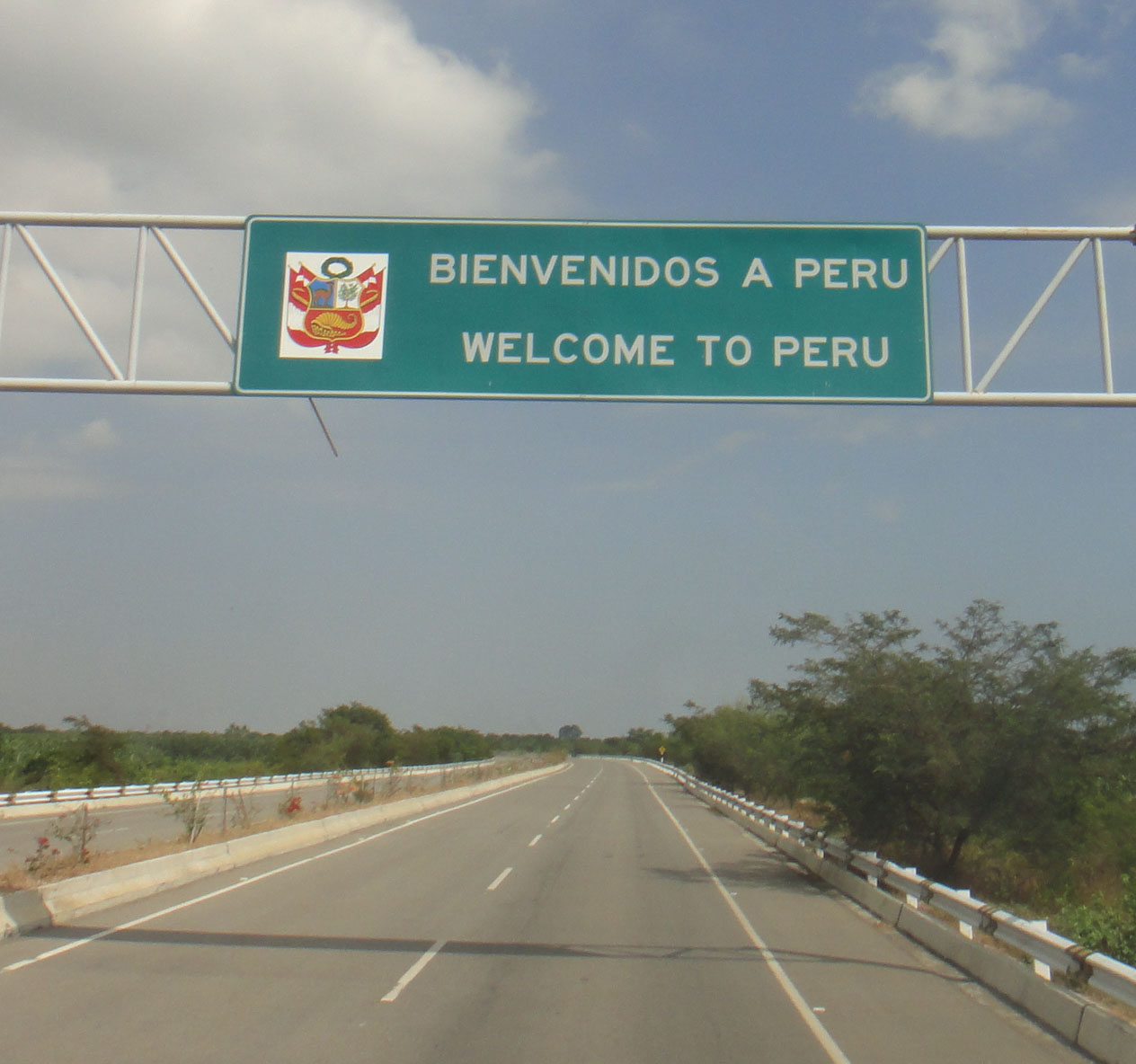
We got back on the road and followed the signs across the new bridge to the Frontera where we were stopped at the Peruvian control station. (S03 30.622 W80 14.917)
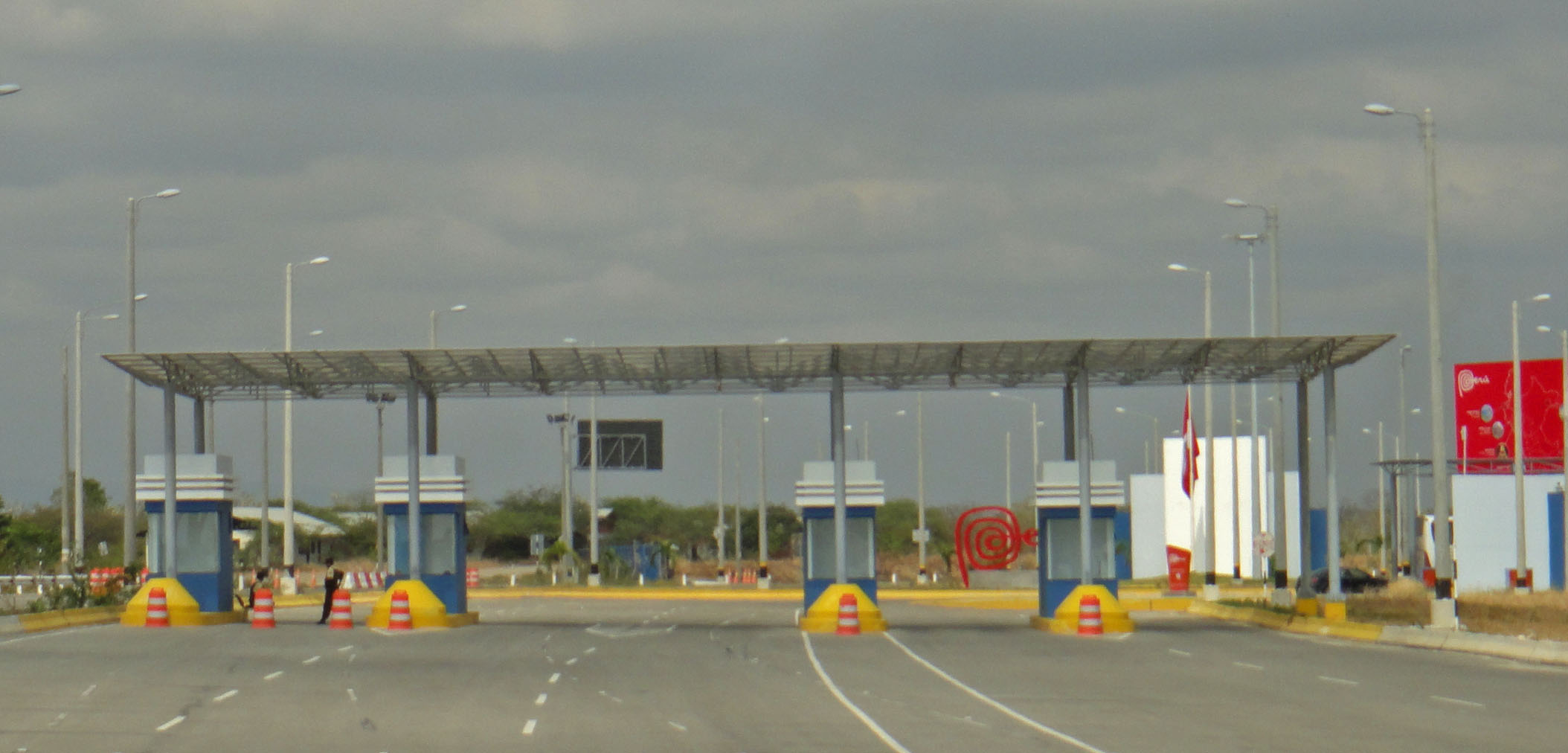
This was much more straightforward with everything in one building. We parked right outside – bantered with a couple of guys about English Football – everyone seems to love Manchester United.
In the building there is a desk at the front which is migracion. First you have to collect an immigration form and fill it out. Then you go to the desk and get your passport stamped. We got 90 days without asking.
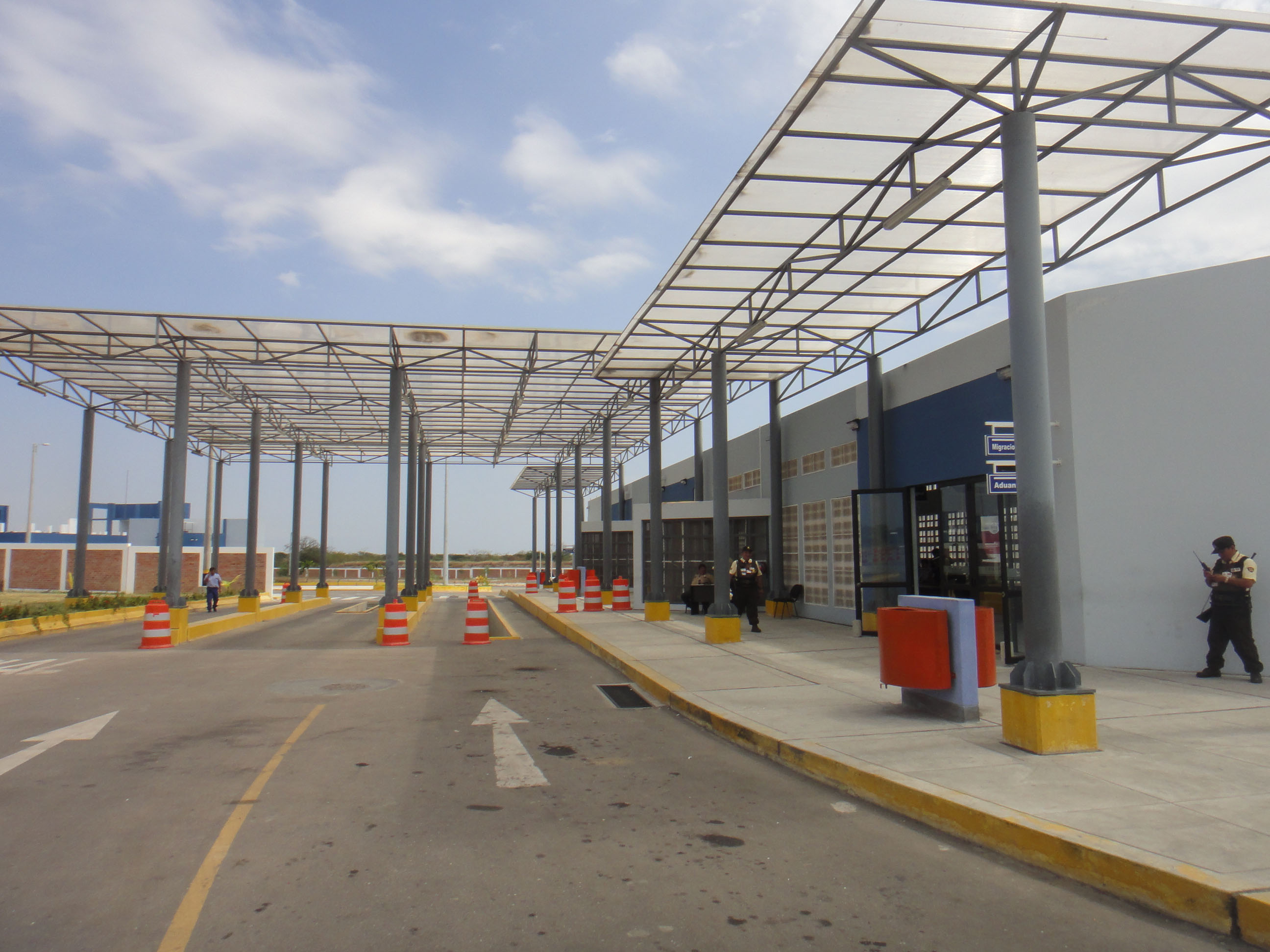
After this you continue down the building and on the left there is a small SOAT booth where you can buy insurance. There was no one there when we arrived but the woman turned up while we were doing the vehicle import. You may need to ask (it is closed at weekends and you will have to buy insurance in Tumbes). SOAT cost us $25 for 3 months although we have heard of people paying much more !
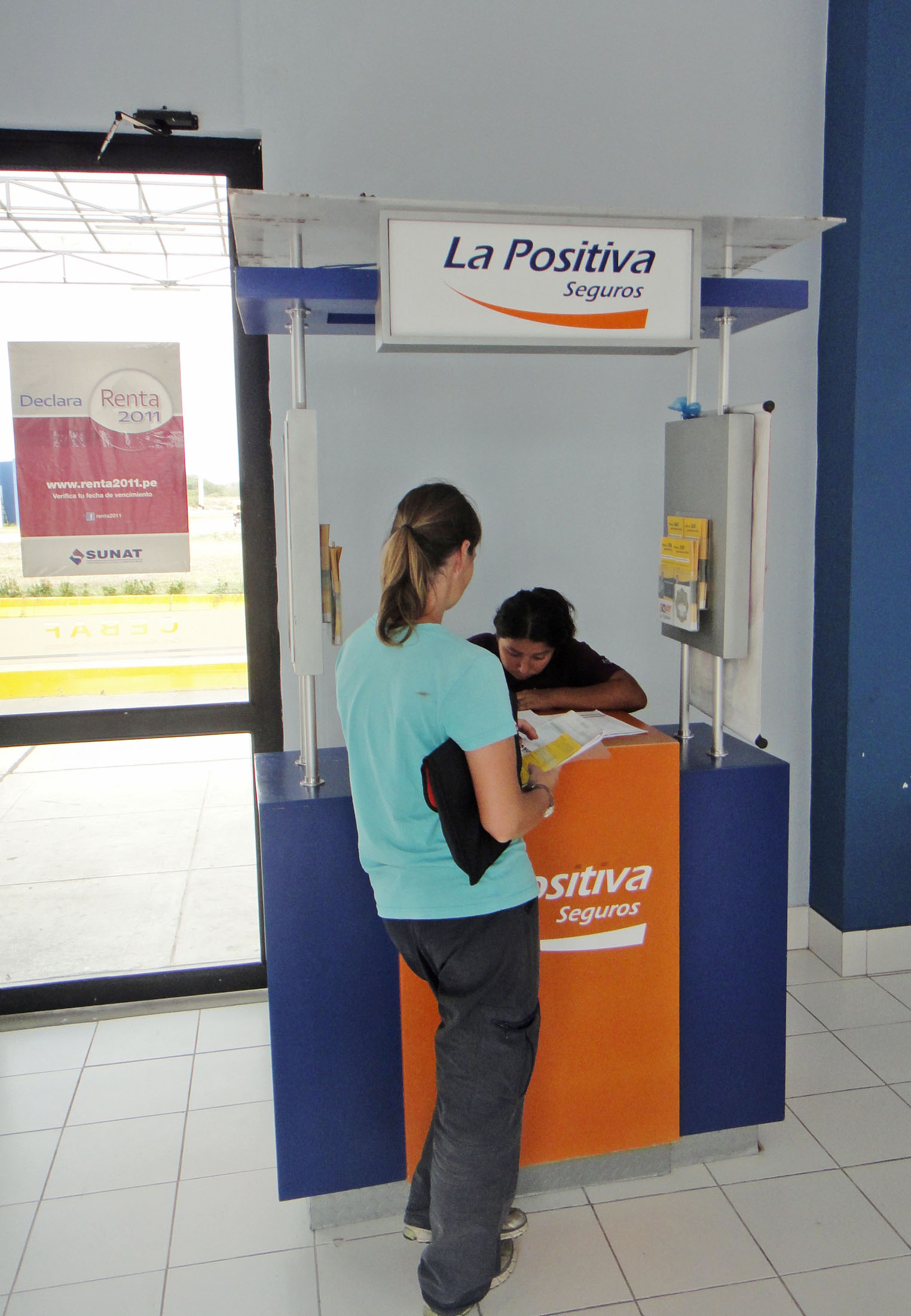
The next desk was customs where we had to fill in the Temporary Import Form with vehicle details and show our Registration document and driving licences. We didn’t need any photocopies. The process has obviously been modernised as everything went in the computer. The guy doing the processing was very friendly and although a bit slow got everything done with minimal hassle.
At the end of the process we got a stamped import form and a sticker for the windshield (which goes on the outside bizarrely).
A bus came through before us and every single bag was removed and searched by customs so we braced ourselves and thought, ‘here we go’! But we were waved through without any search or any questions about the food in our fridge.
Before leaving we asked if there was anywhere to change money and were told that we had to go into Tumbes. This is the first border crossing that we’ve done where there have been no moneychangers. There are sign-posts here for a bank but when we asked it wasn’t open yet, so I expect it will be possible in time. However it is possible to pay for things in the North of Peru with US Dollars albeit at a fairly unfavourable exchange rate.
With hindsight we wouldn’t have crossed at this border, even though it is very straightforward. We would have skipped the Northern Beaches of Peru and headed straight into the mountains from Ecuador.
Camping sites in Ecuador
Ecuador
Primax Petrol Station, Ibarra (N0 23.412 W78 06.411, 2237m)
Petrol station. Bought Diesel. Toilets. Free
Below Laguna Cuicocha (N0 17.556 W78 20.890, 3040m)
Free camping spot with view of valley and across Otavalo. Very quiet. No Facilities. No overnight parking is allowed at Laguna Cuicocha anymore.
Cascada De Peguche Waterfall Car Park (N0 14.572 W78 14.562, 2590m)
Could camp here for free.
Rincon De Viajero Camping (N0 13.128 W78 16.602, 2656m)
Very nice campsite on a slightly sloping grassy area with room for 2 big campers on the only flat bit. Hot showers, kitchen with gas hob, toilets, power (110v and 230v) and water. 20 minute walk into town or 50c bus. On road to Mojanda lakes. English spoken and very helpful owner Dennis is happy to provide lots of local info. $10 per night.
Mitad Del Mundo Parking (S0 00.241 W78 27.285, 2477m)
Parking for Mitad Del Mundo Monument – May be possible to overnight here.
Town Square, Mindo (S0 03.182 W78 46.460, 1240m)
Parked on Town Square. Quiet overnight. No Problems. Free but no Facilities.
Hotel Quito Parking (S0 12.183 W78 28.847, 2844m)
Parking next to Hotel Quito. Free when staying at the hotel. With big vehicle do not go through main entrance but side entrance at back. Hotel is lovely but expensive at $111 per night (including taxes). We parked here while in Galapagos for zero charge.
Roadside Turnout, On Way to Papallacta (S0 19.136 W78 13.374,3764m)
Turnout by restaurant on road to papallacta. Free. No Facilties.
Termas de Papallacta (S0 21.715 W78 08.981, 3307m)
Parking in Balneario car park at Thermals. Toilets in camping are. $6 per person. Thermals are $7 per person entry (multiple entry per day allowed). Some of the nicest thermals we have seen.
Papagayo Hotel (S0 33.469 W78 35.681, 2532m)
Hotel that takes overlanders. Entrance to property down realtively narrow dirt road (ok for us). Turn into gate very tight and we decided not to do it. In a smaller vehicle this would be a great place to stay.
Petro Commerical on Panam near Lasso (S0 38.779 W78 35.657, 3507m)
Free. Parking at Gas Station. Toilets available.
Diver’s Lodge, Puerto Ayora (S0 44.488 W90 18.720, 2m)
Small relatively reasonably priced Hotel on Santa Cruz. 5 minutes walk from Charles Darwin Centre.
Cloudforest Hostel (S0 47.922 W78 55.137, 3192m)
Overland trucks stay here so there is room apparently but with a couple of cars already parked there it looked too tight for us.
Laguna Quilotoa Parking Lot (S0 52.024 W78 54.965, 3878m)
Most of parking lot is slopey but possible to get flat in a couple of places. No facilities although pay toilets are available. $2 per person entry fee. Very windy ! Free to stay night.
Pequeno Paraiso (S1 24.126 W78 17.278, 1499m)
Lovely gardens in campsite with hot showers, kitchen/inside area, wifi. Small campers can park in gardens, big campers in truck park – area by orchard. Electricity and water in both areas. Marc and Sue both English speaking ex overland truck drivers very friendly and can arrange canyoning and white water rafting. Bus into Banos takes 20 minutes and 50c. Highly recommended. Cost $10 per night.
Ps Petrol Station (S1 34.269 W78 43.069, 3143m)
Petrol Station Camping. Toilets available. Not bad overnight. Free.
Pircapamba Hosteria, Alausi (S2 11.563 W78 50.771, 2400m)
15 minute walk from train station along nice track. Toilet and warm shower available. Water available. Parking on flat volleyball court. Nice day room with food and games (Table tennis, Pool table, Table football etc.). Cost $10 per night.
Ingapirca Parking (S2 32.444 W78 52.343m, 3170m)
Cold overnight but quiet in mostly flat car park just outside site. 24 hour security. Toilets (very nice) opened at around 8.30am.
Cabanas Yanuncay (S2 54.341 W79 01.689, 2569 m)
US15 per night. Electricity 110v/220v + Water and fast internet. Parking on grass – be careful in wet weather. Humberto and his wife are very friendly and will help you if you need any repairs. Access to Toilet and hot showers in cabin or if full in their house. About a 20 minute walk from town.
Hosteria “San Luis”, Huizho (S3 19.613 W79 44.424, 51 m)
Hosteria with big swimming pool and water slides. Toilets by pool (Not very nice). Cost $5 per person including free use of pools. Restaurant on site.
Cuenca
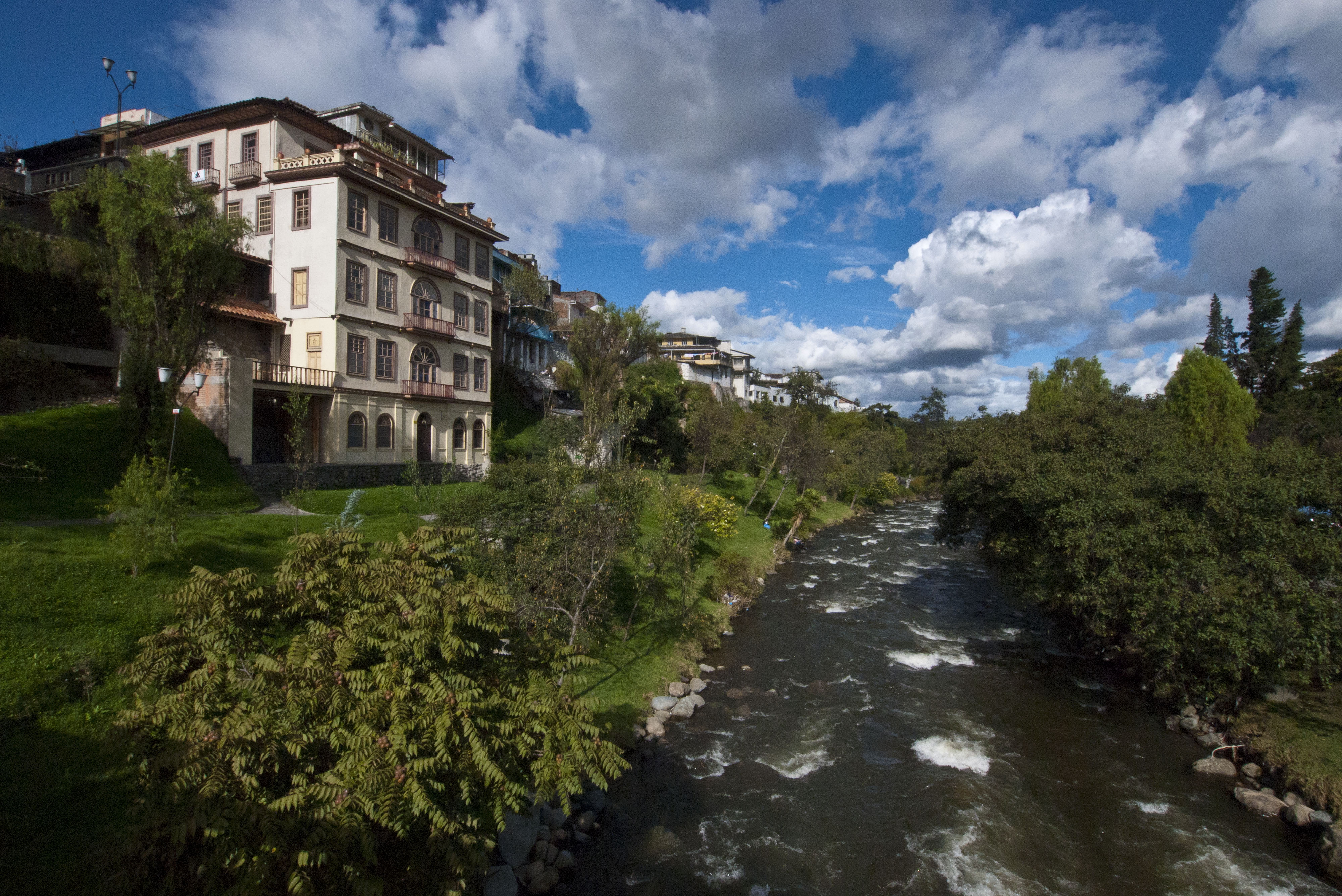
Our arrival in Cuenca did not go well. We were well on track to get to a place we knew we could stay when we hit roadworks and our usual nemesis, the Desvio (diversion!). Diversions are almost NEVER signposted and inevitably we generally end up getting quite lost. Although not usually as badly as we did in Cuenca. After several unsuccessful attempts to loop around the roadworks we ended up in dead end road needing to turn around.

I jumped out to help Sarah reverse and as we were doing this a guy drove up to us and asked if we needed any help – in really good English. He said he was at the bank and had seen us passing back and forth and realised we were lost, so he had jumped in his car and followed us. We told him where we were going and he looked it up on his iphone and then told us that it was really difficult to find. Oh Shit – we thought – but then he offered to drive there while we followed him. How nice is that ? Many thanks to Sebastian for coming to our rescue that day !
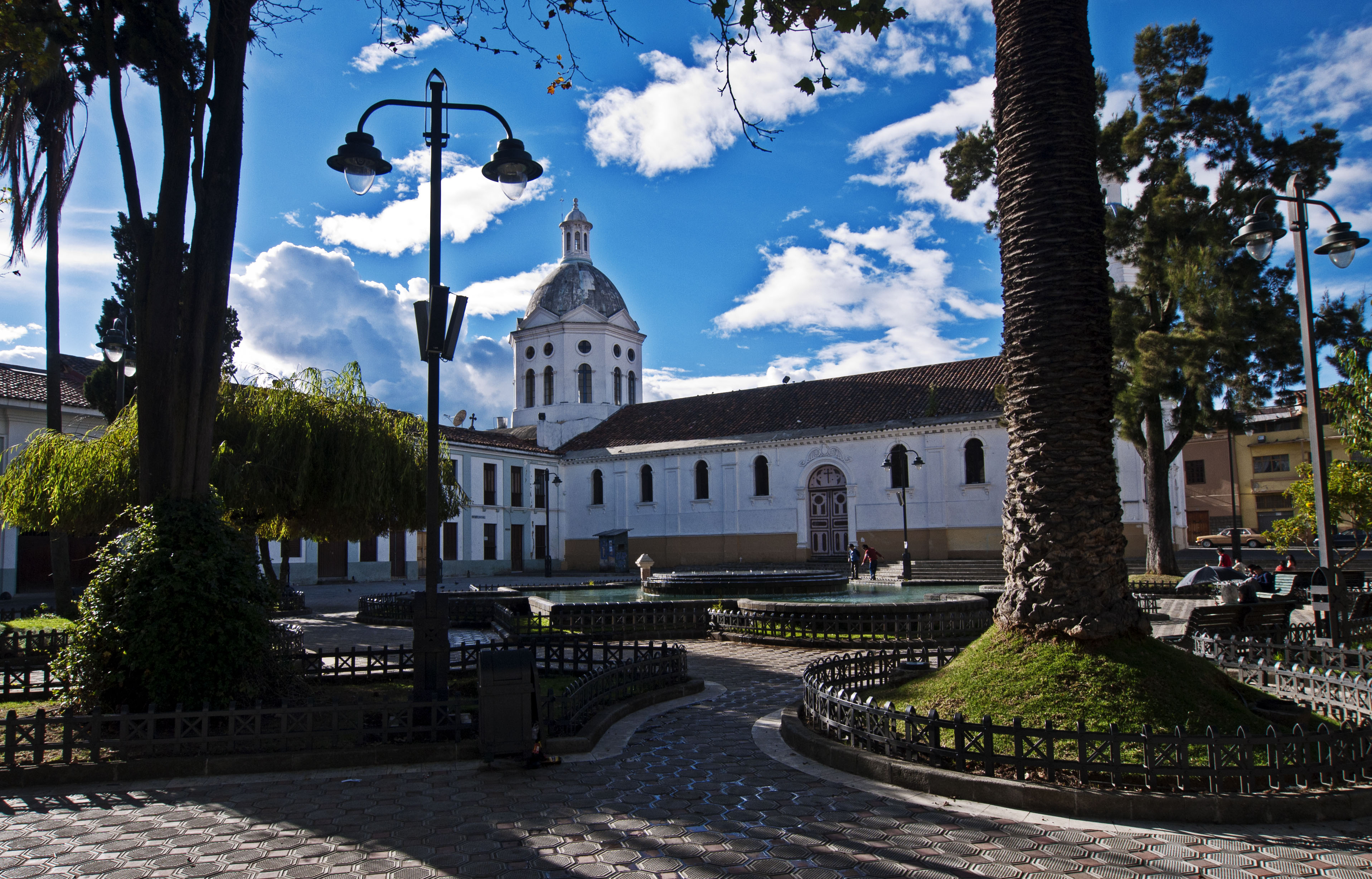
We finally arrived at our destination ,Cabanas Yanuncay ,which was a nice grassy oasis about a 20 minute walk from the centre of town.

Cuenca is a beautiful old colonial town with a massive New Cathedral (built in the 1800’s) to replace a much smaller one which is still intact and used as a museum.

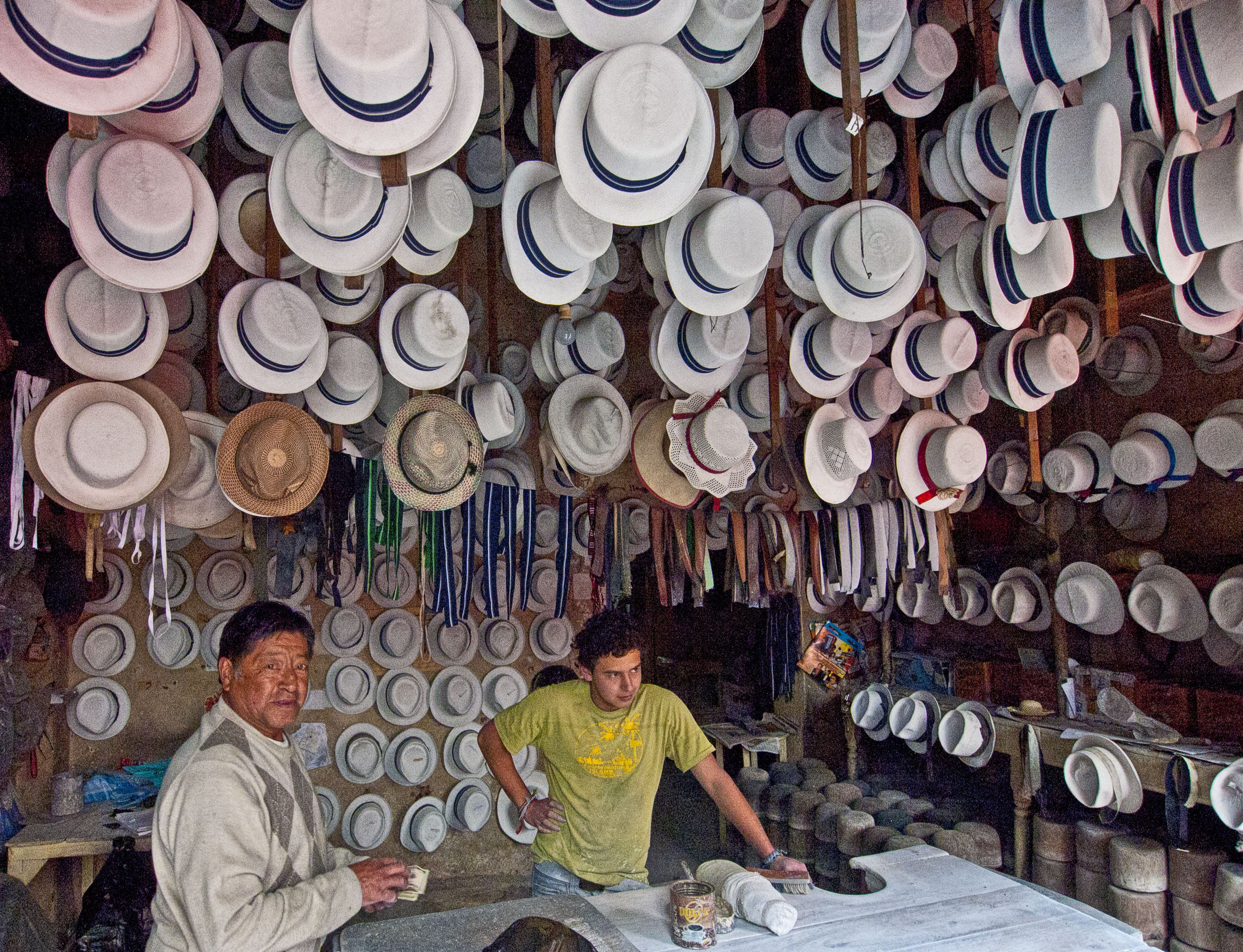
One thing Cuenca is famous for are it’s Panama Hats. The odd thing about the Panama Hat is that it actually comes from Ecuador. The hats were made in Ecuador and sent to workers on the Panama canal and hence became known as the name Panama Hat. Ecuador have been trying to take back ownership ever since but the name has stuck. There is more to buying a Panama Hat than you think and a Superfino (the highest quality) costs several hundred dollars.

I had decided that I wanted a Panama hat but we didn’t want to go to one of the tourist shops selling them at inflated prices. On a side street we came across a hat shop selling the type of hats the indigenous people in the area wear so we went in and asked if they also sold Panama Hats. The response involved the proprietor telling us to follow him and disappearing down an alley next to the shop, up some stairs and unlocking a back room. We nervously followed him and went into the backroom which we were relieved to see was filled with hats and not a couple of men with baseball bats! He left us there with what looked like his 12 year old son to look after us.

After trying on a number of hats I settled on a Fino (one step down from the superfine) and bought my hat for $80. I’m hoping this is a bargain but with our level of Spanish we’re never quite sure – it was $15-$20 cheaper than the ones we had seen in the artisan shops.
After a couple of days hanging out in Cuenca – including enjoying a very rich lunch at an opulent old colonial style restaurant we decided that it was time to move on. Our destination was Peru !
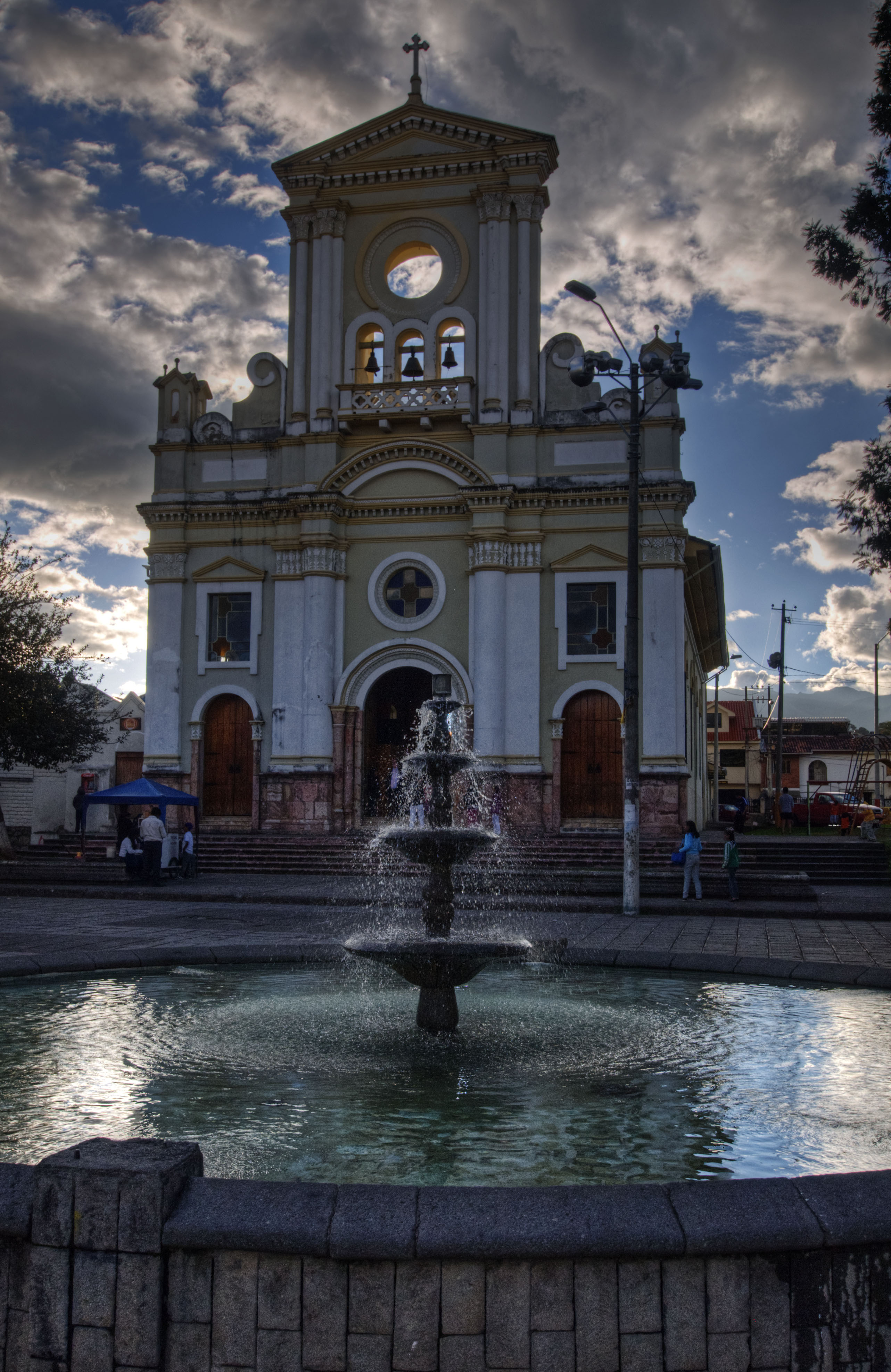
Ingapirca
Ingapirca is the most significant set of Inca ruins in Ecuador – but that’s not saying too much. However it is definitely worth checking out.

After Mexico and Guatemala I think that most overlanders are completely “ruined out” – I know we were. But there’s been a good gap since then and we thought we were ready for some more ruins.
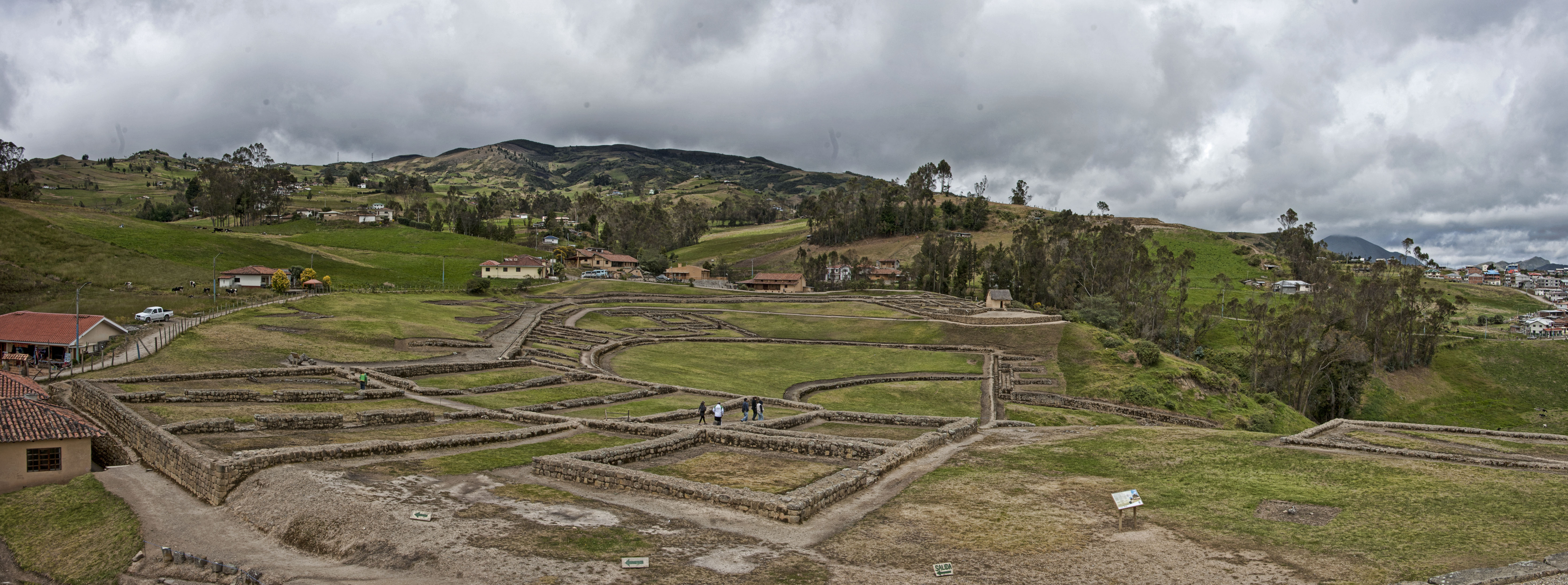
At Ingapirca a guide is required but the good news is that the guide is included in the admission price. The other piece of good news is that the guides spoke good English too.
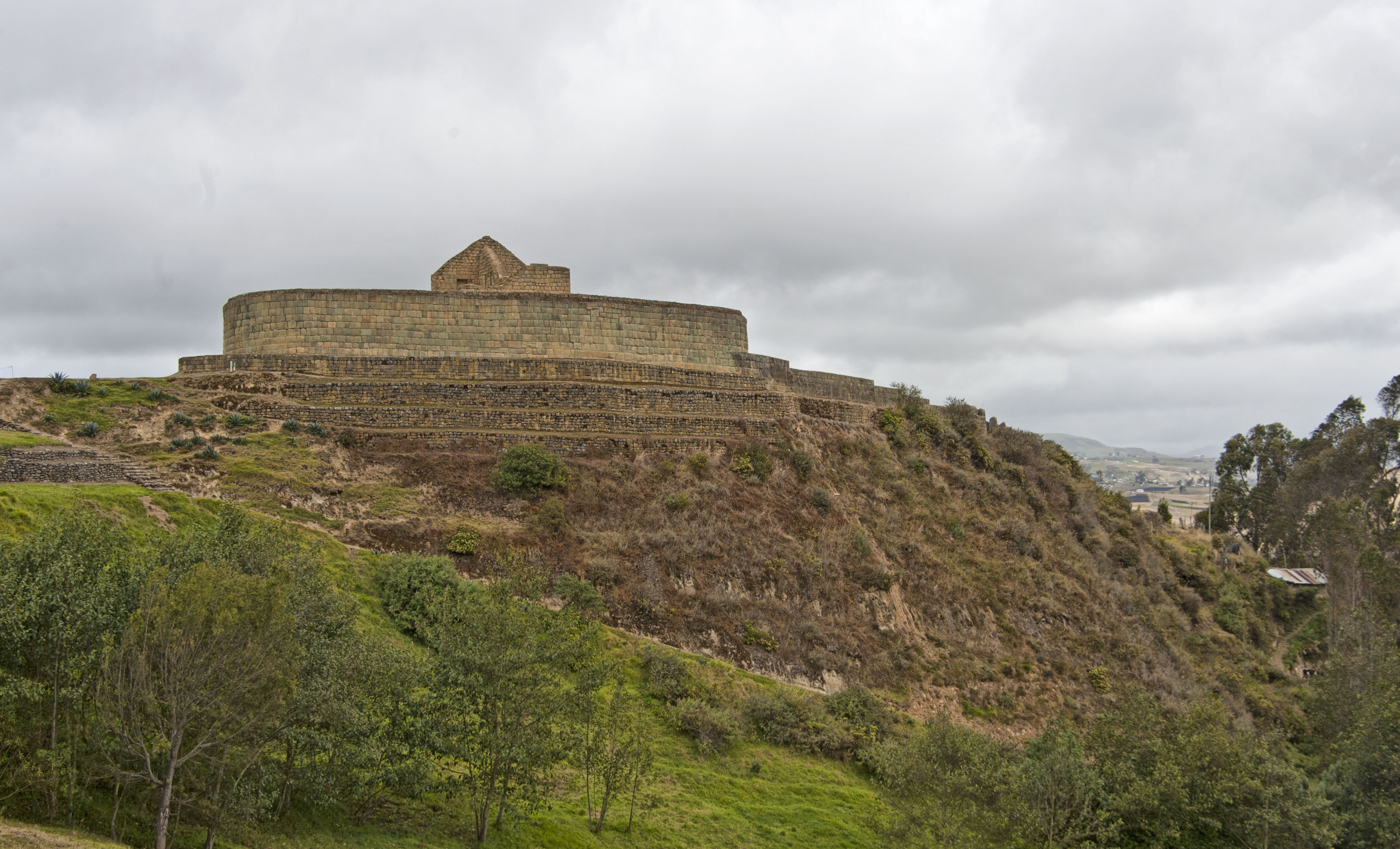
It took about an hour to go around the site, the highlight of which is the green-stoned central temple which was designed in such a way as to be perfectly aligned with the sunset and sunrise on Midsummer’s day. A lot of the walls have been destroyed as from colonial times stones have been taken to build other buildings in the area.
There is also a small museum, some souvenir stalls (Sarah assures me that the Alpaca socks are extremely toasty) and a looped walk you can do around the back of the site which takes in one or two carved rocks, a rock painting of the sun and the profile of a man’s face in the cliff wall (a natural formation). Not fantastic sites but a pleasant walk through the surrounding countryside.
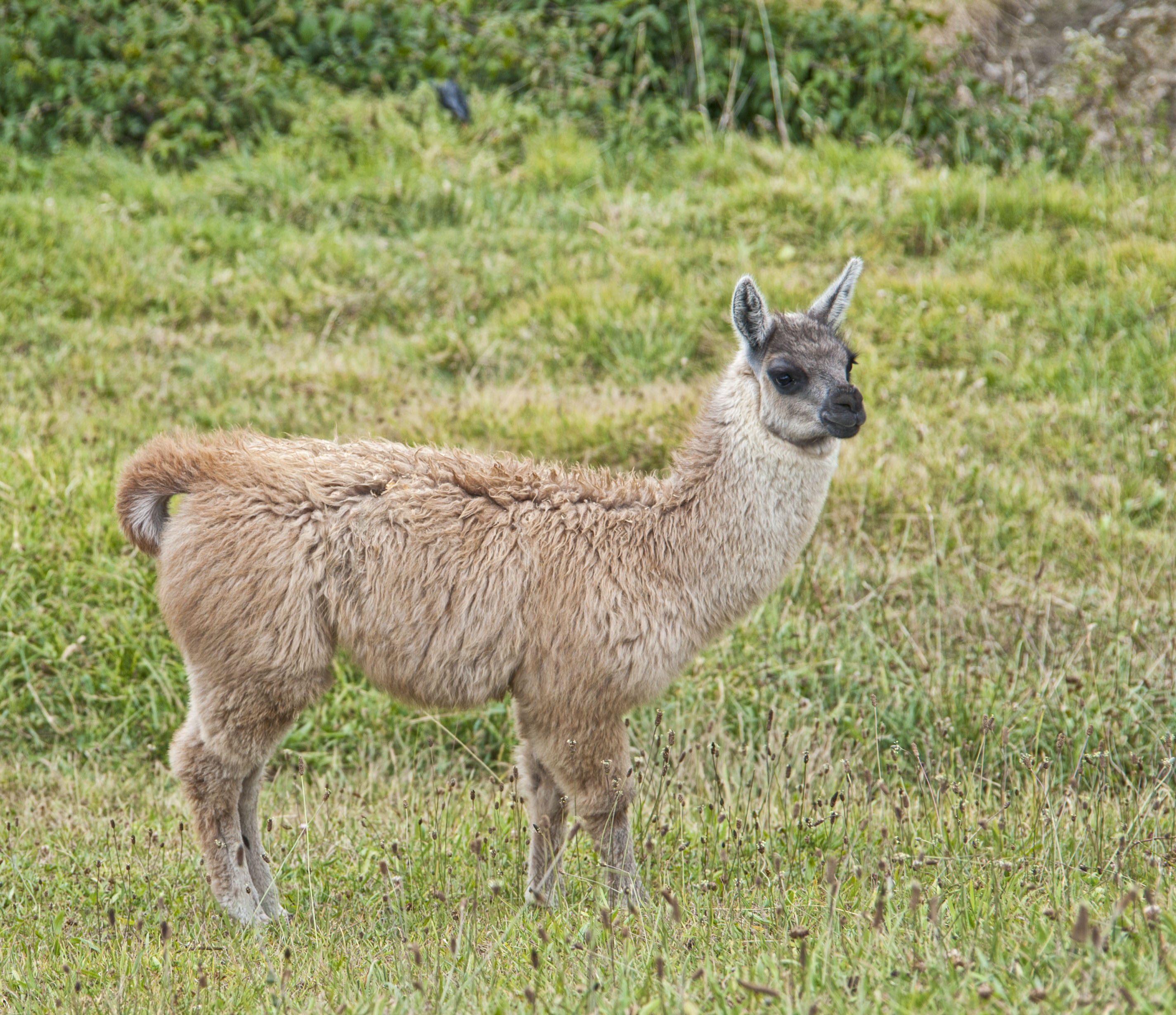
The car park outside the ruins made a good overnight stop.
 FromAtoB