Galapagos Cruise – Day 7: Genovesa Island (Tower)

We left Santiago island straight after we got back on board for the longest cruise of the trip. We were crossing the equator and heading for Genovesa Island. The water was pretty rough and no-one onboard slept very well until we arrived at the safe harbour of a collapsed volcano crater at the island.

In the morning we woke to a cacophony of sea birds. Genovesa has millions of birds nesting, courting and living here as a result of the absence of any land based predators.
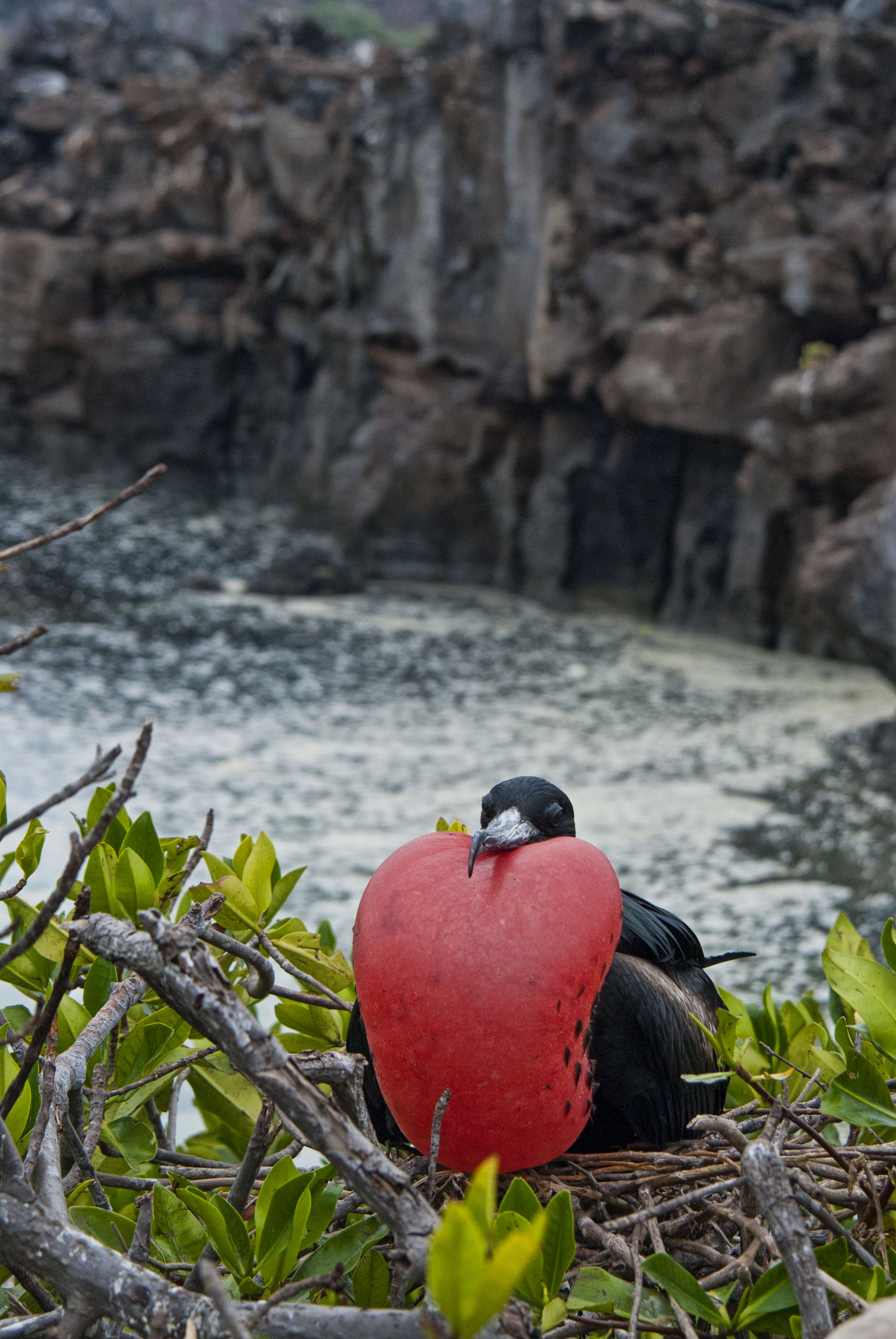
Our first excursion of the day was a wet landing on the beach at Darwin’s Bay. As soon as we landed we could see Great Frigate birds nesting, courting and flying around. The male frigate birds inflate a red pouch on their throats to attract females and this is very striking. The pouch can take 20 minutes to inflate and they can keep it inflated all day even while flying around.

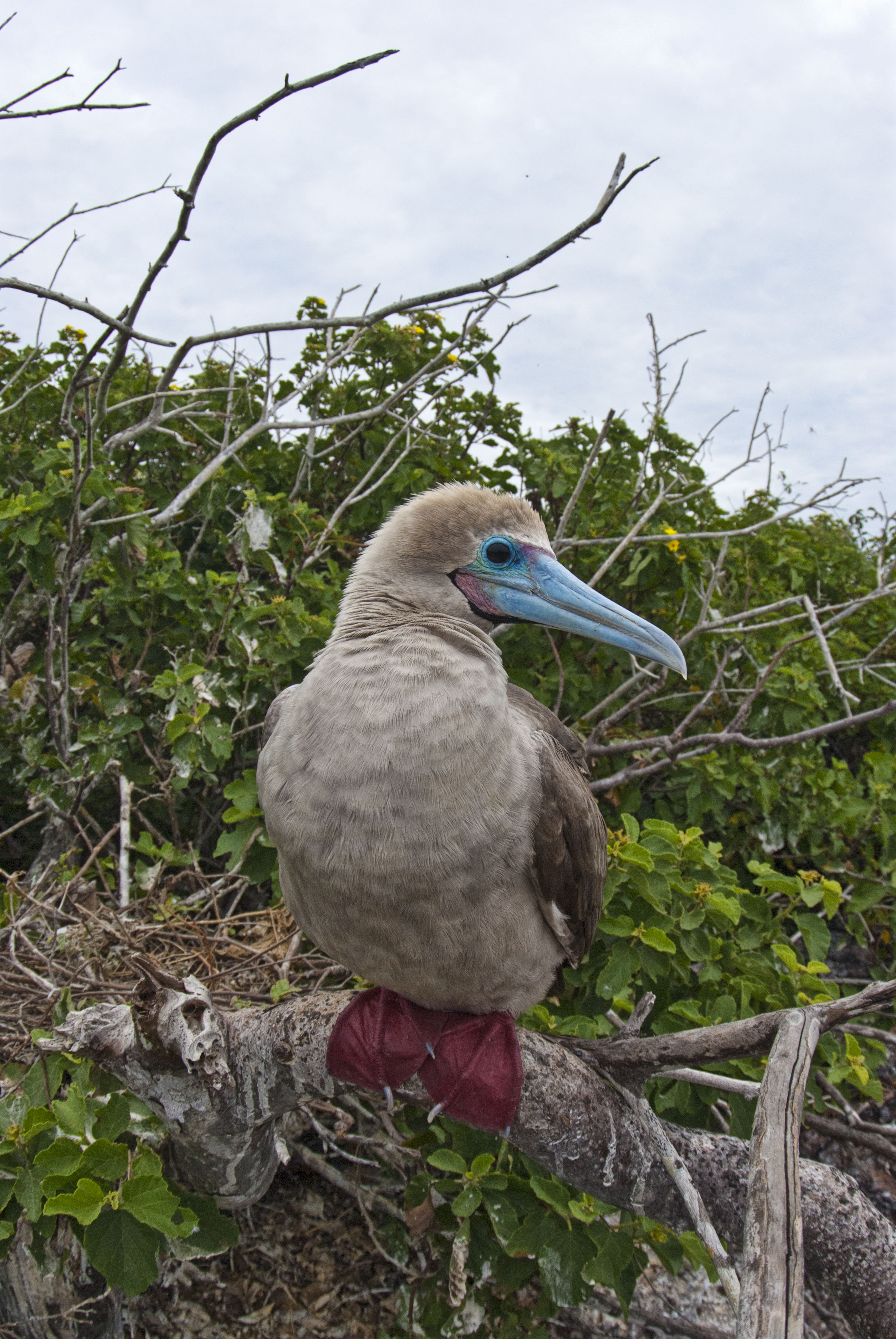
We walked a rocky trail along the sea shore and in the trees around the path we caught our first glimpse of Red Footed Boobies who were nesting.
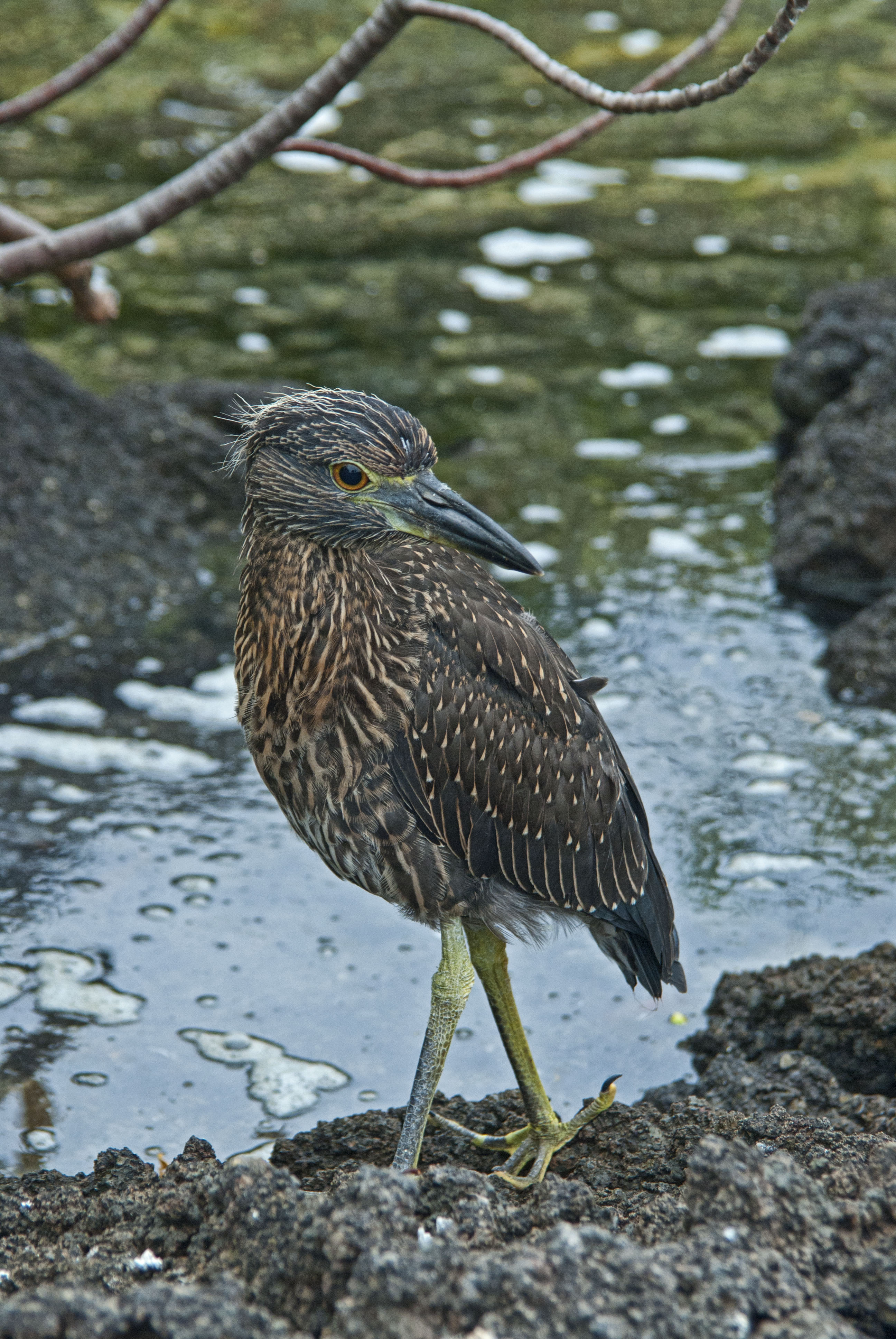
We also saw Egrets along the edge of a small brackish pool, Sealions lazing in the pool and Vampire Finches – a type of finch that has been known to suck blood from where the wing meets the body on Nazca Boobies. This type of activity has only been seen on Wolf Island though.
The walk ended at a point high up on the cliffs where we could watch the sea birds flying all around us, including hundreds of swallow tailed gulls that were nesting in the cliffs here.

Once we’d returned to the boat it was time to head out for the last snorkelling trip of the expedition. We were dropped along one side of the crater where the water was fairly rough and visibility wasn’t great. However there were Fur Seals resting on the rocks above the waterline.
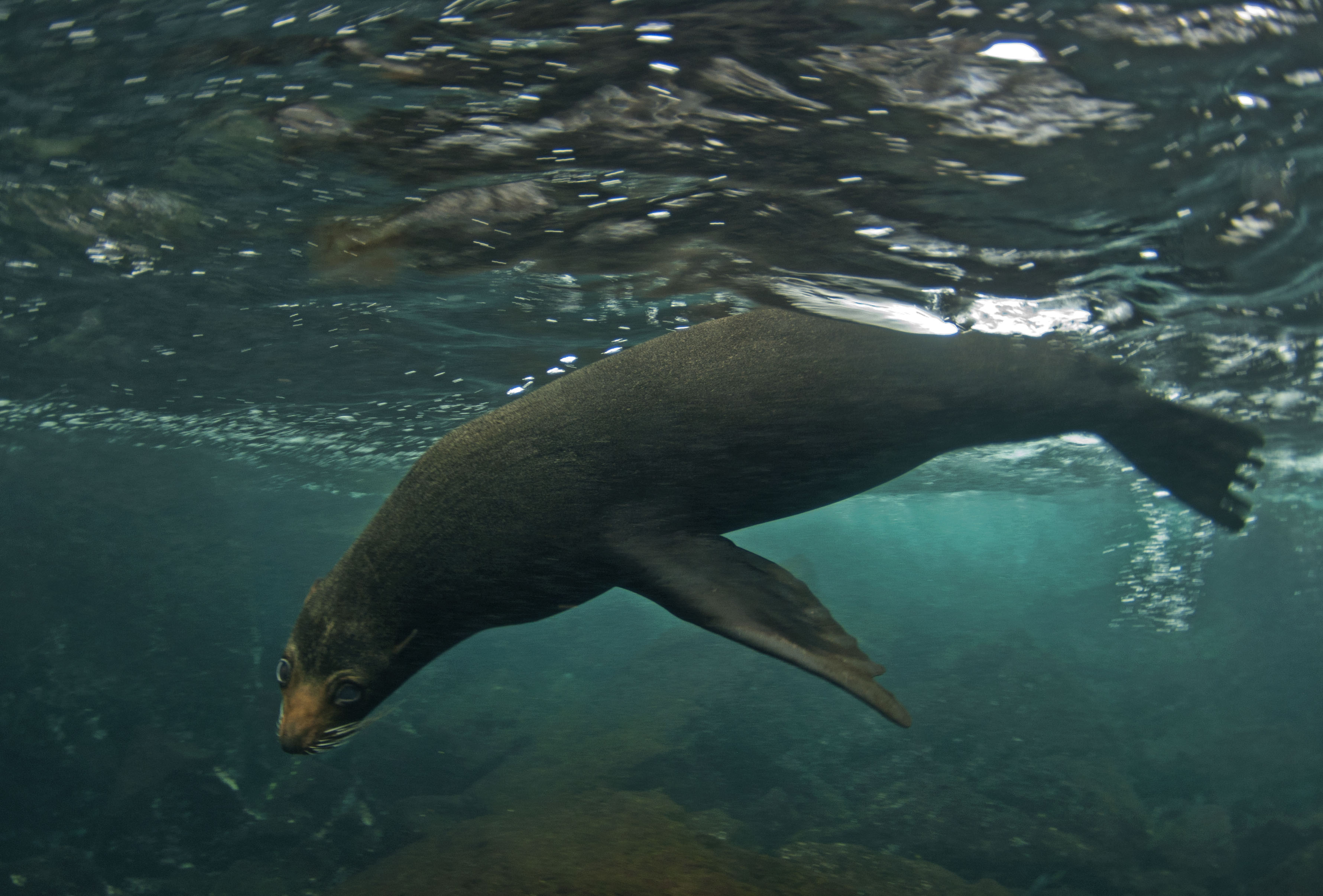
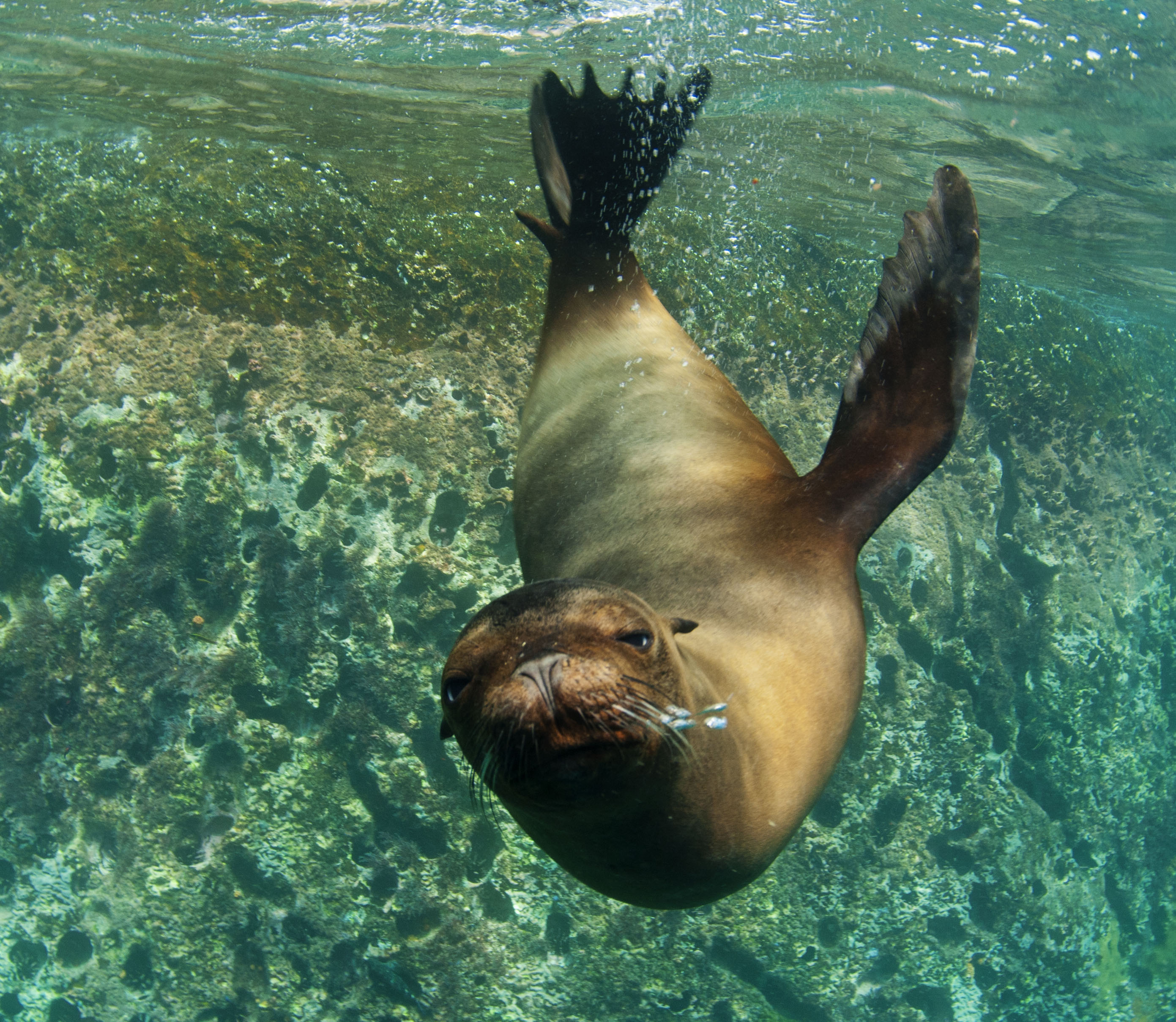
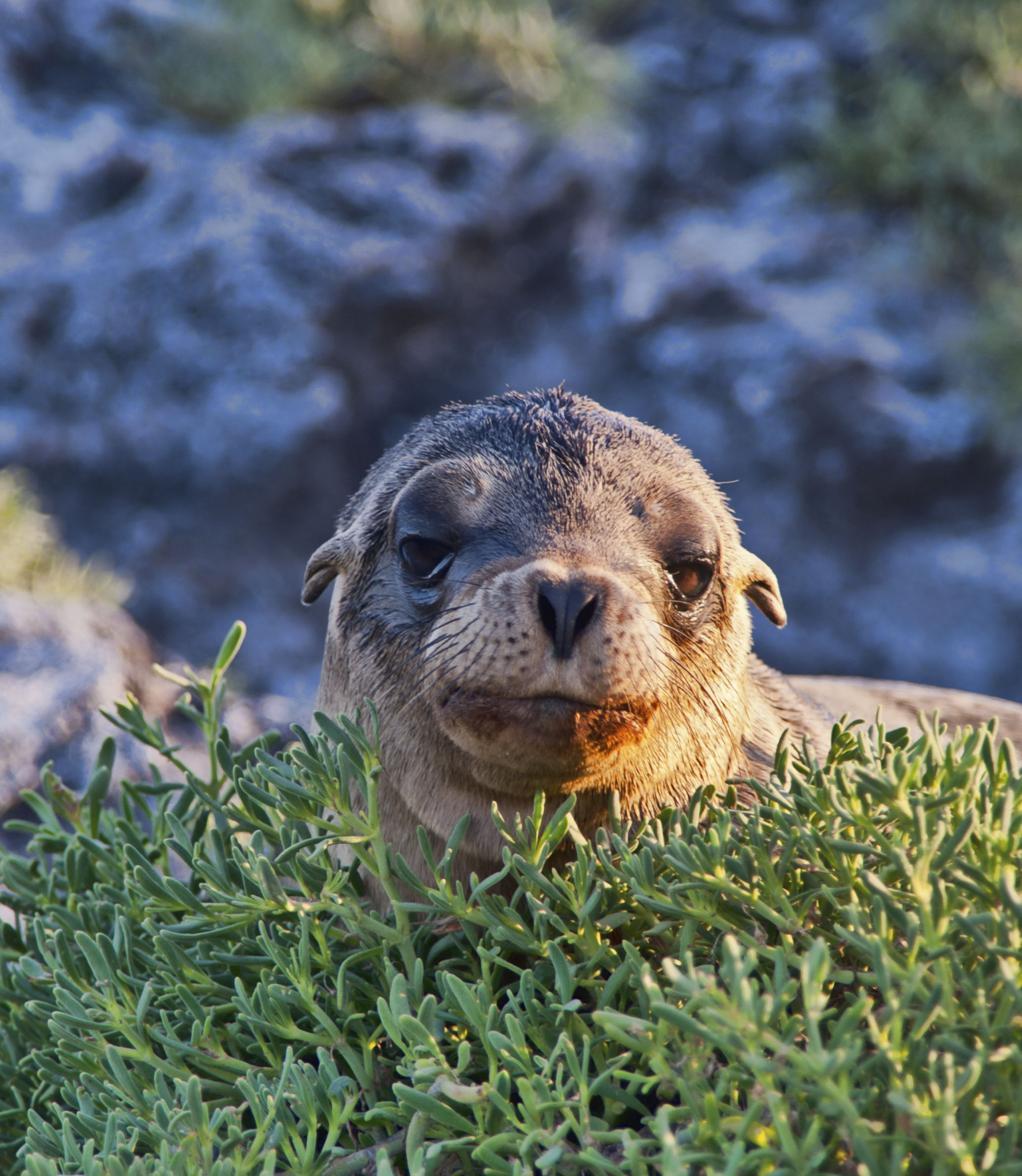
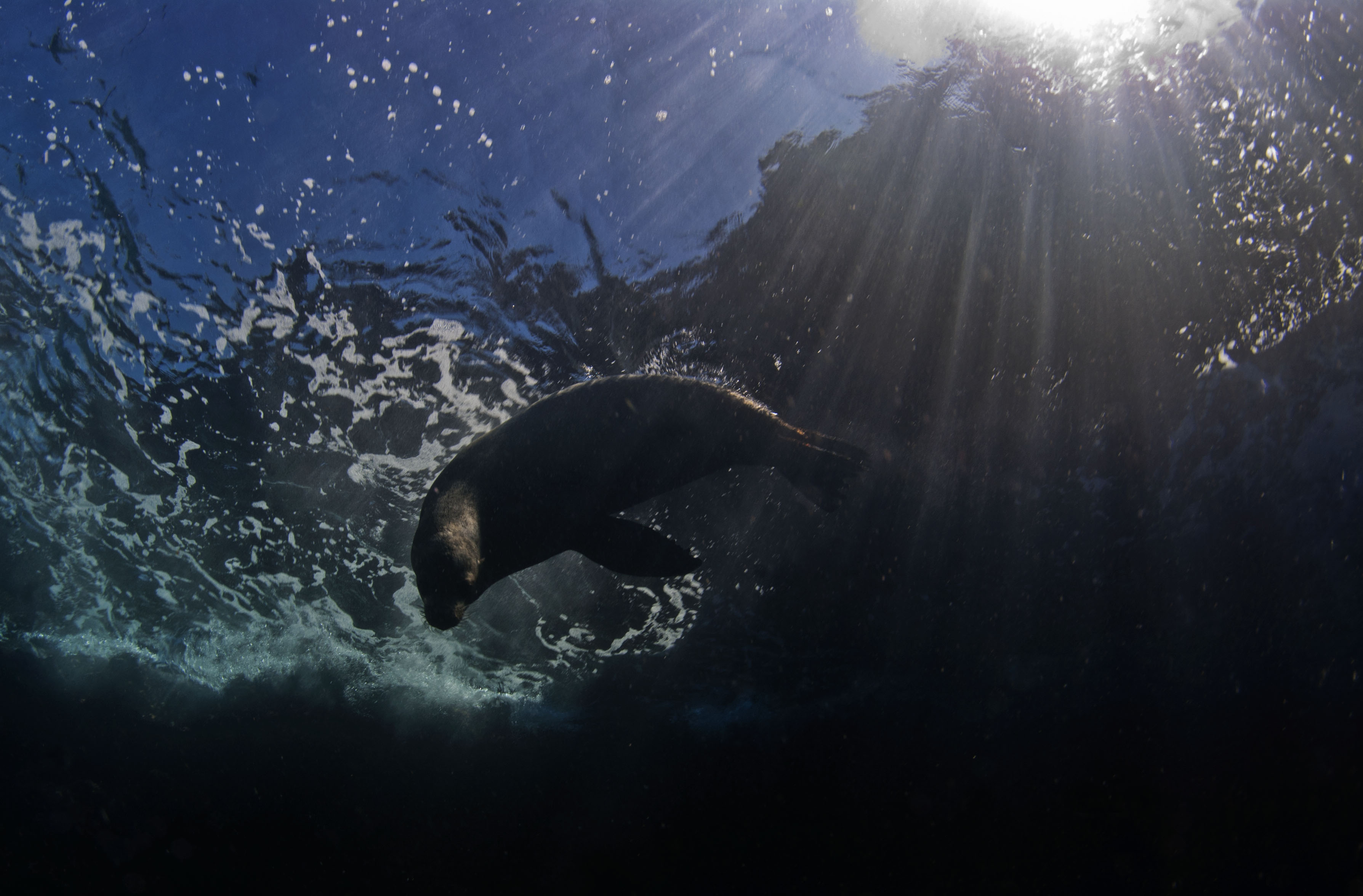
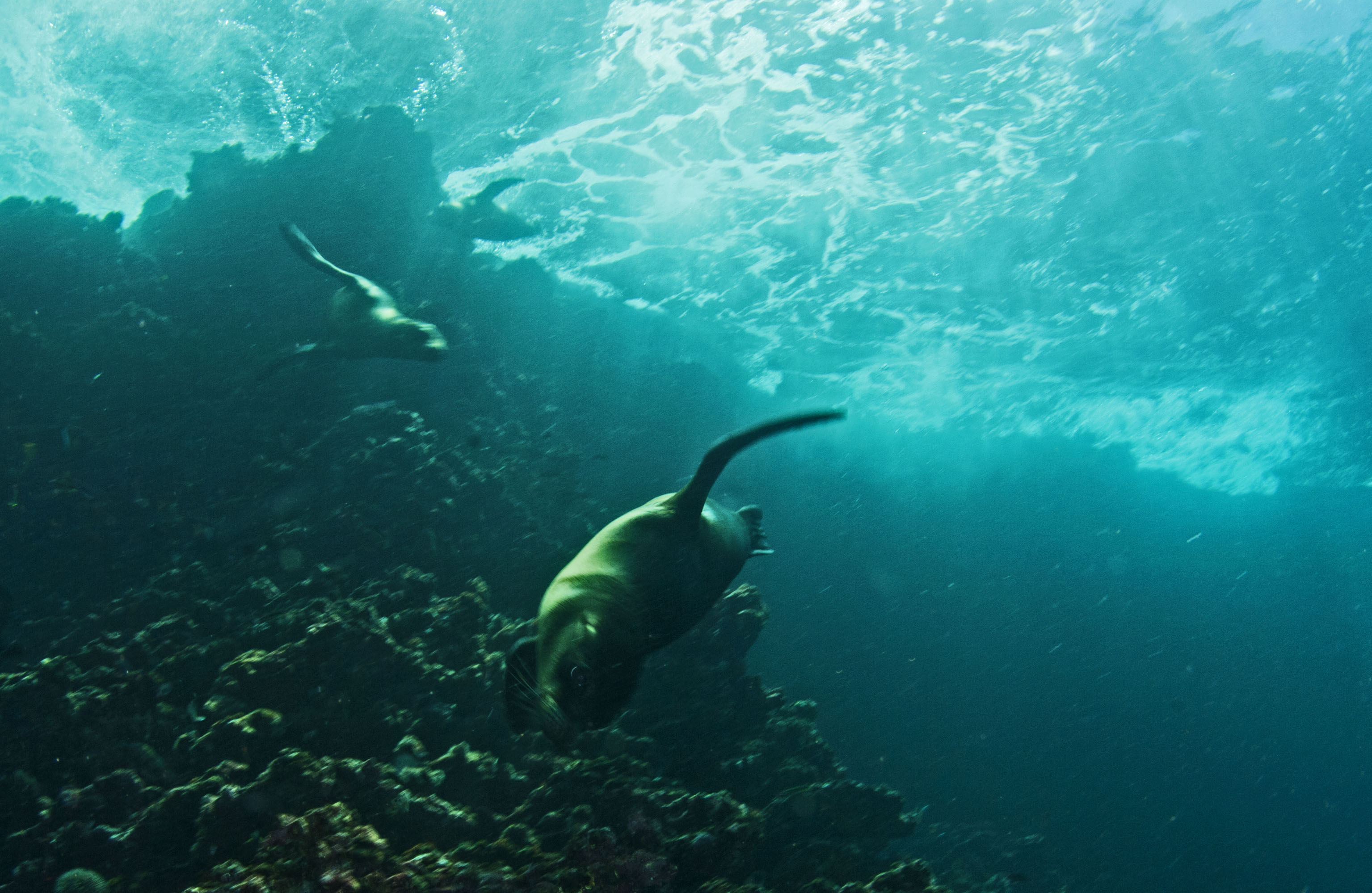
It wasn’t long until we encountered a Fur Seal in the water. You can see how different they are to Sealions as they have much bigger eyes and more fur. This was lucky as the seals tend to hunt at night and spend most of the day resting on the rocks.

Soon after encountering the Fur Seal most of the people got out of the water as it was so rough however I kept going and was treated to a group of 5 eagle rays swimming underneath me.

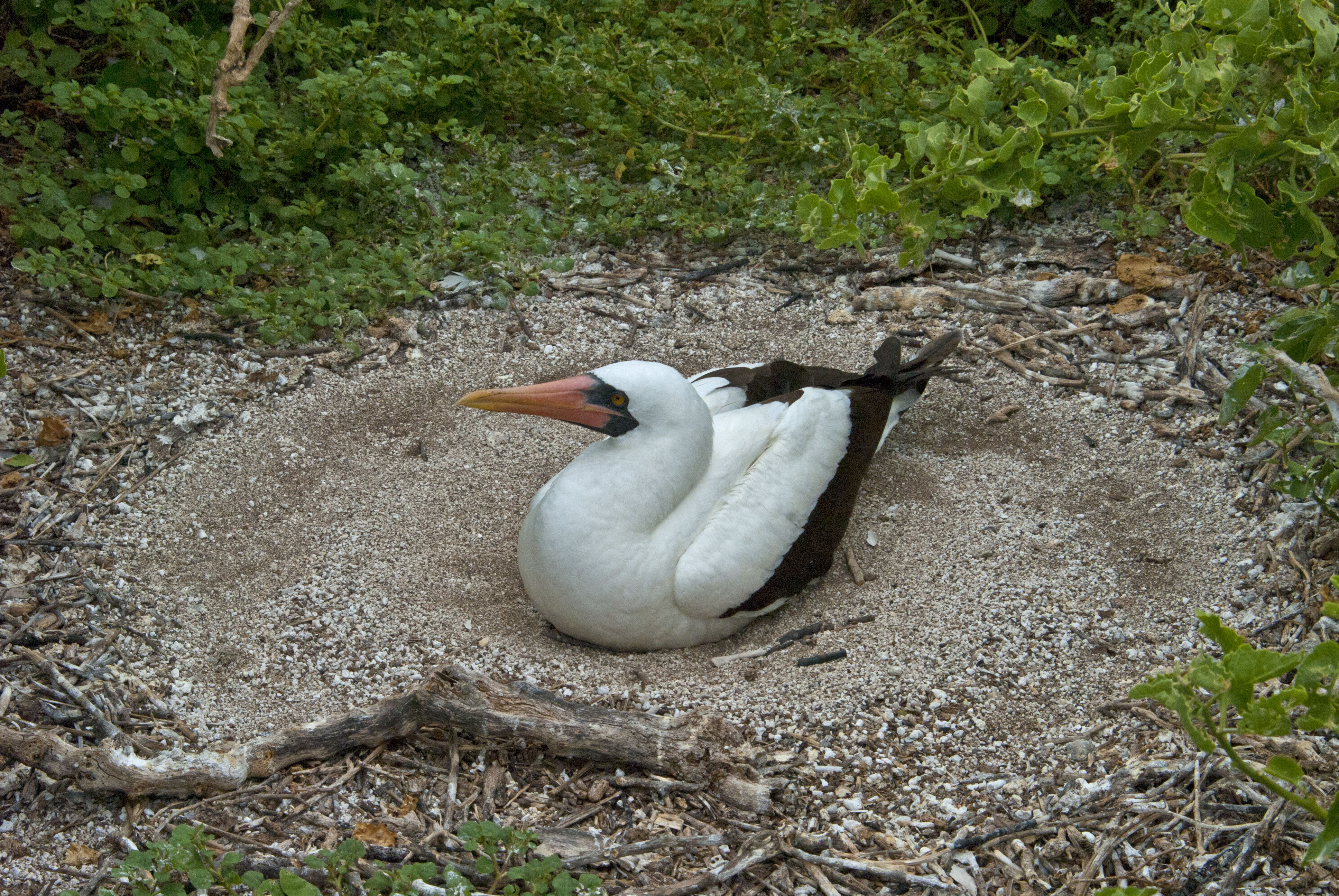
The afternoon excursion at Genovesa was to a landing spot called Prince Philips Stairs. Here a steep staircase climbed from water level up to the crater rim. When we reached the top we encountered hundreds of nesting Red Footed and Nasca Boobies. Many of the Nasca Boobies had chicks which were not so little balls of white fluff.

As we moved along the path we saw Frigate birds and many more Nasca Boobies (sometimes known as Green Footed Boobies). Across the flat top of the island we also saw thousands of Audobon Shearwaters, this is the only place in the world where they are known to fly in the day to avoid their main predator which is the Galapagos Short Eared Owl.


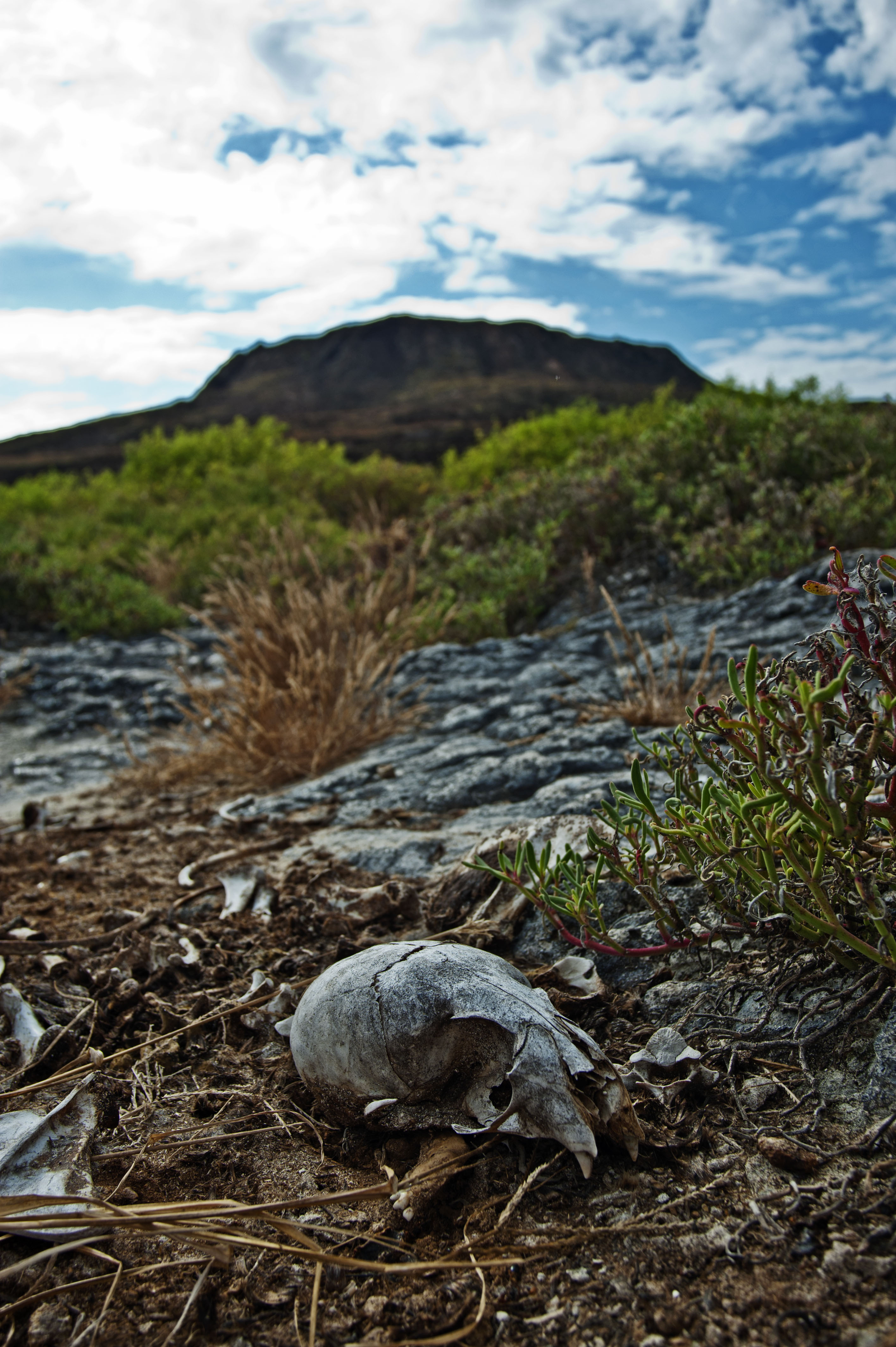
We spent most of the walk looking for an owl but despite seeing evidence of them, i.e. dead shearwaters, we were unlucky, making this the only creature on the whole trip that we missed seeing.
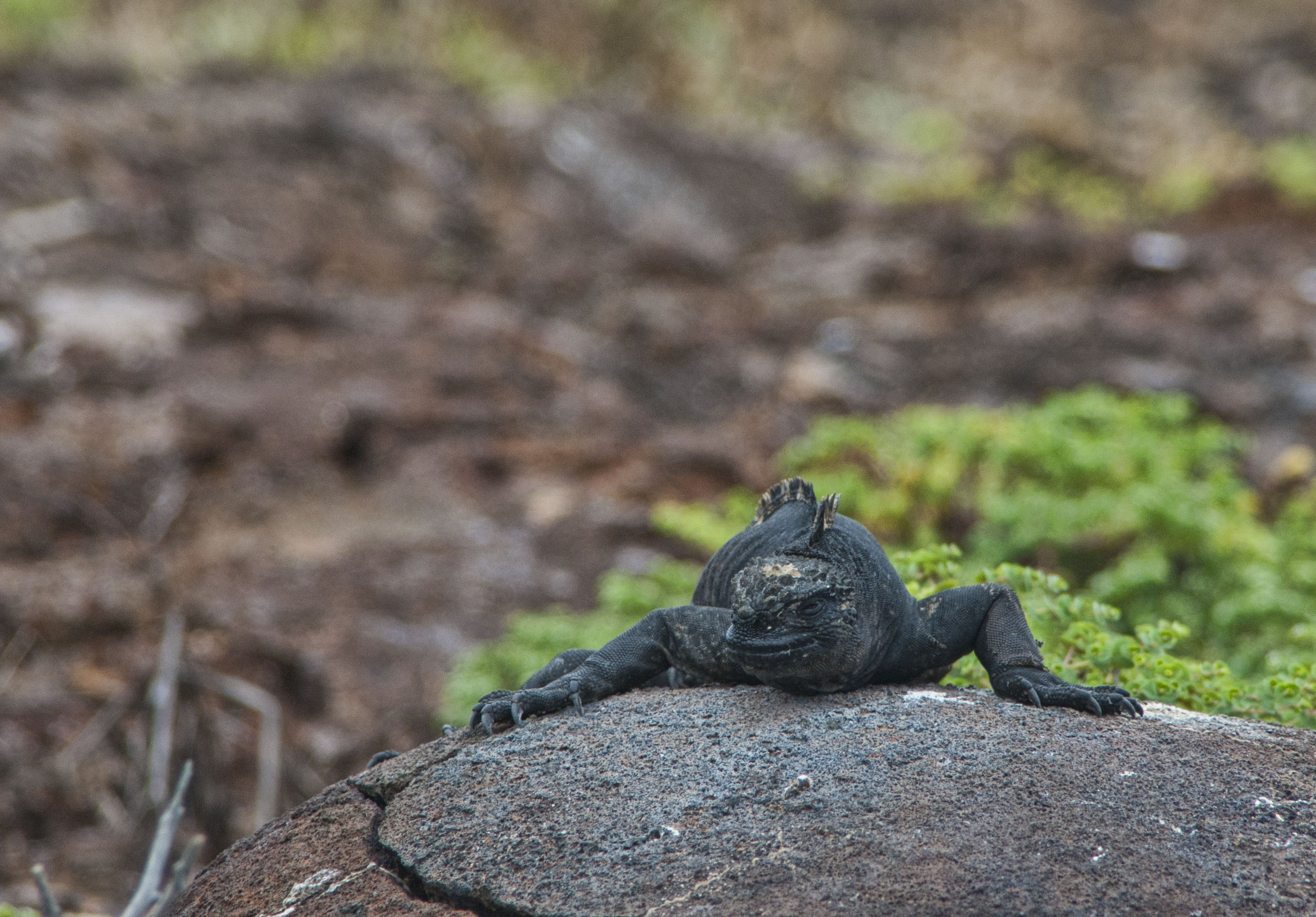
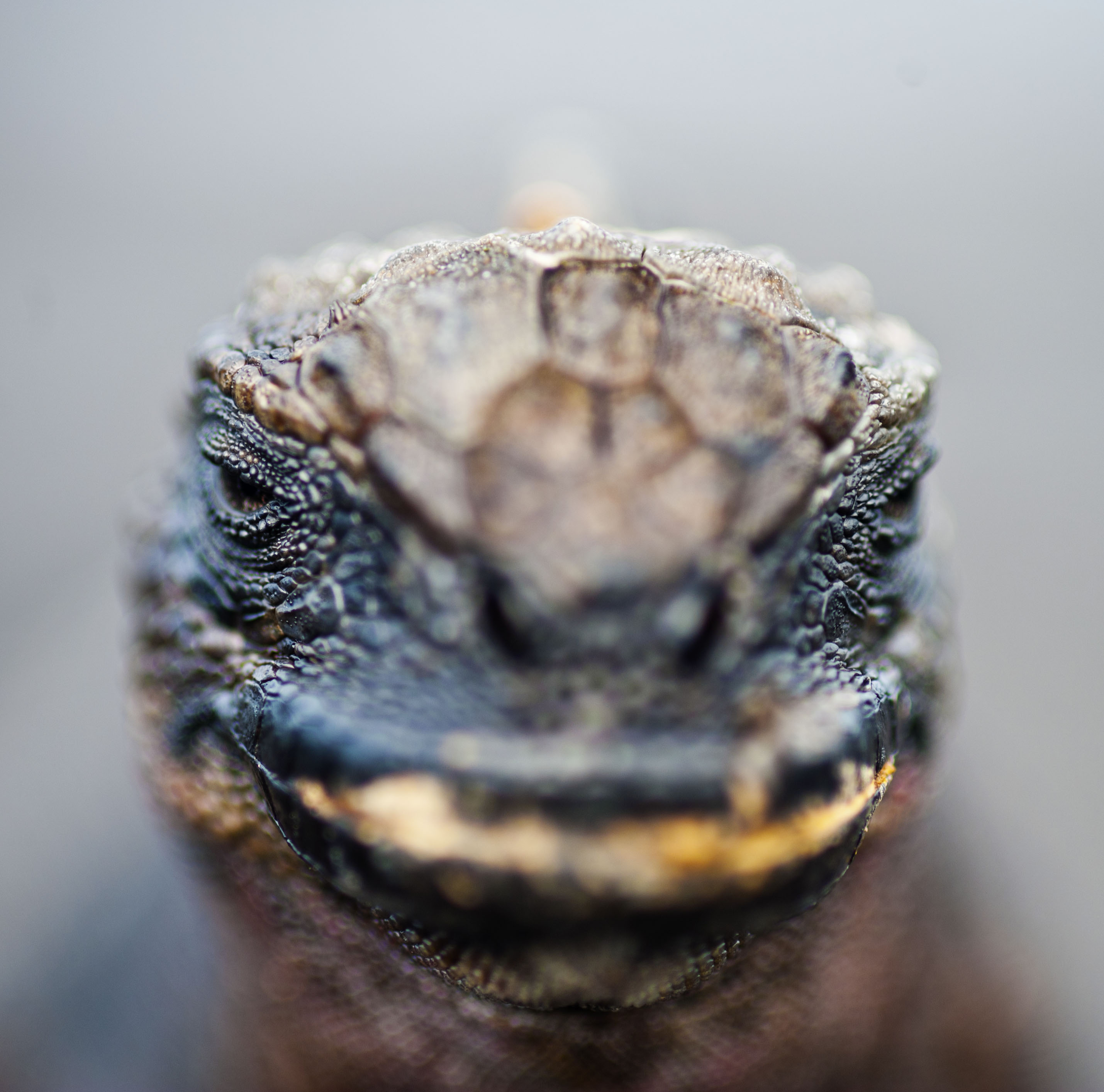
We did however see the Genovesa Marine Iguana which is the smallest species of marine iguana in the Galapagos.
The Beluga was steaming towards us as we got back to the stairs and we made the quick transfer back to the boat on the RIBs. We started the long journey back to Santa Cruz straight away and fortunately it was less rough than the previous night.

At around 8pm we reached the equator and everyone gathered in the bridge to watch the GPS countdown to zero. Juan celebrated the occasion with a song and we all had pictures with the captain. Back in the saloon we had a longer sing-song with Juan and some of the crew accompanied by a special equator cocktail produced by Jorge, the steward who was excellent and looked after us really well.


After leaving Santa Cruz the Beluga sailed North to the area of Santiago Island. Our first port of call early in the morning was a small volcanic island called Sombrero Chino (or Chinese Hat). It wasn’t difficult to see where it got its name.
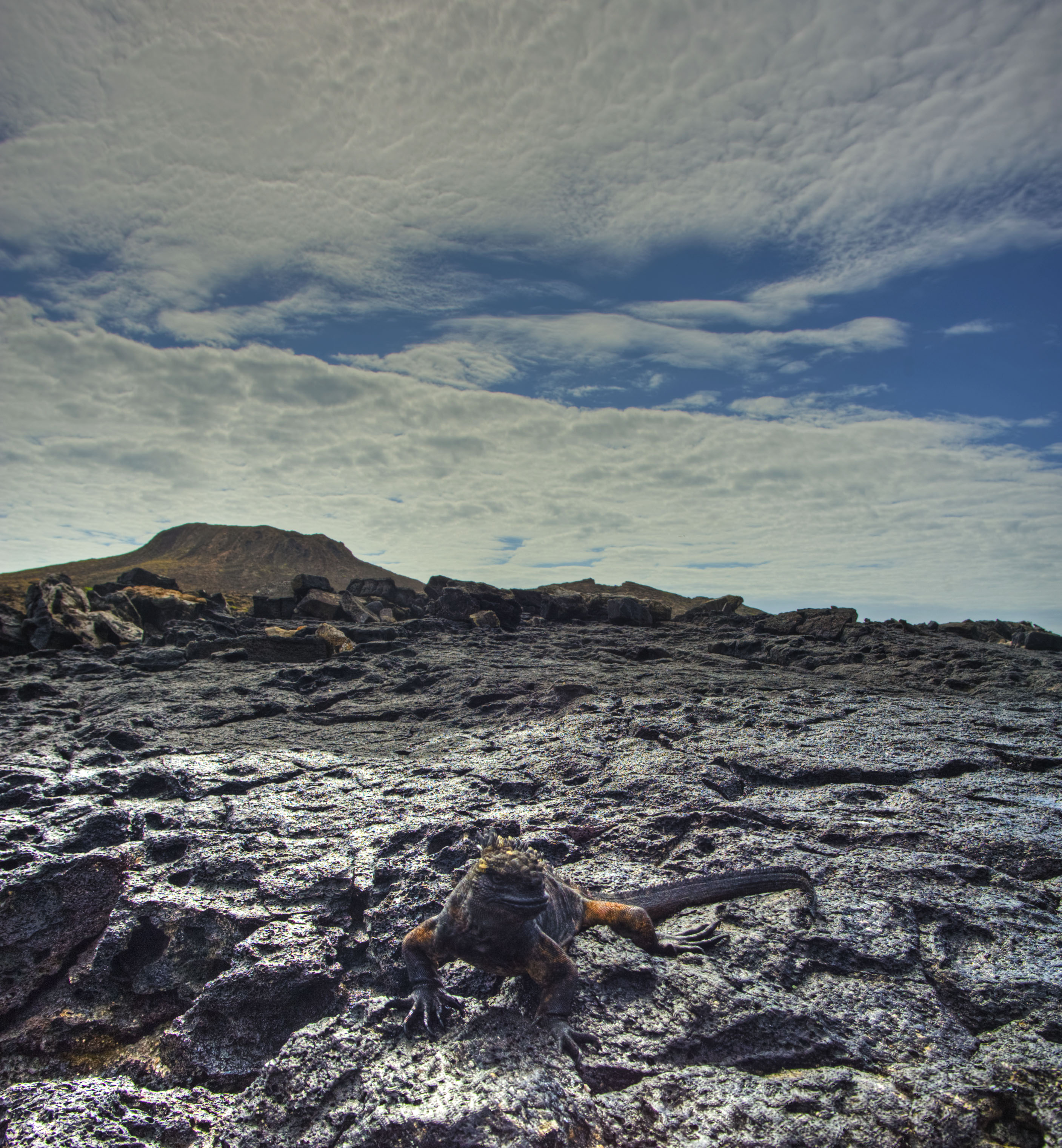
The trail that we walked on the island was pretty short but ended at a rocky wave cut platform covered in marine Iguanas.
In the waters around the island there were sealions playing and we had to walk off the path at one stage to avoid a bull sealion plonked right in the middle.
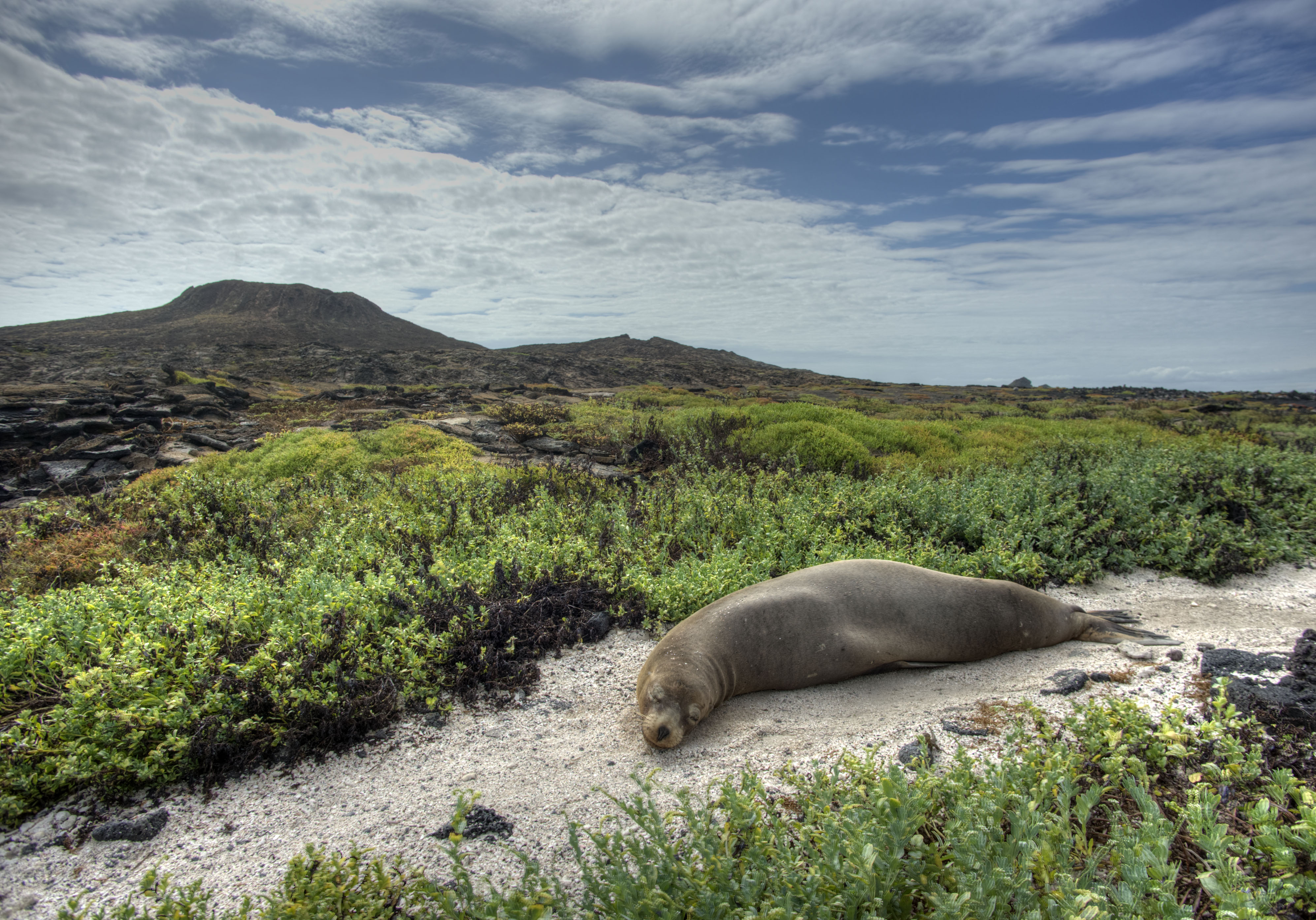
The island itself was formed of lava and we walked across a number of very small lava tubes – where the lava outside hardens leaving a tube for the lava to flow through.
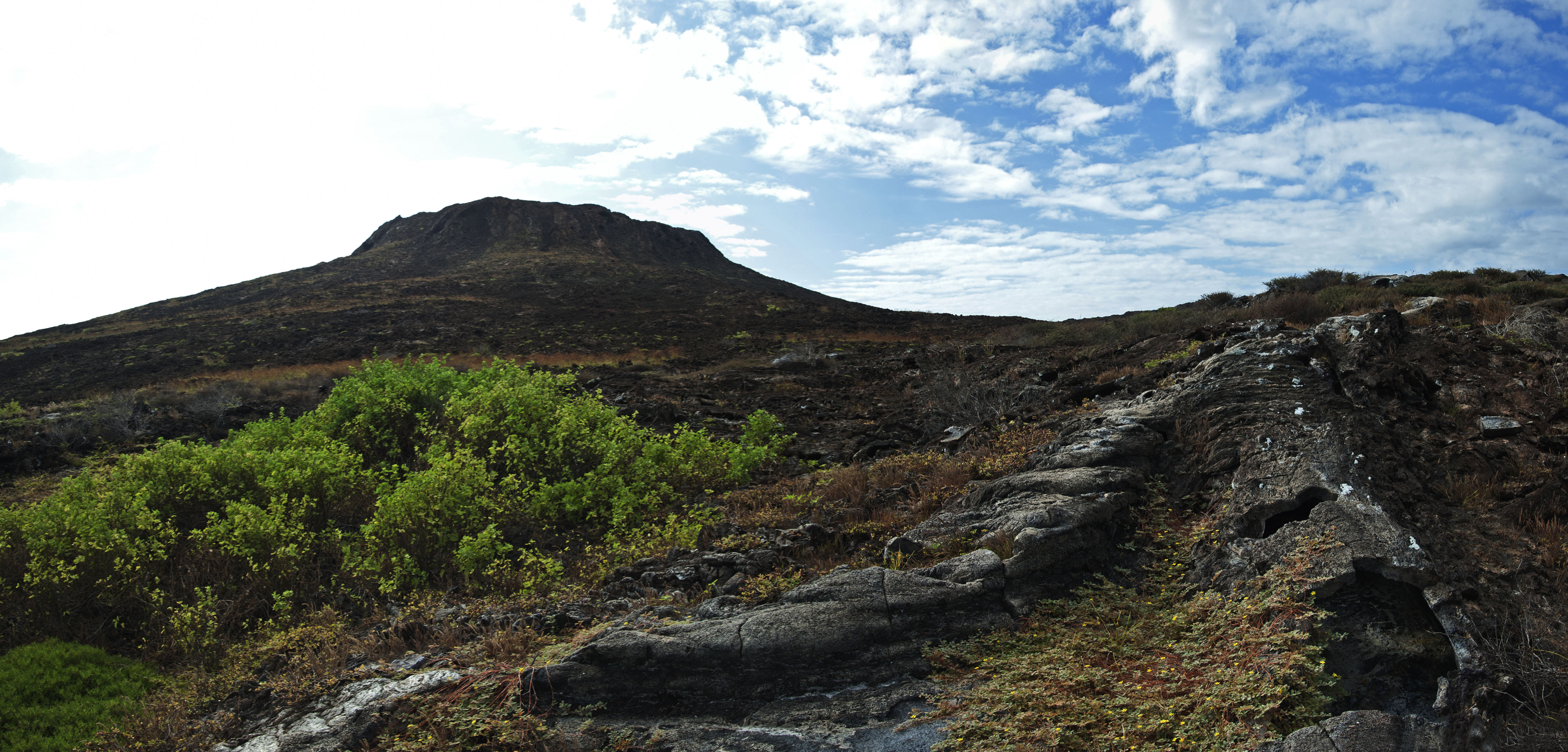
Returning to the boat we only had a few minutes to get ready for a snorkelling expedition where we dropped into the water next to a lava flow on the main island of Santiago opposite Sombrero Chino.

We’d been in the water for a few minutes when a blurred streak came flying past us. We waited where we were and the penguin flew past another couple of times chasing small schools of fish. The Galapagos penguin is the only penguin found in the Northern Hemisphere – although of course we were still in the Southern Hemisphere.
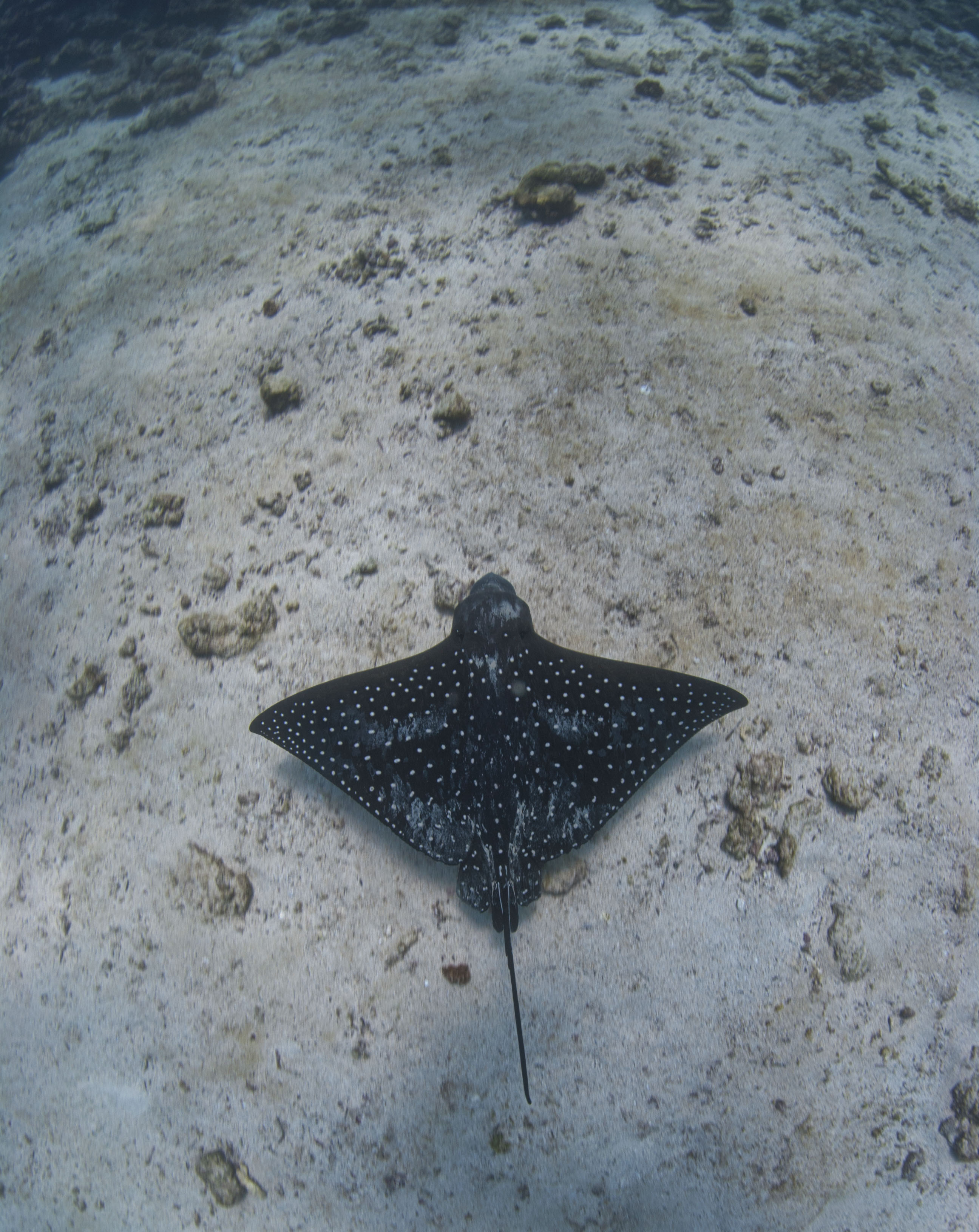
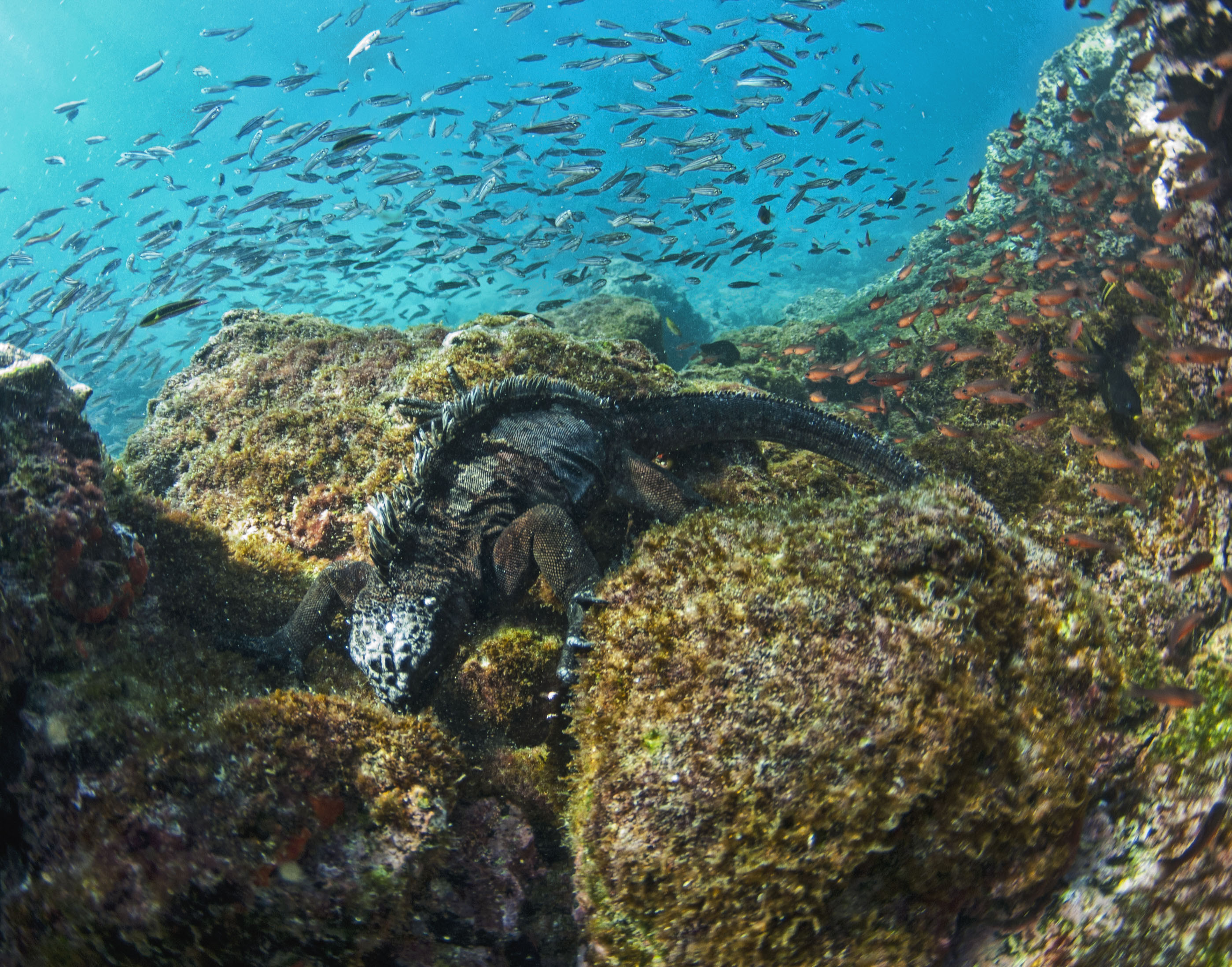
We returned to the Beluga for a quick bite to eat and then we were back in the water in Sullivan Bay on Santiago Island for another snorkelling session. People were getting tired by this stage of the trip and only a few people hit the water. This was a mistake because we were treated to more penguins, a marine iguana eating in the water and some eagle rays.
The penguins hunted around me for around 5 minutes and at times I could see three at a time. They move incredibly fast through the water but still seem to have a hard time catching the little fish that they are after.
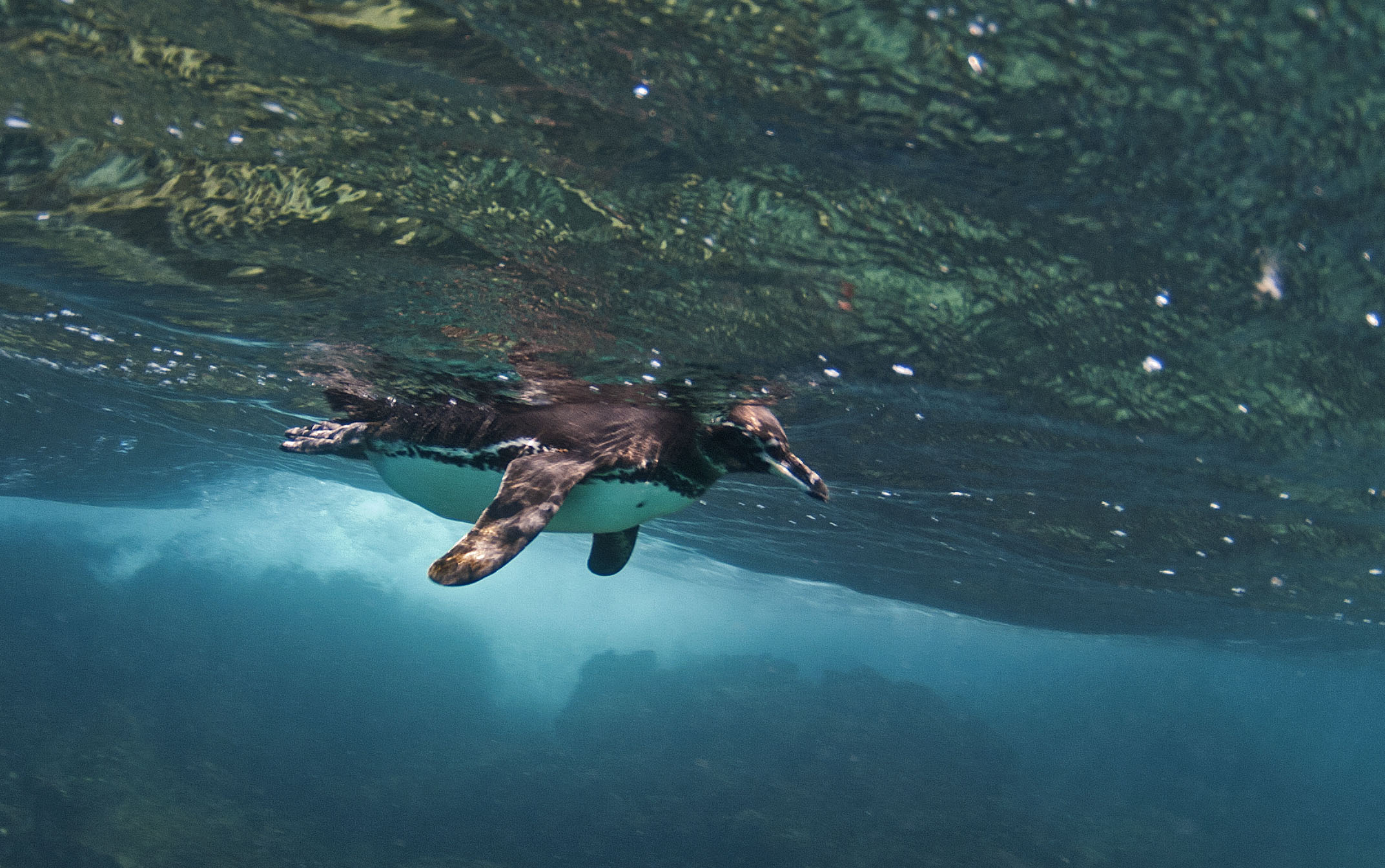
At around 4.30pm once the harsh sun had started to cool down we headed off for our second land excursion of the day. Landing on a desolate lava shore we hiked inland across a cracked and rough lava surface. The lava was still radiating serious heat but the sun was sinking low on the horizon. I think it would have been unbearable in the heat of the day. The lava flow from 1897 is a pahoehoe lave flow which means it has a ropey surface caused when the surface lava cools and is then rippled by the flowing lava underneath.
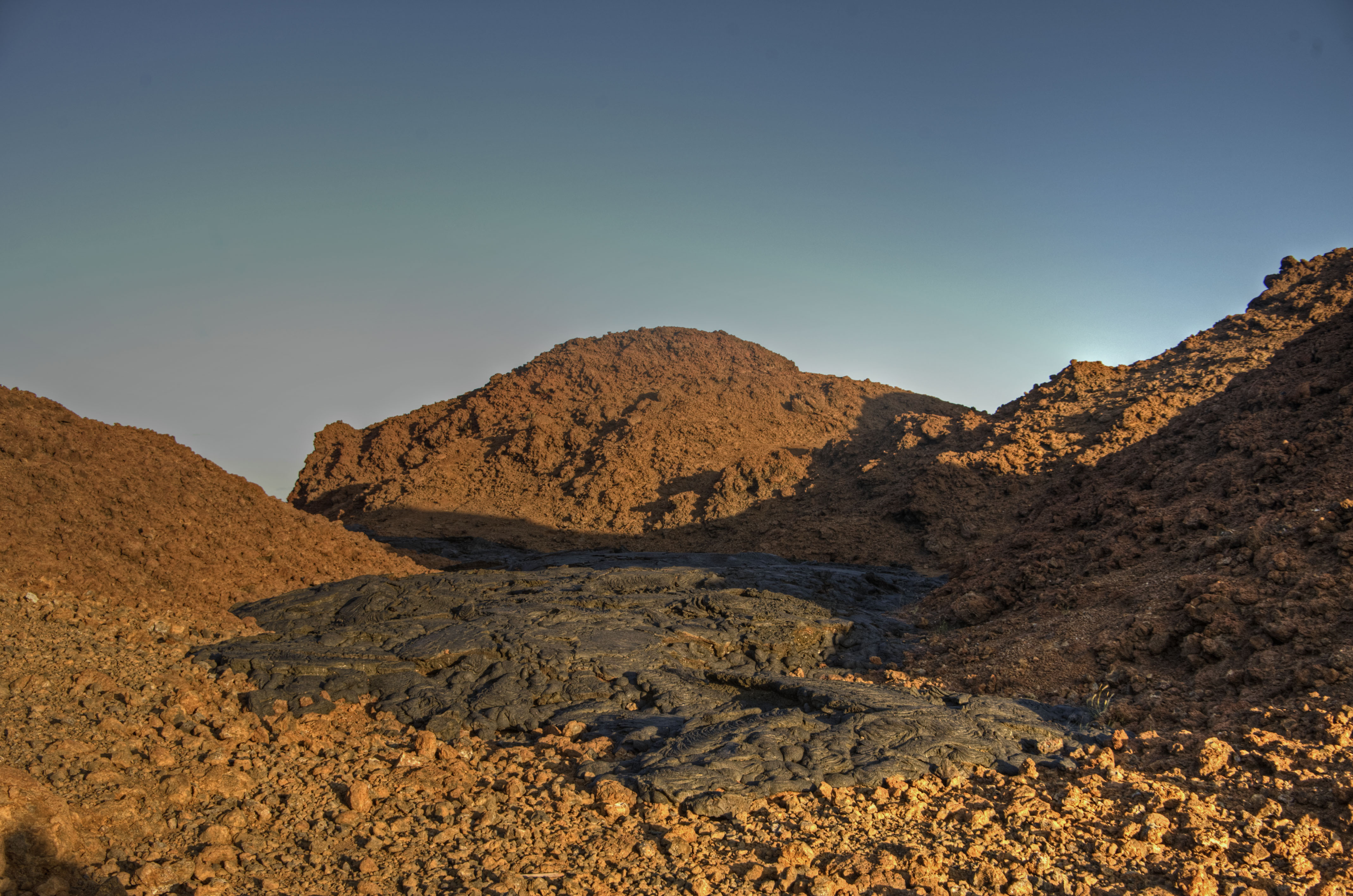
The point of the excursion was to search for the early adopters on the lava. These were some weed and a type of small cactus. Over merely a few million years these will allow a barren lava field to turn into semi-fertile vegetated land.
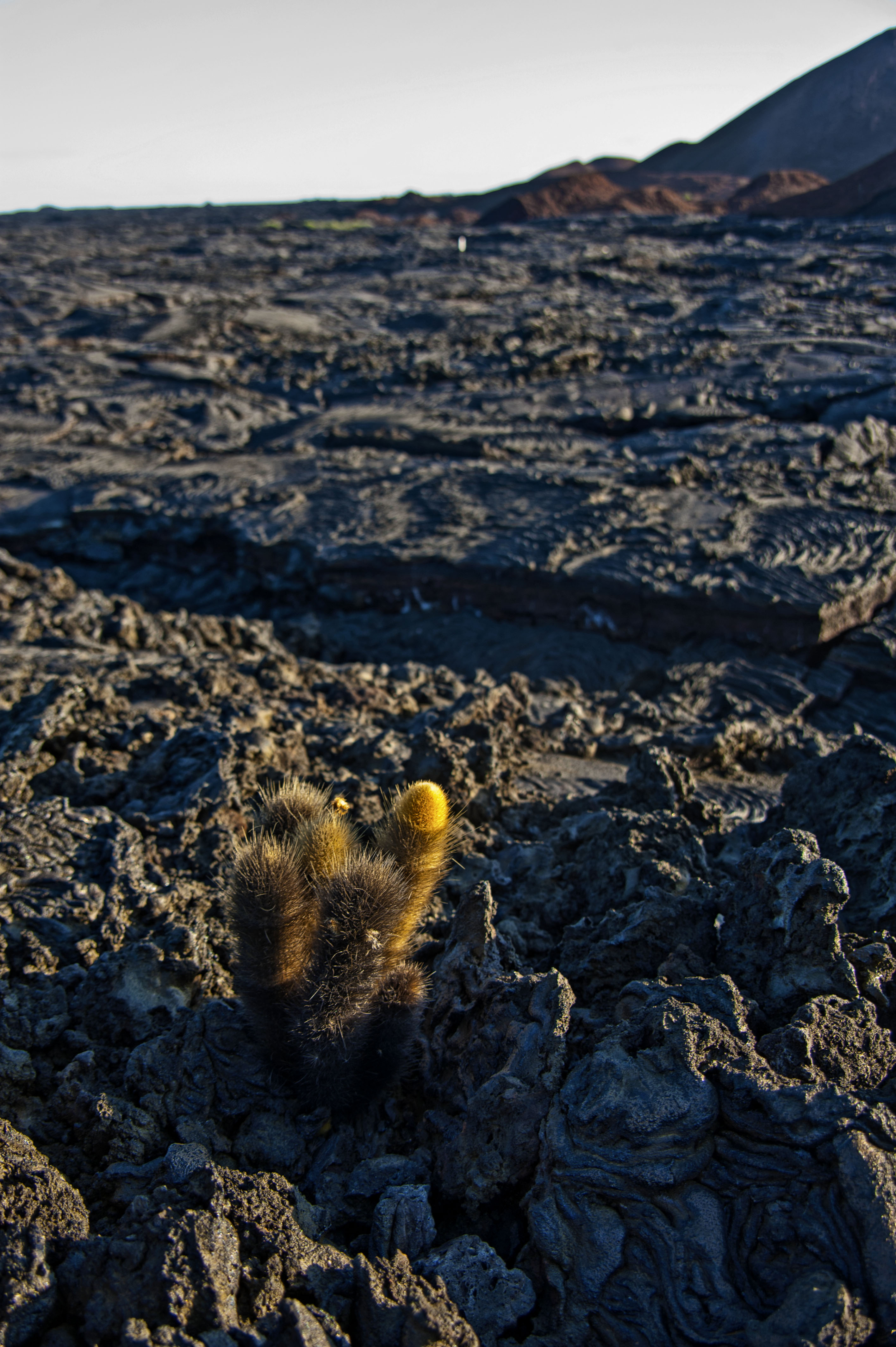
The only things we saw living were some marine iguanas on the shore, a couple of lava lizards and the odd bird exploring the area but who were not resident. There is much more to Santiago than this in the areas not affected by the lava flows but we did not visit these areas.
Galapagos Cruise – Day 5: Santa Cruz

We woke on the fifth day of our cruise in the busy harbour of Puerto Ayora. The first thing on the agenda for the day was a tour of the Charles Darwin Research Centre.
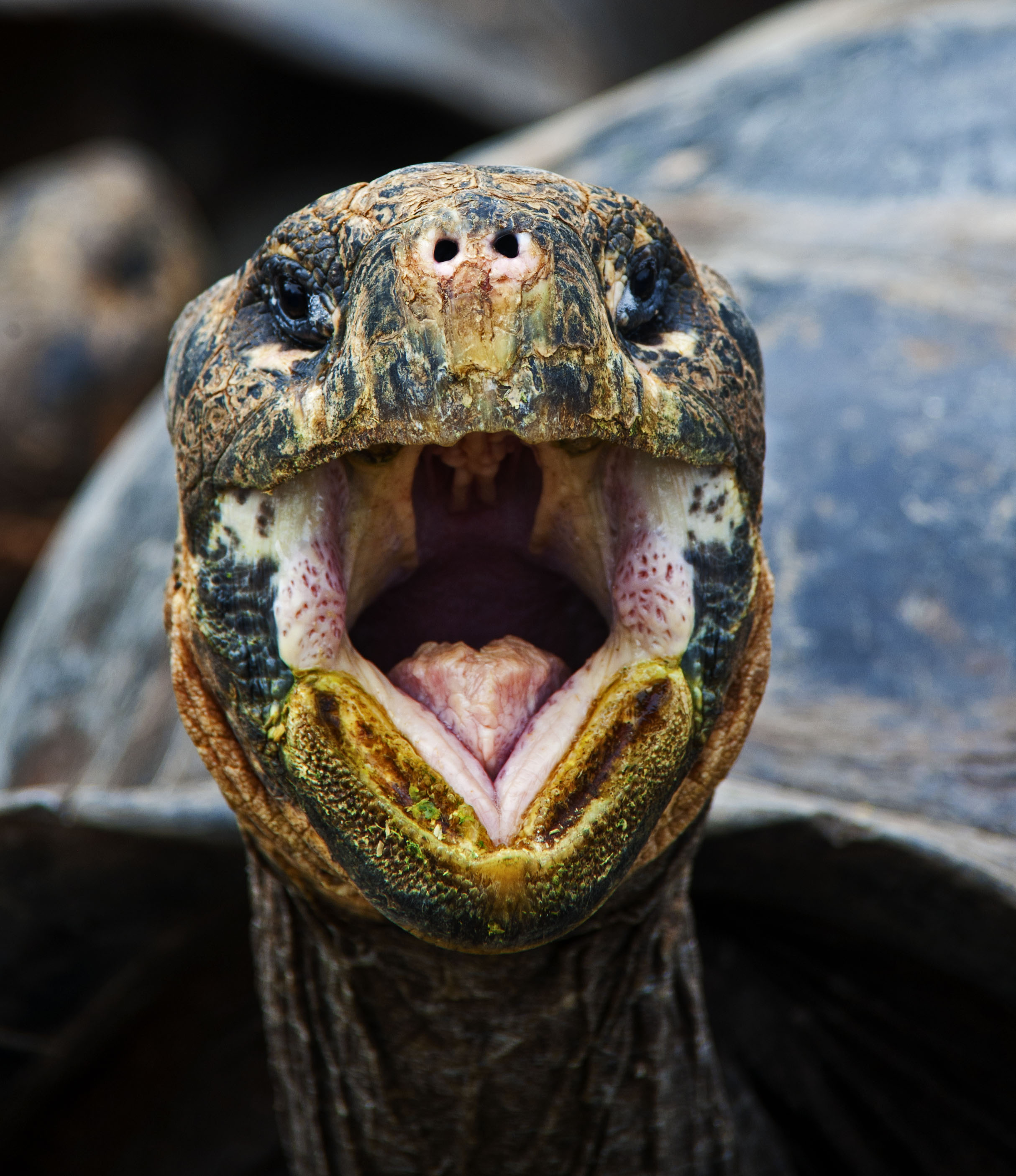
The RIBs dropped us in the centre itself on a pier in the midst of mangroves. The Charles Darwin Centre is focused on increasing the numbers of Giant tortoises which we severely depleted by early seafarers who used them as food and early settlers who used them to create oil. There is a captive breeding program and also eggs laid in the wild are collected and brought to the centre. The juvenile tortoises are kept safe until they are big enough to be safe from predators and then released on the appropriate island.
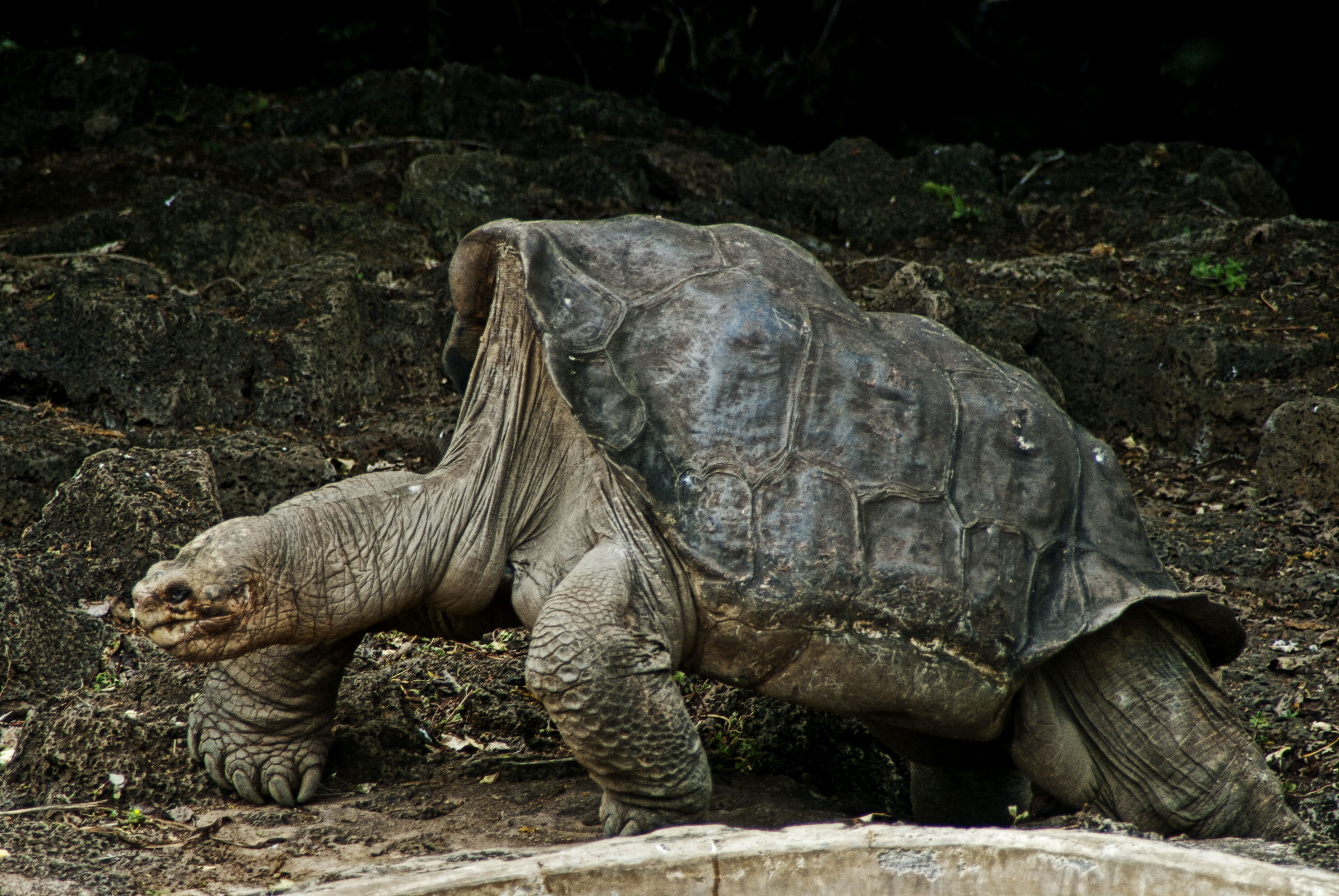
The highlight of the Charles Darwin Centre is seeing Lonesome George who is the last of his species and estimated to be 100 years old. He is in a pen with two genetically similar females but has only mated a couple of times and the eggs produced have been inviable. It’ll be a 100 years or so before he dies but unless a female is found that will be the end of the line for his species.

Also at Charles Darwin they work to save the land iguanas and there are a couple of pens of these too.
In the afternoon we packed ourselves onto a bus and were transferred up to the highlands of Santa Cruz and a farm just outside the National Park area. Here we walked through some mostly non-native forest looking for Giant Tortoises in the wild.
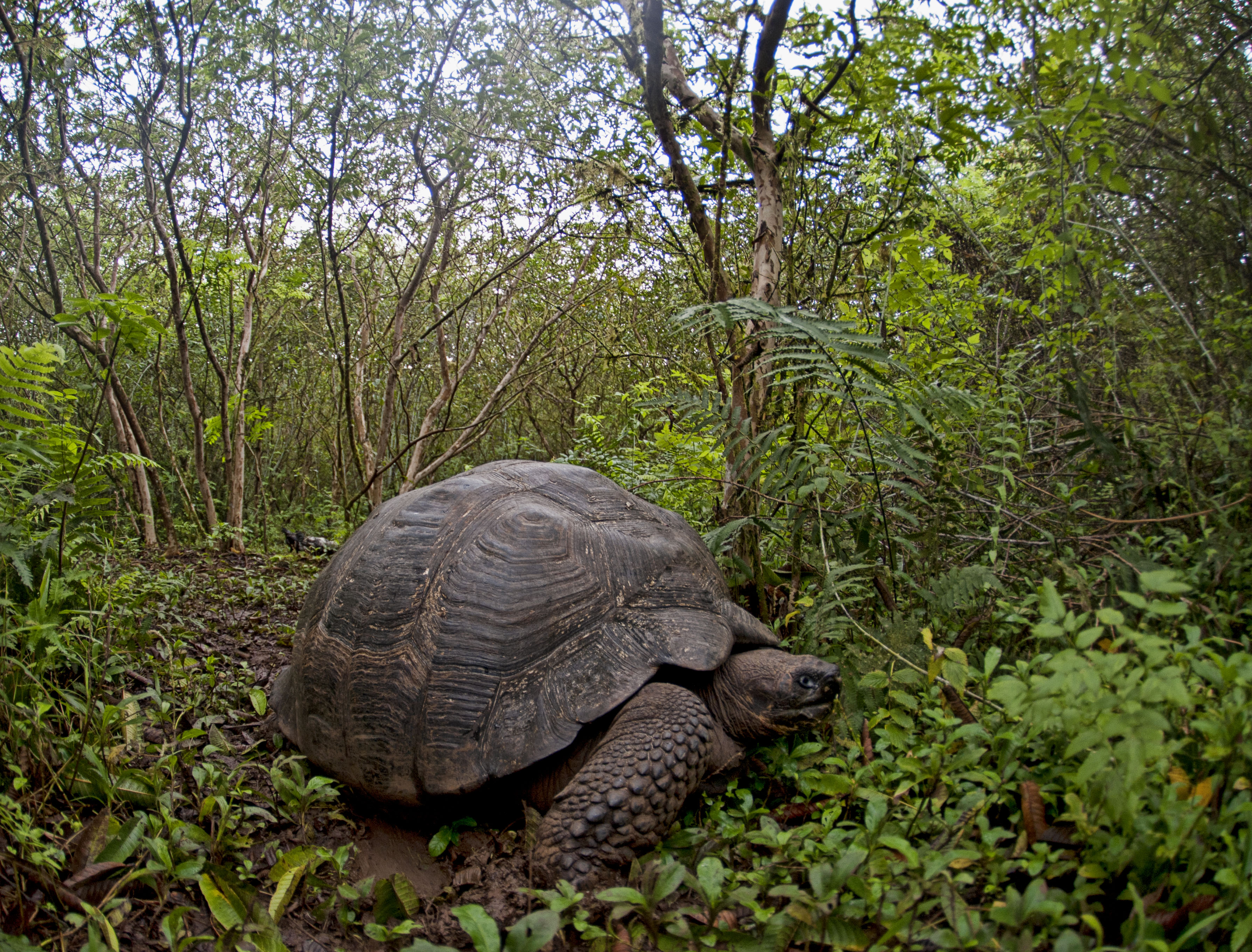
It didn’t take long to find our first Tortoise – a roughly 75 year old female who was eating and moving slowly through the bush.

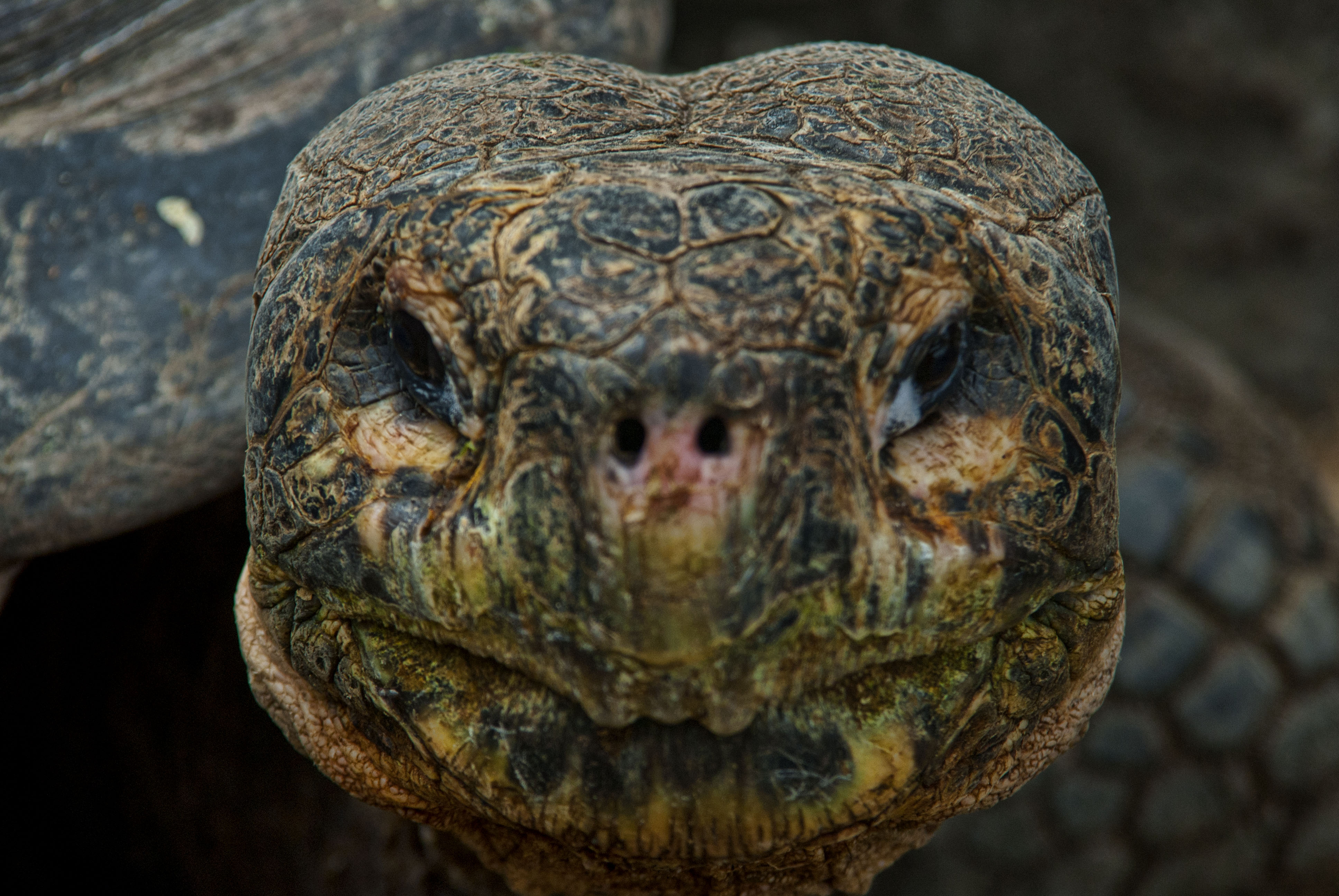
We walked on for a bit and came across a massive male – at least 150 years old. Unfortunately he had his head buried in a bush and wasn’t moving around much.
With our tortoise viewing desires satiated we retired to the central farmhouse which has been turned into a café. Once everyone had their coffees liberally laced with homemade rum our guide, Juan , grabbed a guitar from behind the bar. He then regaled us with a selection of Spanish and English songs including La Cucaracha and What Shall We Do with a Drunken Sailor.
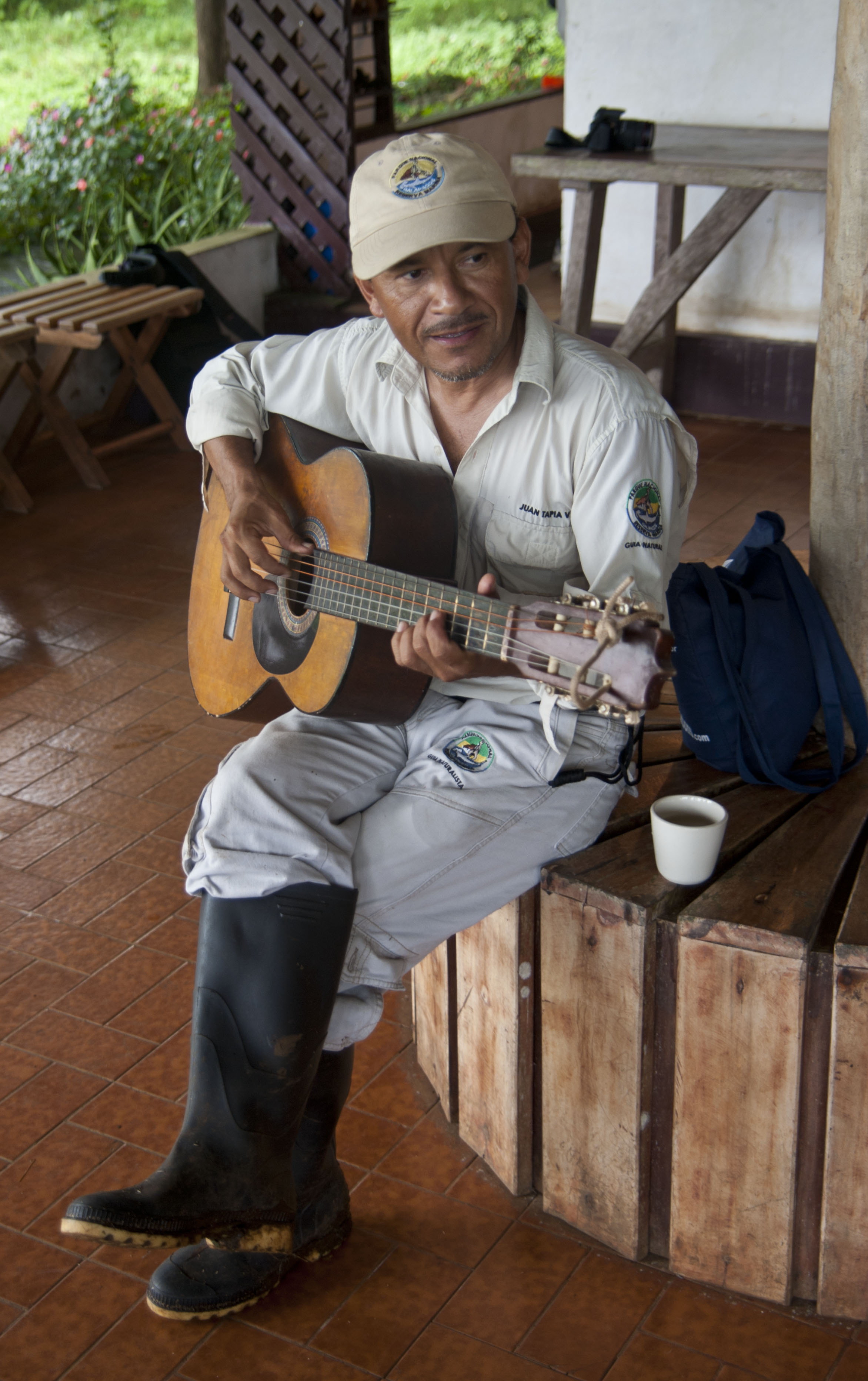
On returning to Puerto Ayora we had a couple of hours to hang out in the town before going back to the boat. As we’d spent a few days here already we just went to cafe had a beer and chilled out for a bit – enjoying being on dry land for a bit.
Day 4 saw us arriving at the island of Espanola also known as Hood. The morning excursion was to a beach in Gardner Bay .
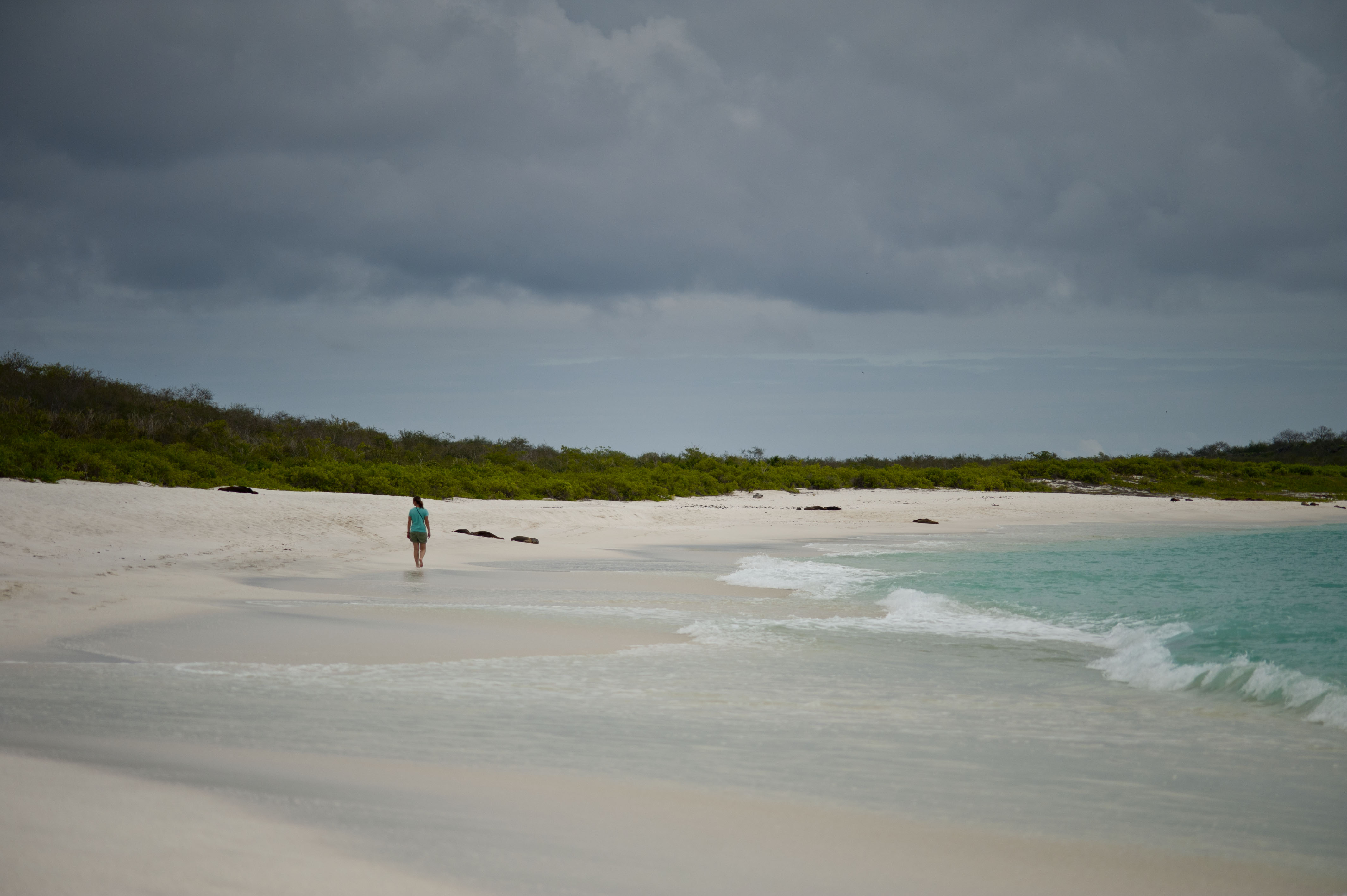
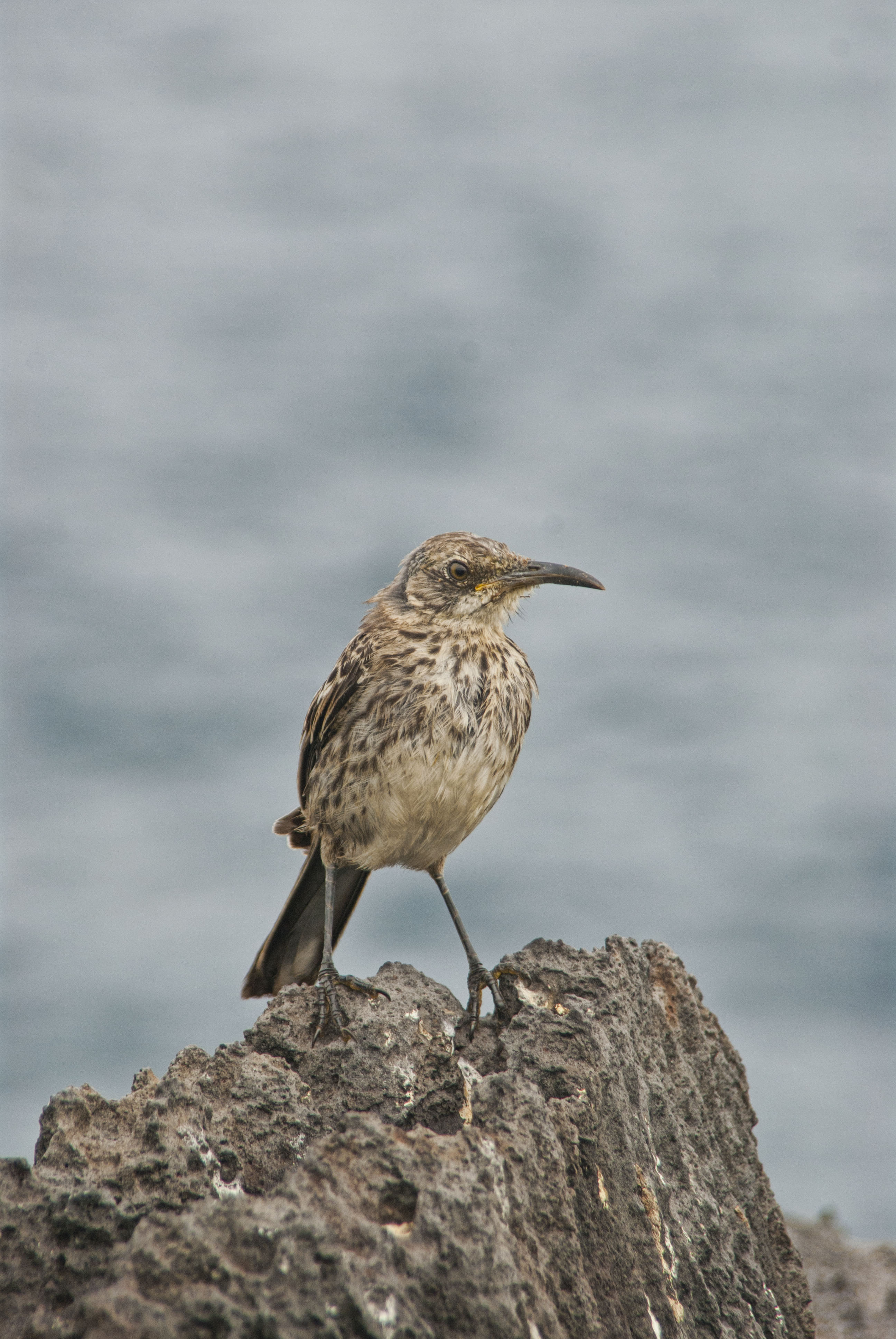
The beach was a long expanse of white sand with a huge number of Hood Mockingbirds
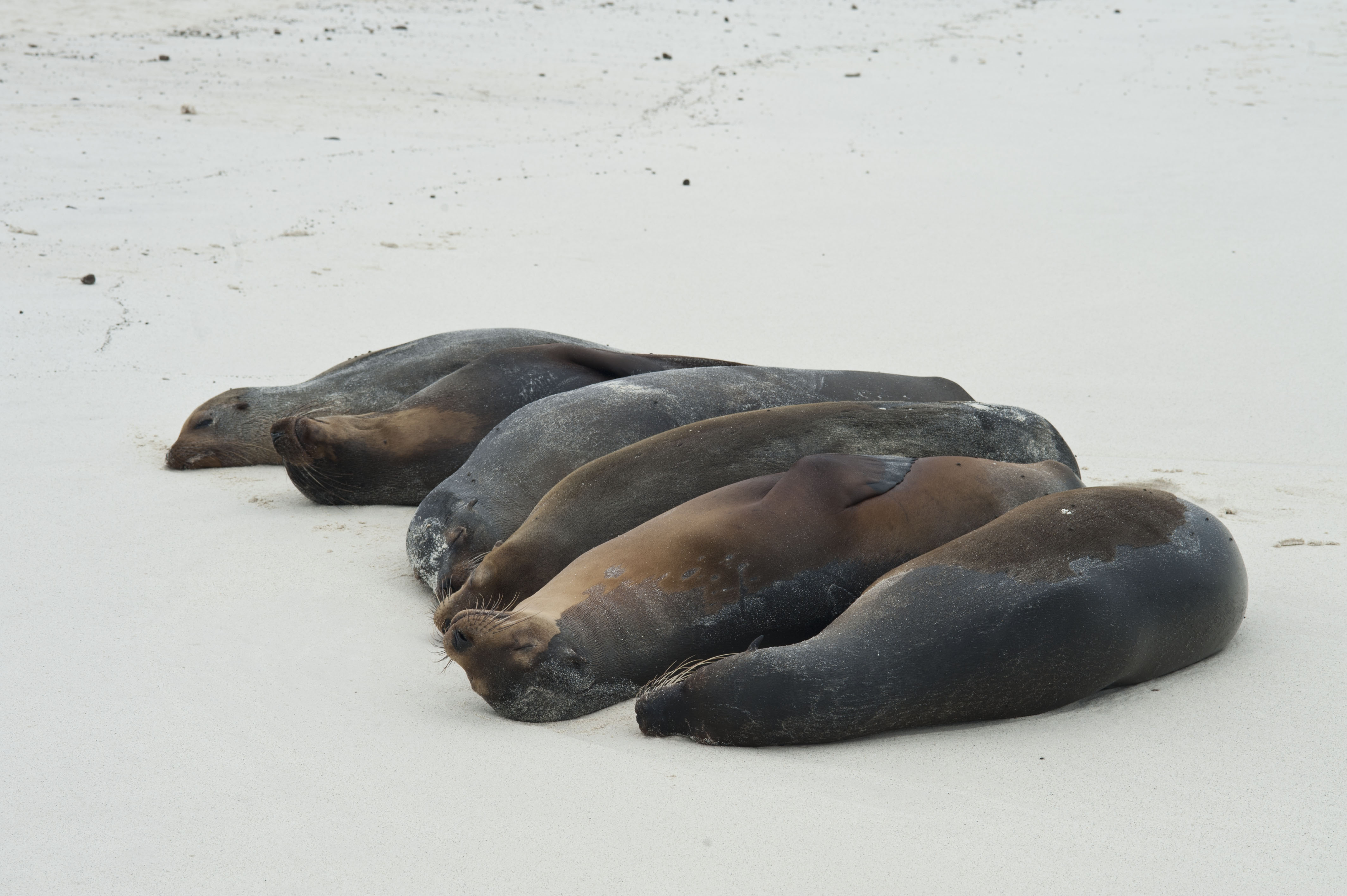
and of course a number of colonies of sealions.
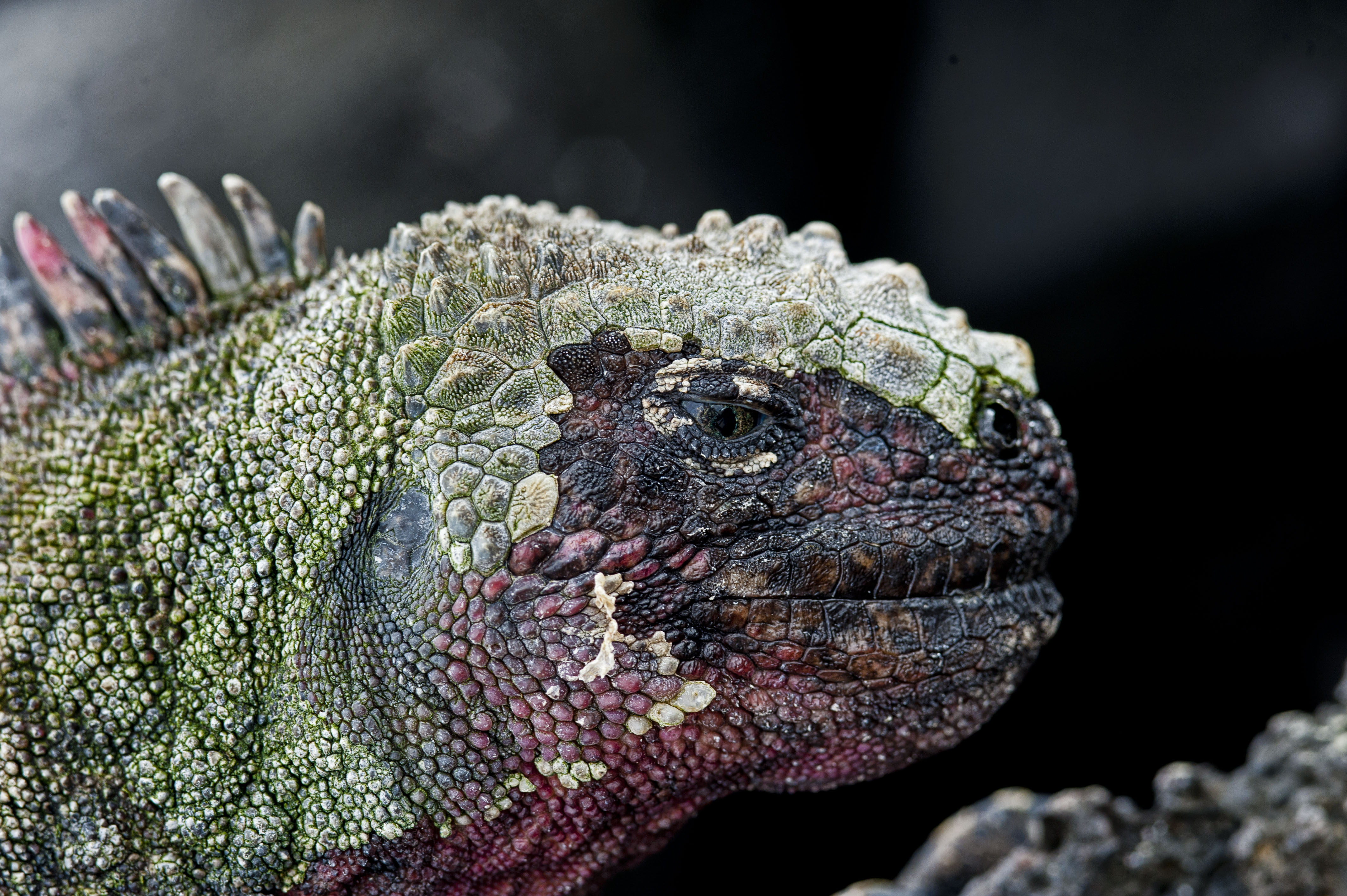
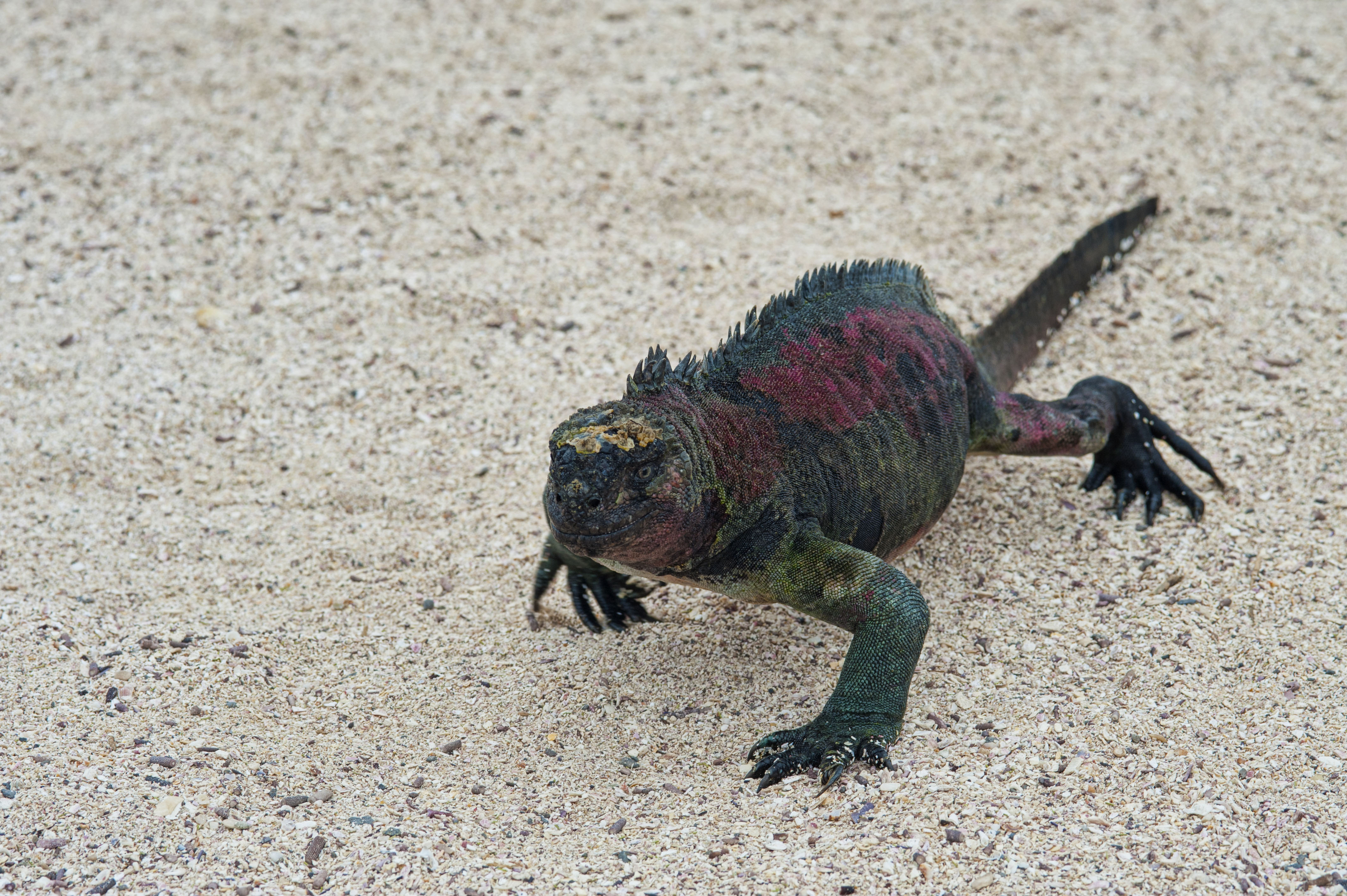
At the far end of the beach were some rocks where there were quite a few marine iguanas. The ones found here are a subspecies called the Hood marine iguana.
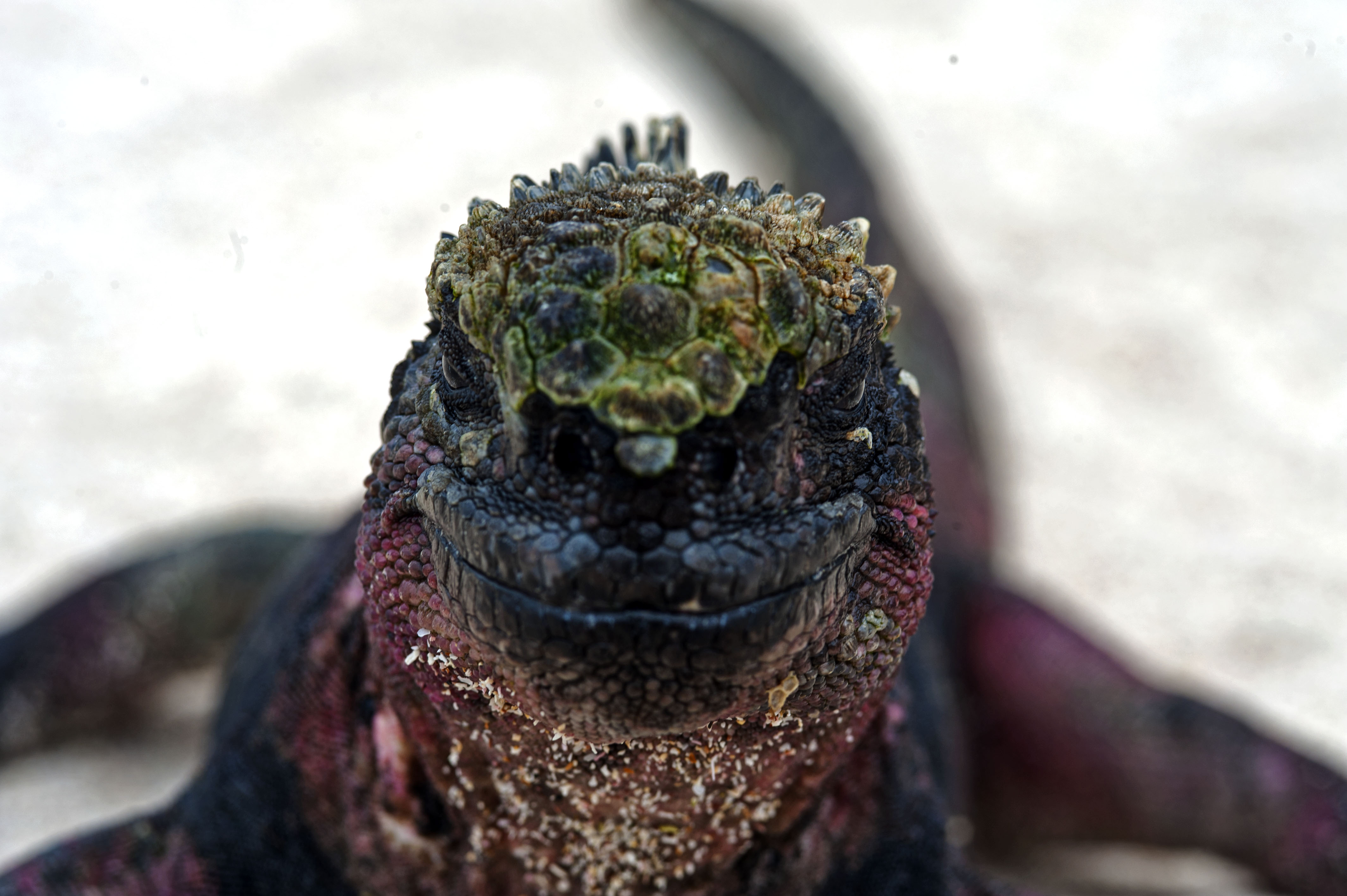
These marine iguanas are much more colourful than the standard ones who are all black.
On returning to the landing site we went for a swim and were joined by a bay sealion who was amusing himself by swimming circuits around us as we stood in the shallows and then porpoising back to shore.
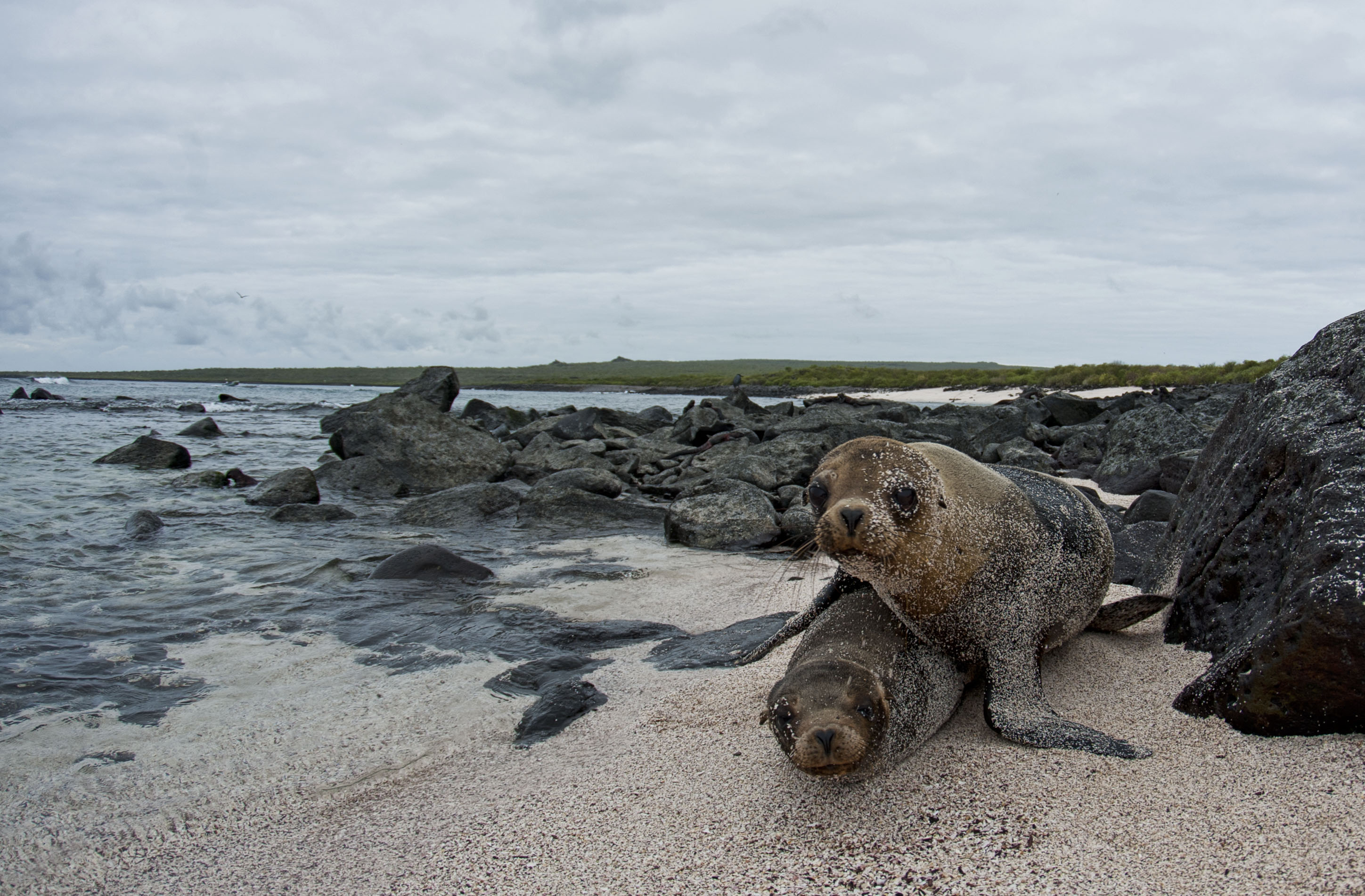
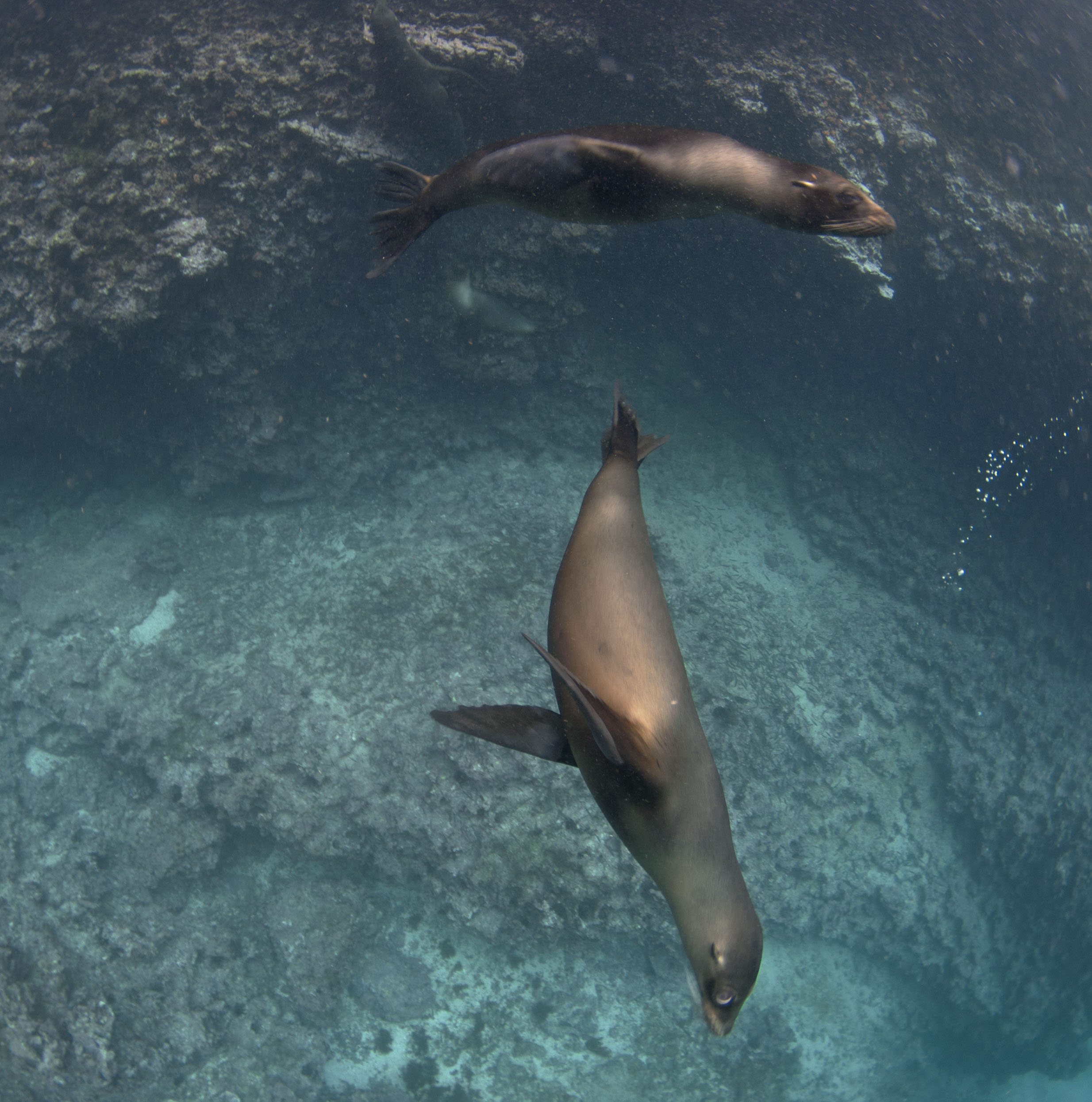
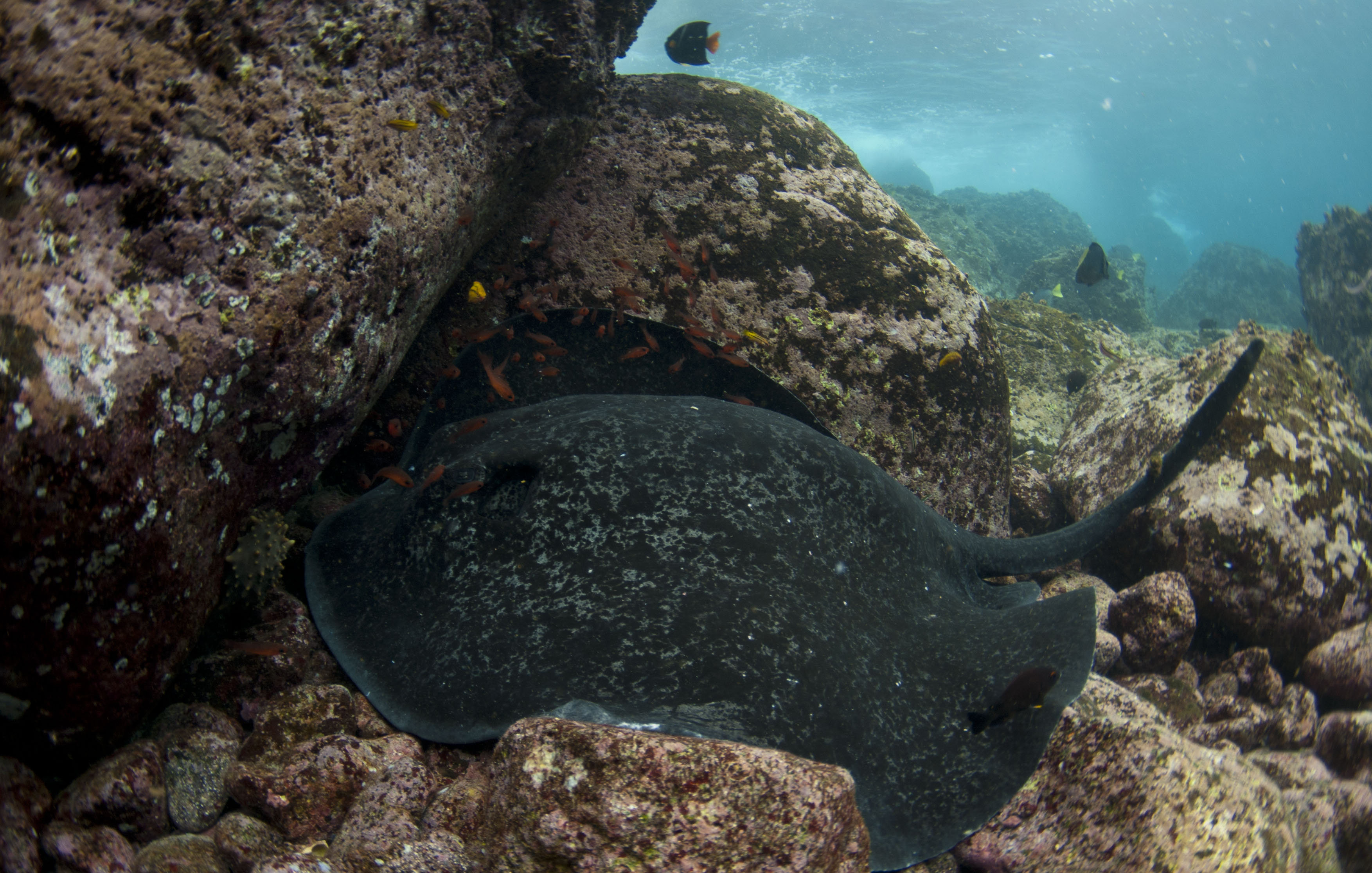
After our visit to the beach we went for a snorkelling expedition in a small bay on Gardner rock. We saw a couple of marble rays sitting on the bottom here but the highlight was finding a group of juvenile sealions who wanted to play.
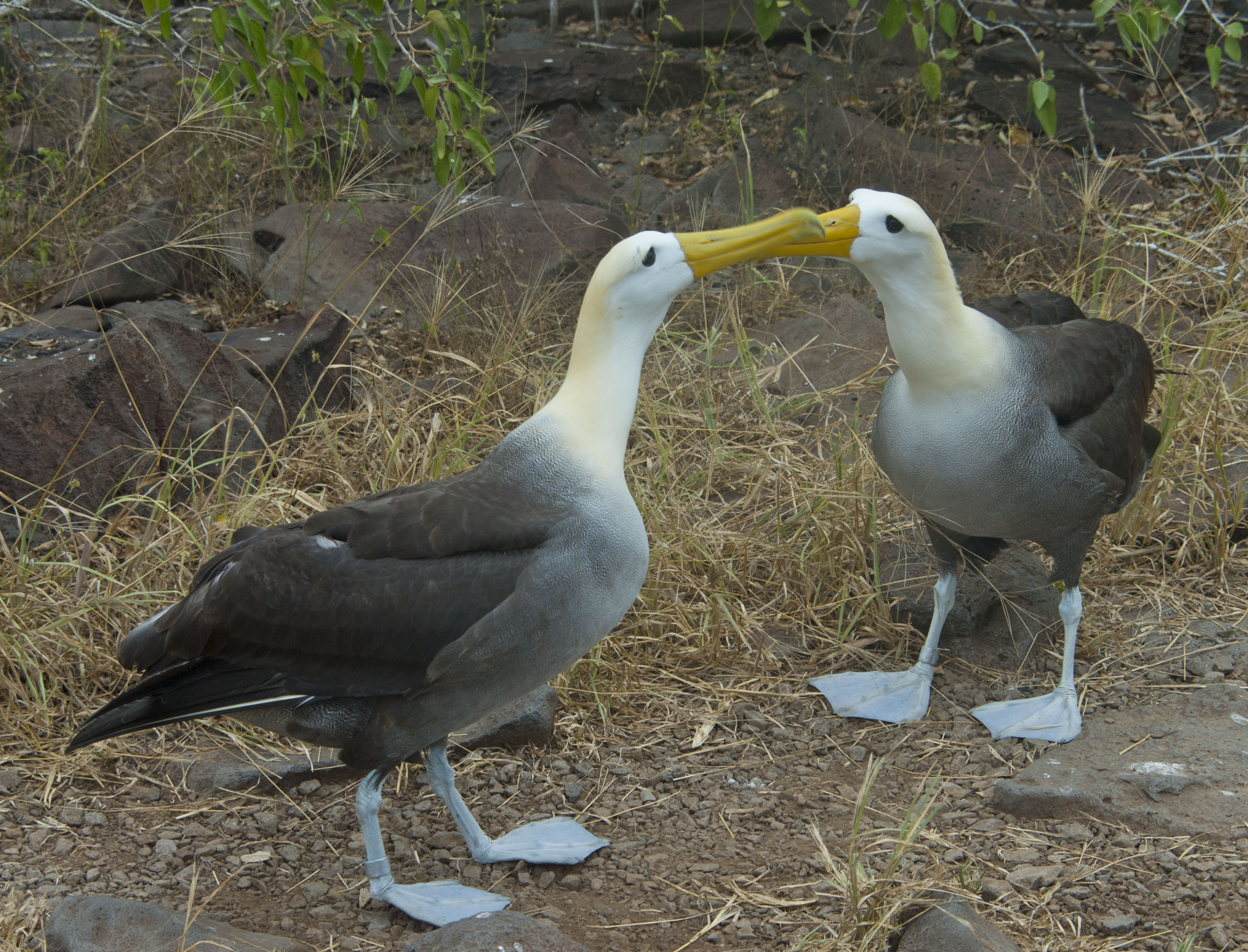
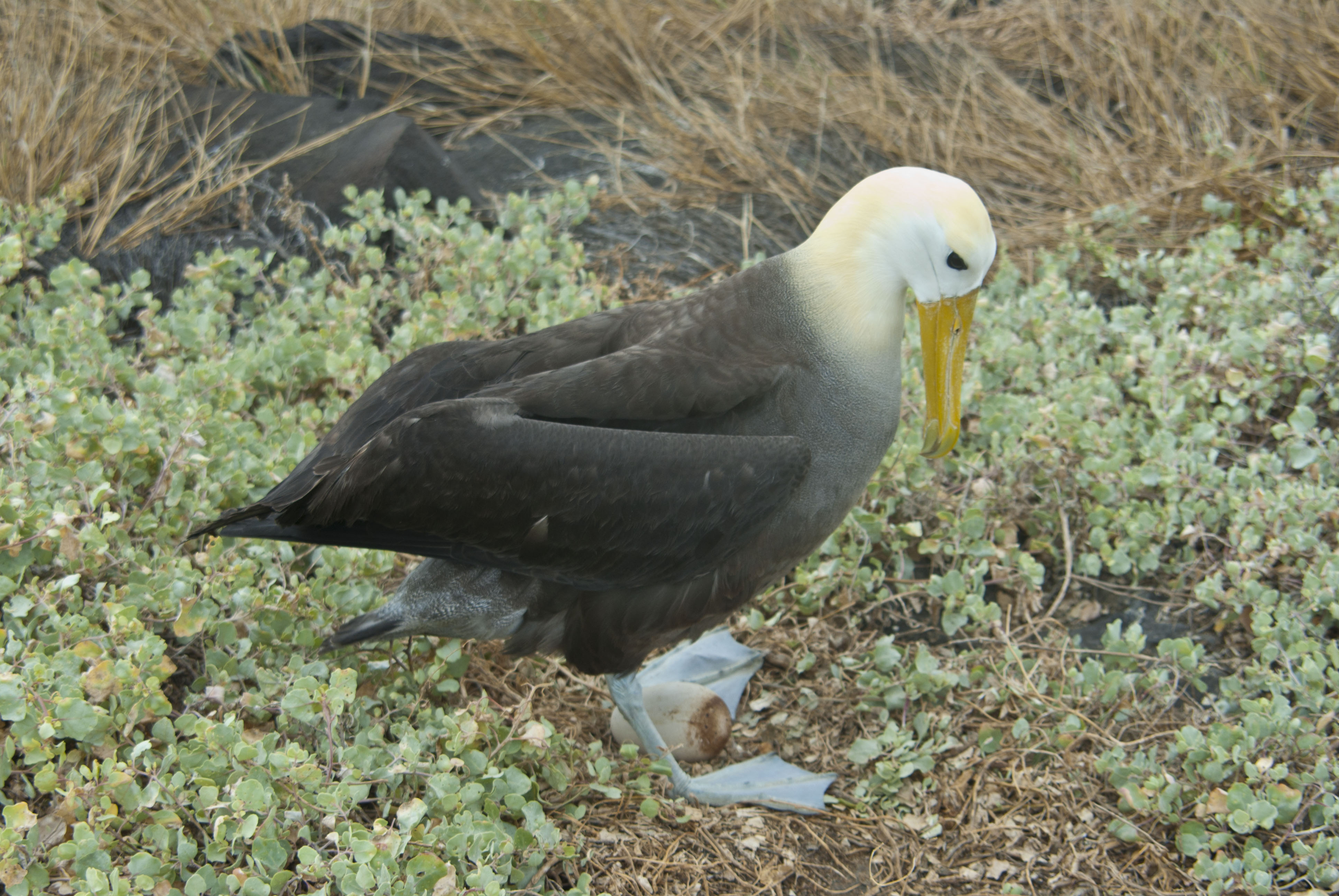
In the late afternoon we had an expedition to Punta Suarez which is famous for its seabirds. It is one of the only places in the world that you can see Waved Albatrosses and we were lucky enough to see them both courting and nesting. They court by fencing each other with their beaks and then the male will follow the female to the nesting site.
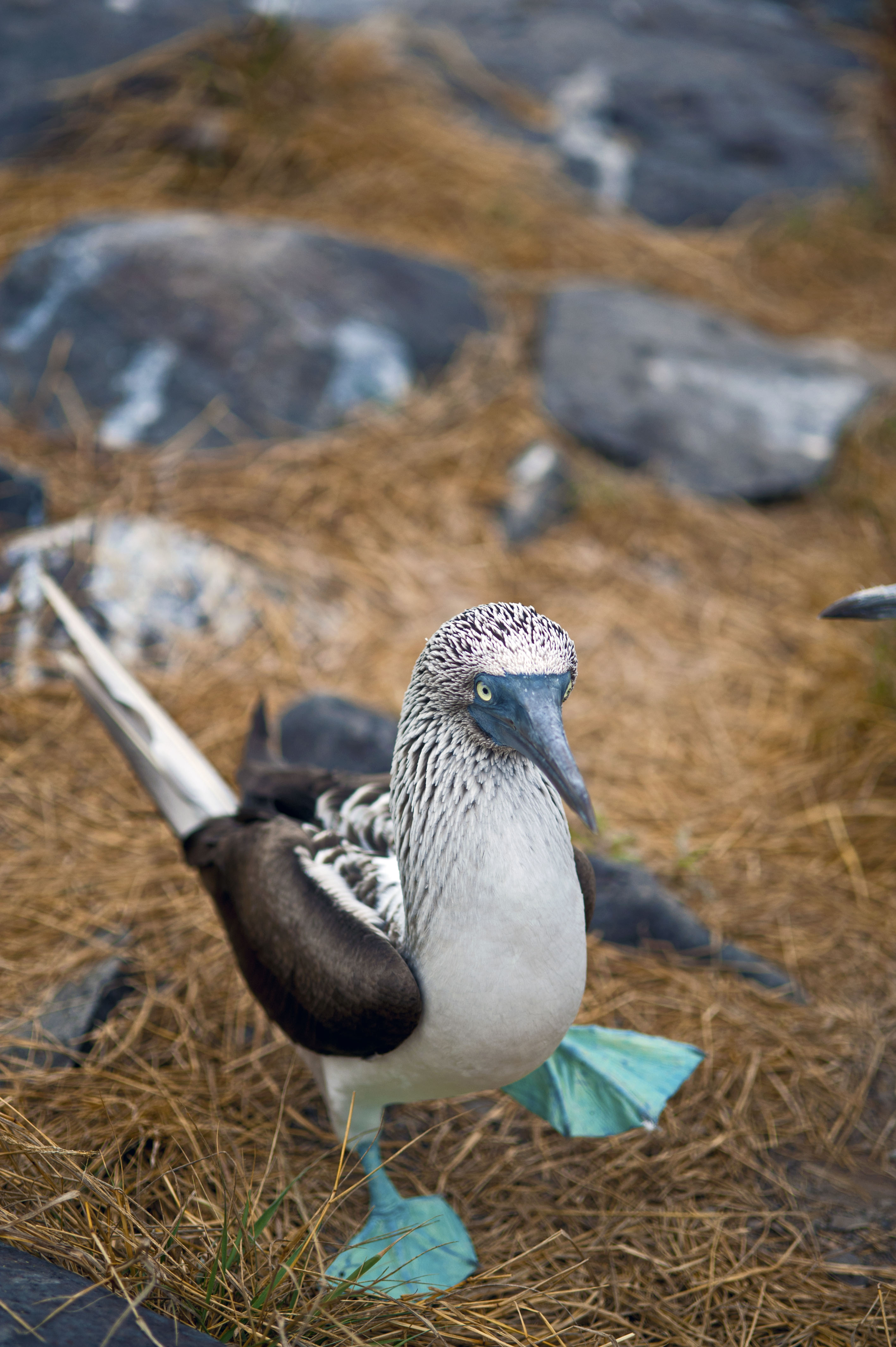
The most exciting thing we saw here though were Blue footed Boobies who were mating. When they mate they do a little dance where the male waves his feet at the female. It is very endearing.
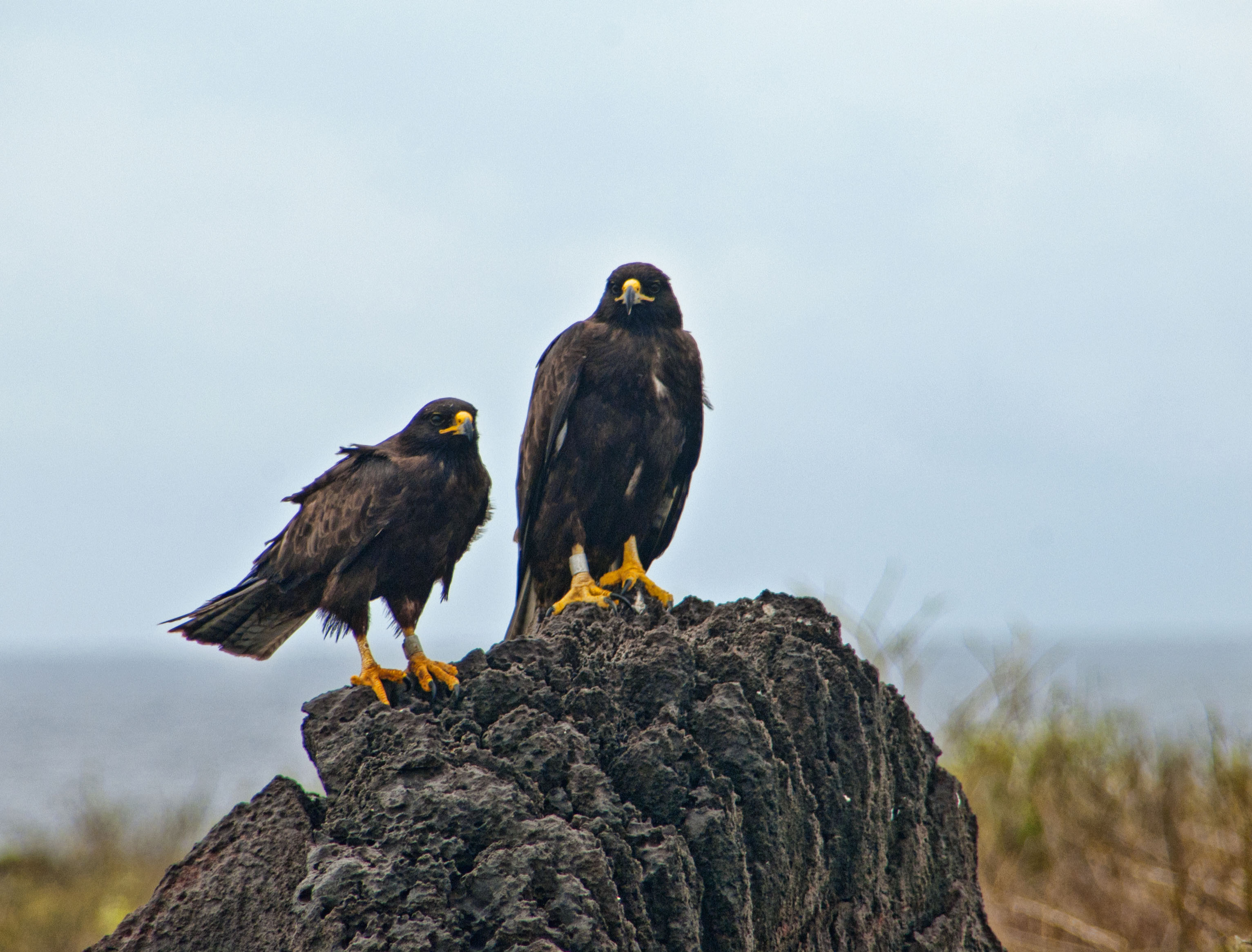
On Hood we also saw some Galapagos Hawks who are the top predator here.
Punta Suarez was also a great place to see birds in flight. We were treated to flybys off boobies, albatrosses and Tropic birds.
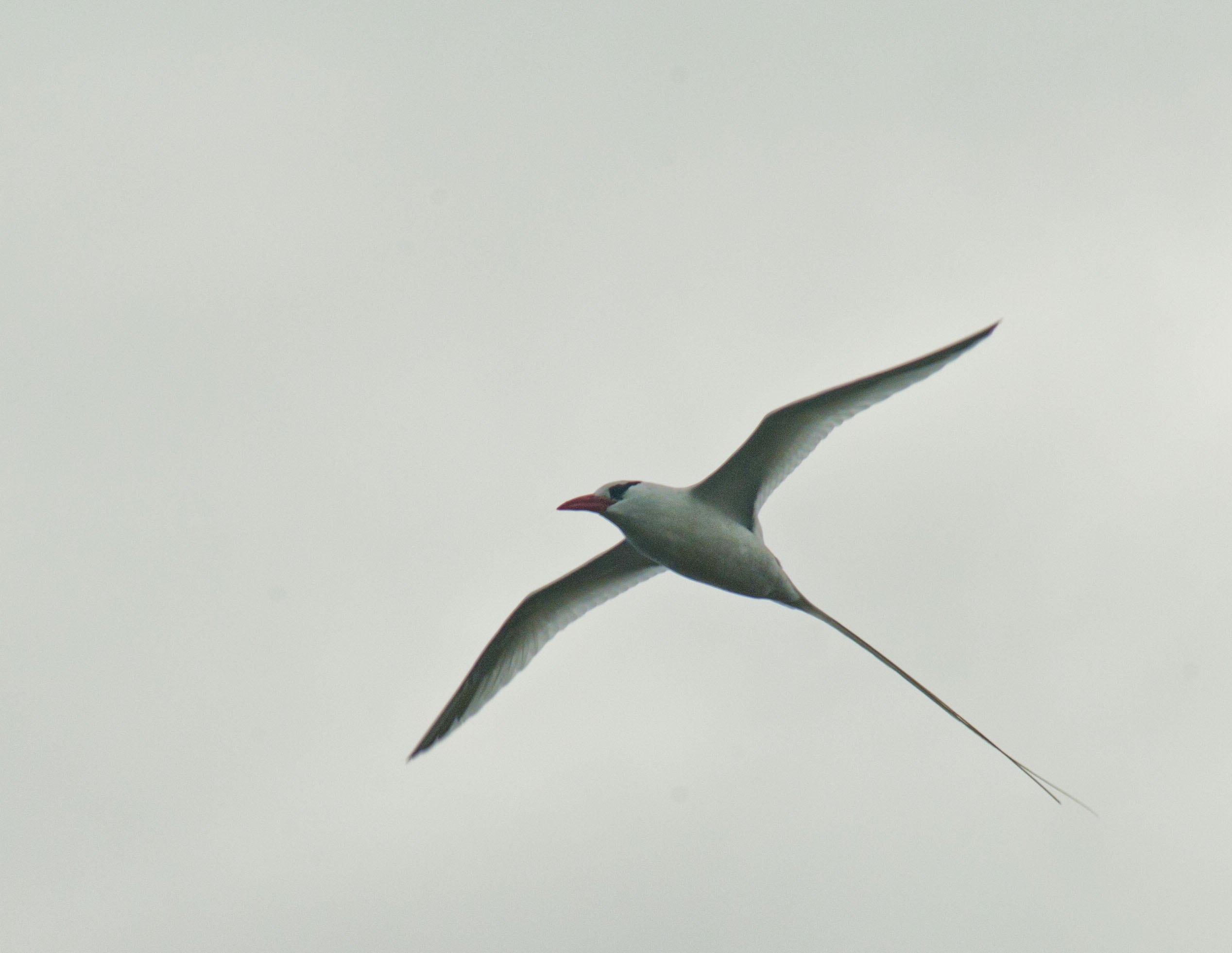
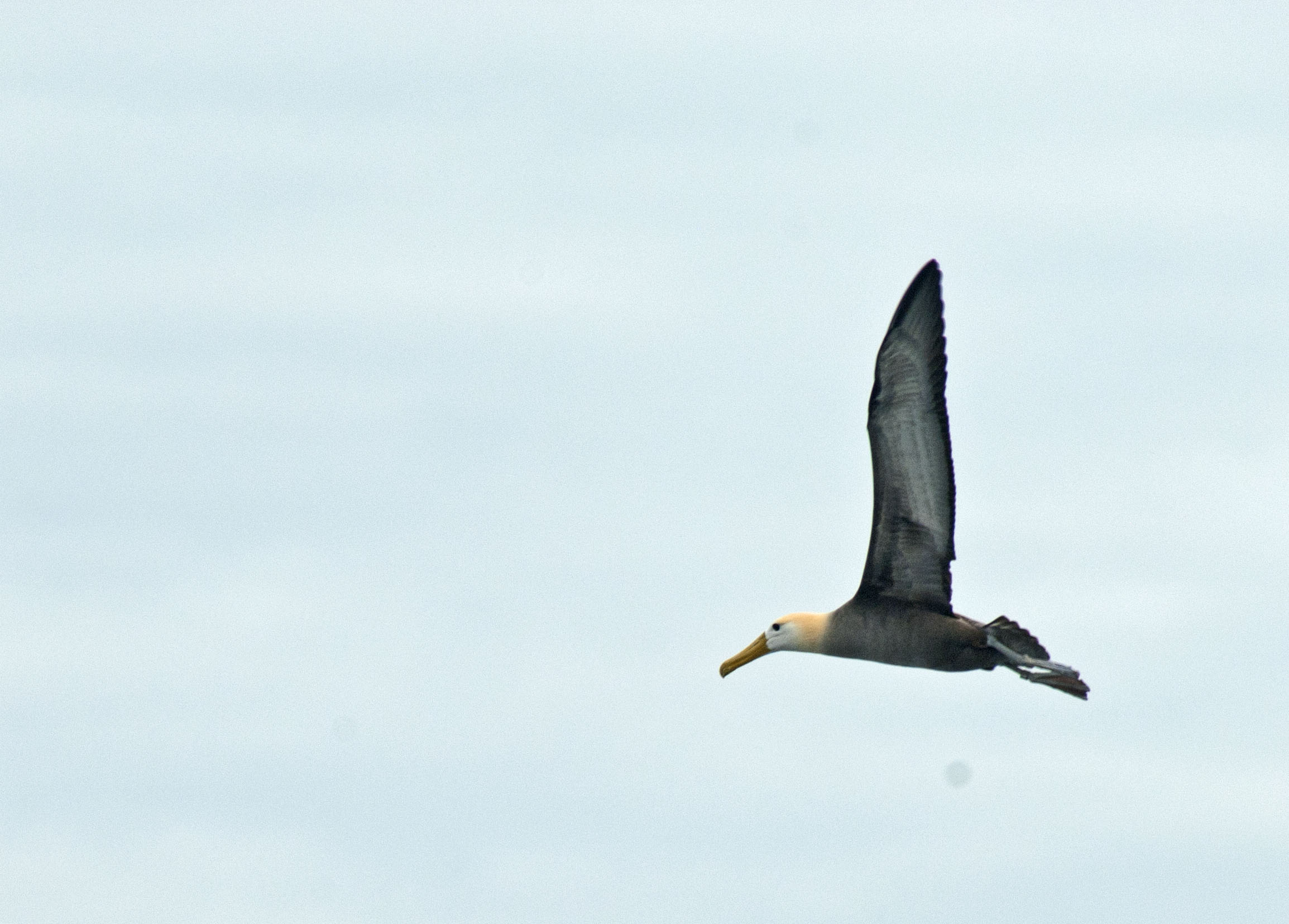
This area of the island is really quite amazing as there were birds everywhere. This is down to the lack of predators in the food chain. The birds are almost completely unafraid of people and you can approach really closely.
On day 3 we spent the whole day at San Christobal Island. This is one of the bigger Galapagos islands and is the political capital of the islands.
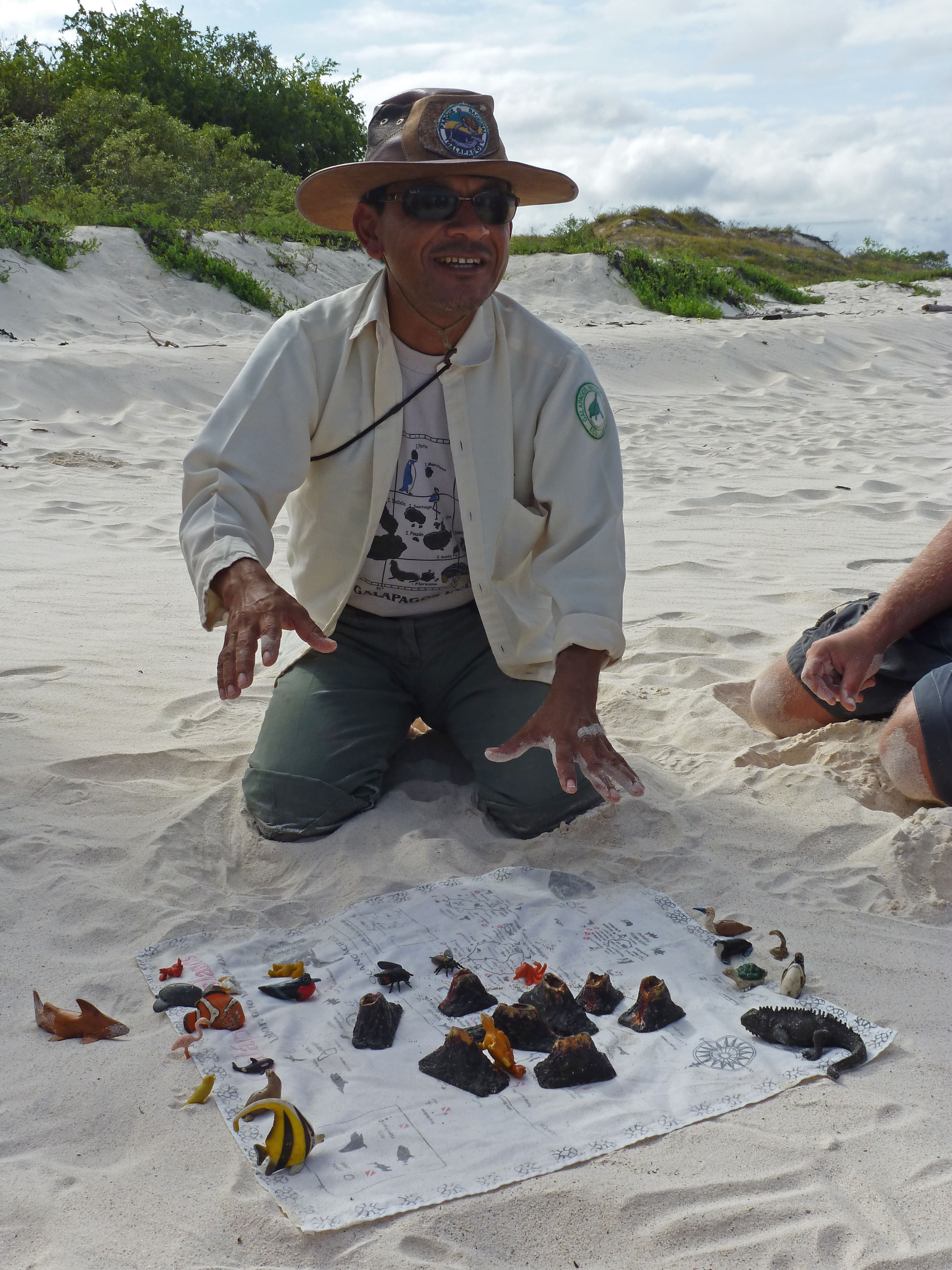
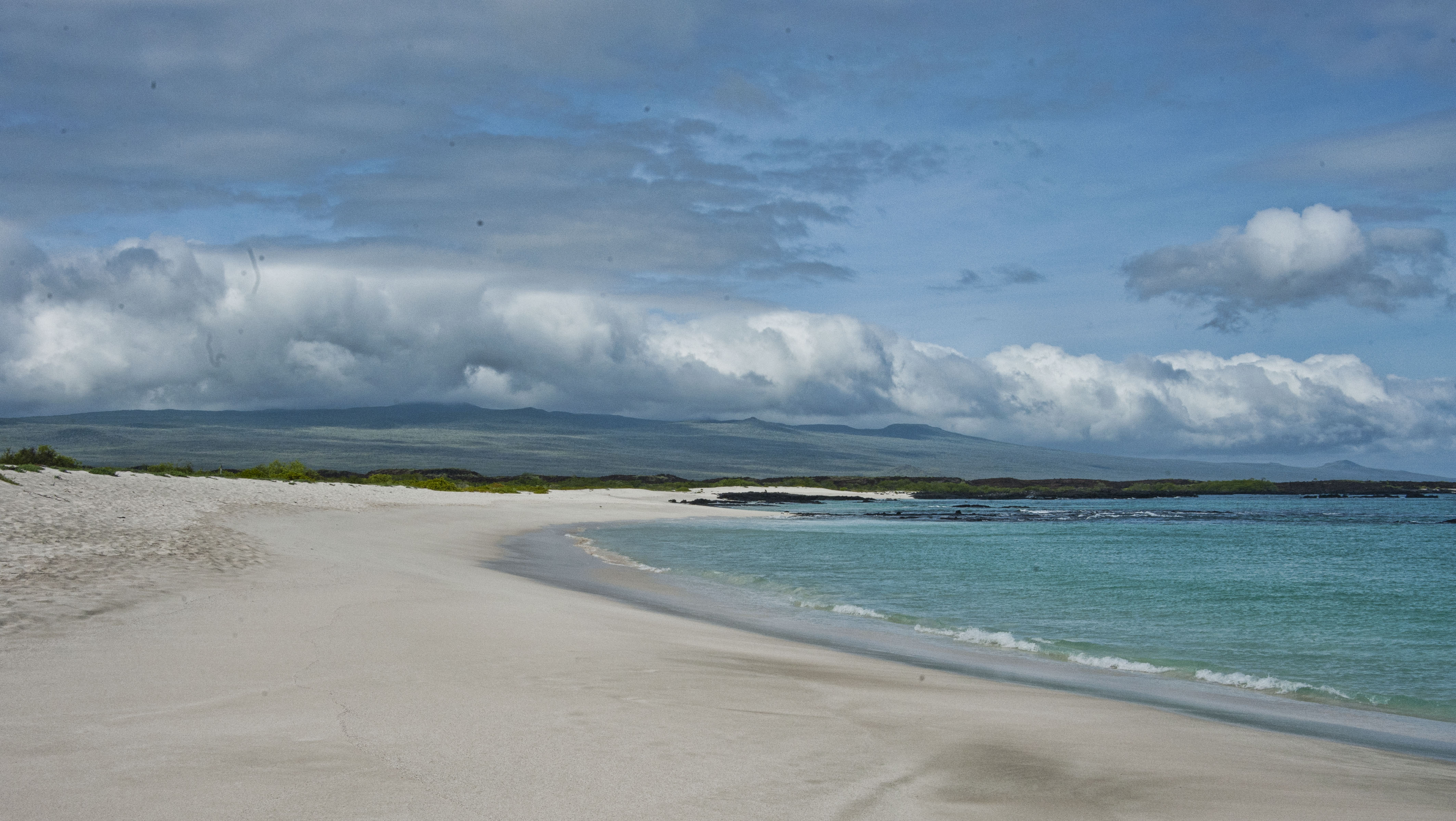
Our first visit was to a beach at a bay called Cerro Brurujo. Our guide, Juan, spent some time explaining the creation of the Galapagos from a volcanic hotspot under the pacific and the reasons for the spread of animals across the archipelago.
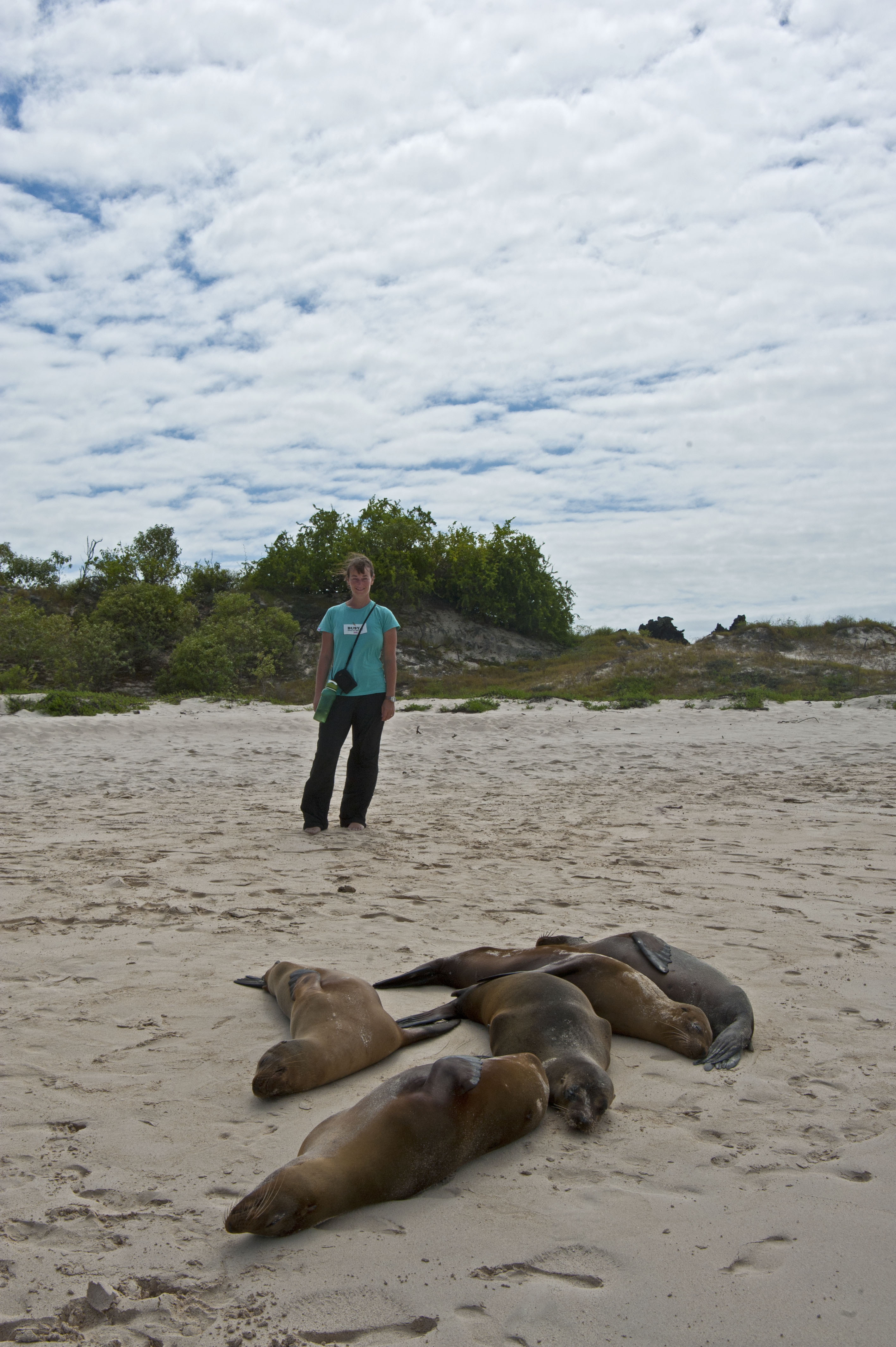
On the beach we found a lot of sealions (there are more than 10 thousand in the Galapagos) and some shore birds.
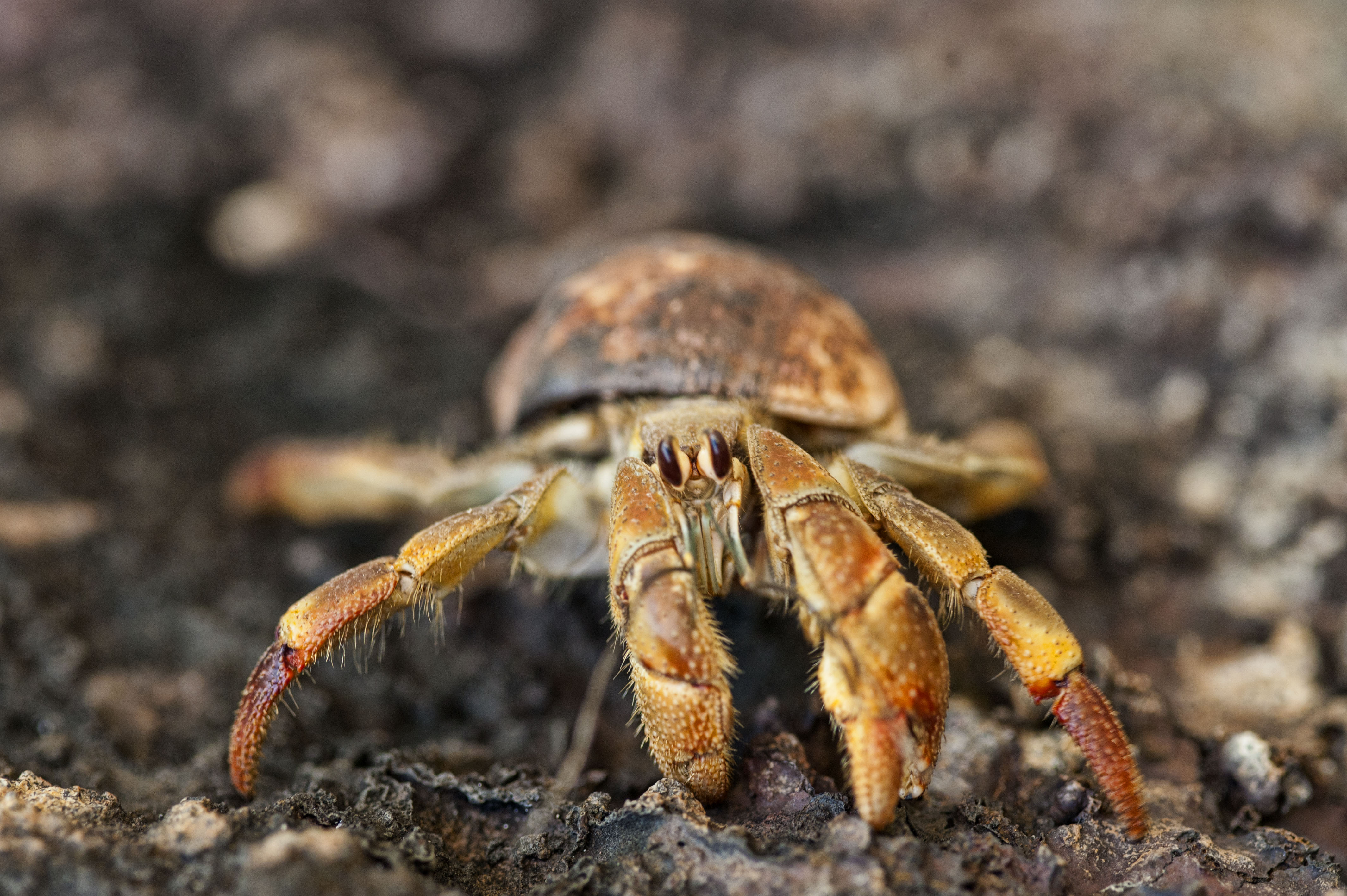
We did find a couple of unusual things. Firstly a land hermit crab looking for a shell.
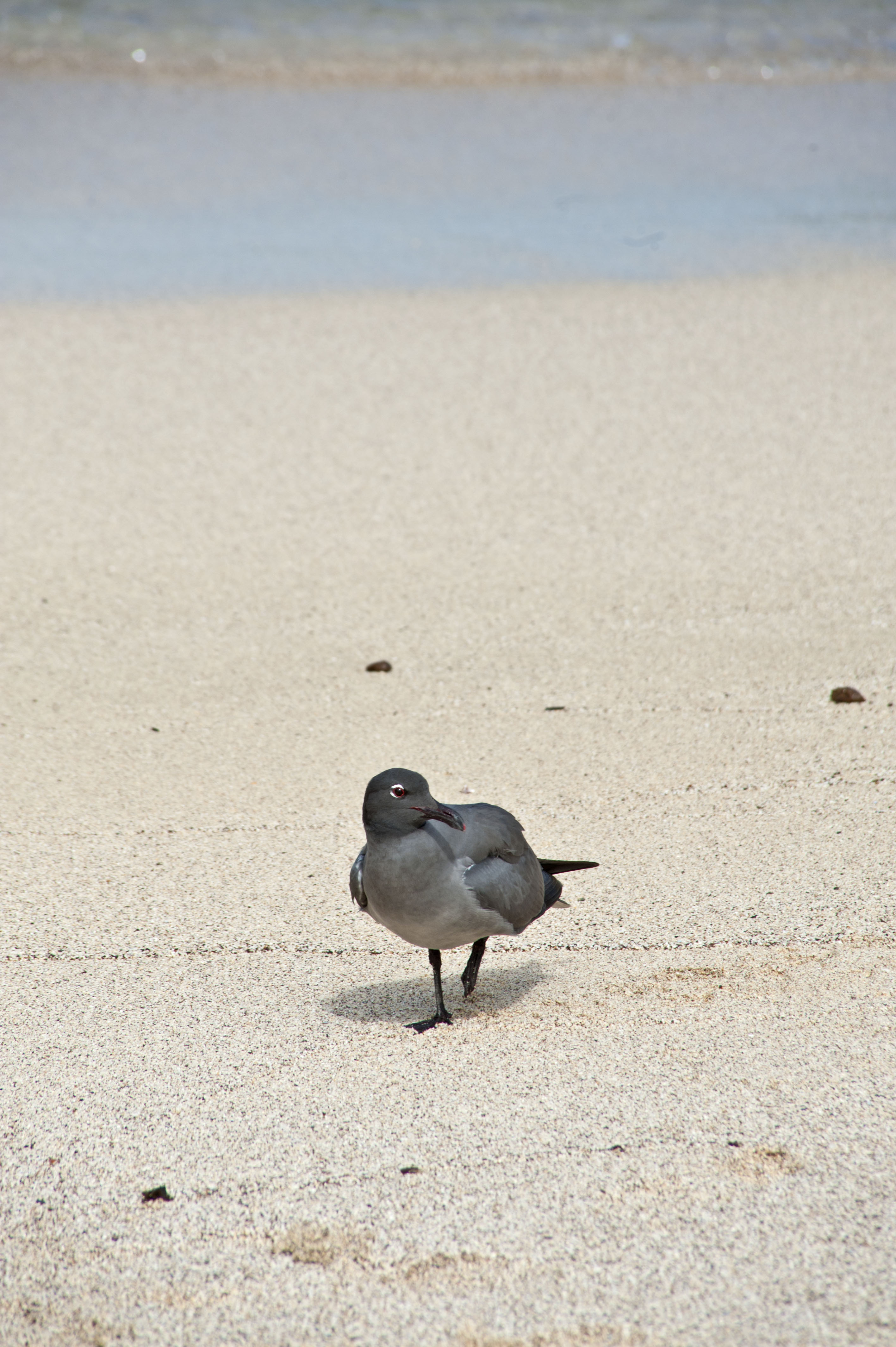
and secondly a lava gull. Lava gulls are rare with only 200 pairs in the world.
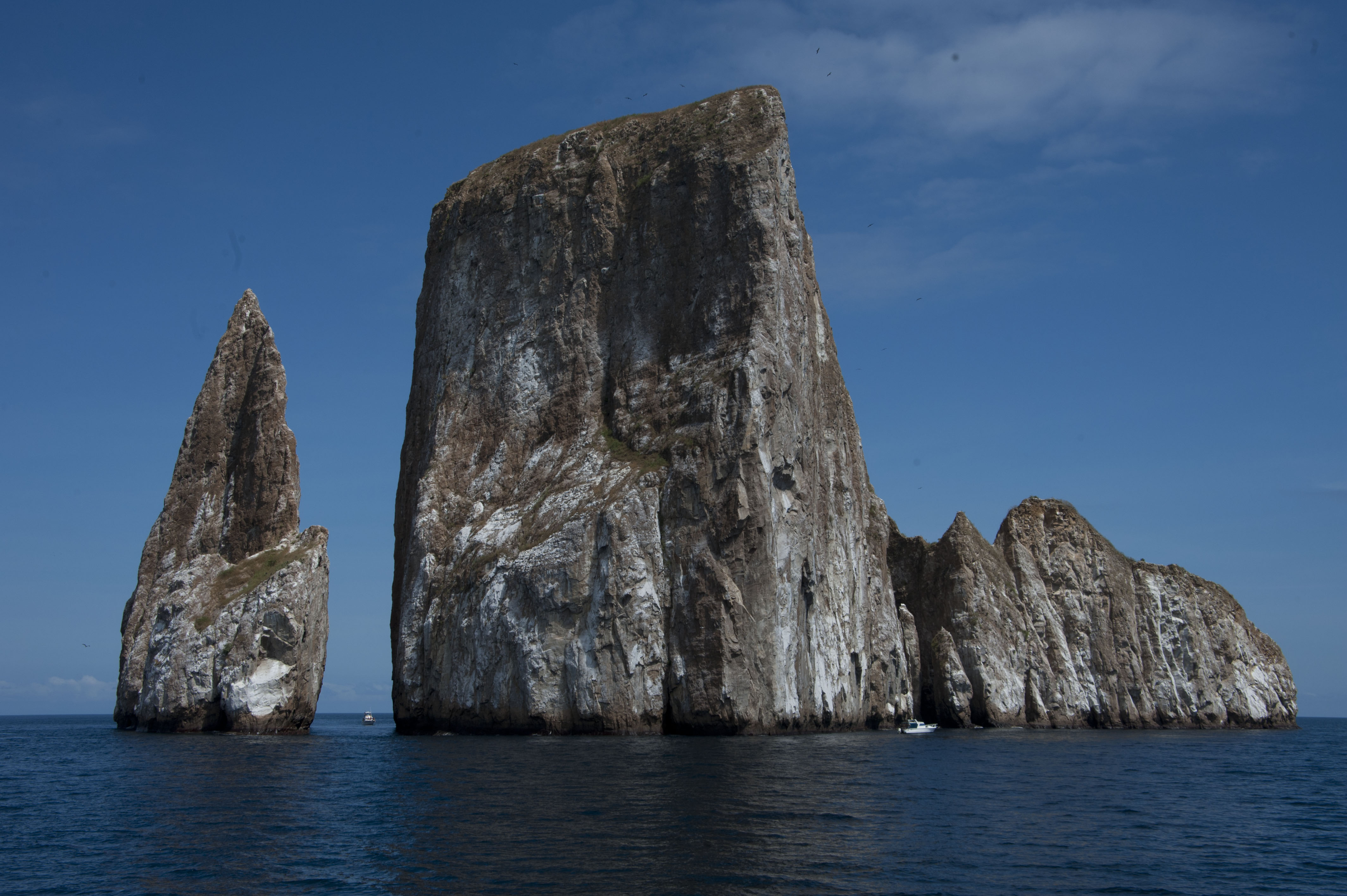
After our time on the beach we sailed a couple of miles to Kicker rock which is a lone rock in middle of deep water.
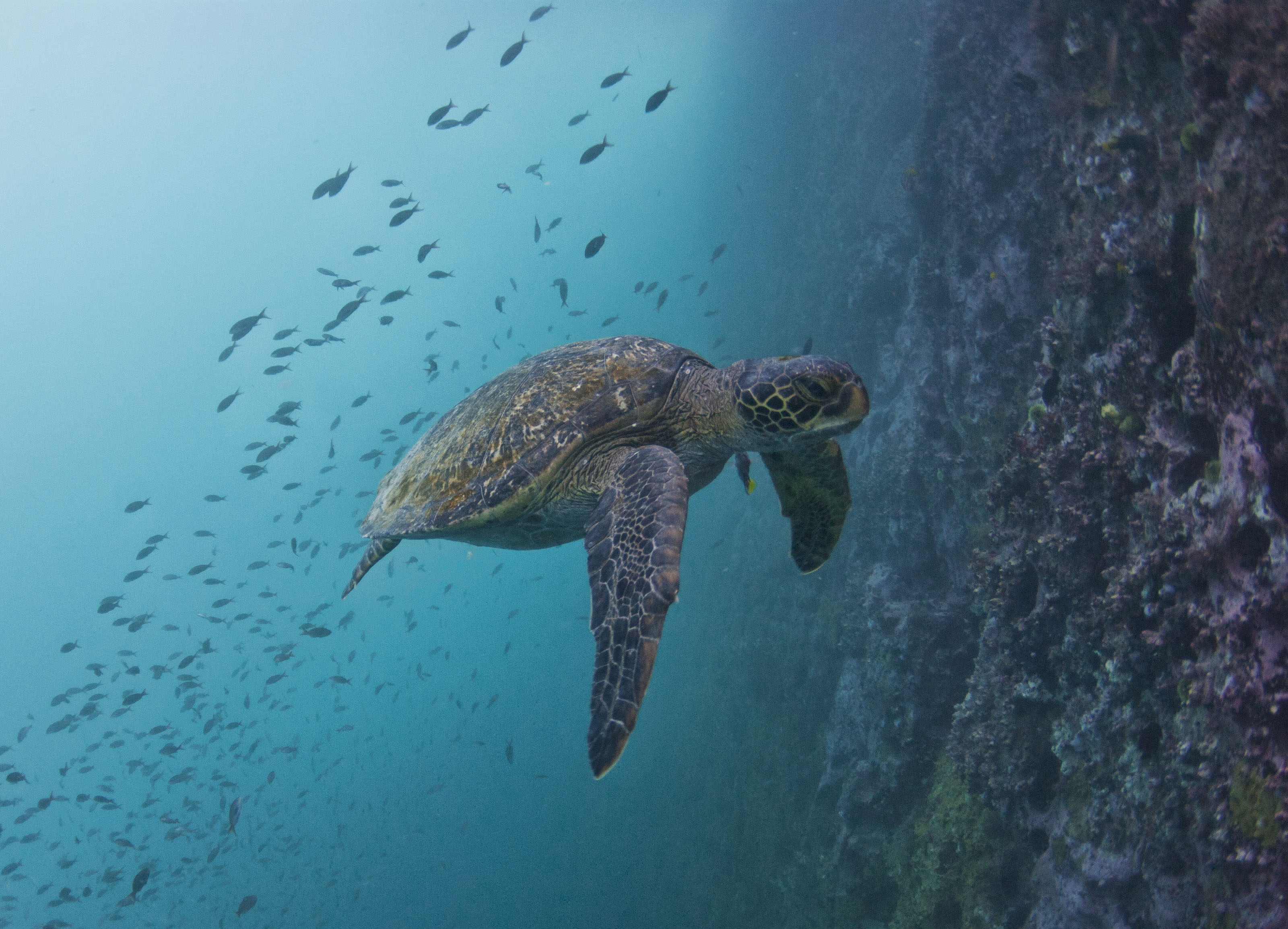
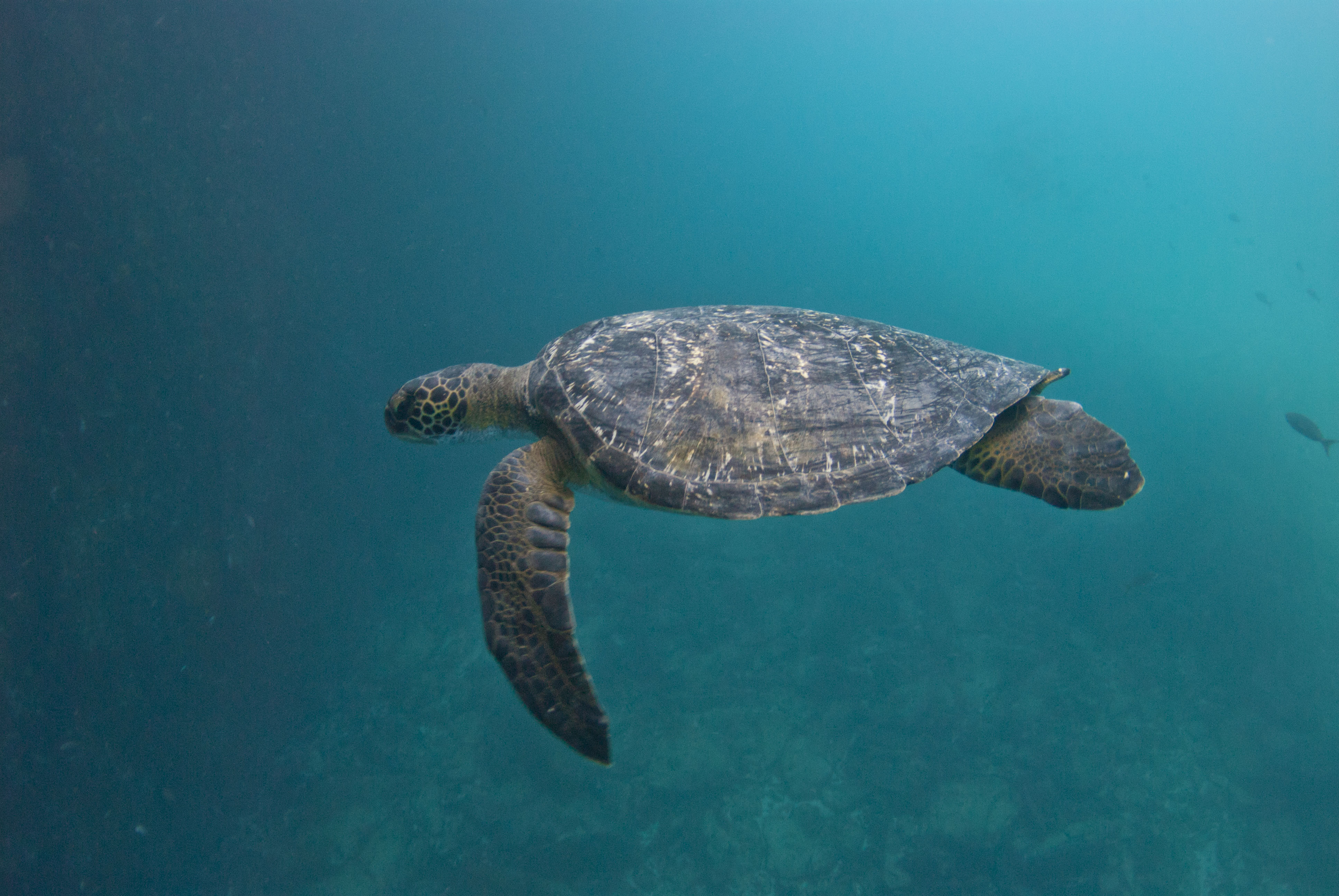
This was our snorkelling destination for today and we circumnavigated the big side of the rock. The snorkelling was great with a really high density of turtles – although the water was deep and rewarded deep free dives.
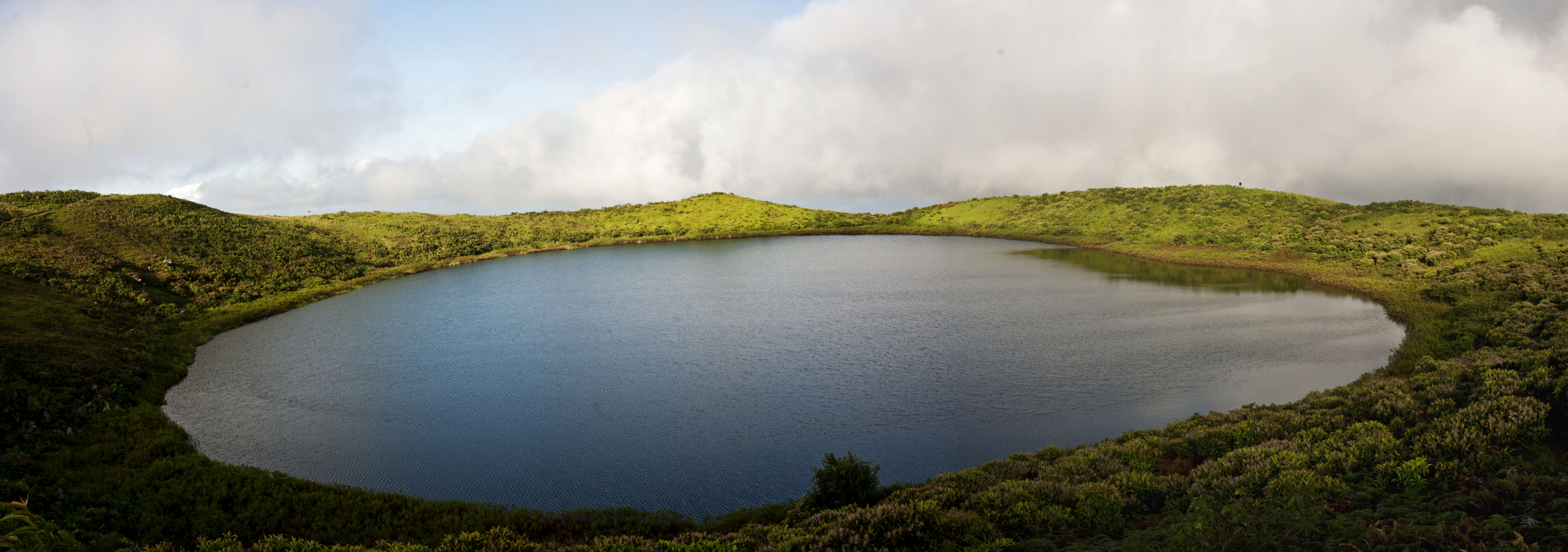
The afternoon excursion was to land at Puerto Baquerizo Moreno, the main town on the island, and visit the Galapagos Interpretation Centre – which to be honest wasn’t very interesting. Then we drove inland to the highland area where there is a volcanic crater lake called Junco Lake. This is notable because frigate birds come to wash their wings in the water. They can’t land on the water though so they have to dip their wings in flybys.
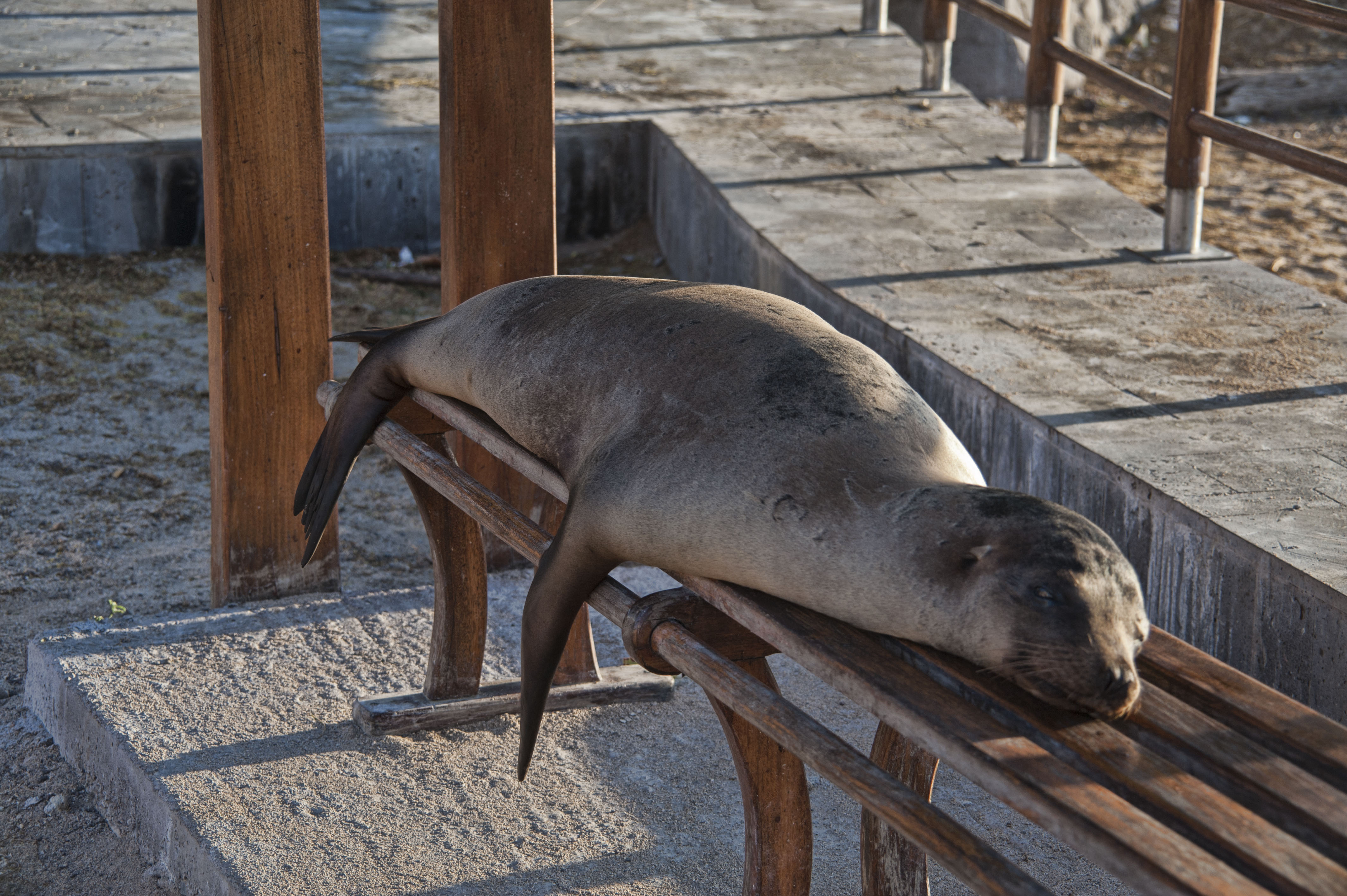
After returning to the town we had an hour or so to wander round. Most shops were shut because it was Sunday but the main point of interest in the town was the apparent invasion by sealions. They were everywhere.
Galapagos Cruise – Day 2: Santa Fe and South Plaza
Day 2 of our cruise saw us having moved overnight (most nights the boat moved for some portion of the night to ensure that we didn’t waste time during the day). This was mostly ok but there were a couple of fairly rough nights and we were there in the flat season.
We woke up in the morning at the small island of Santa Fe. Our morning excursion was to land on a small beach on the island and then walk a loop trail into the island.
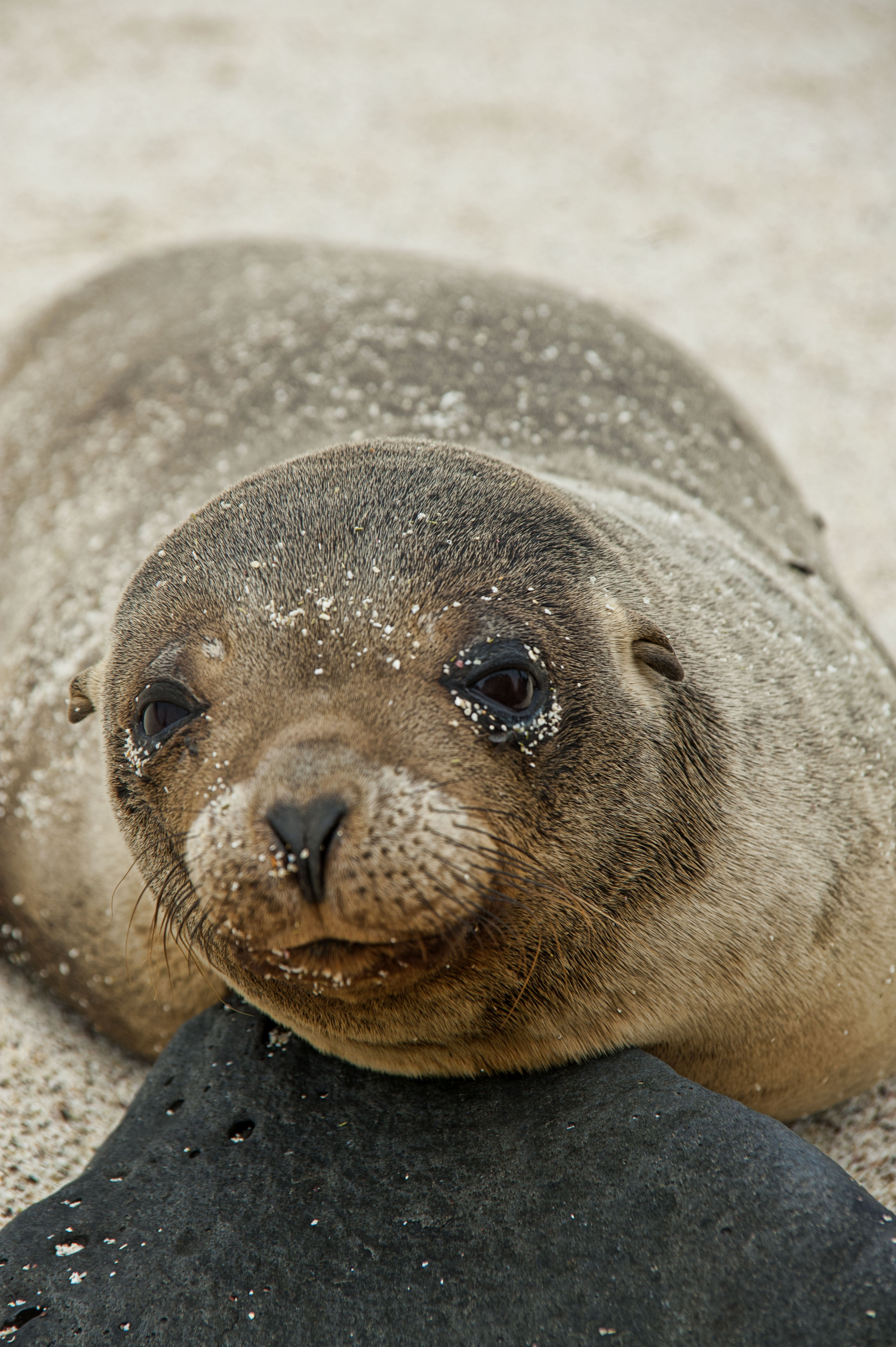
The beach had a large number of sealions on it, with a few pups playing in the shallows. The sealions were very relaxed and allowed us to approach very closely – as long as you watch out for the bull who controls a harem of up to 30 females and can be a bit protective.
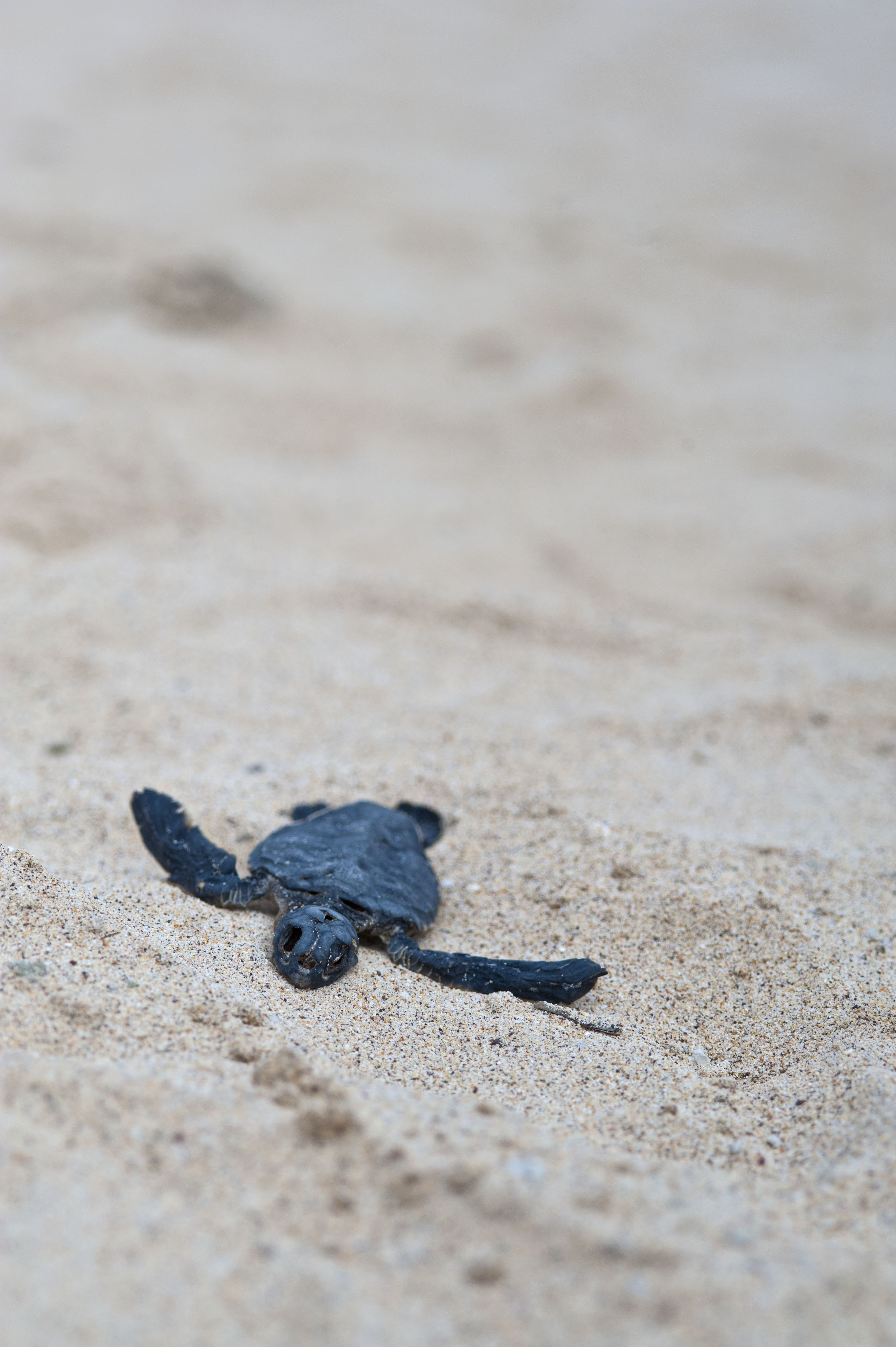
On the beach we found a dead baby turtle which never made it to the sea after hatching.
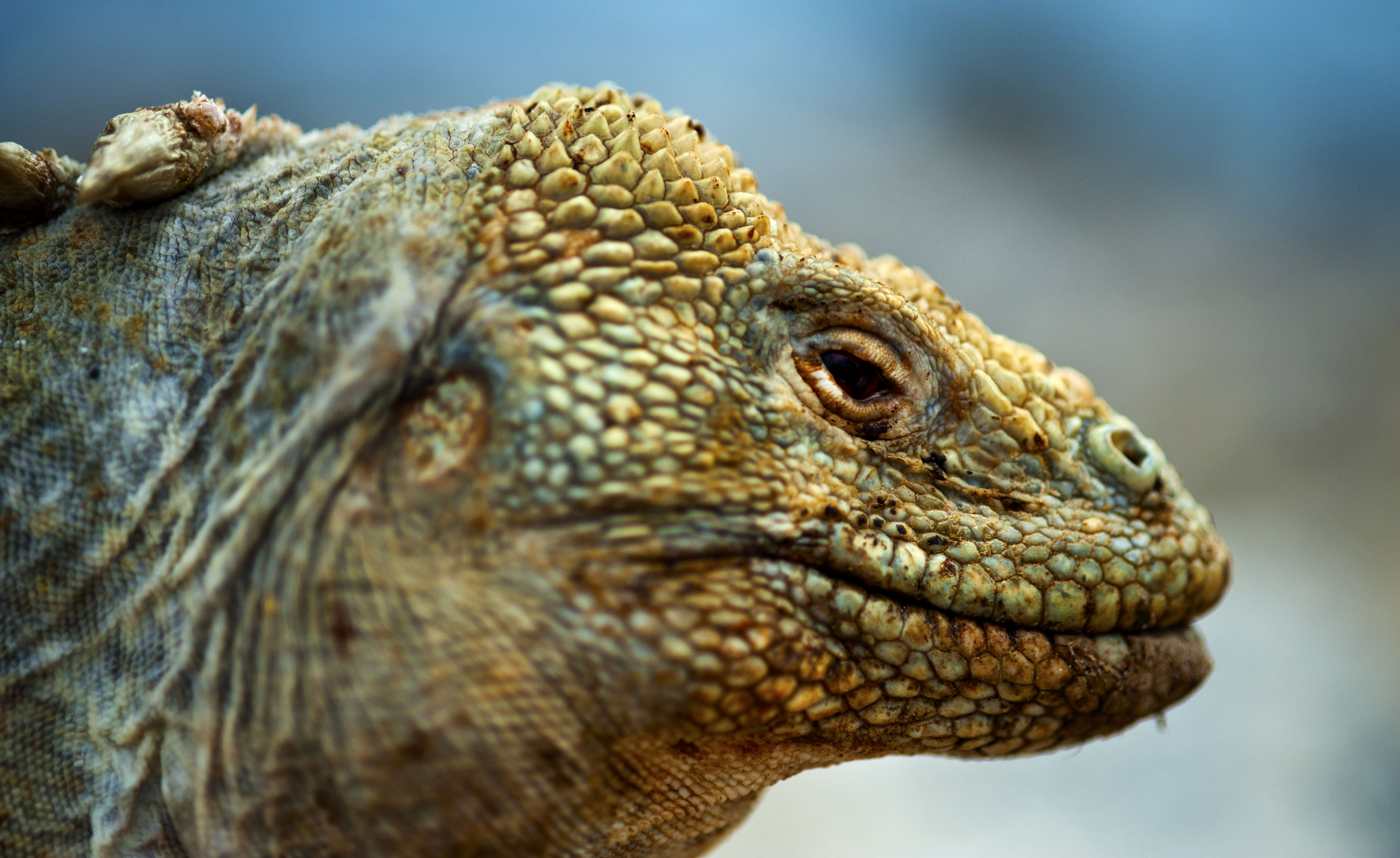
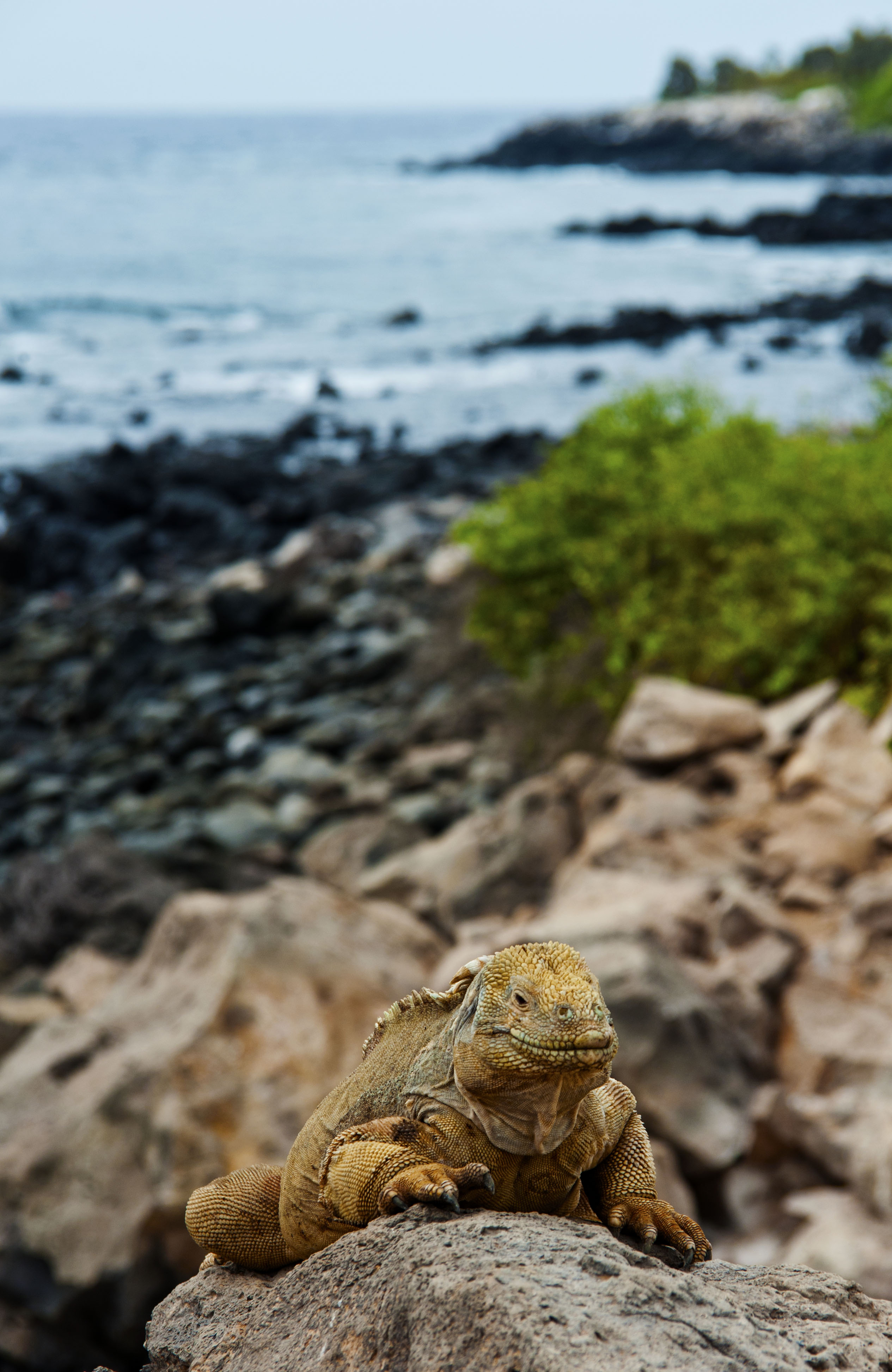
Once inland we were looking for the very rare Santa Fe Land Iguana. We saw one under the bushes by the side of the path and were considering ourselves very lucky. However as we moved down the path we kept seeing them, each successive one in a more photogenic place. By the end of the walk we didn’t believe our guides assertion that they were rare.
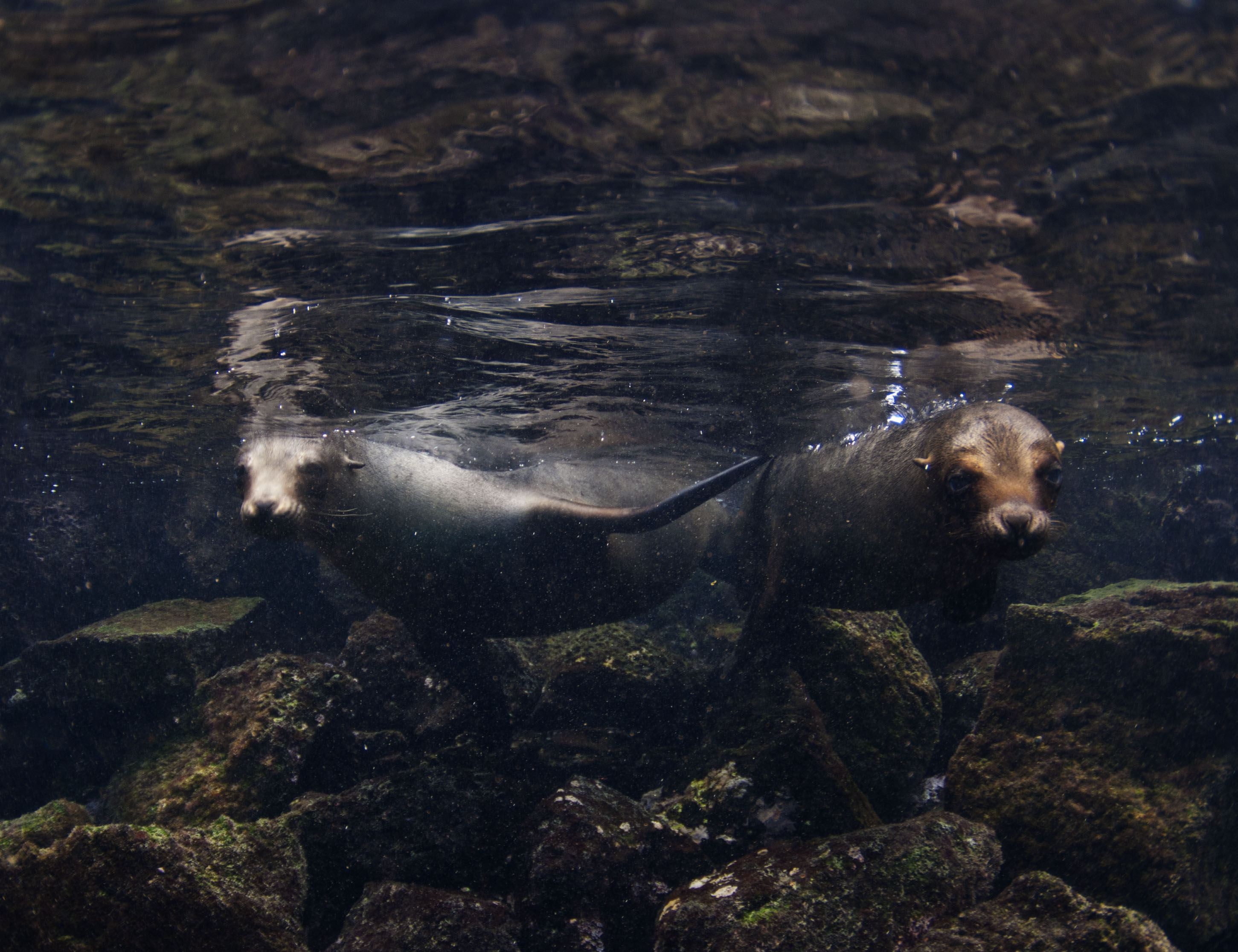
Once back on the boat after our land excursion it was time for a snorkelling trip in the bay of Santa Fe. The visibility wasn’t very good but there were a number of sealions ready to play which was fun.
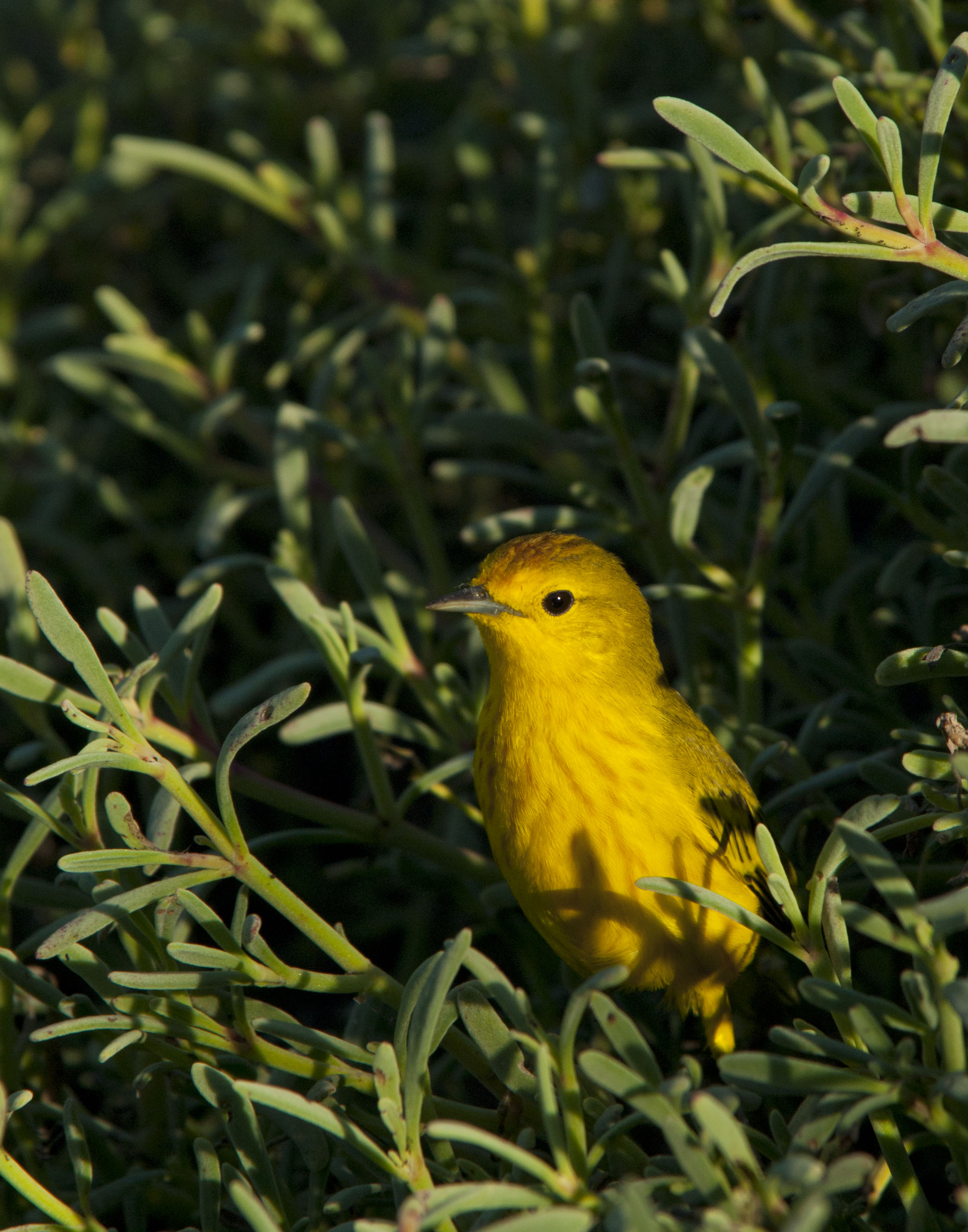
Over lunch the boat moved to the small island of South Plaza where we had our second land excursion of the day. This was really about birds although there were lots of sealions and land iguanas about (the same species as on Santa Cruz).
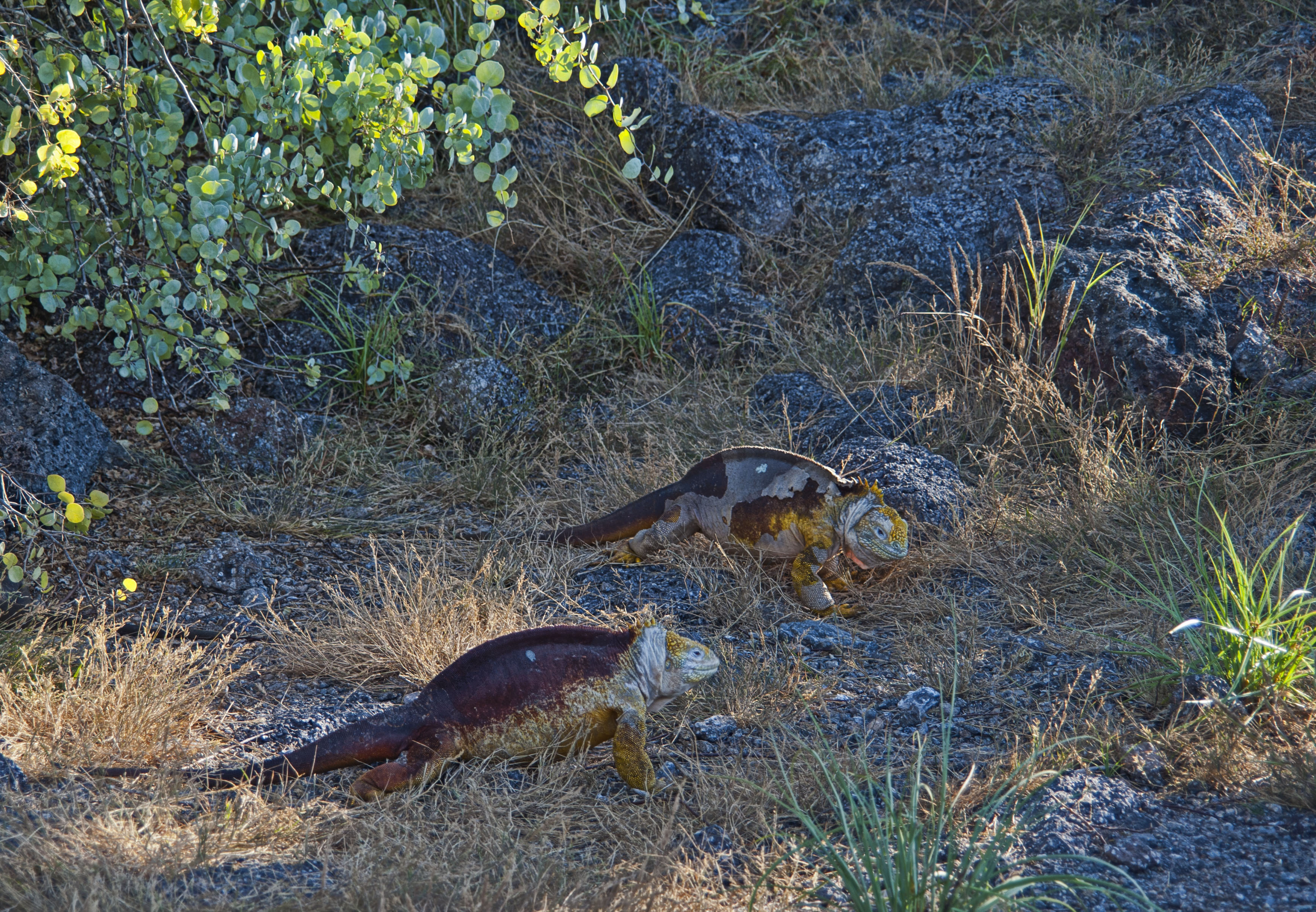
As soon as we landed we discovered to land iguanas competing over a female. They were posturing – making themselves as big as possible – before a potential fight. However they can posture for hours so we didn’t see the actual fight.
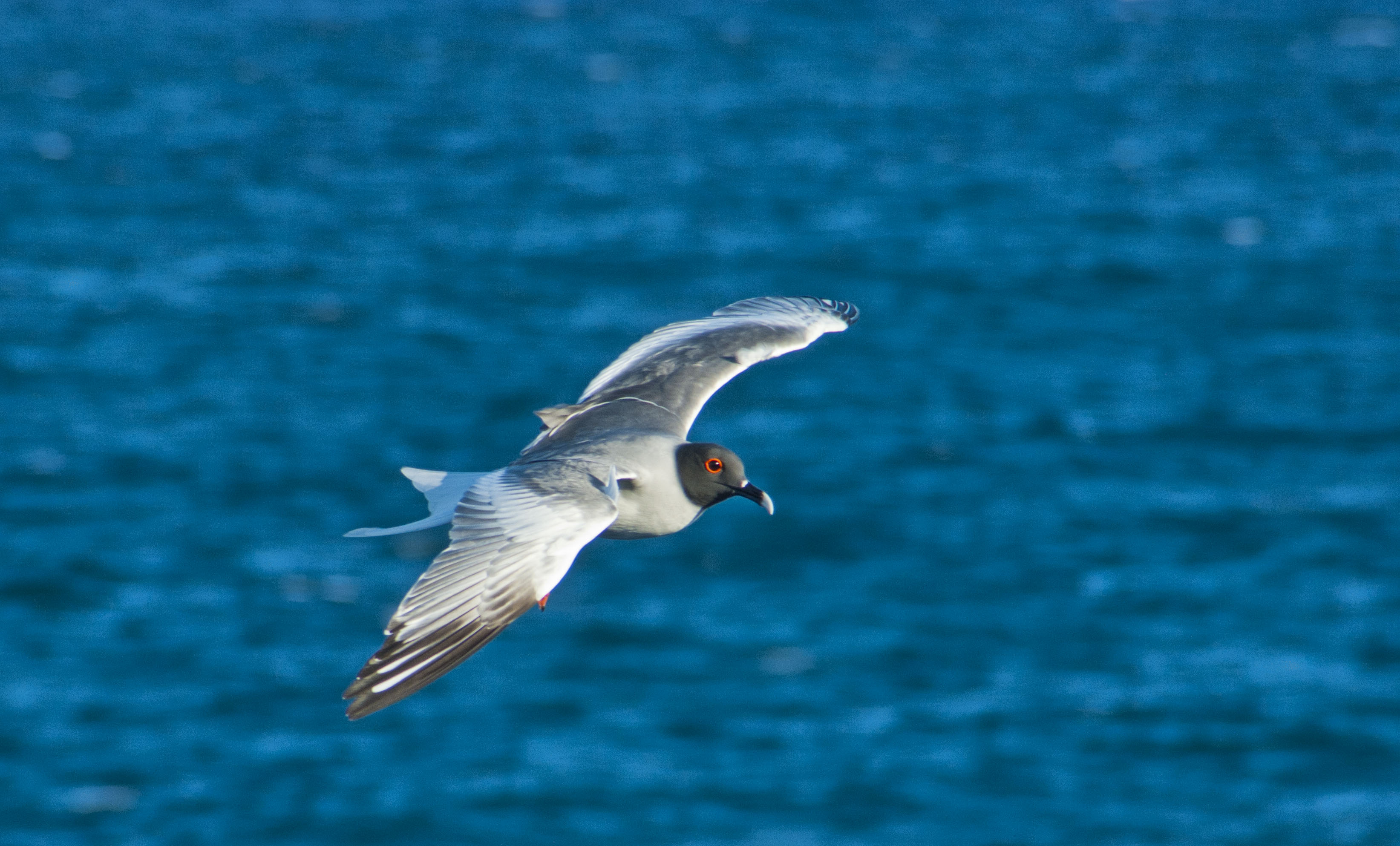
On the sea cliffs on the back end of the island there was a riot of seabirds. There were large numbers of swallow tailed gulls but also fast moving Galapagos shearwaters and Magnificent frigate birds soaring overhead.
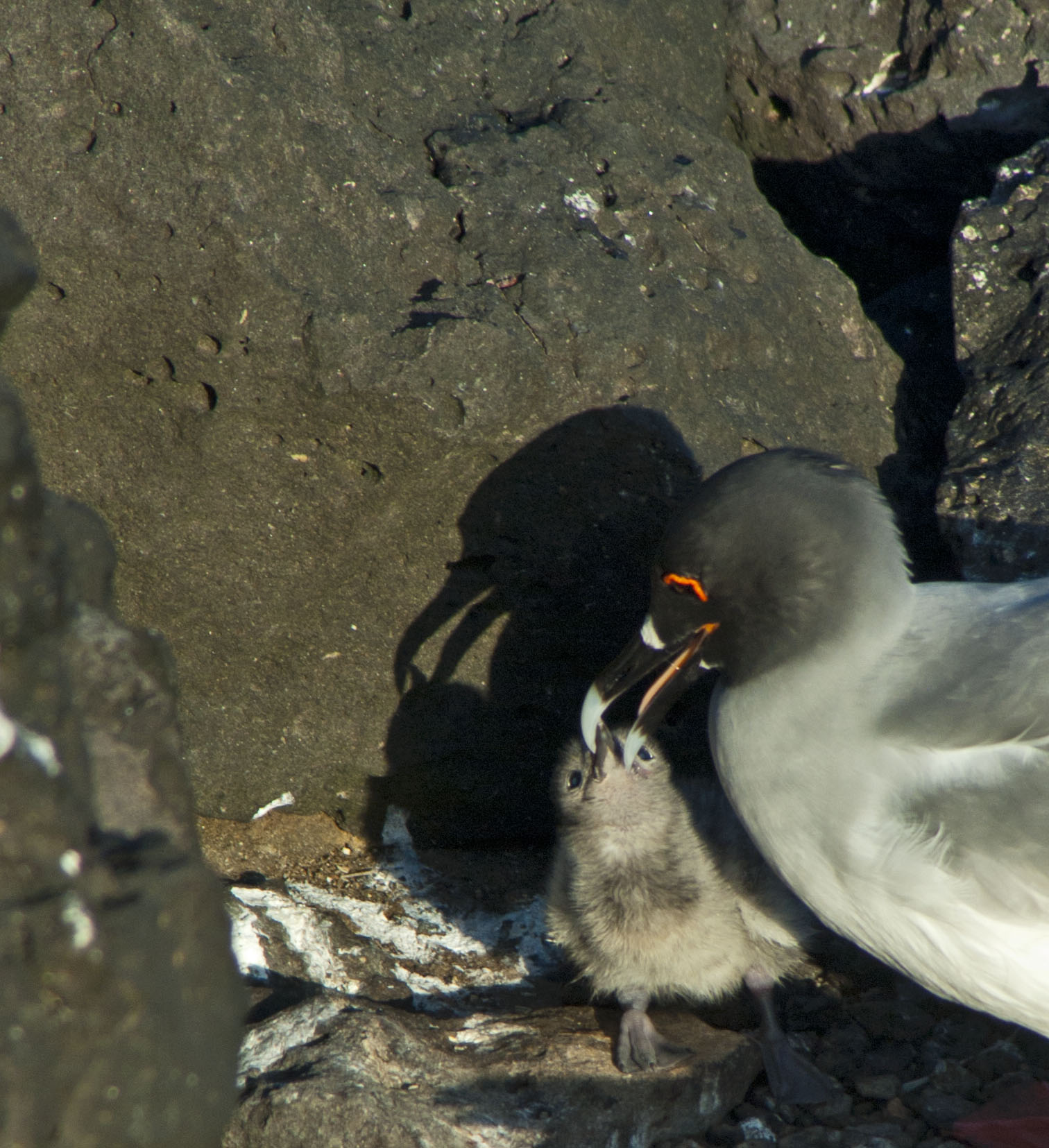
We were lucky enough to see a pair of swallow tailed gulls with a days old chick.
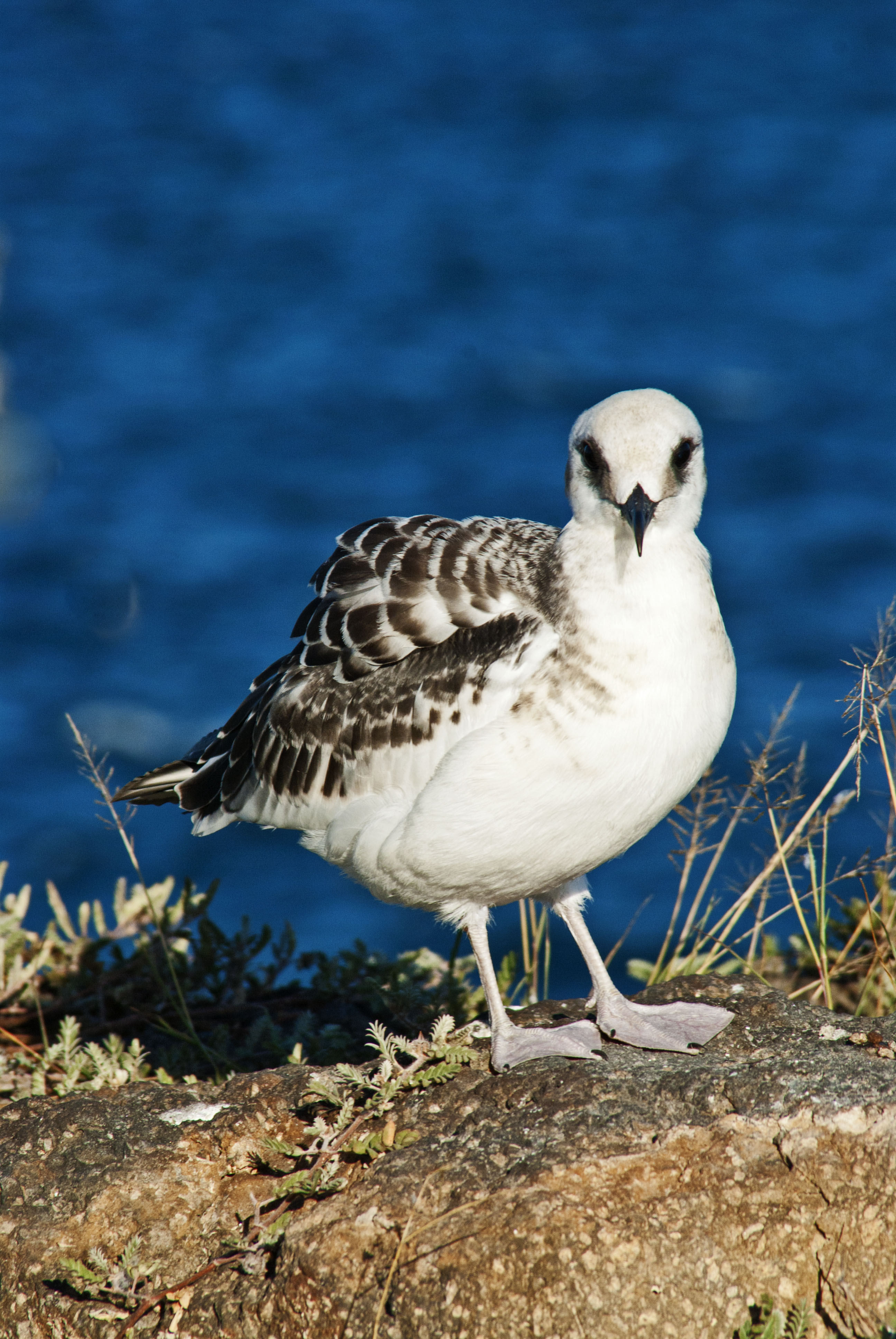
The chicks get big quickly and soon are as large as the parents although it still takes time for them to become self-sufficient.
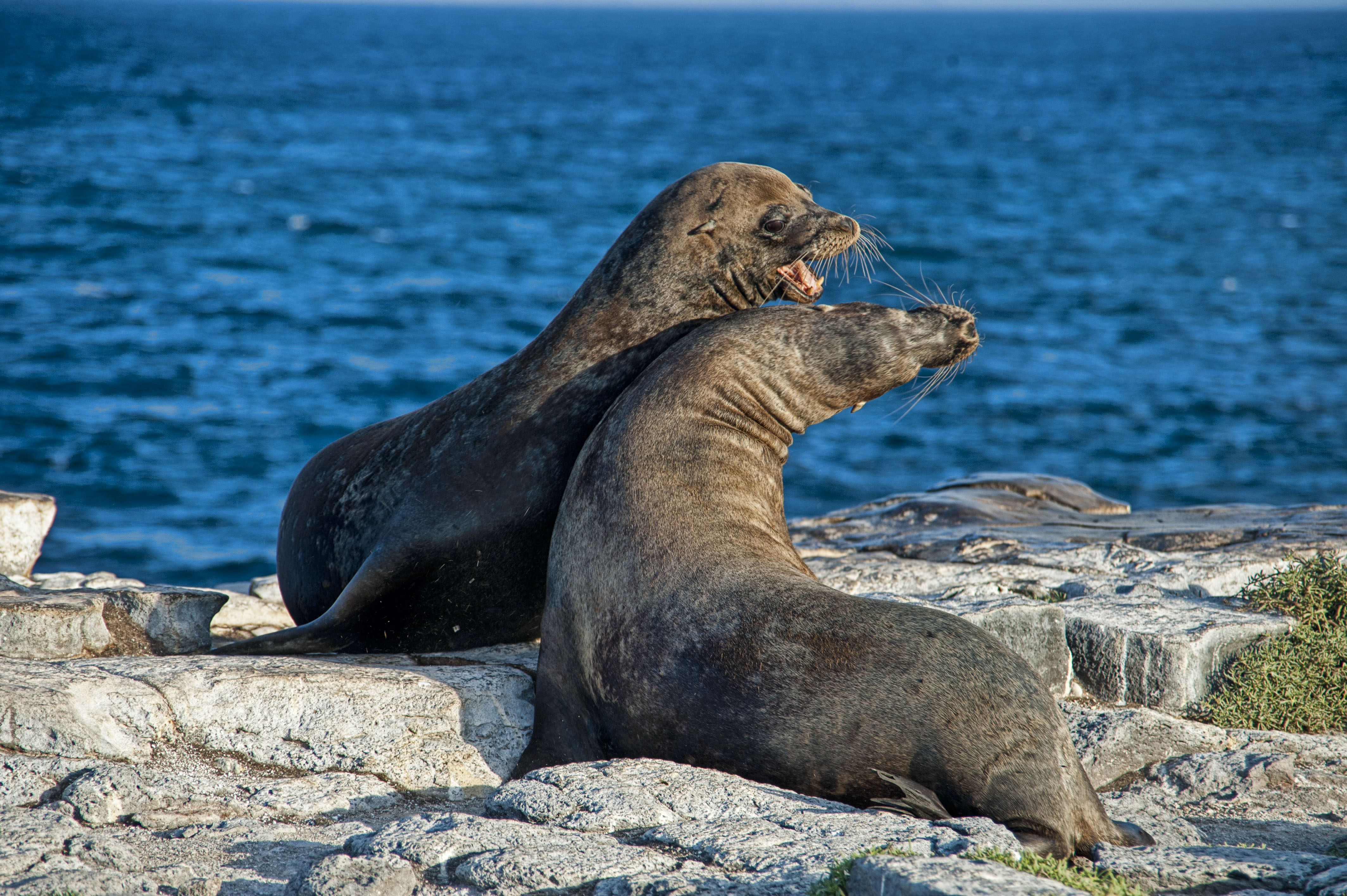
High up on the cliffs at one end of the island is a colony for Bachelor Sea Lions who aren’t strong enough to challenge for females yet. The mock fight with each other to train their skills for one they feel they can compete.
Galapagos Cruise: Day 1 – Cerro Dragon

We set out early from Puerto Ayora to get back to the airport on Baltra. This is a bit of a pain and involves a 40 minute taxi trip across Santa Cruz, followed by a 10 minute ferry trip and then a 10 minute bus trip to the airport. When we arrived we quickly hooked up with the representative from the boat and after hanging around for half an hour or so all the people going on the boat had arrived.
Once everyone was together we had to hop back on a bus to the dock and then wait around for the Pangas from the boat to pick us up and take us out into the Itabaca channel where the boat was waiting.
We had arranged to spend a week on the Yate Beluga travelling around a number of islands in the Galapagos. We’d booked our trip to the Galapagos before leaving home as we wanted to make sure that we got the itinerary and boat that we really wanted.
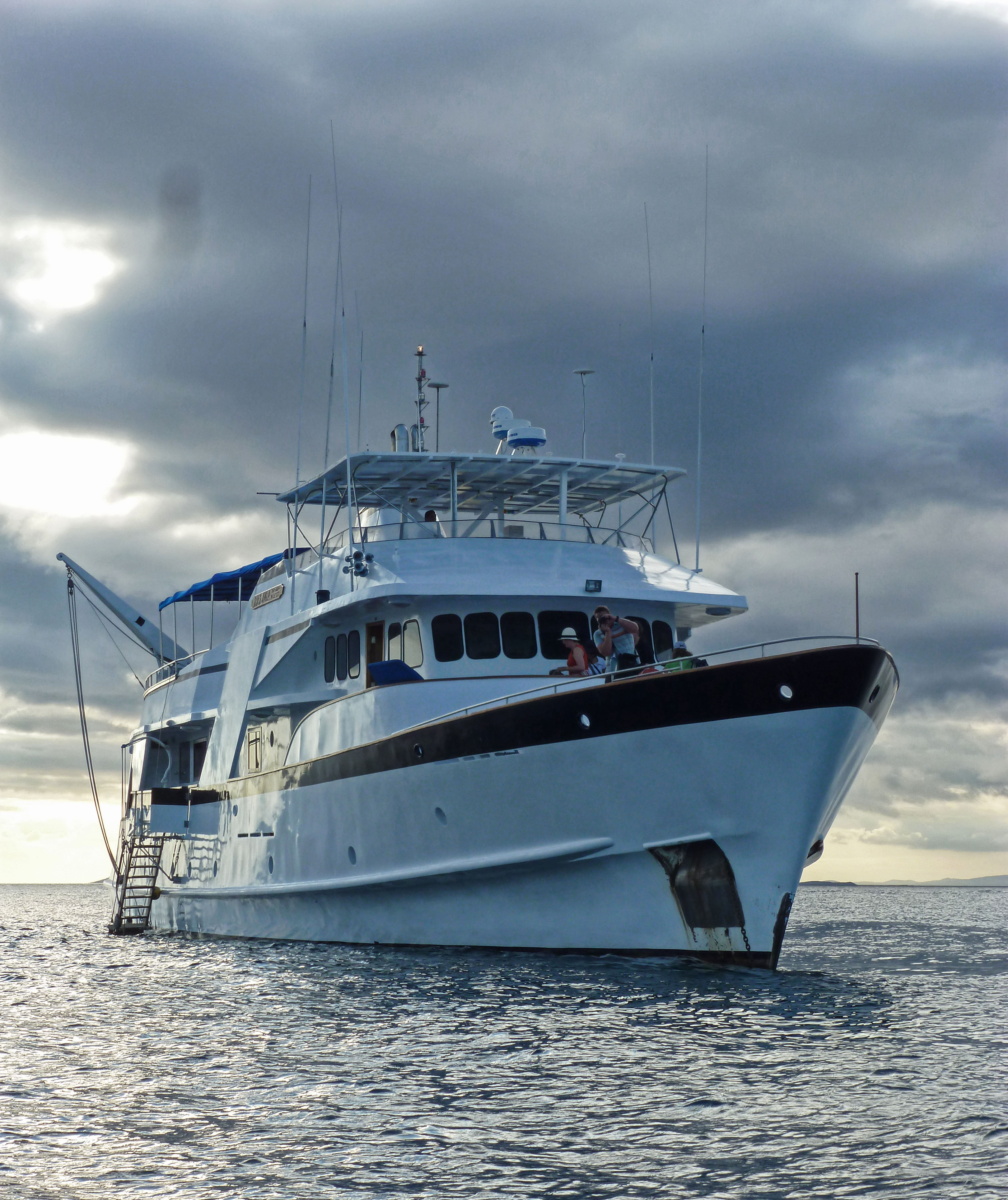
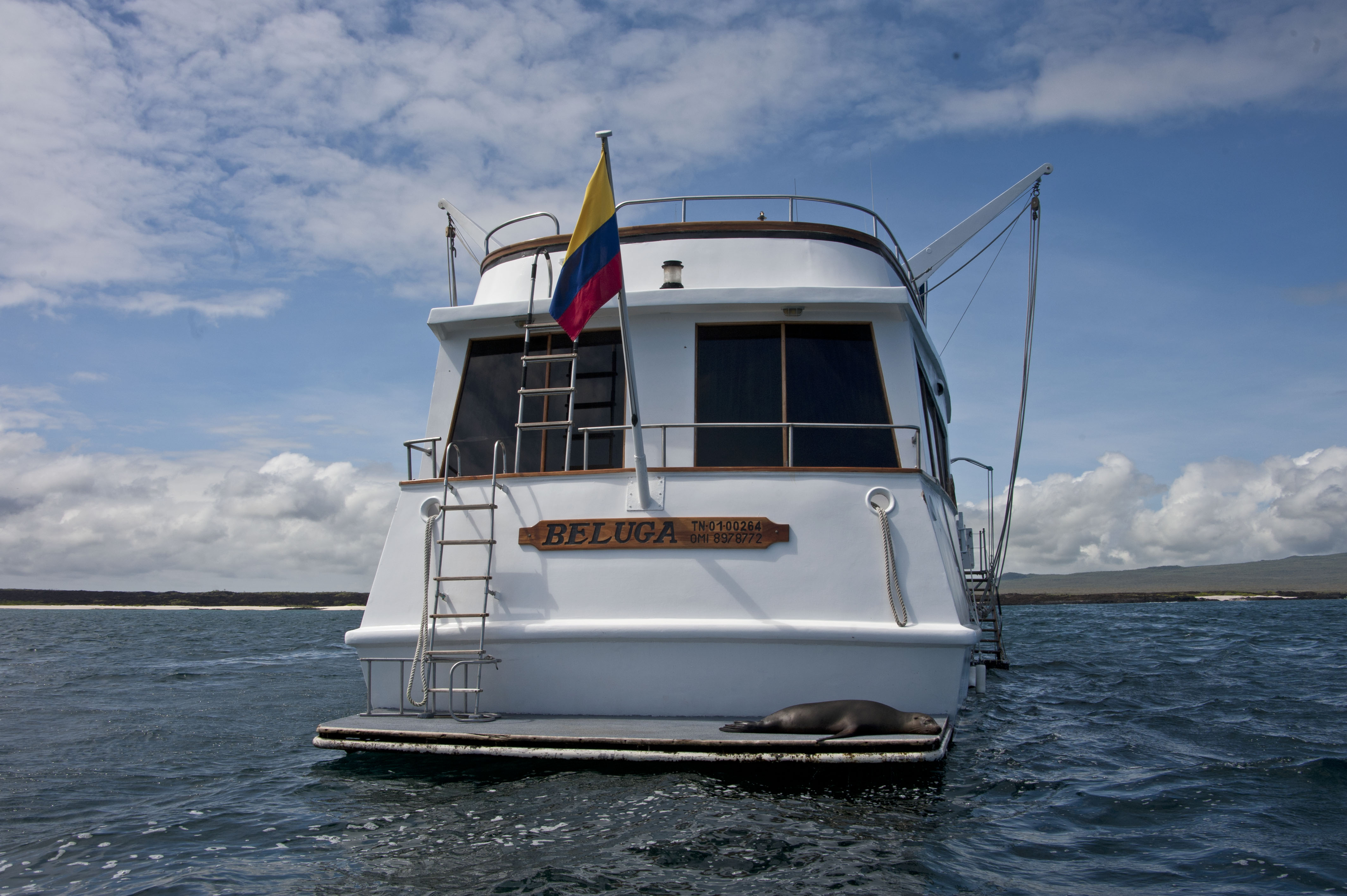
The Beluga is a First Class boat and this was reflected in the high quality guide that we had and the facilities on the boat. However Beluga is a small boat with only space for 16 passengers and in fact this week there were only 12 onboard. Besides us there were 6 Germans, 2 Canadians and 2 Americans. Fortunately everyone spoke good English so there was no doubt that English would be the main language for the week.

As soon as the boat set off we had our first encounter with Galapagos wildlife as there were a number of magnificent frigate birds perched on the top of the boat.

Almost as soon as we were settled on the boat we were taken to our first land excursion. This was to an undeveloped area of Santa Cruz called Dragon Hill.

The boat itself never docks but instead there were two small RIBs used to ferry us ashore with a mixture of wet and dry landings.

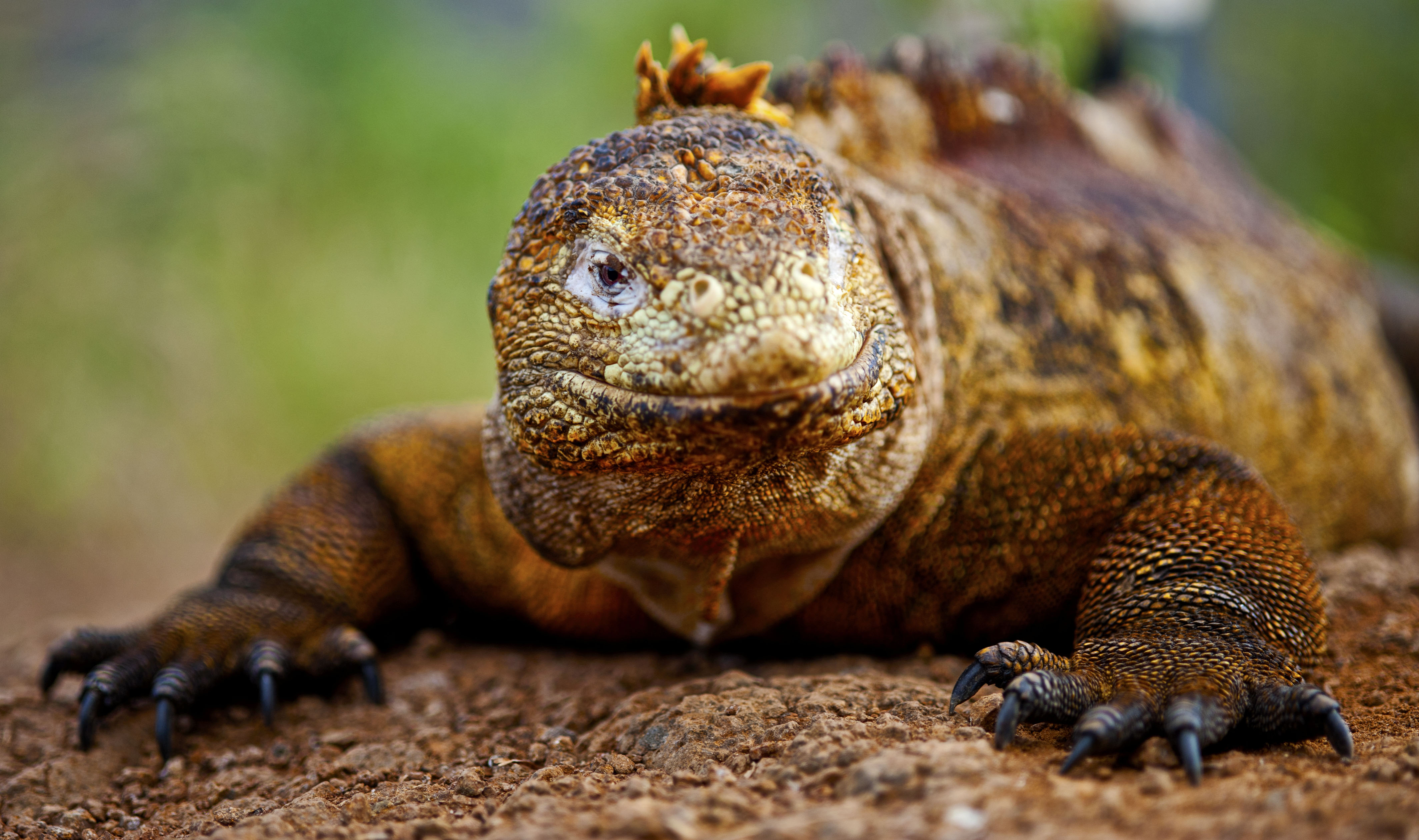
The prime focus of our trip to Dragon Hill was to find the Santa Cruz Land Iguanas. These were big and Yellow living up to 100 years. We saw several in our hike and they weren’t bothered by people at all, in fact they seemed pretty loathe to move at all.
Galapagos – Day 2-4: Santa Cruz and Diving
We had arranged to spend three days in the Galapagos before our cruise started so that I could do some diving at the local sites around Santa Cruz.
I was booked to dive with Scuba Iguana which is one of the two bigger dive centres on the island. We had to meet at 7.20 in the morning in order to have time to get out to the sites.
Of the three days I dived with Scuba Iguana only 1 day did we leave in the boat from the dive centre, the other two we drove across to the Itabaca Channel where the boat was parked overnight.
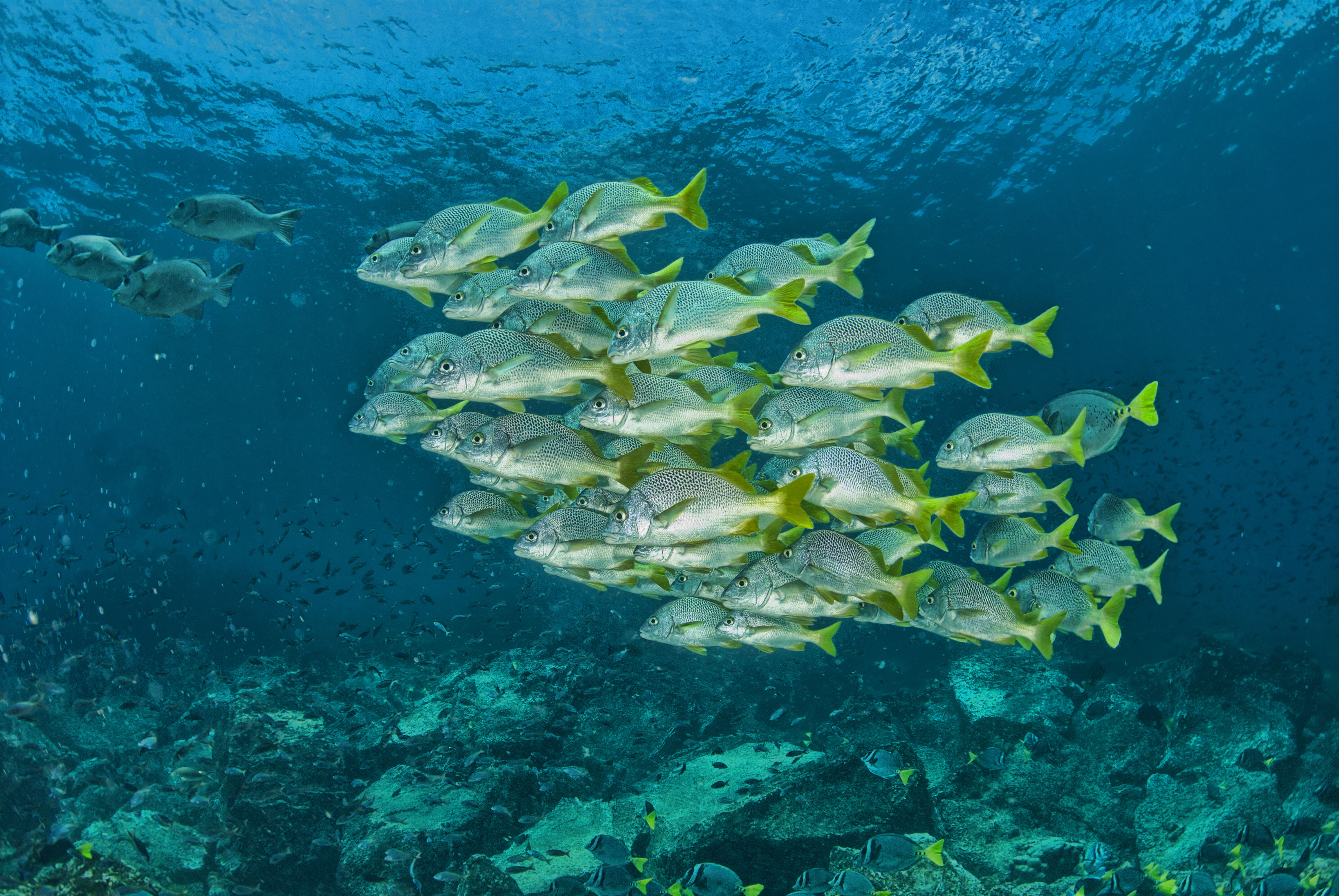
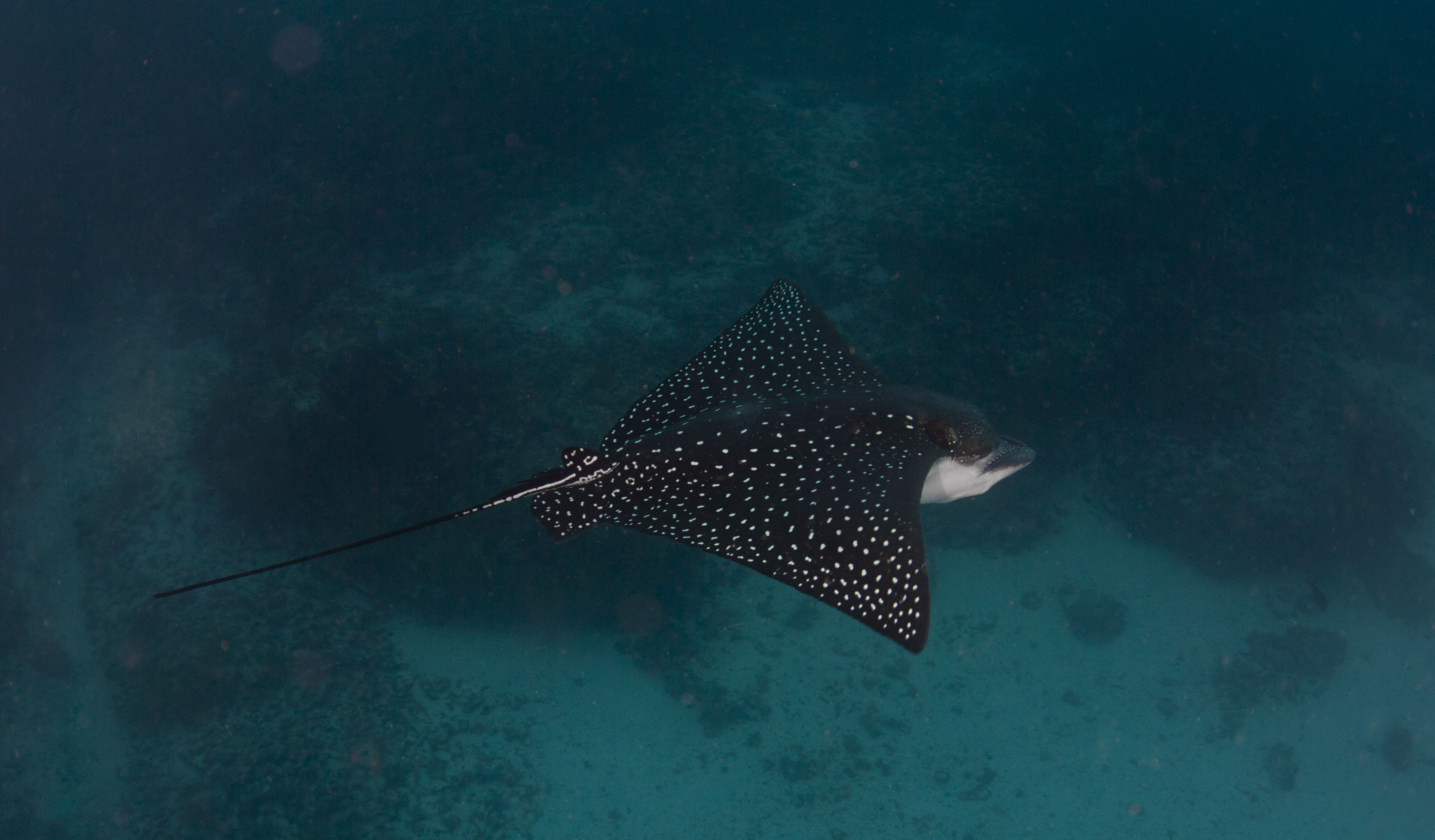
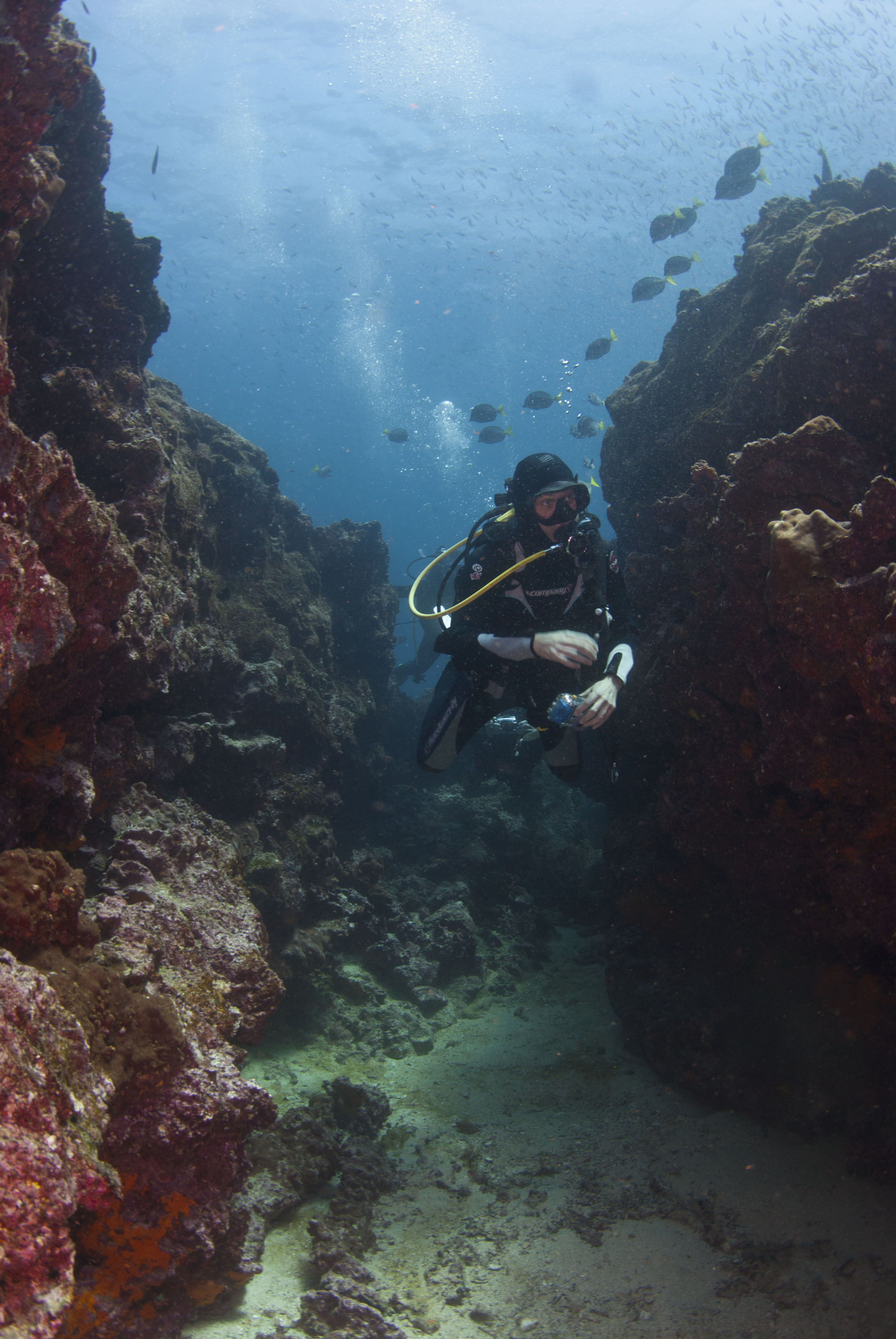
The diving was good but not fantastic particularly as the visibility on the first two days was fairly limited. However when you could peer through the gloom there was a lot of big stuff swimming around.
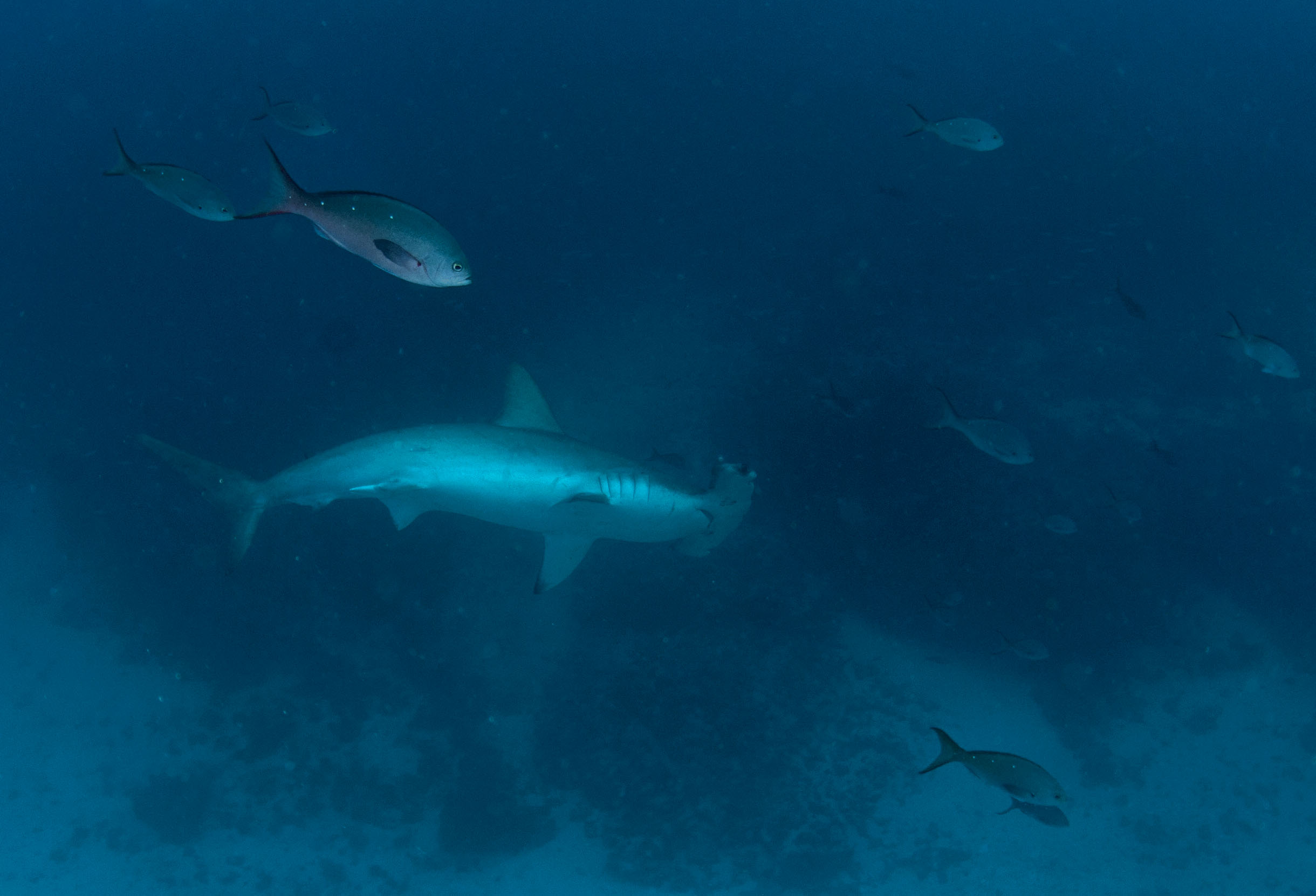
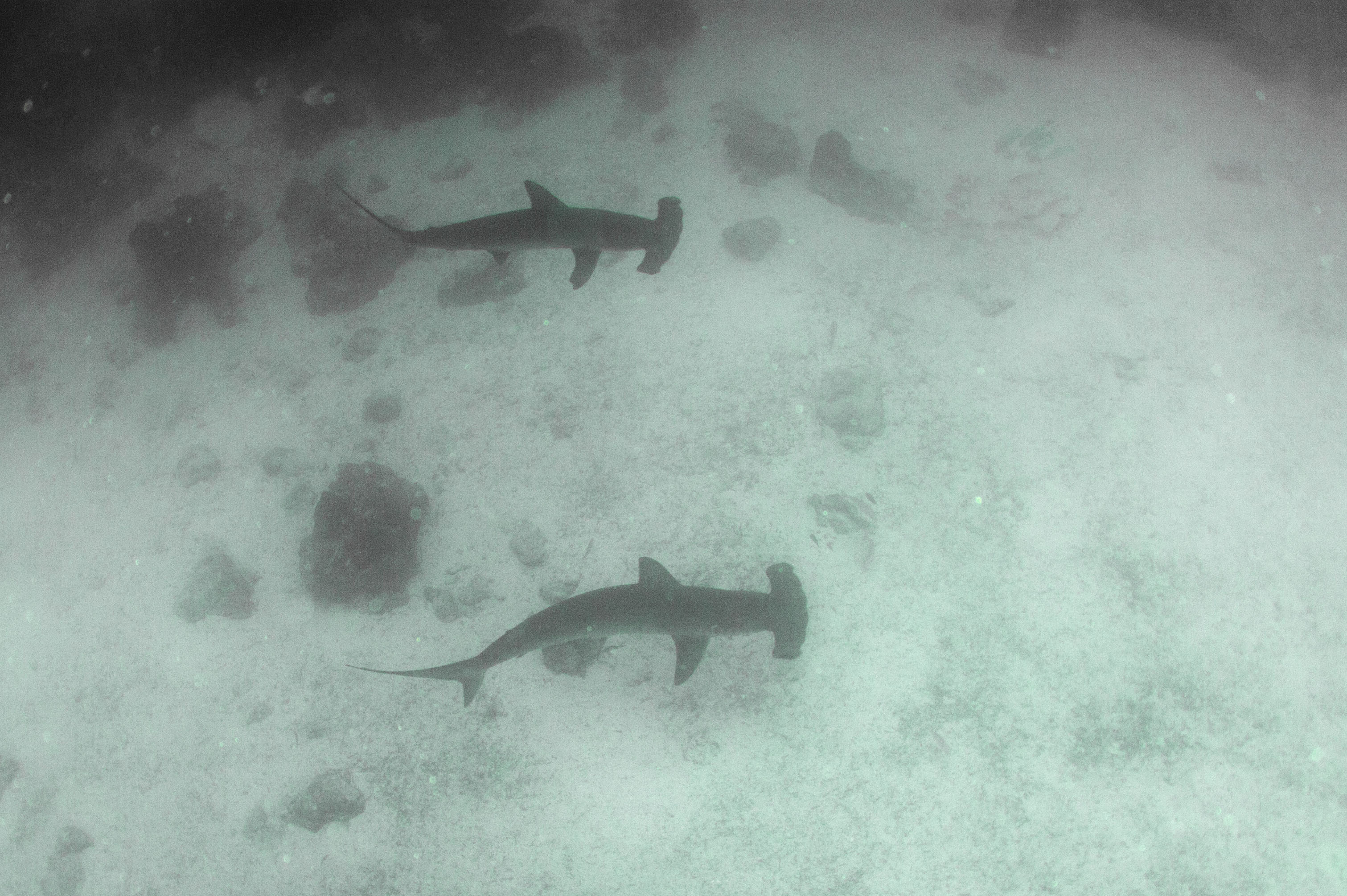
On the first day we dove at Gordon’s Rocks which is an extinct caldera where two peaks stick up above the water with a 35m or so deep bowl between them. We saw a number of scalloped hammerheads circling this bowl.
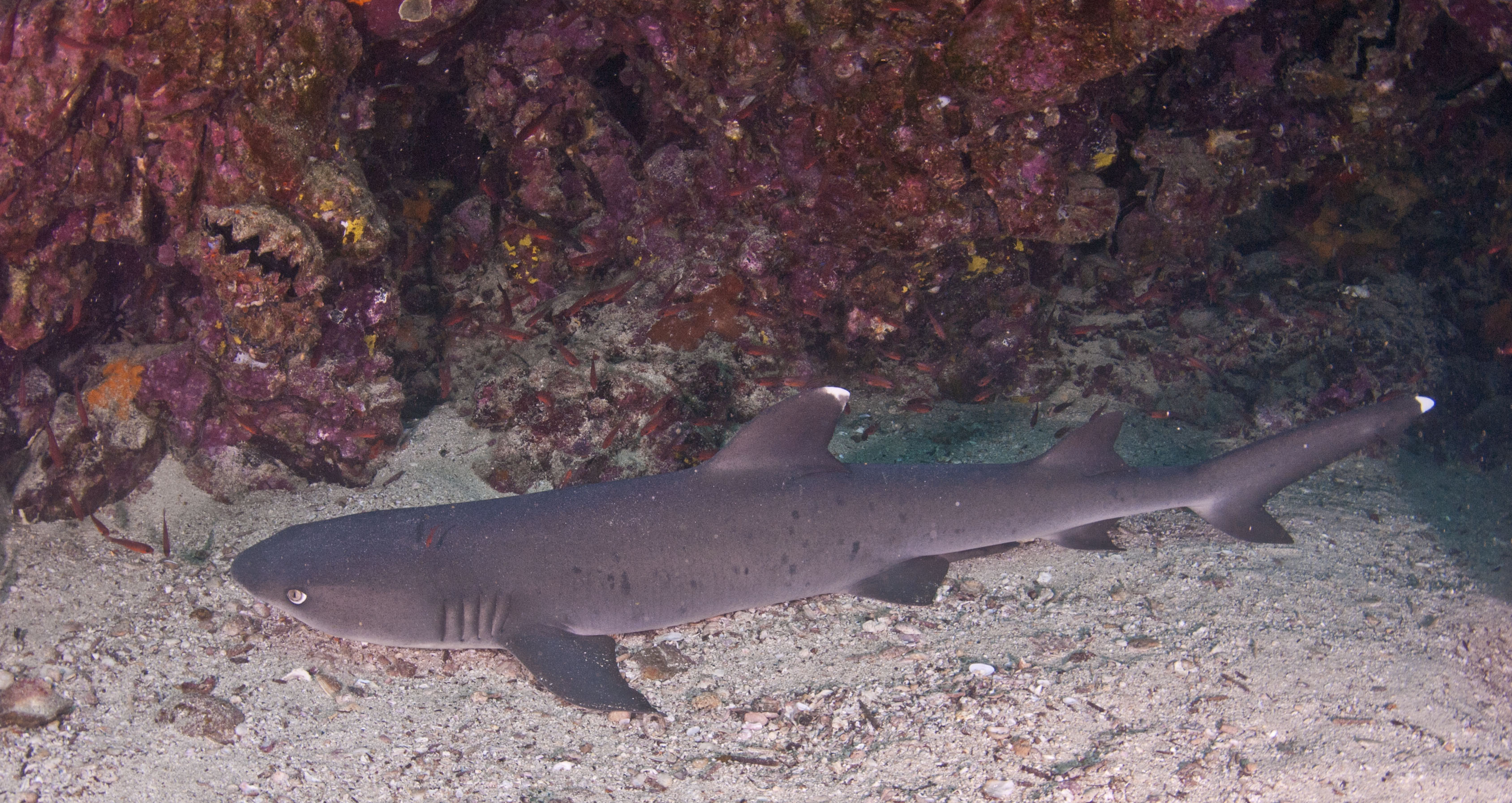
On the second day we dived at Mosquera and North Seymour which are just North of Baltra. Here the visibility was a bit better but still not great. There were a large number of whitetip sharks in this area.
The third day had the clearest water by far when we dived at Bartolome and Cousins Rock both very small islands (really just rocks) off the island of Santiago. Here we also had the fortune of diving with some sealion pups which is always a pleasure.
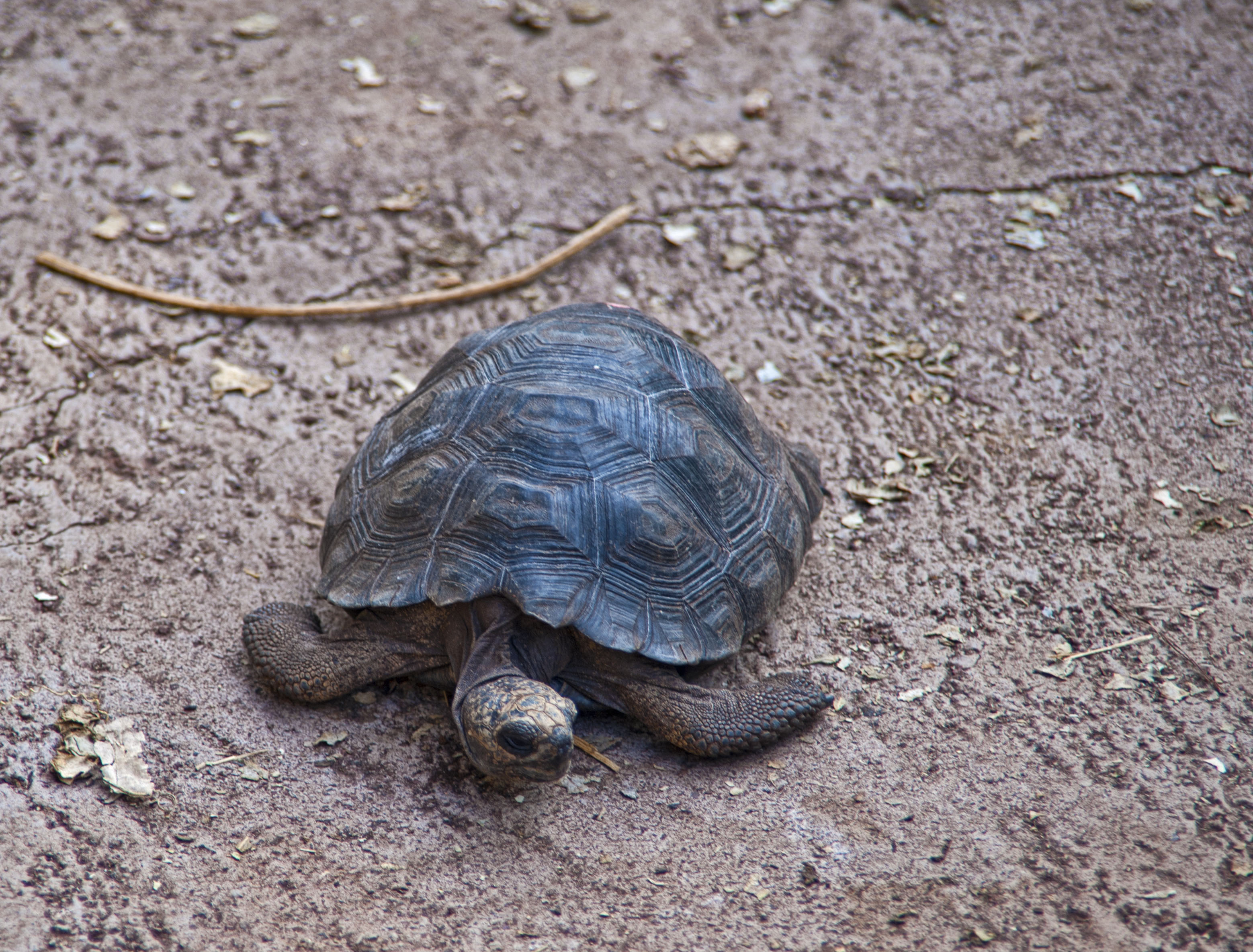
The diving ended fairly early in the day, depending on how far away the sites were, as there were only two dives per day and this meant that we could explore a bit in the afternoon. We went to the Charles Darwin Research Centre on one afternoon and saw the many tortoises that they have in captivity here (for breeding purposes of course).
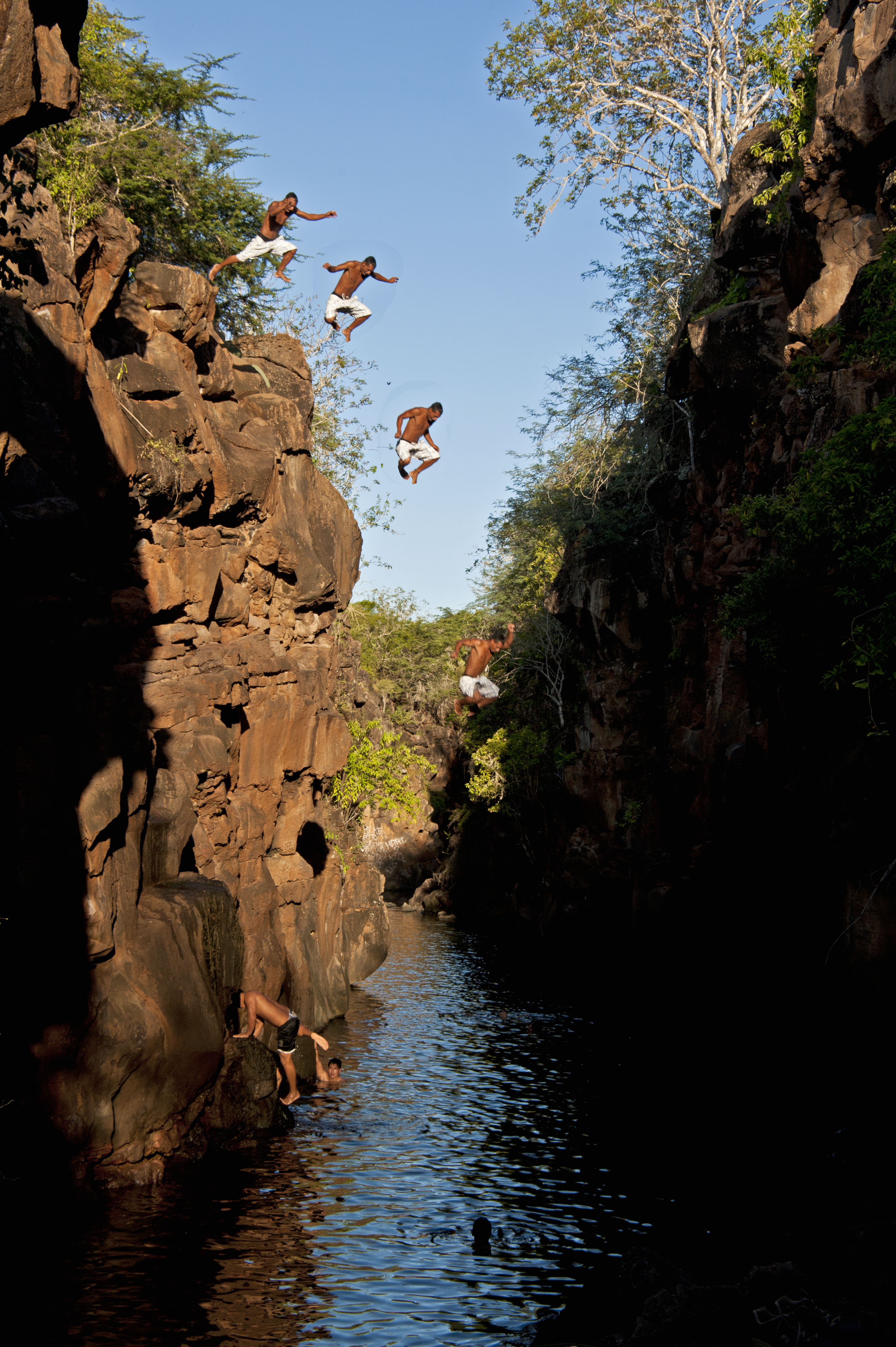
Another afternoon we headed off to a small beach only accessible by water taxi from the main harbour. There is also a trail here which leads to a small canyon containing fresh water. This is called Las Greitas. Here we saw local boys jumping more than 25m from the walls of the canyon.
The small town of Puerto Ayorta has a number of bars and restaurants and gets quite busy at night. Our favourite restaurant was called Isla Grill and we had a fantastic meal here of a mixed grill of seafood and meat.
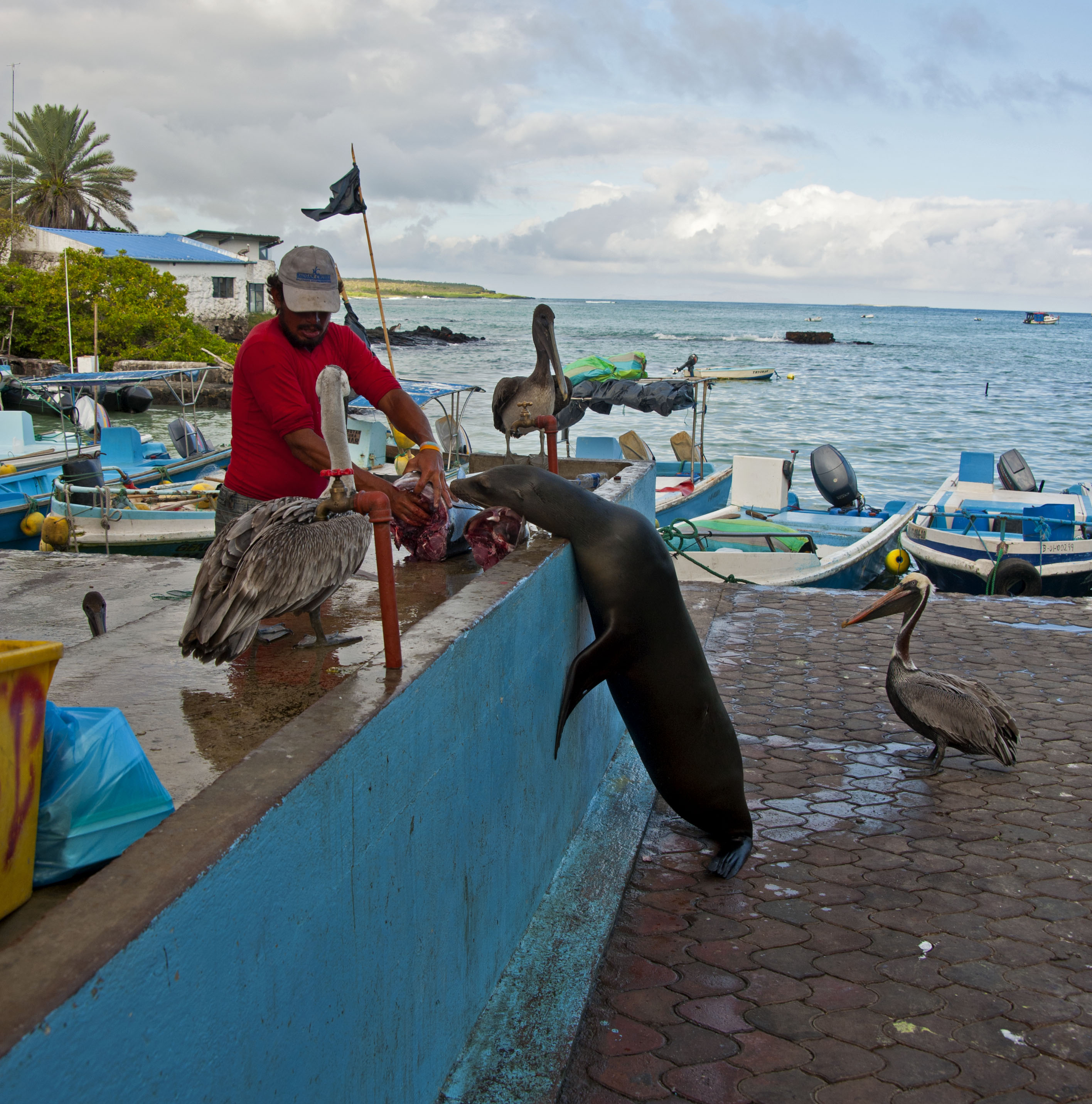
In Puerto Ayora there is a small fisherman’s dock. Each day the fishermen would cut up their catch of the day here and this attracted both pelicans and sealions. One particular sealion was a bit cheeky and was always trying to steal some fish !
Galapagos Day 1: Santa Cruz and the Journey
From Otavalo we had driven right into the middle of Quito where we had booked a night in a hotel (The Hotel Quito). The advantage of this hotel was that they have a secure parking lot right next door where we could leave the Beast for our trip to the Galapagos.

The journey to the Galapagos from Quito is quite easy. The domestic terminal of the airport just feels like its in the middle of the city. If going to the Galapagos there is a separate entrance where you get your luggage scanned and your bag is sealed. They don’t do a very good job of sealing it though as they only put a tie round one of the entrances to your bag !
After that you have to get in a queue to buy an immigration card to the Galapagos – this is $10. Seems a bit of rip off to me but then again nothing about the Galapagos is cheap.
With these two steps out of the way you can check in and get on with the trip. The flight was fairly pleasant, as flights go, with around 30 minutes on the ground in Guayquil. There was a small hitch at the start when the flight was delayed because they had to pull someone’s baggage and check it. Imagine my embarrassment when it turned out to be mine !
Once we arrived in the Galapagos you have to go through immigration – well not really immigration but instead of a stamp in your passport you pay $100 for a National Park Ticket.
The airport is on the island of Baltra which is about 500m away from Santa Cruz (where the biggest town Puerto Ayora is). There is nothing else on the island of Baltra apart from the airport. To get to Puerto Ayora you first get a free airport bus which drives across Baltra and to the ferry dock. Then you have to get a small ferry to the other side of the Itabaca Channel.
Once over the channel there is the choice of a public bus for $1.80 or a taxi which costs around $18. The drive takes around 40 minutes and goes up and over the highlands of the island and then drops down to Puerto Ayora on the seaside.

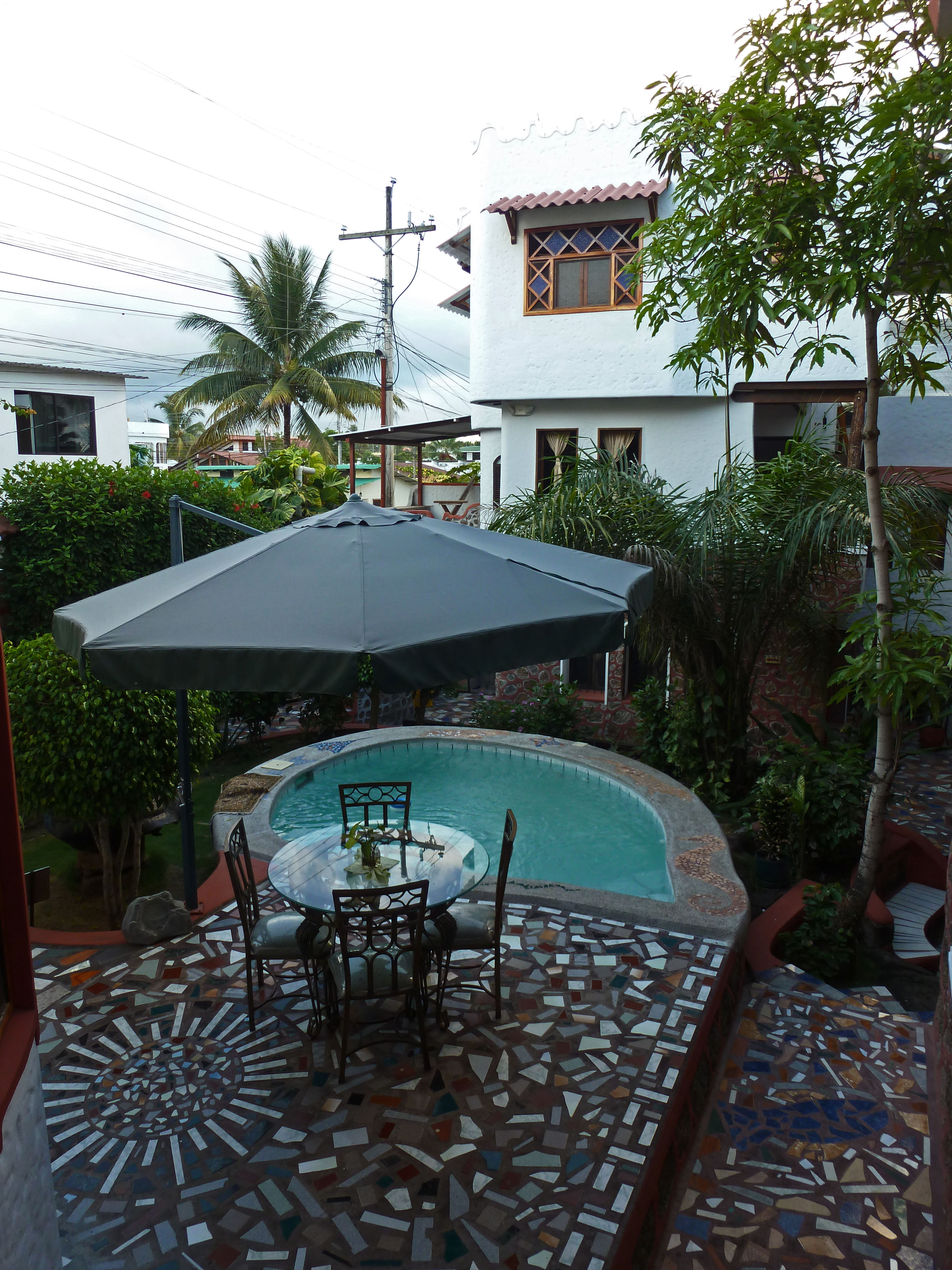
Our hotel was a small 7 room hotel set one block back from the ocean. It was fairly basic but had a big balcony and the hotel had a small plunge pool.
Otavalo
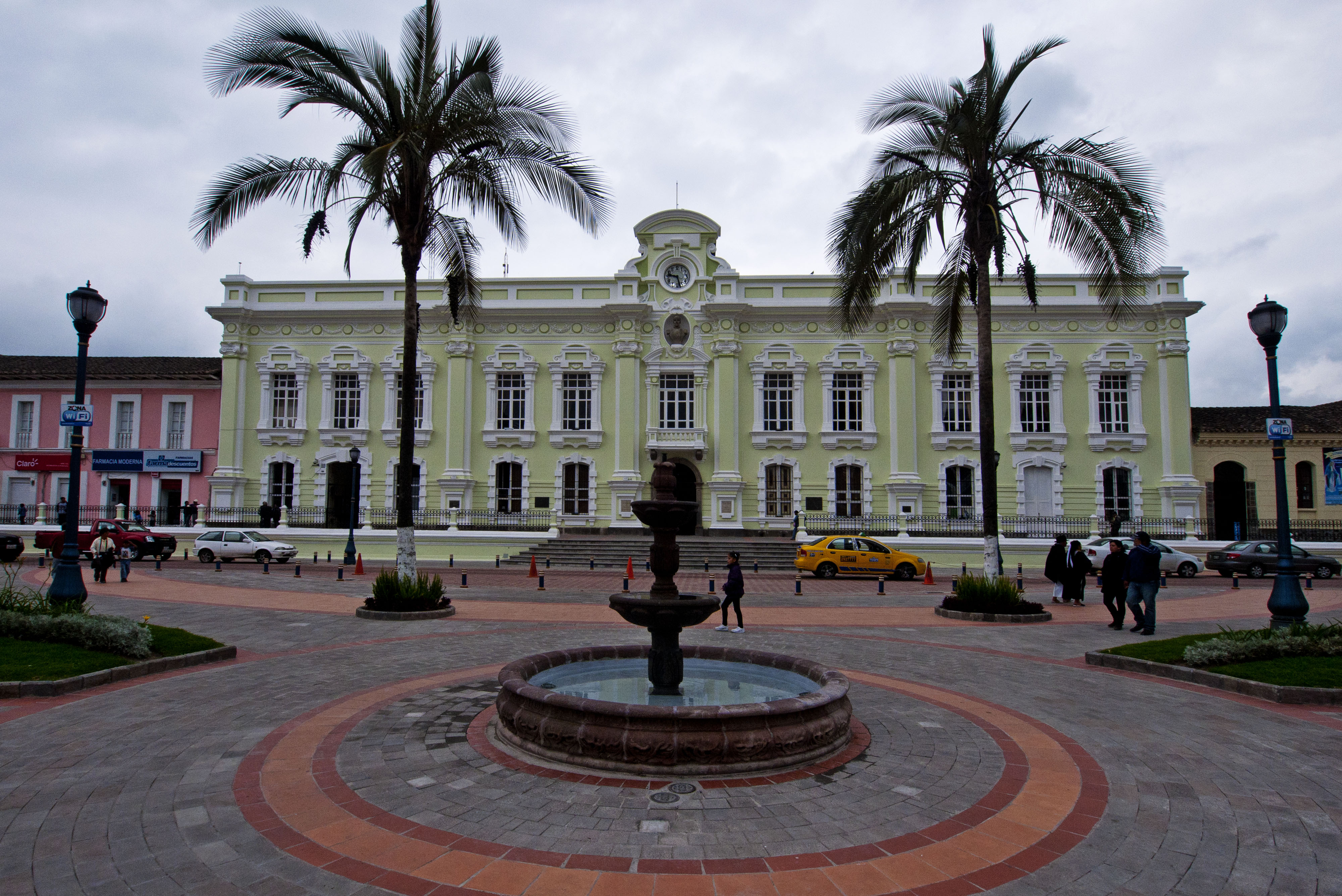
Otavalo is world famous for an amazing Saturday market which is attended by all the indigenous people from the surrounding towns and villages.
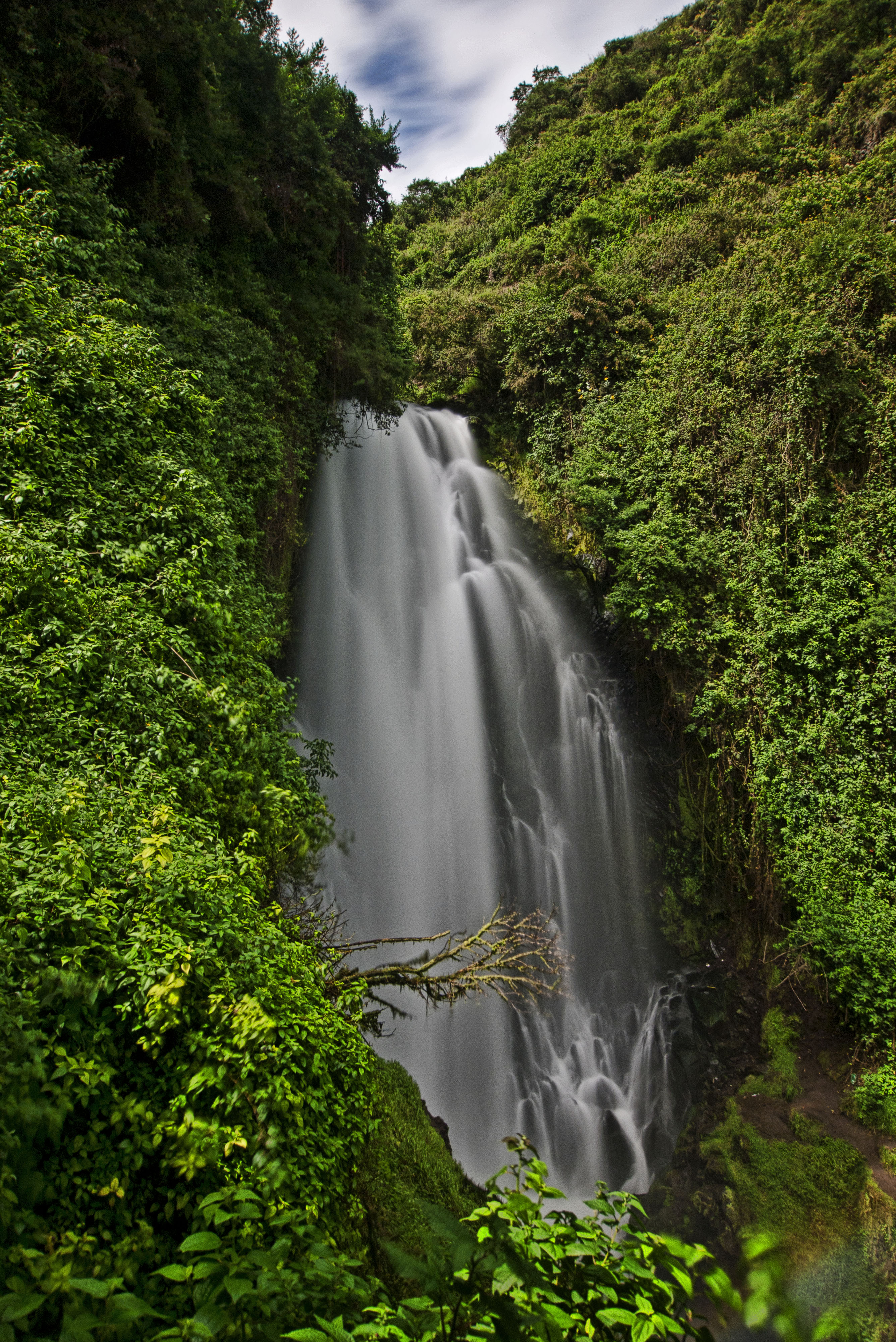
We however were arriving in town on a Thursday so we had a couple of days to kill. On the way into town we stopped off at the Peguche Falls. These are notable for the fact that on midsummer over 10,000 local people come to shower in the falls at midnight. The falls are set in a small but pretty park which you walk through for about 15 minutes before arriving at the Cascades themselves.

After this we found somewhere to camp for our time in town. Otavalo has an actual campsite with hot showers, power and wifi which an unexpected luxury for us. Its about a 15 minute walk into town from here. We had a walk about the town which was pretty quiet in the week despite a small touristy market in the centre. We wanted to do some hiking the next day so we booked a guided hike to climb Fuya Fuya in the Mojanda lakes area. Our guidebook warns that there have been robberies here so we decided not to take any chances.

Mojanda lakes are about a 30 minute drive from Otavalo In which you climb steadily to 3900m. The peak of Fuya Fuya is at 4260m and although this elevation gain doesn’t sound like much, at this height you need to stop to get your breath every few minutes.

On the way up we saw a pair of condors hovering over us – a rare sight in this part of Ecuador !

When we finally made it the top – with the last couple of hundred metres a real scramble – the clouds suddenly came pouring in and the views disappeared. However there was the odd gap in the clouds when we frantically took pictures.

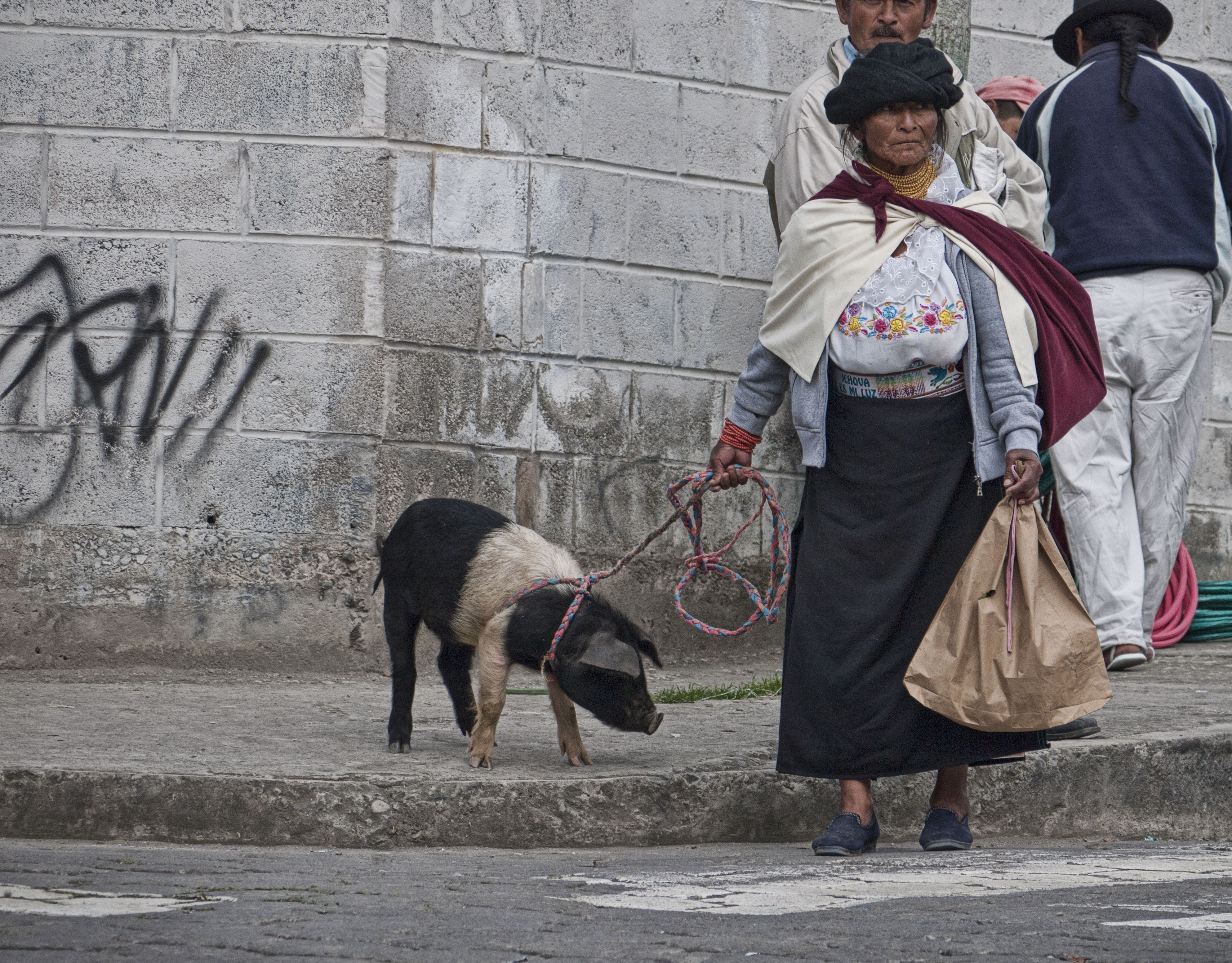
On Saturday morning we were up early to catch the livestock market which winds down not to long after 8am. This was great and everything from guinea pigs to alpaca were available. The bulk of the market seemed to be chickens, pigs and cows though. There were also some horses for sale and even a tractor at the far end of the market.
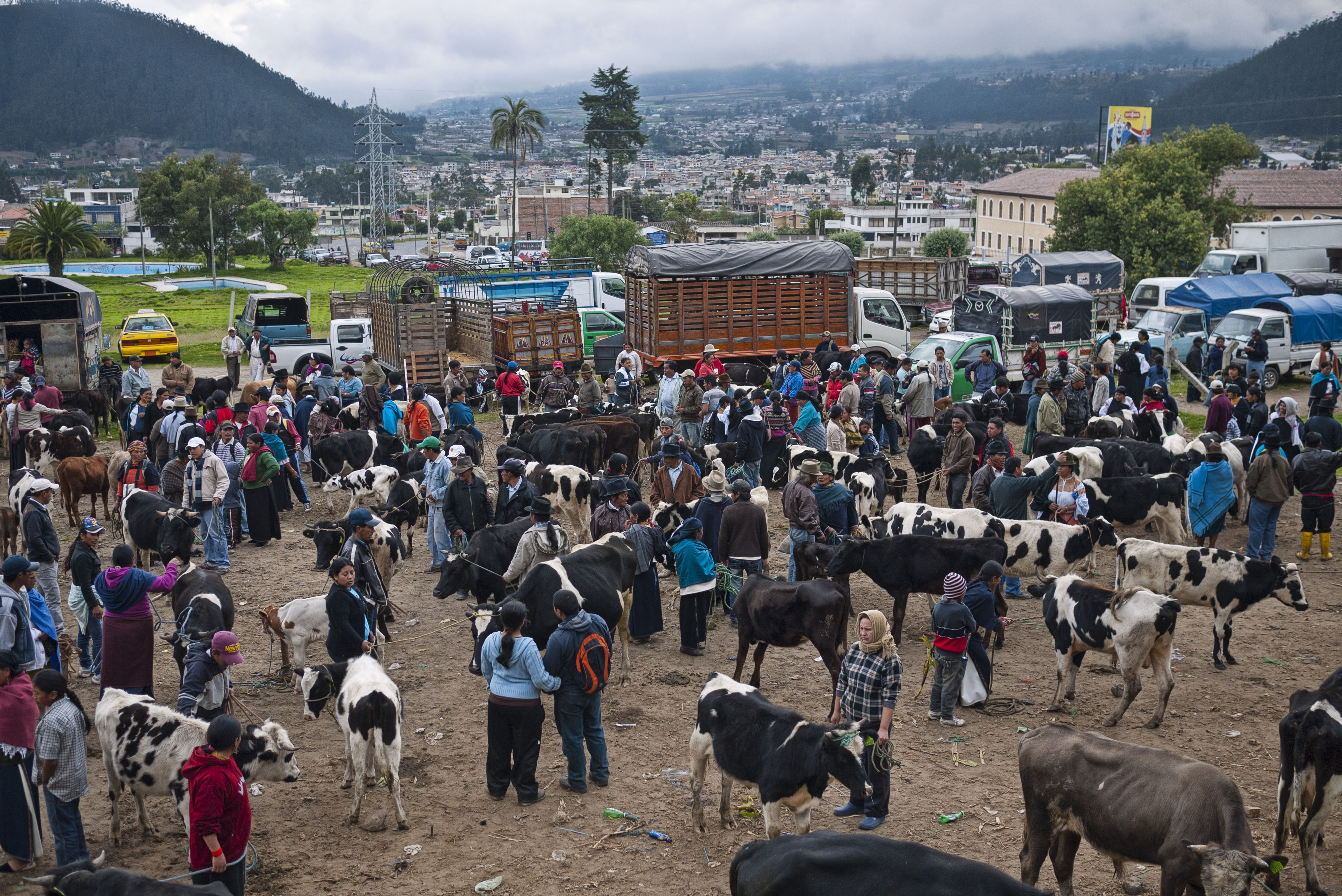
Near the livestock market there were plenty of guys with sacks full of wriggling chickens and even pickups with puppies in the back.

There are two other main markets in the town. The first is just a standard food and goods market which is in the middle of town. This has a permanent as well as a weekly section and in the permanent section are a whole load of small food sellers.

The last market is the artisans market. This is present every day but at least triples in size on a Saturday. There are alpaca blankets and clothes, paintings, indigenous peoples clothes, painted bowls and all manner of other goods primarily aimed at tourists.
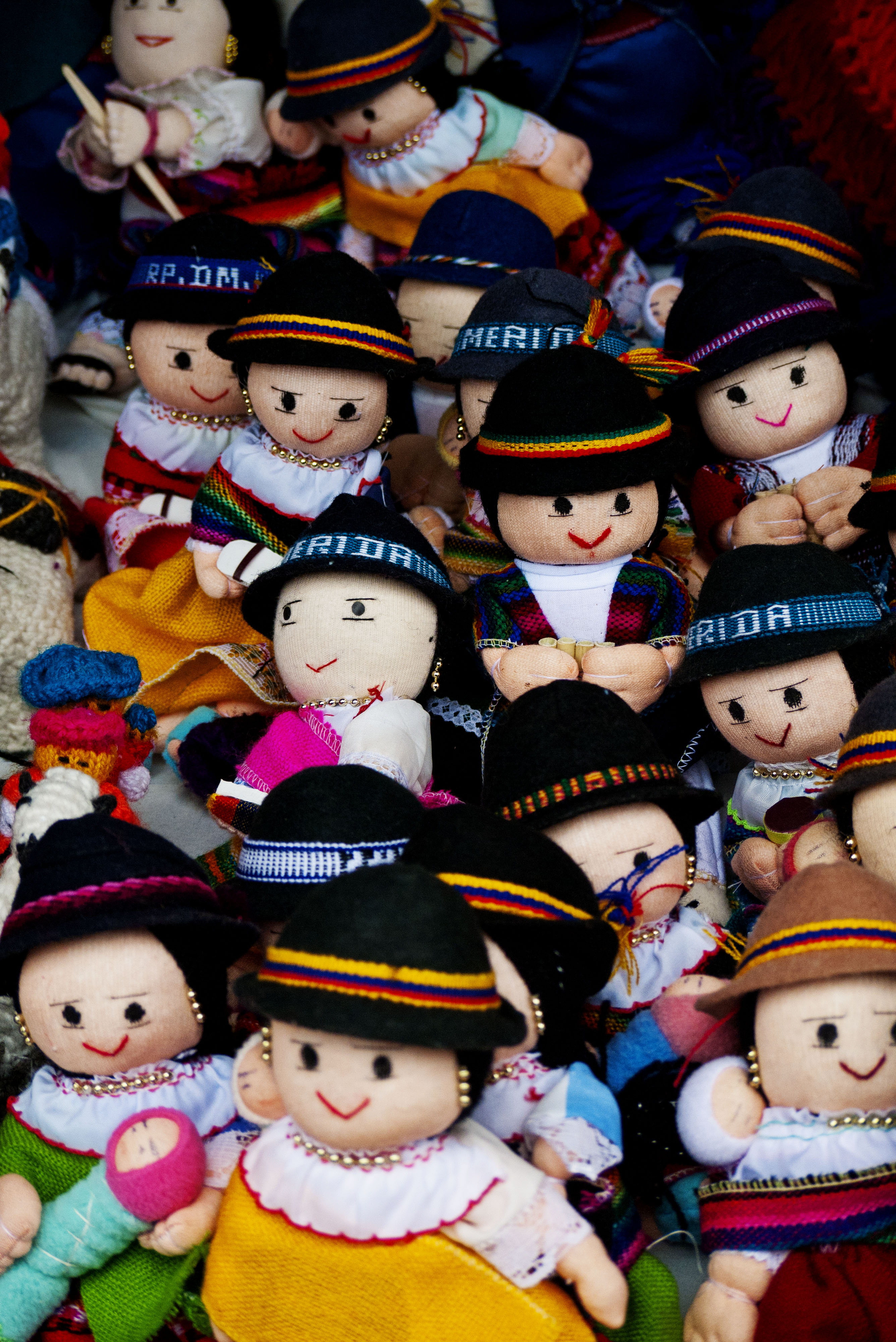
Sarah particularly enjoyed this part of the market and we left with quite a big pile of goods.
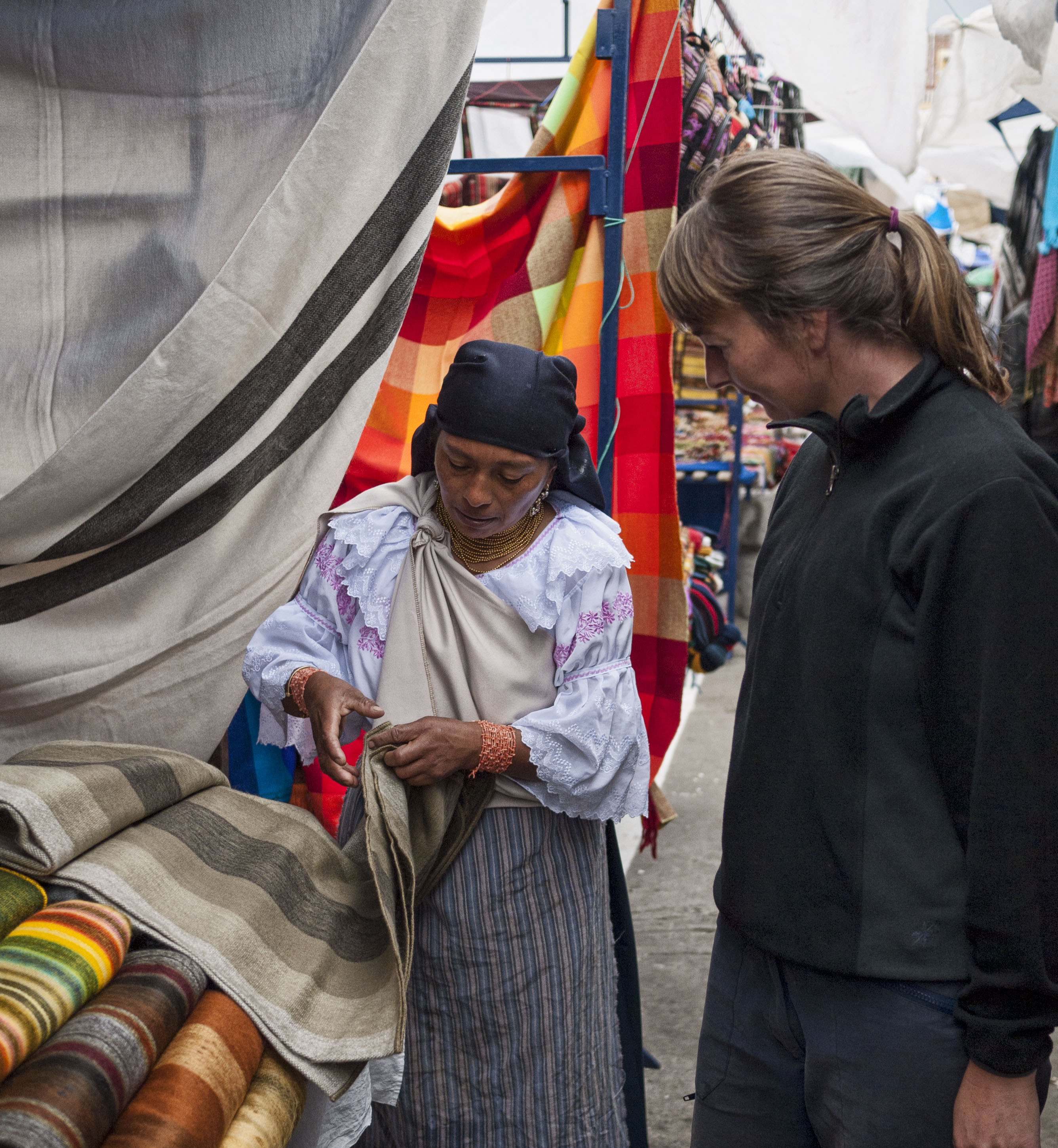
We spent about 6 hours in the markets altogether and were pretty shattered by the time that we made it back to the campground.


 FromAtoB