Driving South – Cholula to San Cristobal
We needed to get a bit of a move on with our trip South so over the course of three days we went all the way from Cholula to San Cristobal in Chiapas. This doesn’t look so far but the roads are hard work and slow going so it took three days of driving to get all the way to San Cristobal.
Our two stopovers on the way South were at Oaxaca and at Arriga. Neither were very nice. At Arriga there was a gale blowing all night (not surprising given the enormous windfarm we had gone past just before getting there). At Oaxaca we tried to go to a campground that sounds really nice but there were roadworks (an entire road ripped up) along the Main access road. We ended up trying to get round the roadworks and driving down smaller and smaller roads. We bailed and went to the other not so nice campground – we later learnt that the one that we had been trying to get to was shut anyway.
The road to San Cristobal from Tuxtla Gurritez is only 40 miles but it’s a slow 40 miles with an elevation gain of over 2000m in that distance. We went on the faster (and shorter) toll road but we still ground up it at 25 miles an hour !
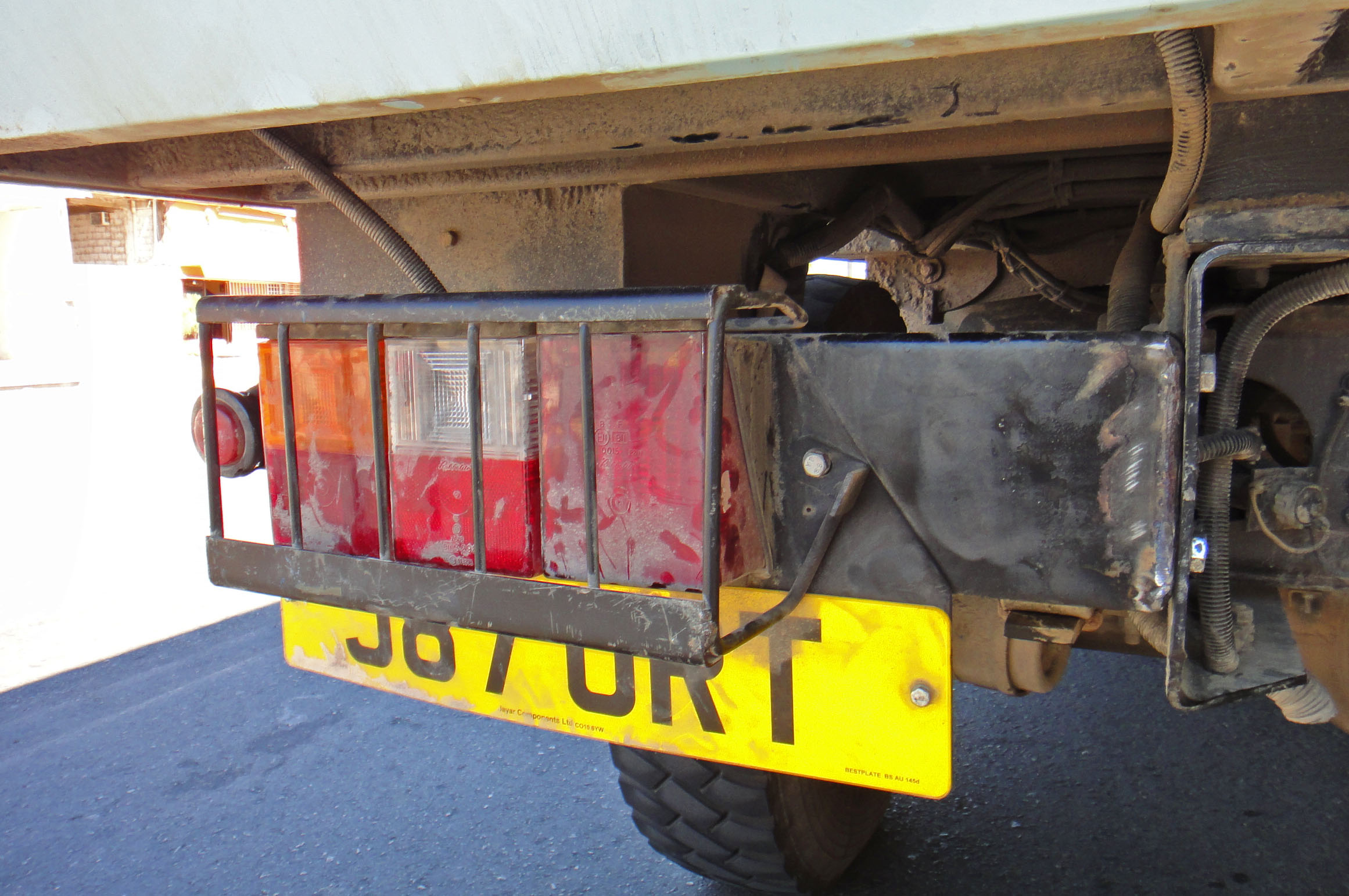
On this journey we had two small mechanical problems. Firstly at Arriga we noticed that at the back of the truck one of the metal struts with the lights on was about to fall off. The rough roads had obviously caused it to bounce around and fatigue the metal. We needed a welder to fix it up.
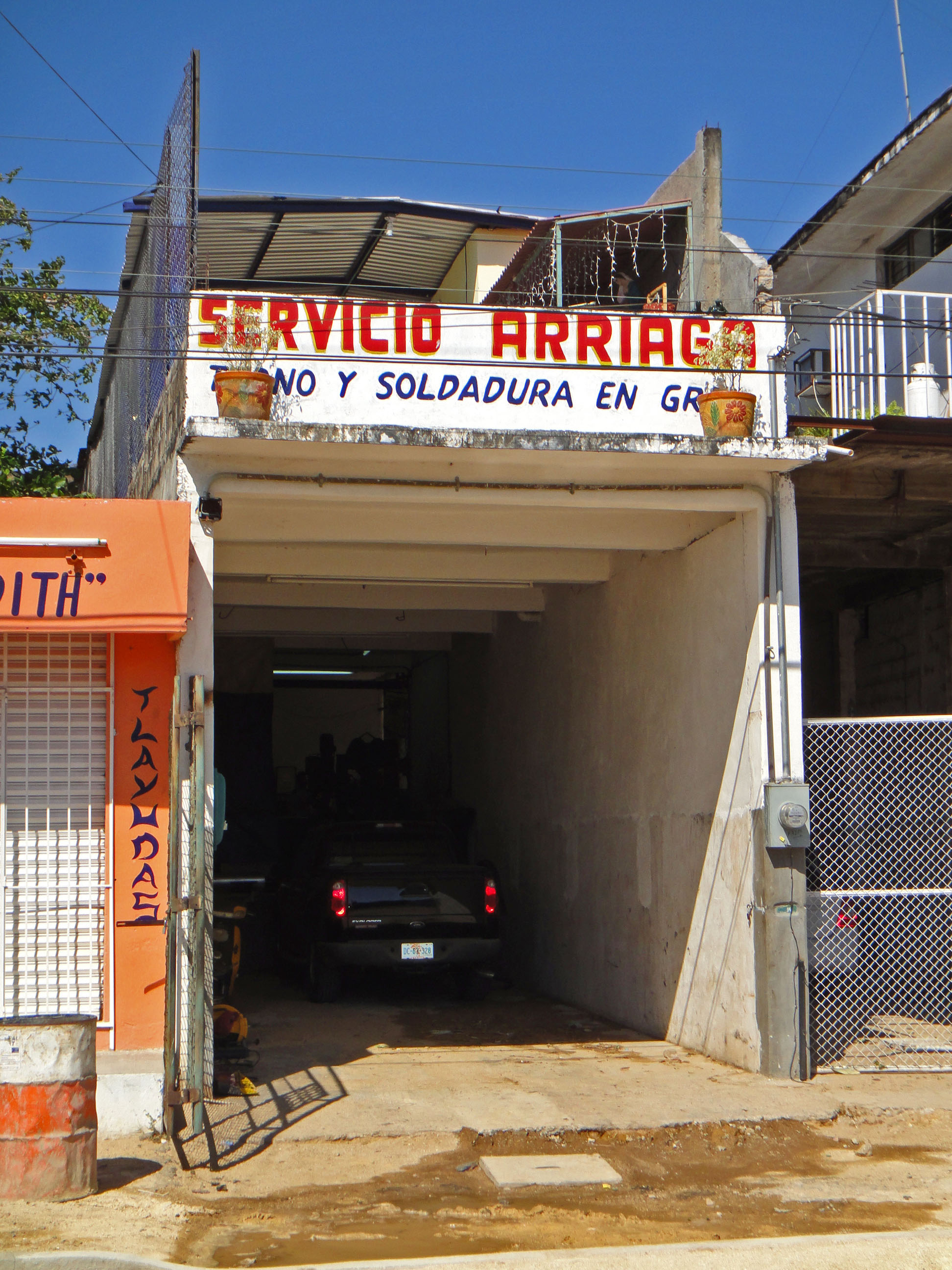
The great thing about Mexico is that things like this are easy to get done. We asked in the place we were staying whether they knew of a welder and found there was one just up the road. We went to the welder and he said he could do us straight away and it would cost USD20. The bit that took us a while was that we had to get the beam off the back of the truck and this involved unplugging all the lights and undoing all the bolts. Once we’d managed this it only took the welder under an hour to fix it up – just as good as new. Another few minutes to bolt it back on the truck and we were on our way.
The other thing that happened which stopped us in our tracks is that while we were driving one of the hoses attached to the brakes on one of our front wheels blew off. This had the affect of slamming the brakes on one wheel on, causing the truck to slew across the road. I managed to get the truck under control and pull over to the side of the road. A temporary repair got us back on the road – with some tape wrapped around the hose connector but the hose would need replacing as soon as we could. Not a real big deal but dangerous if it happened again at the wrong time.
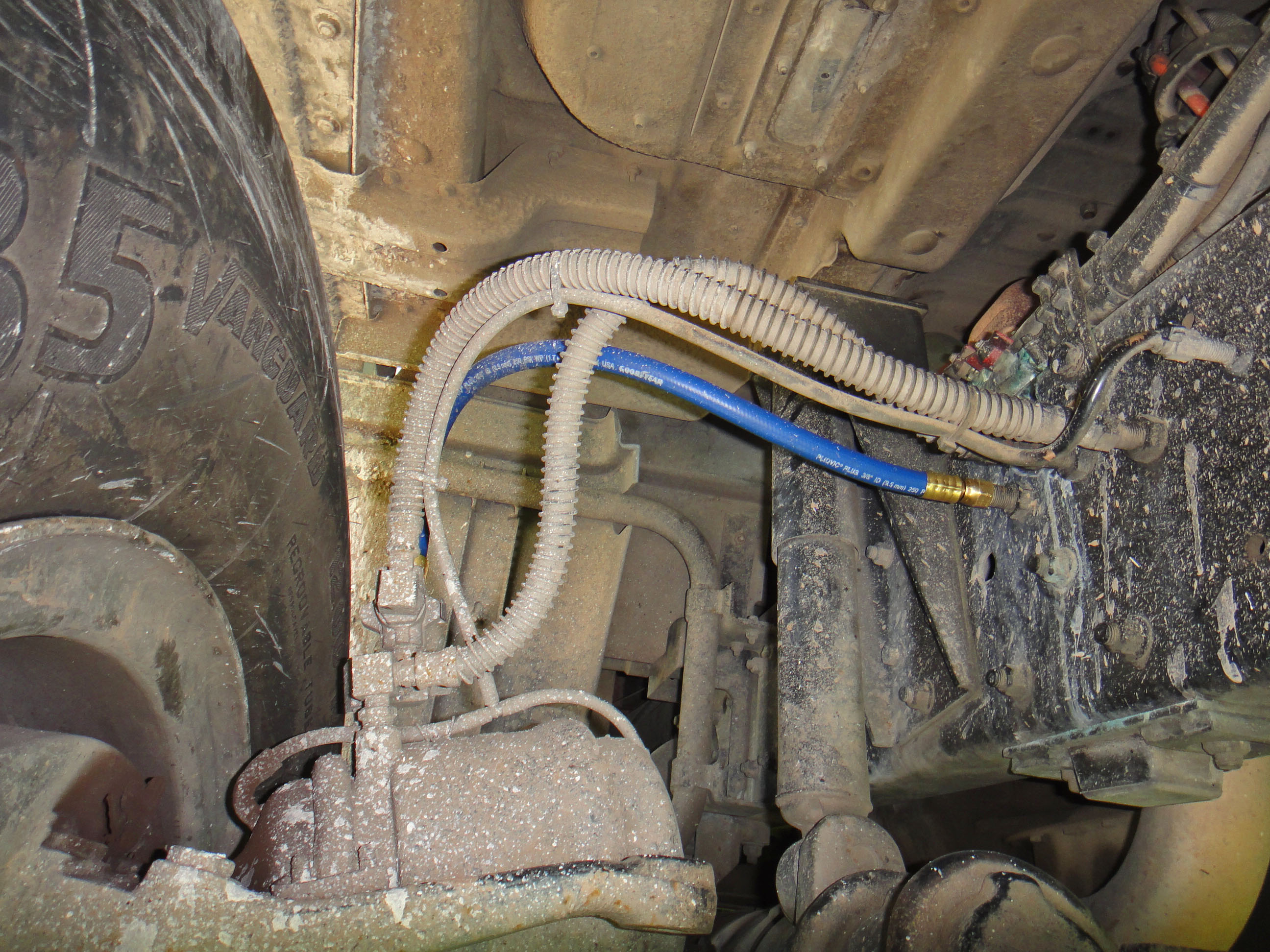
The picture shows the new air line (Blue) that we had put on in Merida. It’s the connection at the frame side that blew out.
Cholula – The Great Pyramid
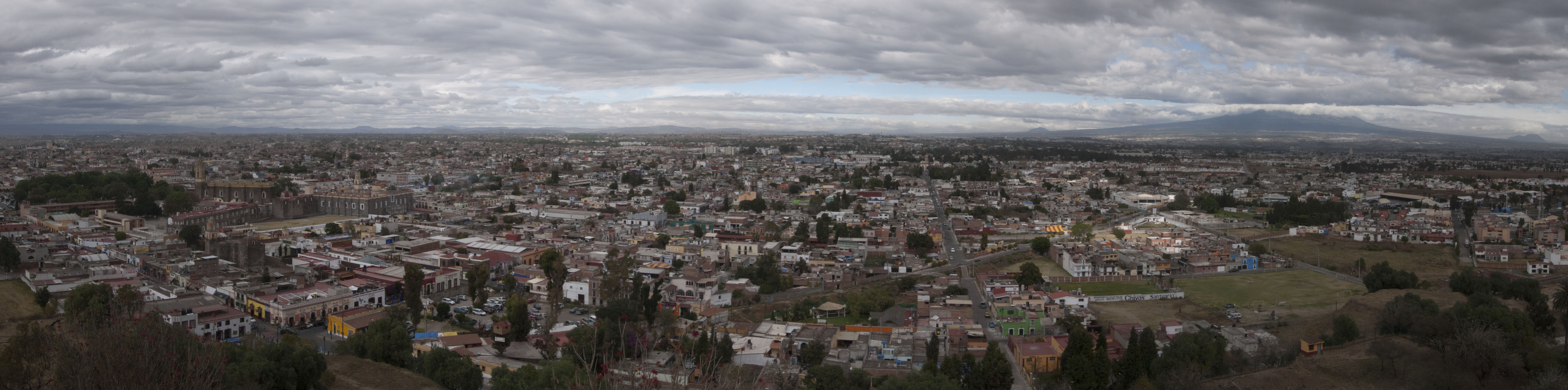
Cholula is a suburb of Puebla which is one of Mexico’s biggest cities but is still in the state of Mexico. What makes Cholula interesting is that it is the site of the biggest pyramid ever constructed – although it is mostly in ruins now.
With our visit here, to Teotihuacan and to Cairo we’ve now seen the biggest three pyramids in the world. Hurrah !
The thing that becomes clear very quickly at Cholula is that you can’t see much of it – the pyramid has not been excavated and now looks like a small hill. When the Spaniards invaded they showed their domination of many of the indigenous civilizations by building churches on top of their religious sites – and at Cholula there was no exception. So now the biggest pyramid in the world looks like a small hill with a big church on top !
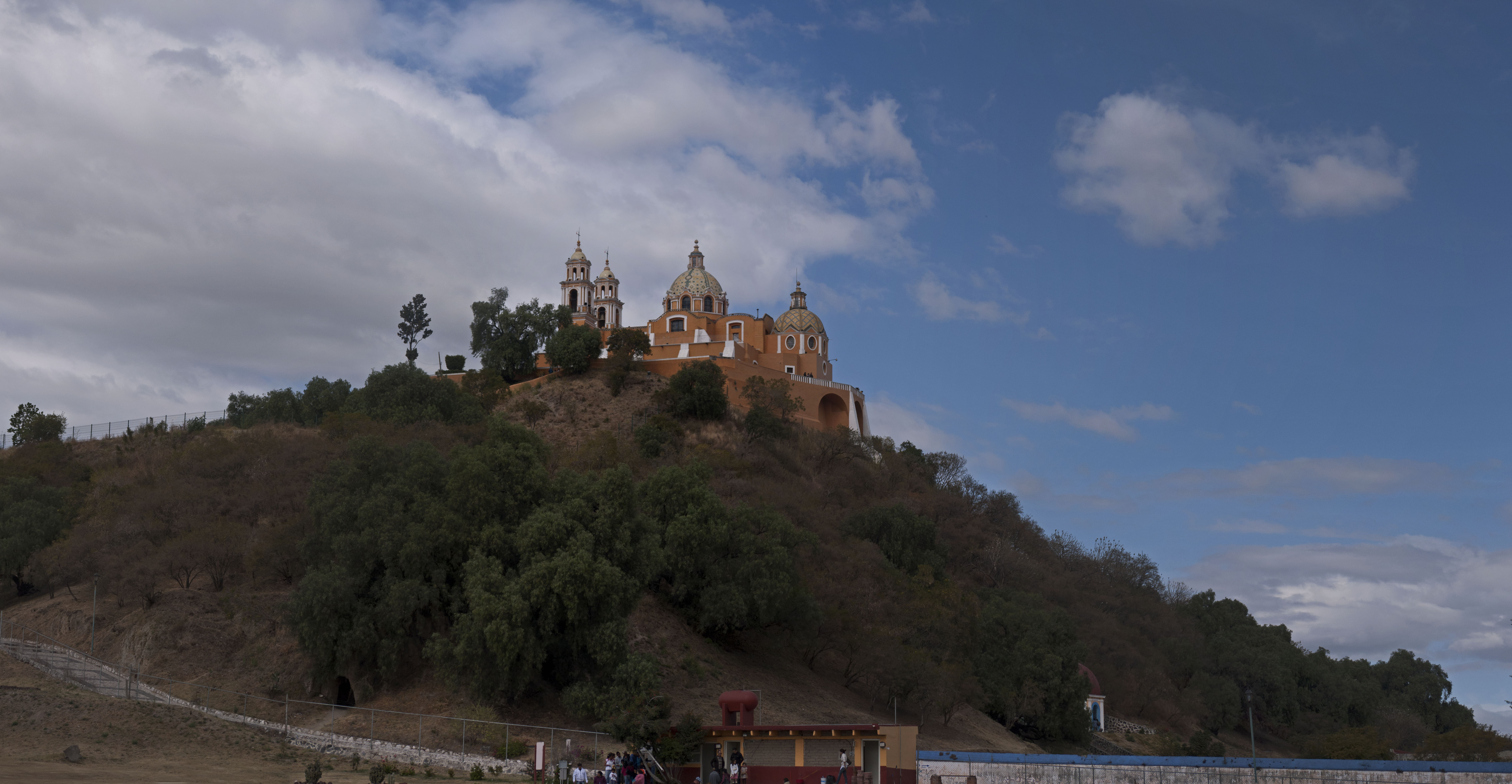
The church is called Nuestra Senora de los Remedios and it is sitting on top of the Pyramid which is 66m high and 350m on each side. The pyramid was constructed between 200 BC and 800 AD.

There are a number of tunnels through the pyramid that have been excavated and that are open to the public. However we arrived to be told that there had been a tunnel collapse and that they were closed.

On climbing the pyramid to see the church we bought some fried grasshoppers (chapulines) from a local vendor. Can’t say I was too enamoured with them – they were a bit like salty, crunchy rice crackers. We did choose the non-spicy ones though.

There is a campground in Cholula which is only about 20 minutes walk from the pyramid which made a convenient place for us to spend the night.

Mexico City
For a while we have been deliberating whether to make the effort to go into Mexico City. In the end we decided that we couldn’t really miss one of the world’s top five biggest cities with a population of over 20 million people. One thing we were certain of was that we weren’t going to drive anywhere near the city – not least because the cops have a reputation of being very aggressive towards foreigners.
We spoke to Mina, the owner of the Teotihuacan campsite, and she told us that there was a bus from the town of Teotihuacan which goes into the North Bus Terminal of Mexico City and from there you can get the Subway into the centre. This didn’t sound too hard.
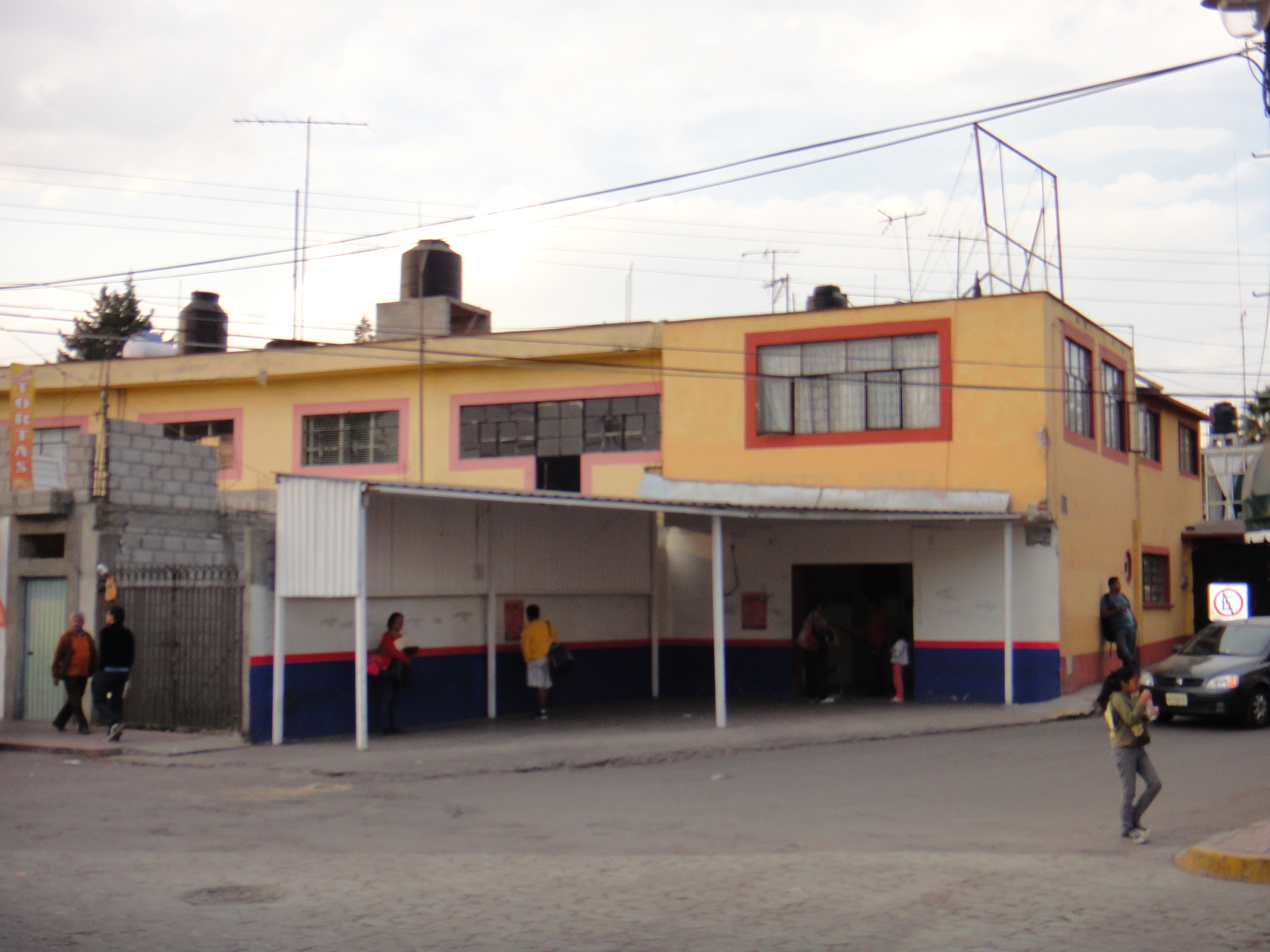
The bus station in Teotihuacan is only a couple of blocks from the campsite and is easy to miss as its just a corrugated iron roof over a roadside area and a small bare room inside. However buses to Mexico City (or DF as they call it here) are very frequent (every 15 minutes). The ticket is only 27 Pesos ($2).
Once onboard the bus it left town and then stopped and a whole load of people piled out. This was a bit weird and fortunately a passenger who spoke English told me that all the men had to get off for a weapons check. Everyone was patted down and we were then allowed back on board. Inside Sarah was also searched by a woman who came on board.

This all didn’t take long and we were back on the road. Before reaching the Bus Terminal there are a couple of Stops and most people got off at the one before the bus station. We decided to jump off too, as Mina had told us there was a long walk between lines on the subway otherwise, at 18 Mar deportivo. The subway entrance was only 50 yards from where the bus dropped us.
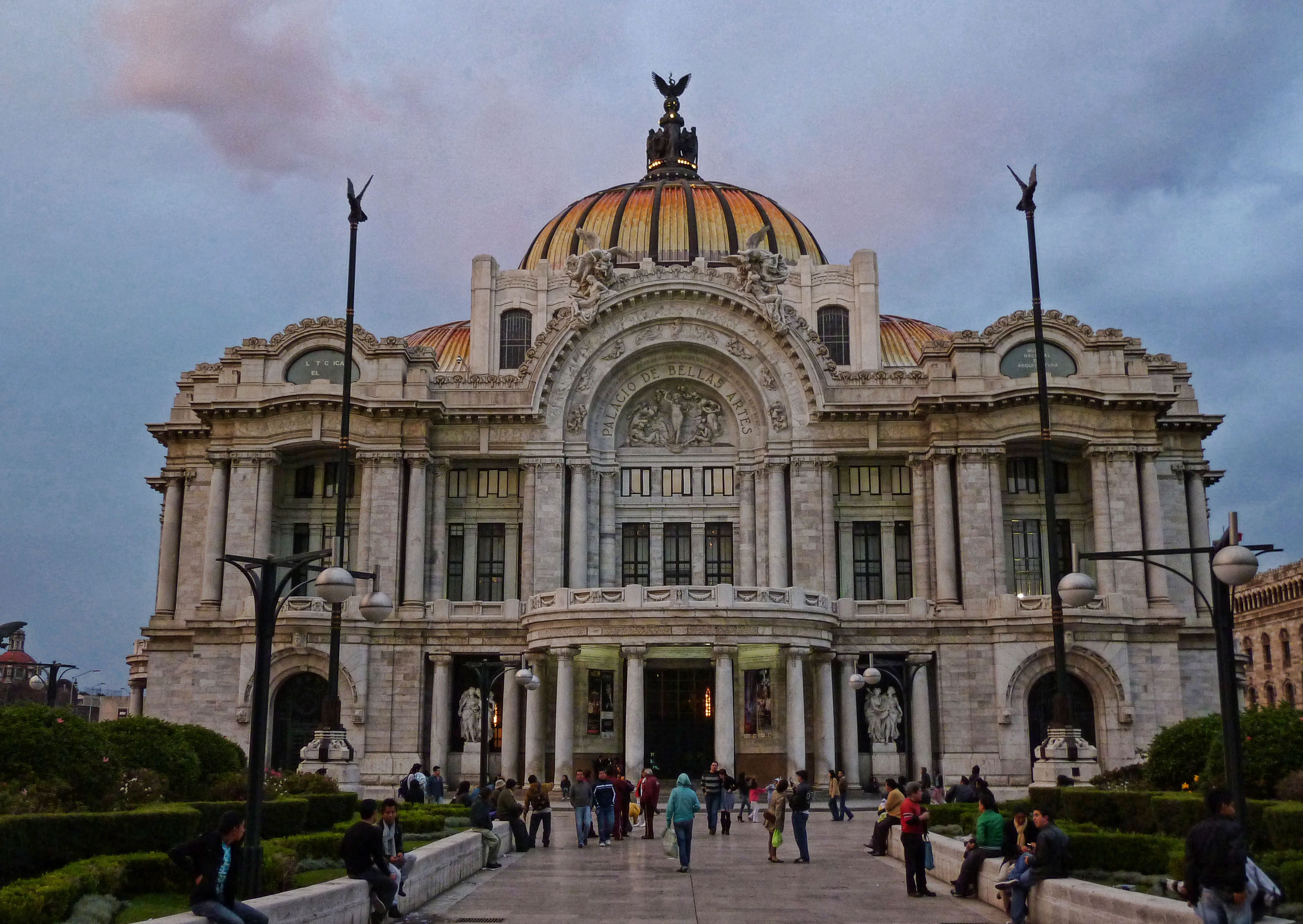
The subway in Mexico City is great – its quick and efficient and no more crowded than its equivalents in other major cities. The major bonus is that its really cheap. It only costs 2 Pesos per journey (This is about 15 cents). We were at the Alameda – a big square in the centre of Mexico . This has been a park since 1592 and used to be an Aztec Market.

This is where we had booked a hotel for the night. We thought we would treat ourselves at splashed out on an expensive (100 USD for the night) boutique hotel. However when we arrived they told us check-in wasn’t till three so we dumped our bags and headed out to explore the historic centre of Mexico City.
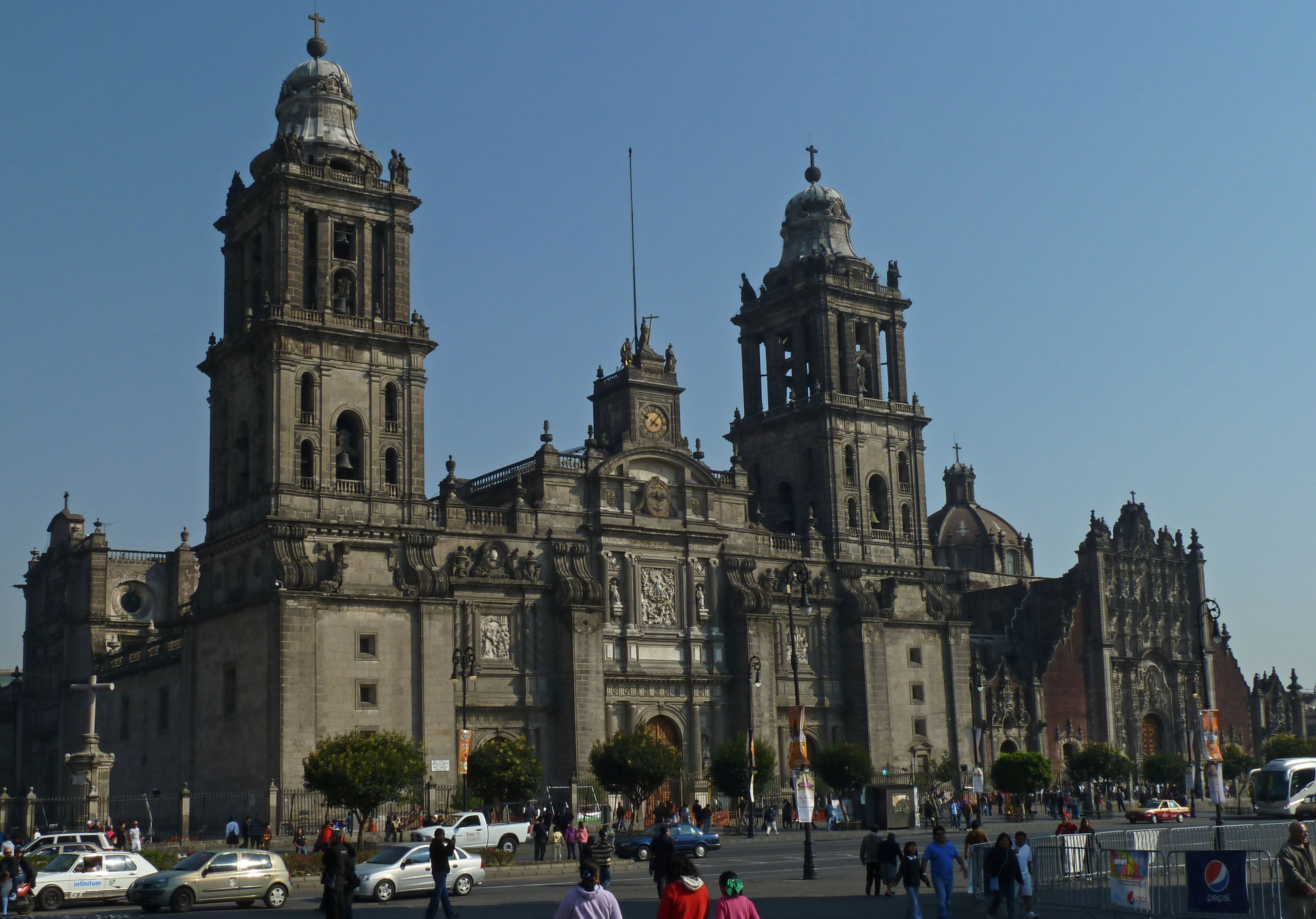
We walked from the Alameda to the Zocalo which is the main plaza in Mexico City (often shortened to Mexico or DF). This is the third biggest city square in the world after Red Square and Tiananmen Square. On one side is the Cathedral Metropolitana, the largest church in Latin America, next to it on another side is the Palacio Nacional, where the President has his offices. The other two sides are composed of the Ayuntamiento, or federal district admin offices, and the last side is less impressive as it is only a row of shops.
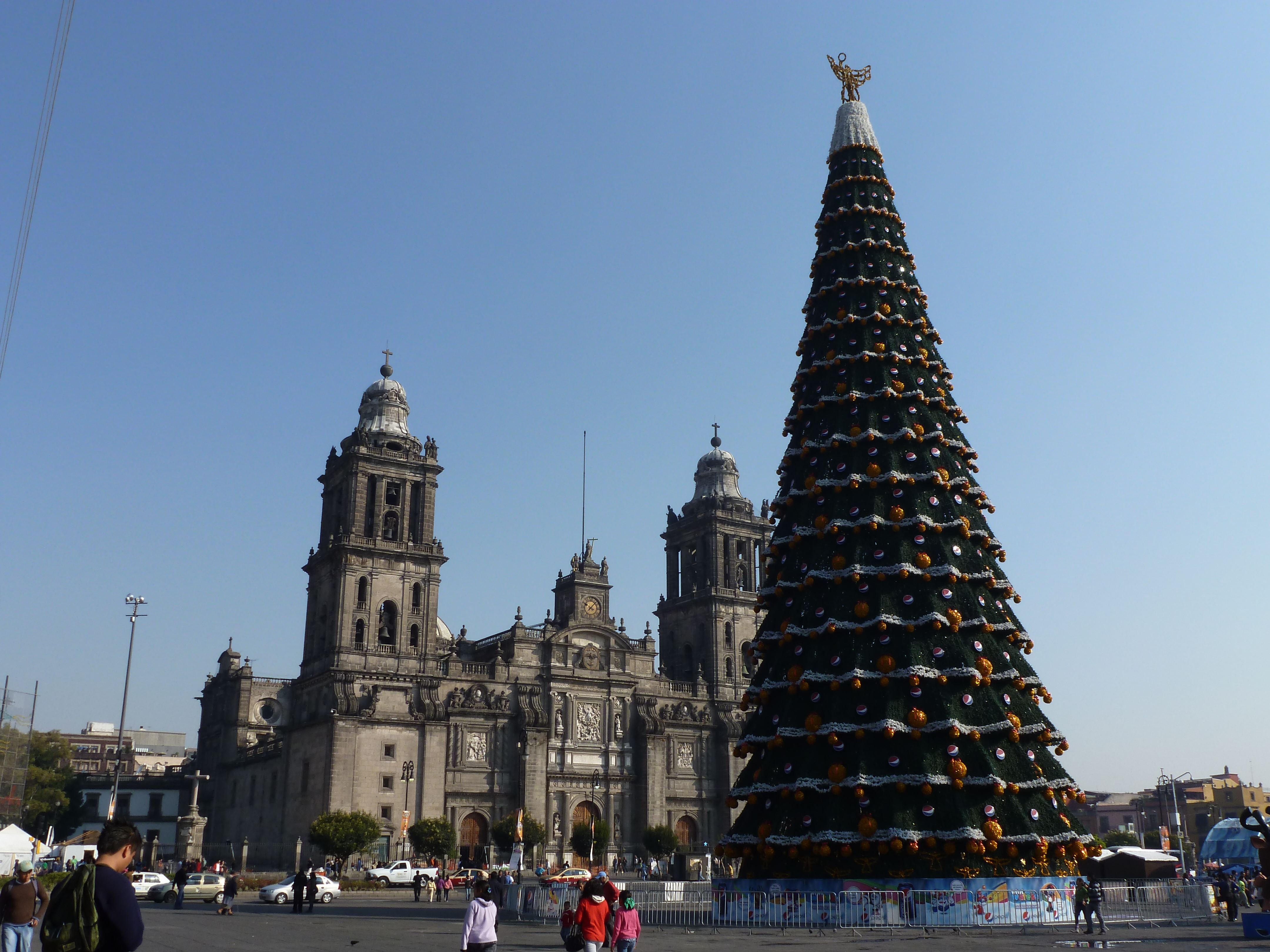
In the Zocalo there was a huge Christmas tree and taking up almost half the square an ice rink. We were amused to see that next to the ice rink was a tent with real snow where you could pay to have a snowball fight – although helmets were required (health and safety even in Mexico!).

From the Zocalo we kept walking East and entered a commercial district that was zoned by type of shop – rows of shoe shops followed by a street of clothes shops or electrical shops. This felt like authentic Mexico and not the tourist area.
After hanging in this shopping area and discovering a few hidden churches we swung back towards the tourist zone and walked up towards the Latin America Tower. For 40pesos you can ride the lift up to the 50 floor where there is an outdoor viewing platform with amazing views of the city. The only downside is that the viewing distance is a bit limited by the smog which shrouds the hills surrounding the city.
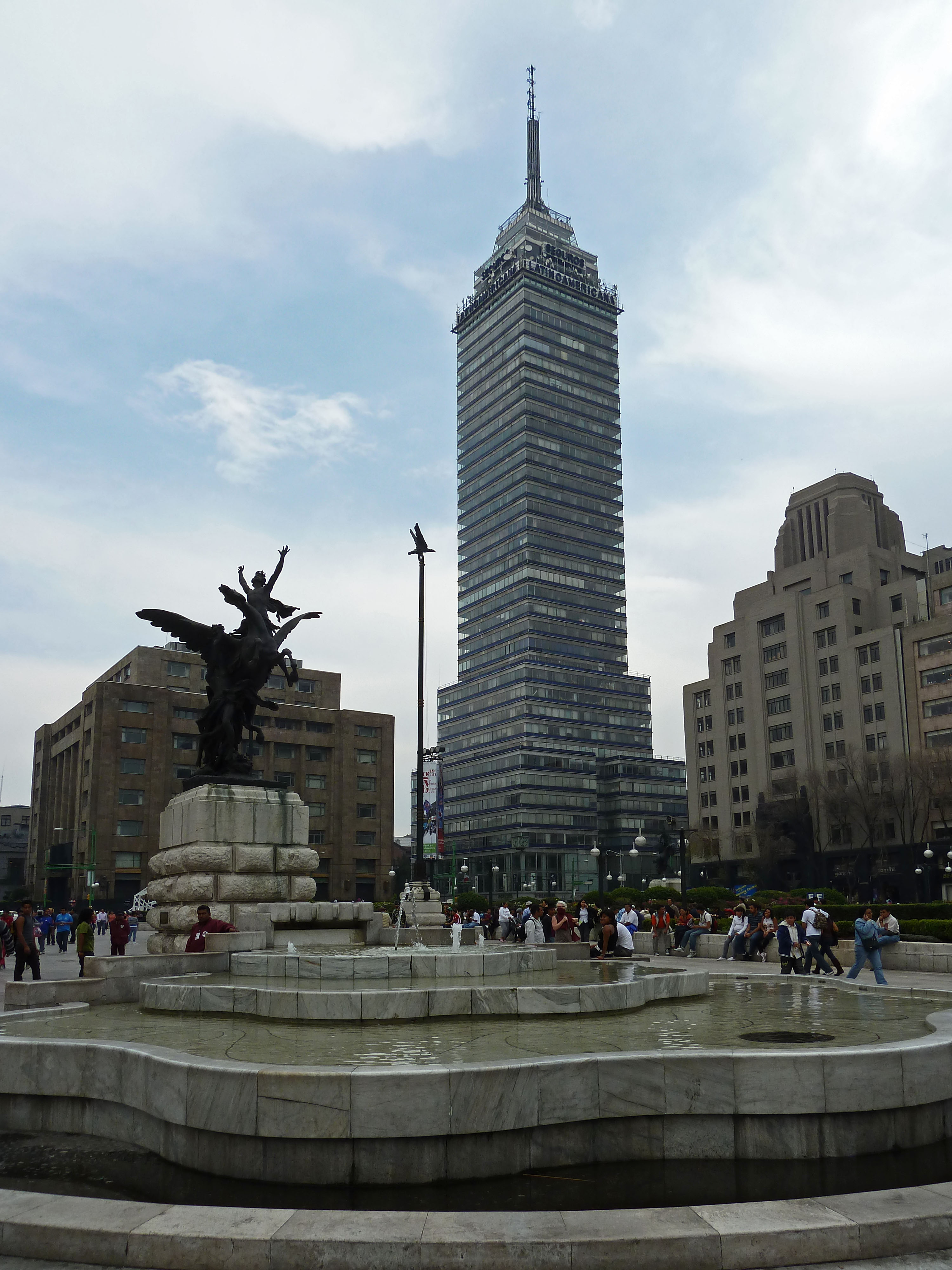
The Latin American Tower (Torre Latinoamericana), completed in 1956, was at one time the tallest building in Latin America but has since been superceded by a number of others. It is on one corner of the Alemada. We headed back to our hotel from here across the park which was full of a big fun fair. This was great and we visited a few times on the way out and back to the hotel.

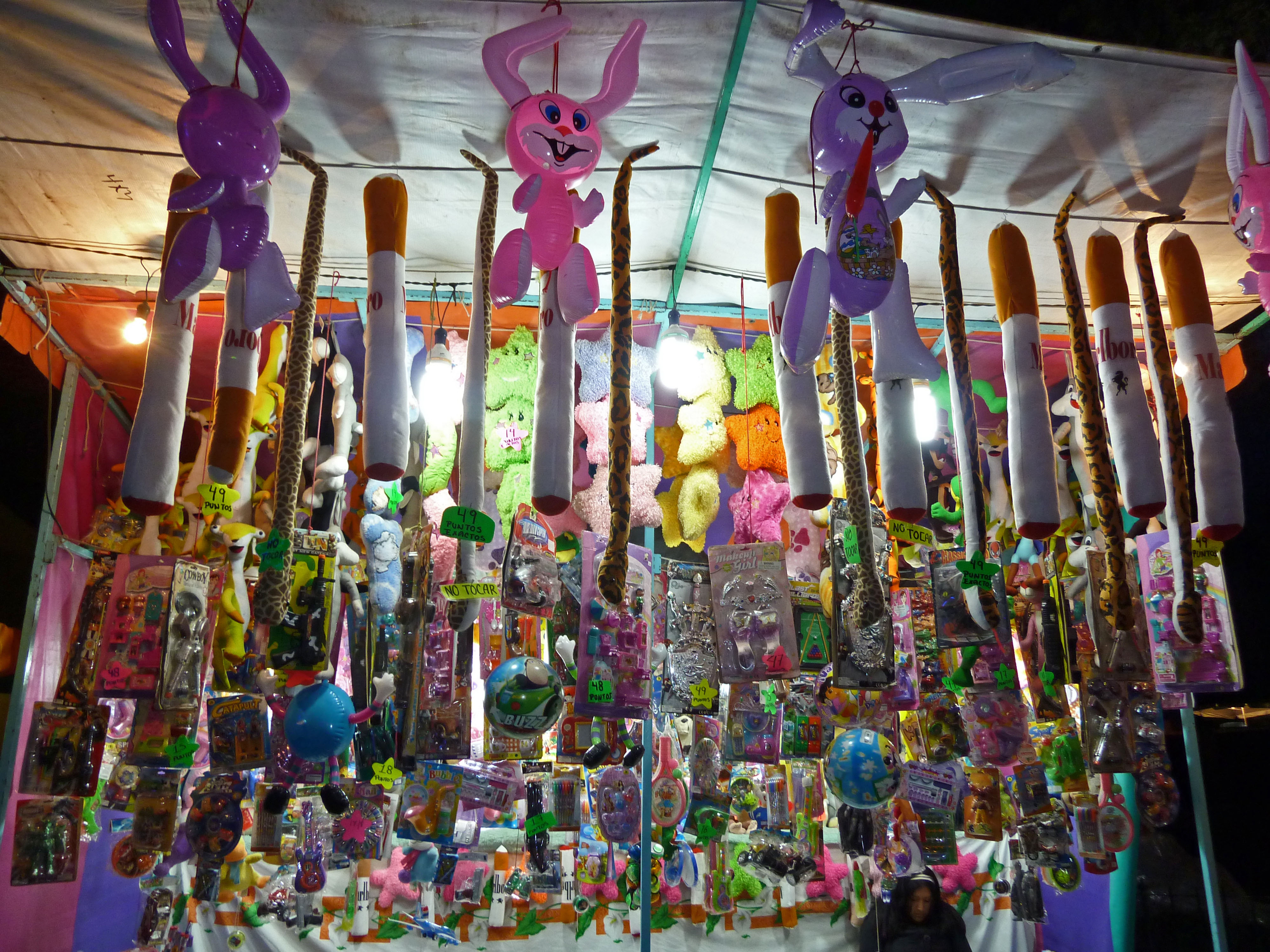
The most intriguing thing about the fair was a number of stands designed for a family to pose in for a photograph. They all had three actors depicting the three kings – always with one blacked up ! But the backgrounds were bizarre combinations – eg Toy Story and Smurfs mixed together. There were lots of them and they were very popular. We were quite surprised to see cuddly cigarettes as prizes at some of the fair stalls !

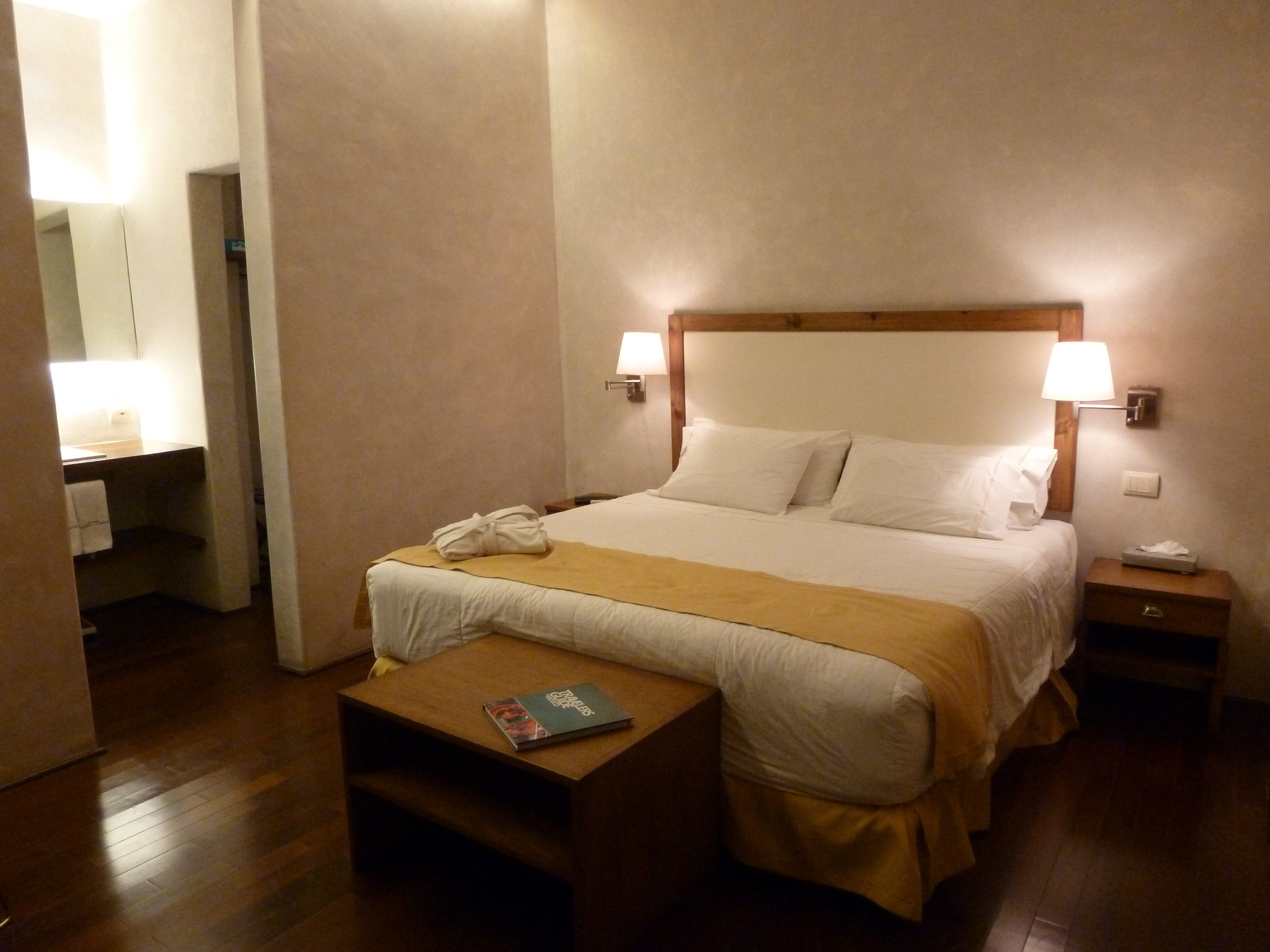
We checked in at our hotel and our room was nice – very modern with a big shower – it felt like a real luxury.
In the early evening we went out again and went up the Latin American Tower again (your admission is good all day) to see the city light up as it got dark.

The next day we got up early and jumped on the subway to go to Chapultepec park. This is a big park west of the centre which has a number of galleries and museums. We wanted to go to the Museo Nacional de Antropologia which has a reputation of being among the best of its kind in the world.

The museum consists of a number of halls which you can walk around anti-clockwise to get a chronological walkthrough of the various Meso-American cultures. The most stunning of the rooms are the Aztec and Mayan.

When we left the museum at around lunchtime the park was really busy with Mexicans spending their Sunday afternoon.

After this we headed back to the centre for lunch and then to check out of the hotel and get back on the tube heading for the bus station, Terminal del Norte. The bus station is massive with a really long line of different bus companies counters – each going to different places. It took us a while to find the one going to Teotihuacan but when we did we soon had tickets and the woman behind the counter told us the next bus was in 1 minute. We ran round the corner to the gates and jumped on the bus just as it was leaving. It was a very smooth ride back to San Juan Teotihuacan where we got off the bus in the main plaza and walked back to the campground.

Teotihuacan

We’ve always been planning to come to Teotihuacan. It’s the site of the third biggest pyramid in the world and also has a good campground where you can leave your vehicle while you travel to Mexico City. However we’ve had problems telling people where we’re going as the name is a bit of a mouthful. We finally learnt to say it properly just before we got here – Teo-ti-wacan.
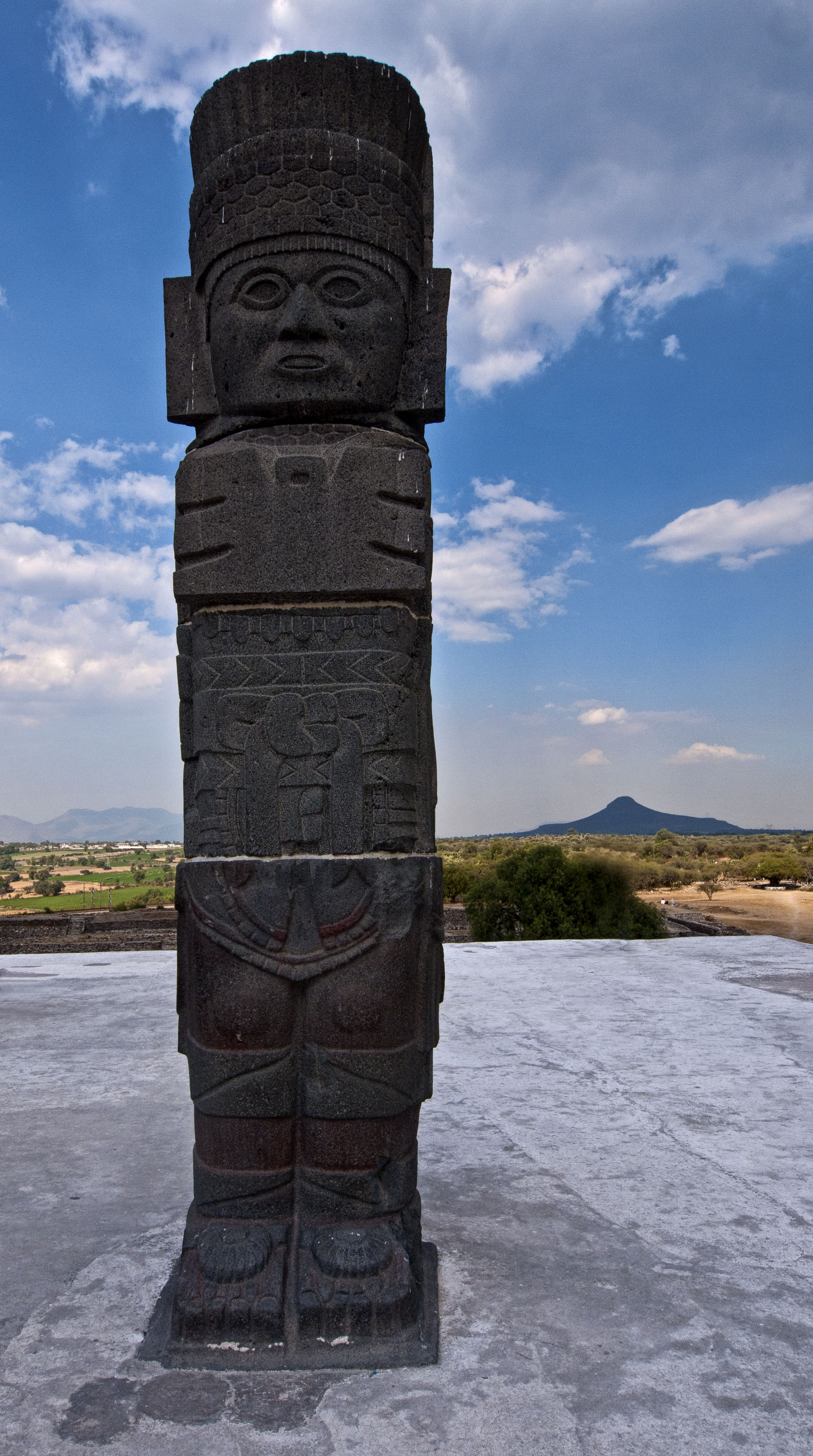
On the way to Teotihuacan we stopped off at an ancient city called Tula. This was the city that took control of this central Mexican region after the fall of Teotihuacan. There’s not that much of the city excavated. However there is a central pyramid which is topped by a number of carved columns called Stelae.
We seemed to arrive at Tula at a very busy time which meant that the central platform had a lot of people on it. We’ve noticed that Mexicans love having their pictures taken and at any place where they are visiting they will stand on top, in front of or next to – in groups or alone – anything vaguely photogenic to have their pictures taken.
As Tula was so crowded we didn’t hang around long and carried on round the Arco Norte (Mexico City ring road) until we got to San Juan Teotihuacan, the town nearest the ruins. As was usual we were the only people in the campground here but Mina, the owner was very friendly and helpful.
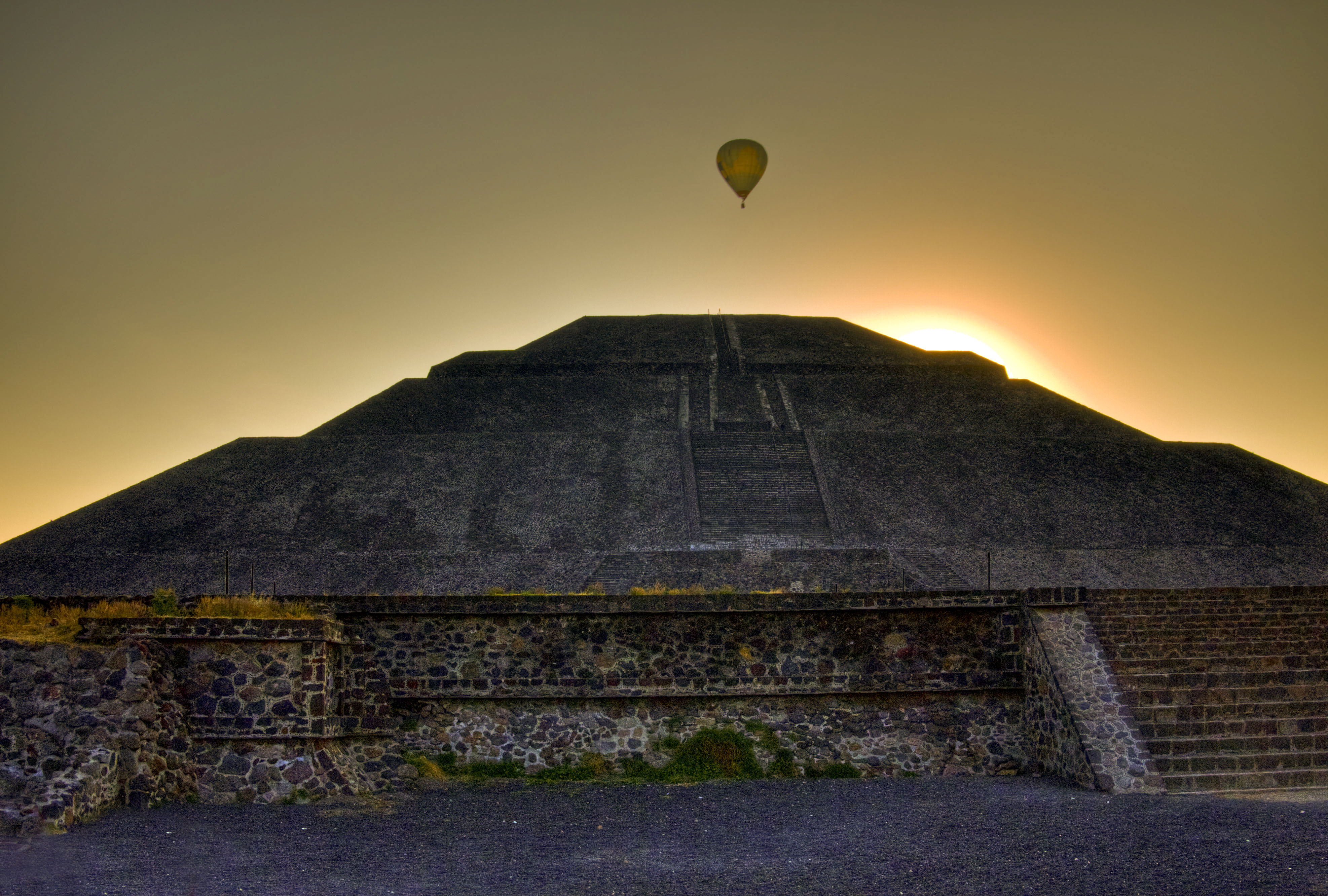
First thing in the morning we got up and walked into town to catch a taxi to the Pyramids. This was only a five minute ride (20 pesos) and as we drove we noticed that the sky was full of hot air balloons. You can take an early morning ride over the Pyramids.
Teotihuacan is one of the most impressive ancient sites in the world. There are three main pyramids – The Sun, The Moon and the Temple of Quetzalcoatl.

At its height the city had a population of 150,000 and covered over 23 km squared. The pyramids were built between about 200 BC and 1 AD and the peak of the city’s power came between 450 to 650 AD. After this though it is believed that the city self-destructed as a combination of ecological crisis and civil war – perhaps with some help from the Toltecs dwelling to the North.
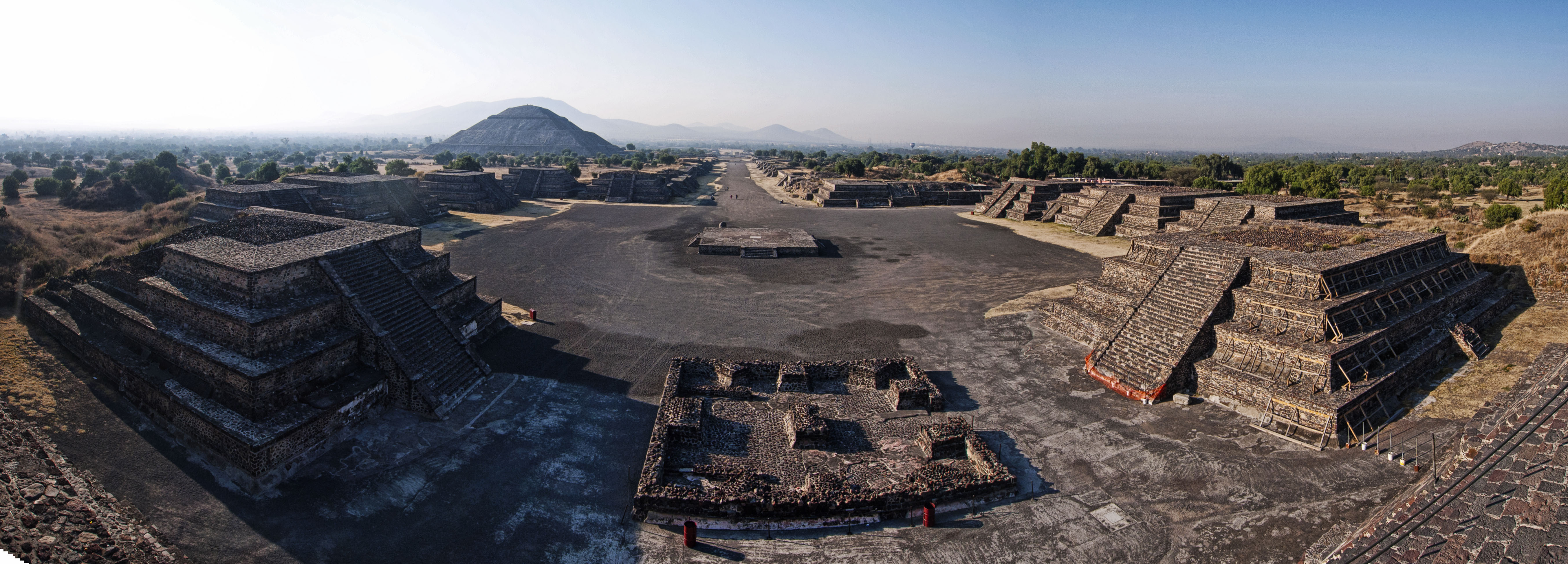
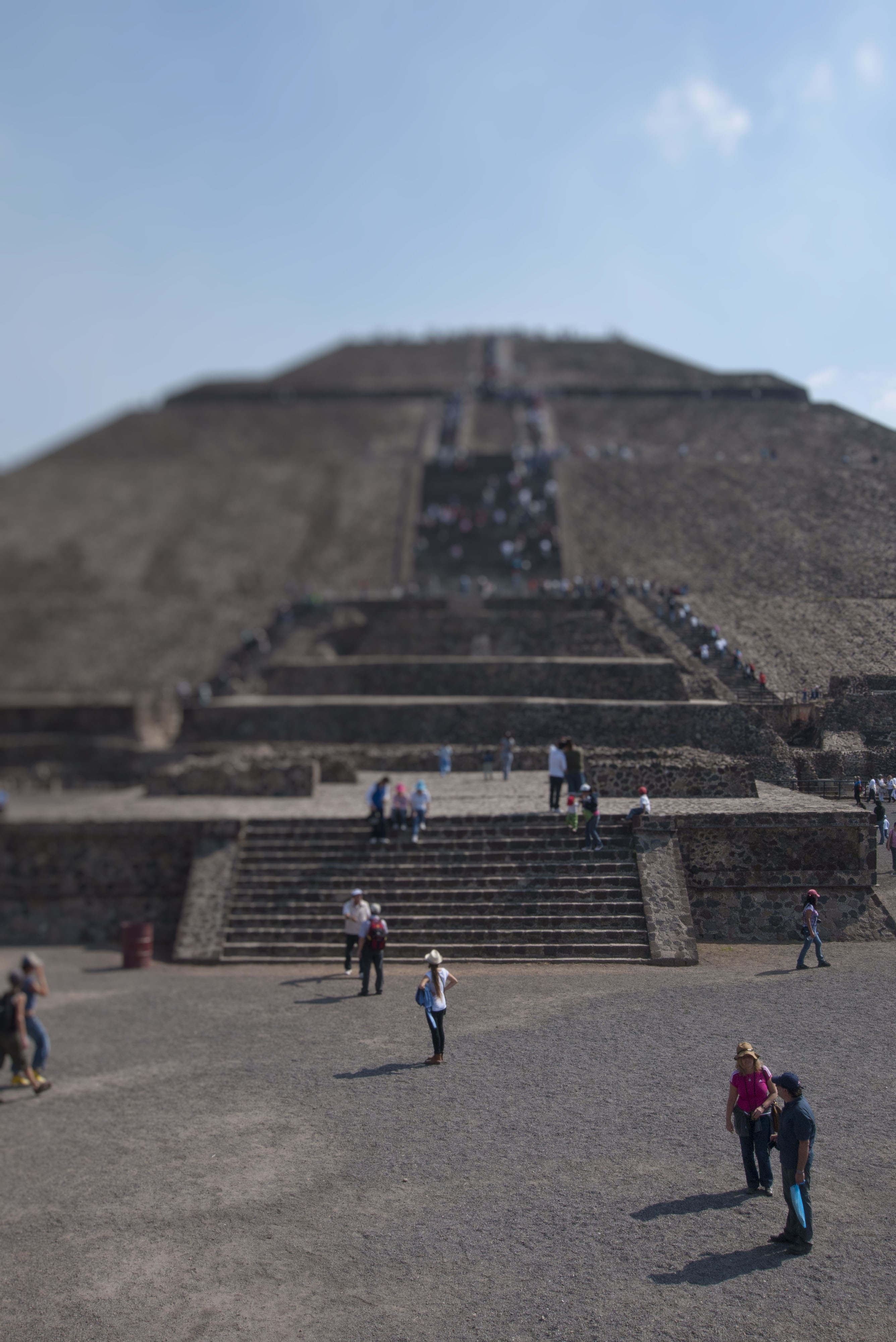
We arrived at the site at around 8am and it was deserted at this time. We climbed the Pyramid of the Sun (the third biggest pyramid in the world and 70m high) and there were only two others at the top. The view over the site from here is great as you can see right along the Avenue of the Dead to the Pyramid of the Moon.
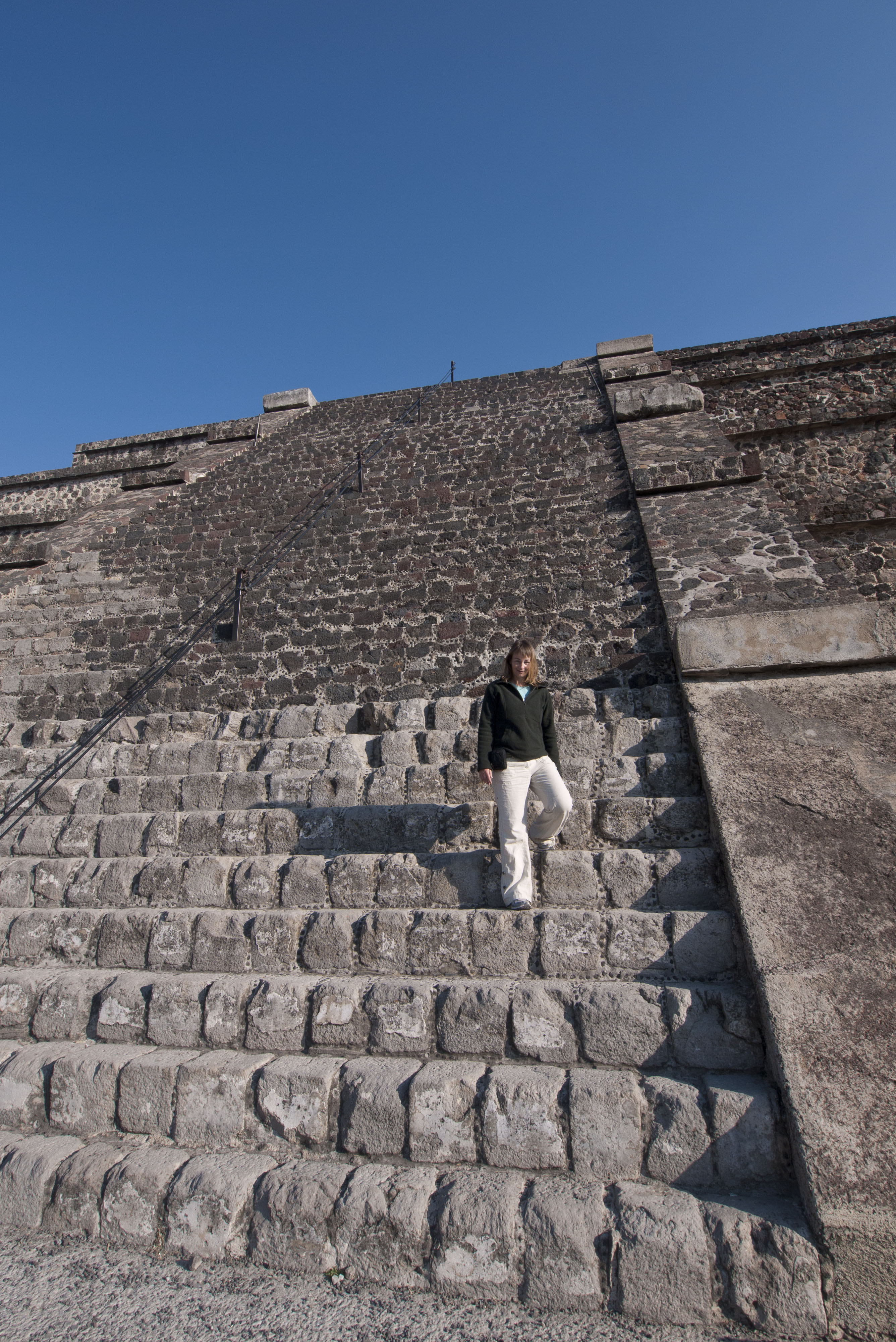
After this we walked up the Avenue of the Dead and climbed the Pyramid of the Moon. The stairs here were steep and each step was pretty high.
We were alone at this end of the site. However we could see that things were beginning to fill up and looking across to the Pyramid of the Sun there were starting to be a lot of people on the top.
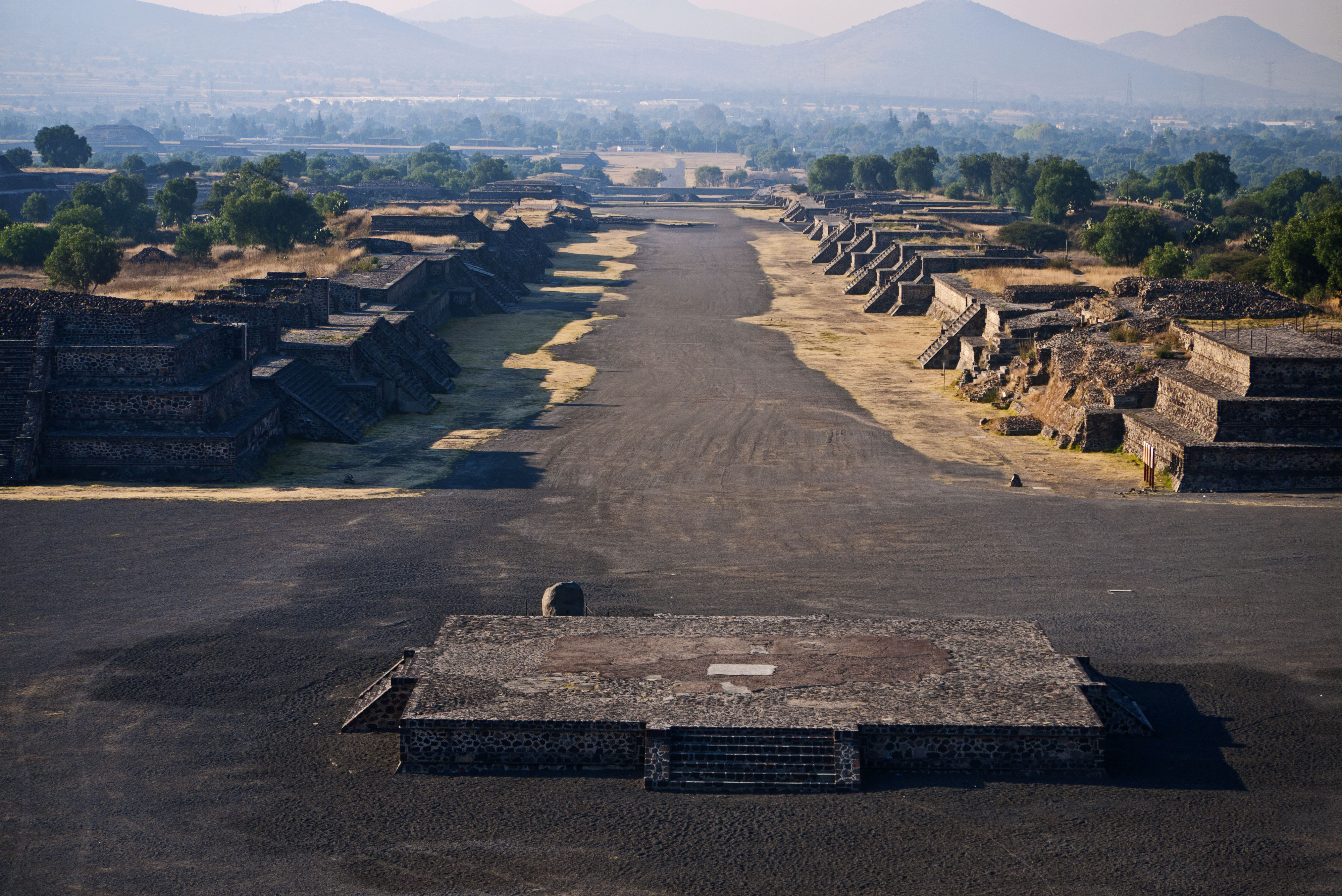
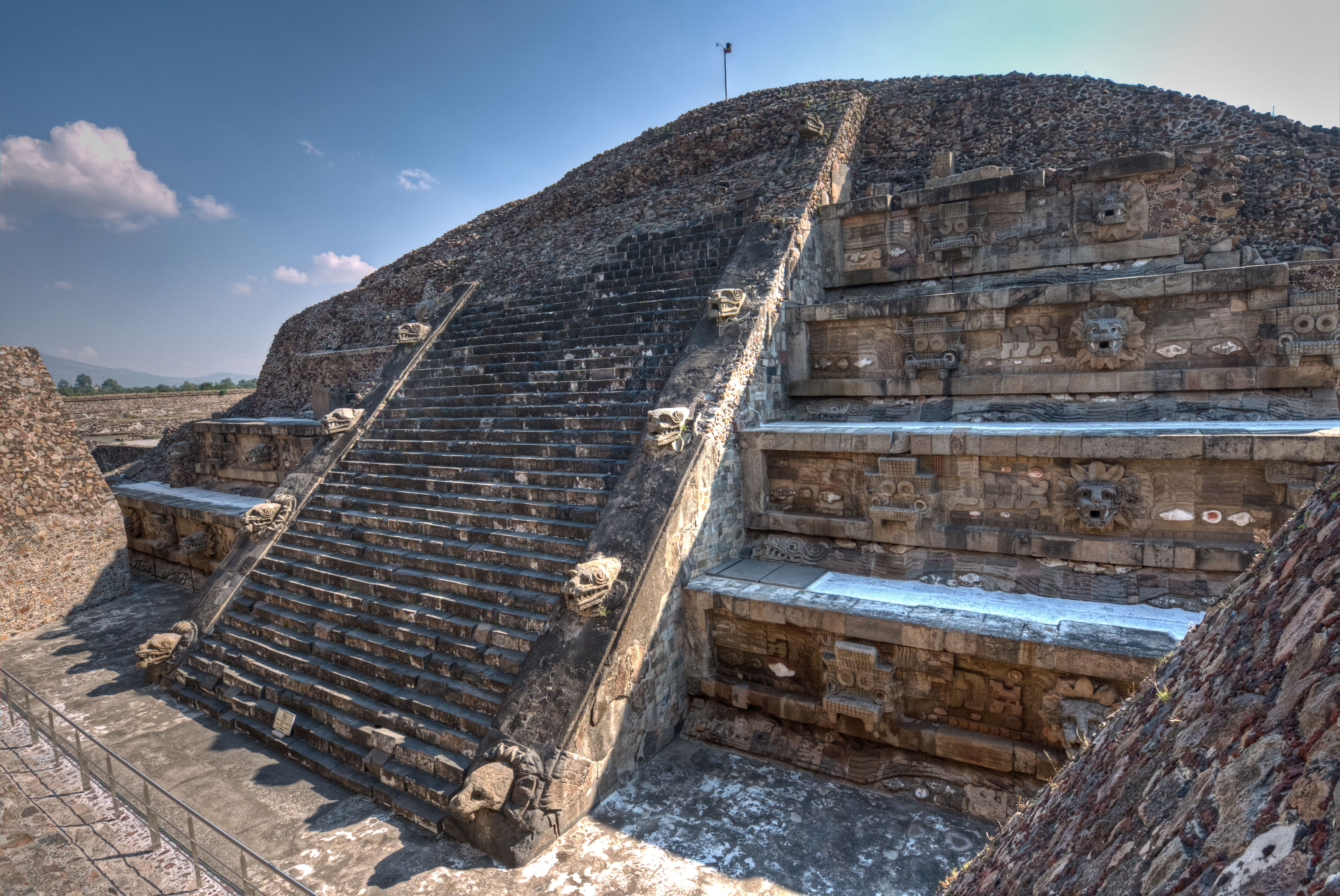
There’s a lot of walking to be done at this Ancient site. When we descended the Pyramid of the Moon we then walked the length of the Avenue of the Dead which is a couple of Km long. There are a whole load of things to check out on the way down the Avenue – to the left and right are a number of ruined apartment complexes – where the priests and rulers of the city would have lived. At the far end of the Avenue is another Pyramid which is in a walled complex called the Citadel. Inside the Citadel is another large pyramid which was built later than the other two and is smaller. However the Pyramid of Quetzacoatl is much more ornately decorated.
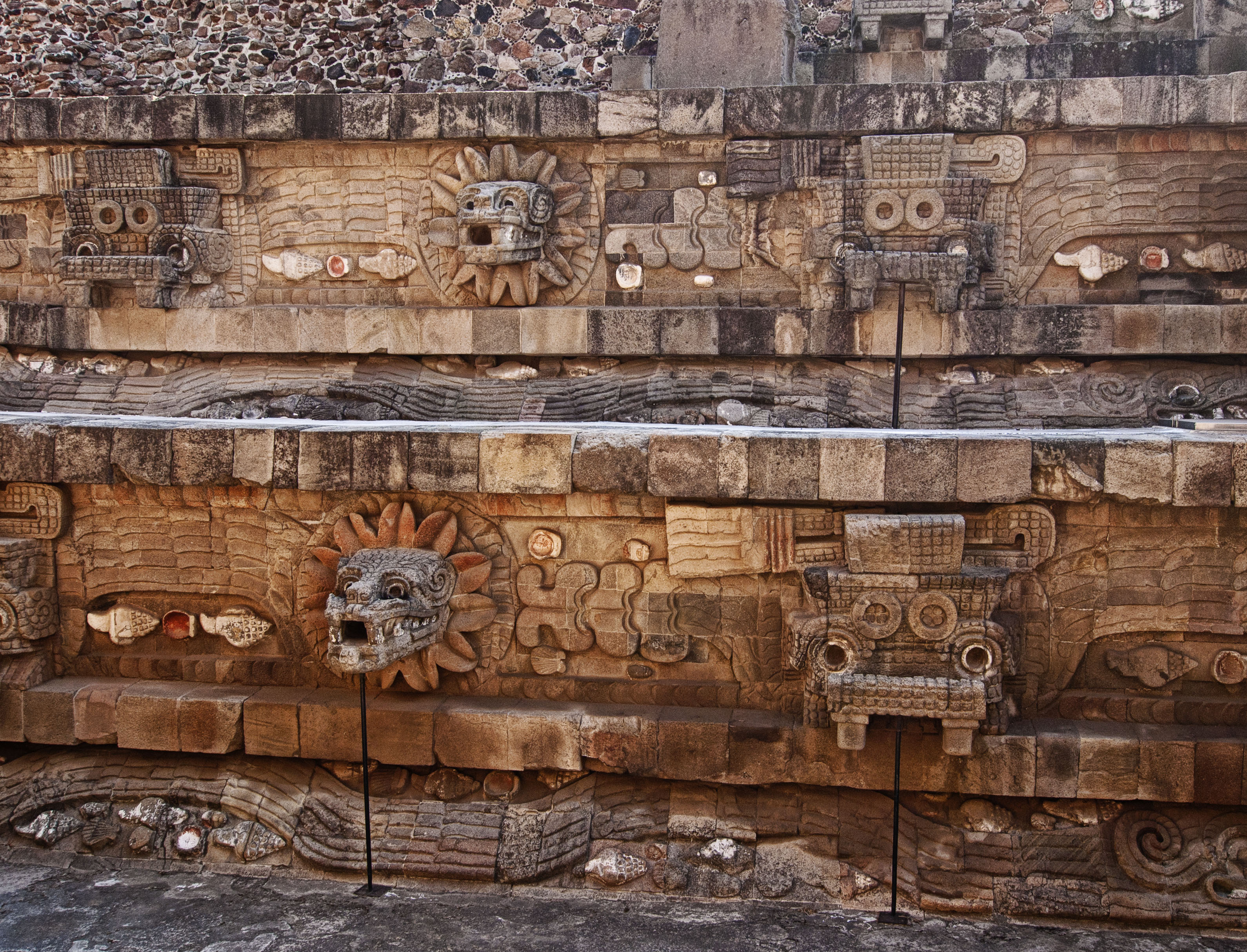
The main features are heads of Quetzacoatl, the plumed serpent, and Tlaloc, the rain god. These carvings were originally hidden by a bigger pyramid built over the top but have now been excavated.
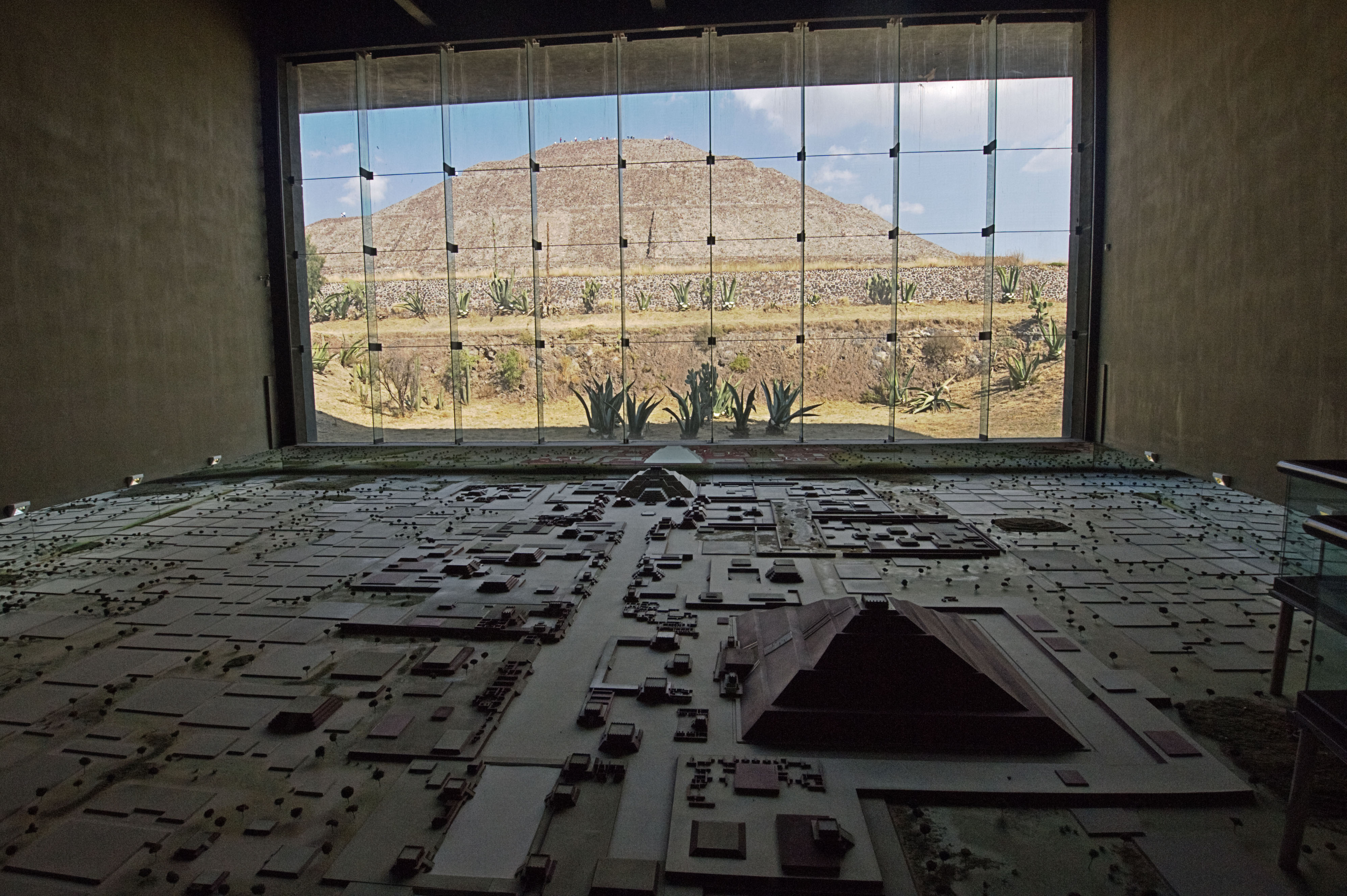
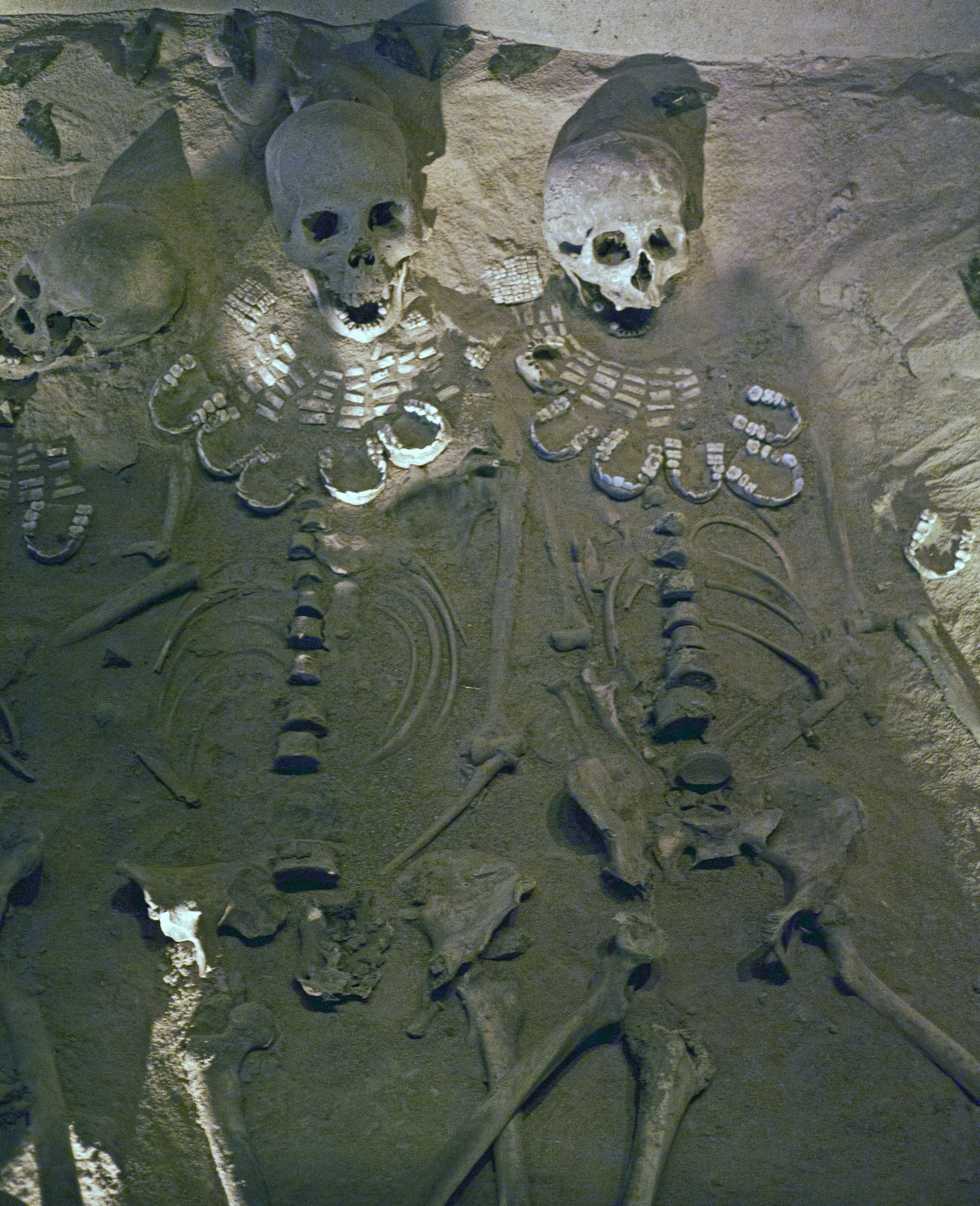
After walking the majority of the site we made our final stop the museum. The two most impressive things here are the scale model of the city as it used to be with a large window looking out to the Pyramid of the Sun and some recreations of buried skeletons found under the Temple of Quetzacoatl.
When we finished with the museum we decided we’d had enough and walked back along the road to San Juan Teotihuacan which only took us about 20 minutes – its not that far.
Driving in Mexico: Top Ten Tips
The most surprising thing about the roads in Mexico, to those of us from the so called Western World who have been fed on a constant diet of anti-Mexican propaganda, is that Mexican drivers are pretty good actually. They don’t have a test – Americans barely have a test so its not much different. I’d happily say that Mexican drivers are better than Californian drivers – and definitely more courteous.
However driving in Mexico is not like driving at home so here are ten tips to help you survive the roads here.
1) Beware of TOPES: Speed Bumps to the unitiated. If you speak to anyone you meet in Mexico a good icebreaker is to talk about the TOPES. Everyone hates them. They can be well signposted and easy to drive over or they can be hidden in shadow, the same colour as the road and for no apparent reason but you don’t slow down and they’ll rip out your suspension. Keep your eyes peeled and slow down for them.
2) BUS DRIVERS: The exception to the good driving is the bus drivers. They must be on some sort of speed related bonus because they drive as fast as they can regardless of the road. It doesn’t matter if there’s a blind corner or a stream of ongoing traffic they’ll still try to overtake you. So give them space and let them do their thing – if they want to kill themselves don’t let them take you with them. – of course it’s a different matter if you’re a passenger.
3) DON’T DRIVE AT NIGHT: No street lights, Topes, random animals on the road, missing manhole covers – its just not worth it. Night is also the time when the Banditos come out (Allegedly) – don’t take the risk.
4) WATCH OUT FOR ANIMALS: There are plenty of animals grazing at the side of the road – they can wander in front of you at anytime. Slow down and give them space. A cow will make a pretty sizeable dent in even the biggest truck.
5) TOPES: Gotta say it again. You’ll learn to hate these things.
6) KEEP TO THE SPEED LIMIT: It doesn’t matter if everyone else is driving at 100km/h in a 60 zone – if the cops spot a foreign plate its you they’ll pull over. Don’t give them the excuse.
7) NO MORDIDA Today: Mordida is the little death – its what dodgy cops will try to get out of you for infractions whether real or imagined. Don’t pay. There are loads of techniques to avoid paying but the most important thing is don’t follow them to a location where you can’t be seen by everyone passing by – you do and your theirs.
8) BEWARE YOUR GPS: We’ve got GPS maps for Mexico and you know what they’re pretty good. There is a big but though – They can be a nightmare in towns. The GPS doesn’t know how big you are and it doesn’t tend to know which roads are one way. The routes it tends to pick through towns don’t stick to the main roads and you can end up in tiny back alleys completely lost. Your GPS is a guide don’t let it stop you using common sense. Before you commit to turning down a road look to check it isn’t blocked or too tight.
9) TOLL ROAD CHARGES: Always check the rate that they are charging you because they don’t always get it right. No Duals and not towing then you should pay the car rate – even if you are an 8 tonne truck.
10) HOY NO CIRCULA: The rules for this anti-pollution scheme in Mexico City and Mexico State are really complicated. Read up on them and try not to infringe. The closer you get to Mexico City the worse the cops are. Don’t make yourself a target. Be aware though that the scheme is suspended for December into January for foreigners in a program called “Programa Paisano” – I’m not sure If the cops know this though.
San Miguel de Allende
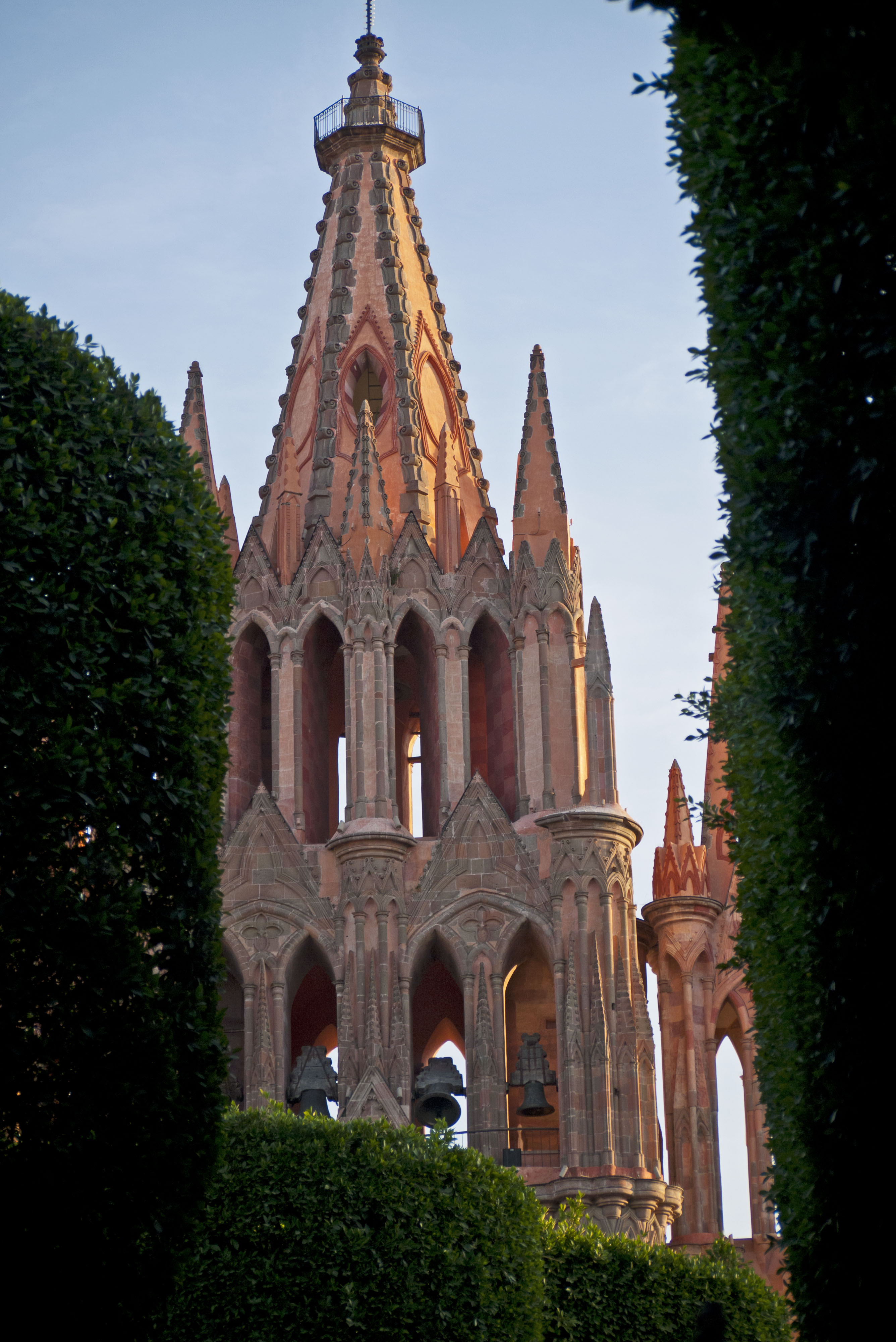
San Miguel de Allende is a rare town in that there is a campground right in the middle of town – within an easy 5 minute walk of the central square. The drawback of this is that you have to drive into the centre of town and then negotiate a really tight turn through a gate into the campground .
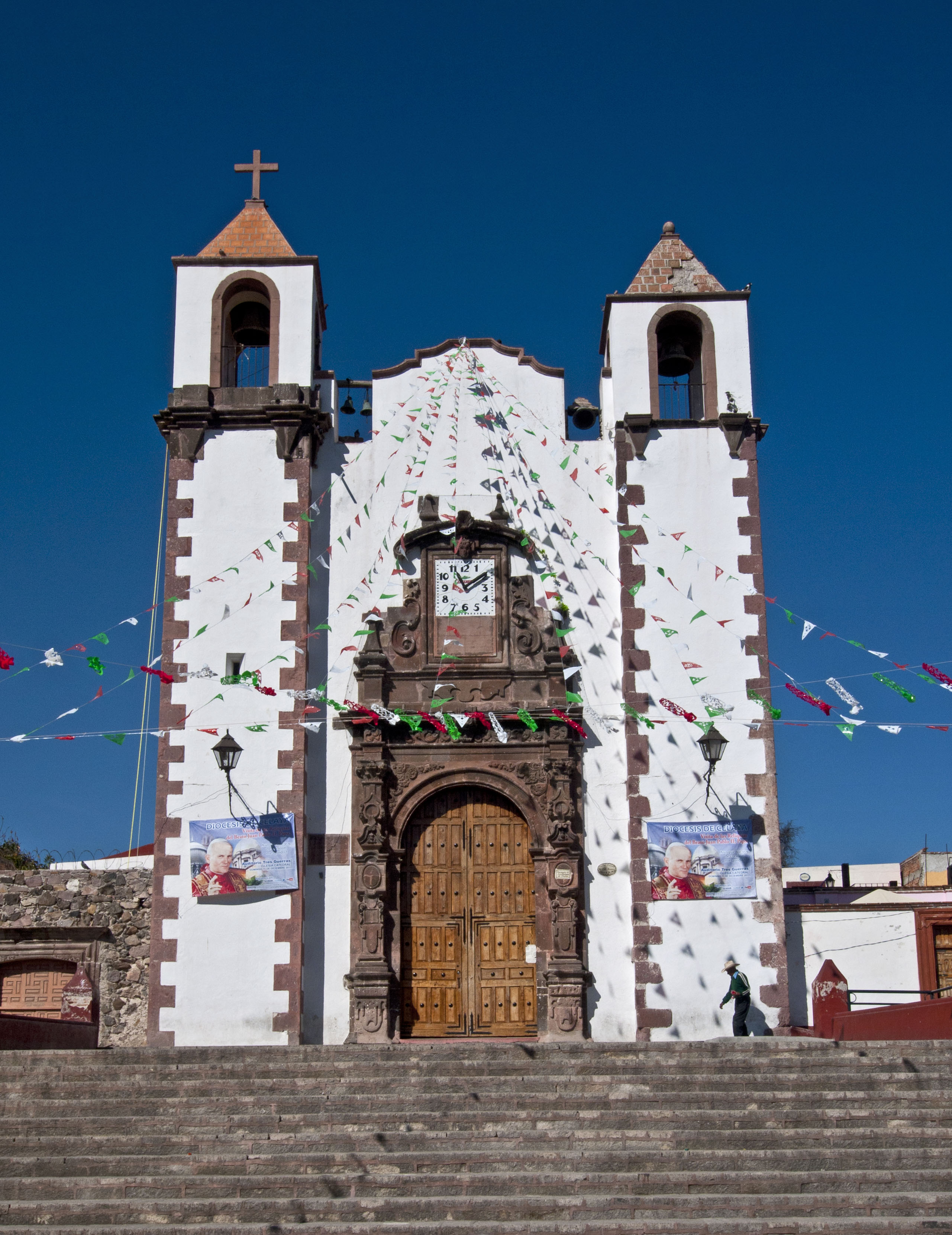
We made it to the gate without too much trouble but the turn through the gate was much harder and we ended up bumping the gate. No damage done but a stressful few minutes were had.
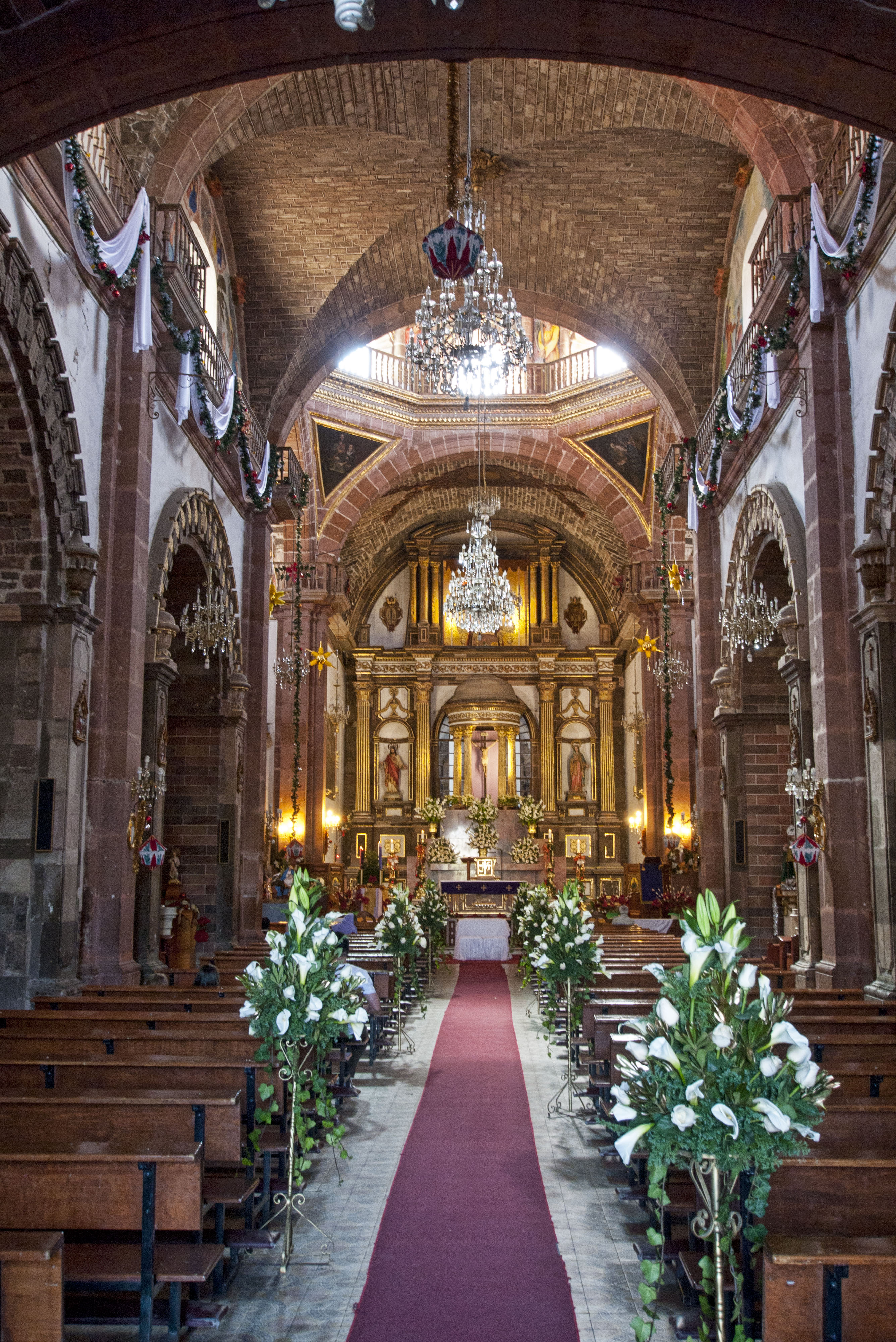
The San Miguel RV Park and Tennis Courts is a rare find in that it is the only campground in Mexico which is regularly full. On arriving we managed to get a place among a mixed group of travellers. The majority of the people here are German speaking though. There are a smattering of Canadians and Americans among the Germans, Austrians and Swiss.
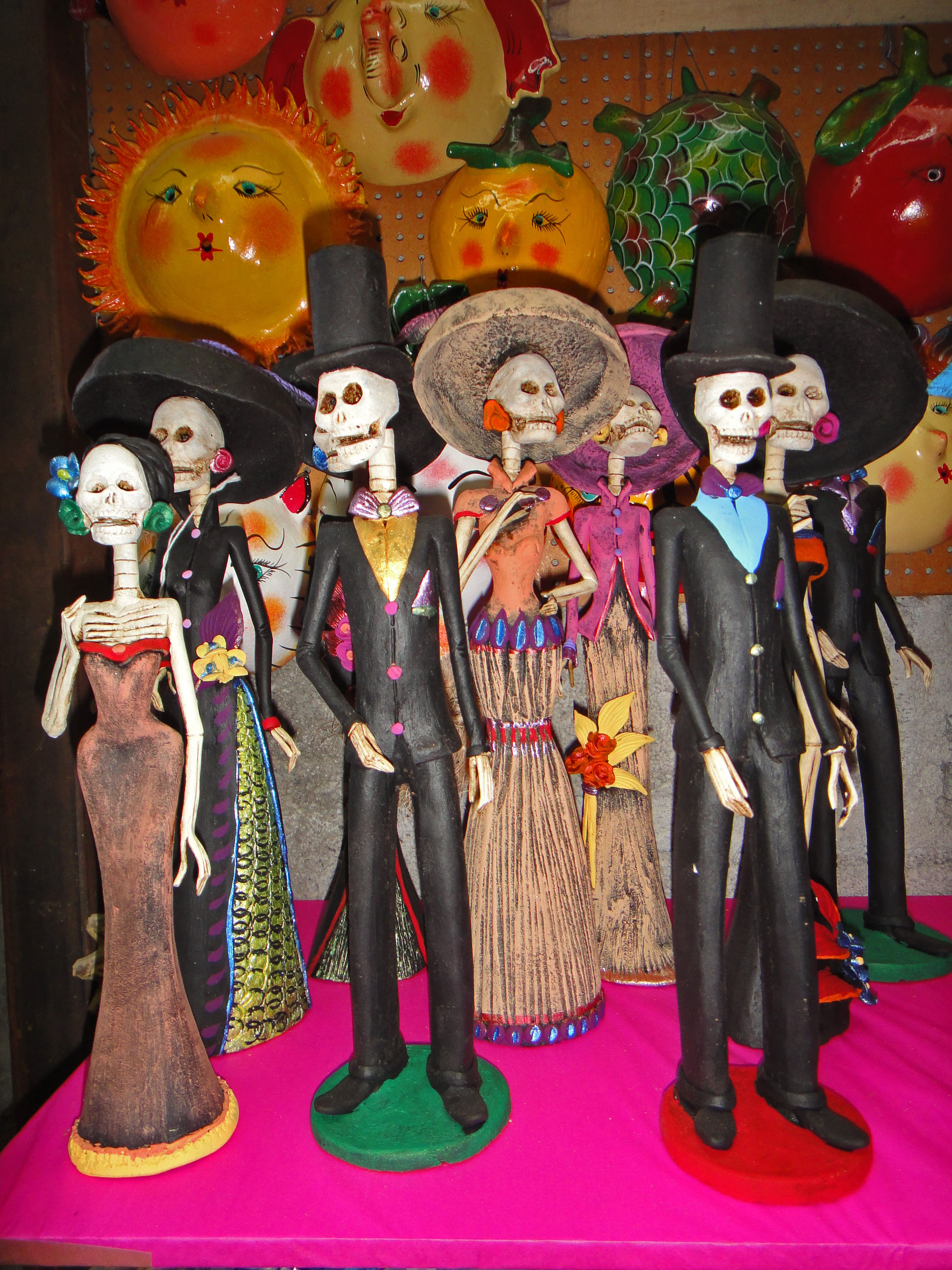
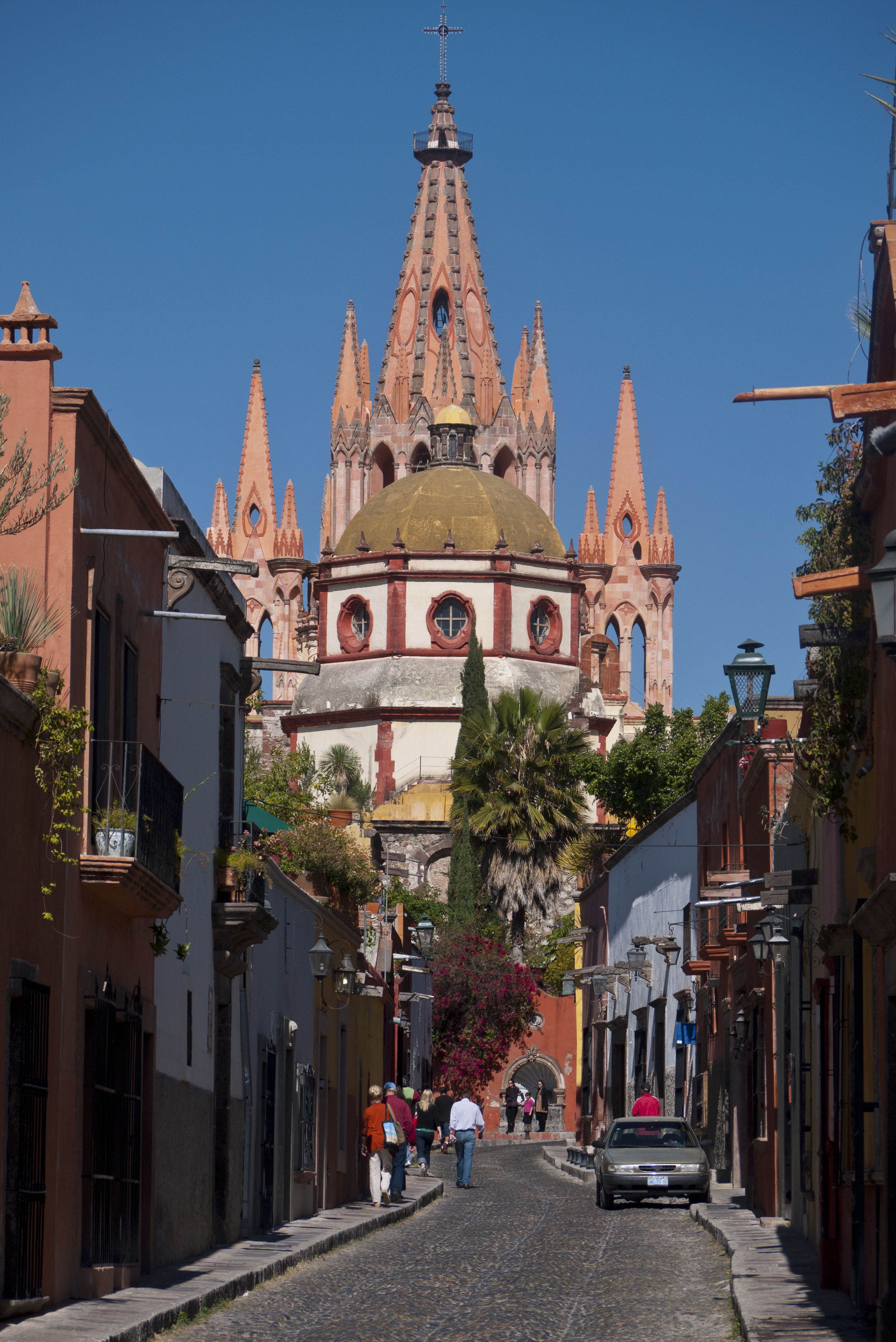
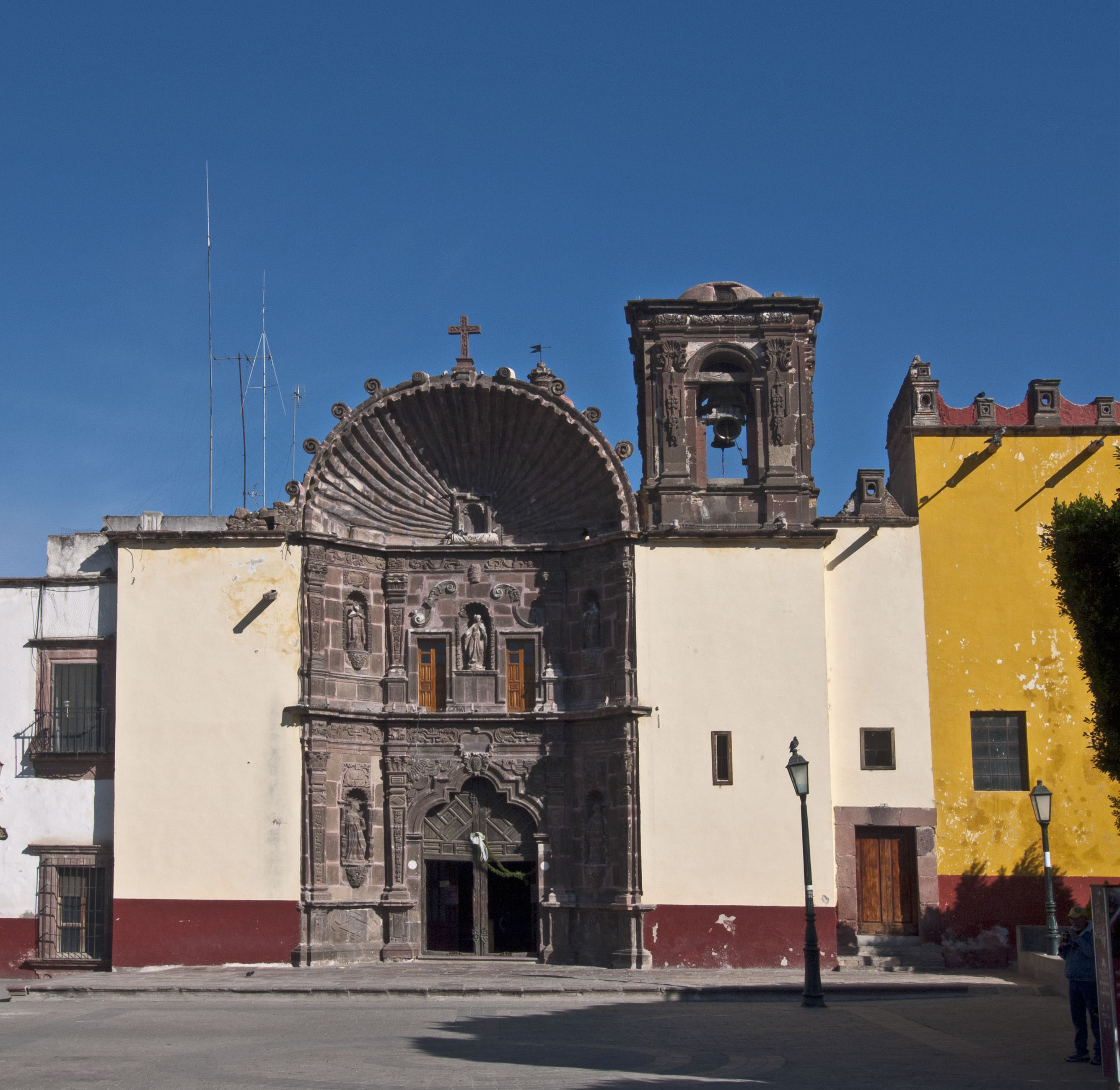
San Miguel itself is a beautiful little town. Its very safe and has a large expat population. This means that there are loads of restaurants, boutique type shops and a brilliant Artisan market. There are a whole bunch of good looking buildings and cobbled streets to explore.
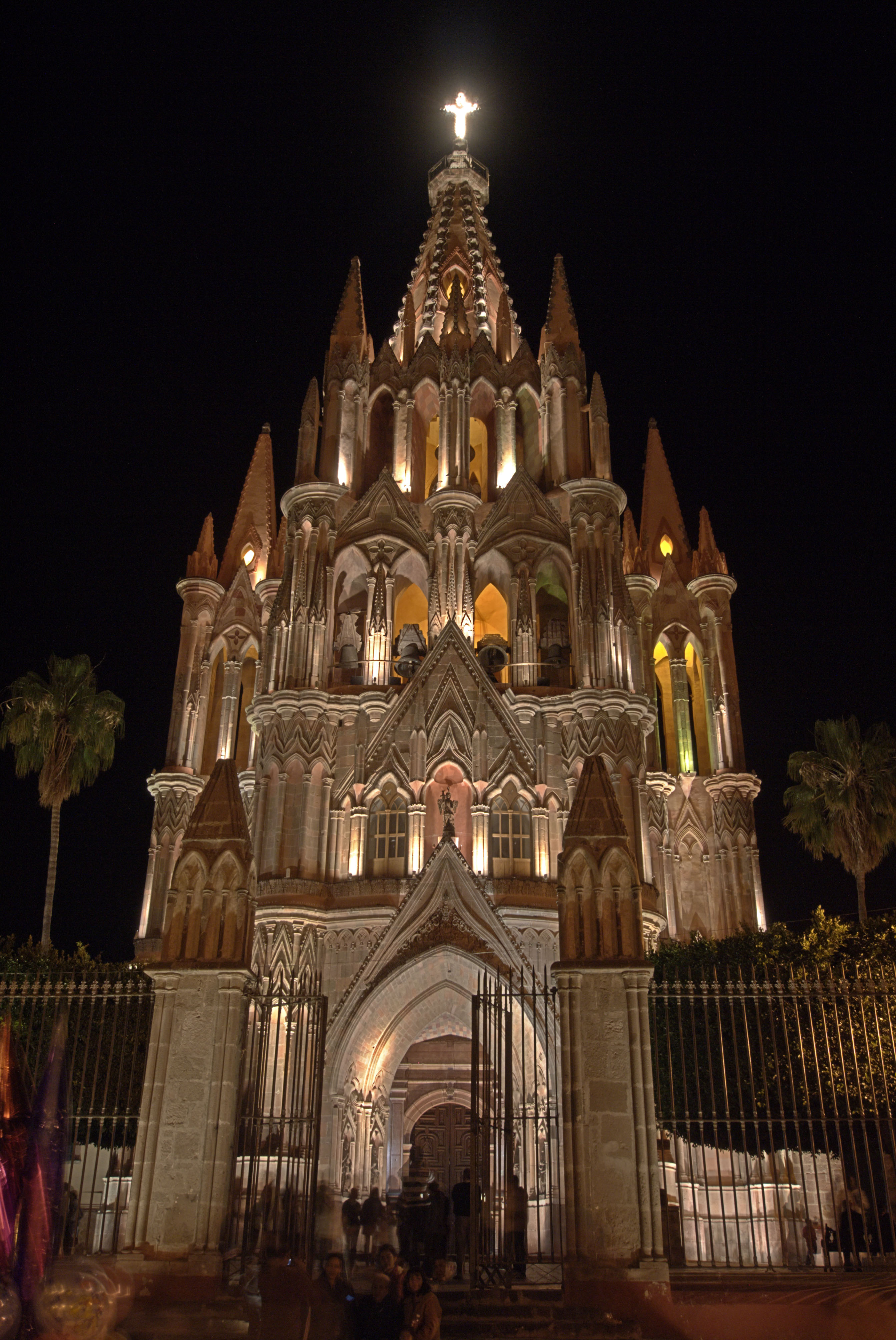
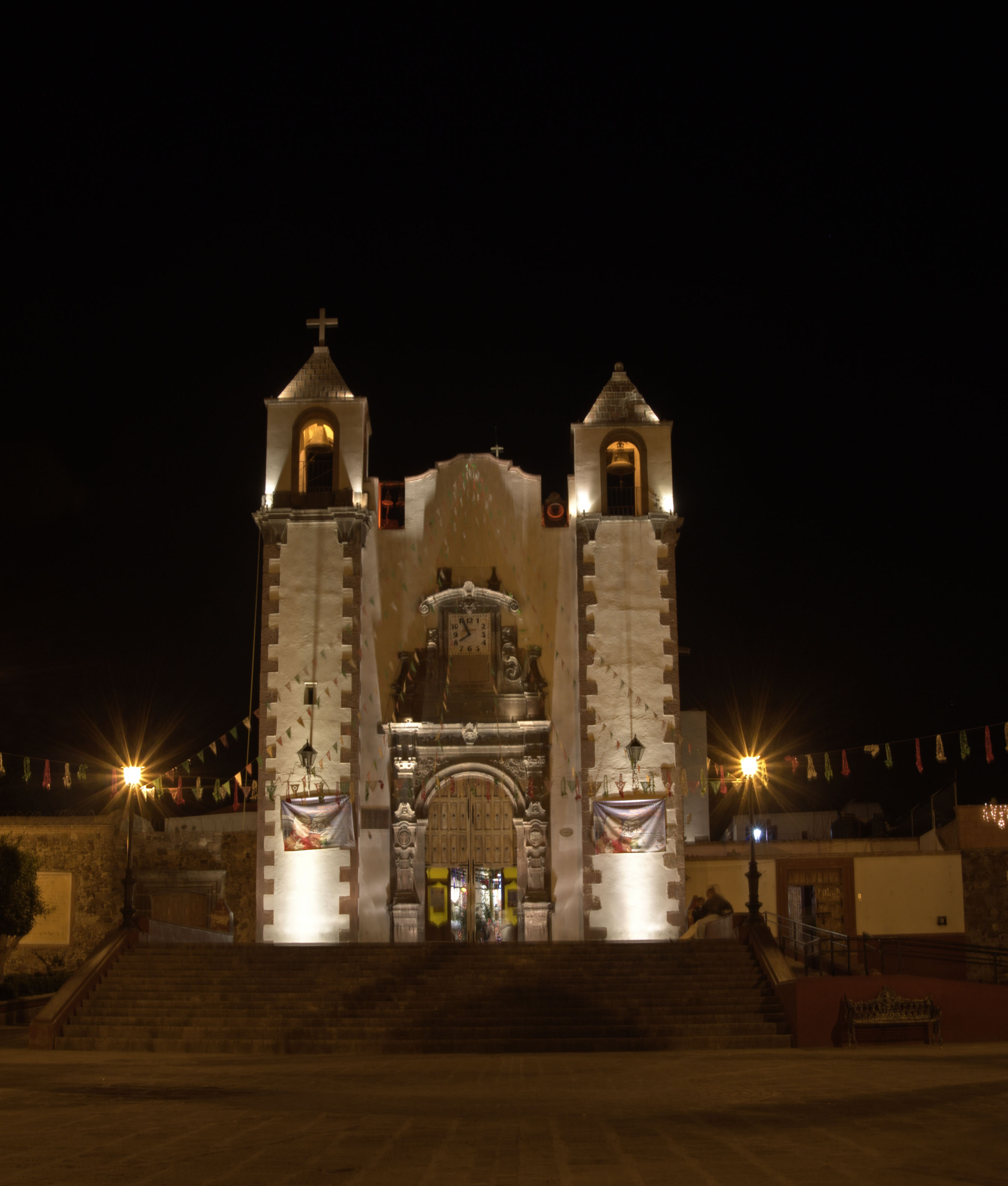
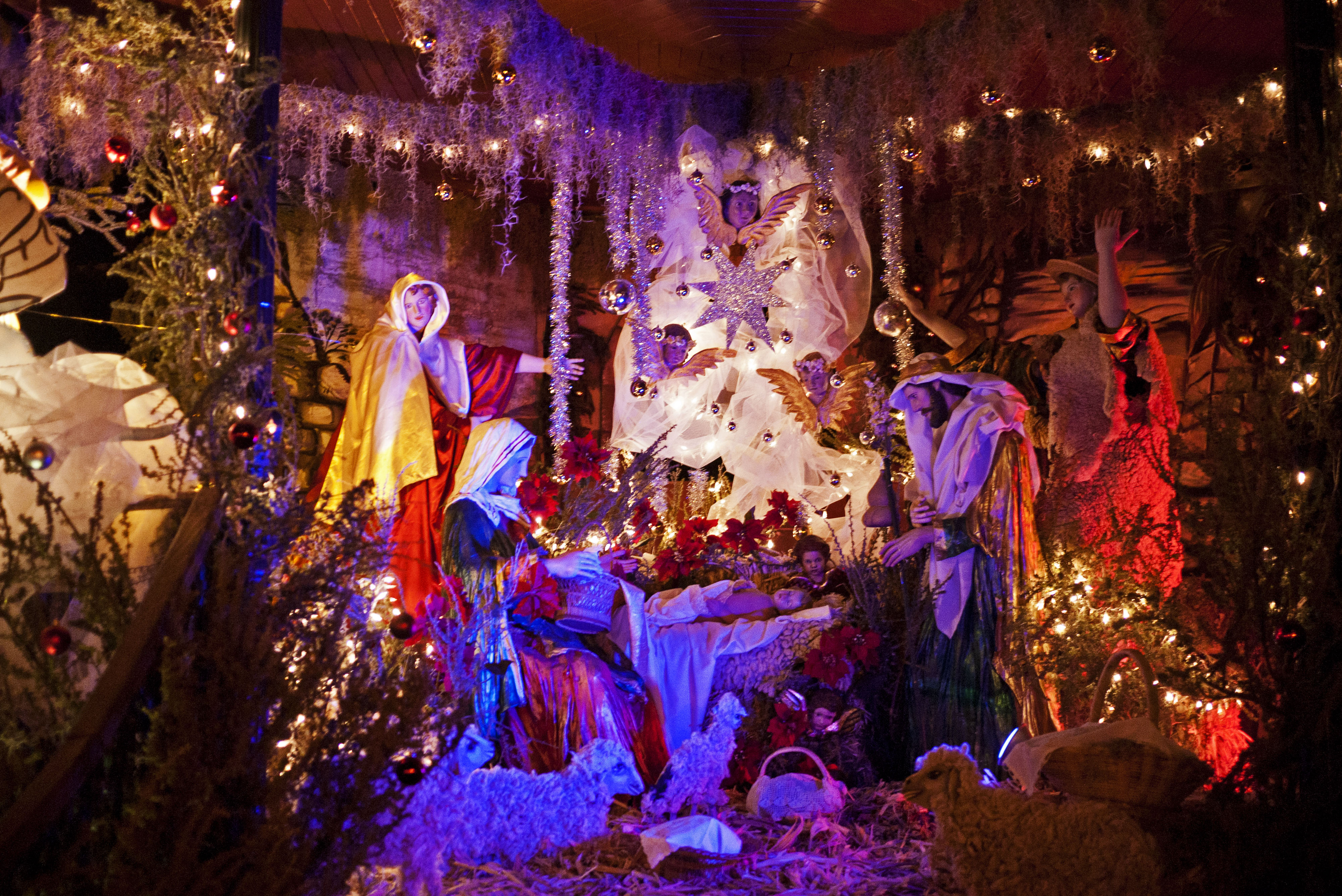
After walking into town for the first time we decided that we would stay for a week and spend Christmas here. It would be nice to settle down for a week and relax. We also decided that we should take some Spanish lessons to try and get some sort of foundation in the language. The town was alive with the build up to christmas. There was a procession every night from one church or other. There were also nativity scenes everywhere. The main one in the Jardin even had livestock involved on christmas eve.
So each morning we have been having an hour of Spanish with a Californian born guy of Mexican descent called Rio. He’s had a very laid back approach to teaching. His philosophy is one that it doesn’t matter if you are 100% right just whether someone will understand you – and that’s just what we want. Its been pretty hard for both of us to concentrate on learning a language as its been a long time since we were in school. – although we have made some progress and can get by with some basics now.
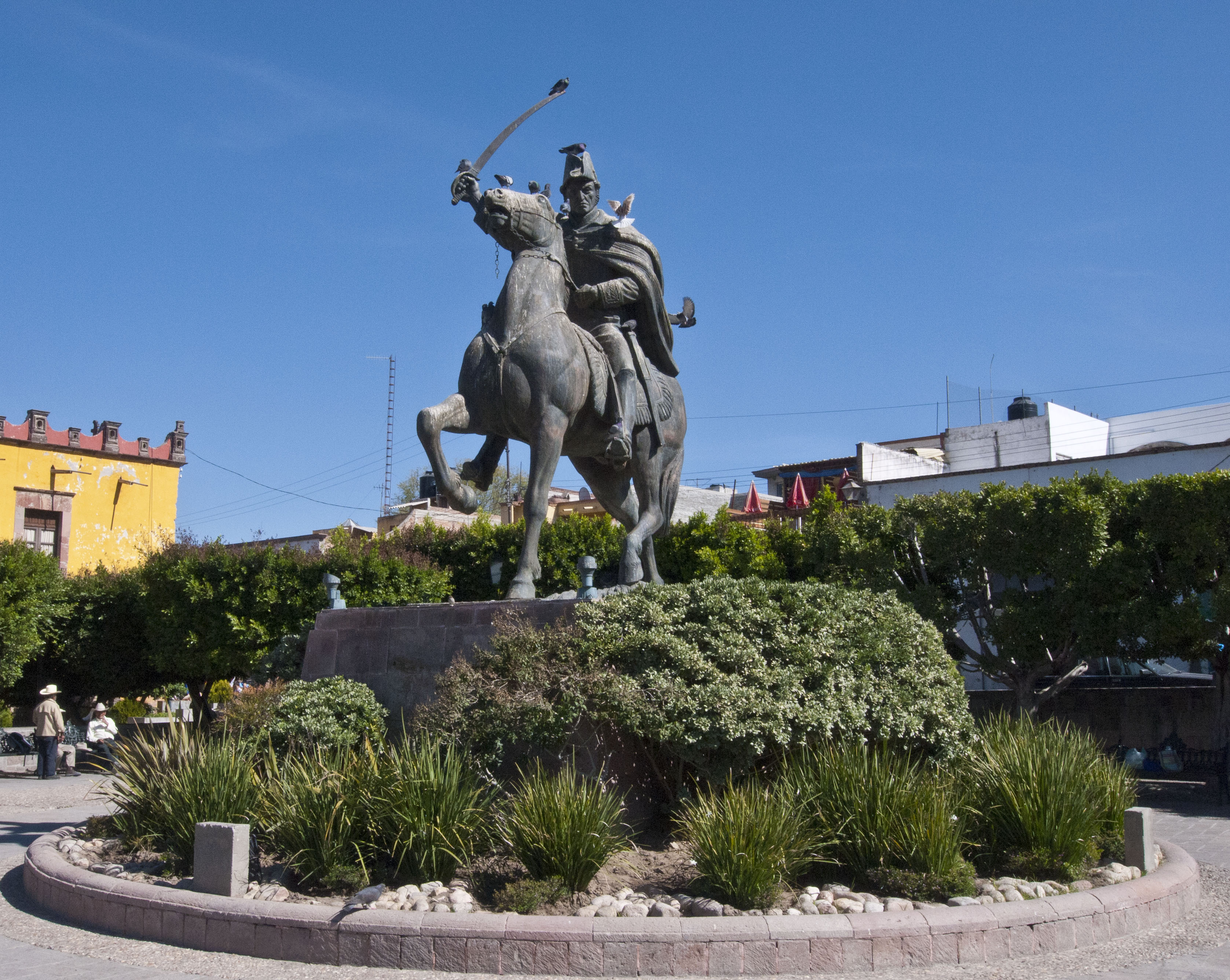
We’ve read it elsewhere and we’ve now discovered it for ourselves – San Miguel sucks you in. We’ve spent days here doing nothing much but stroll to the Jardin (the central squre), buy an ice cream on the way and then explore some of the streets and shops – there always seems to be more of both that you haven’t seen. Maybe it’s the large number of expats or maybe its because its so safe but San Miguel is a great place to hang out.
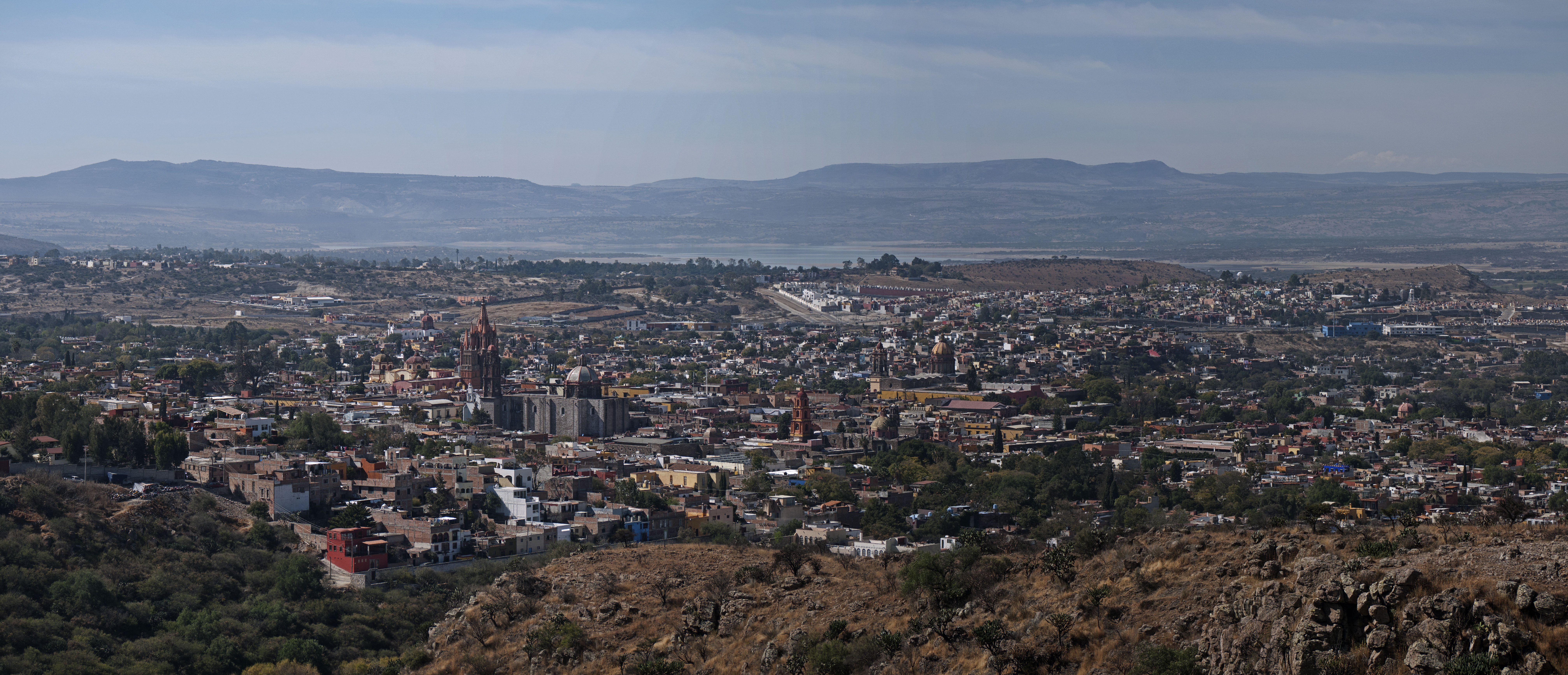
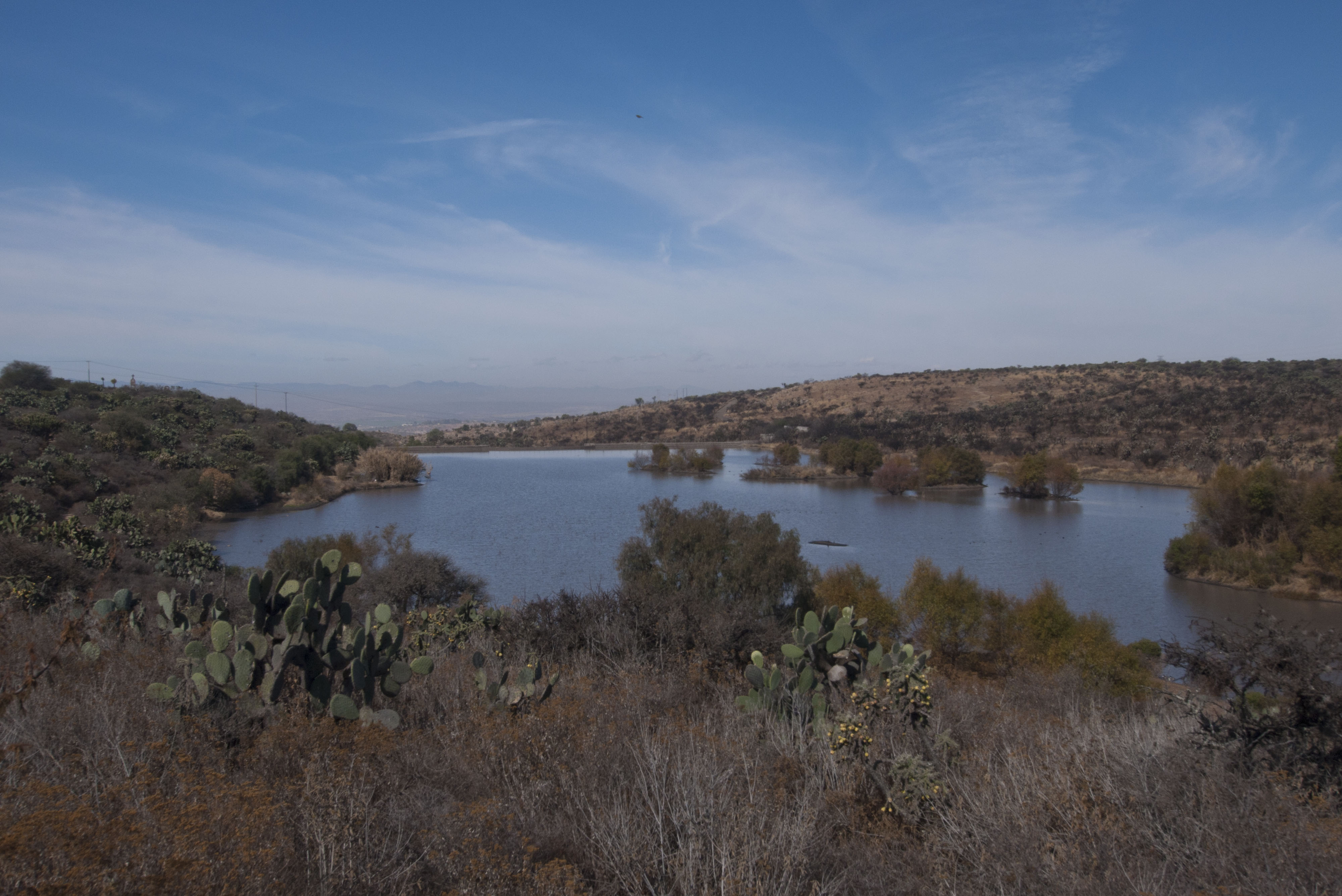
One day we decided to visit the Botanical Gardens. These are a stiff walk up the hill from the centre of town. The gardens themselves are mostly cactus but its an oasis from the bustle of a town and very peaceful. From the far side of the gardens is a great view of the town.
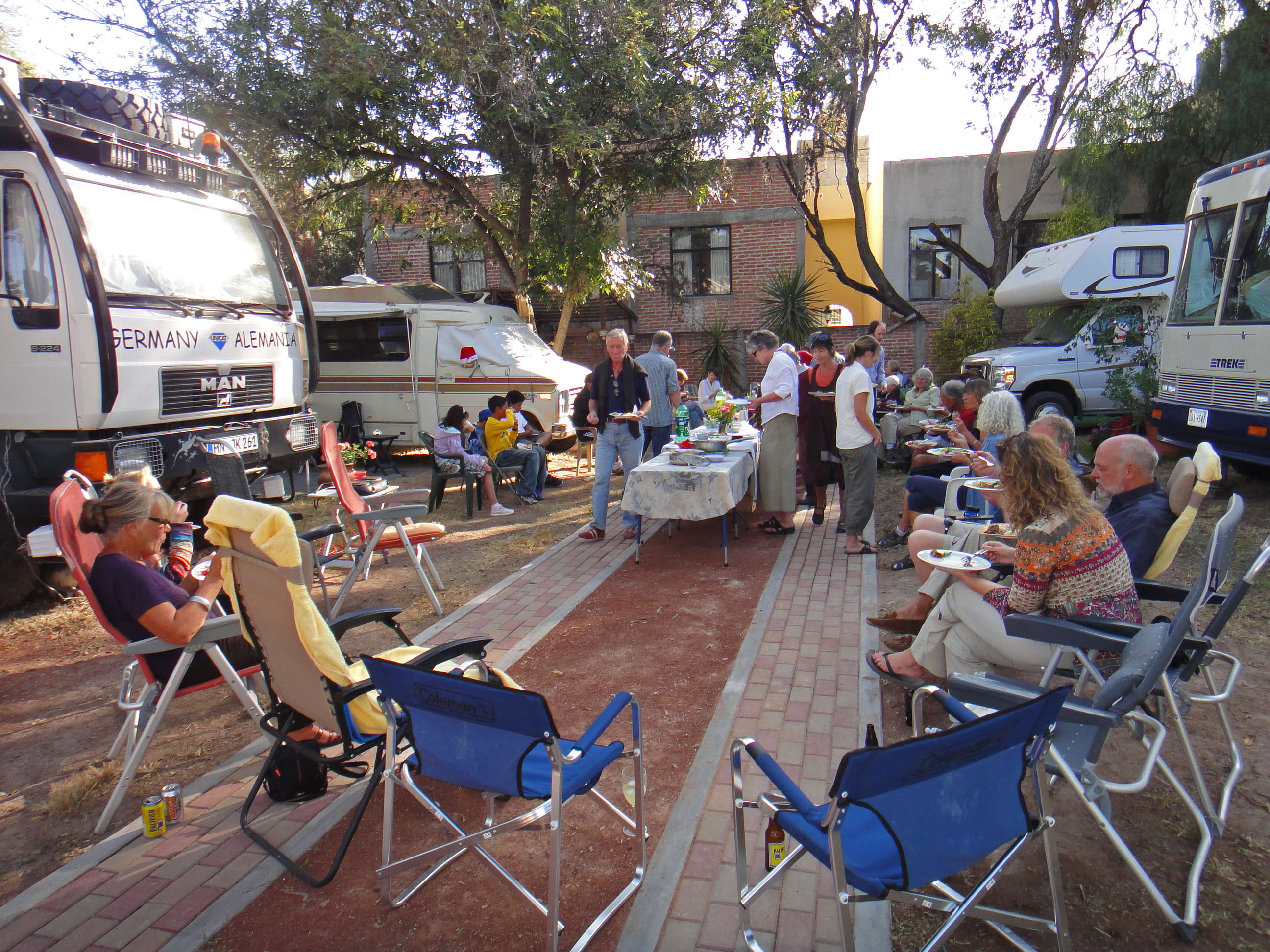
On Christmas Eve there was a small party at the campground for all of the guests – it was a bring a plate type deal and it was good fun. A few beers, some food and a roaring fire when it got dark.
The climate in San Miguel at this time of year is practically perfect. Its 25c in the day and the temperature drops to around 10c during the night. The mornings can be a little chilly until the sun comes out but then its glorious.
While in San Miguel we managed to achieve a couple of chores – There is a mini supermarket called Guadalajara just down the road from the campground and here we bought some antibiotics (Ciproflaxcin) against the inevitable delhi belly and we got our first lot of anti-malarials. We’ve tried to buy both at other places in Mexico and been refused so this was a stroke of luck. I don’t think they should have sold them to us but we’re not going to look a gift horse in the mouth.
Eventually though we had to move on from the San Miguel oasis – our destination one of the largest cities in the world with over 20million people – Mexico City.
The Art of Vagabonding: Free Camping 102
Last time I talked about how to camp for free we were just leaving The Far North of the Americas. I wasn’t sure how our free camping strategies would work in the lower 48 states. Well camping for free is slightly harder in the lower 48 but still very manageable and the more you do it the easier it gets.
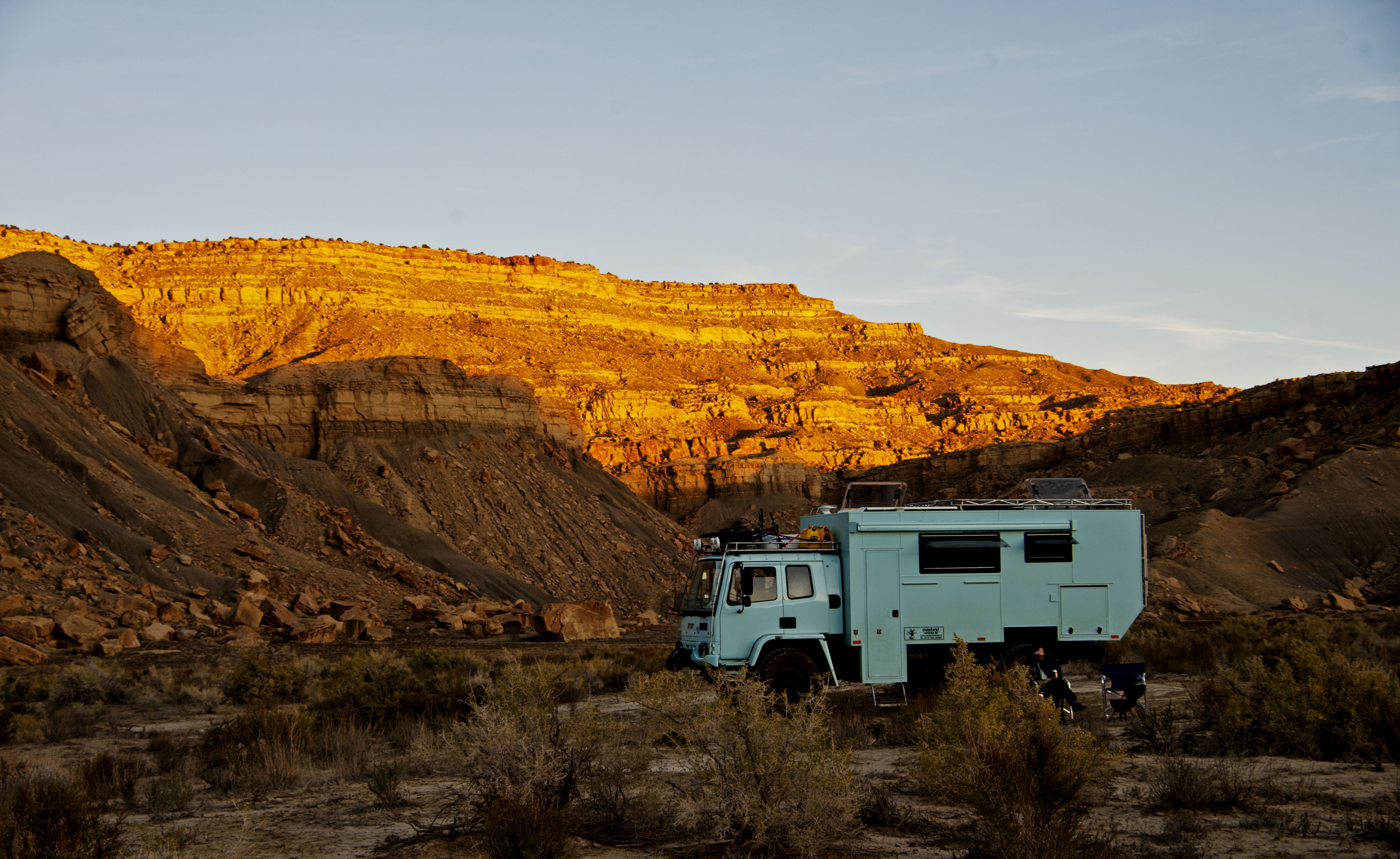
The first thing that you need to know is where you can’t free camp. National Parks are a definite No/No. State Parks likewise. These Parks both have proper campgrounds and expect you to use them.
In many states Walmarts are ok to spend the night but there are states that ban this completely. Walmarts should only be a last resort – say if you are travelling long distances multiple days and just need somewhere to rest overnight. The following link lists those Walmarts that ban overnight parking:
http://www.walmartatlas.com/no-park-walmarts
However we have stayed at Walmarts that don’t allow overnight parking. This is when we arrive late and leave early. We’ve never been asked to move.
Very valuable advice that we got from a full timer was that light industrial areas in towns are ideal for boon-docking. They are often not too far from the centre and after 5pm everyone has gone home and they are pretty much deserted. Very conducive to a quiet nights sleep.
Freeway rest areas are another spot that you can camp in. The rules vary state by state and the following are the states that you can stay in.
Arizona Arkansas Connecticut Illinois – only on Illinois Toll Road Indiana – only on Indiana Toll Road Kansas Nevada New Mexico New York – emergencies only Ohio – only on Ohio Turnpike Oklahoma Oregon – 14-hour limit Texas VirginiaIn many small towns as you cruise through you will see a road lined with trucks. These are places where truck drivers spend the night and there is no reason why you can’t do too. The only problem is that many of these trucks will run their APU’s all night so might be quite noisy.
When on freeway’s keep an eye out for Truck Stops, eg. Flying J, as they will often allow overnight parking.
We also found that Casino’s are great places to park. They welcome the business and operate 24 hours so they just don’t have a problem with more vehicles in the lot.
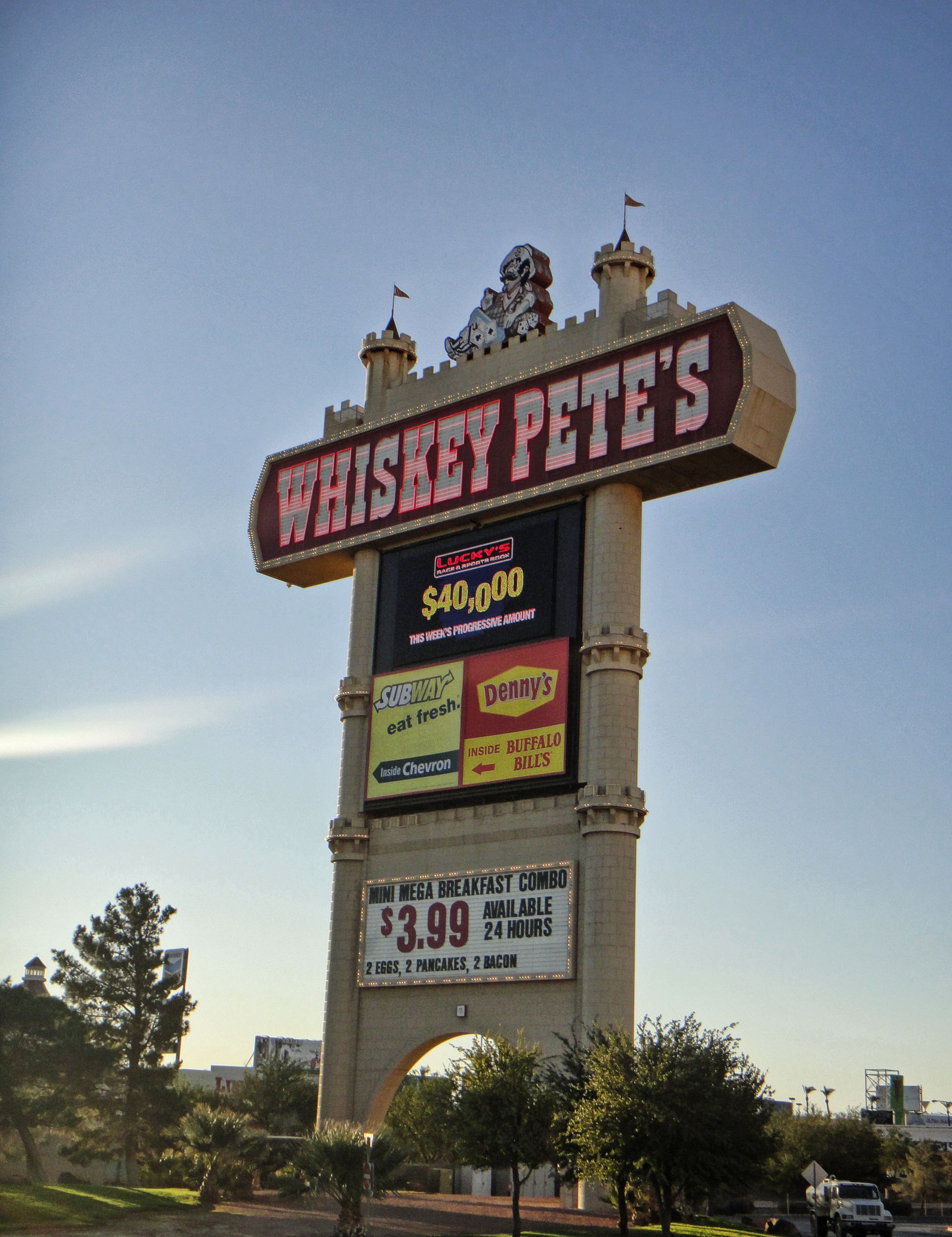
There are plenty of other urban spots that you can stay: churches, mall car parks (talk to security first though), residential streets (keep a low profile) – and loads more – be creative !
These places are all very well to spend the night when you’re not too bothered about where you are, but there are a whole lot of better places to spend the night. They just might take a bit more work to find.
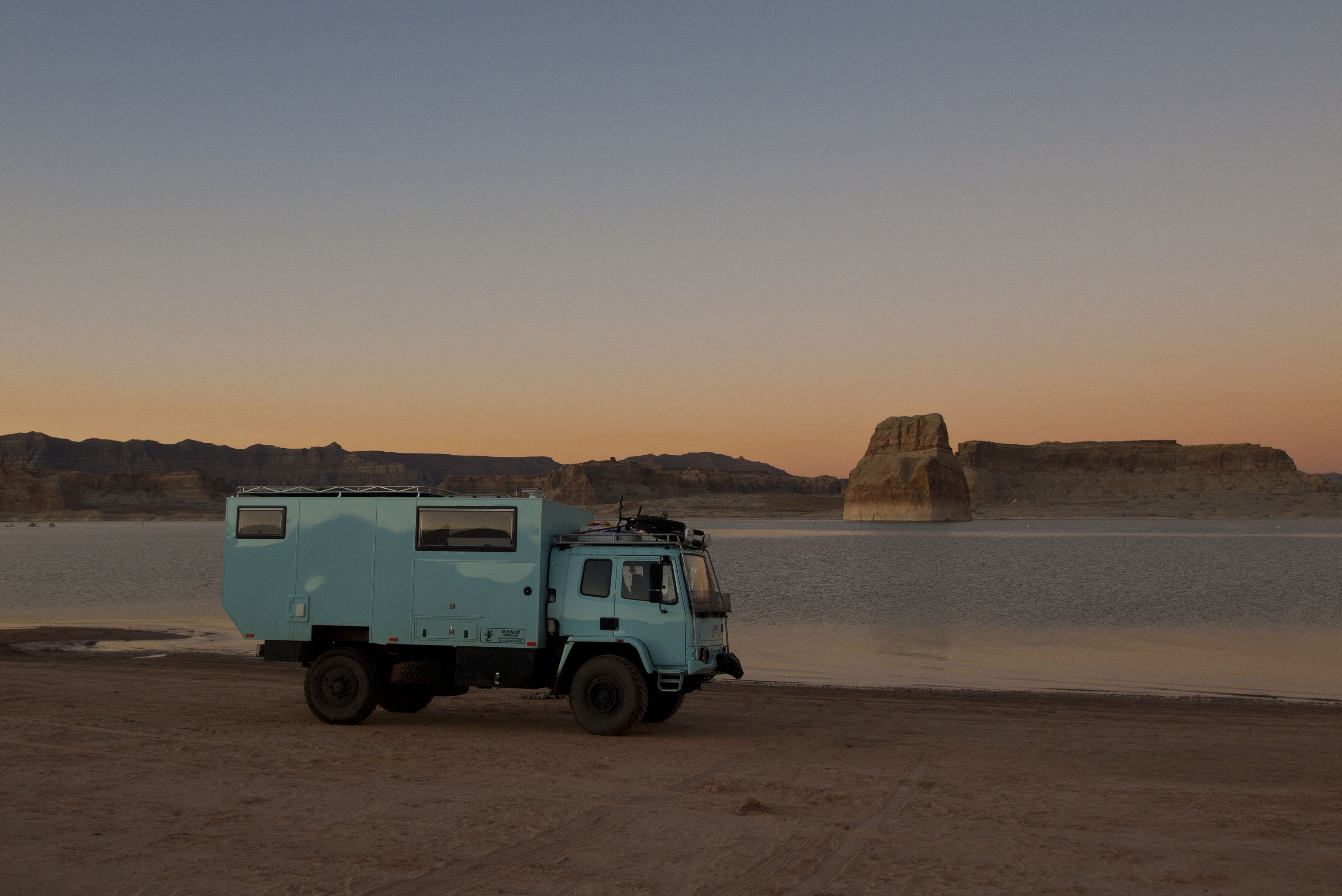
There is state owned land all over the USA which is available for free camping:
National forest is probably the most obvious. In almost all National Forest areas you are allowed to camp alongside roads. You should try to camp in areas which have been previously used and operate low impact camping but other than that you can camp almost anywhere. The best sites are usually found along gravel roads though.
Bureau of Land Management (BLM) land is also a great place to camp. These can have many different rules but usually dispersed camping is fine. In many towns there are BLM offices which you can use to find areas of BLM land and get permits for camping (sometimes required but free). You can stay up to 14 consecutive nights on BLM land.
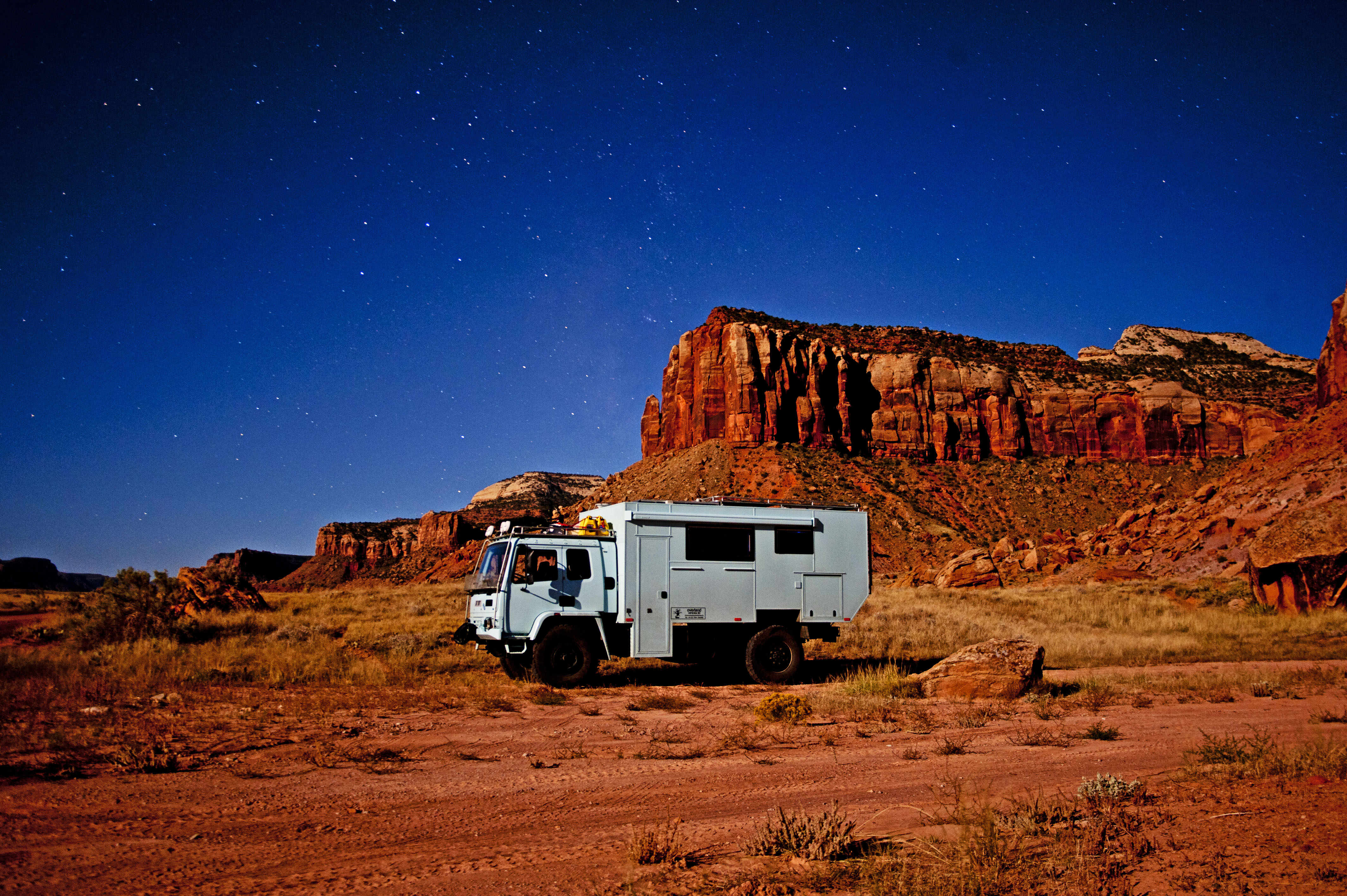
In much of the USA you will find unmarked turnoffs down gravel roads. Often within the first half a km of the turn you can find a great turnoff that you won’t be hassled for at least a night.
If in doubt you can ask the rangers at state parks and national parks as well as visitor centres. These people often know great places to stay for free and are only too happy to share.
The main thing to remember when free camping is to follow your instincts. If you don’t feel safe – move on and find somewhere else. Also wherever you are staying practice zero impact camping. If you keep places pristine you’ll make it easier for the next person who comes along. If you stay in a commercial establishment – buy something, eat dinner there or talk to the manager. When you stay somewhere where there are other people then don’t outstay you’re welcome – arrive late, move on early.
We found that the more we free camped the easier it became and we’ve never been moved on.
Land of The Monarchs
We completely mis-timed our journey to the Monarch Butterfly Sanctuary at El Rosario and the 250km or so from Patzcuaro took us 7.5 hours. The sanctuary is located between Morelia and Mexico City. The final 20 km was slow going up a steep mountain and the sanctuary itself is at over 3000m. The road in is cobbled and covered in topes so the going was painfully slow. As we were ascending the mountain night was falling and we finally arrived at the car park of the sanctuary in complete darkness.
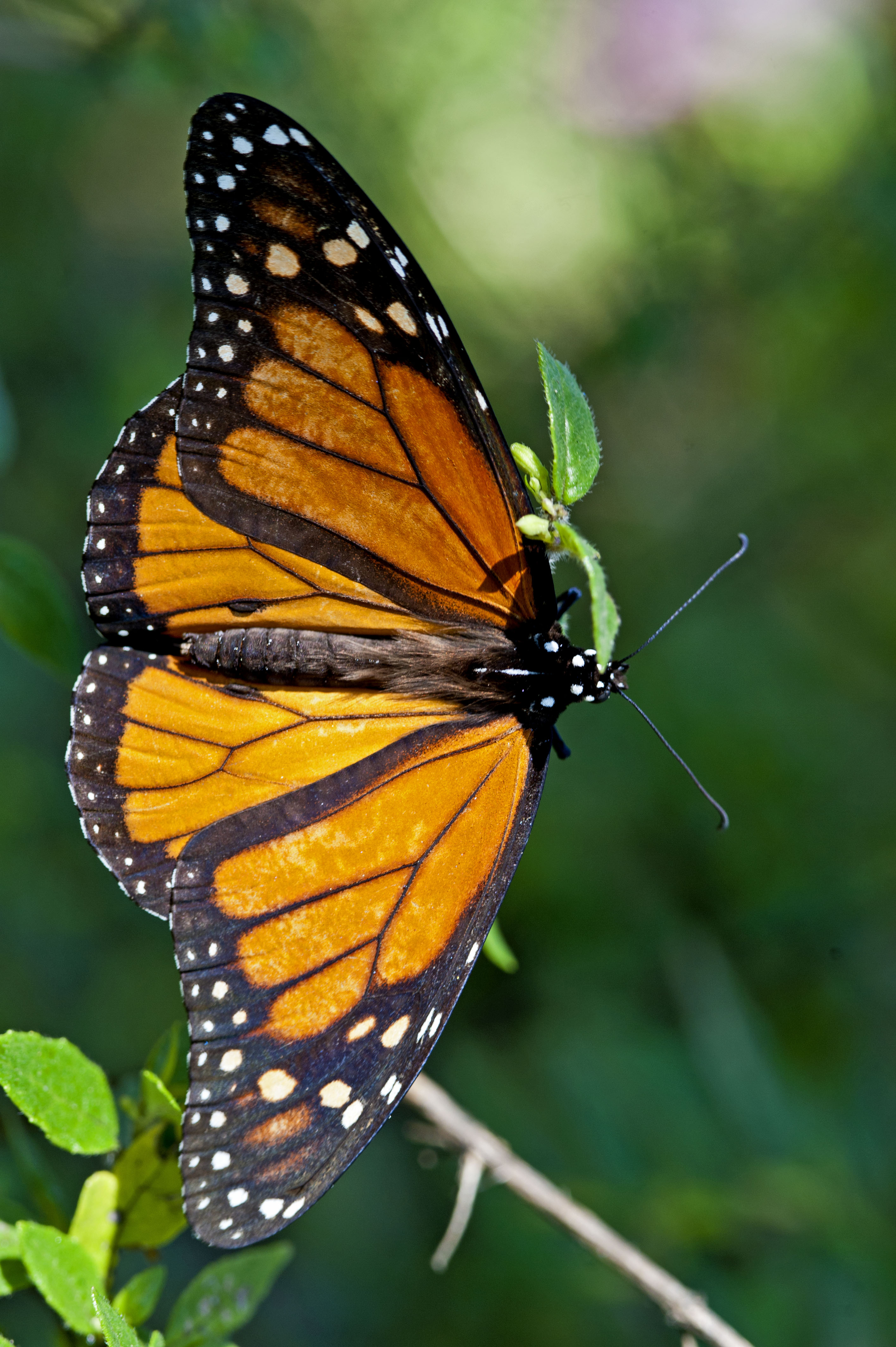
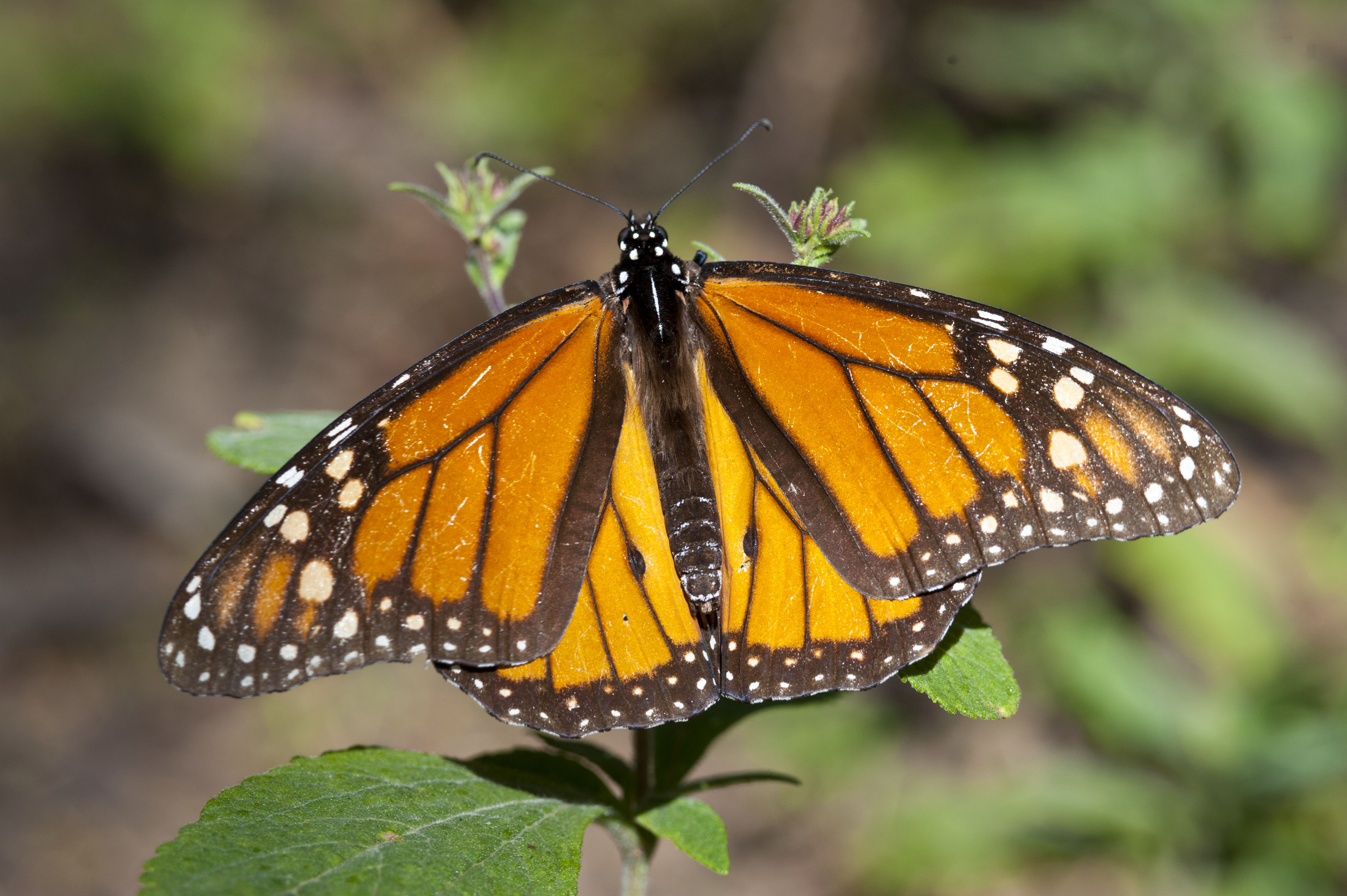
The life cycle of the Monarch butterfly is amazing. These butterflies spend their summers in the Great Lakes region of North America but the whole species migrates South to highland Mexico in the winter. They begin to arrive in mid-November and leave again in March. The butterflies usually only have a lifespan of 3-5 weeks but during this migration they suspend their breeding cycle and the same butterflies travel all the way South and then breed before their offspring head Northwards. It is a distance of around 4500 miles.
We spent the night here (this was our first free camping night in mainland Mexico) and as soon as the sanctuary opened in the morning we were ready to go. The route from the lower car park to the actual sanctuary takes a winding path up the hill which has maximised the number of vendors that can build huts to hawk their wares from. We were bombarded by children singing for us (which was actually quite cute) and locals offering us their wares.
We reached the entrance to the sanctuary and paid our entrance fee of 40 pesos each (this includes the services of a guide). There weren’t any English speaking guides though! The actual butterfly areas are around 2k from the entrance – straight up a steep hill. There is around another 600m of climbing all above 3000m so it is hard work and we had to stop frequently to catch our breath. However we soon worked out that a slower pace was best and made our way up the hill.
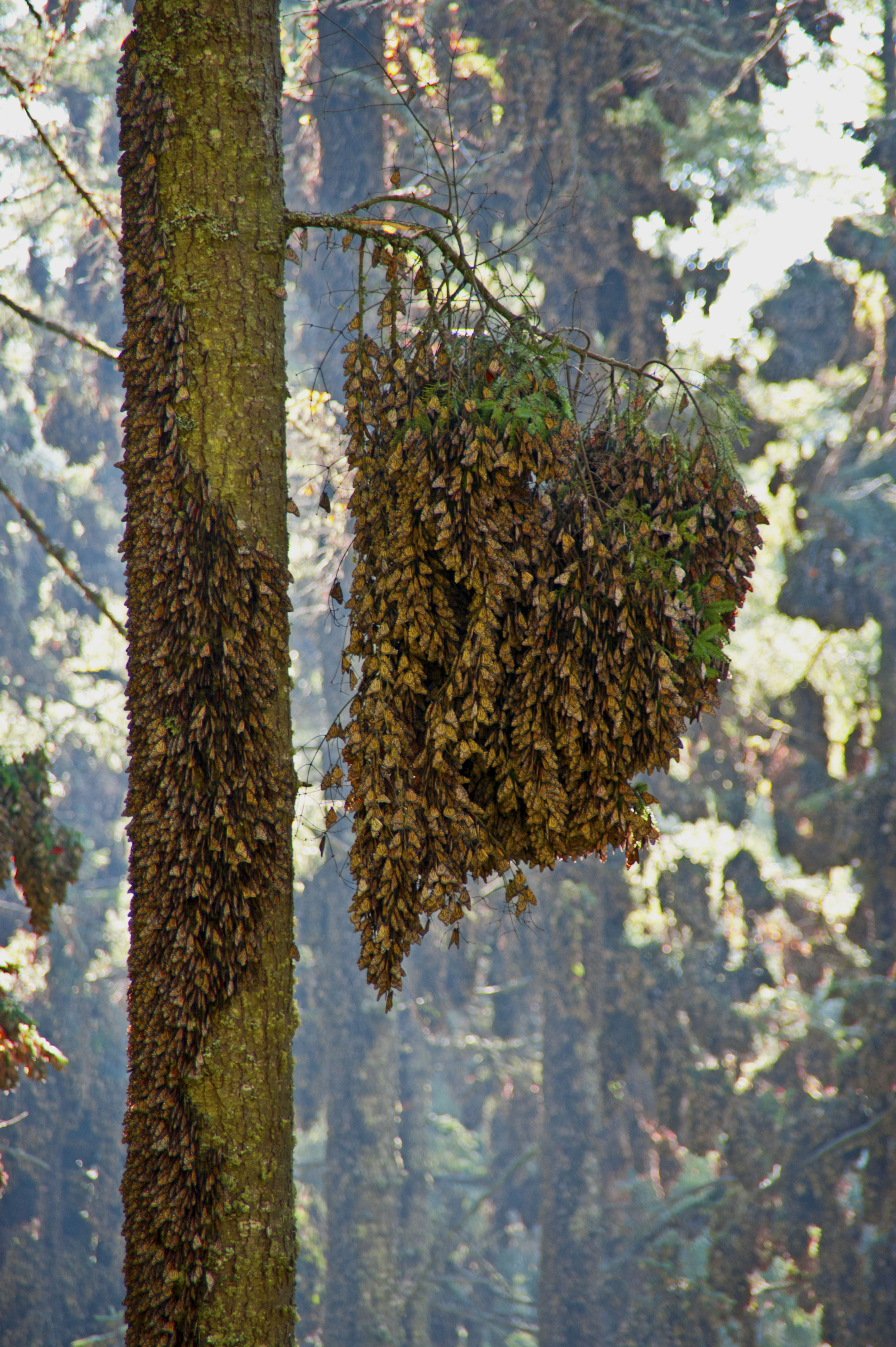
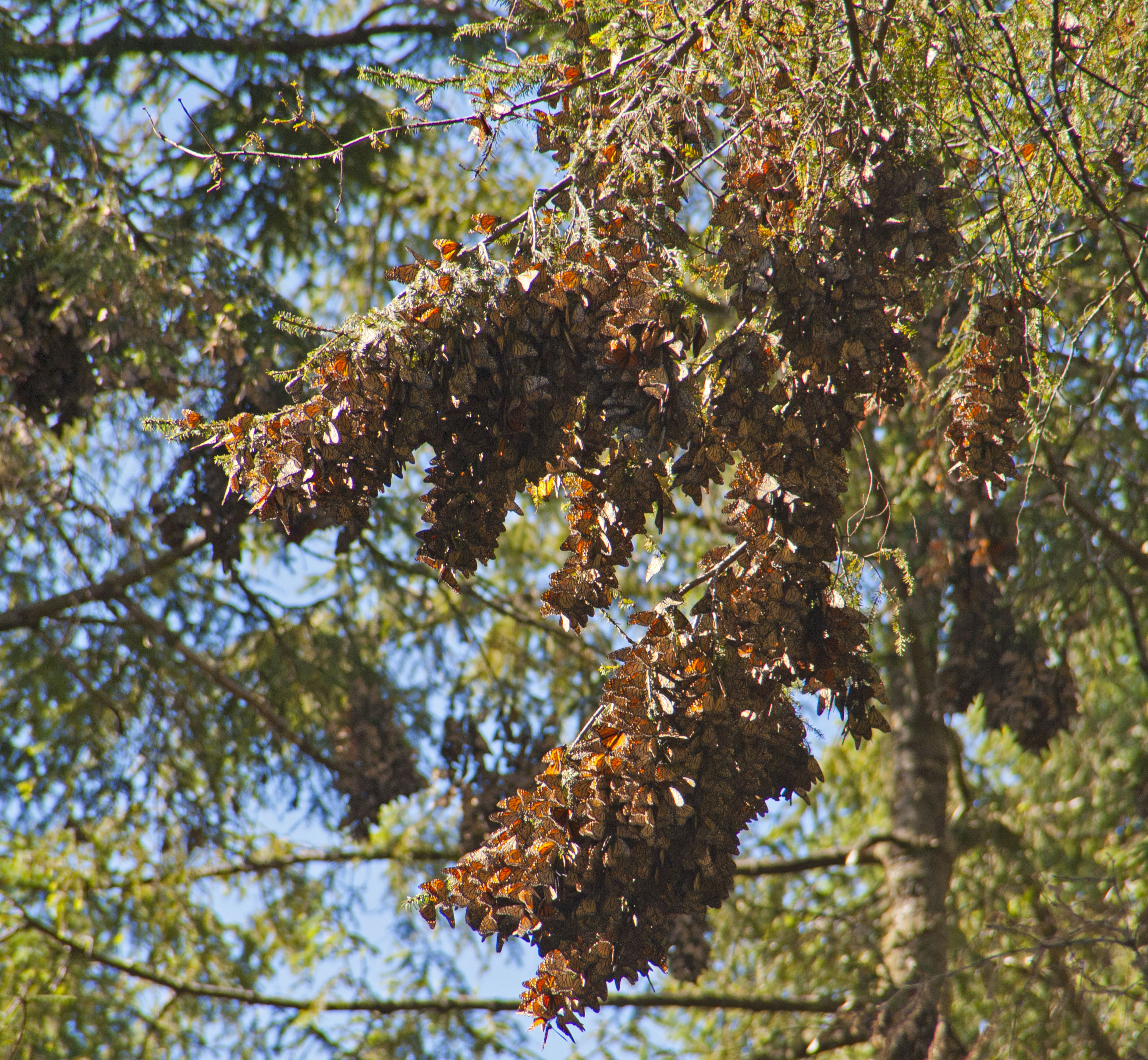
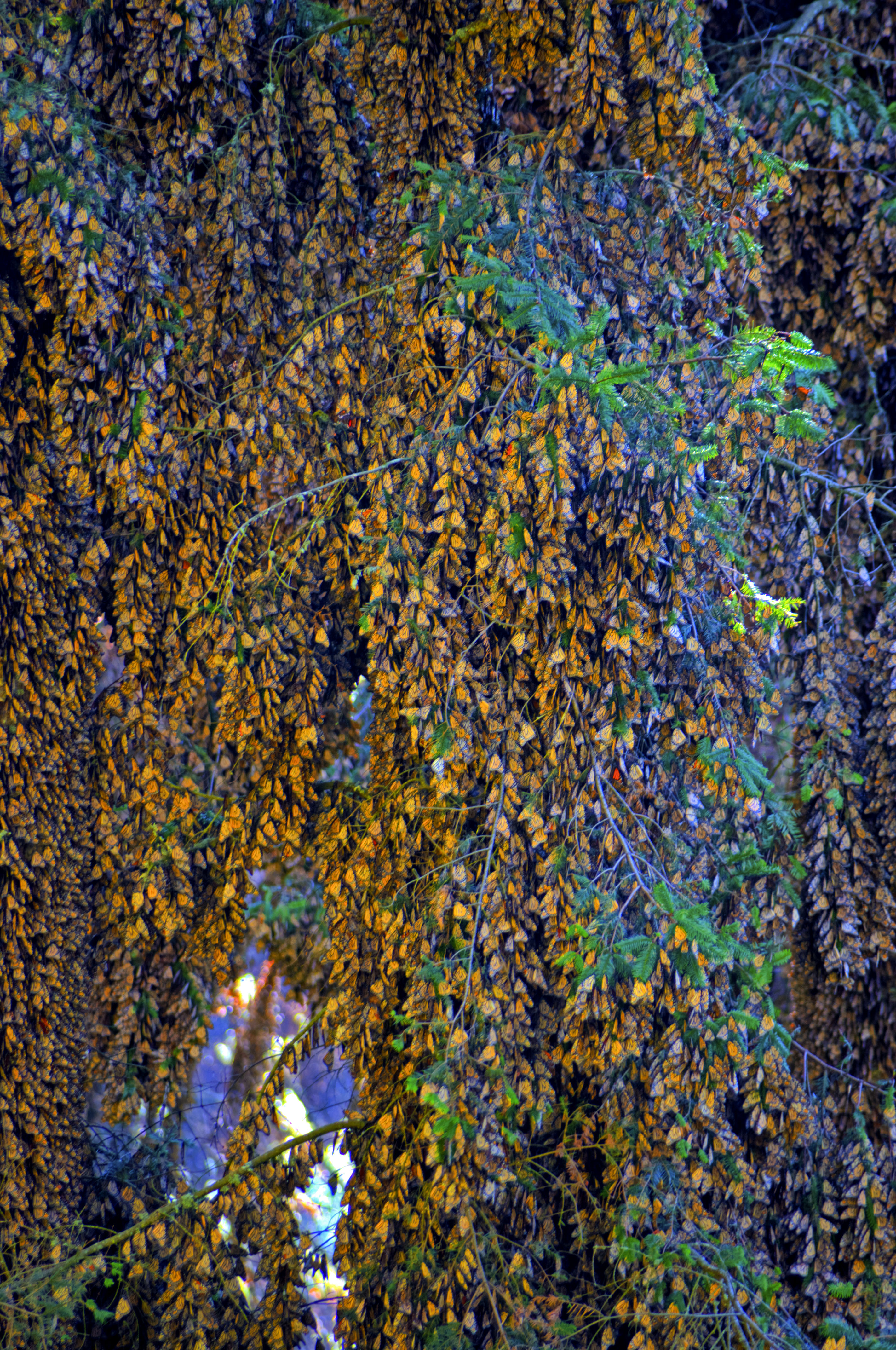
When you arrive at your destination there is yellow tape showing you how far you can go and then a bunch of trees. At first glance you can’t see anything but as you look at the trees you realise that what you thought were clumps of leaves are in fact massive clumps of butterflies. As you continue to look you realise that the trees are literally covered in millions of butterflies hanging on the trunks, branches and each other.
As a result of the altitude the nights are cold up here and we had passed patches of frost on the way up. This means that the butterflies huddle together for warmth in the nights and only begin to wake up when they are thawed out by the rising sun in the morning.
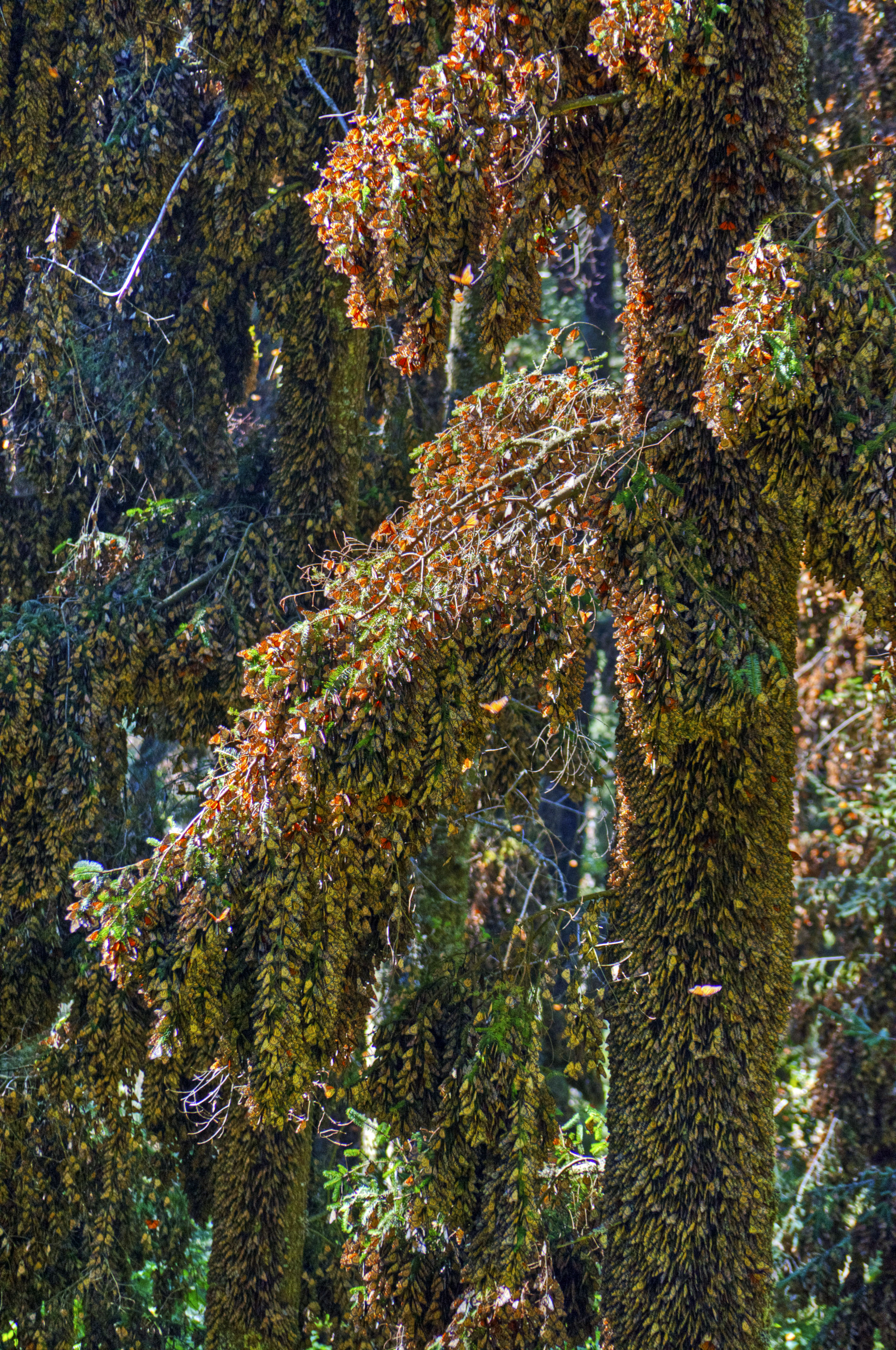
As the sun pierced the canopy sections of the sleeping butterflies woke up, stretched their wings and began to flutter around – filling the air with brightly coloured shapes.
The scene before us was mesmerising and we stayed over an hour to watch increasingly large numbers of the monarchs take to the wing. It’s the type of place you could stay all day and not get bored but we knew we faced another long drive and so made tracks back down the hillside.
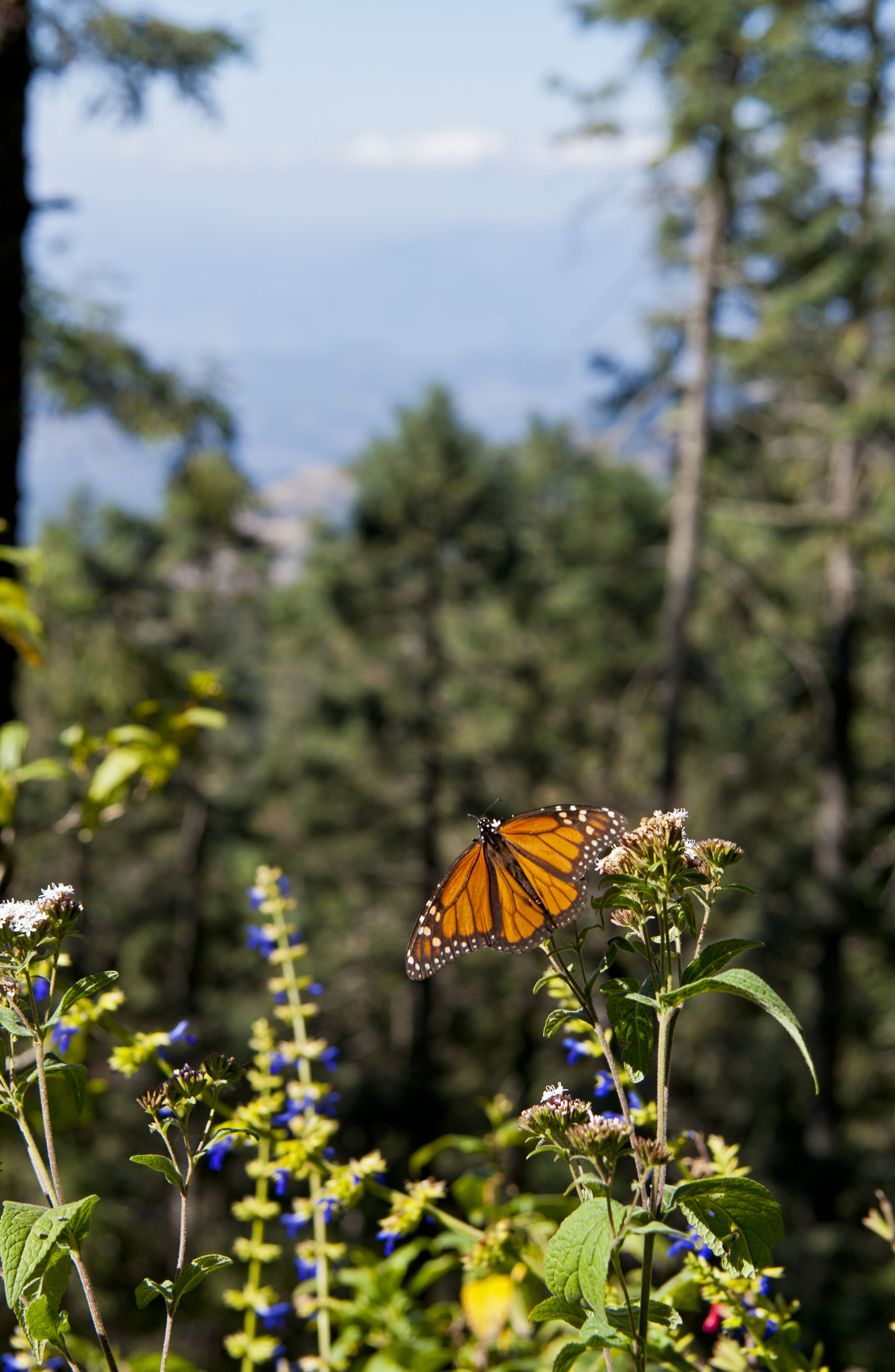
The journey down the hill back to the Beast was much more pleasant and quicker than the journey up. We were visiting at the weekend and we had been warned that the sanctuary could be very busy but we only saw two other people at the top. However on our way back down the mountain we saw 10 or more other people making their way up the hill very slowly. You can hire a horse to do the climb – I don’t think it is any faster but it is less tiring!
After leaving the Monarchs we started driving towards San Miguel de Allende to the North of the butterflies. The road took us up through the mountains and was slow going. We topped out at around 3300m on a mountain road where there was a police checkpoint which only took a couple of minutes. This was the first policeman to ask to see my driving licence though. After crossing the pass the going was much quicker and there was a gradual downhill across a highland plateau. However we didn’t reach San Miguel de Allende and stopped for the night at the major town of Querataro.
Patzcuaro
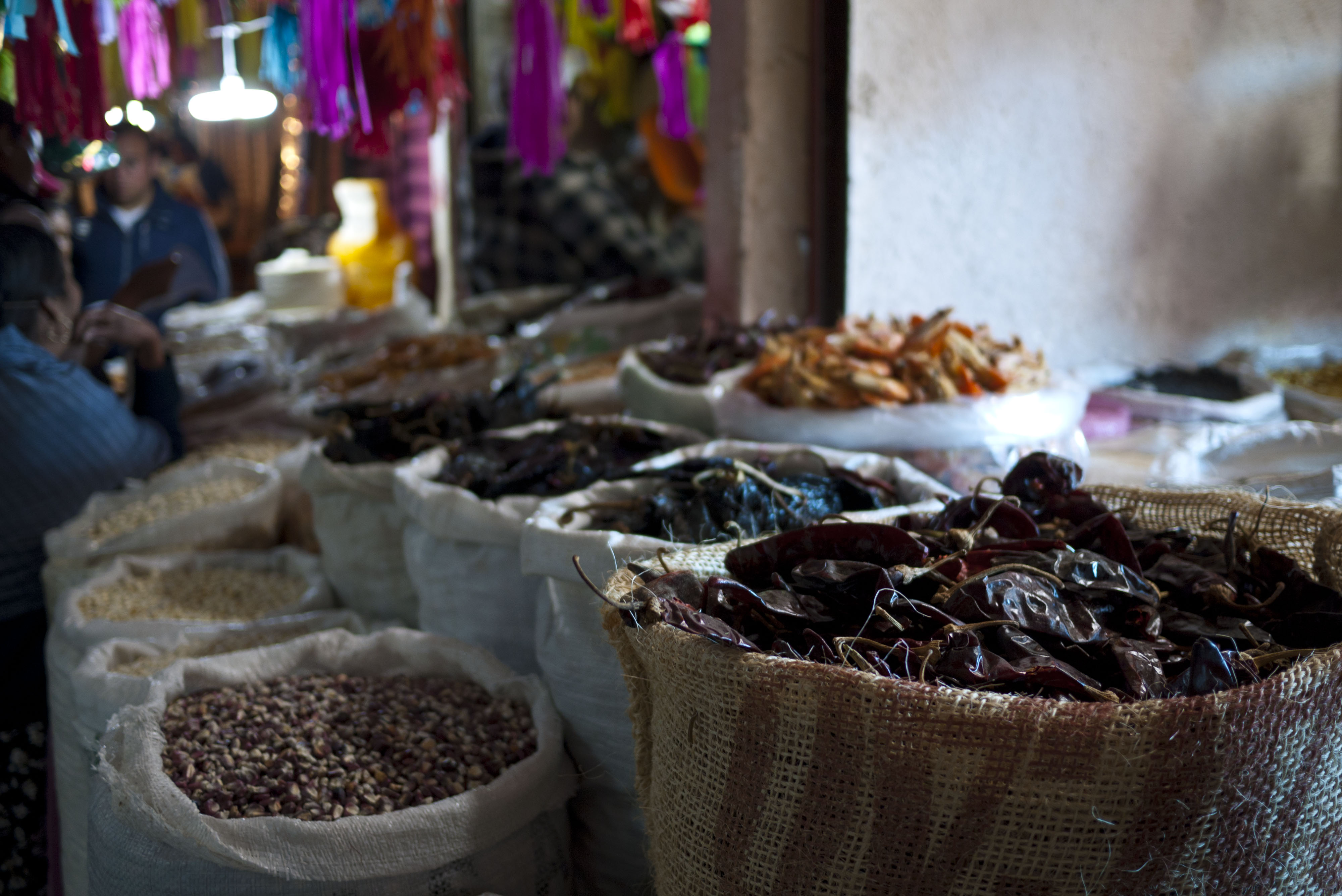
Not far from Tinganio lies the town of Patzcuaro. This is another Pueblo Magico which lies on the shore of lago de Patzcuaro, reputed to be Mexico’s most beautiful lake.
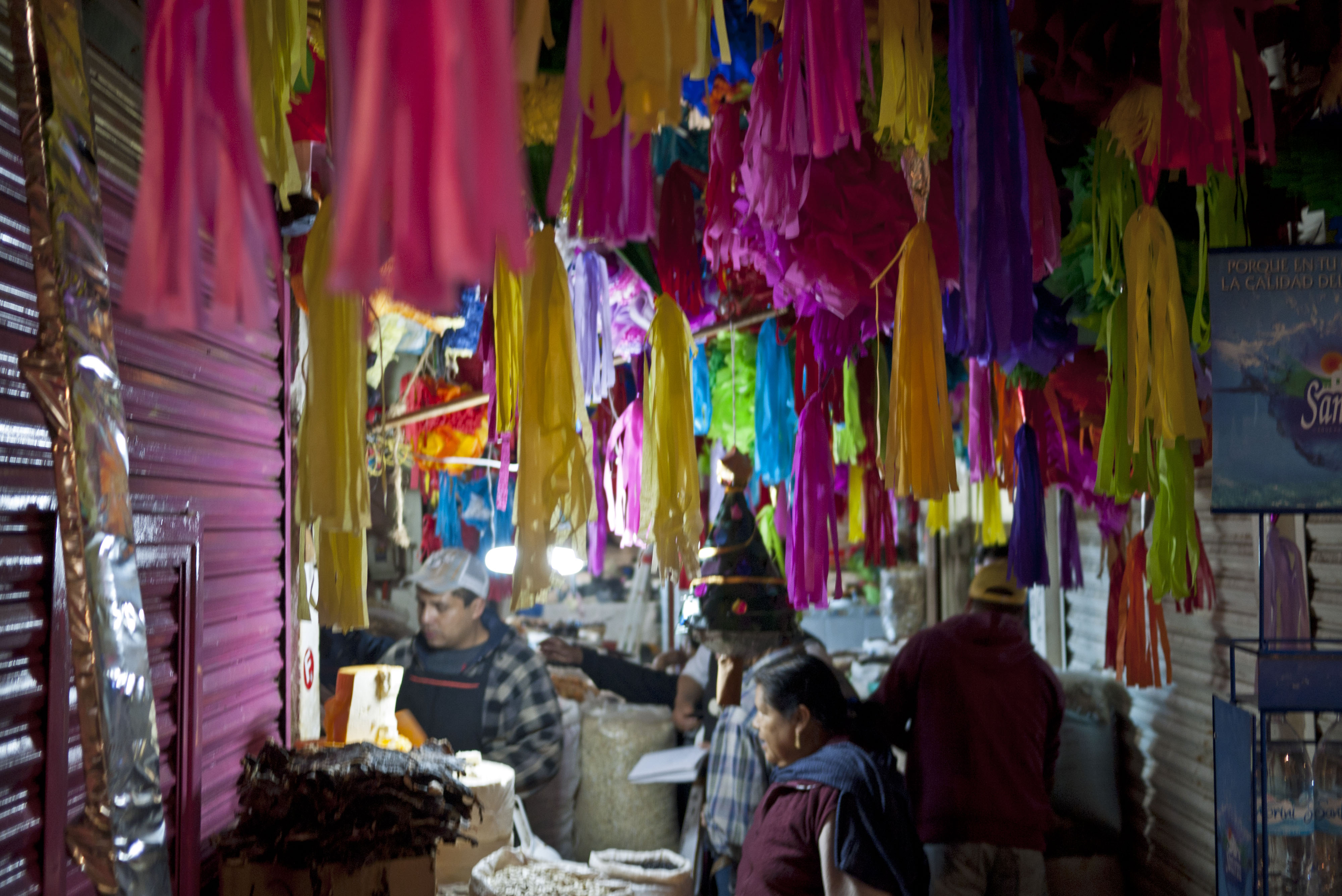
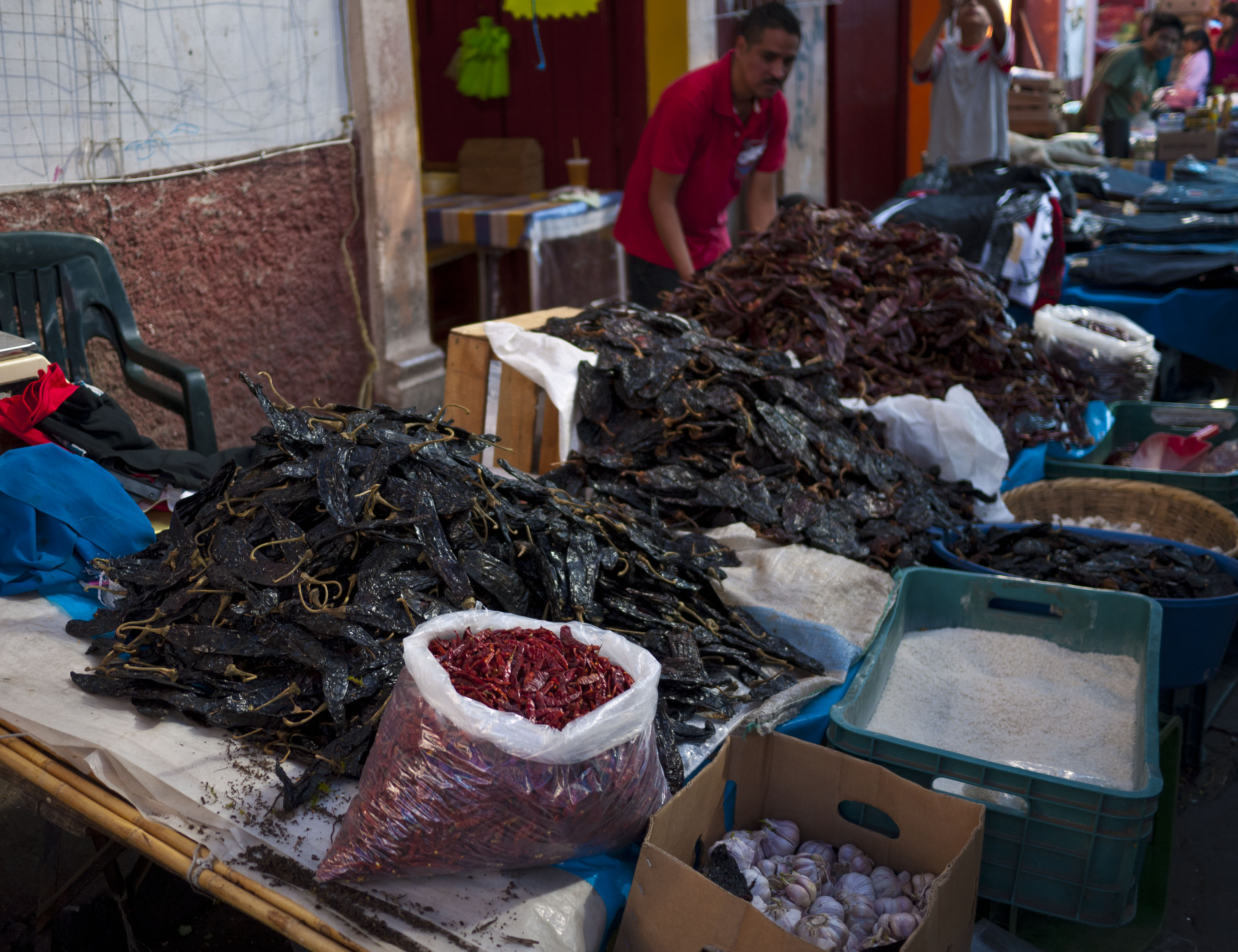
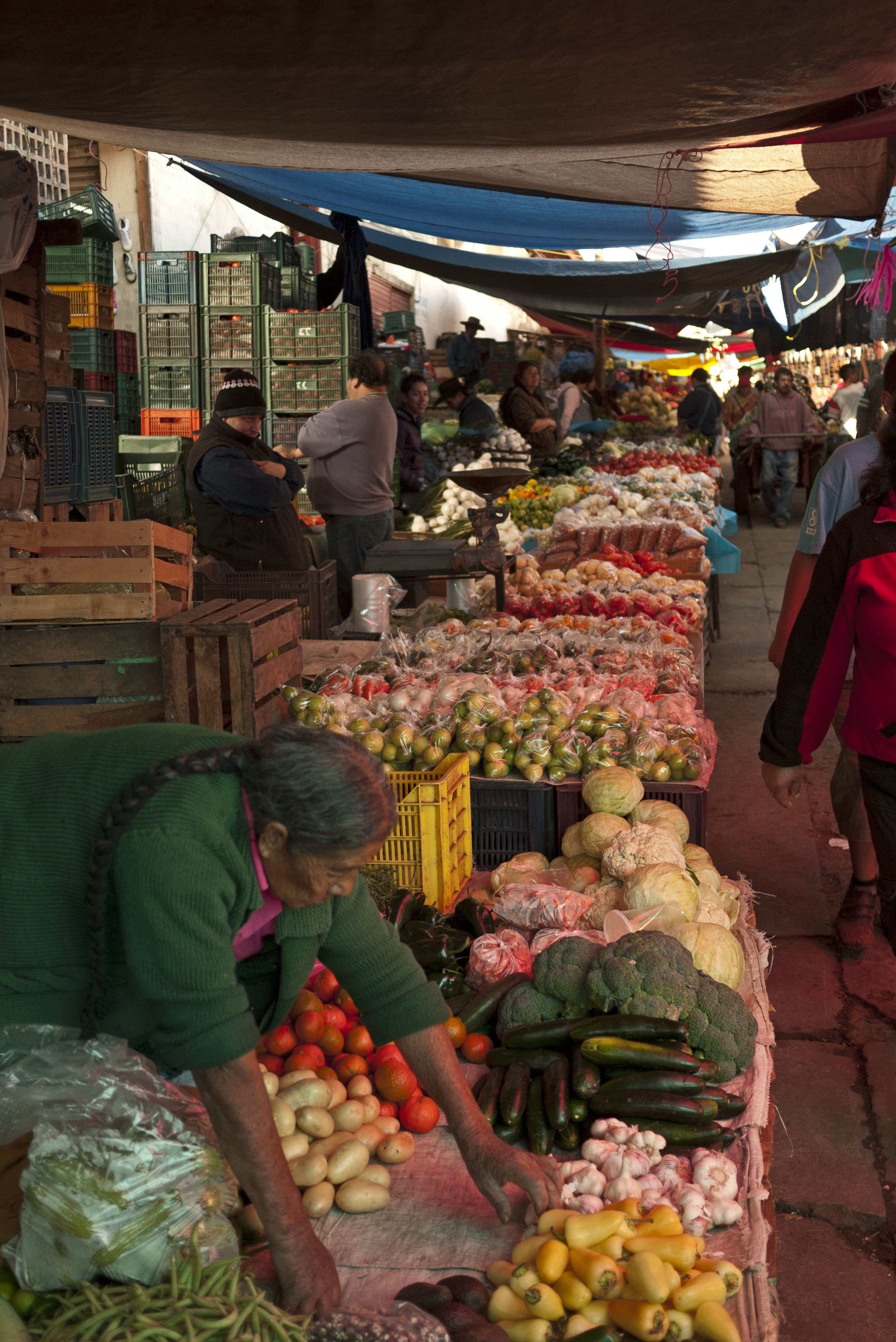
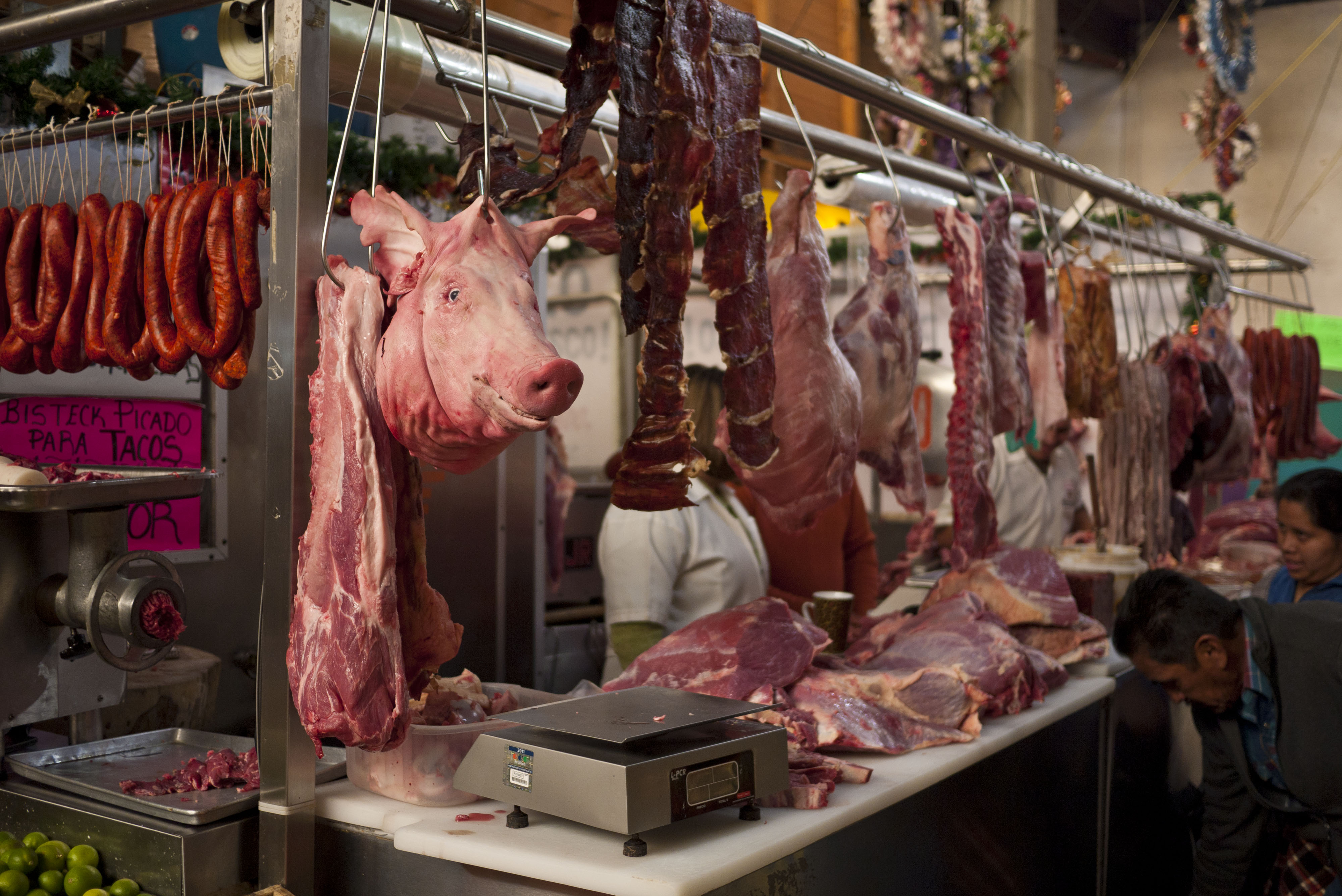
We explored the town of Patzcuaro on a Friday which was market day and spent some time in the main market which was a labyrinthine hive of activity. The stalls were selling both the familiar and the unfamiliar – there are fruit and vegetables here that we have absolutely no idea about ! We also walked around the various squares in the town and as with all Mexican towns investigated the various churches which are usually the architectural highlight of the towns.
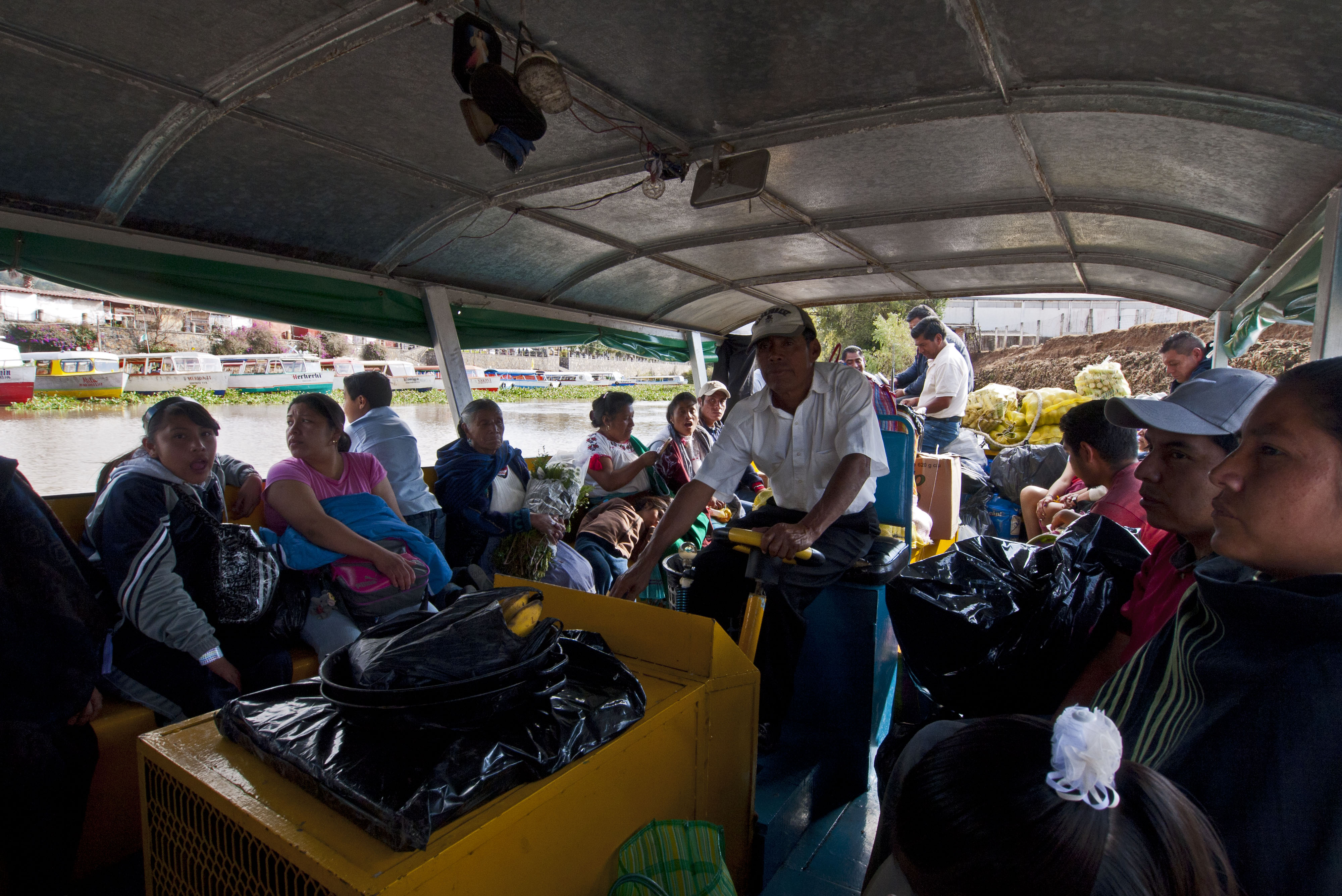
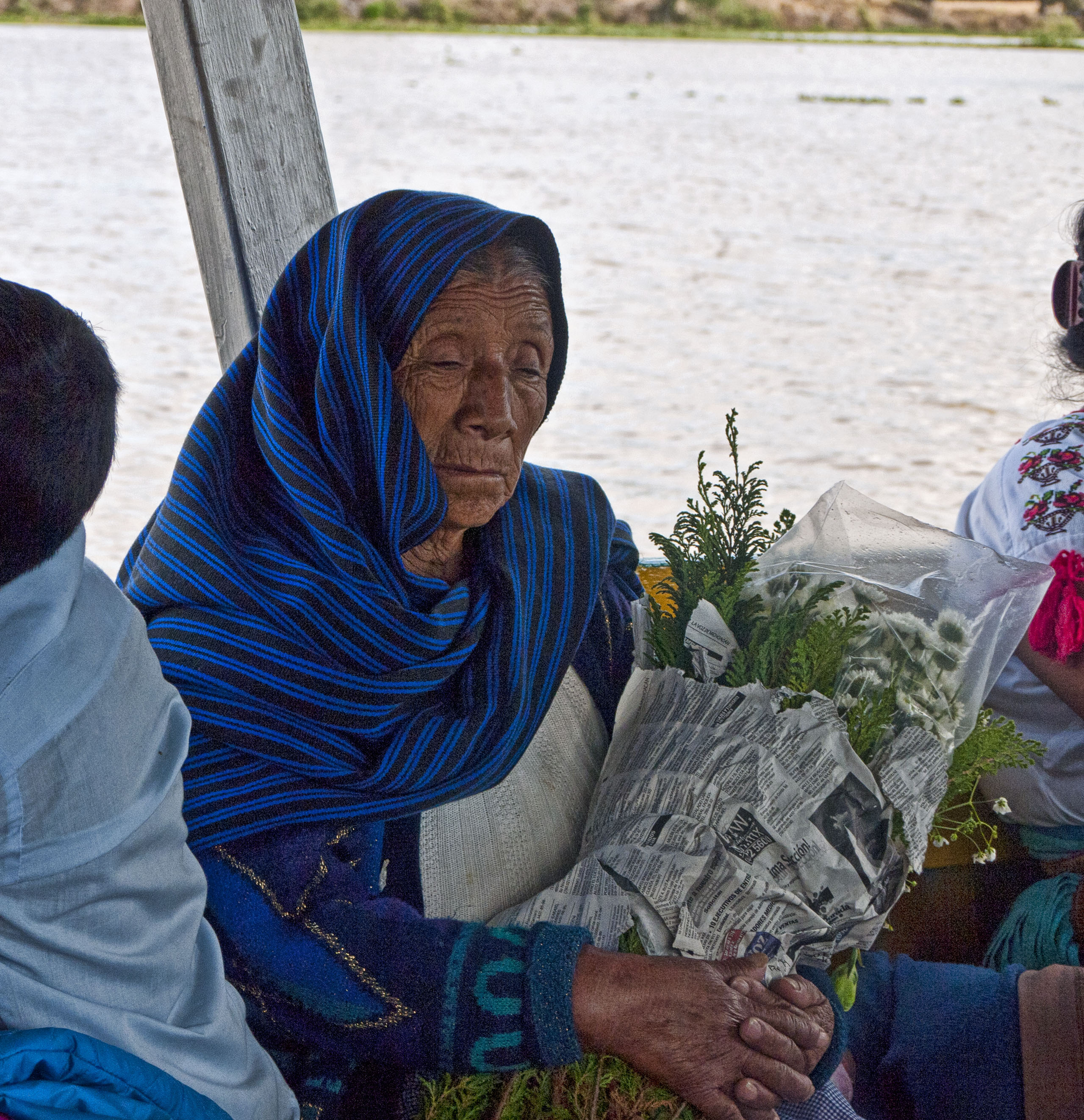
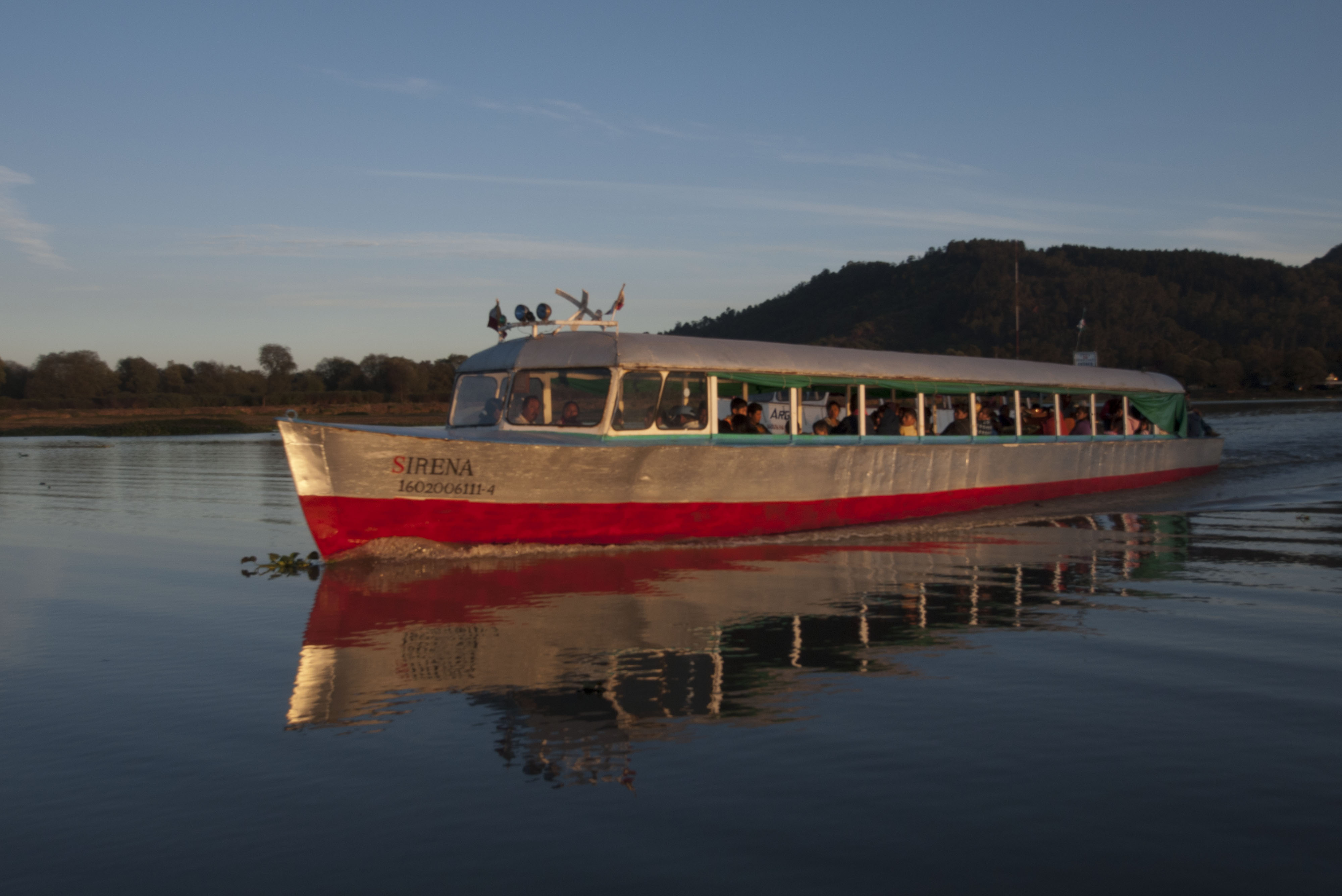
After this we walked down to the lake shore where you can catch a water bus to the island of Janitzio. The boat was full of Janitzio locals who had been to the market in Patzcuaro for the morning and were returning home with their purchases.
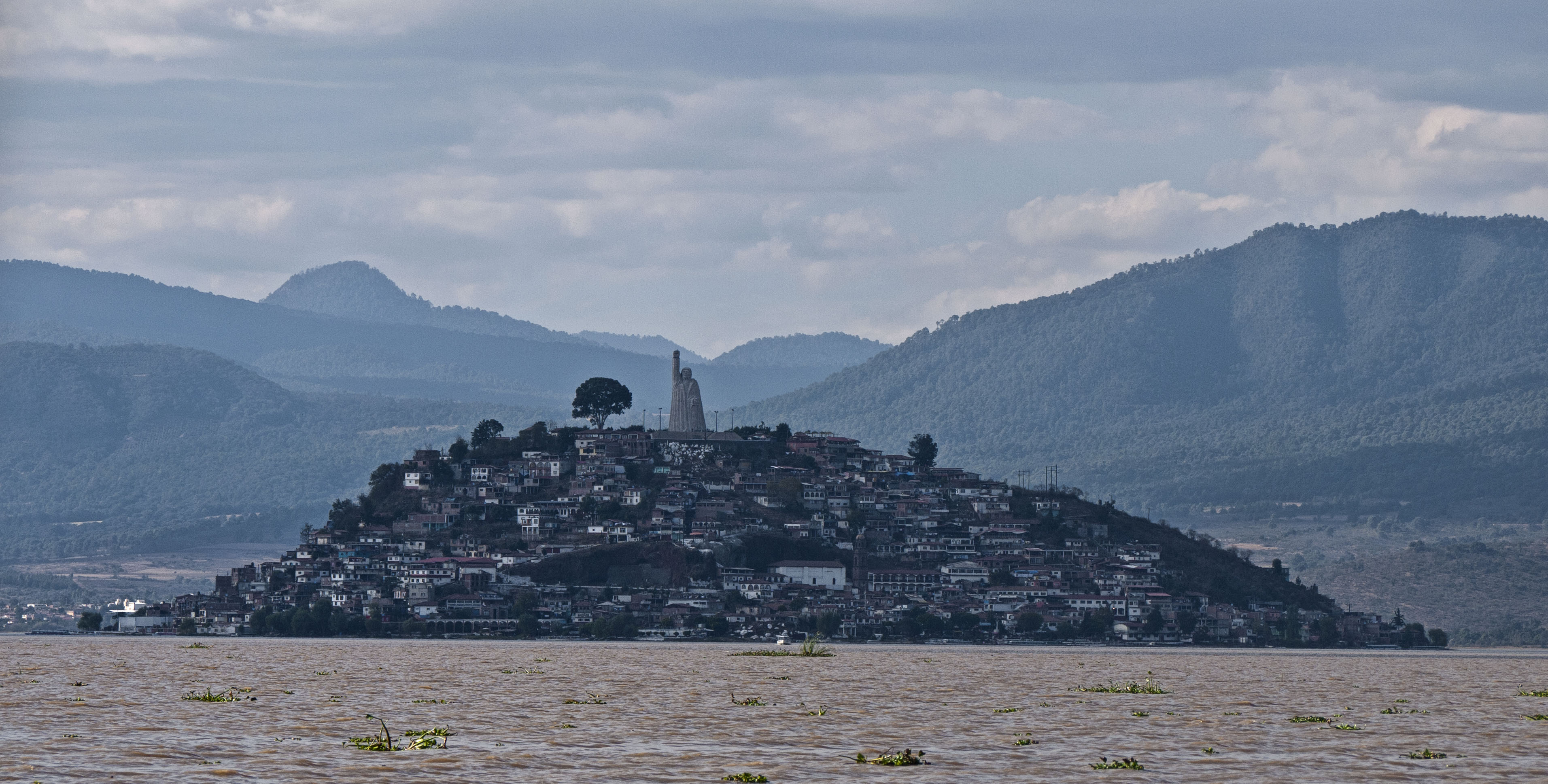
As you approach Janitizio you see an island rising precipitously from the surface of the lake with buildings clinging perilously to its sides. The island is topped by a 50 metre statue of a man with a raised clenched fist. This is a statue of Jose Maria Morelos y Pavon who was the leader of the independence movement in the early 19th century.
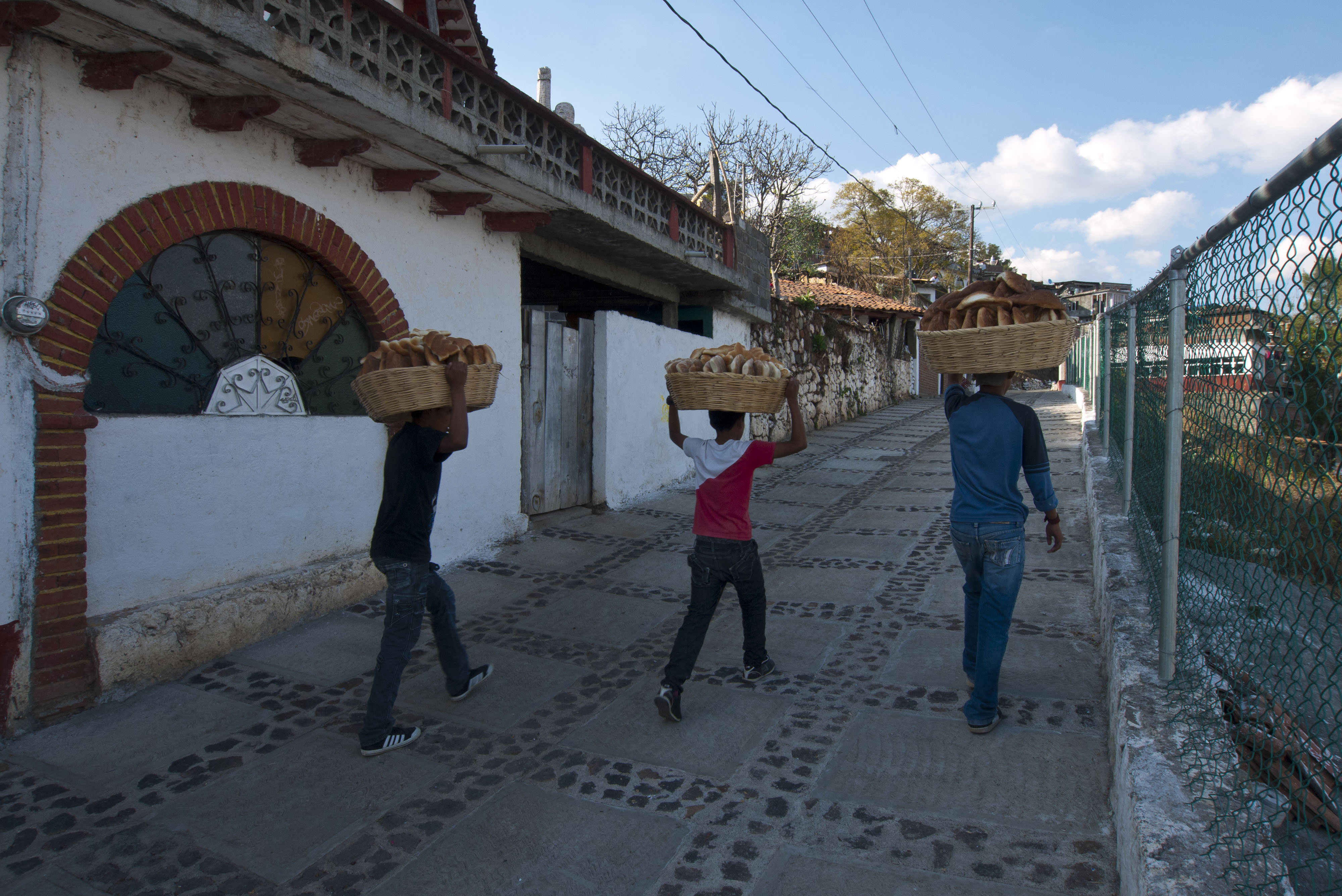
When we reached the island we watched as the locals struggled up the steep and narrow streets with their purchases and couldn’t help but think a couple of mules at the harbour may be a good idea.
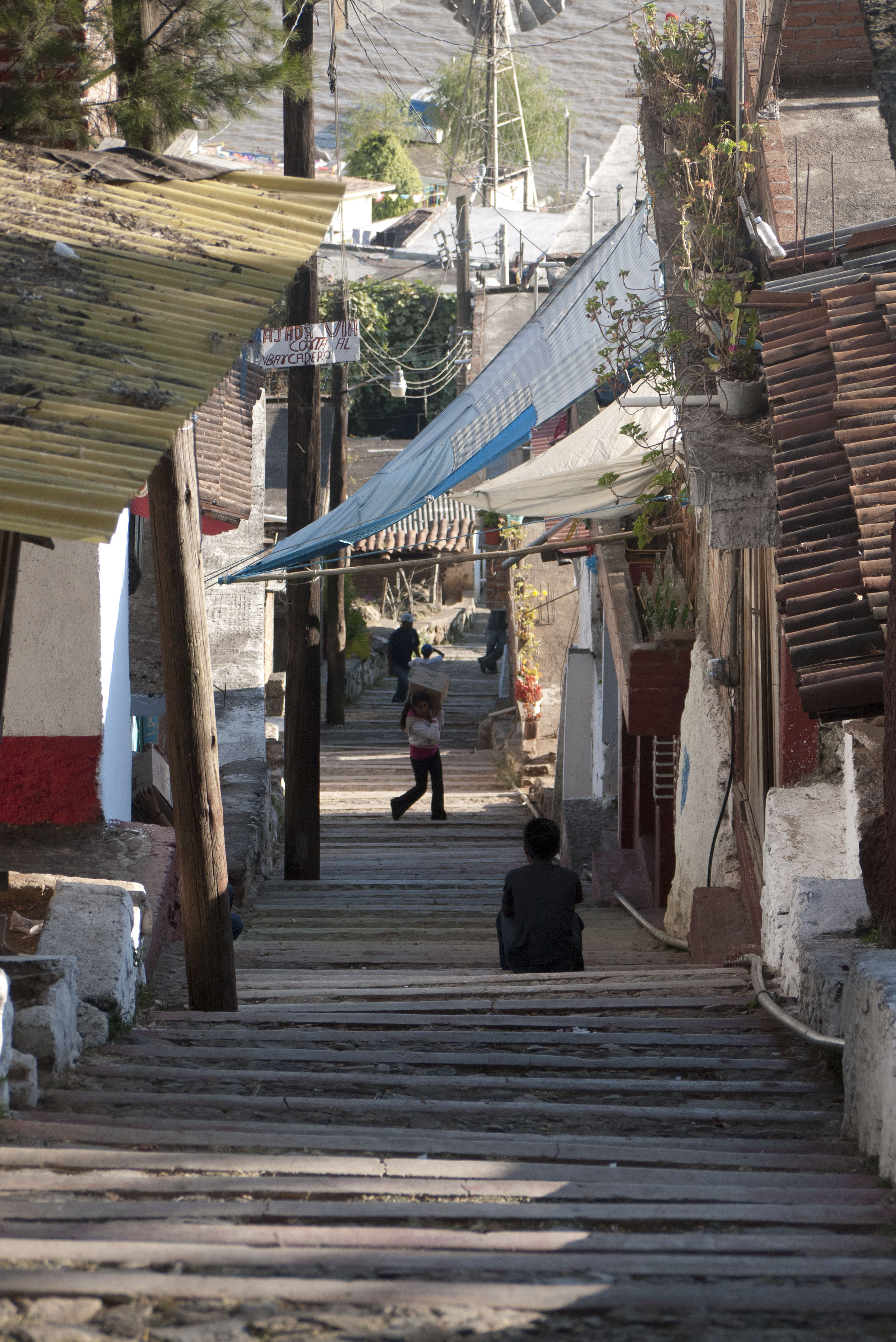
We climbed up the side of the island through narrow alleys and up very steep sets of stairs. It’s quite a climb but fortunately not too long. All this at around 2200m in altitude.
Once at the top you can climb up the inside of the statue, which is covered with murals depicting the life and struggle of Morelos. Once at the top you climb right into his clenched fist and you can peer out at the view of the lake.
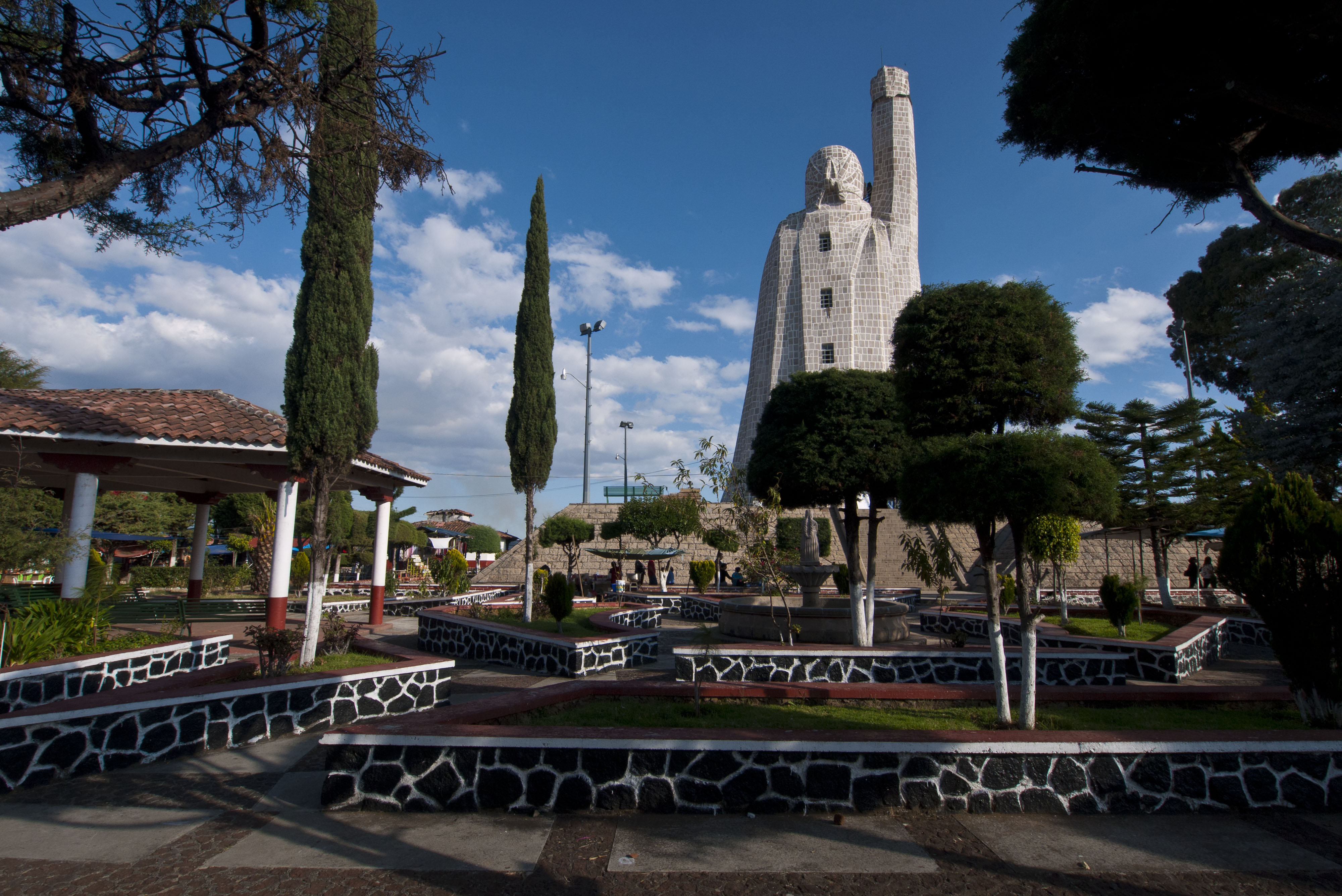
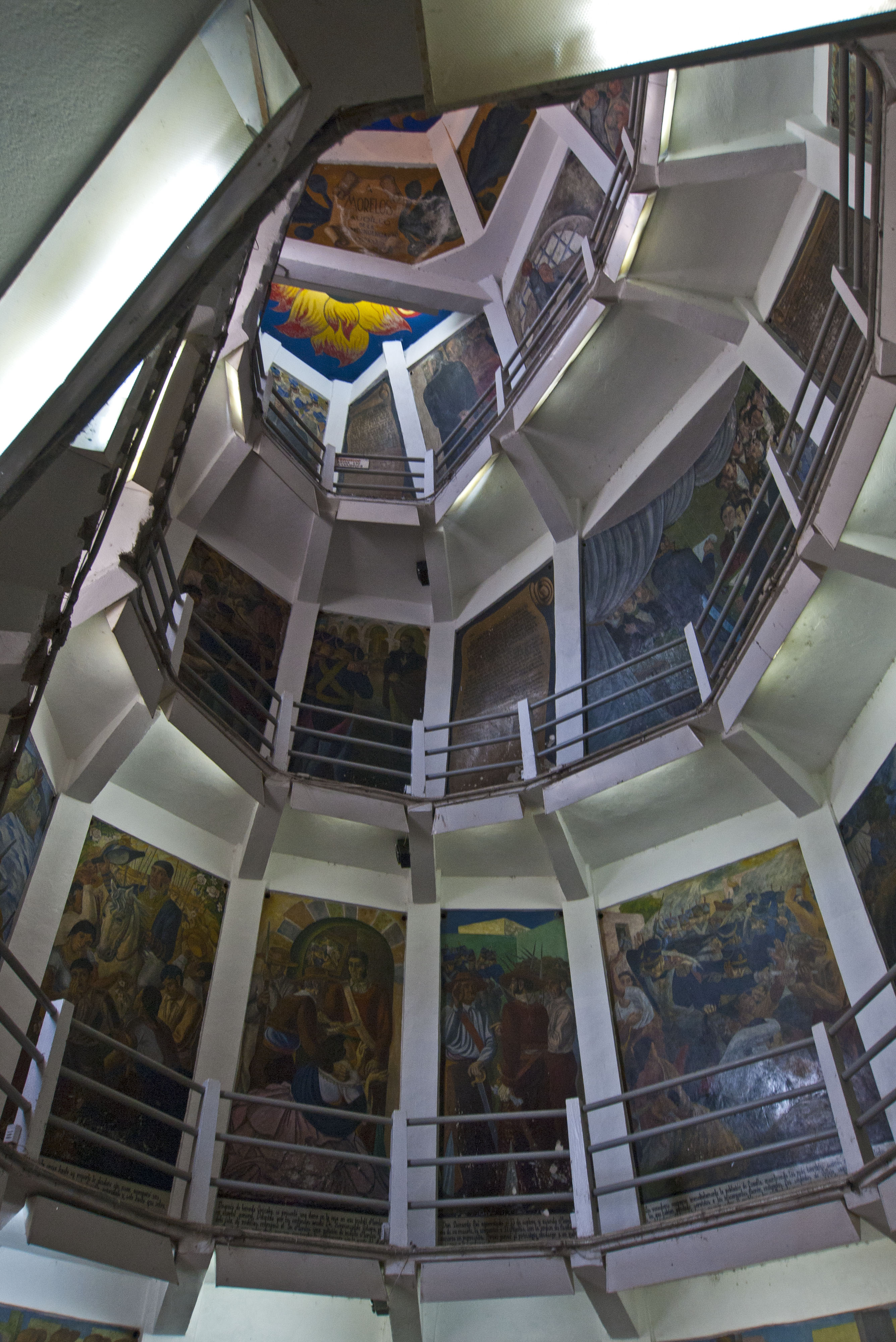
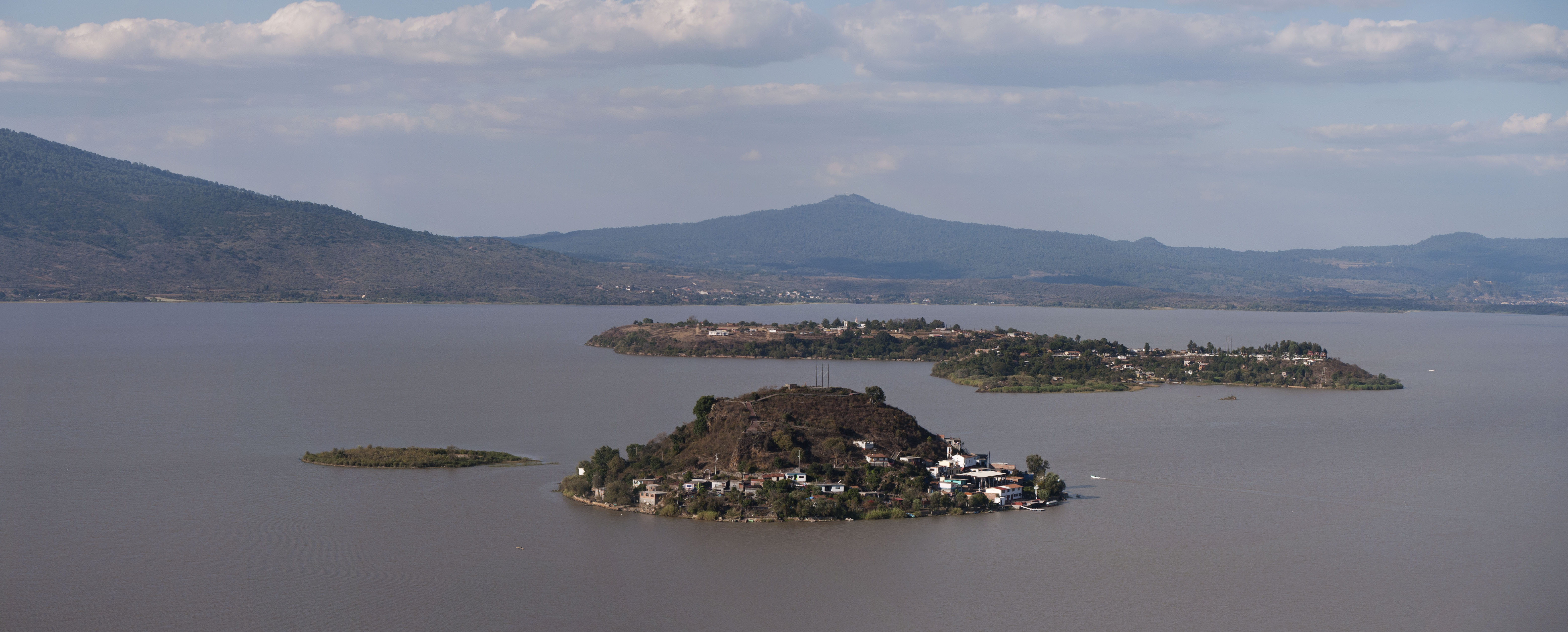
After descending back down to lake level we walked around the path that circumnavigates the island – a 30 minute stroll. This was like much of Mexico in that it looked like it had a glorious past but has definitely faded since its heyday. Our guidebook calls Janitzio squalid but we both thought that it was really interesting and a very worthwhile destination.
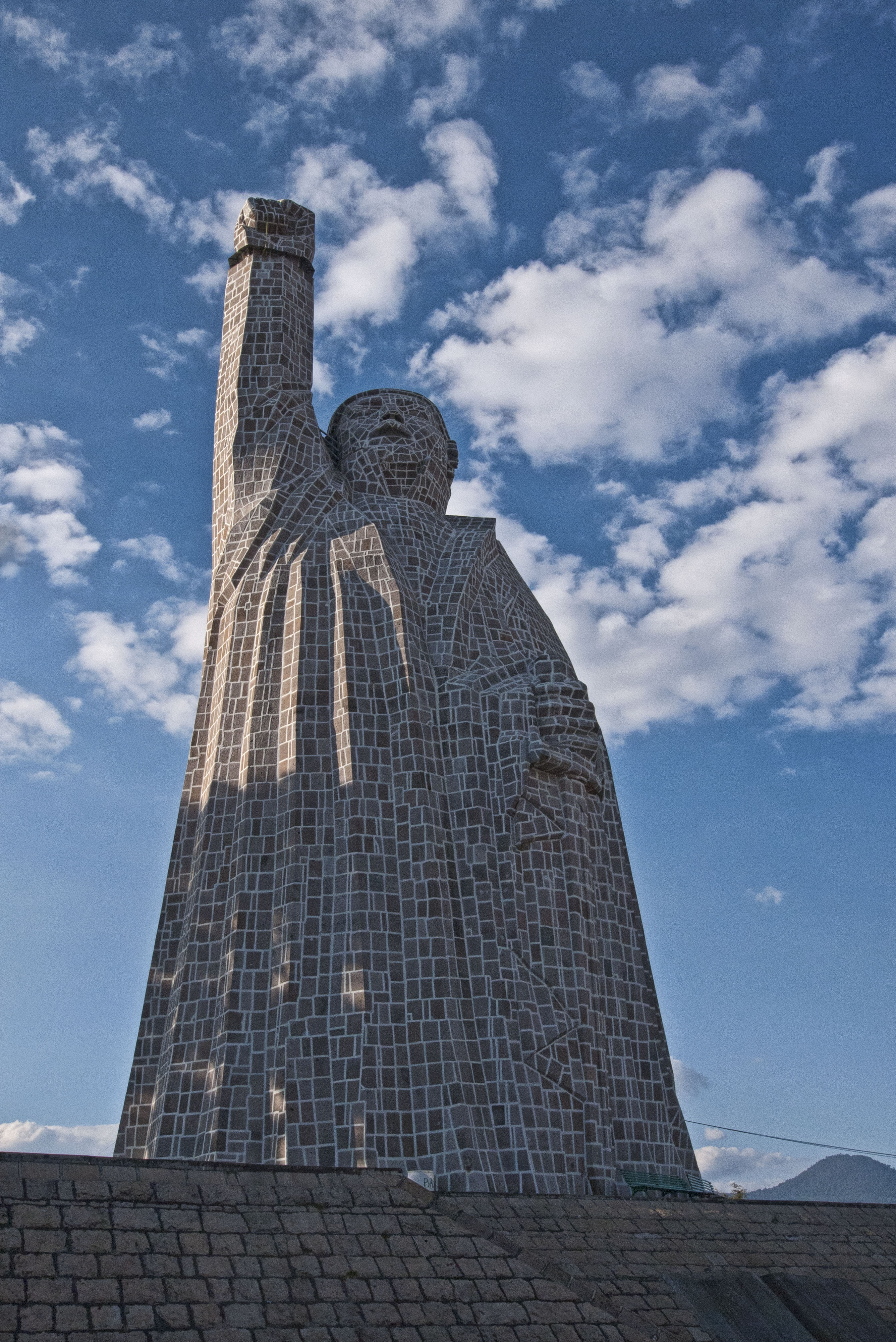
After returning to the dock we hopped on the next water bus to leave and made it back to Patzcuaro just as darkness was falling.
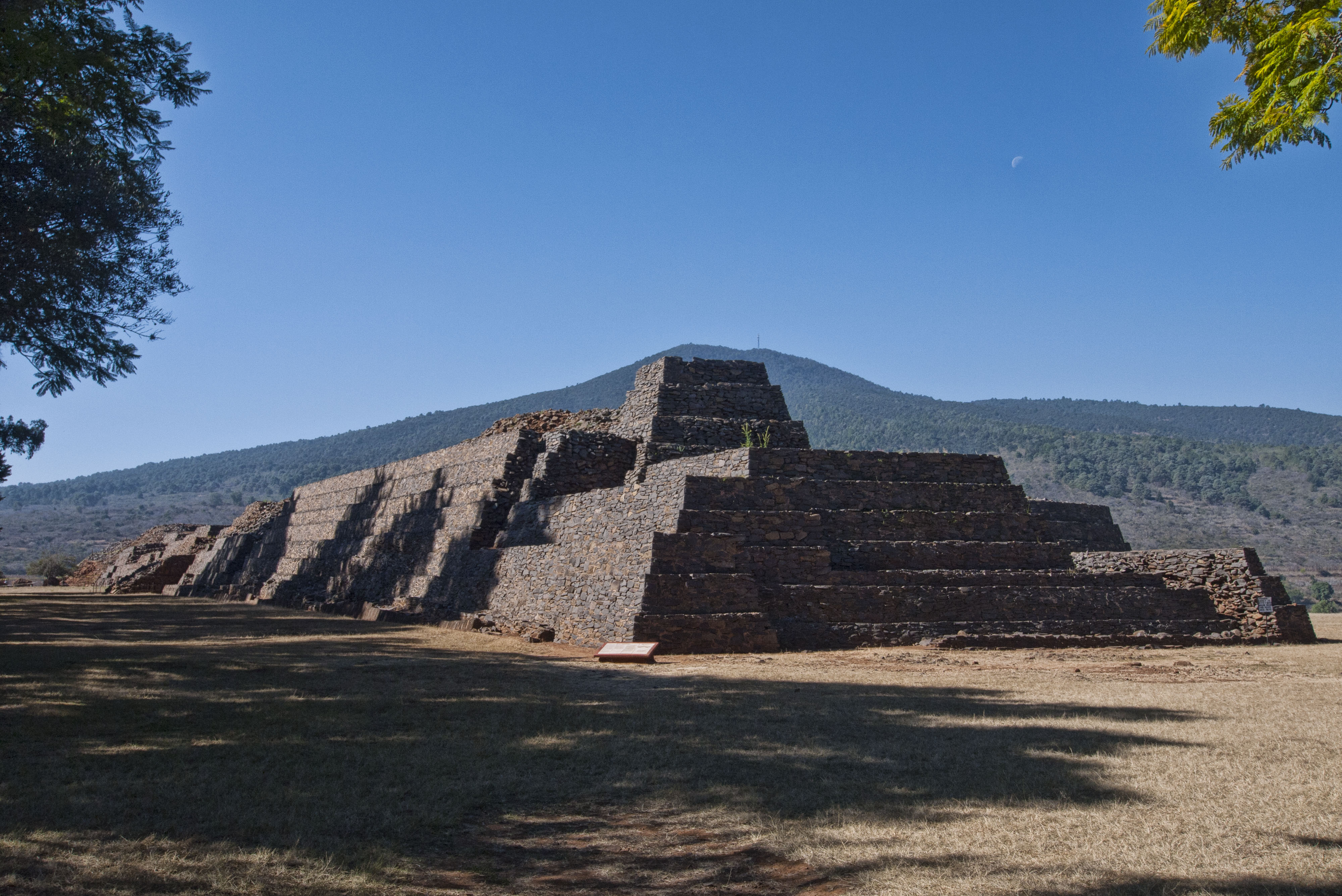
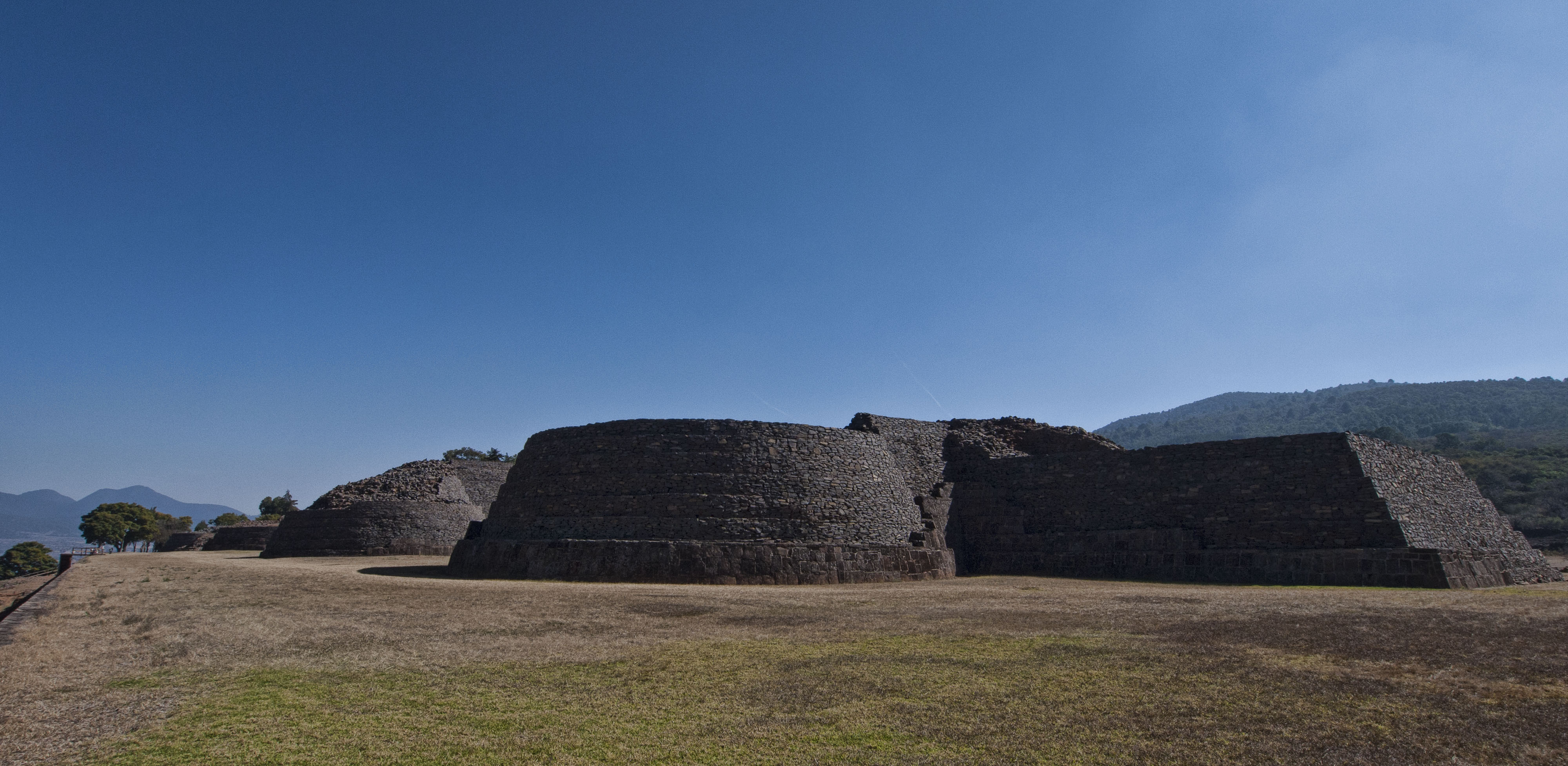
In the morning we decided to visit some more ruins before heading to the Monarch butterfly sanctuary. These were only 15km from Patzcuaro in a small village called Tzintzuntzan, also the name of the ruins. This site was established in the 1400’s and by the time of the Spanish invasion housed around 40,000 people. All that is left today are the ceremonial structures at the centre of the city – although digging continues today on terraces below the main centre and is uncovering more of the city.
Uruapan
As we made our way East into the heartland of Mexico we found ourselves climbing high into the mountains on winding roads and through mountain villages clinging to the hillsides. As we approached one of these small villages we noticed that a makeshift checkpoint had been erected across the road. We had become quite familiar with both police and military checkpoints. However as we got closer we noticed that the barricade was manned by ununiformed men wearing balaclavas and carrying shotguns. We were too close to turn around and were very relieved when they waved us through. On the other side of town there was another barricade made out of a burnt out truck and barbed wire but again, and much to our relief, they weren’t interested in us.
A bit further on we were waved to the side of a road by a lone policeman. He came over to us when we had stopped and introduced himself, shook hands and then started talking in Spanish. We didn’t understand him and after lots of shoulder shrugging and bemused expressions he said “Buenas Dias” and walked away. If he had been after a bribe he failed!
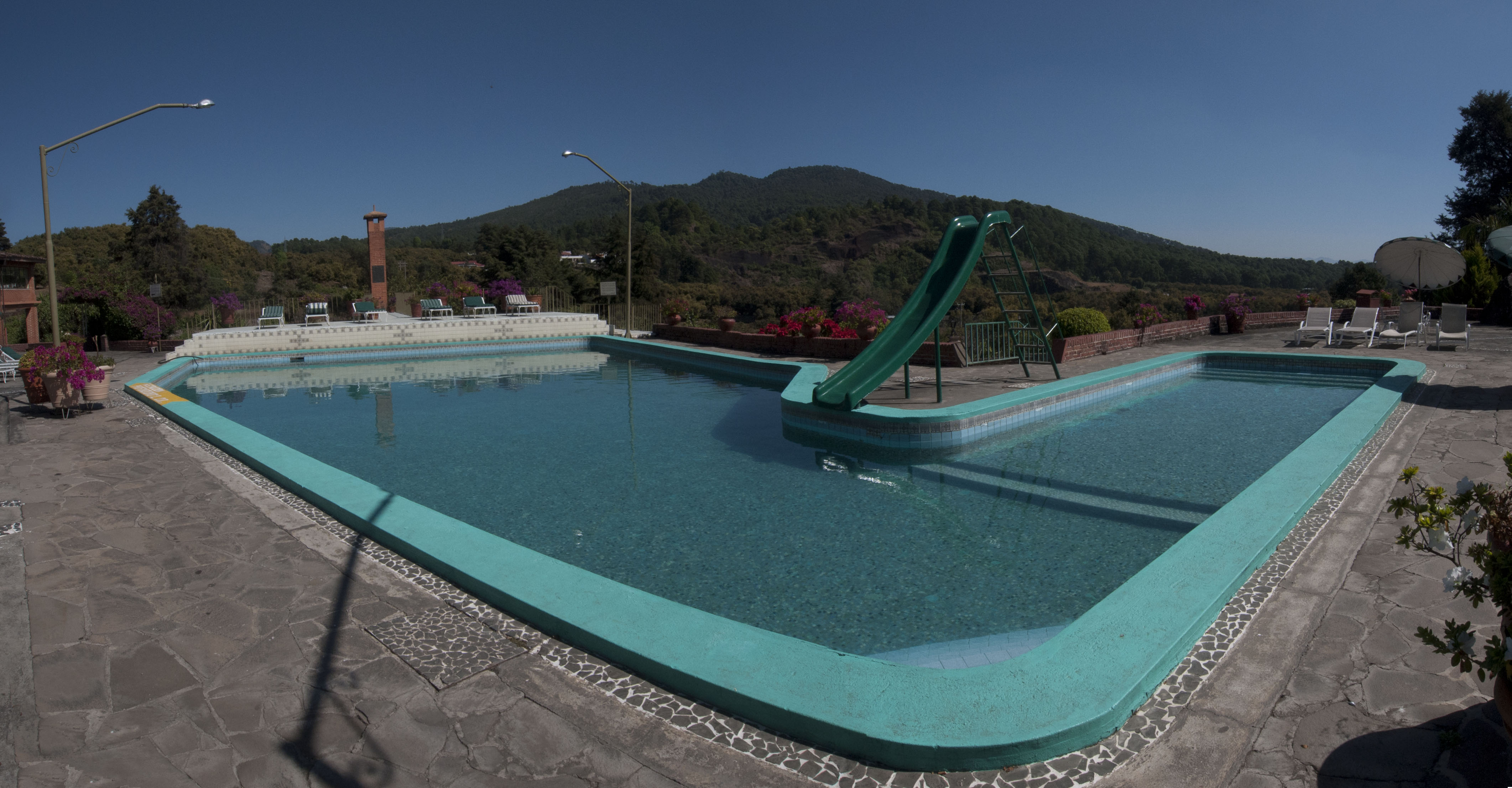
We finally made it to our stop for the night which was a lovely hotel off the main road in the hills above Uruapan called Hotel Sierra de la Pie. They allow campers to park in a section of their car park overnight. They also allow full use of their facilities including a big swimming pool.


In the morning we jumped in a taxi down into the town of Uruapan – which was surprisingly large. The taxi dropped us off at the smallest National Park in the world called Parque Nacional Eduardo Ruiz.

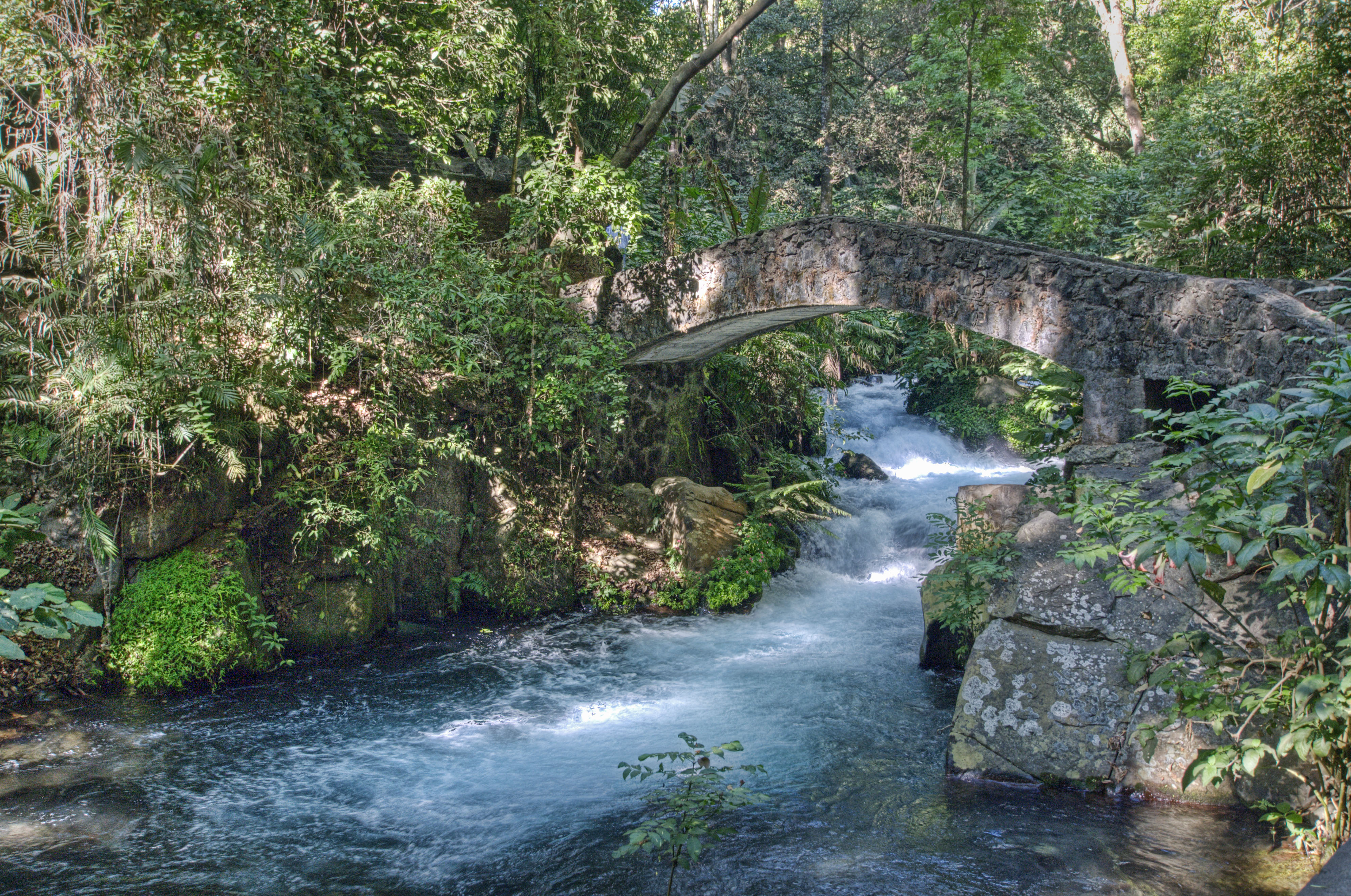
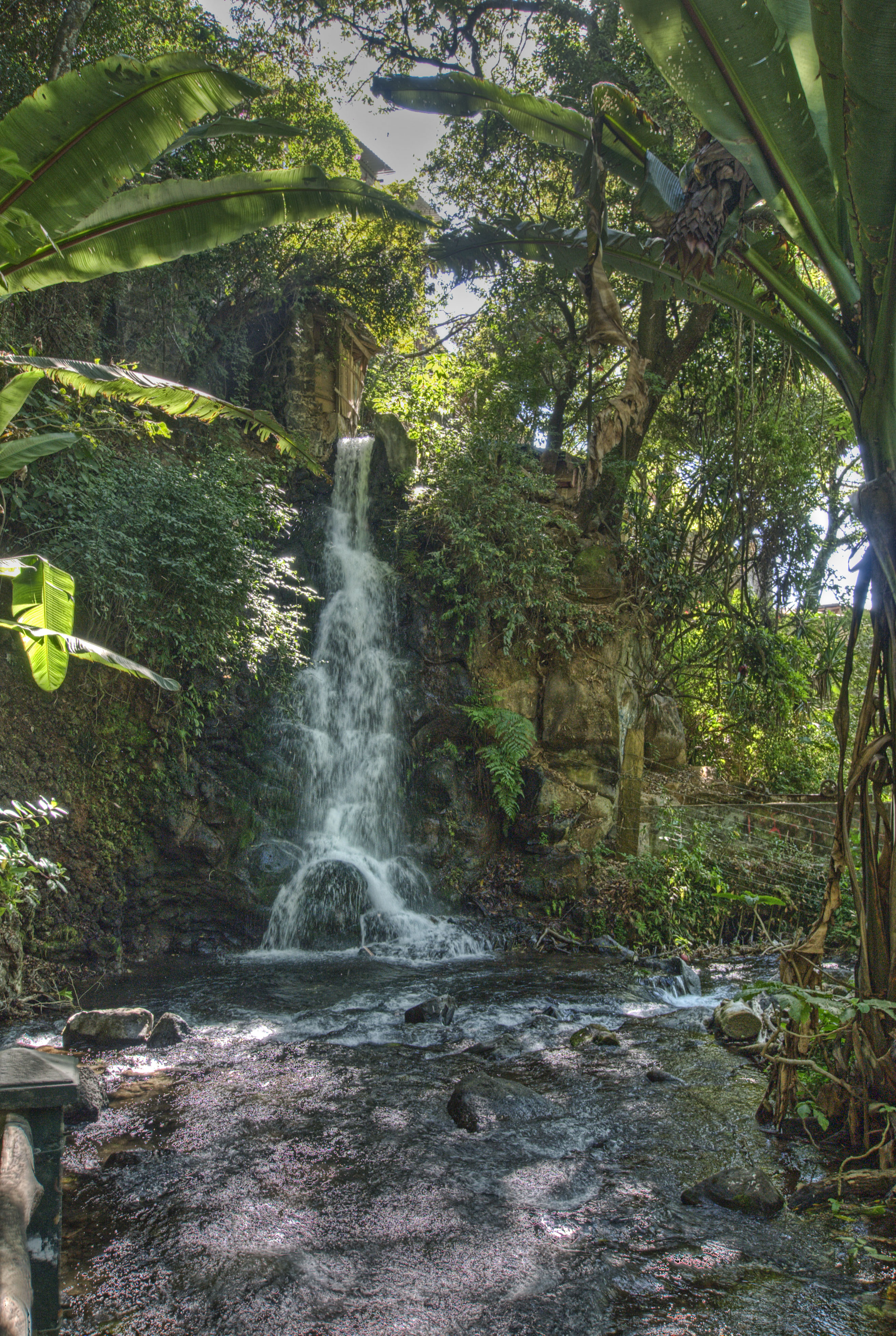
This small park is built around a natural spring and the river that arises from it. There are lots of man-made features in the park such as fountains and waterfalls all in thick forest. It is a real oasis from the heat and bustle of the town.
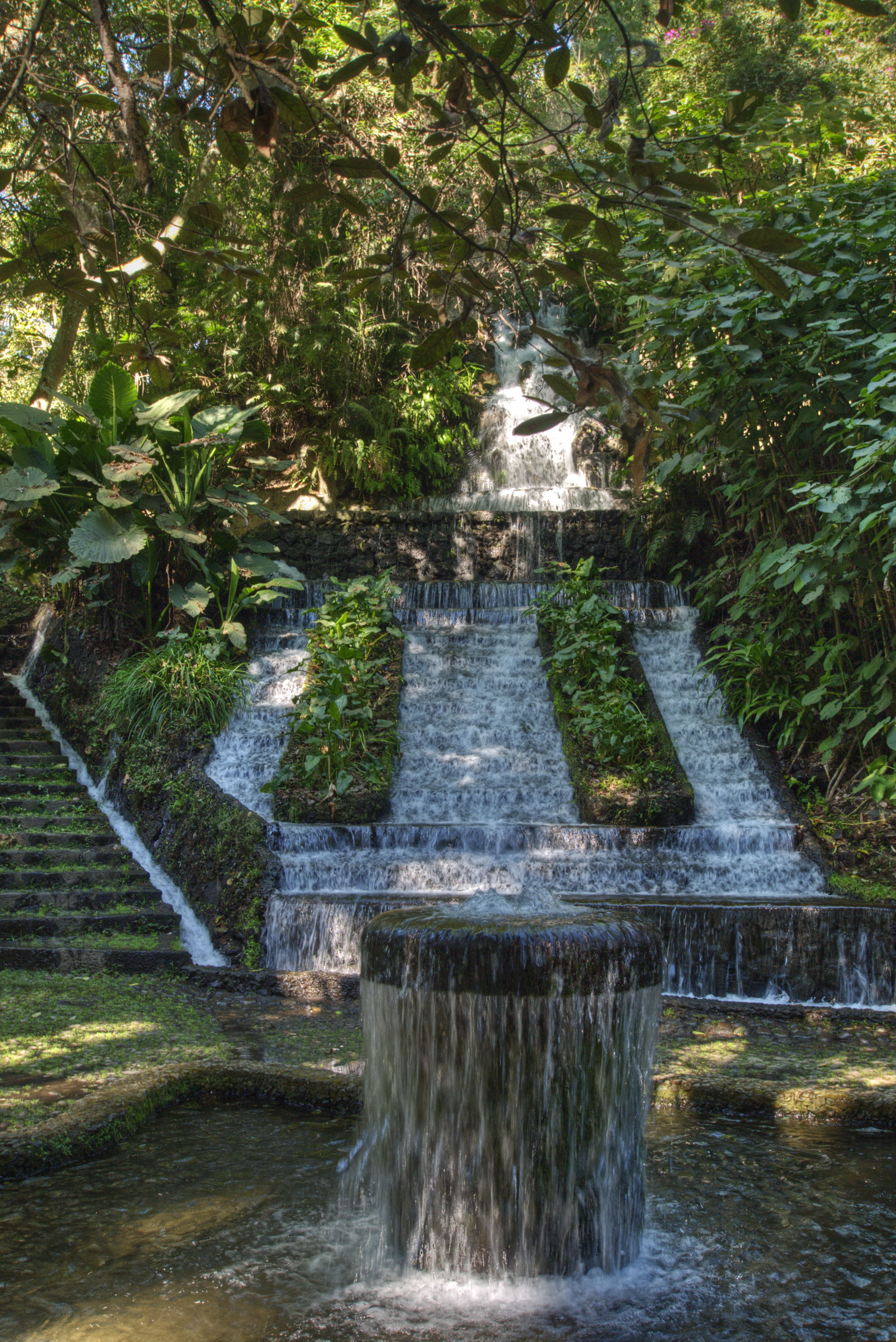

After exploring the park we walked into the main plaza of the town and around the central area. Eventually we got a taxi back to the Hotel and after lunch we headed off for the 30km drive to a small indigenous town called Angahuan. This is the location of the trailhead to a church that had been spared from the lava flow when the Paricutin volcano erupted in 1943 in a field and in 8 years of activity formed a cone 400m high. The hamlet of San Juan Parangaricutiro surrounding the church was not so lucky.
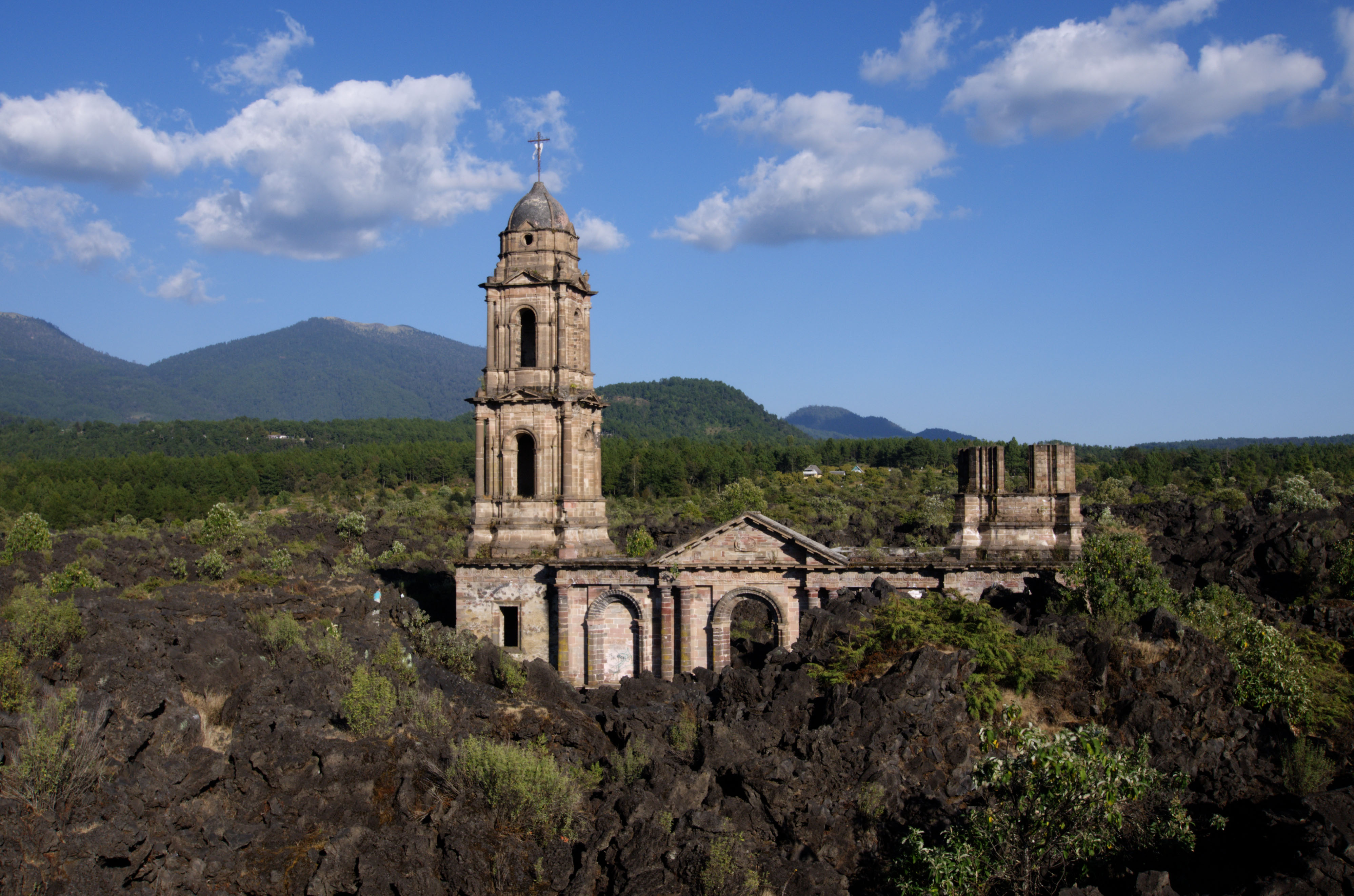
The hike to the church takes about half an hour down through a highland forest to the lava field and then another few minutes across the lava before you arrive. Only two pieces of the church are still standing. At one end the church tower remains and at the other end the altar is still standing. They are both surrounded by high walls of lava and the surrounding village has been completely engulfed.
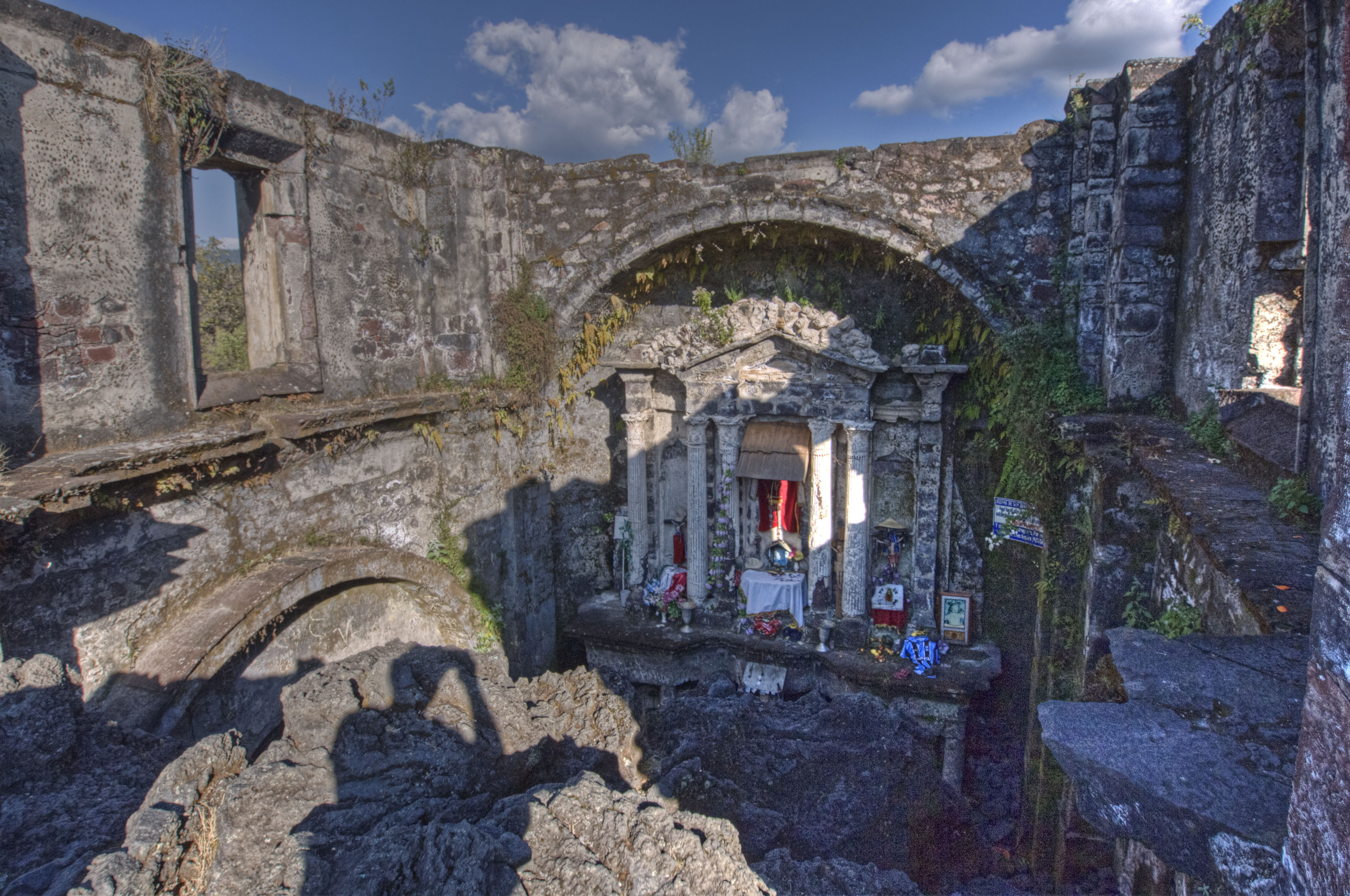
We spent the night in the car park of the tourist centre in Angahuan which was a quiet night and in the morning we continued our Eastward trek towards Patzcuaro.

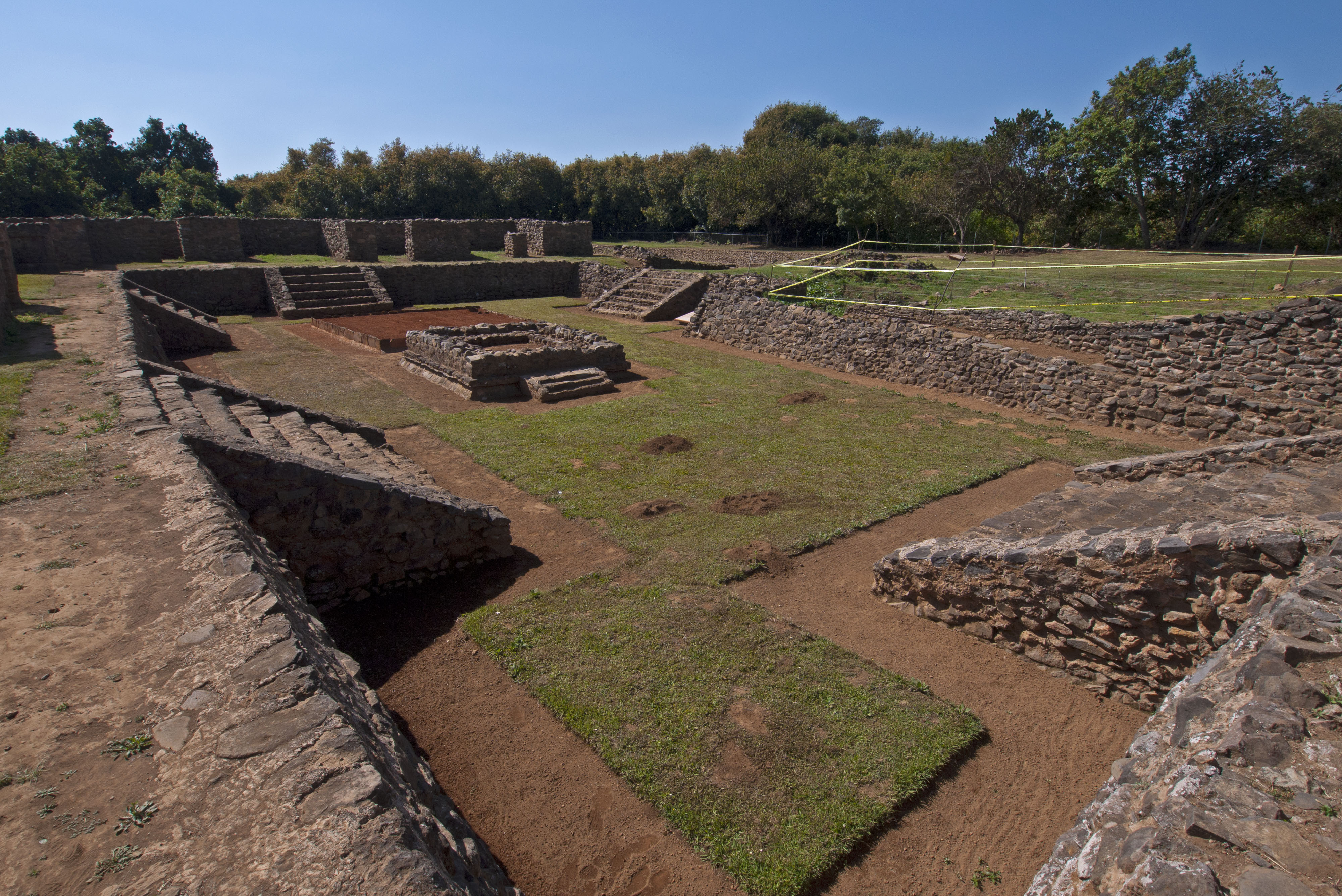
On the way we stopped at another set of ancient ruins – Tingambato which is just outside the small town of Tinganio. This is a site that was first inhabited in 450-600AD but which had its heyday between 650 and 950 AD.

 FromAtoB