Patzcuaro
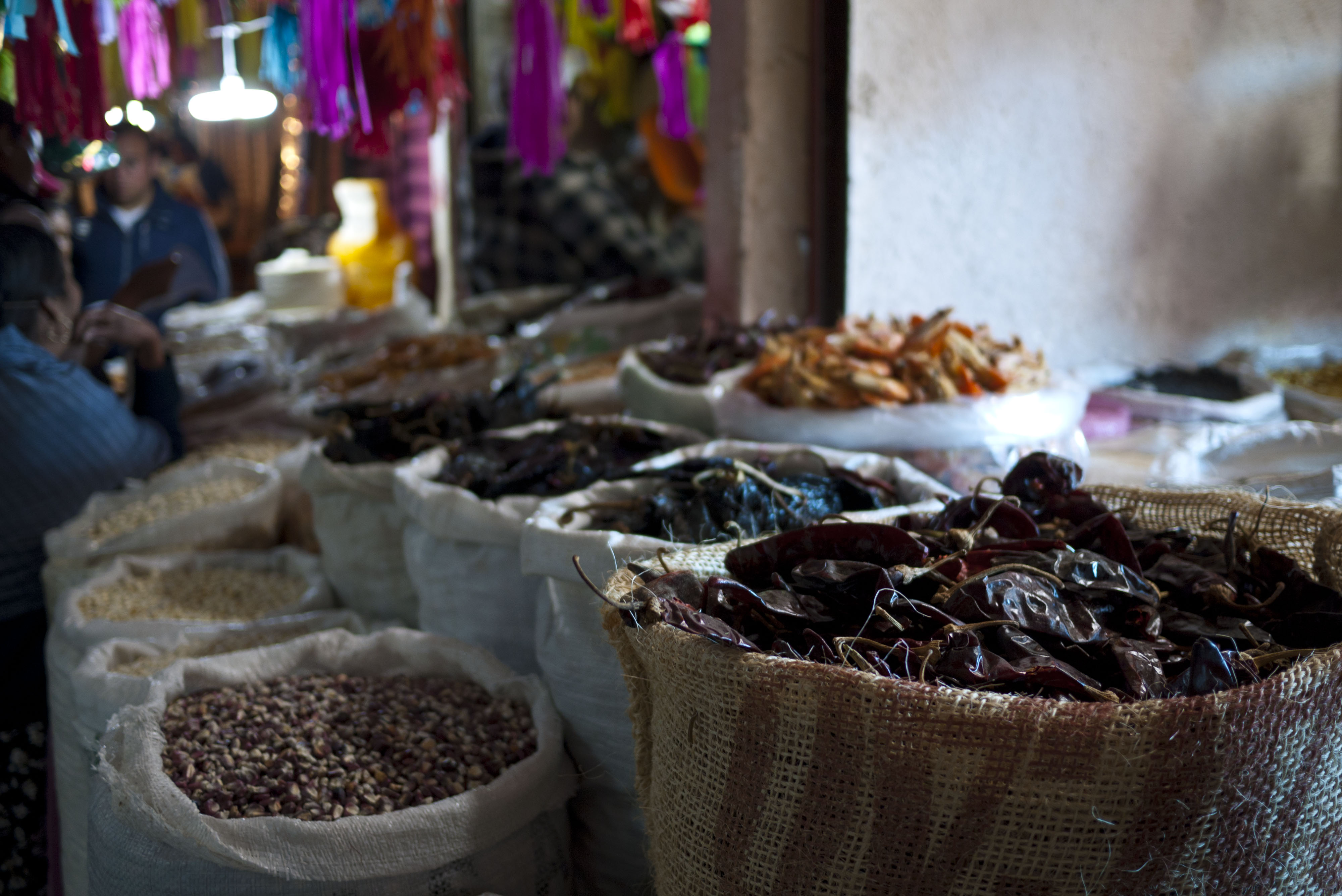
Not far from Tinganio lies the town of Patzcuaro. This is another Pueblo Magico which lies on the shore of lago de Patzcuaro, reputed to be Mexico’s most beautiful lake.
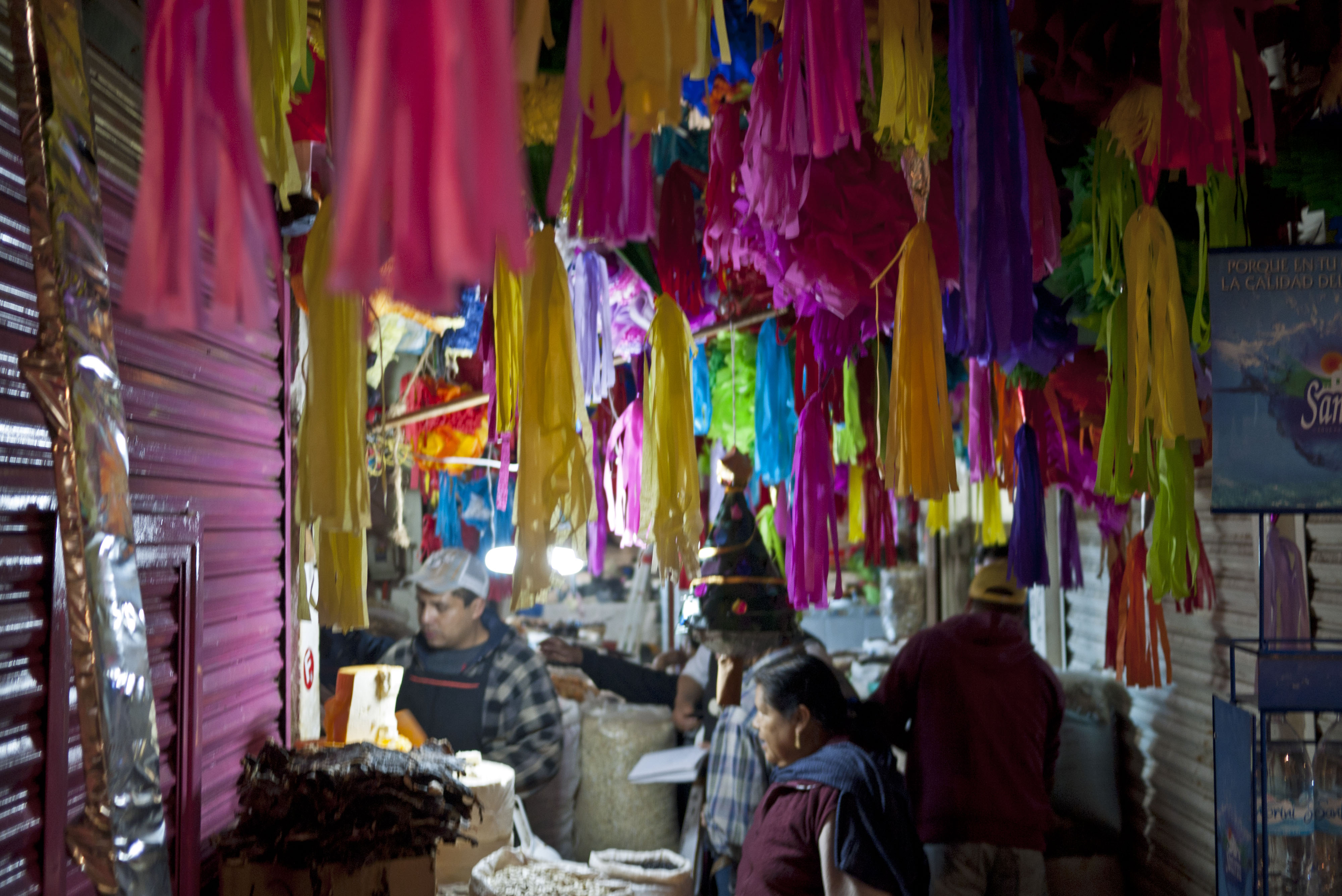
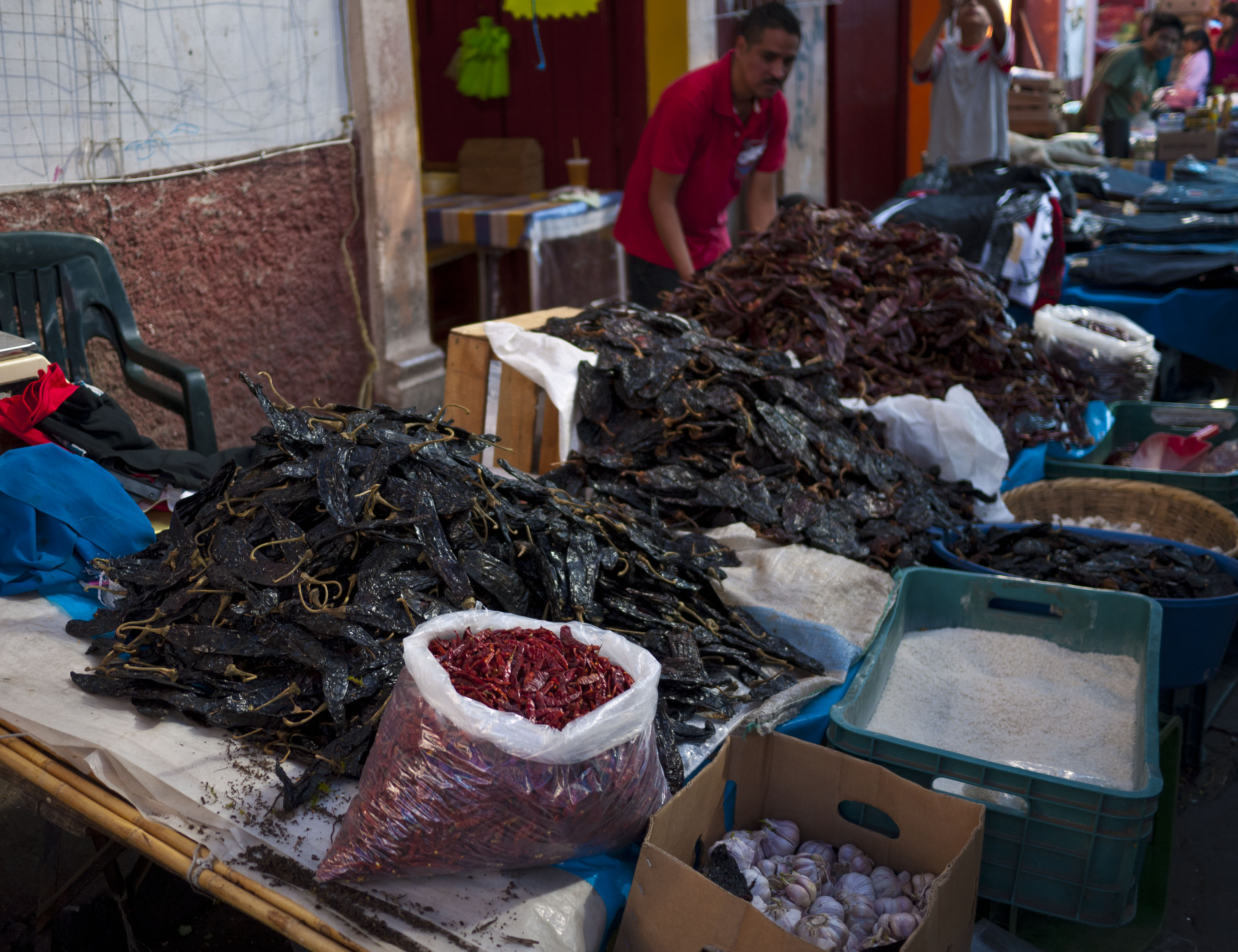
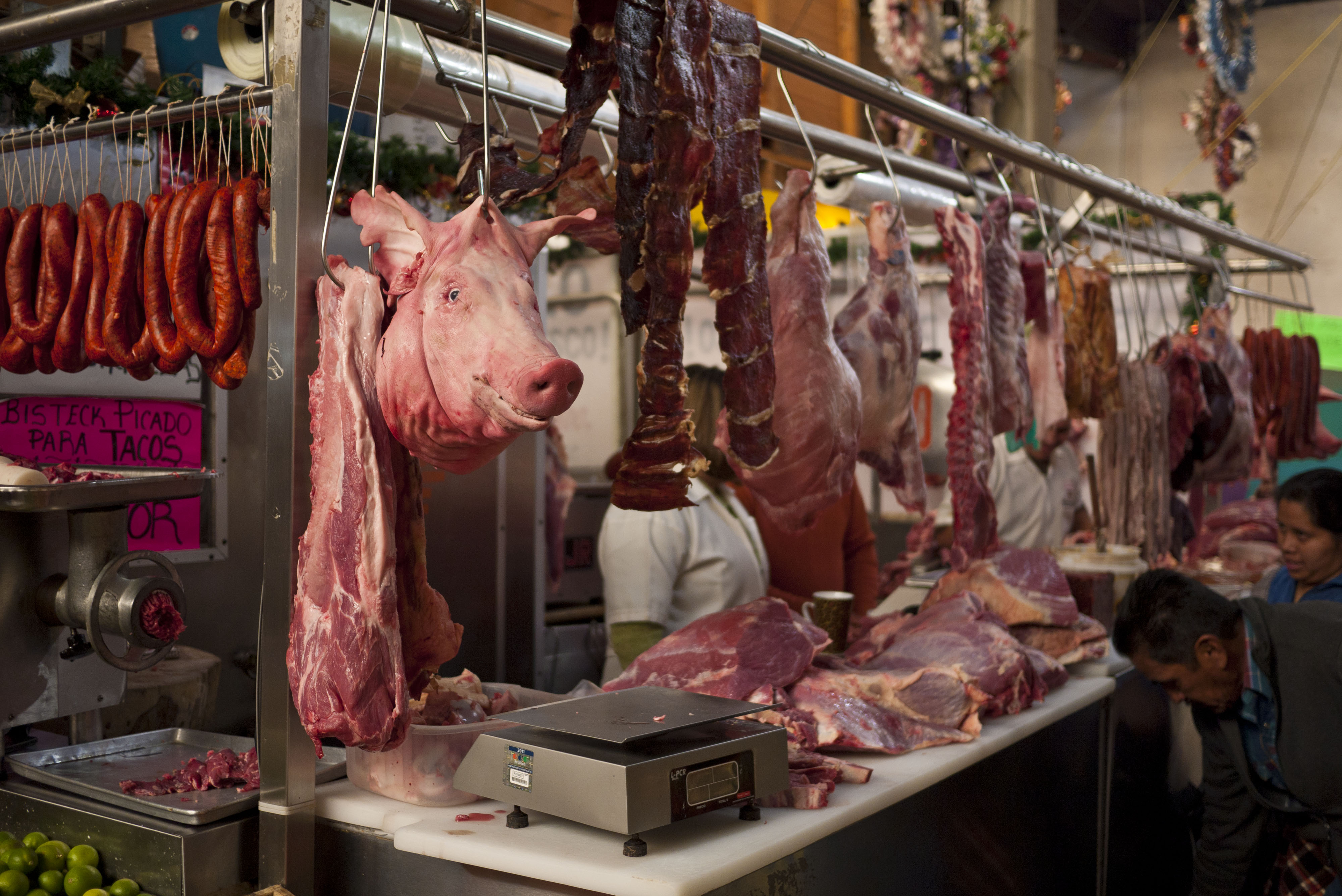
We explored the town of Patzcuaro on a Friday which was market day and spent some time in the main market which was a labyrinthine hive of activity. The stalls were selling both the familiar and the unfamiliar – there are fruit and vegetables here that we have absolutely no idea about ! We also walked around the various squares in the town and as with all Mexican towns investigated the various churches which are usually the architectural highlight of the towns.
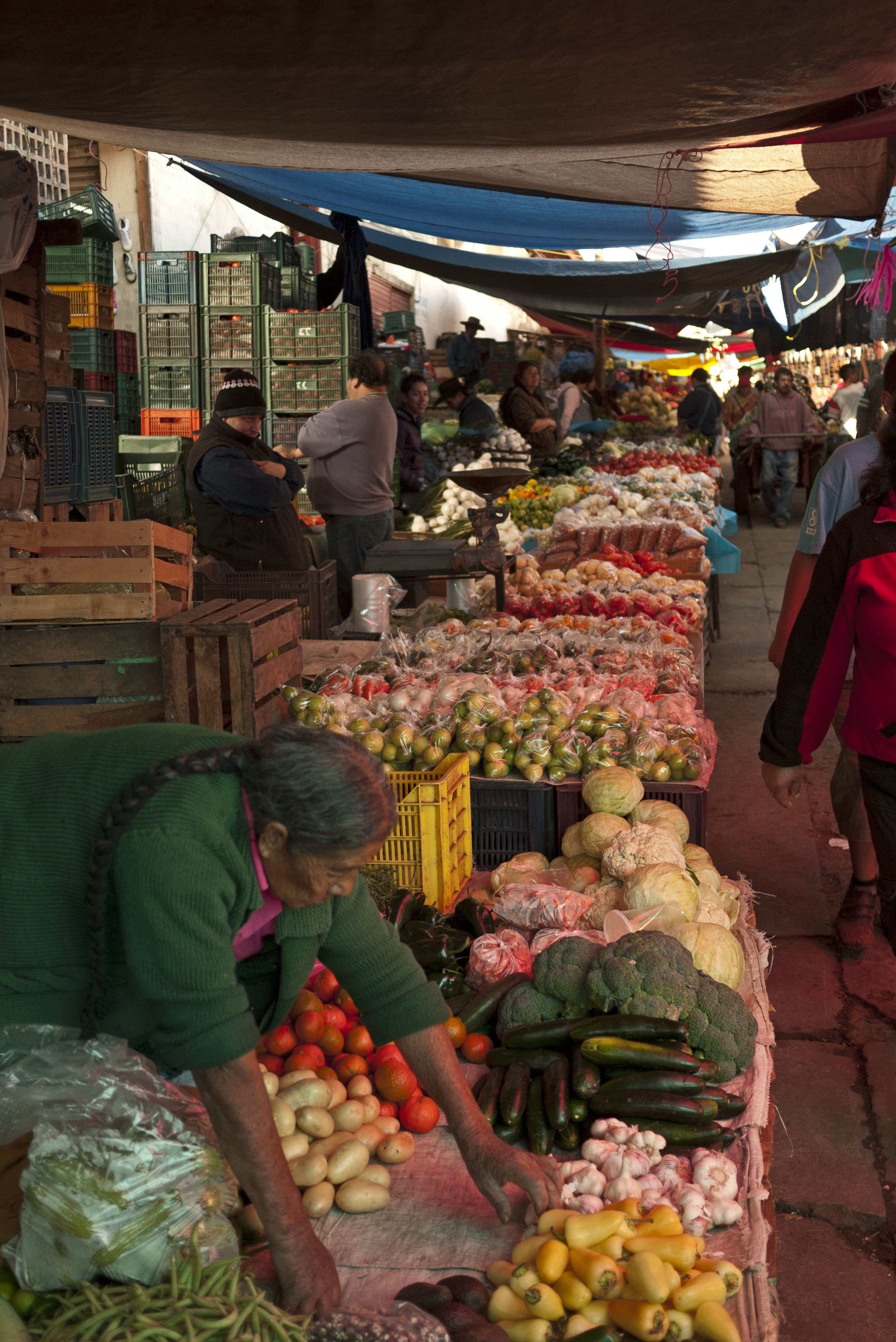
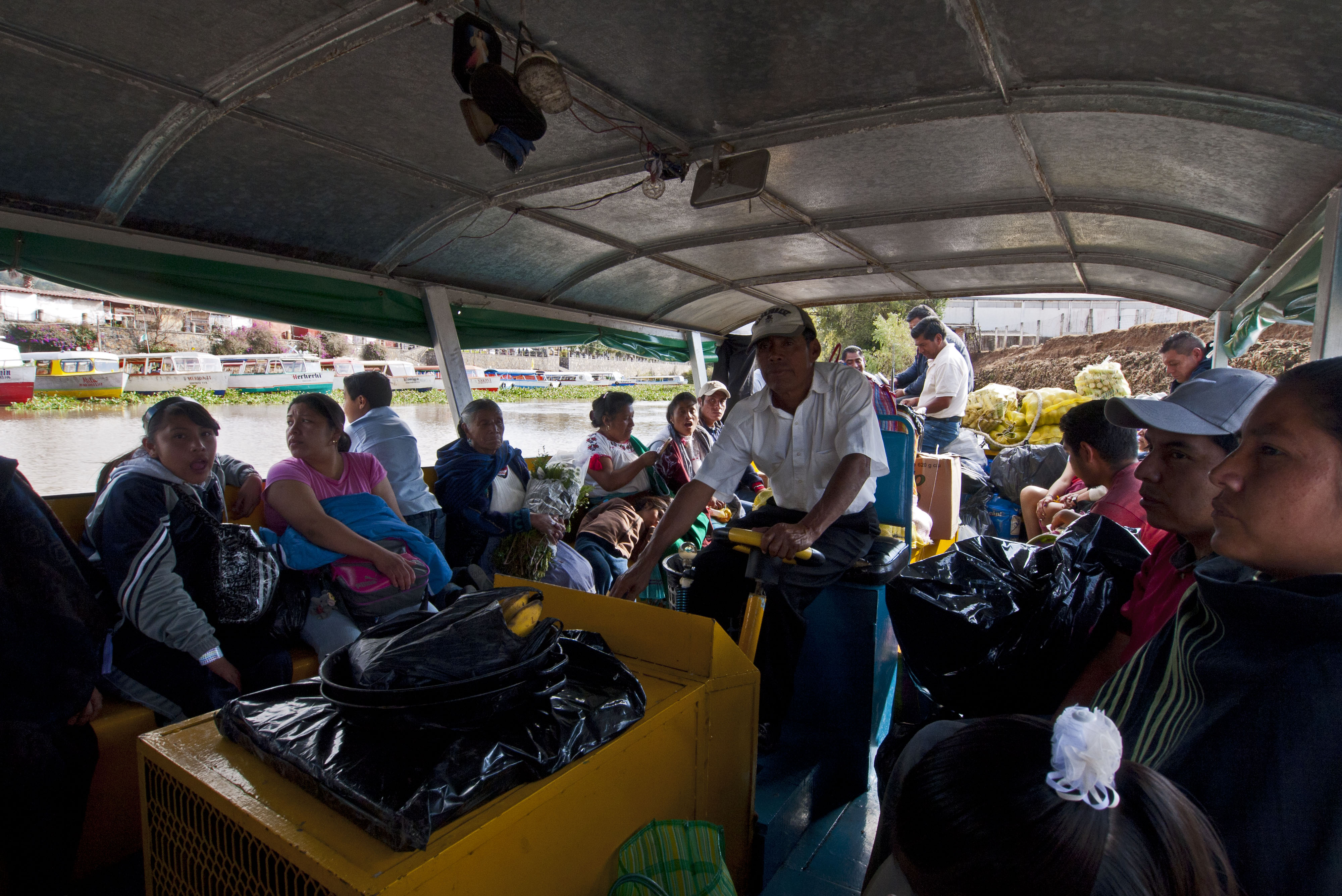
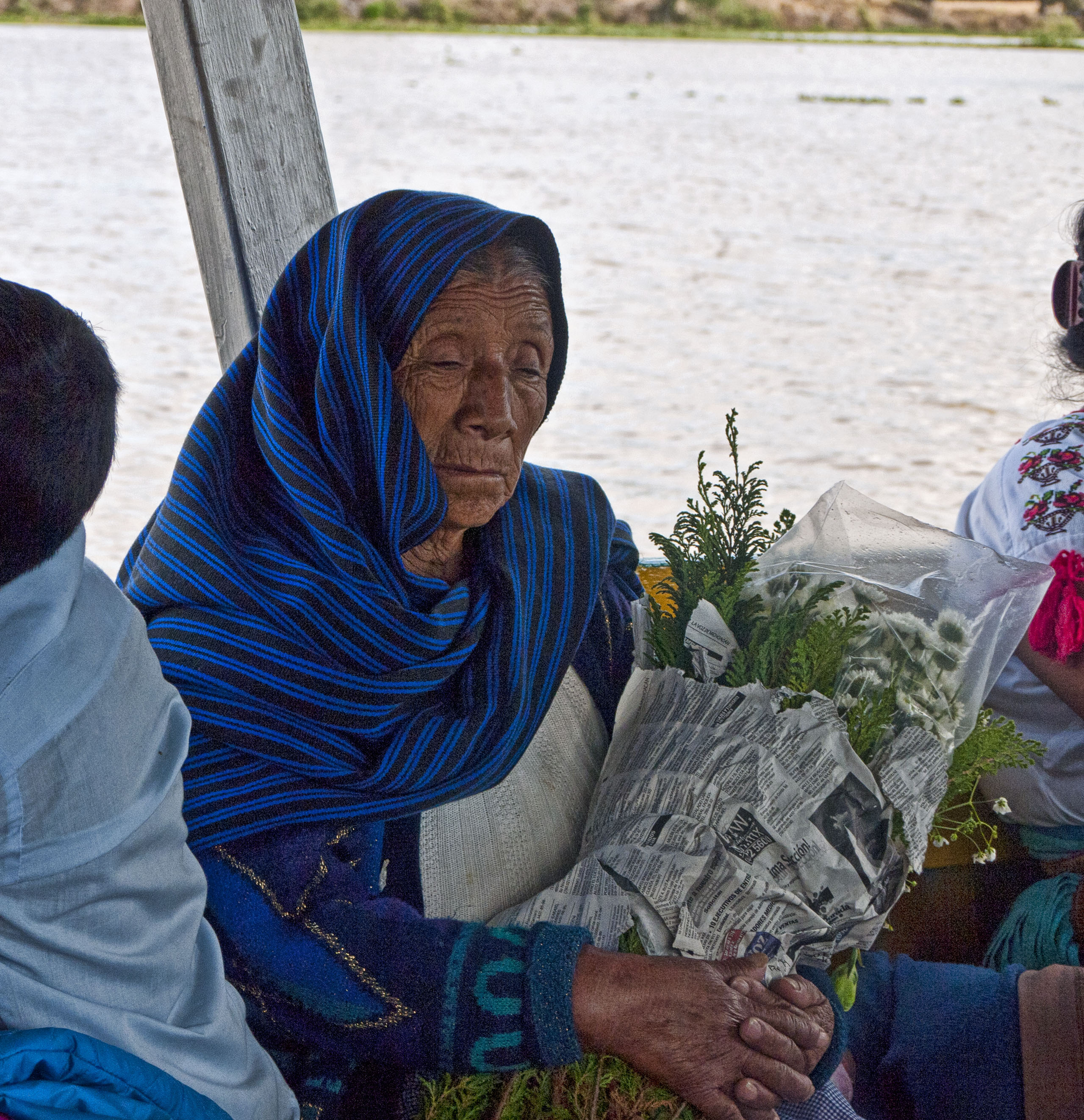
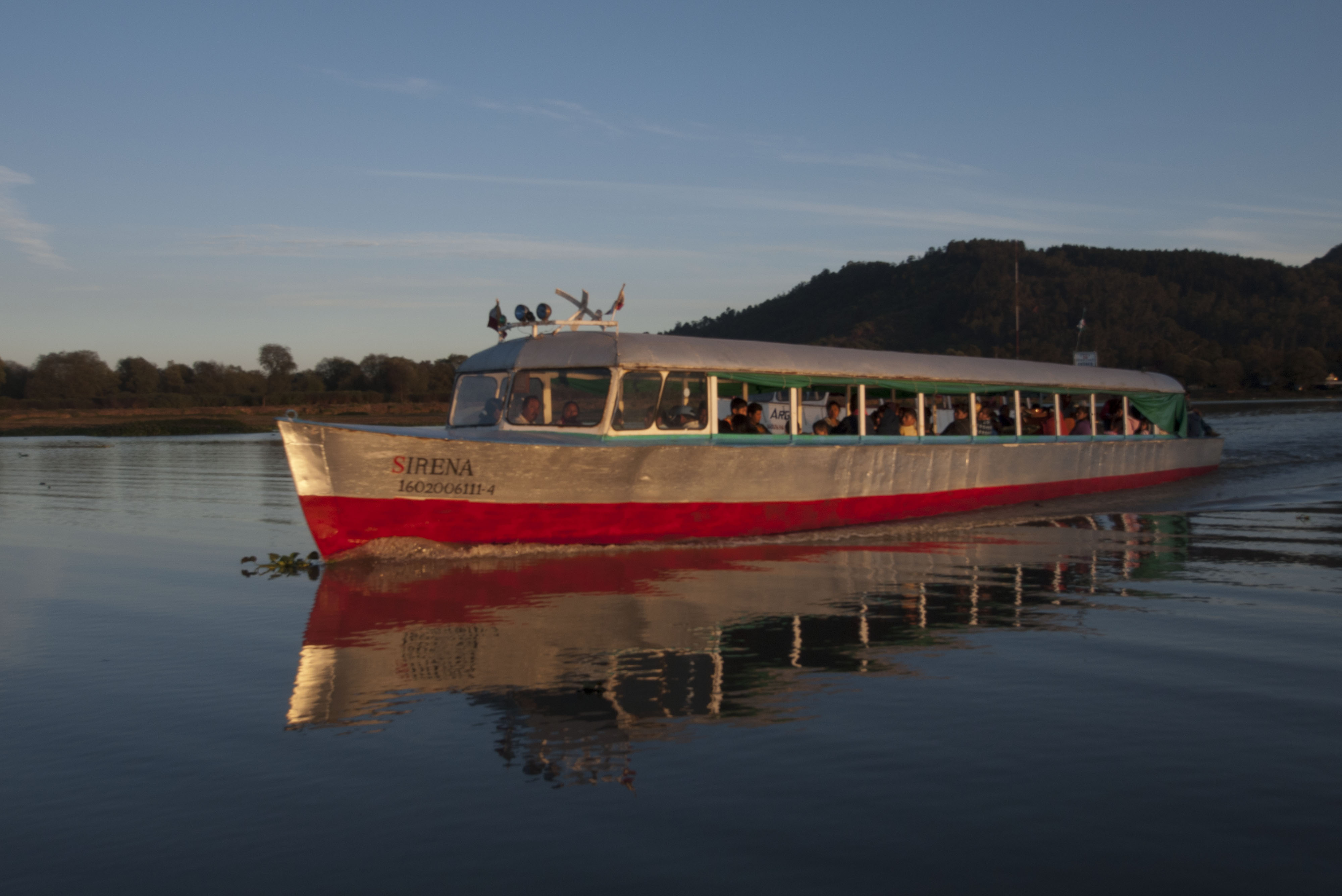
After this we walked down to the lake shore where you can catch a water bus to the island of Janitzio. The boat was full of Janitzio locals who had been to the market in Patzcuaro for the morning and were returning home with their purchases.
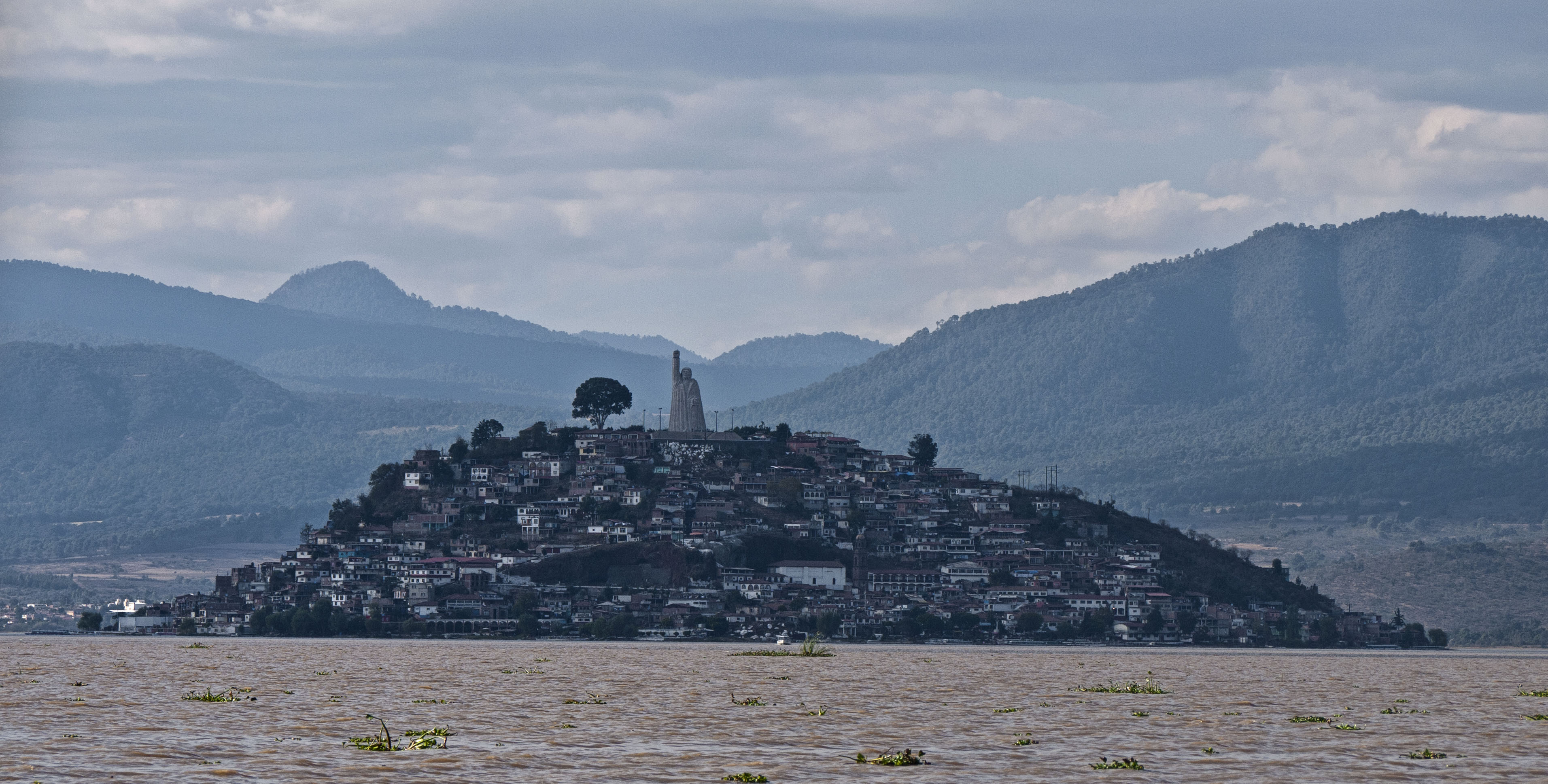
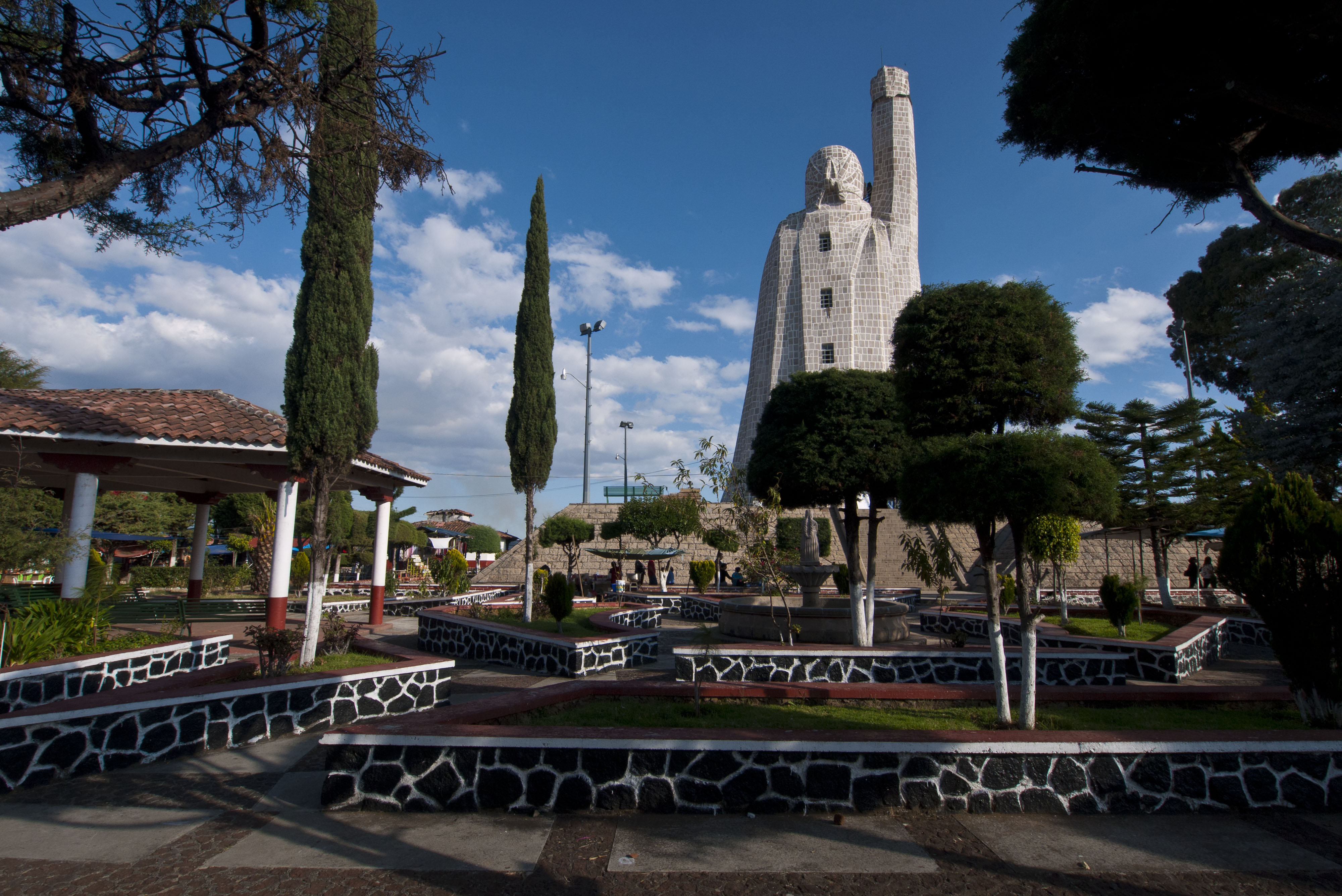
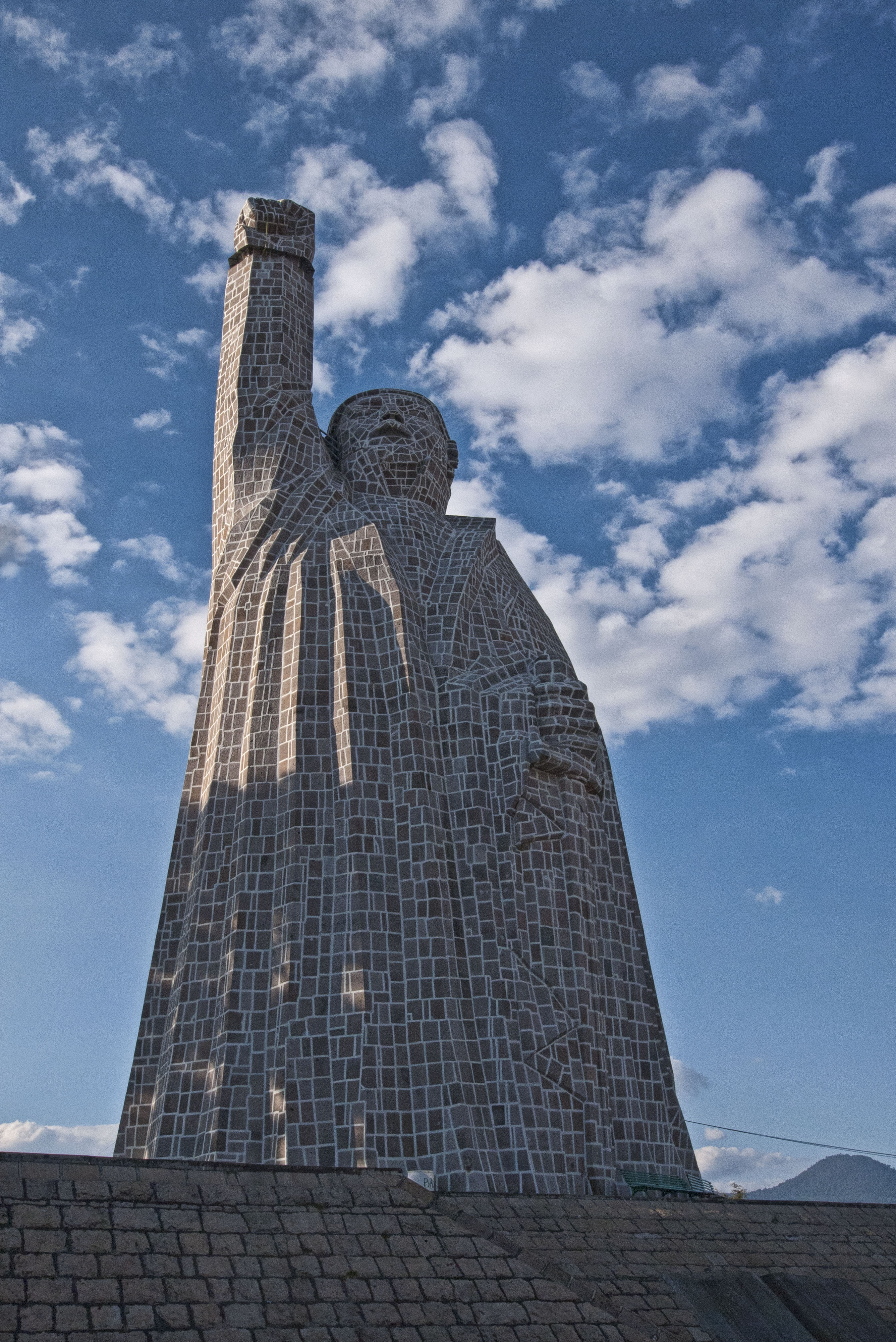
As you approach Janitizio you see an island rising precipitously from the surface of the lake with buildings clinging perilously to its sides. The island is topped by a 50 metre statue of a man with a raised clenched fist. This is a statue of Jose Maria Morelos y Pavon who was the leader of the independence movement in the early 19th century.
When we reached the island we watched as the locals struggled up the steep and narrow streets with their purchases and couldn’t help but think a couple of mules at the harbour may be a good idea.
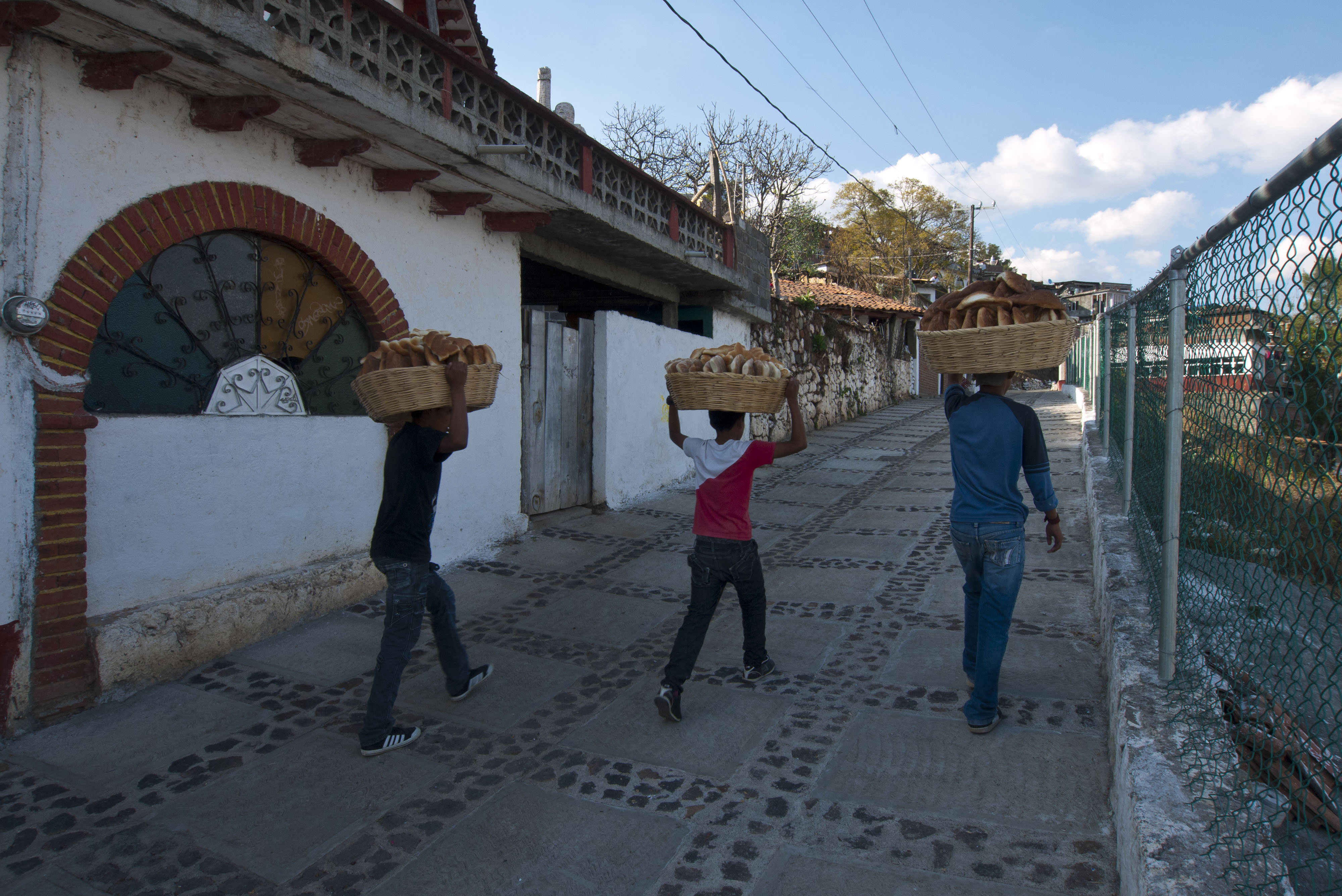
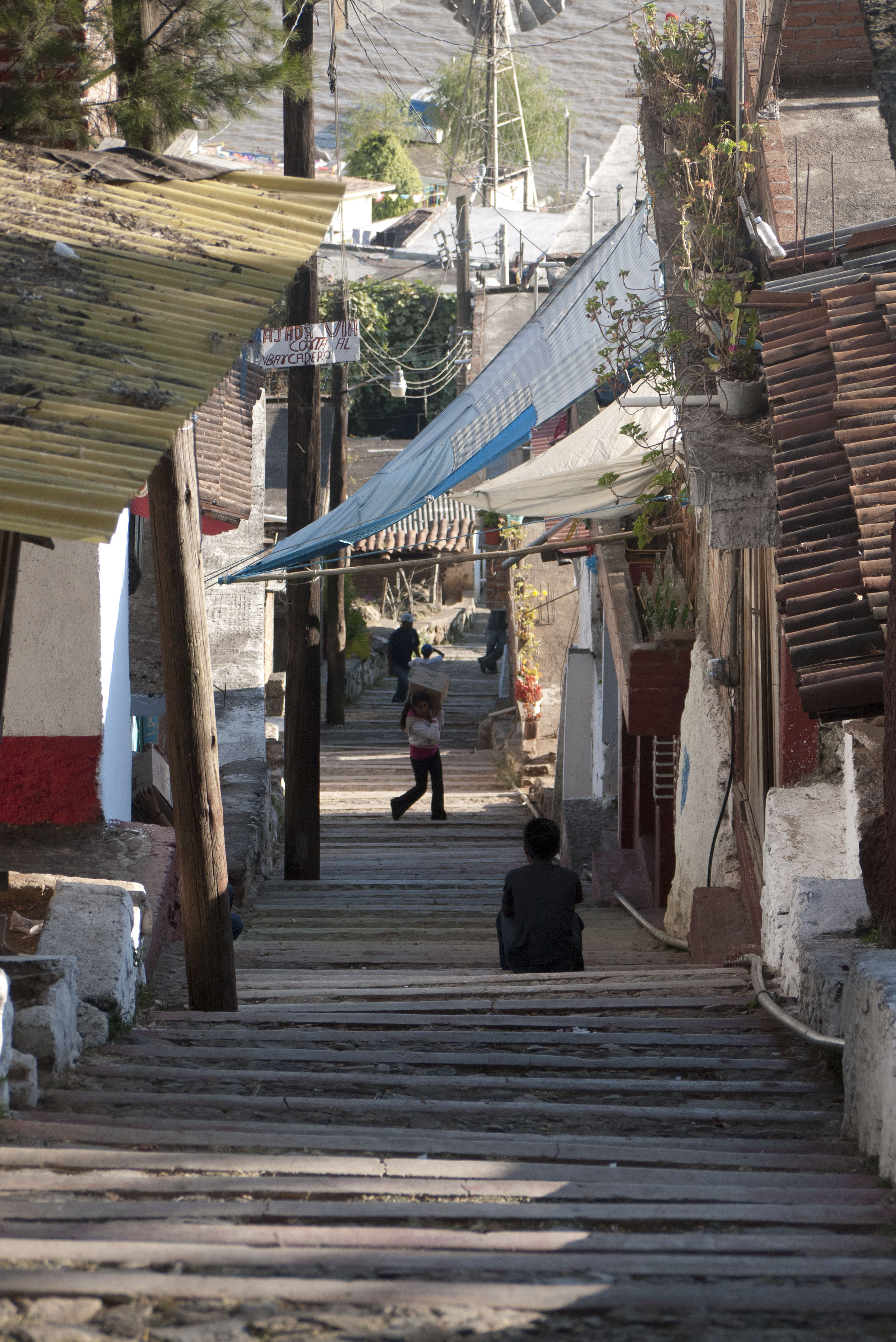
We climbed up the side of the island through narrow alleys and up very steep sets of stairs. It’s quite a climb but fortunately not too long. All this at around 2200m in altitude.
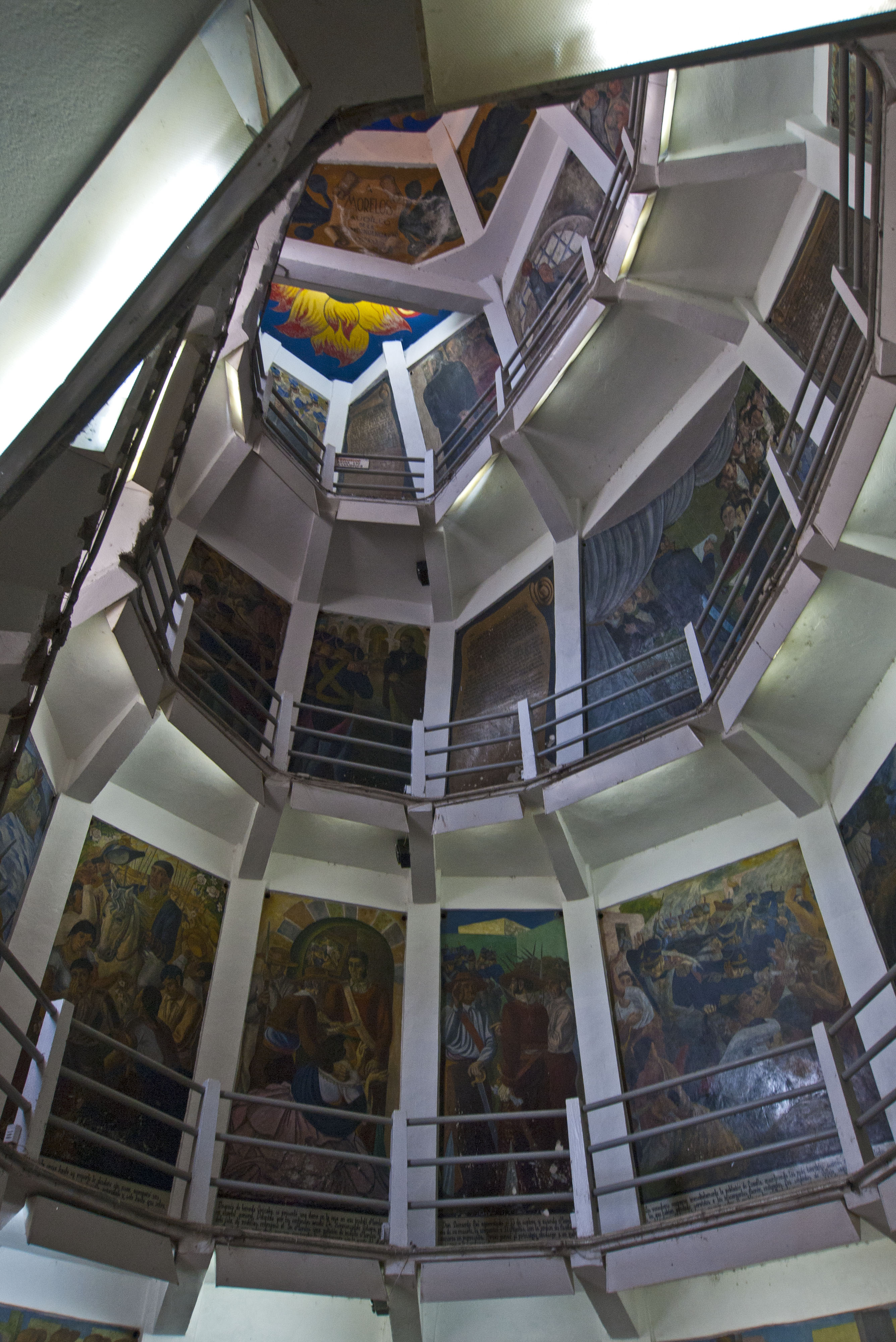
Once at the top you can climb up the inside of the statue, which is covered with murals depicting the life and struggle of Morelos. Once at the top you climb right into his clenched fist and you can peer out at the view of the lake.
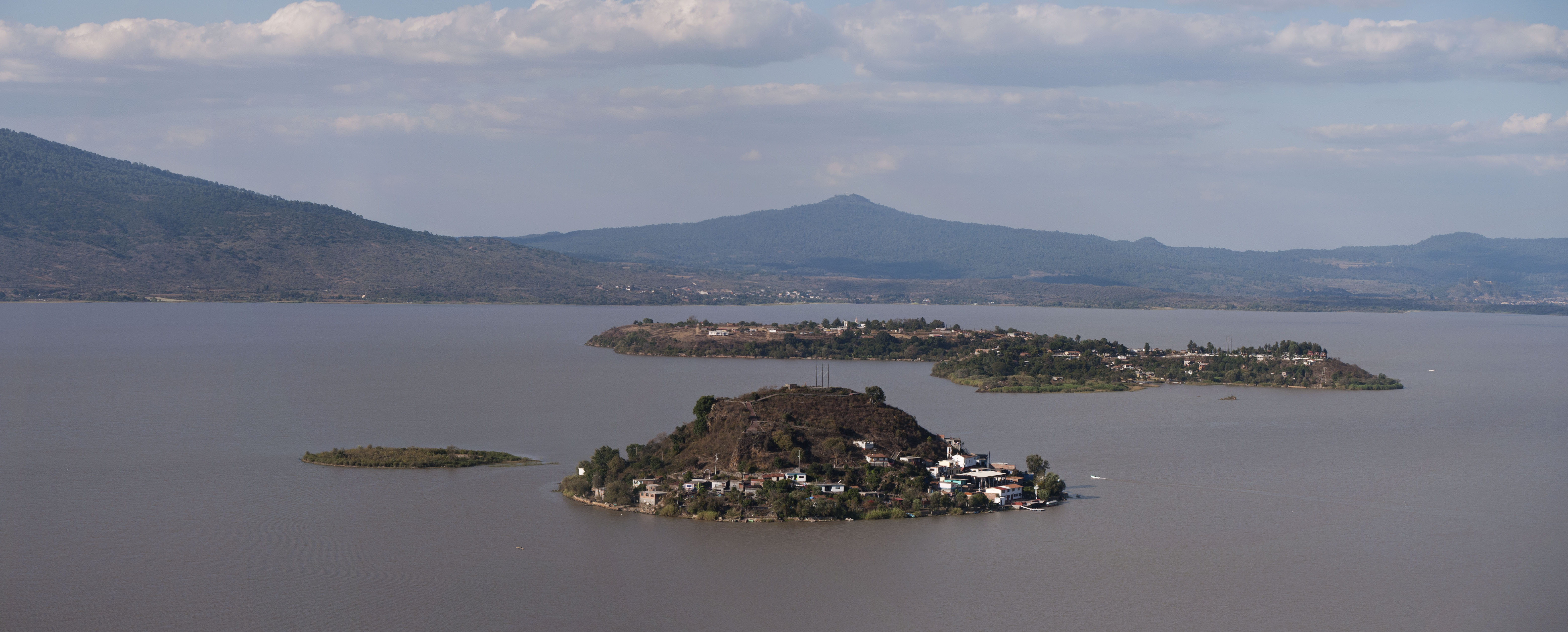
After descending back down to lake level we walked around the path that circumnavigates the island – a 30 minute stroll. This was like much of Mexico in that it looked like it had a glorious past but has definitely faded since its heyday. Our guidebook calls Janitzio squalid but we both thought that it was really interesting and a very worthwhile destination.
After returning to the dock we hopped on the next water bus to leave and made it back to Patzcuaro just as darkness was falling.
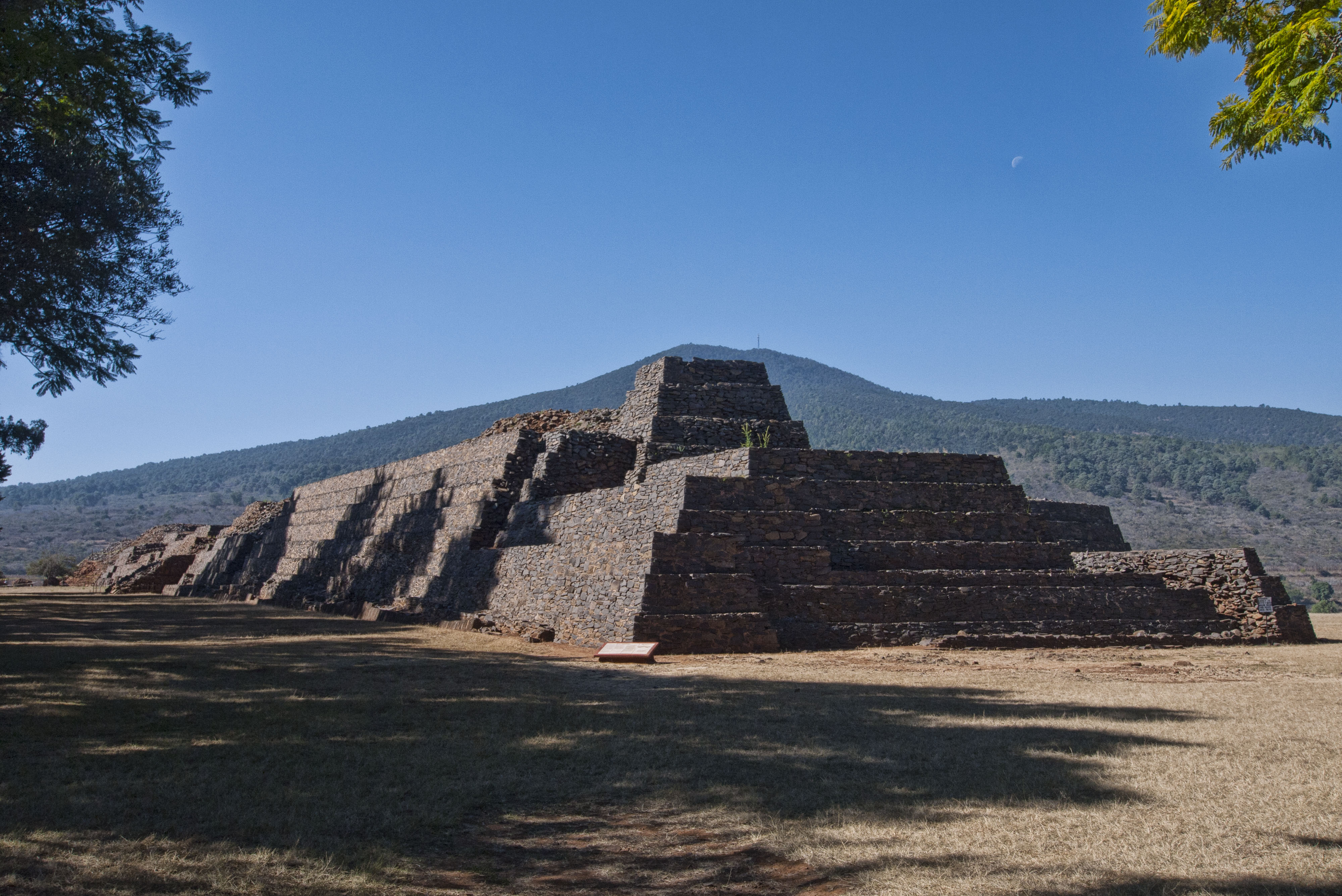
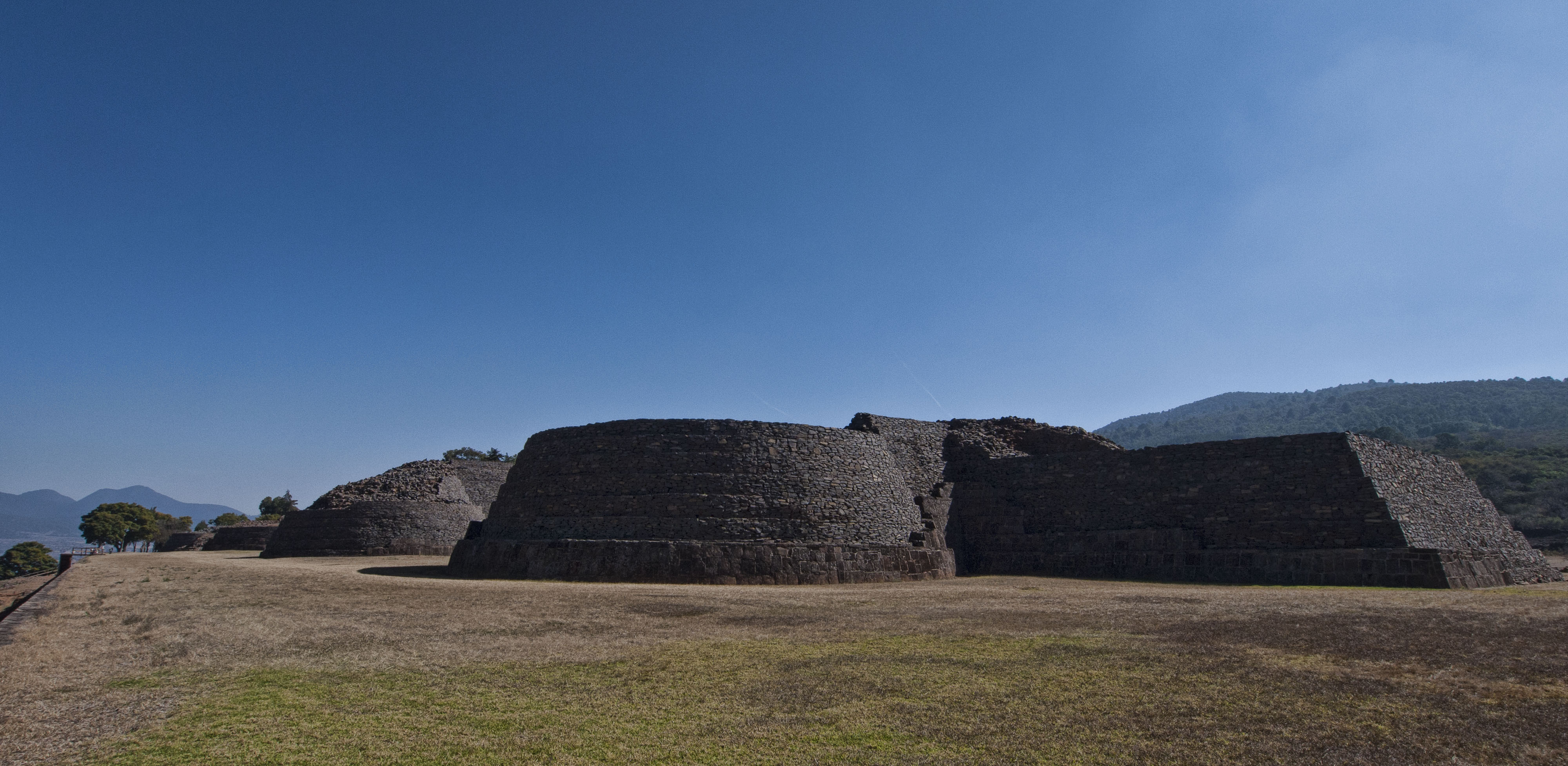
In the morning we decided to visit some more ruins before heading to the Monarch butterfly sanctuary. These were only 15km from Patzcuaro in a small village called Tzintzuntzan, also the name of the ruins. This site was established in the 1400’s and by the time of the Spanish invasion housed around 40,000 people. All that is left today are the ceremonial structures at the centre of the city – although digging continues today on terraces below the main centre and is uncovering more of the city.
Uruapan
As we made our way East into the heartland of Mexico we found ourselves climbing high into the mountains on winding roads and through mountain villages clinging to the hillsides. As we approached one of these small villages we noticed that a makeshift checkpoint had been erected across the road. We had become quite familiar with both police and military checkpoints. However as we got closer we noticed that the barricade was manned by ununiformed men wearing balaclavas and carrying shotguns. We were too close to turn around and were very relieved when they waved us through. On the other side of town there was another barricade made out of a burnt out truck and barbed wire but again, and much to our relief, they weren’t interested in us.
A bit further on we were waved to the side of a road by a lone policeman. He came over to us when we had stopped and introduced himself, shook hands and then started talking in Spanish. We didn’t understand him and after lots of shoulder shrugging and bemused expressions he said “Buenas Dias” and walked away. If he had been after a bribe he failed!
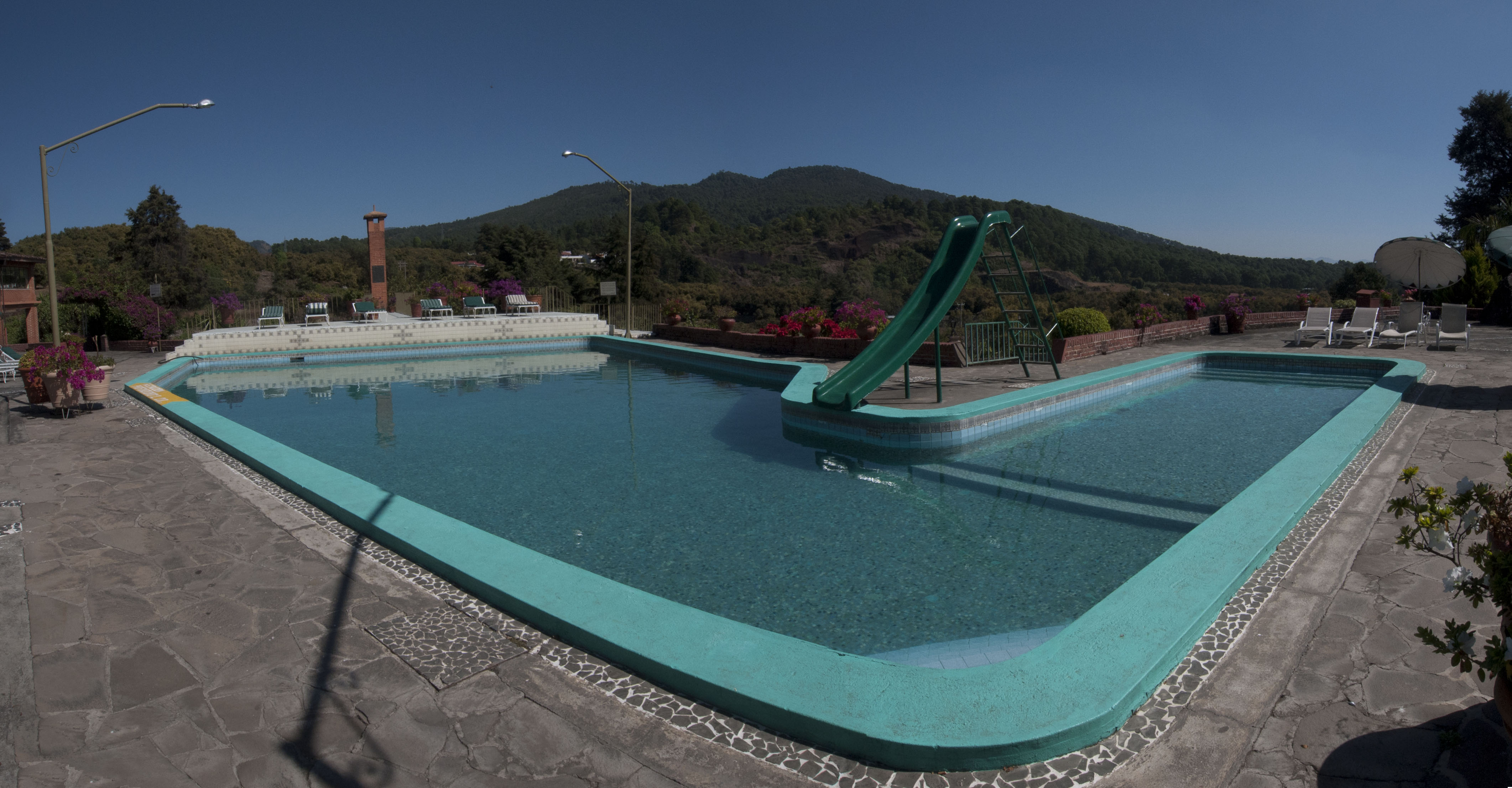
We finally made it to our stop for the night which was a lovely hotel off the main road in the hills above Uruapan called Hotel Sierra de la Pie. They allow campers to park in a section of their car park overnight. They also allow full use of their facilities including a big swimming pool.


In the morning we jumped in a taxi down into the town of Uruapan – which was surprisingly large. The taxi dropped us off at the smallest National Park in the world called Parque Nacional Eduardo Ruiz.

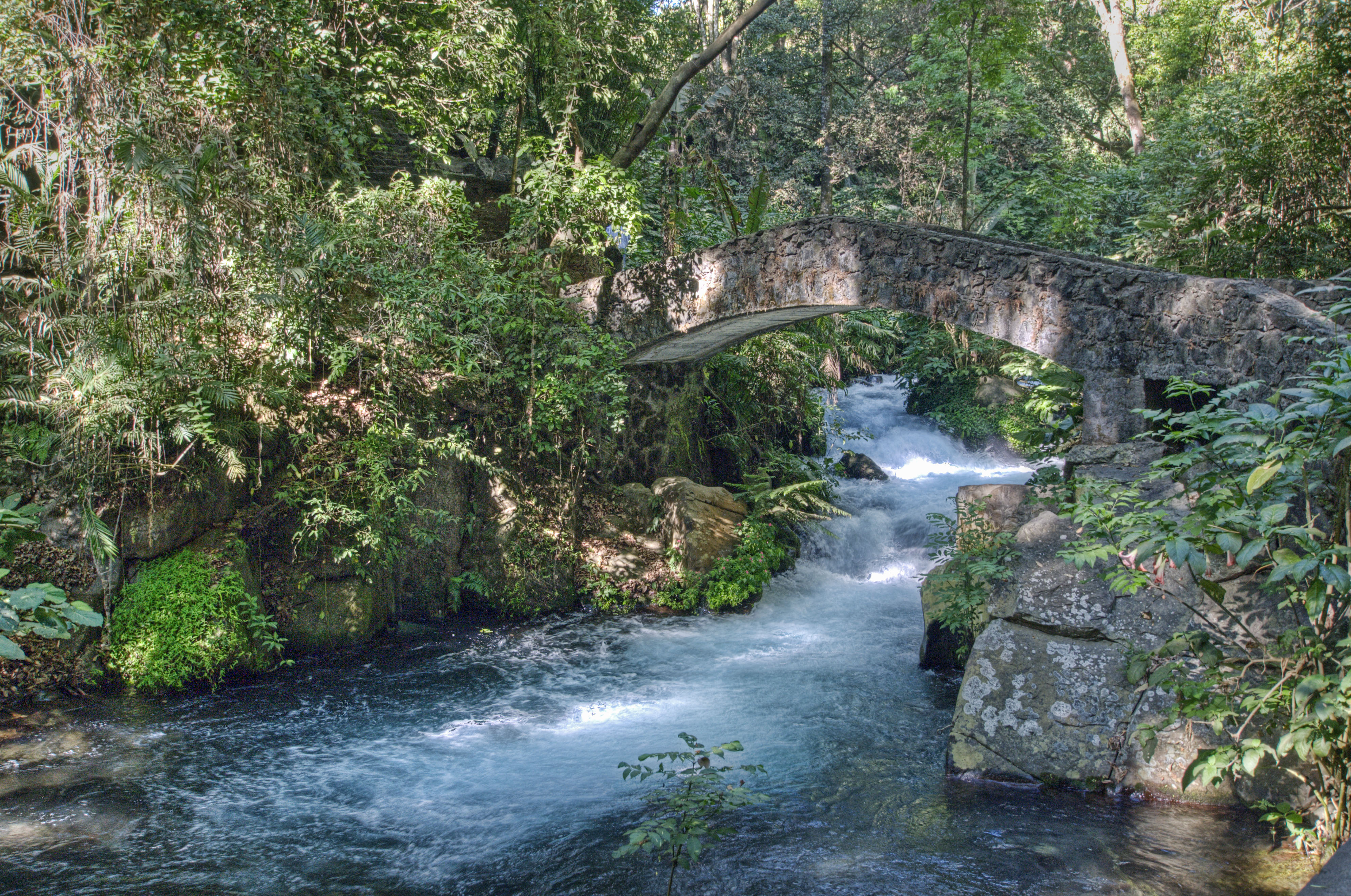
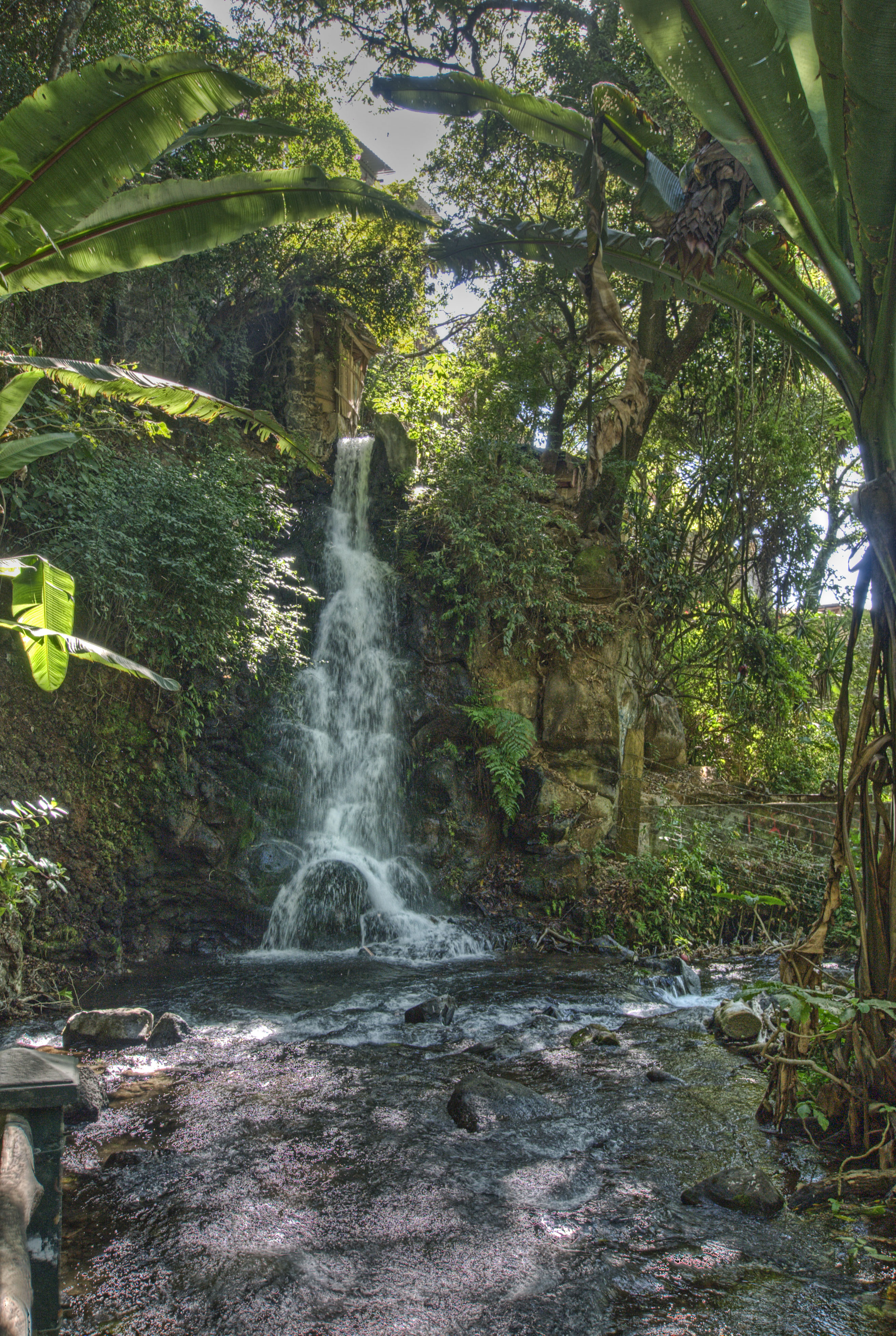
This small park is built around a natural spring and the river that arises from it. There are lots of man-made features in the park such as fountains and waterfalls all in thick forest. It is a real oasis from the heat and bustle of the town.
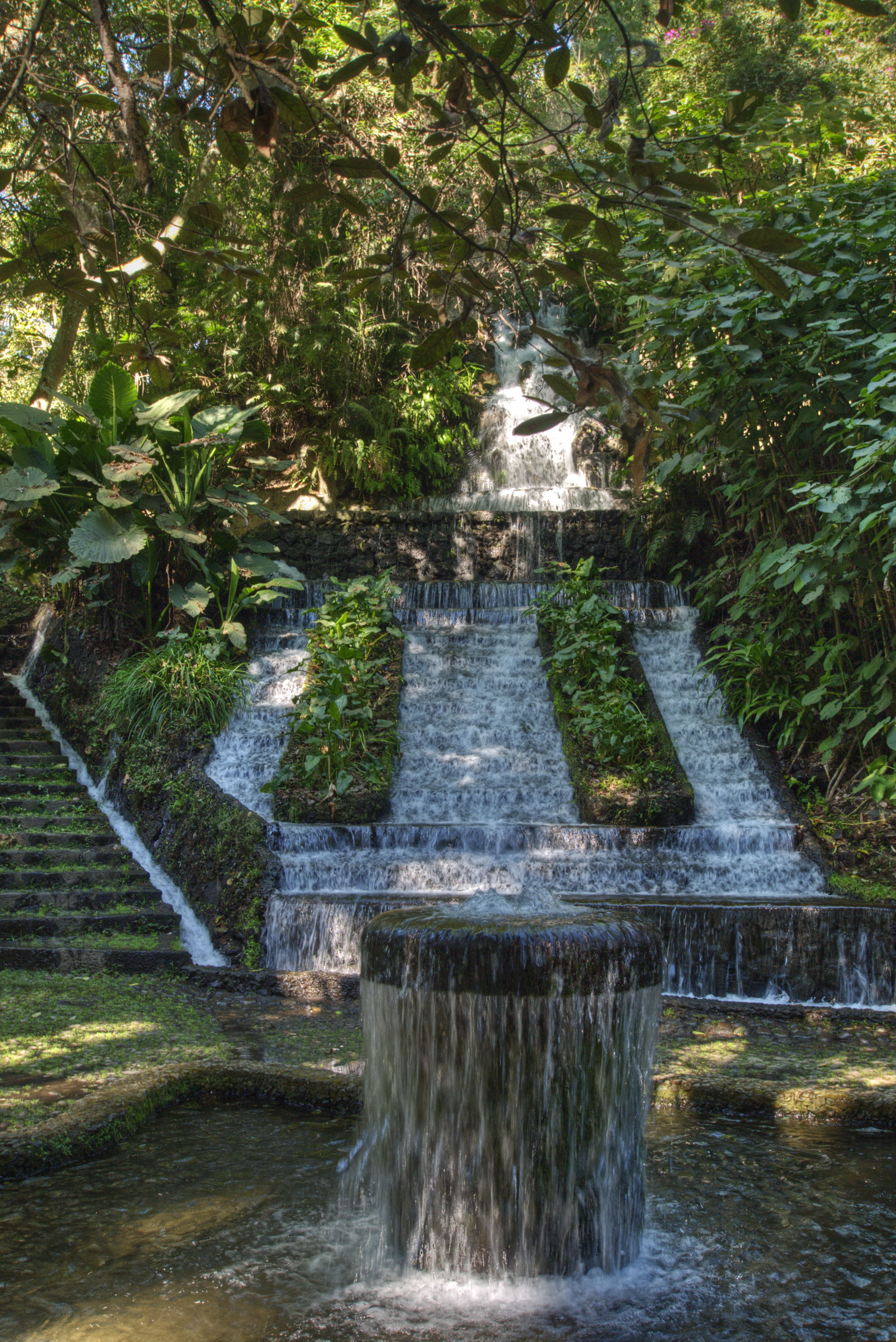

After exploring the park we walked into the main plaza of the town and around the central area. Eventually we got a taxi back to the Hotel and after lunch we headed off for the 30km drive to a small indigenous town called Angahuan. This is the location of the trailhead to a church that had been spared from the lava flow when the Paricutin volcano erupted in 1943 in a field and in 8 years of activity formed a cone 400m high. The hamlet of San Juan Parangaricutiro surrounding the church was not so lucky.
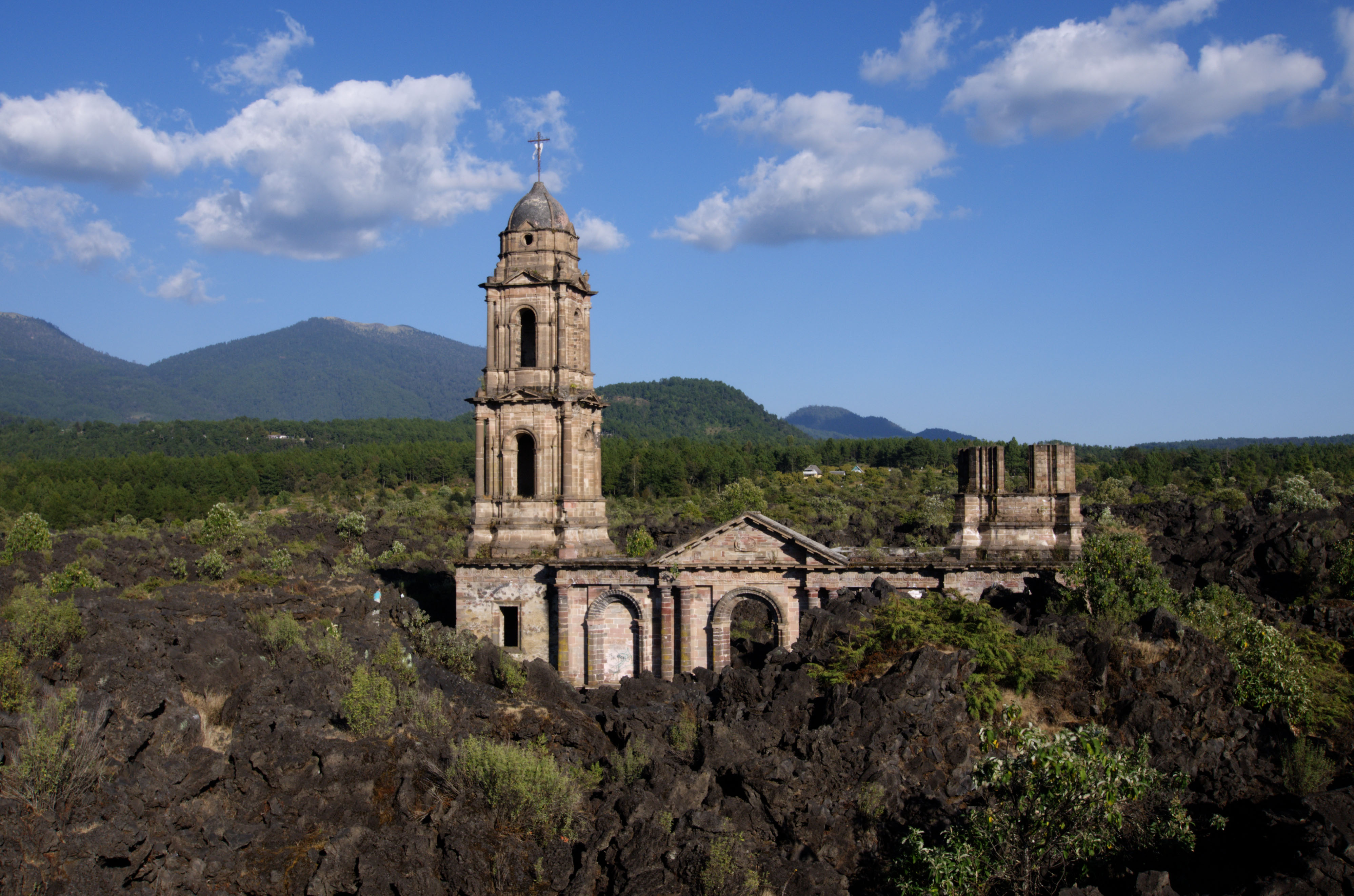
The hike to the church takes about half an hour down through a highland forest to the lava field and then another few minutes across the lava before you arrive. Only two pieces of the church are still standing. At one end the church tower remains and at the other end the altar is still standing. They are both surrounded by high walls of lava and the surrounding village has been completely engulfed.
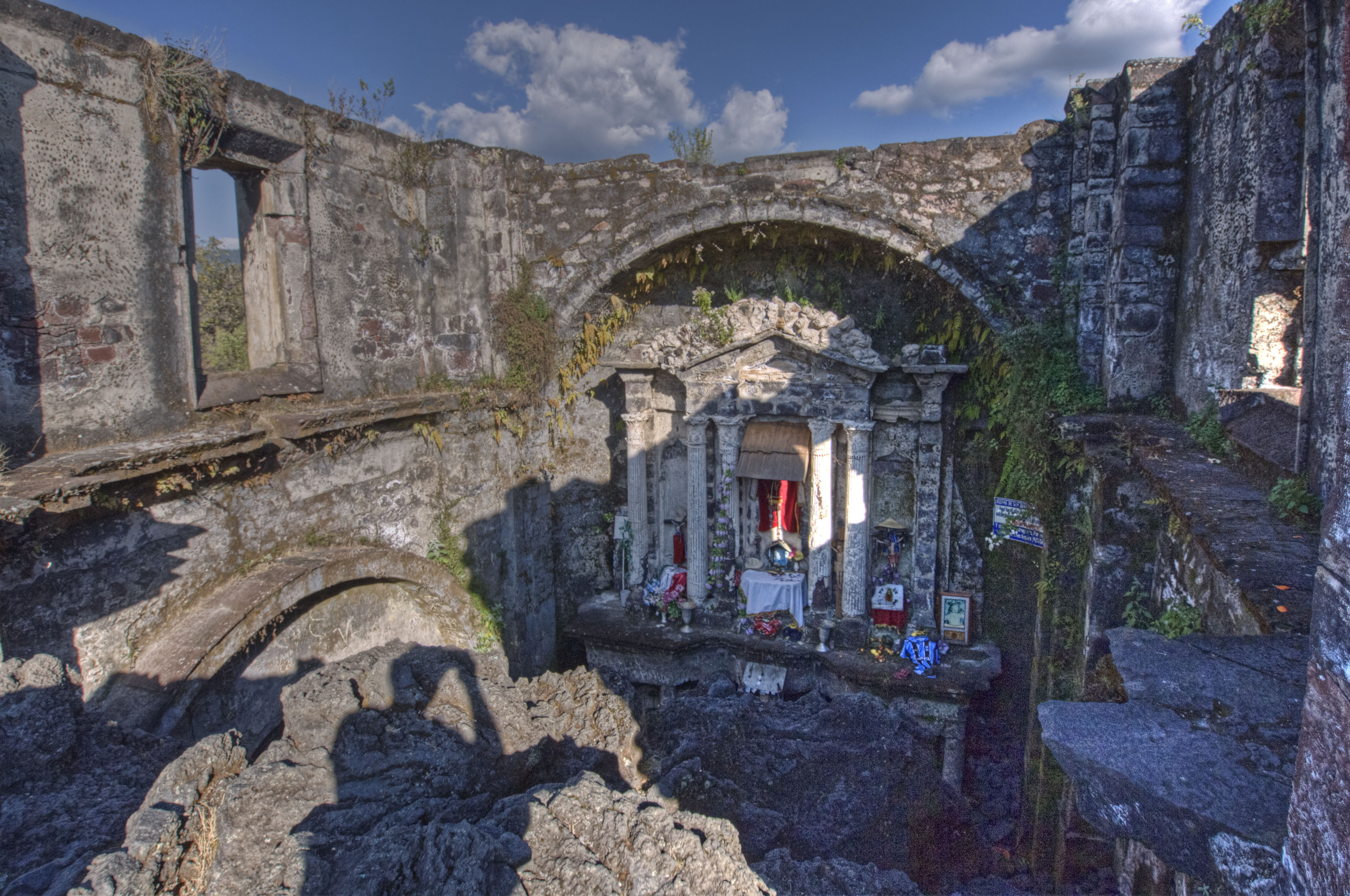
We spent the night in the car park of the tourist centre in Angahuan which was a quiet night and in the morning we continued our Eastward trek towards Patzcuaro.

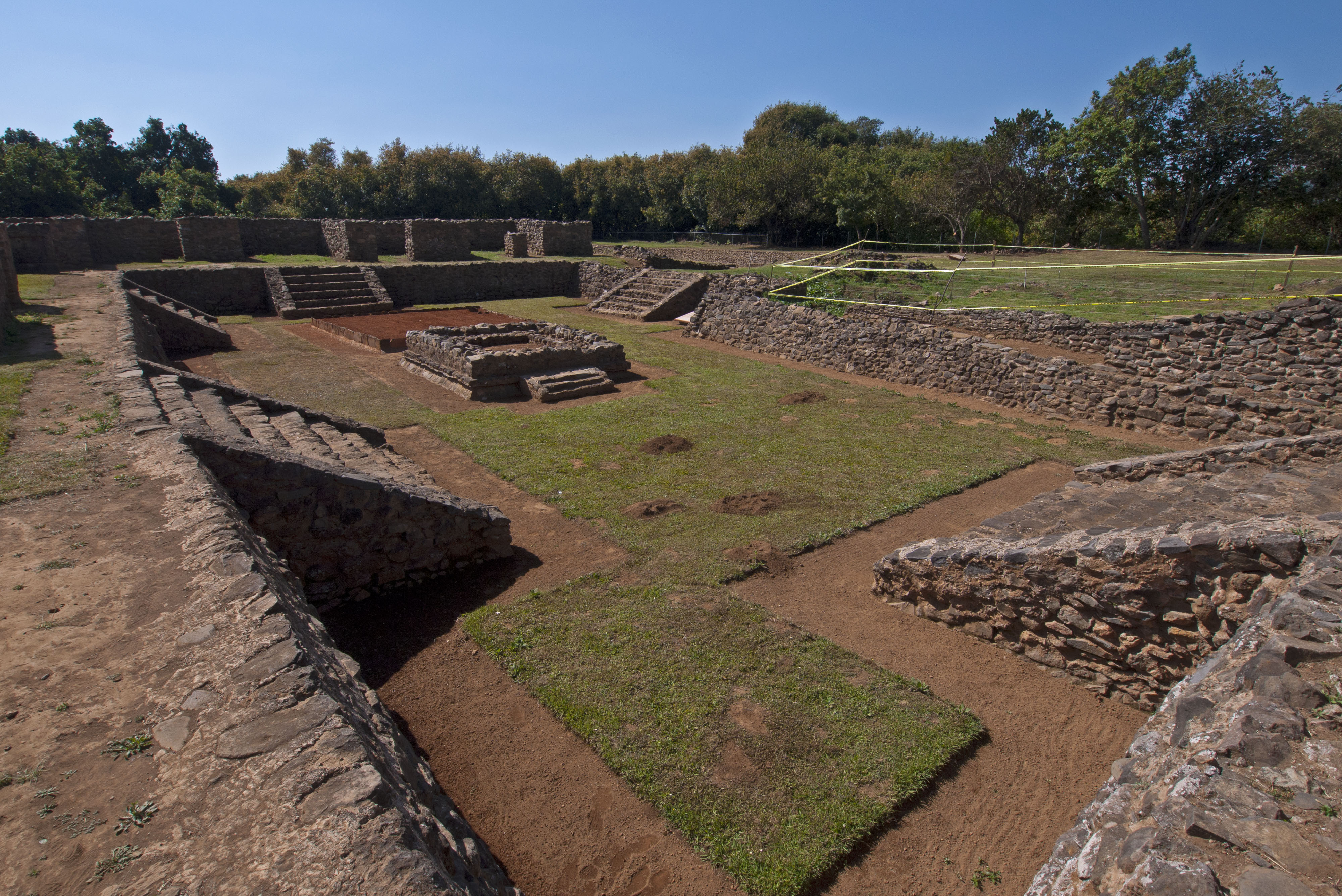
On the way we stopped at another set of ancient ruins – Tingambato which is just outside the small town of Tinganio. This is a site that was first inhabited in 450-600AD but which had its heyday between 650 and 950 AD.

Around Tequila
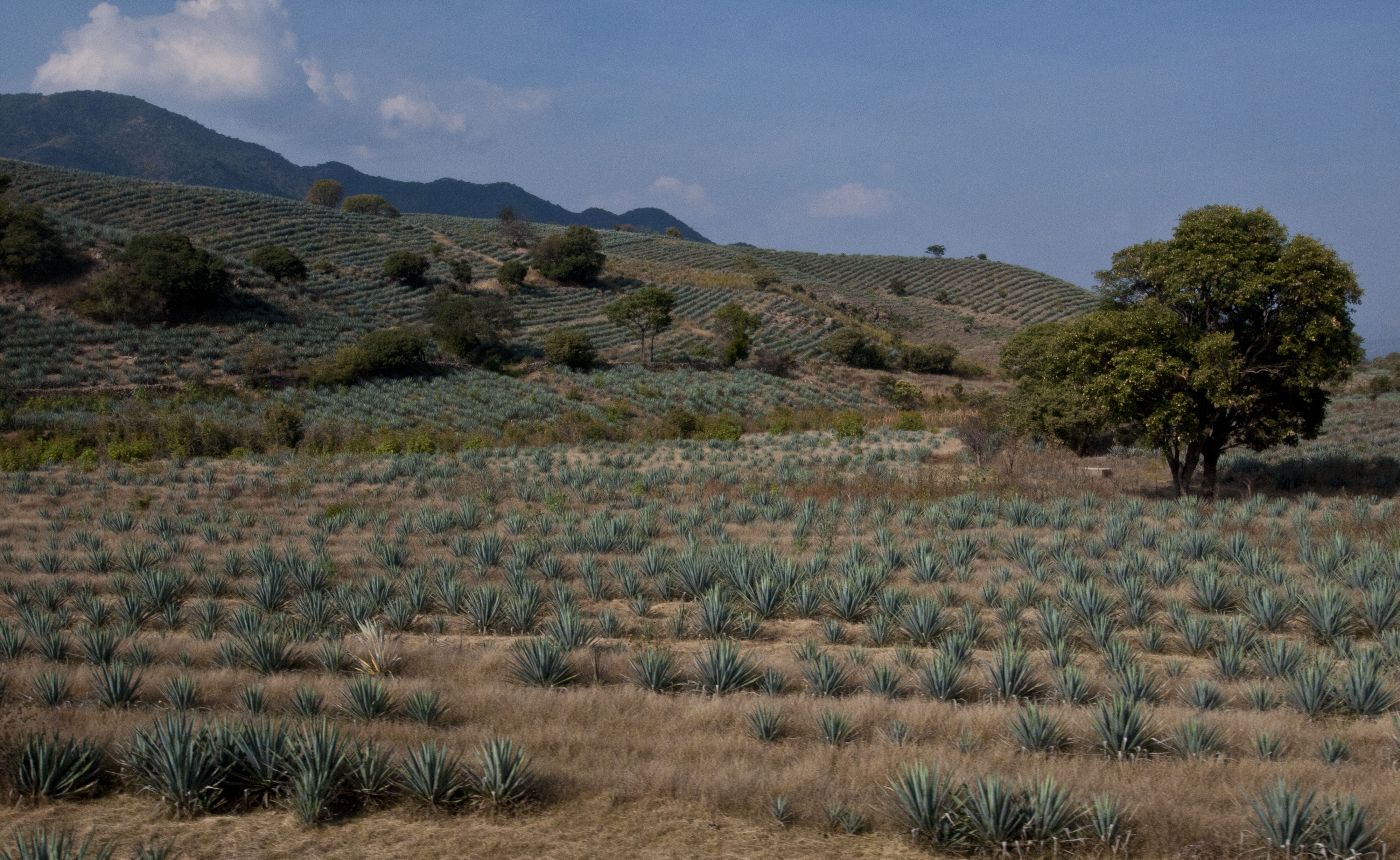
There is no actual campground in Tequila so we hopped back in the Beast and headed to a town called Irzatlan where there is a small campground called Delia’s.
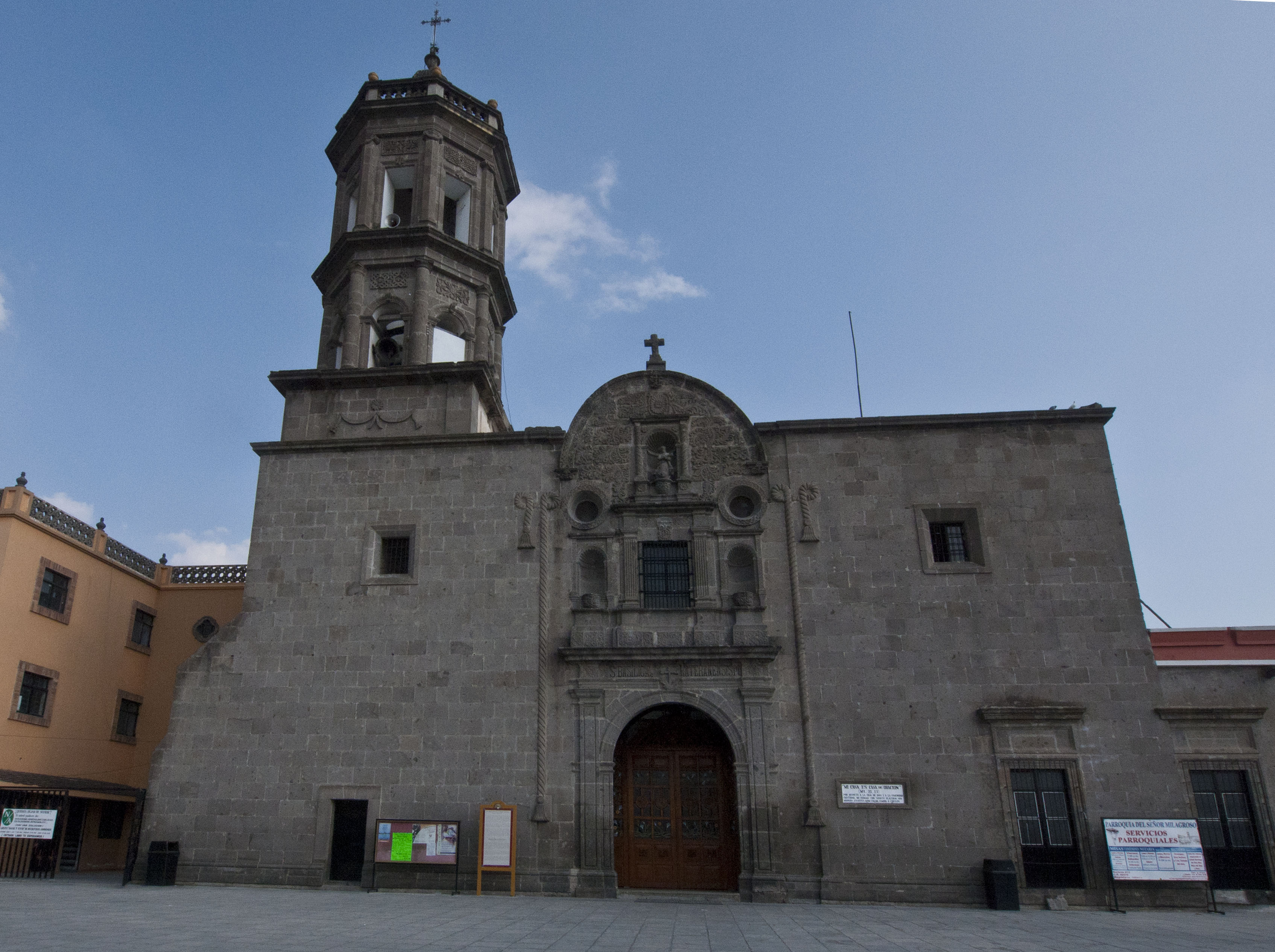
On the way we passed through a lovely little town called Magdalena. We parked up in the central square and went for a wander round. We enjoyed the big central nativity scene in the square and tried some Mexican ice creams.
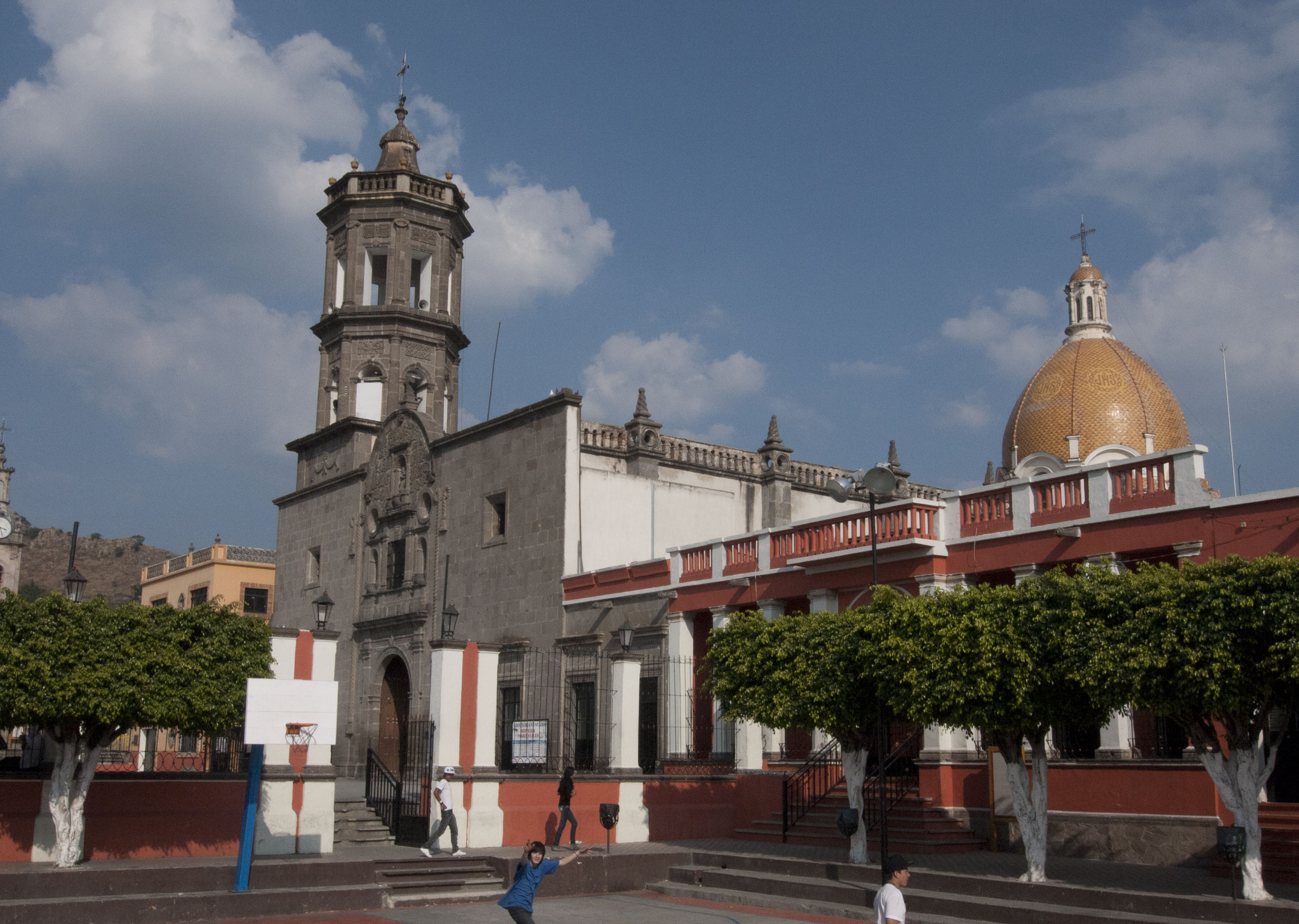
Delia’s campground is great – with power and water, a really nice hot shower and to cap it all it’s good value. Bonnie who runs it is very generous and helpful (her mother is the Delia in the title). When we stayed she had only had a handful of other campers stay this season as it’s slightly off the beaten track but it certainly gets our whole hearted recommendation.
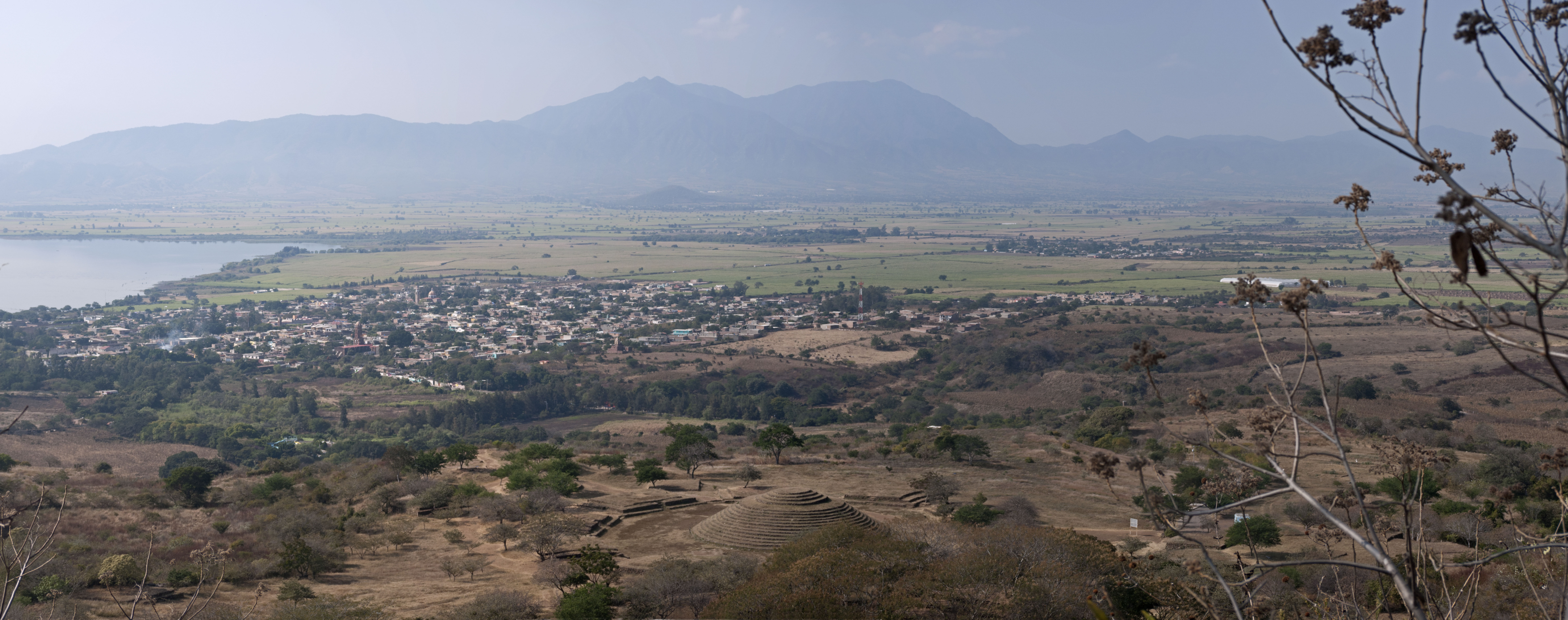
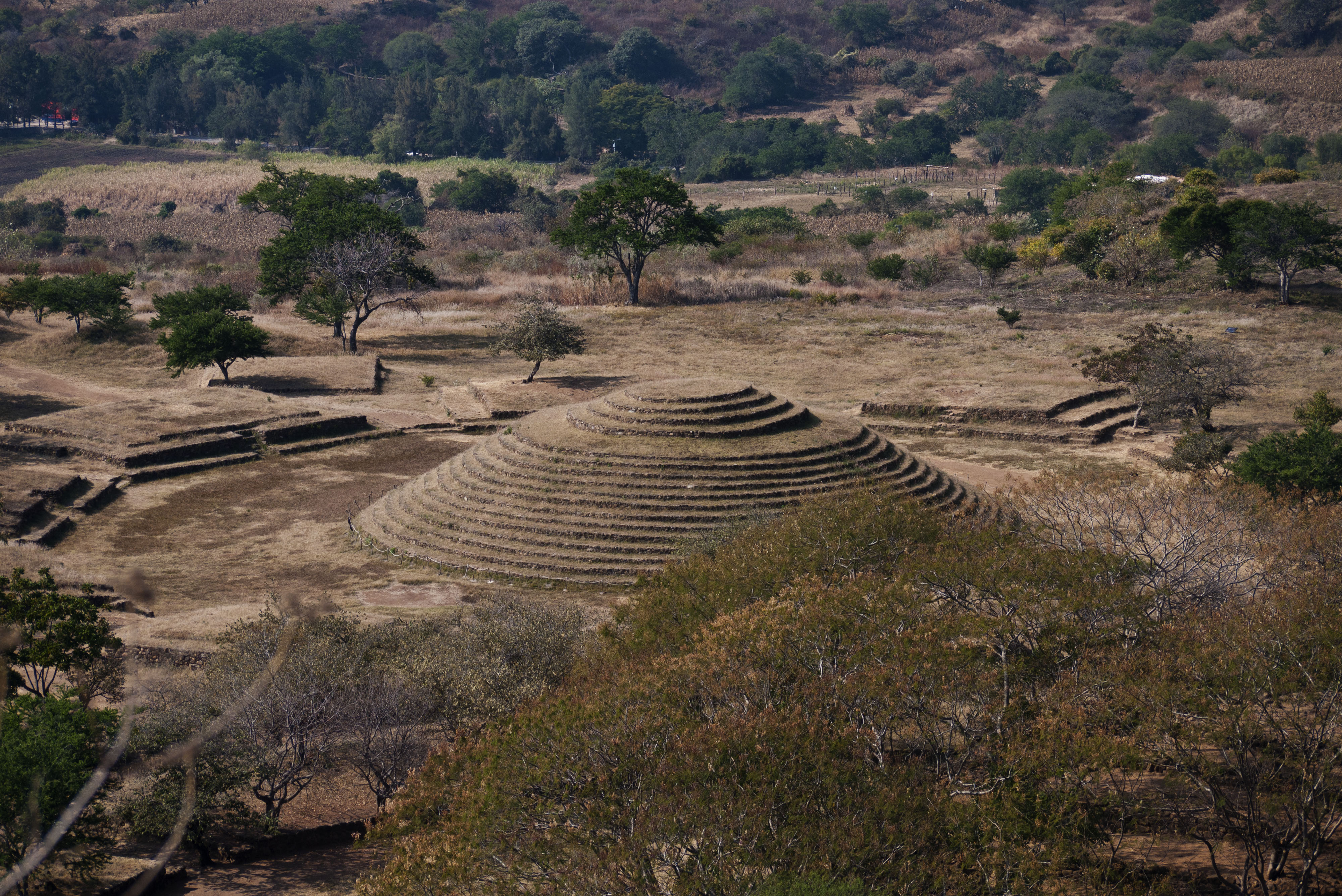
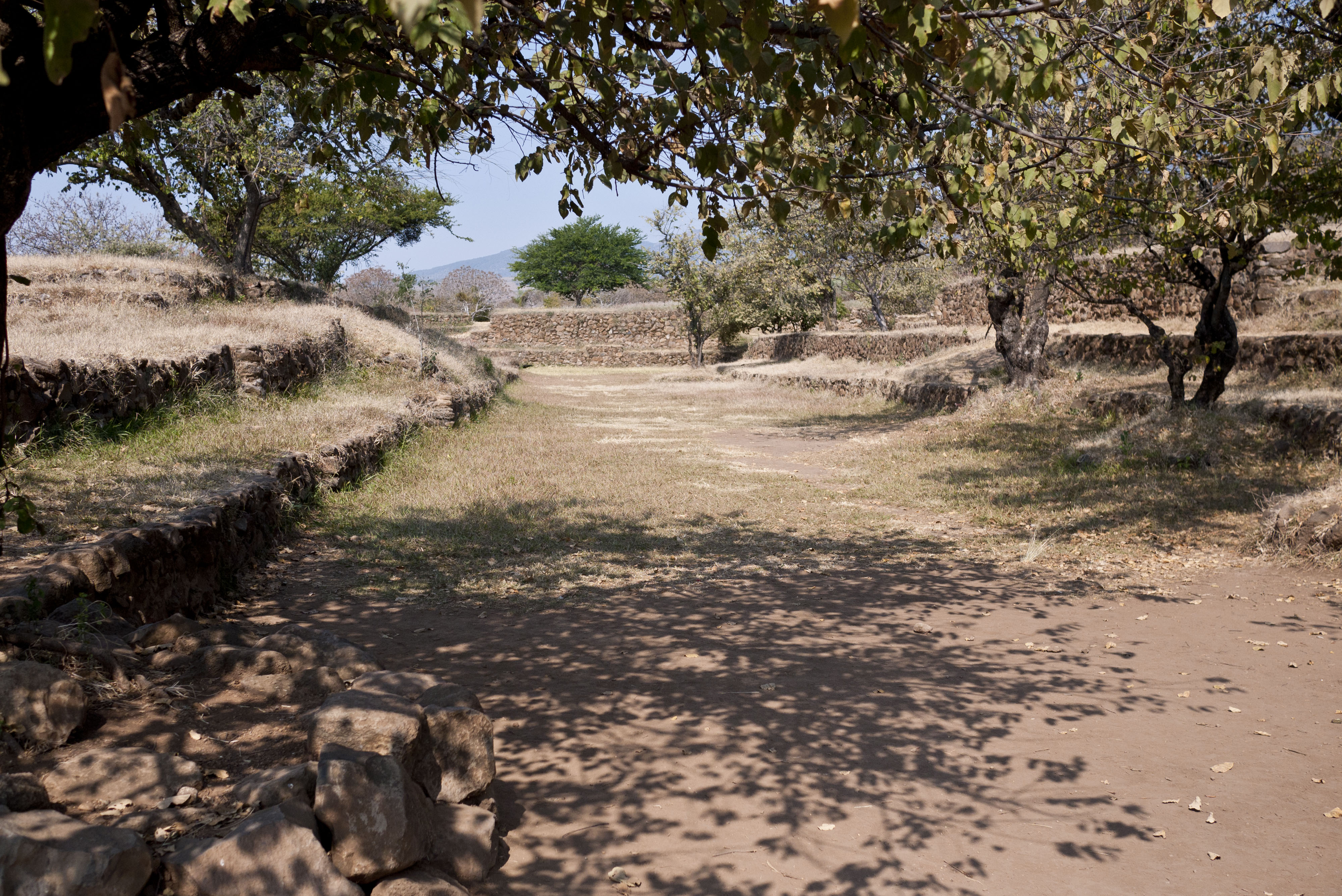
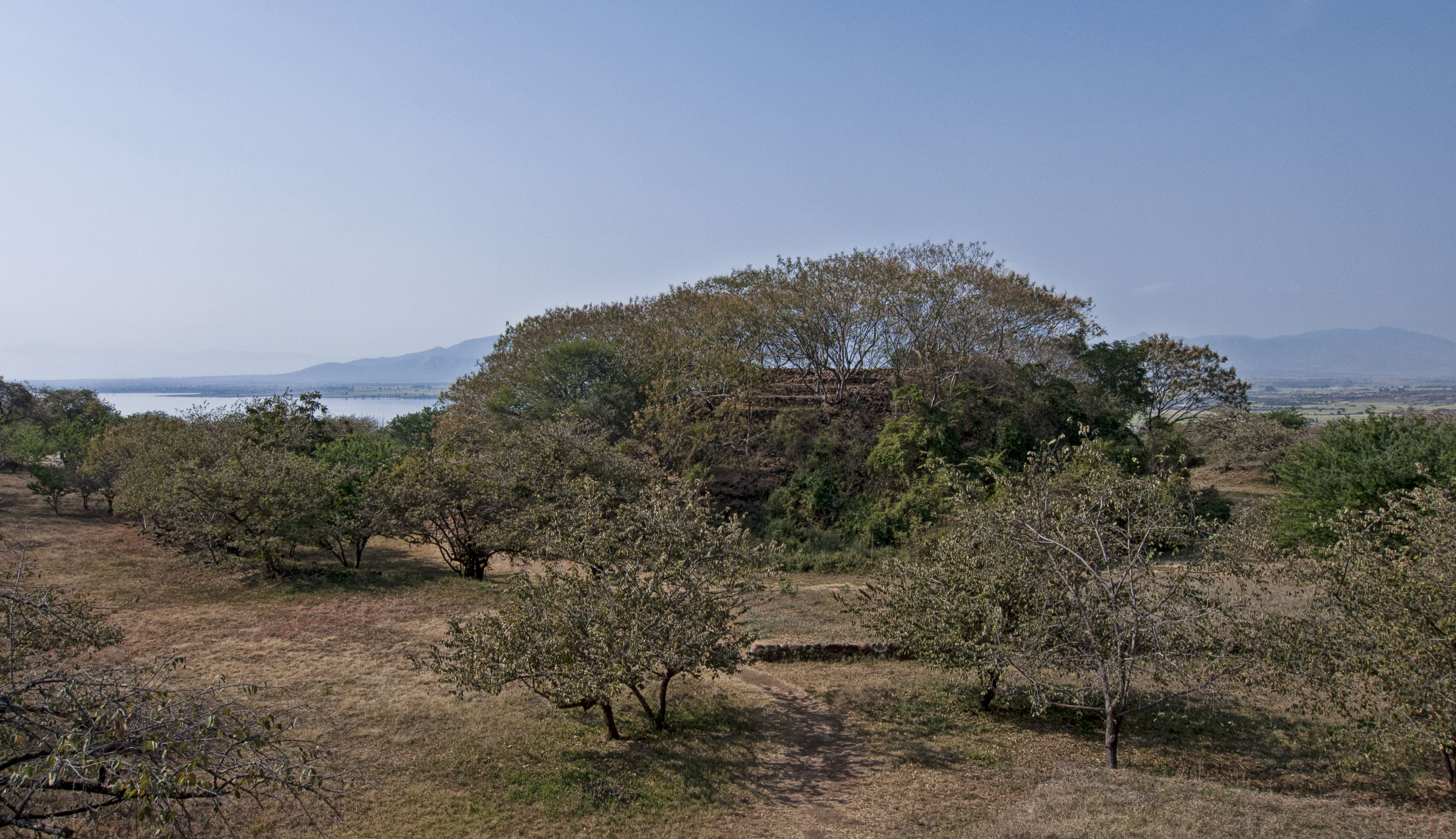
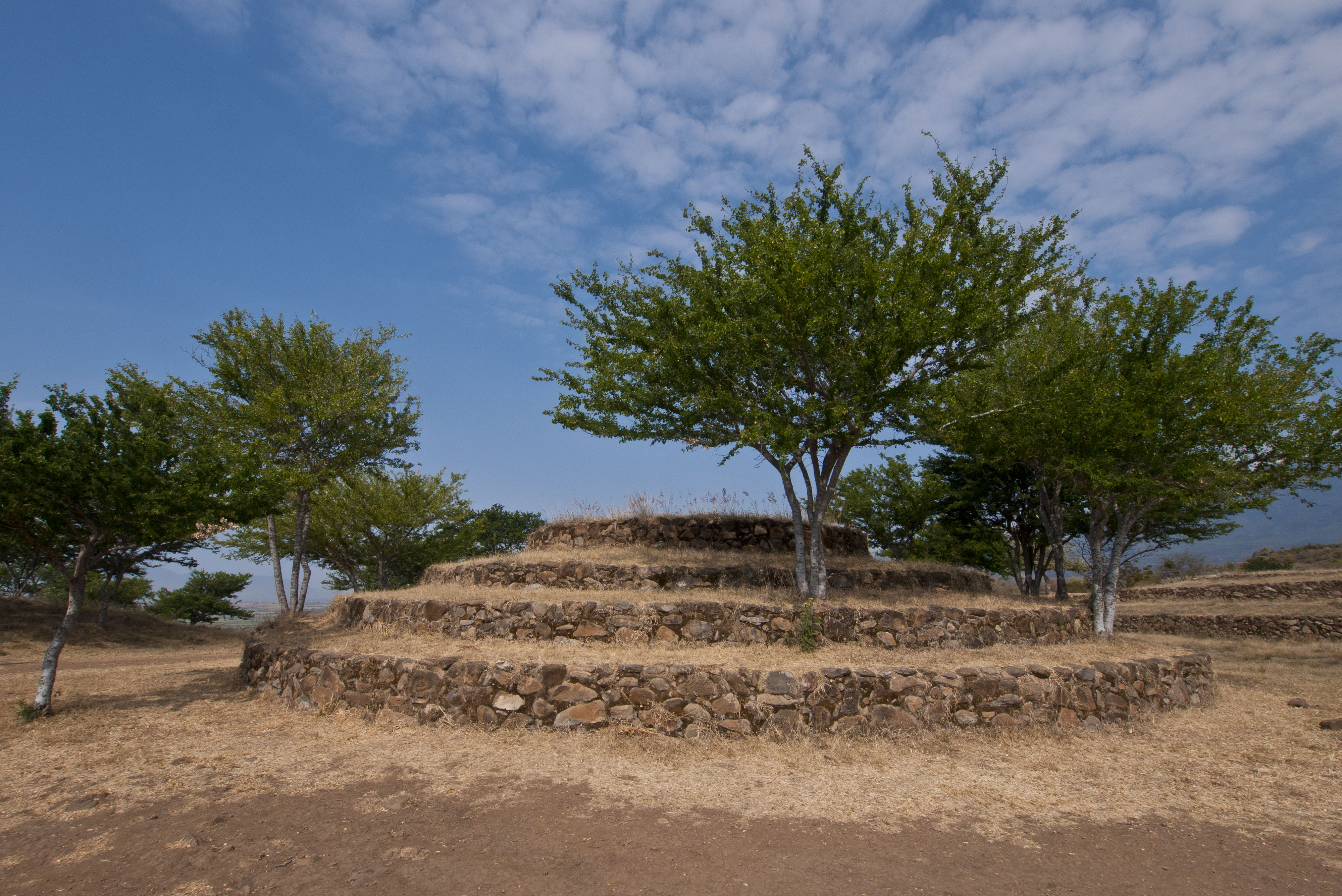
Not far down the road from Irzatlan is a small town called Teuchitlan where there are some ruins of a city left by a civilization that existed around 0 – 300 AD. What is interesting about these particular ruins is that they are circular when most of the ancient ruins in Mexico are square shaped. The ruined city is called Guachimontones. There is quite a lot of tourist development going on here with the building of a big new visitor centre/museum which hasn’t opened yet.
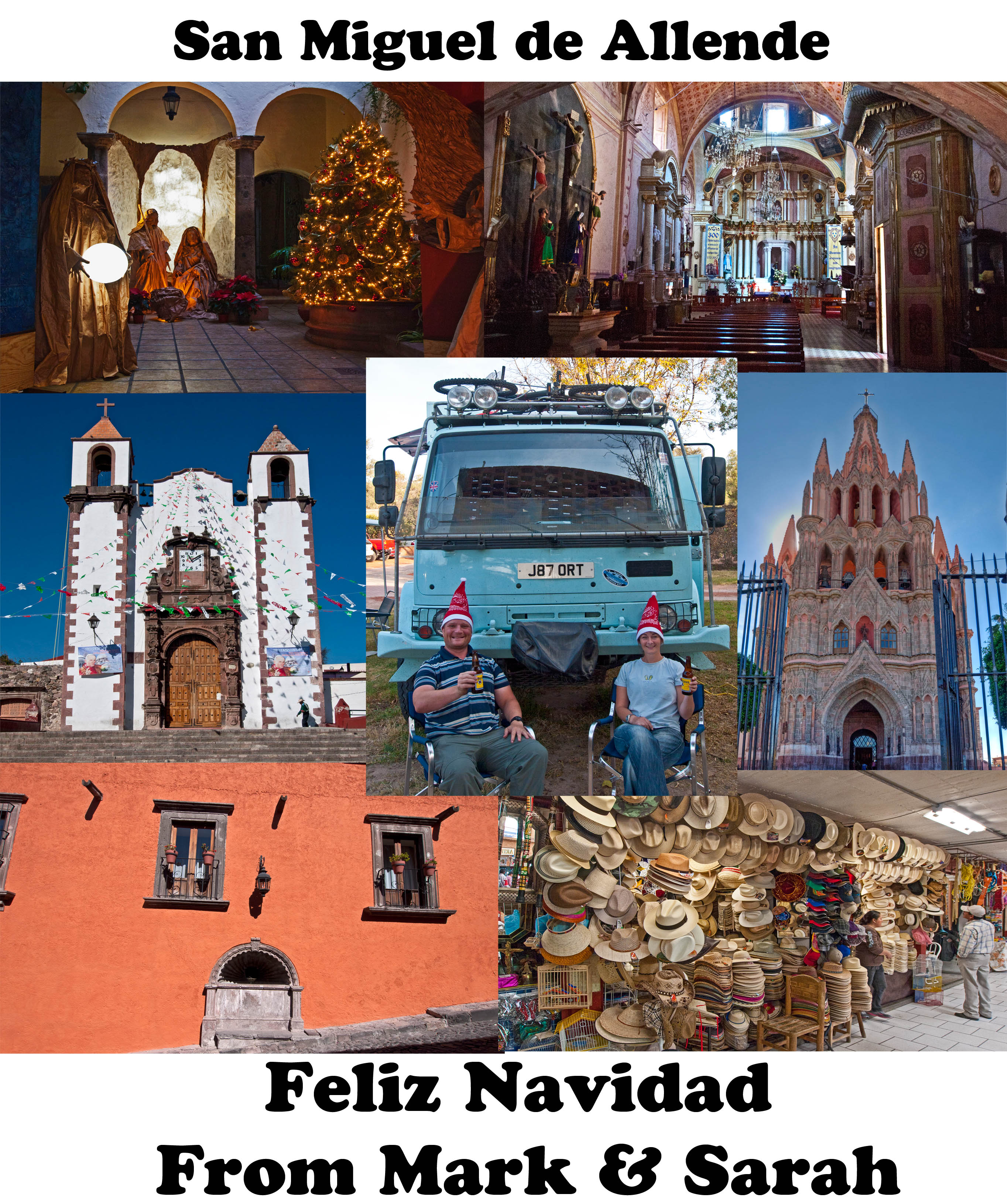
Happy Christmas from Sunny San Miguel de Allende
Hi All,
Feliz Navidad y Feliz Ano Nuevo !
We’re spending Christmas in San Miguel de Allende ….. but more about that later.
Have a great day
Best Wishes to all,
Mark & Sarah
Tequila……It Makes Me Happy !
Across the state border from Tepic in Jalisco lies Tequila – the birthplace of the legendary drink. We thought that this must be worth checking out!
The most commercial and most touristy Tequila manufacturer in town is Jose Cuervo – and this is the Tequila we are most familiar with from home. They call their factory Mundo Cuervo (Cuervo World) and it is very flashy and well set up for tourists. We decided this wasn’t for us and headed to Rubio – a relative newcomer to the Tequila world but well respected and producing some great drinks.
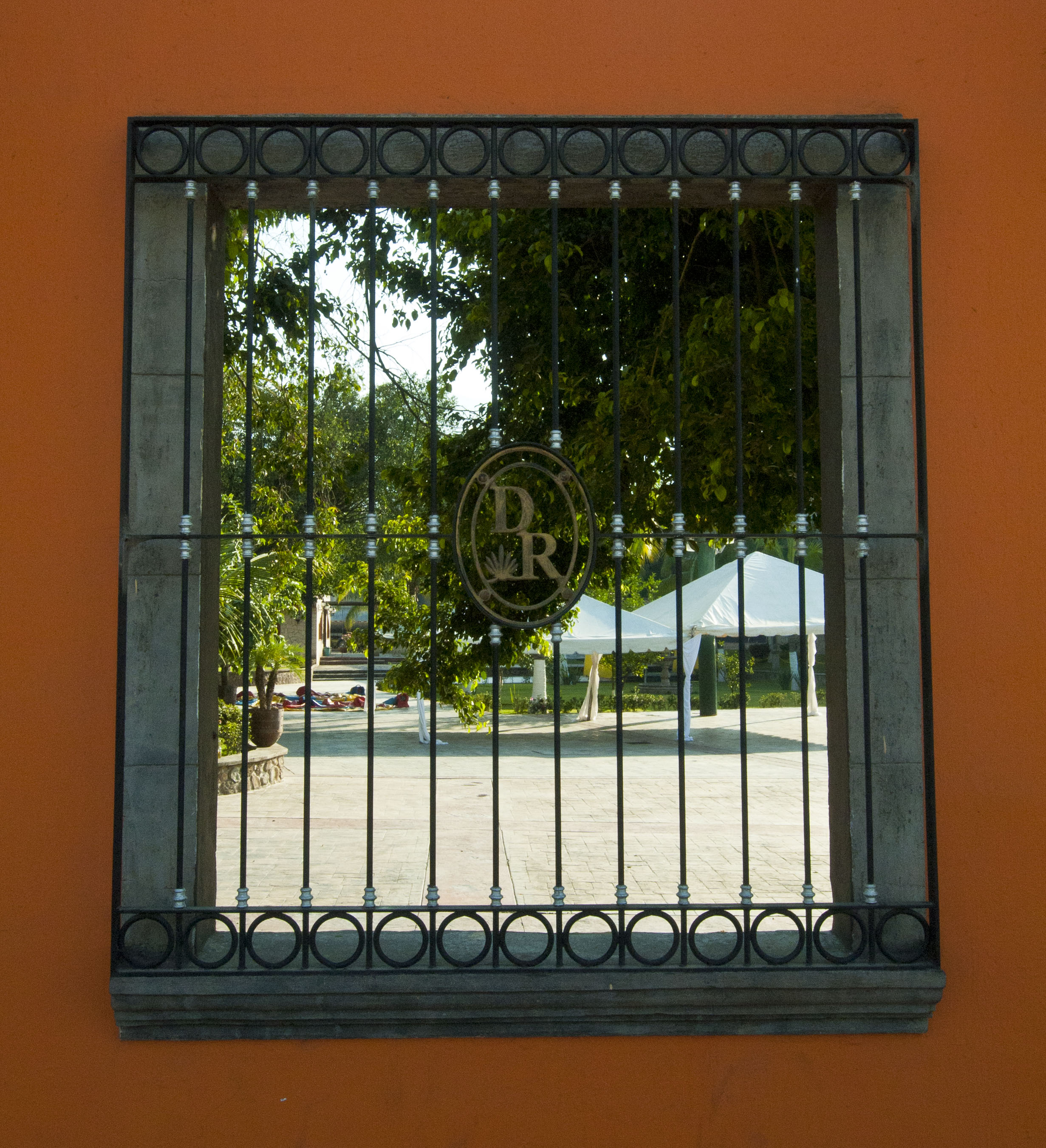
We managed to arrange a tour of the factory – in English – which took a while as they had to call someone in who spoke English but this gave us more time to wander around the town and also meant that when we went back for the tour, we were the only ones on it.
It started with us learning that Tequila is a protected name and can only be applied to drinks made in the Mexican states of Jalisco, Guanajuato, Michoacan, Nayarit and Tamaulipas. Tequila is primarily produced in Jalisco though and the centre of production is Tequila itself. Secondly we learnt that Tequila is made from the fruit of the Blue Agave plant and that any other type of Agave does not produce Tequila.
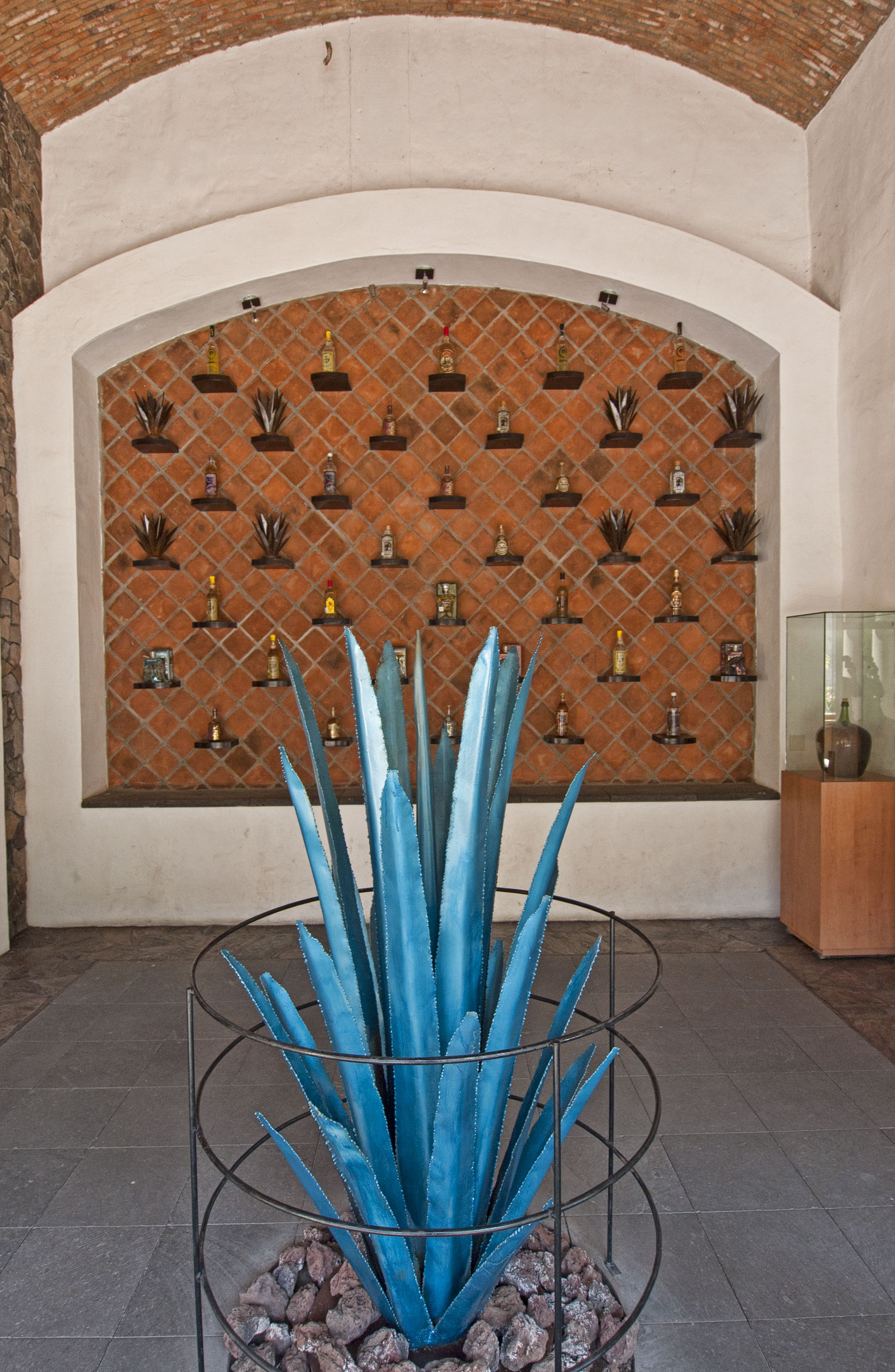
The process for Tequila Production is quite straightforward:
1) The Blue Agave pineapples are cooked in an oven for 24 hours to produce honey like substance and then the pulp is pressed to extract the juice. The Agave honey is used for a variety of things but the juice is then transferred to the next process.
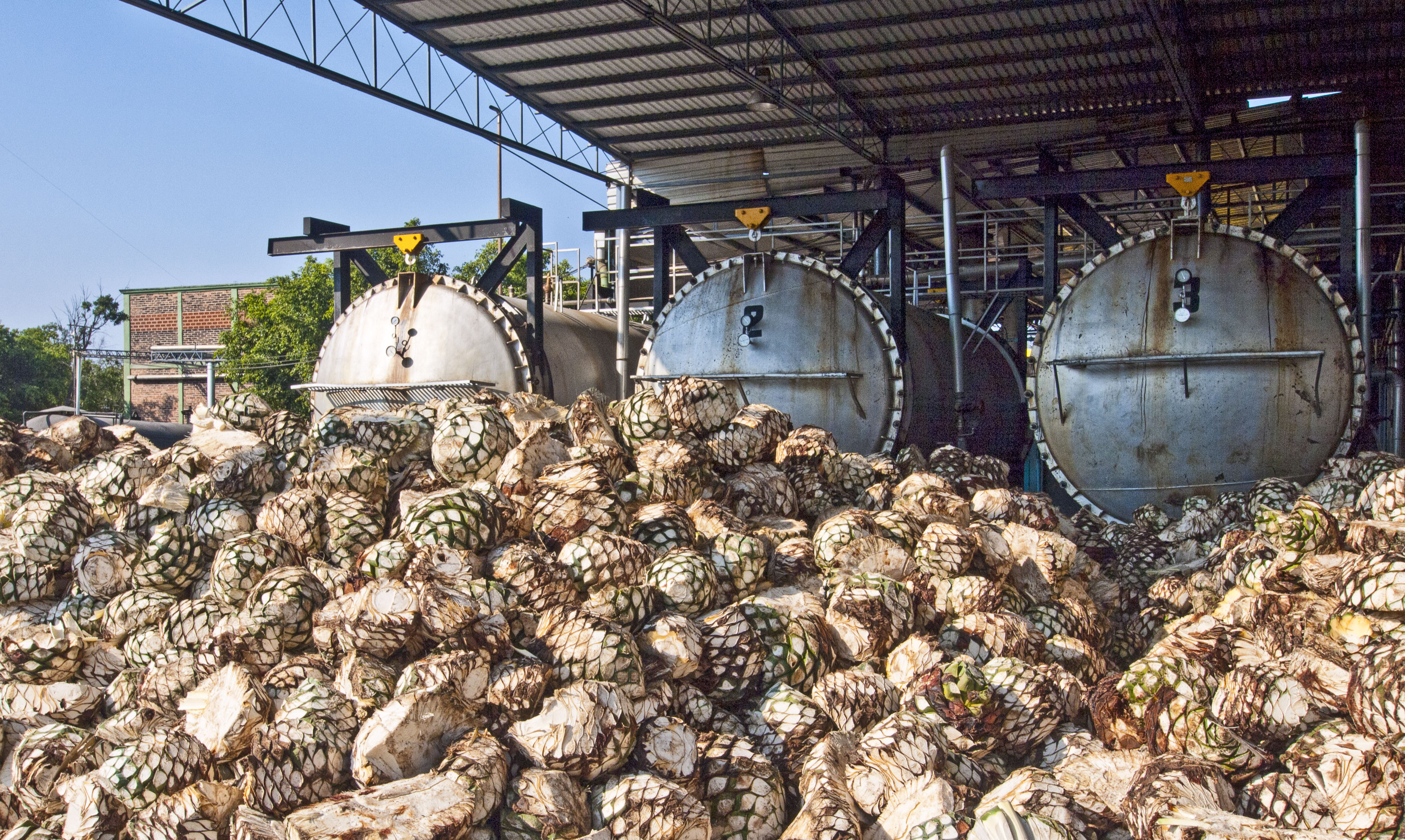
2) The Juice is placed in big fermentation vats – just like beer – along with yeast and is fermented. This fermentation process produces a liquid with about the same alcohol content as wine. So still a fair way to go to get Tequila.

3) This liquid is then transferred to the first distillation process. This creates Ordinario which is 20% alcohol and doesn’t taste very nice.
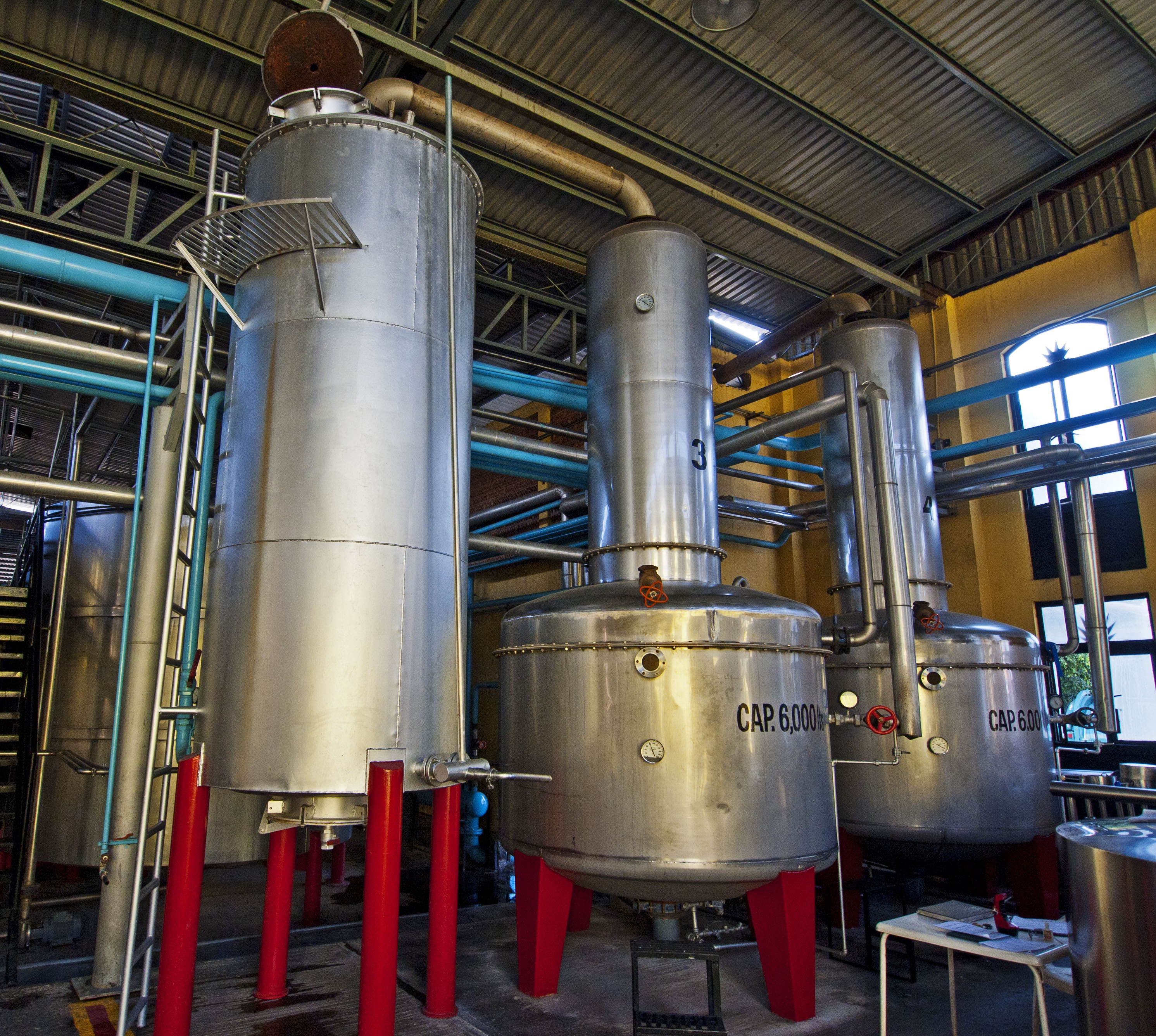
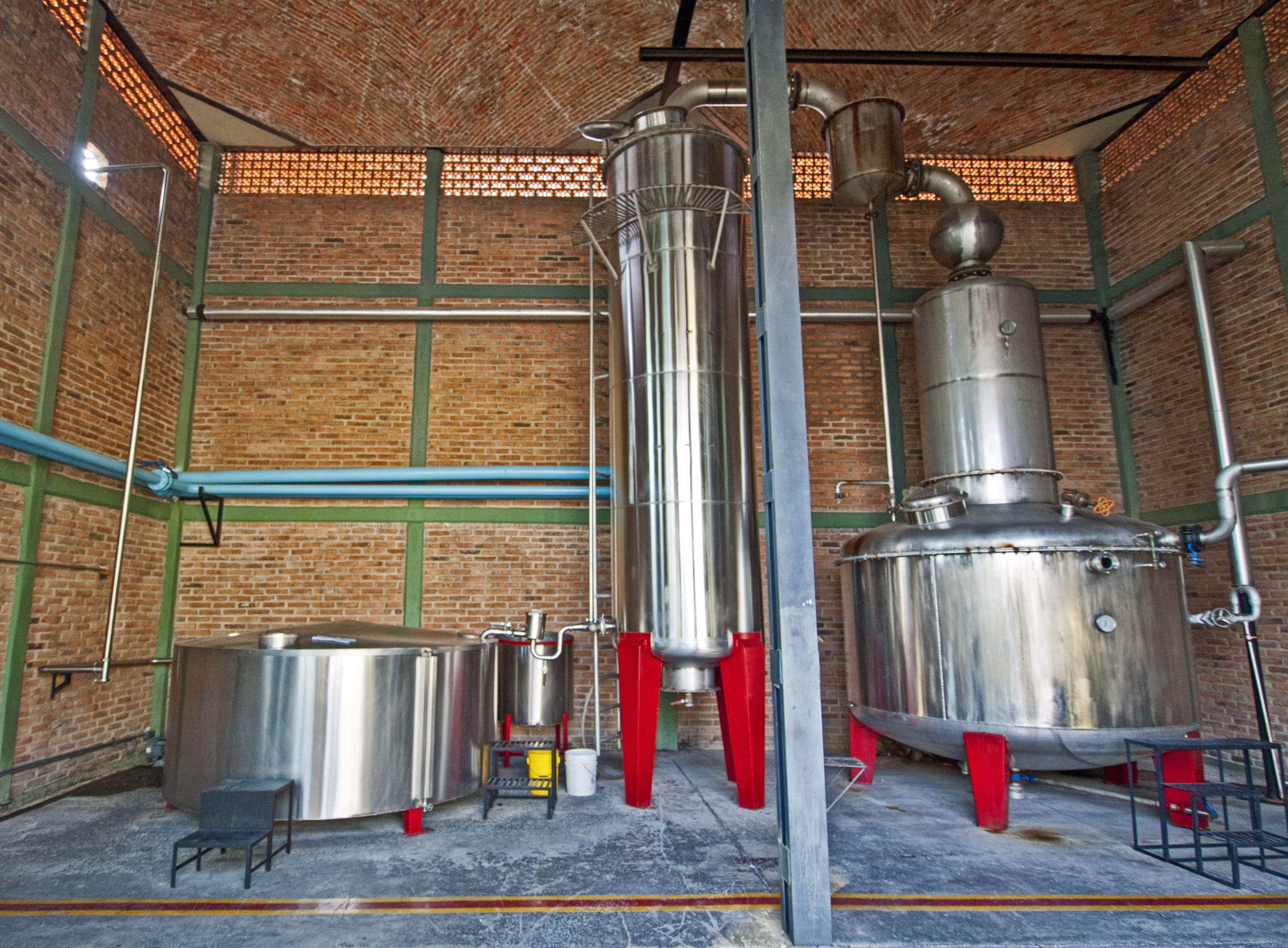
4) The Ordinario is then distilled again in a separate distillation area to create a 45% or greater alcohol content drink which is actual Tequila. Most final Tequila’s are watered down from this with pure water to make the final drink.
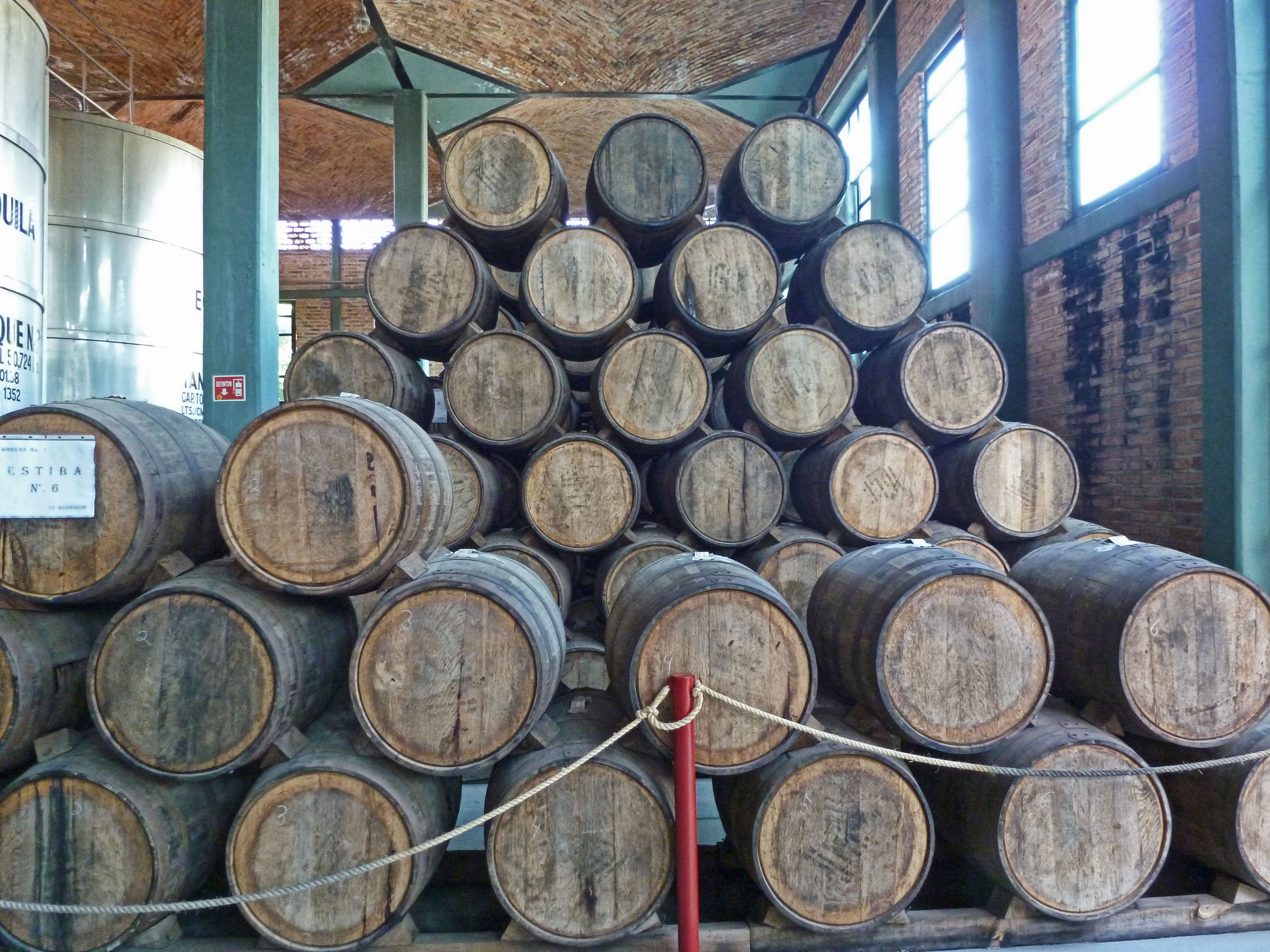
5) (Optional) The Tequila can be aged in wooden casks (usually procured from other spirit manufacturers to give the Tequila some flavour and colour – whisky barrels are preferred).
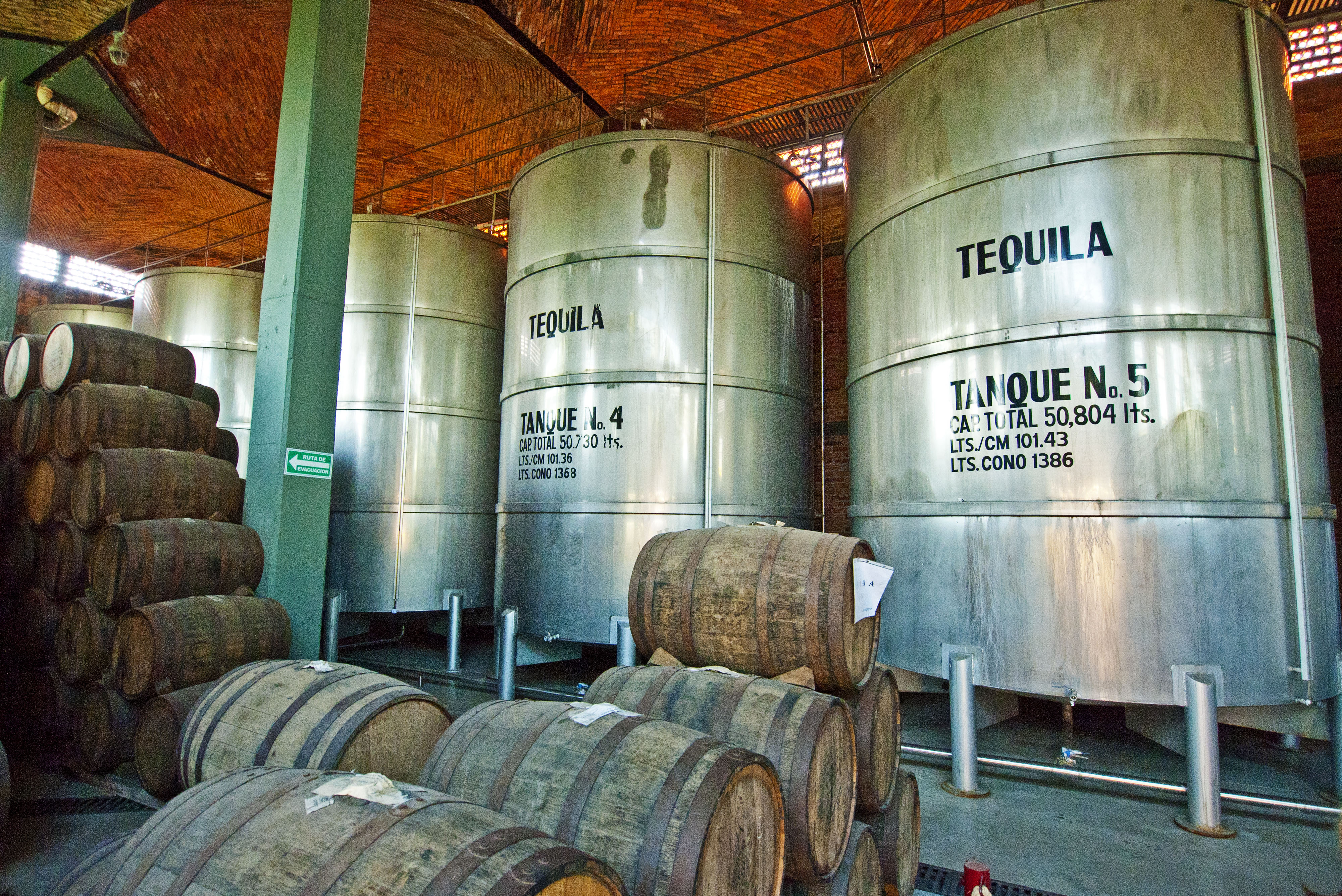
There are a number of different types of finished Tequila product which determines the taste and the quality.
Firstly there is Joven Abogado Tequila. This is not 100% Agave and is created using a mix of Agave and other sugars. This is the poorest type of Tequila and the most common in other countries. This is not aged at all and is really quite rough. It is often transported to other countries in tankers and bottled there. This is what gives Tequila a really bad reputation and will also give you a bad hangover.
Then we move onto the proper Tequilas. These are all 100% Agave. Look for this on the label when you are buying Tequila.
a) Blanco
Not aged at all – the purest form of Tequila.
b) Reposado
Aged in barrels from 60 days up to a year. This gives it a golden colour and a sweeter taste.
c) Anejo
This is aged for up to 7 years with a minimum time of 18 months. This gives a much darker colour and a really sweet taste. The barrels used to age Tequila cannot be used more than three times as after that the taste that they impart will have worn away.
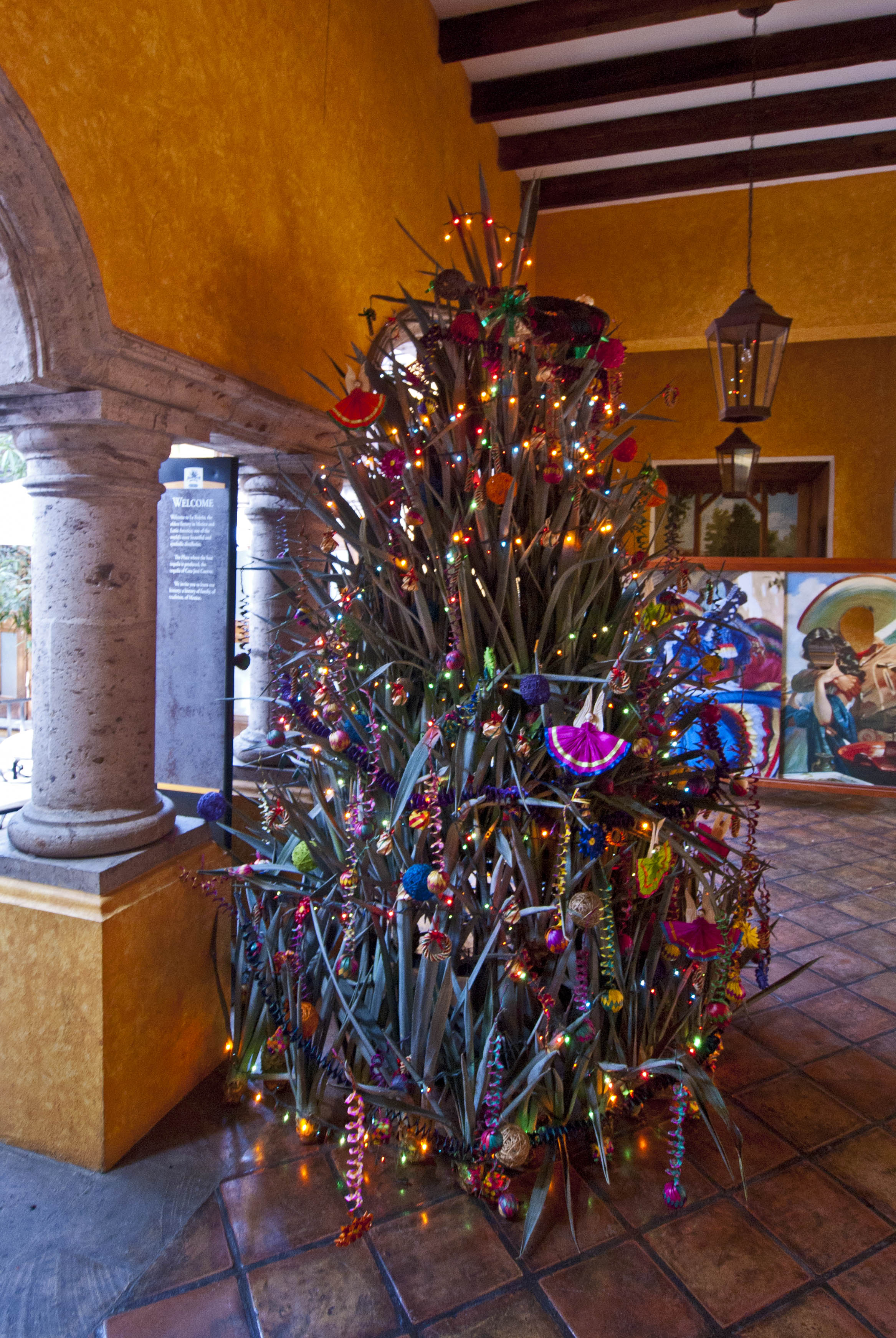
So the key things when buying Tequila are to check it is 100% Agave and that it is bottled in Mexico.
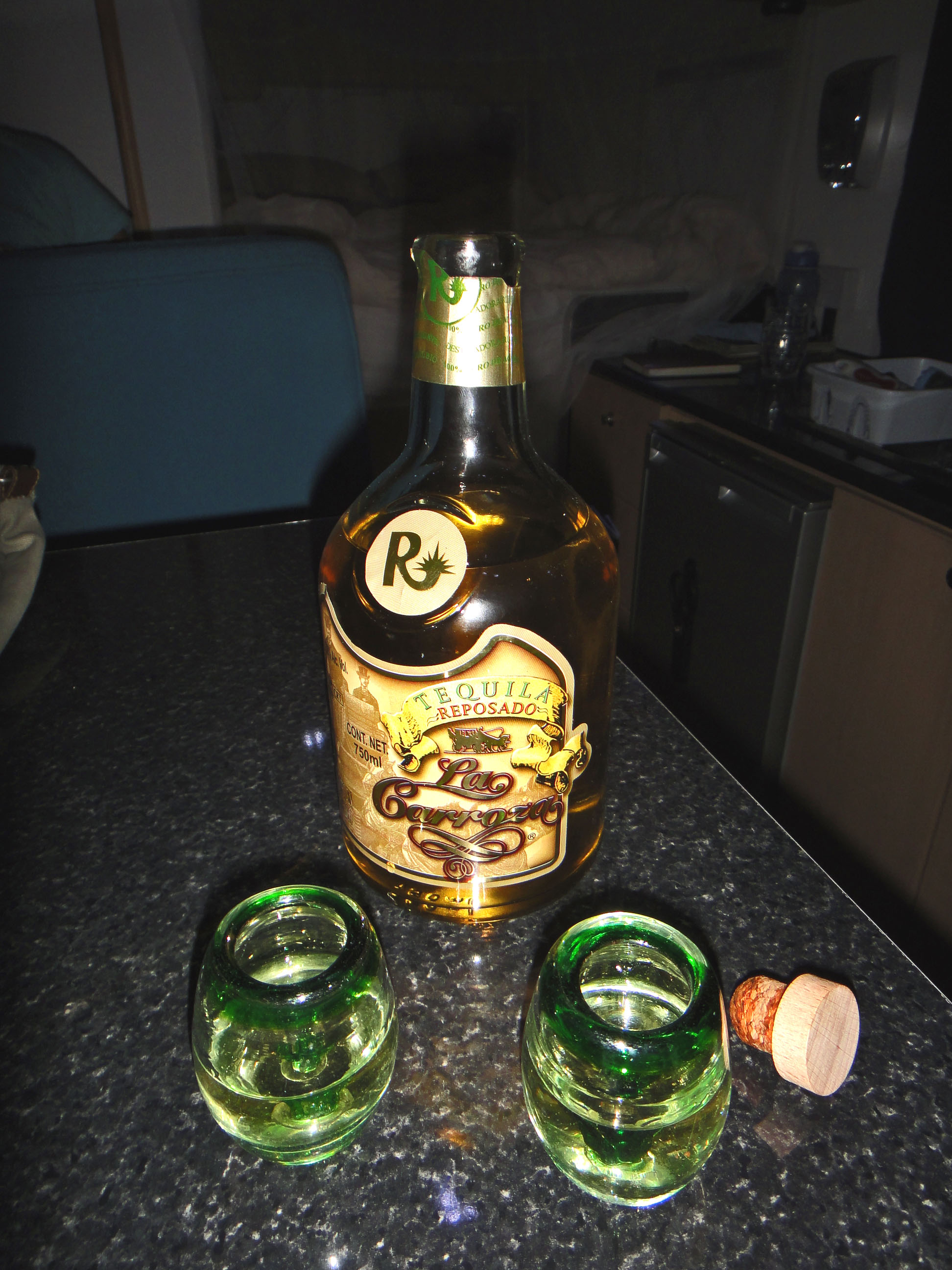
At the end of our tour we bought a bottle of Reposado which has a really smooth taste and I can honestly say is the first Tequila that I have actually liked.
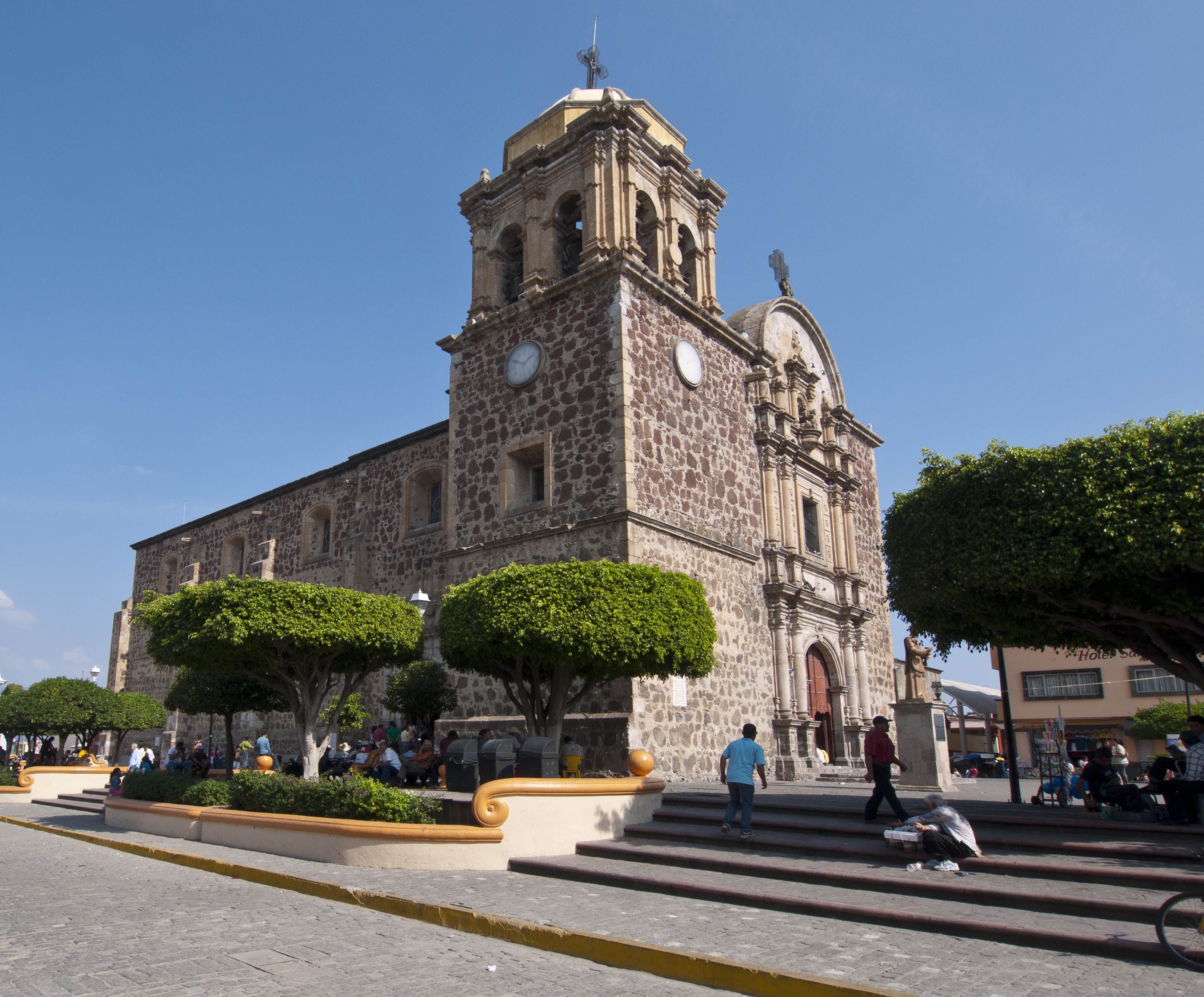
The town of Tequila itself is a Pueblo Magico – so we spent a bit of time walking round the town.
We also had lunch here in a small local cafe where the cooking was done on table in the restaurant on a single burner. We had some really nice Tacos here and drinks for the princely sum of Mex$70 (USD 5.40). We have been pleasantly surprised at how inexpensive it is to eat out in Mexico.
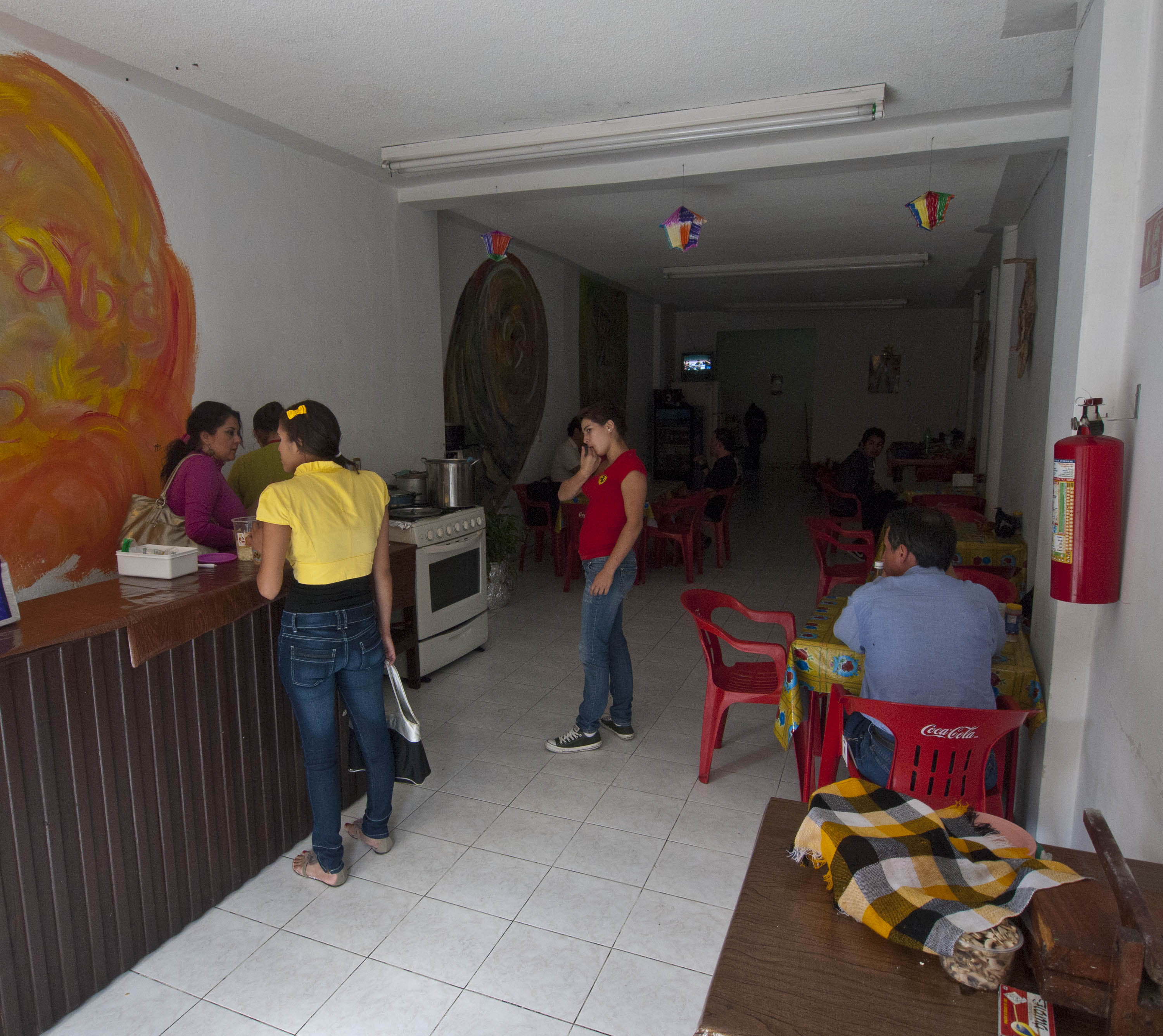
Mazatlan
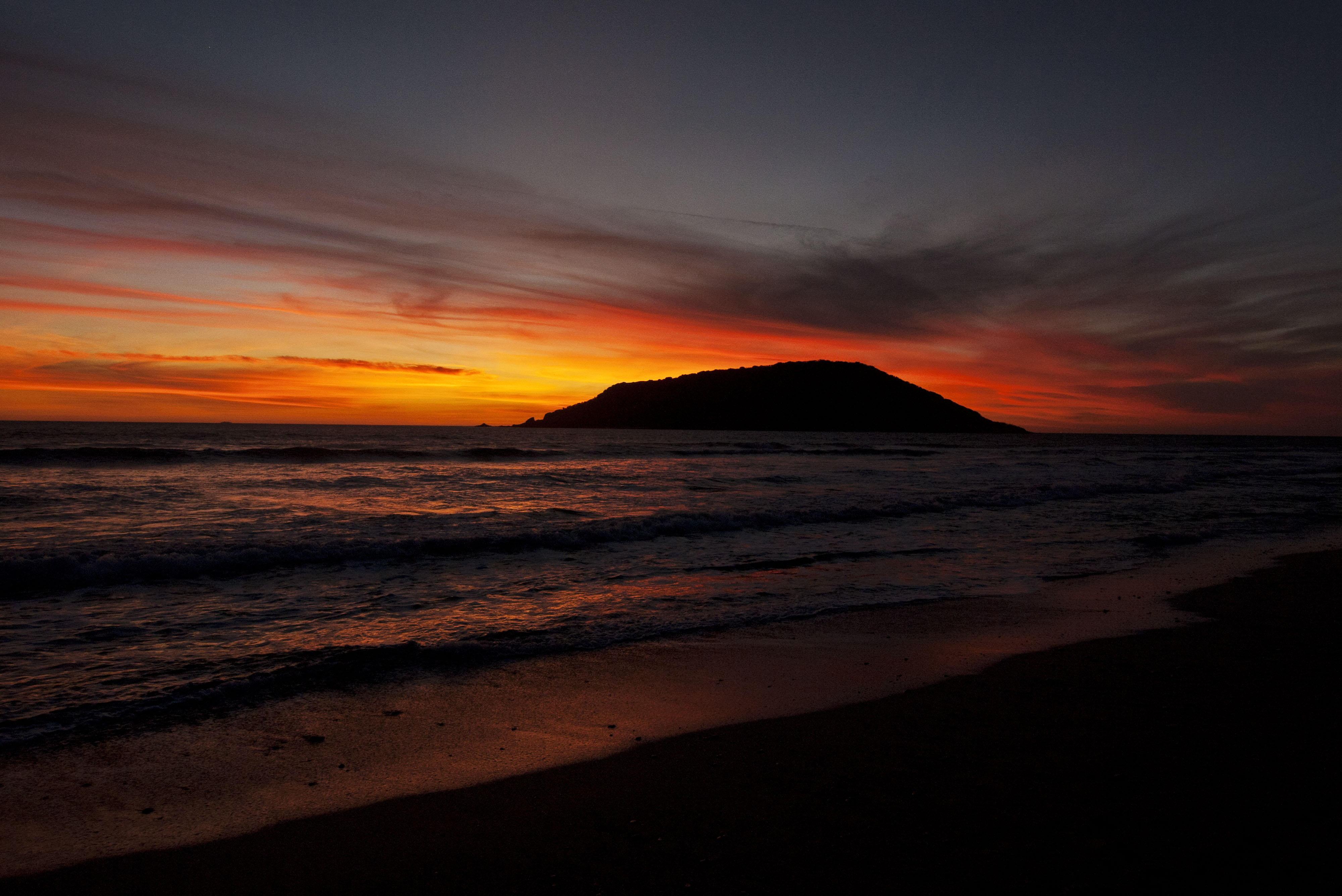
So we’d arrived on the Mexican mainland – in Sonora no less. This is what the US government has to say about Mazatlan in 2011 –
“In the last year, the city of Mazatlan has experienced a level of violence, primarily confrontations between TCOs, not seen before. In 2010 there were over 300 narcotics-related murders within the city, compared to fewer than 100 in 2009. “
We drove from the dock through the city to the Zona Dorada (the main tourist area) and the Mar Rosa RV Park. Our guide book had told us that this campground was usually completely full in the winter. When we got to Mar Rosa it was mostly empty with only a scattering of RV’s. The US economy coupled with the perception of danger has decimated the US visitors to Mexico.
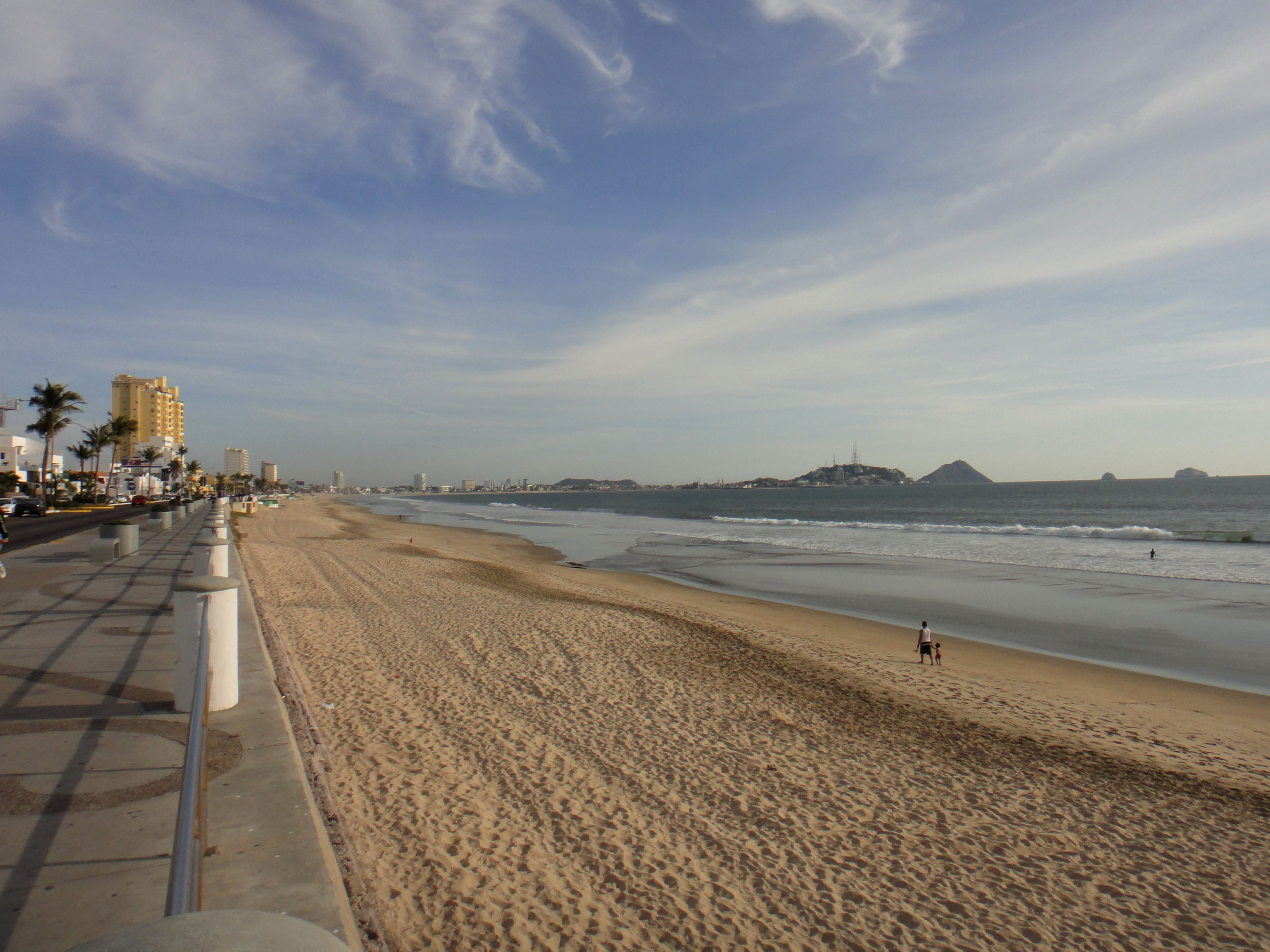
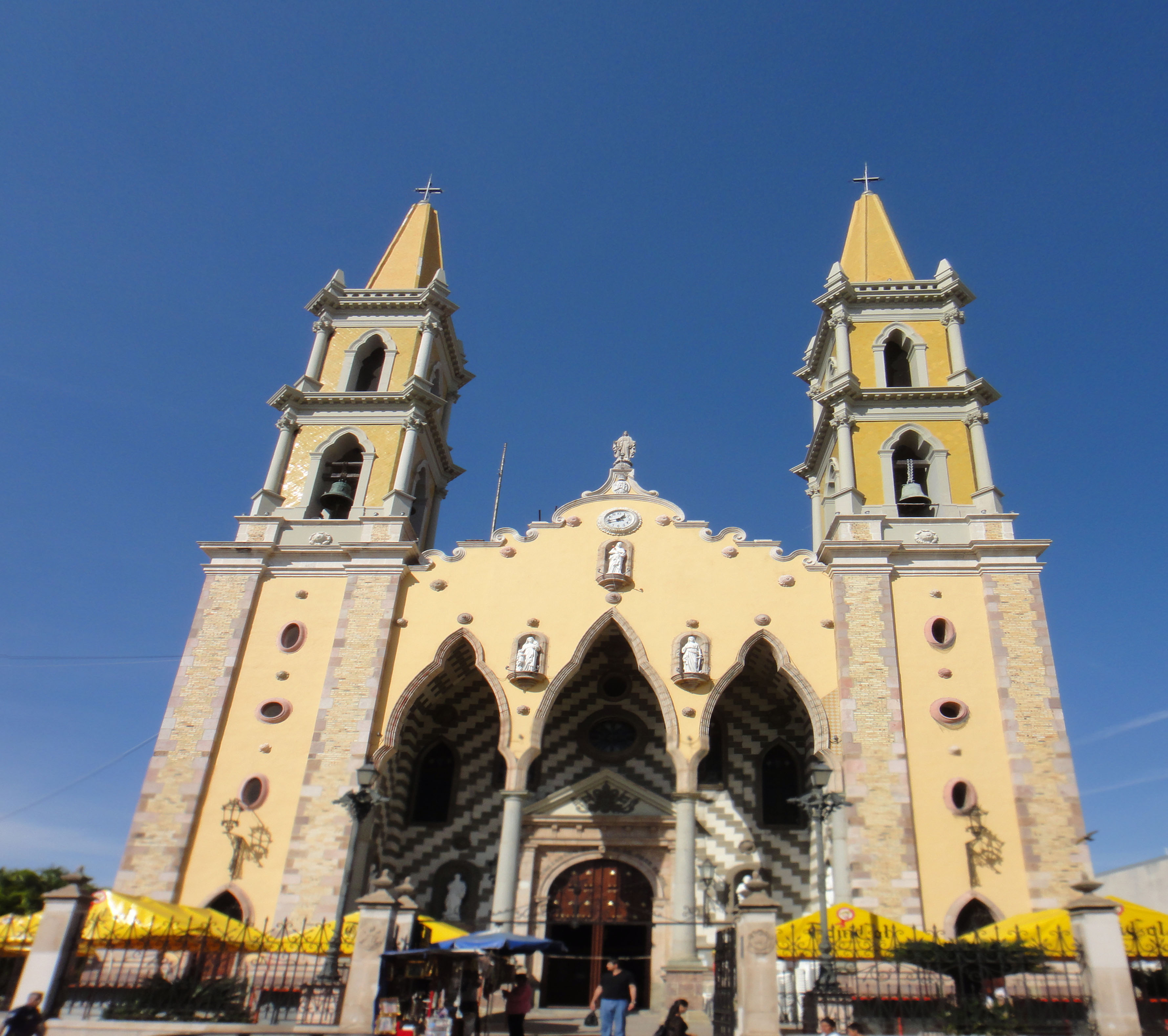
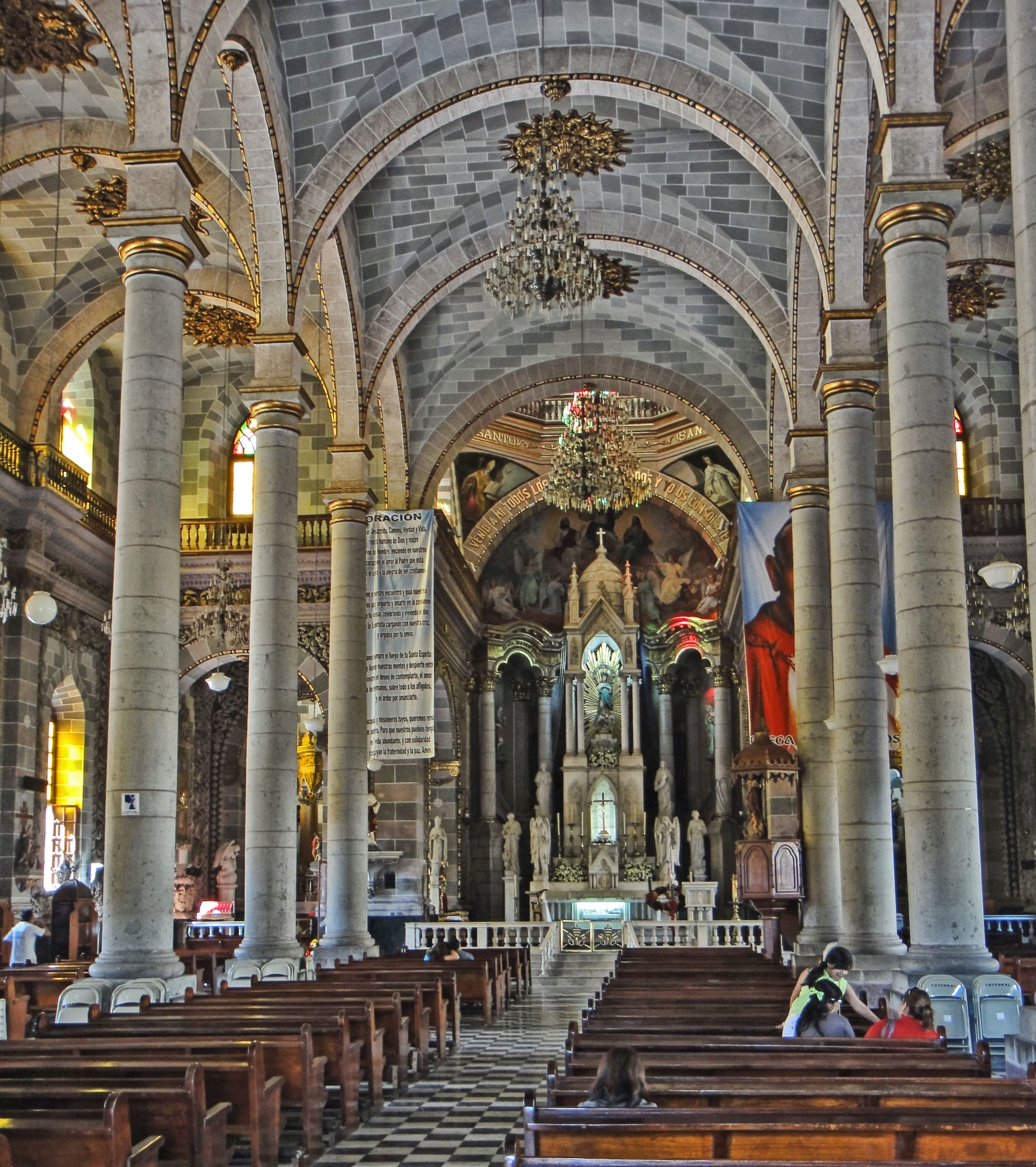
When we settled into the Park we walked outside the gates and caught a bus into the centre of town. This was our first proper Mexican city and we jumped off next to the city market. We spent the next couple of hours exploring the centre of the city and then walked back along the seafront to the Zona Dorada. We underestimated how far it was and ended up walking about 10km in flip flops, not a great idea!
While in town we decided to buy a couple of ribbons in a haberdashery to secure the mosquito net over the bed in the Beast. They had the craziest, labour intensive system. You went to a counter for them to measure the ribbons and they wrote up a receipt. Then you went to the cash desk to pay. After that back to the first desk to have your receipt verified. You’d think that would be it but no – you then had to go to a third desk to actually pick up your purchase – which the person from the first desk had delivered there after checking your receipt.
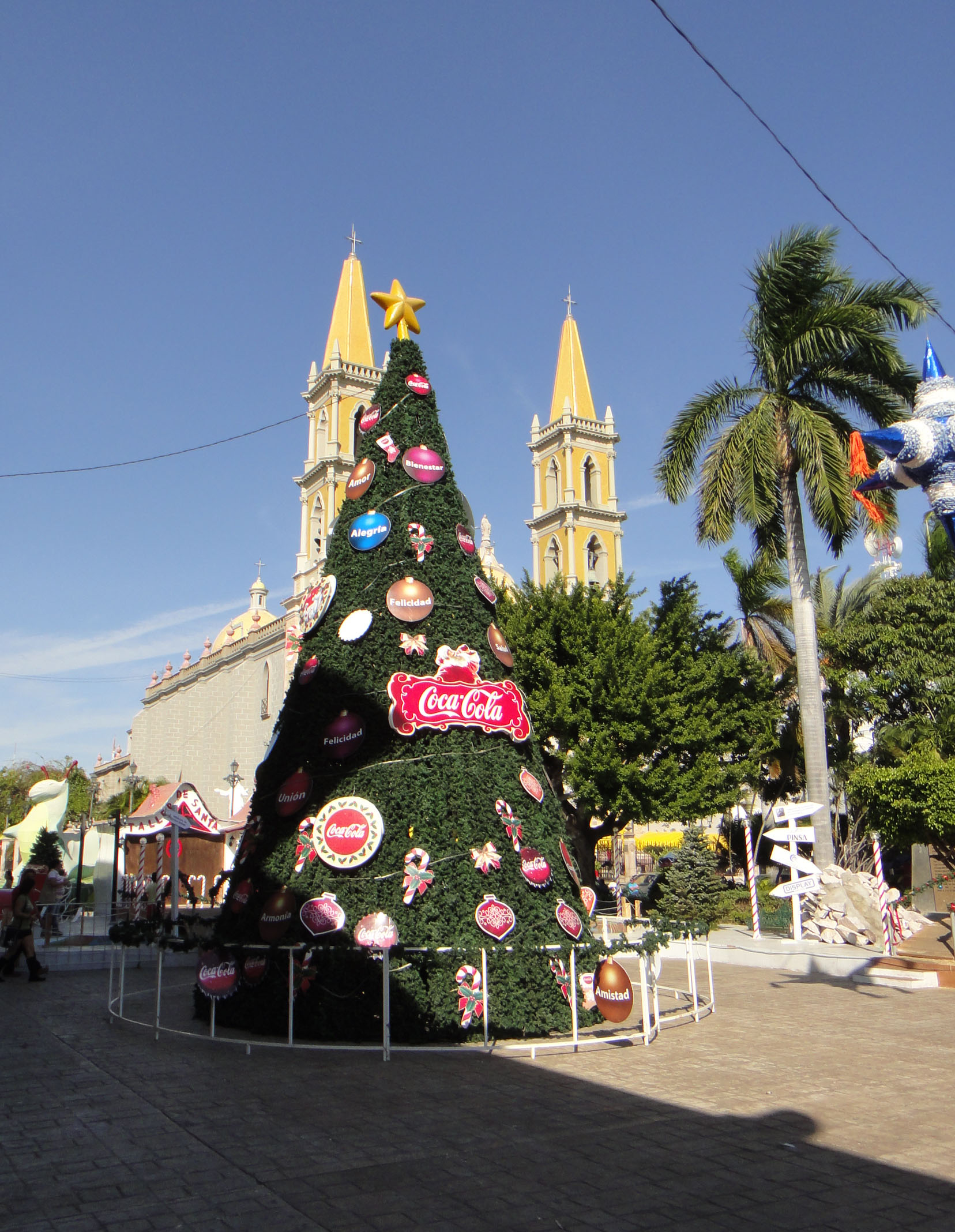
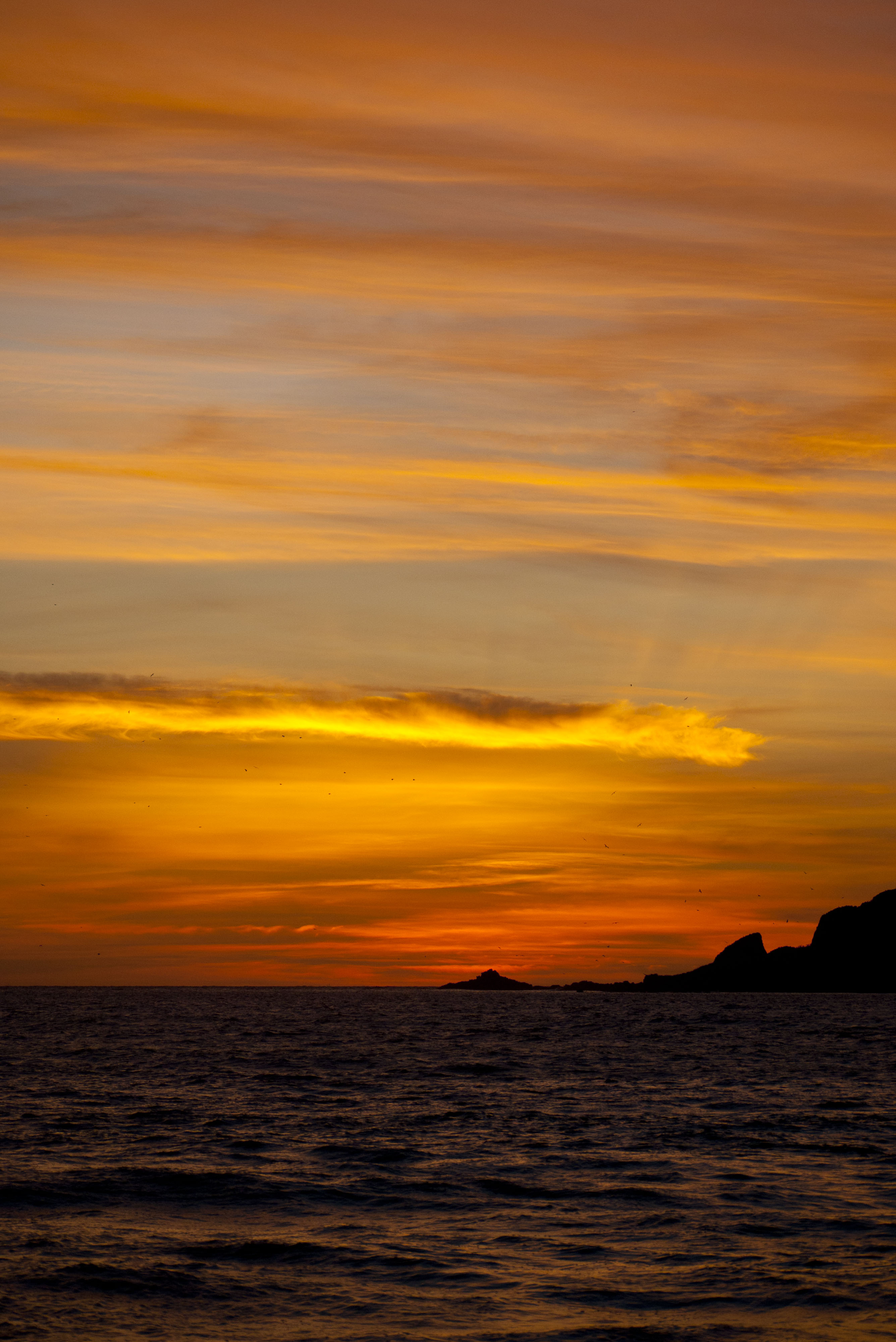
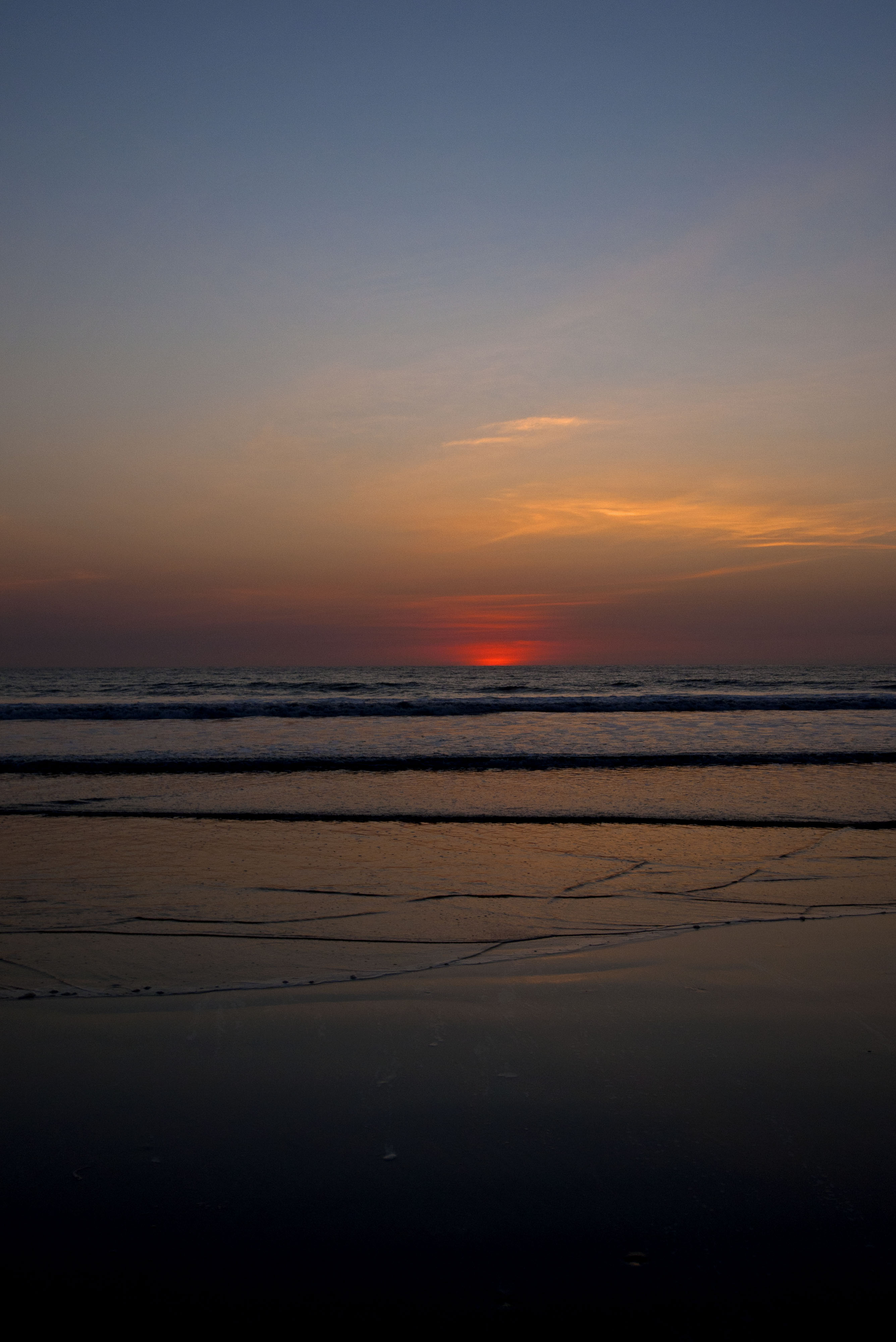
Once back at the RV park we sat on the beach to watch the sunset before retiring to the Beast for the night.
So we’d survived our first day in a Mainland town – hadn’t seen anything dodgy and hadn’t even been robbed. Maybe Mexico isn’t like its press after all!
The next day we jumped in the Beast and started our Southward travel down the Mex 15D towards Tepic. In Mexico there are two types of roads – the free (libre) and the toll (quota) roads. So there are two Mex 15’s . One goes through every town on route and includes topes in the built up bits to slow you down – the toll road meanwhile is two lanes each way and doesn’t hold you up – except for the major disadvantage which is the cost. You pay by number of axles so we have been paying the same rate as a car which is great. However it works out at around USD8 per 50 miles which is pretty expensive.
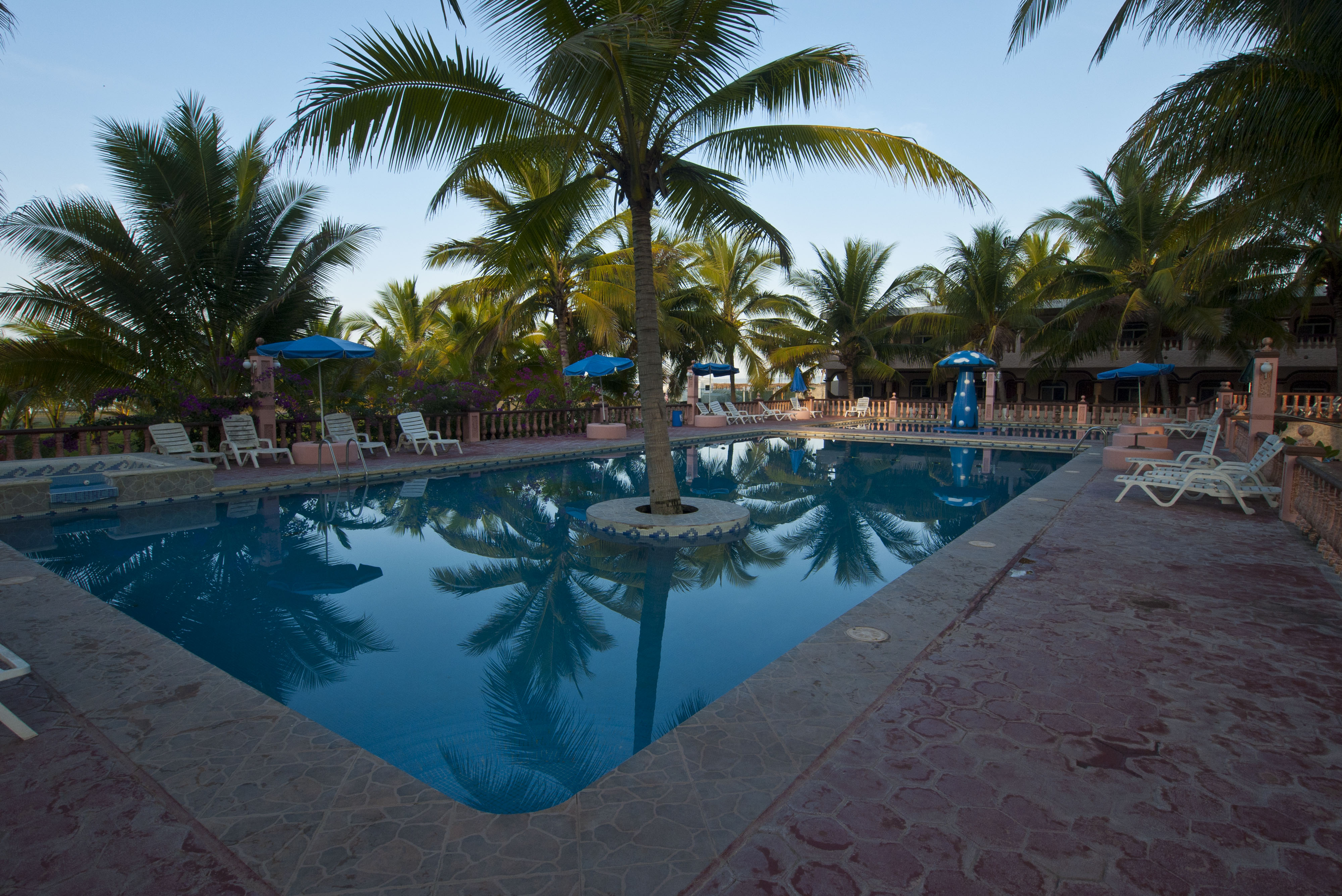
At the end of a 4 hour drive we arrived in San Blas – a small coastal town. We stayed at the El Chaco Restaruant and Campground. On first glance this place looks idyllic with a gorgeous looking pool with a fountain, shaded by palm trees, however on closer inspection the sun loungers were all dirty and broken, there was algae in the pool and hundreds of ants on the side – and most importantly at sunset clouds of mosquitos descended on the area. So a little disappointed we decided to only stay the one night.
La Paz to Mazatlan (Baja to Mainland Mexico)
In order to get to the mainland from Southern Baja there is a choice of two different ferry companies. These are Baja Ferries and TMZ. When we went to the ferry terminal the TMZ office was closed so we were stuck with Baja Ferries. The ferry terminal is about 15k South of La Paz at a place called Pichilingue. It’s really easy to get to – you get straight along the Malecon in La Paz and keep going – eventually you arrive !
When going to the ferry terminal to arrange your tickets you should turn left after going through the main gates to the terminal. You will go through a gate – tell the people there that you want to arrange shipping to the mainland and he will let you through into a parking lot only a few yards from the Baja ferries office. The parking costs 20 Pesos.
Temporary Import Permit (TIP)
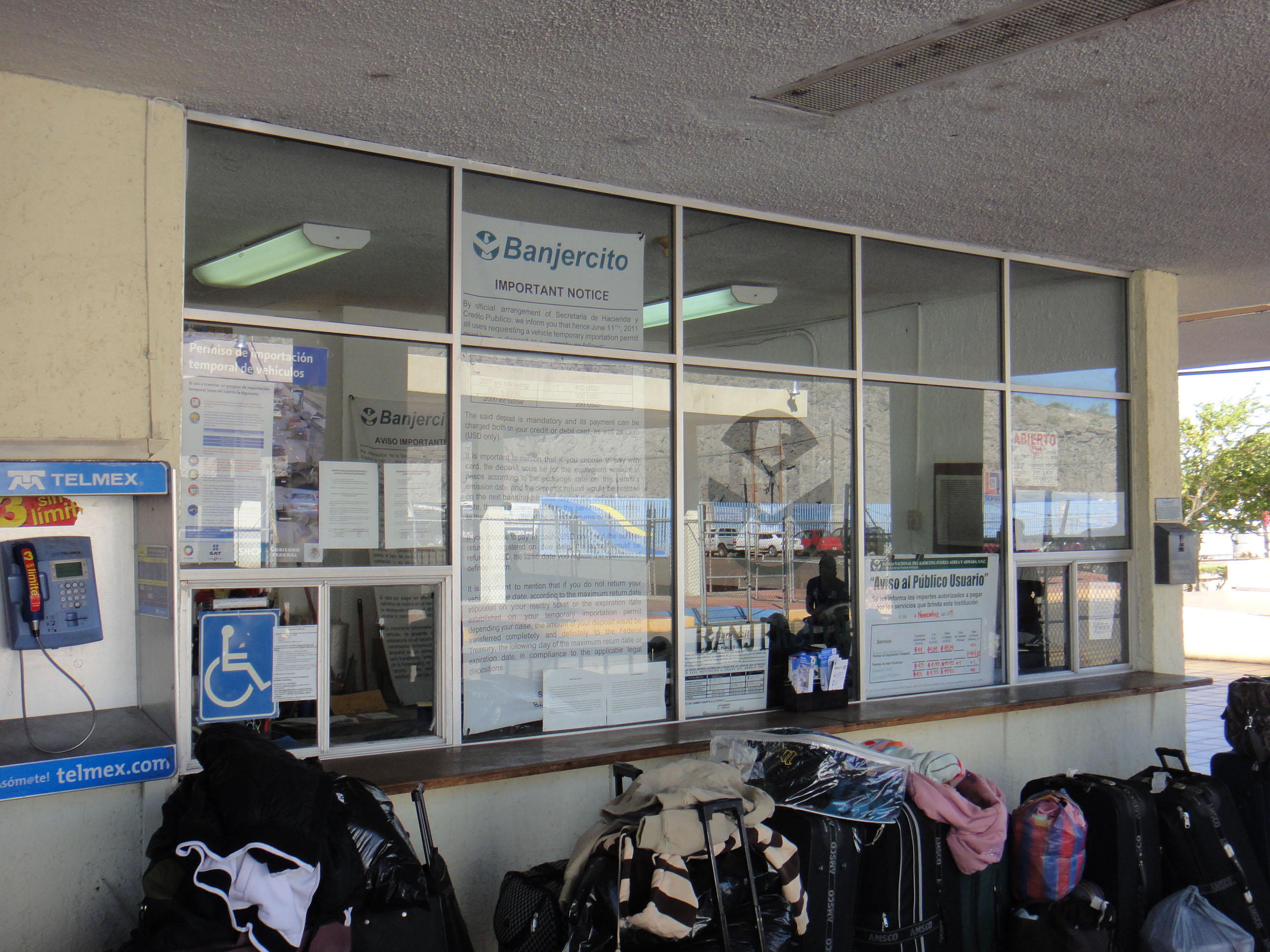
Before you can buy a ferry ticket you will need a Temporary Import Document (unless you’ve already bought this at your border crossing). To obtain this you go to the Banjercito which is at the far right end of the terminal building – it’s a an office with a window facing out towards you. They spoke good English here. You need to provide them with your vehicle registration document, passport and Tourist Card. They will need copies of all three and there is an office off to the left, just by the stairs where they will make copies for you for a small fee. Once they have the documents they will need a payment of USD 50 (for a motorhome) and a credit card to take a deposit which is based on the age of the vehicle. You do get this back when you leave the country. The last thing you have to do is fill in a customs declaration showing what type of equipment you have in your vehicle (eg. Stereo, Computer etc.). A copy of this is then attached to the document that they give you. They also give you a sticker which you must display on the windscreen of your vehicle.
Baja Ferries
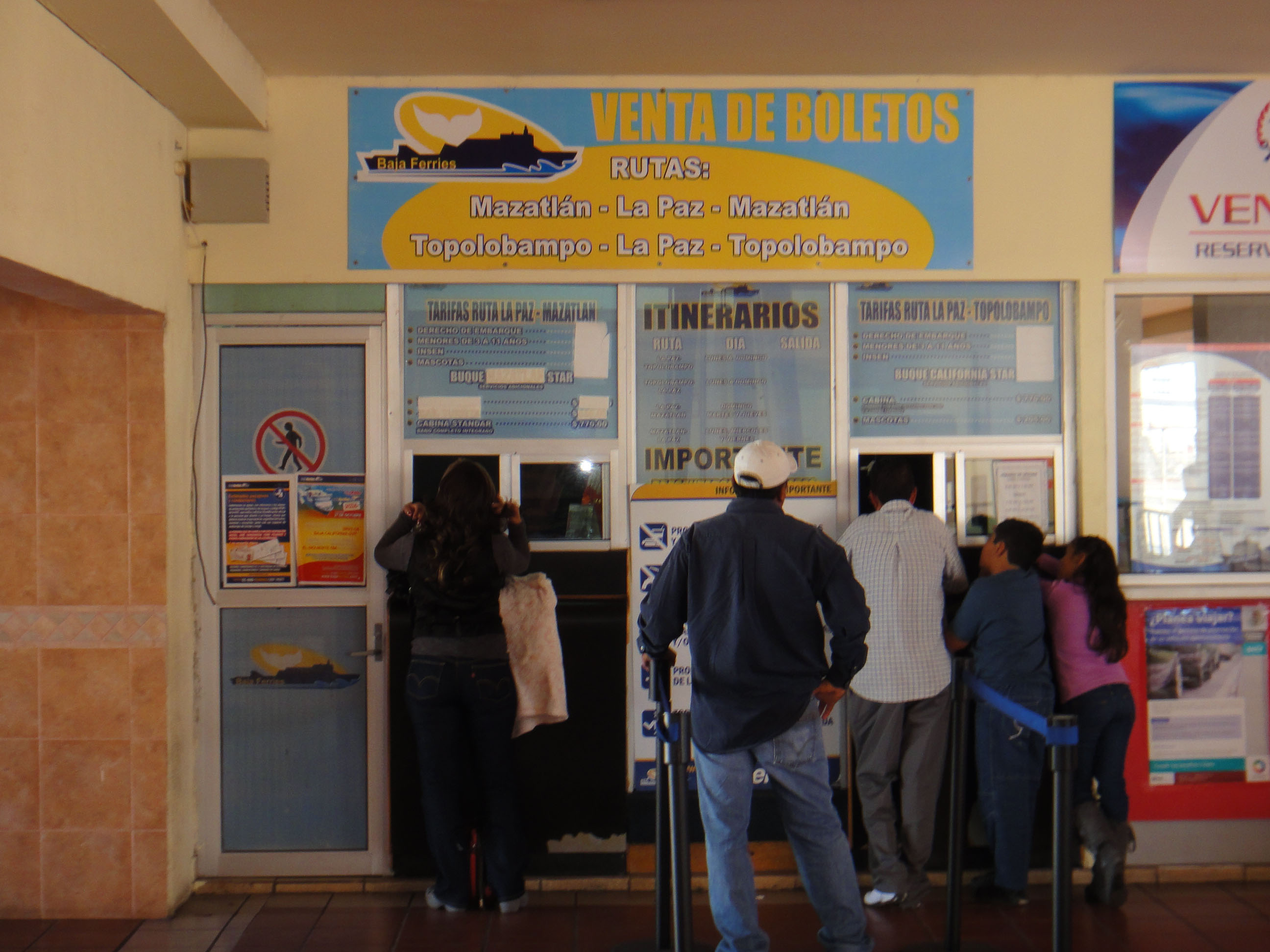
After you have visited the Banjercito you can go and buy a ferry ticket. This is easily done at the Baja Ferries window which is at the left hand end of the building. They don’t really speak English here but it shouldn’t present a problem. The ferry to Mazatlan leaves on Sunday, Tuesday and Thursday at 6pm and takes 16 hours to arrive. There is also a ferry to Topolabambo (near the city of Los Mochis) which is quicker and cheaper. The vehicle cost depends on size – we managed to get the rate for Motorhomes under 7m even though we are 7.5m. We paid MEX$10k for the truck (USD 770) and for this the driver goes free. In addition you have to buy a separate ticket for any passengers. This was MEX$978 (USD 75 ). You can also opt for a cabin – both with or without a bathroom. If you don’t get a cabin you spend the night in a room with aircraft style chairs and constant 80’s films playing. We got a cabin with a bathroom for Mex$770 (USD 59). So total cost was US$904. This felt pretty expensive.
The Ferry
The Ship that we were booked on is called the Mazatlan Star (formerly the Monte Cinto registered in Marseilles – and clearly formerly French as all of the notices on board are in French).
On the day of departure they ask that you turn up 3 hours before departure. On entering the terminal area you turn right and stop at customs. Here someone will look at your Vehicle import documents and check your passports (or other ID). You then have to press a button – this will trigger a traffic light system and if the light is red they will want to search your vehicle. Green and you are straight through. We were red and the customs guy did a cursory inspection of the inside of the truck and even looked in the back locker. It was over in a couple of minutes though.
From here you drive into the port itself. You will see queues of trucks – don’t stop behind them. Instead drive past and right up to the front. Here you will talk to someone who will show you where to park. This was in a small section for cars, motorhomes and vans. We were the only motorhome though. There weren’t many vehicles here – perhaps 20 in total – compared with the number of trucks – at least 100.
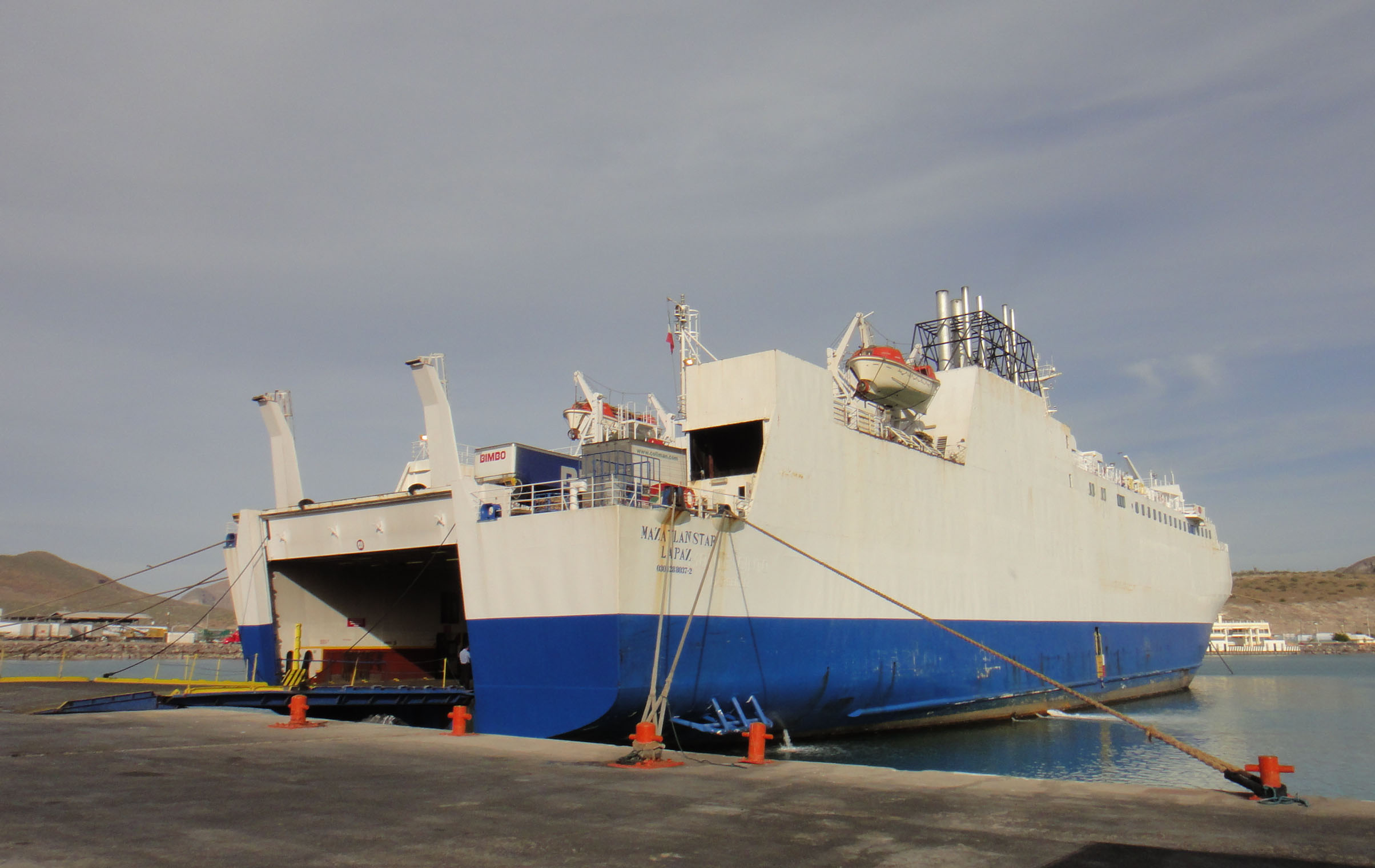
We waited here for an hour while trucks were loaded. Then the cars around us were loaded. A guy came over to us and told us that passengers had to load separately – so Sarah got out and went onboard. I was left waiting with the Beast for another hour. Eventually they asked me to board and I had to reverse into the ferry and up a long dark ramp to the upper deck. Once up here I had to reverse as close as I could up to the side of a lorry. This was a fairly daunting exercise and there was no one helping until you got to the upper deck.
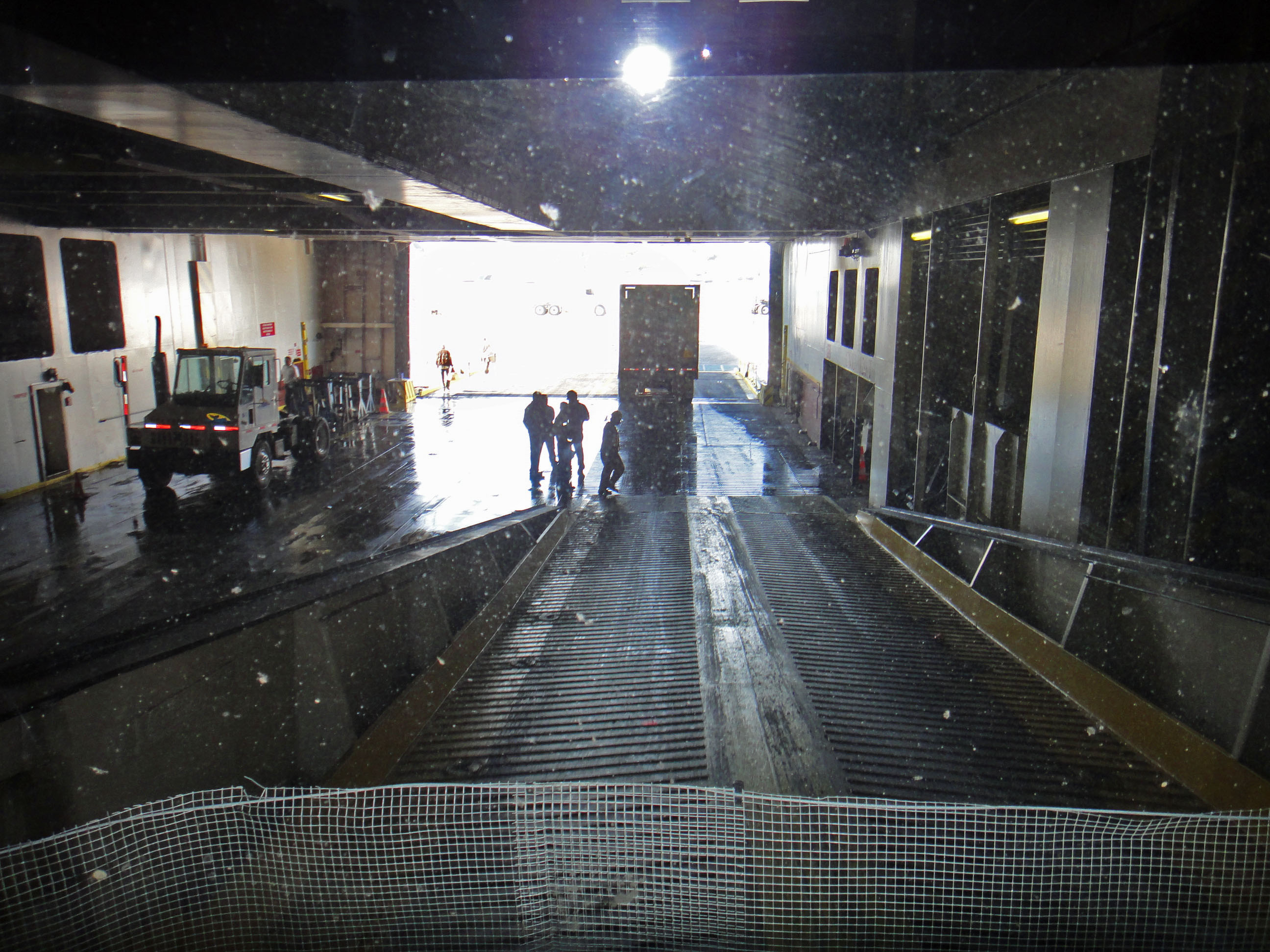
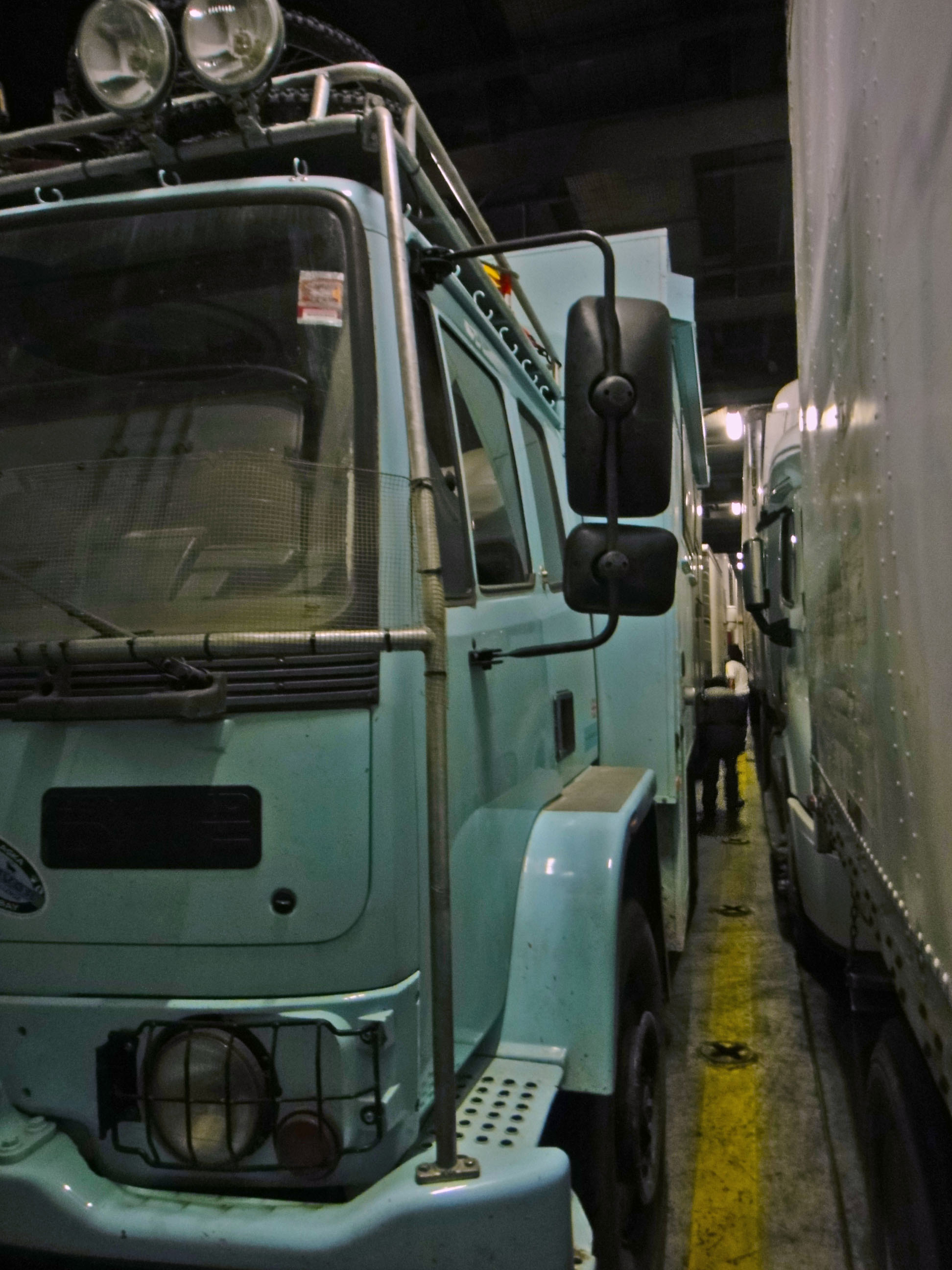
Once in place I managed to slide out of the truck – not easy as I was very close to the adjacent truck.
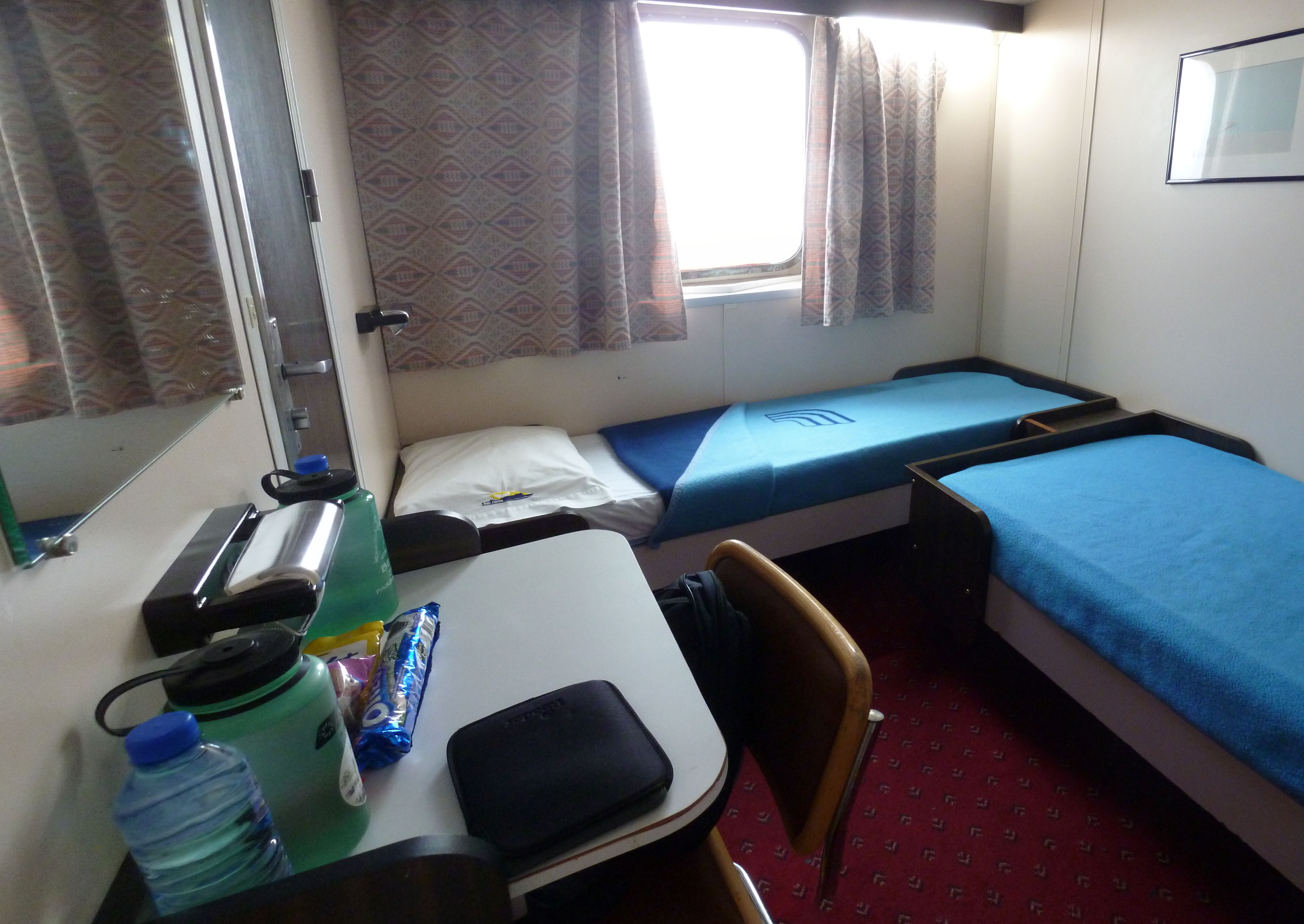
I made my way to the passenger area and to our cabin – I was very relieved that after knocking on the door Sarah answered. I was very pleasantly surprised that the Cabin that we had booked was very nice with 2 single beds, air-conditioning and a small table. There was even a bottle each of mineral water. The bathroom was small with a marine toilet and shower but also included the hotel standard bottles of shampoo and conditioner.
After settling in for a bit we went down to the common parts of the boat (ship – I never know what to call these things!). This area was pretty small with two rooms. The first was a canteen with a buffet style serving area and a number of tables. The second was a cinema type room with rows of aircraft style seats (a bit less cramped though). Dinner is included with your ticket so we lined up and got some fried fish with rice, refried beans and tortillas. Not too bad.
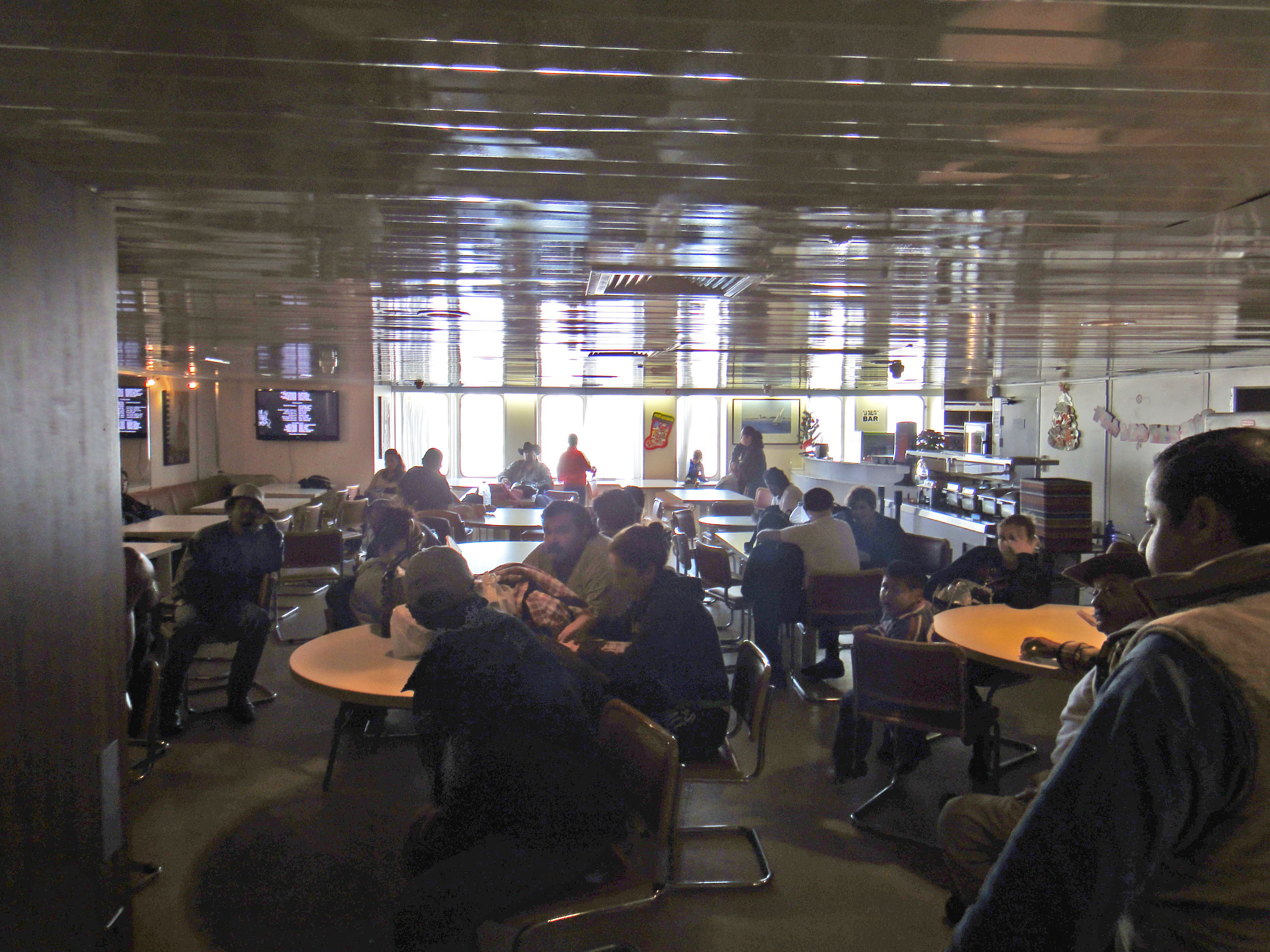
Both the lounge and the dining room had screens showing inane films – when we were down we saw that National Lampoon’s Chirstmas Vacation and Marvin the Martian were on !
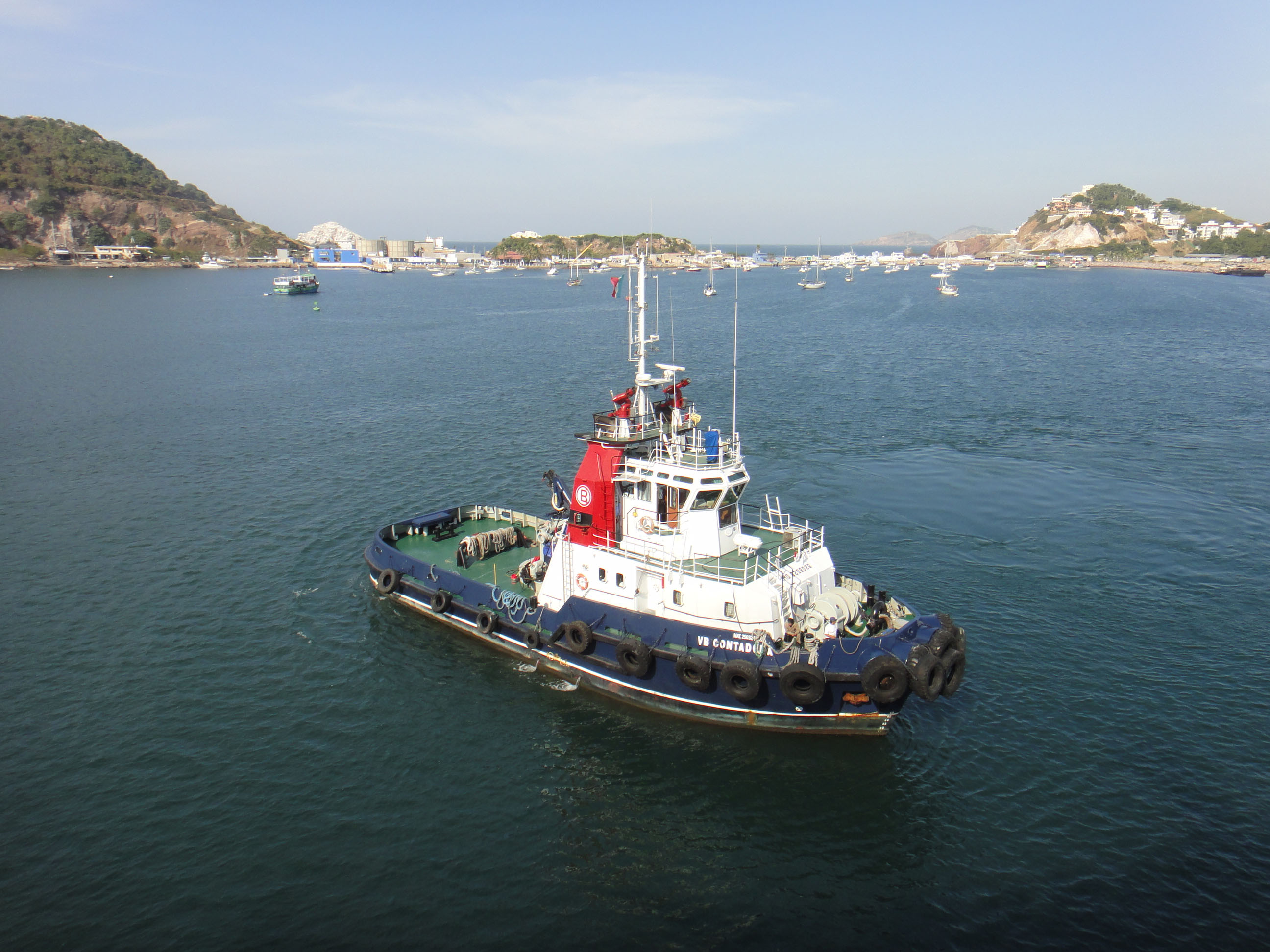
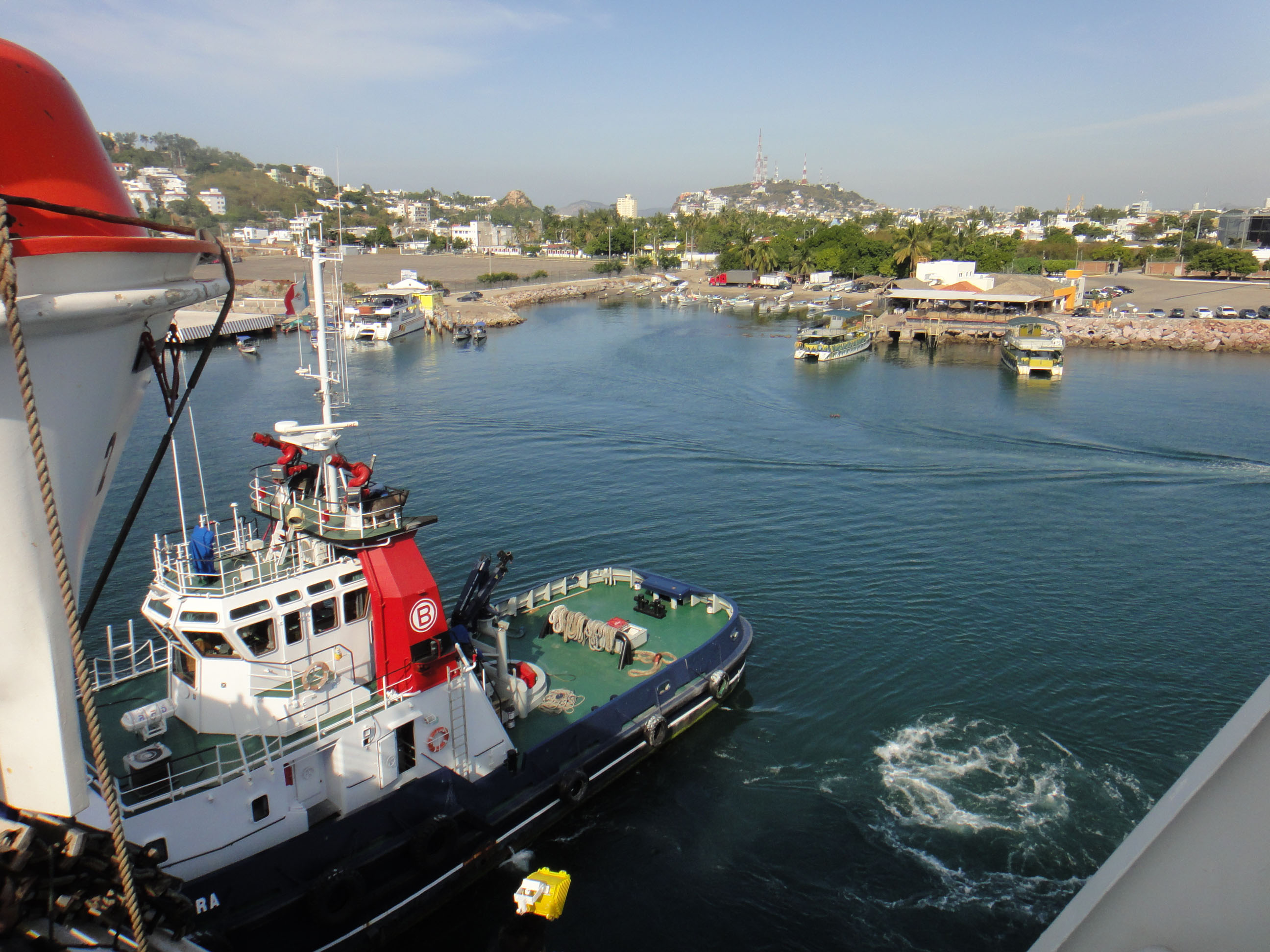
After leaving port at 6pm we started our approach into Mazatlan at 10am in the morning. The docking manoeuvre was quite tricky and involved 2 tug boats pushing on the sides of the ship to guide it into the dock.
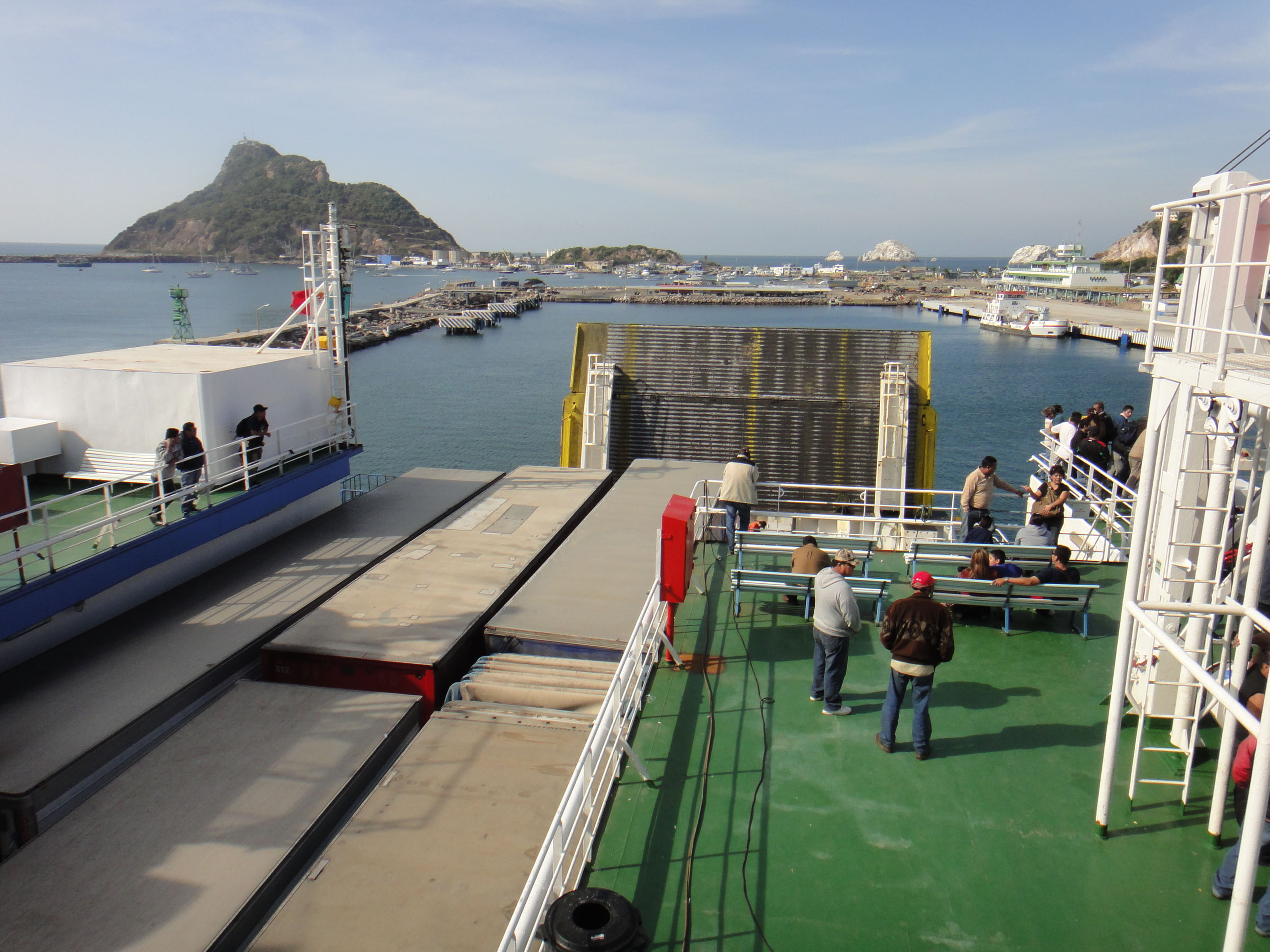
We’d been nearly the last on board so we were close to the first off. Driving off was much simpler as this time it was forward. Sarah had to disembark separately and I picked her up from outside the terminal. From here there was a military checkpoint, where they had a quick look inside, and we were finally loose in Mazatlan.
The Southern Loop
With the Ferry booked we had a week to complete our Baja adventure. We headed south from La Paz along Mex 1. Our first stop was Los Barriles – a small coastal town on the Sea of Cortez. This was clearly a favoured winter haunt of a large number of North Americans. The quiet of the streets was frequently interrupted by Snowbirds on quad bikes.
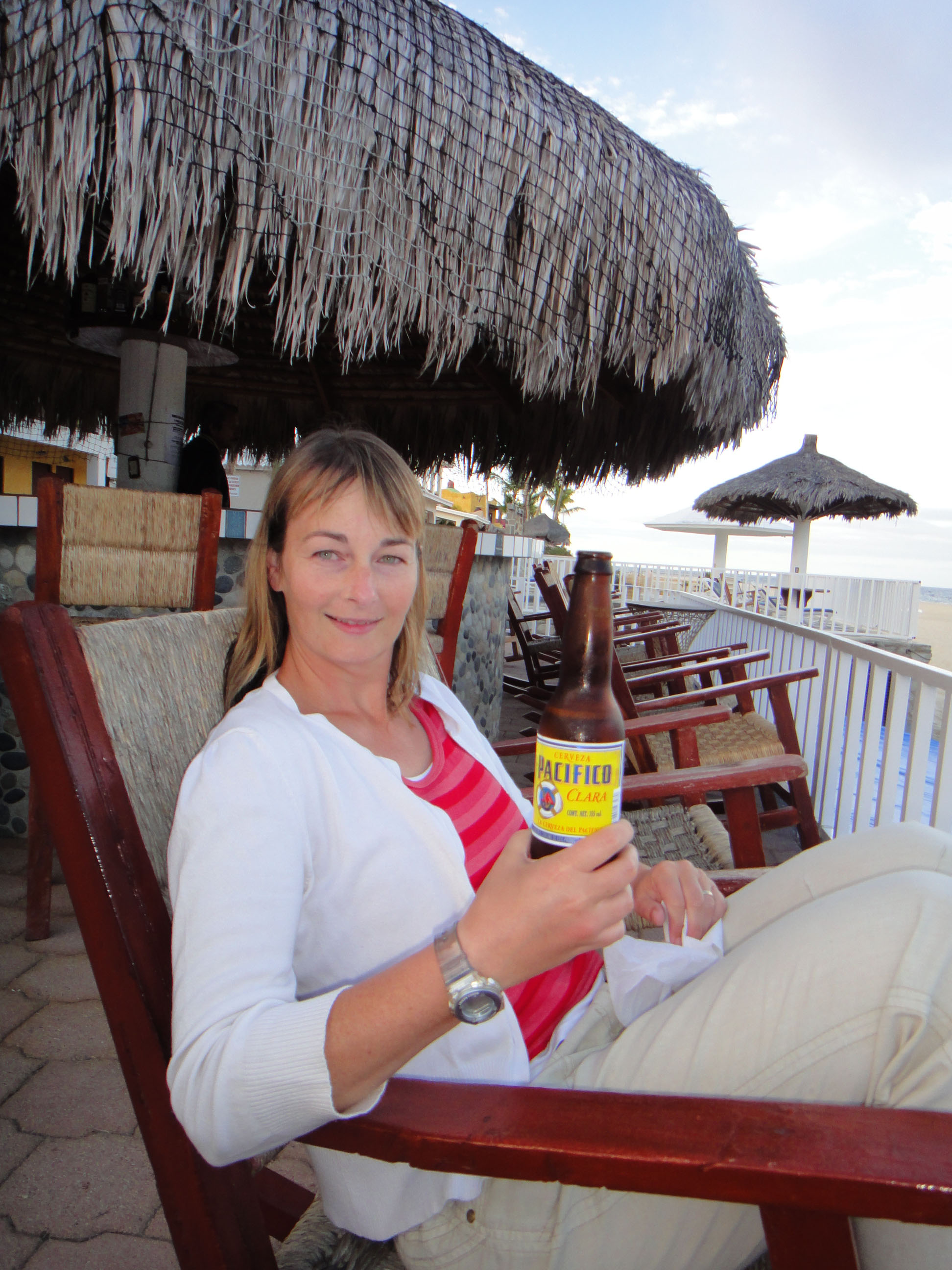
We stayed at Martin Verdugo’s Beach Resort and Hotel which was an old school RV Park which fronted onto the Ocean, although it also included a small hotel the building of which was actually on the beach. There was a beachfront swimming pool and bar which was a lovely location for a sundowner !
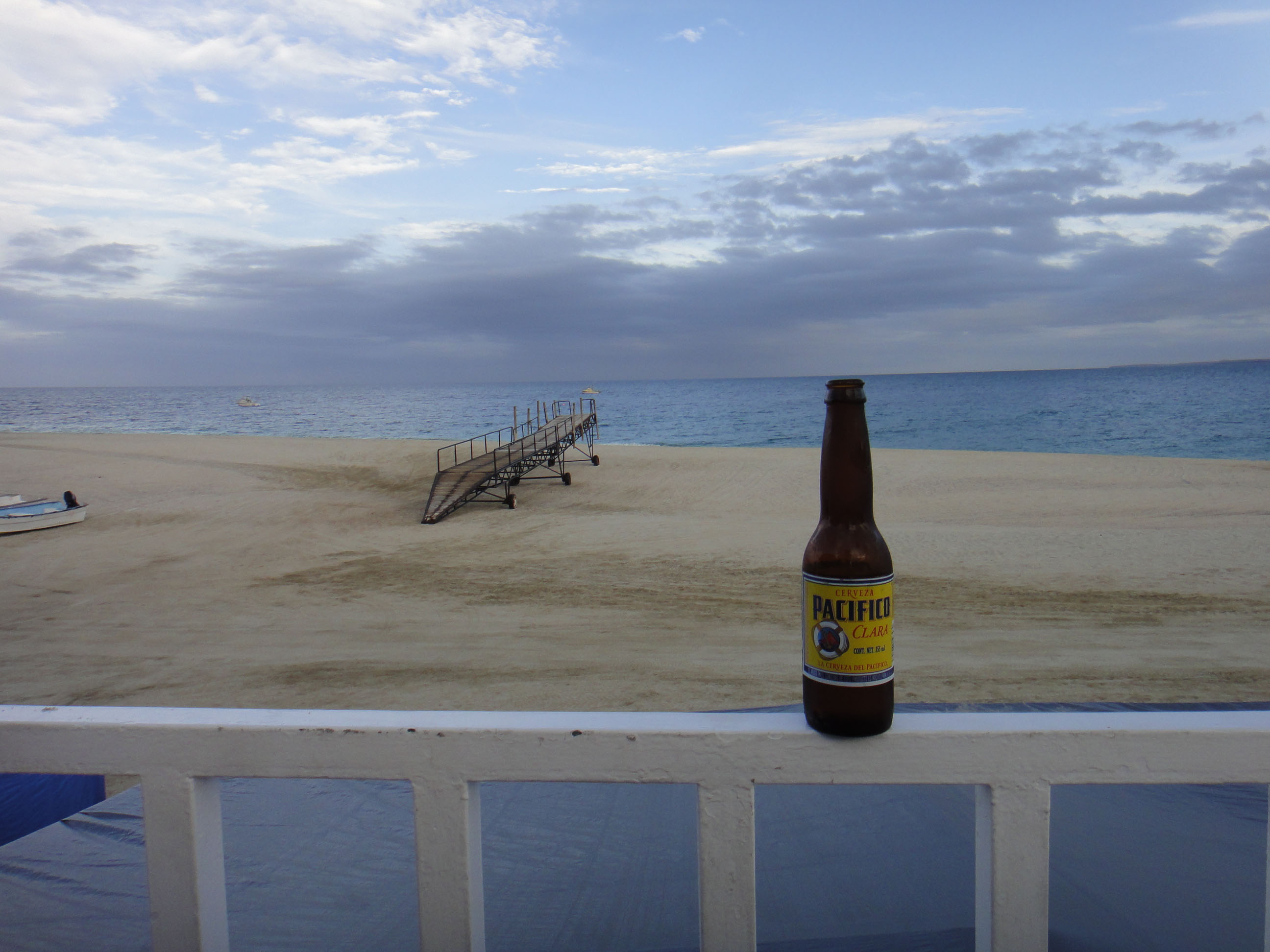
We didn’t do much in Los Barriles except walk on the beach, drink in the bar and pop into a local Taco place for some takeaway for dinner.
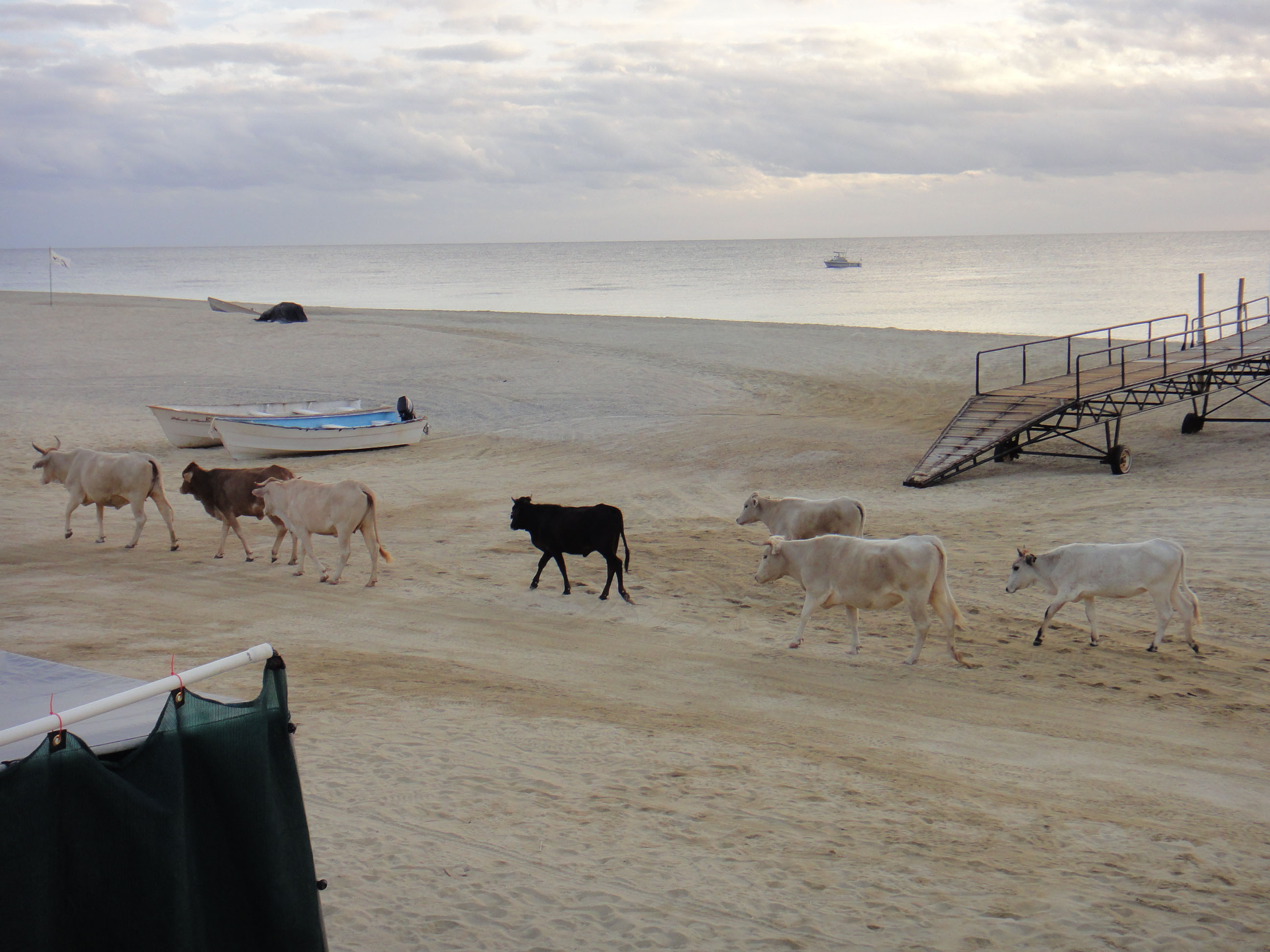
From Los Barriles we drove off the main highway and down a dirt road to Cabo Pulmo. This is the site of one the only coral reefs in the Western Americas. Unfortunately we checked with the local dive op and they told us that the North wind was blowing and they couldn’t get out. We went to the beach but the wind was indeed blowing and we decided not to stay.
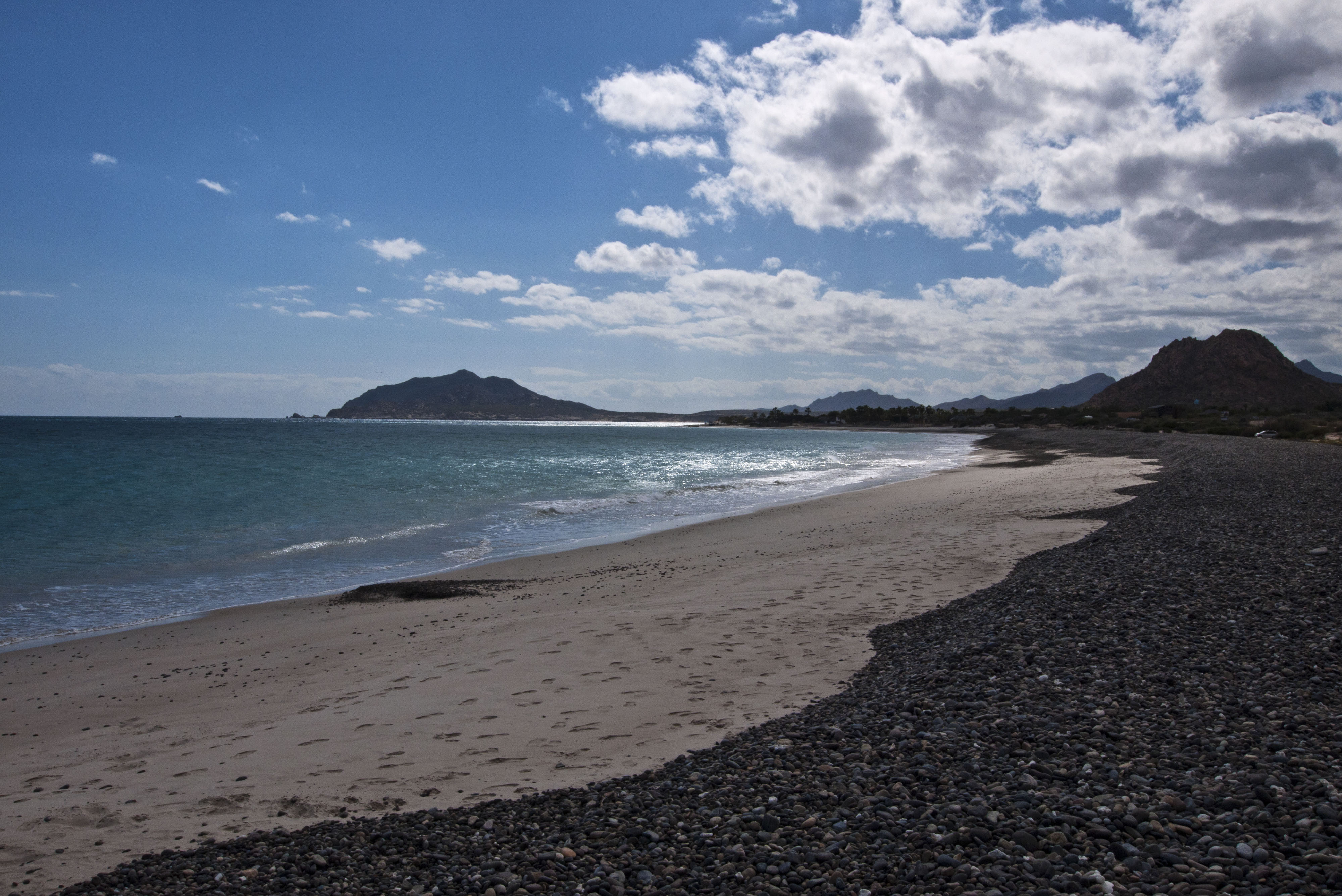
Slightly further South from here we crossed the Tropic of Cancer, another milestone on our journey. Shortly after this we visited a small town called Santiago and then drove around 10k down some sandy dirt roads. These were great apart from some really narrow cattle grids which we only just fitted over.
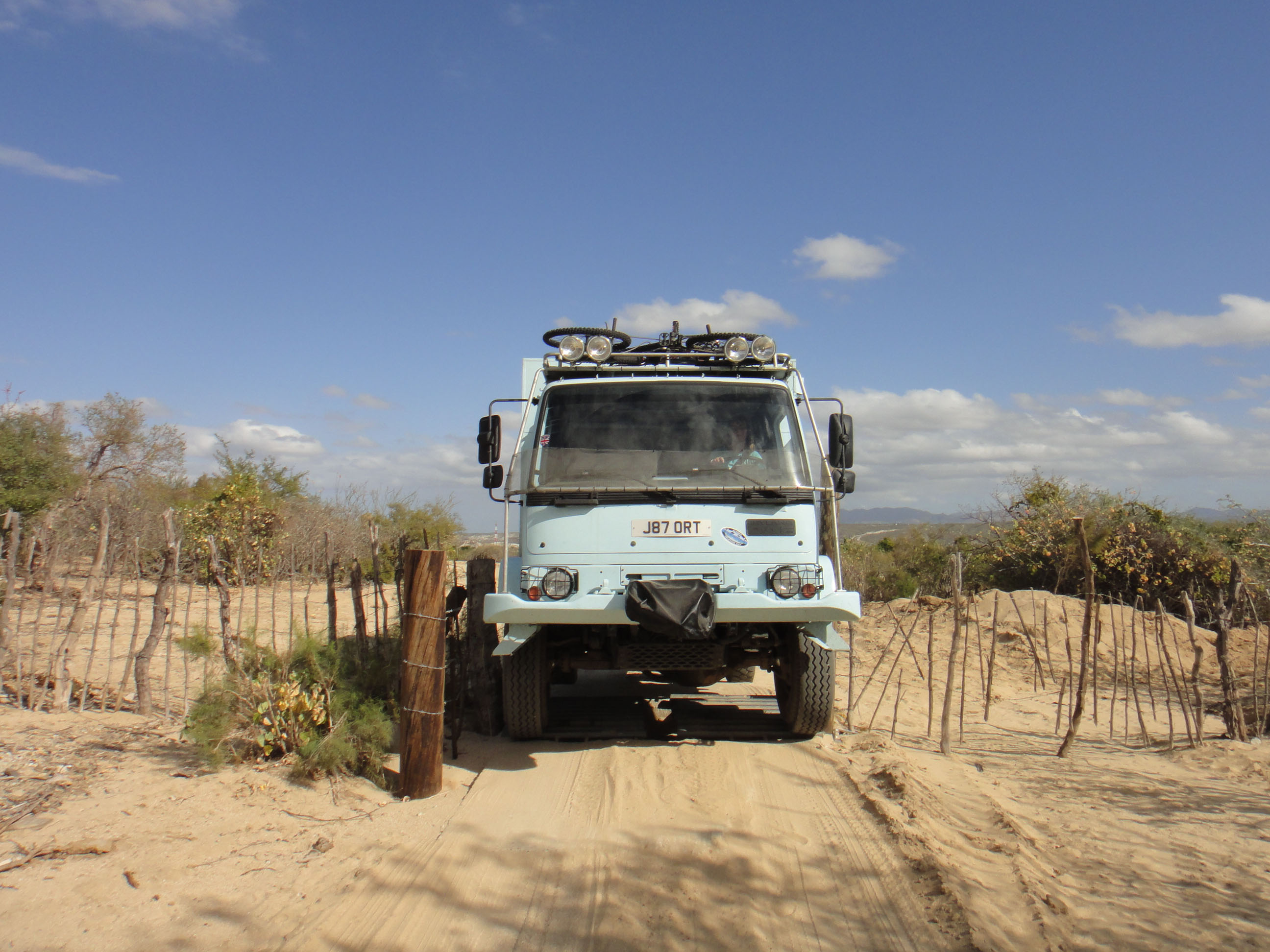
At the end of the road we reached a small holding where we paid USD 6 each for the privilege of hiking to a place called Canon de Zorra.
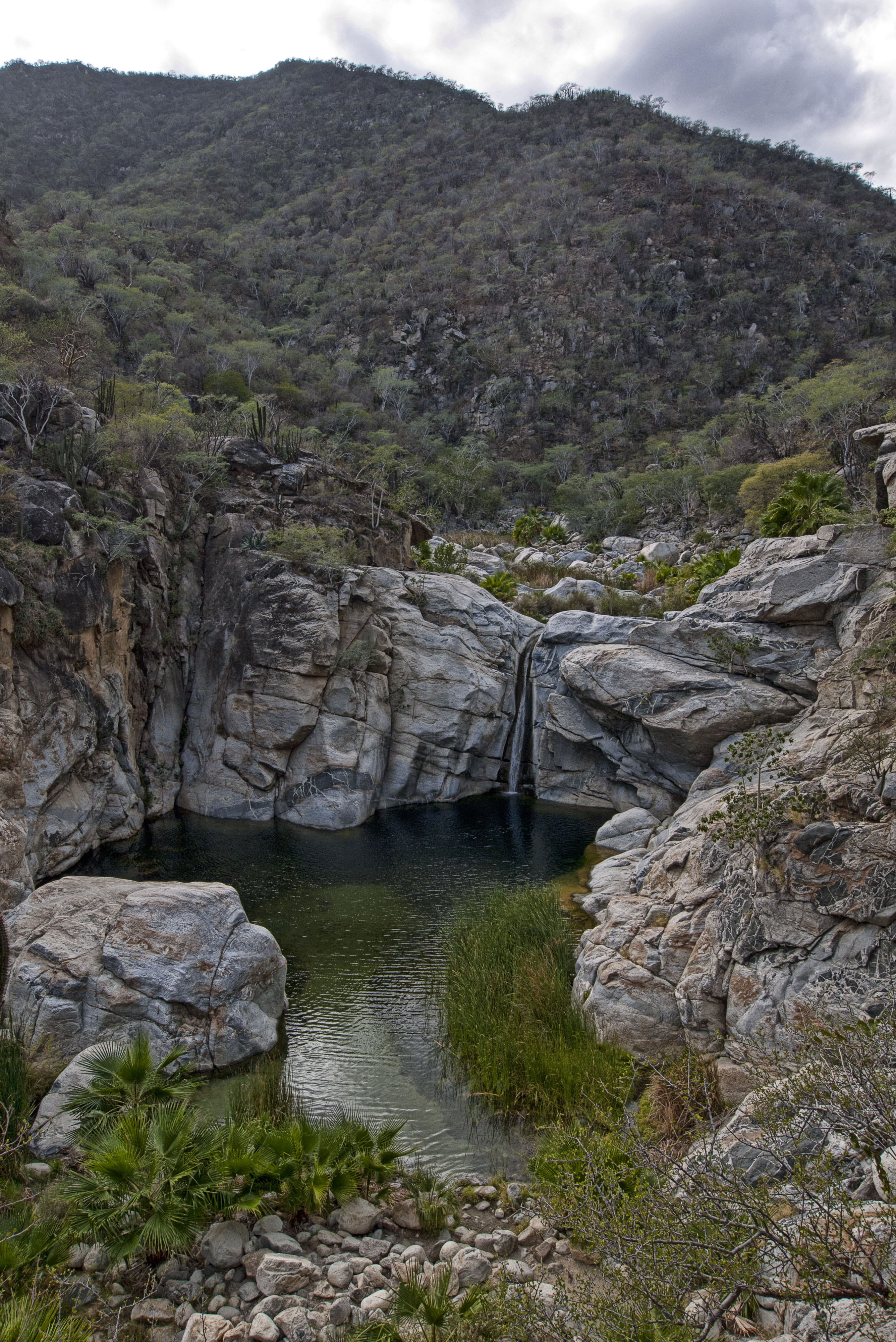
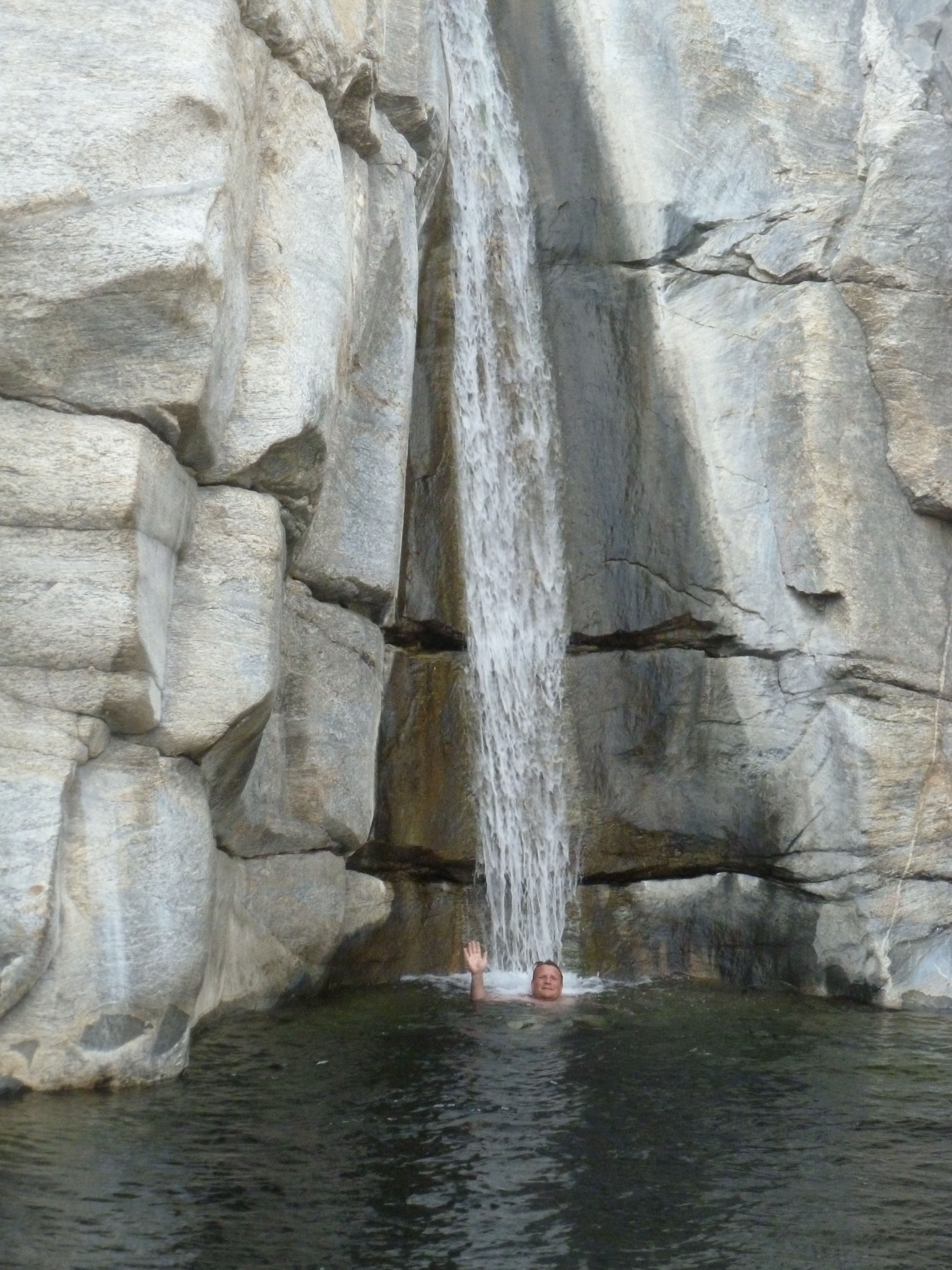
This is an oasis in the desert where a waterfall fills a small lake with water and then a small stream stretches about a kilometre downstream before disappearing into the dust. The lake itself is surrounded by lush vegetation and the water itself is thick with plants. I enjoyed jumping into the lake from some overhanging rocks and the water was refreshing in the desert heat !
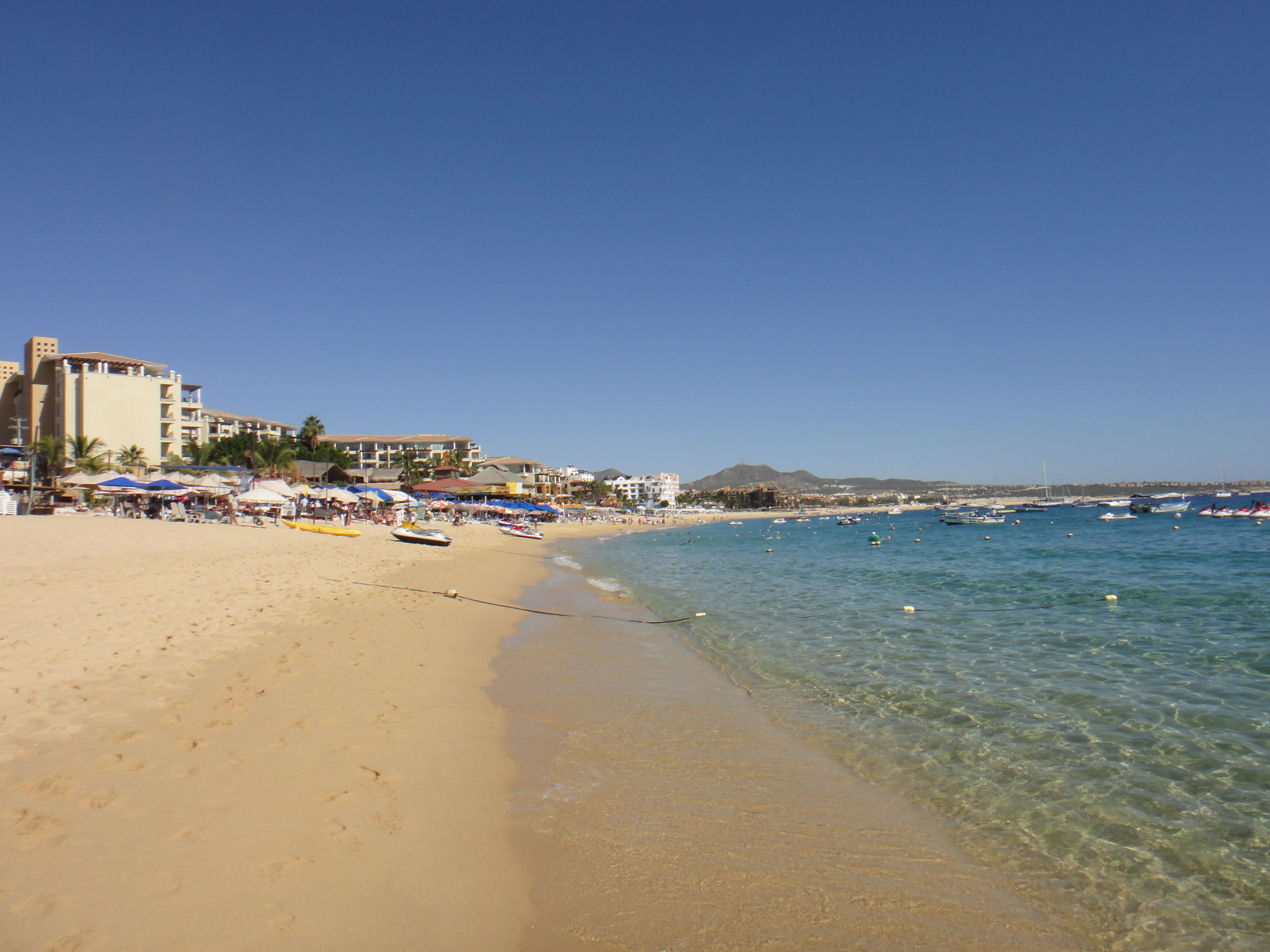
After we had hung out here for a while we jumped back in the Beast and drove all the way to the South to the American enclave of Cabo San Lucas. This feels like leaving Baja and entering a fully developed seaside town complete with Hard Rock Café and Walmart.
We checked in to the Vagabundos RV Park – a whopping Mex$355 (US$27). There was a small restaurant and bar on site. So since we’d arrived late we decided to eat out for the night. There was a small band playing that were really quite good – we later learnt that the lead was the guitarist for the group Santana who was friends with the owners and just visiting !
From the campsite we decided to drive into town and get our bearings. Cabo was ok for us as the roads were all of a decent size and we didn’t get stuck. We didn’t find much in the way of parking though so drove a bit out of town and stumbled across a big open car park right next to the beach. This was where all the local workers park who worked on the beach and in the adjacent hotels. We hit the beach and found that as we walked along we were getting a lot of hassle from various hawkers – even being offered 2 for 1 margaritas at 10.30 in the morning ! We decided to take up one offer of a water taxi to one of the local sights called Playa Amor (Lover’s Beach).
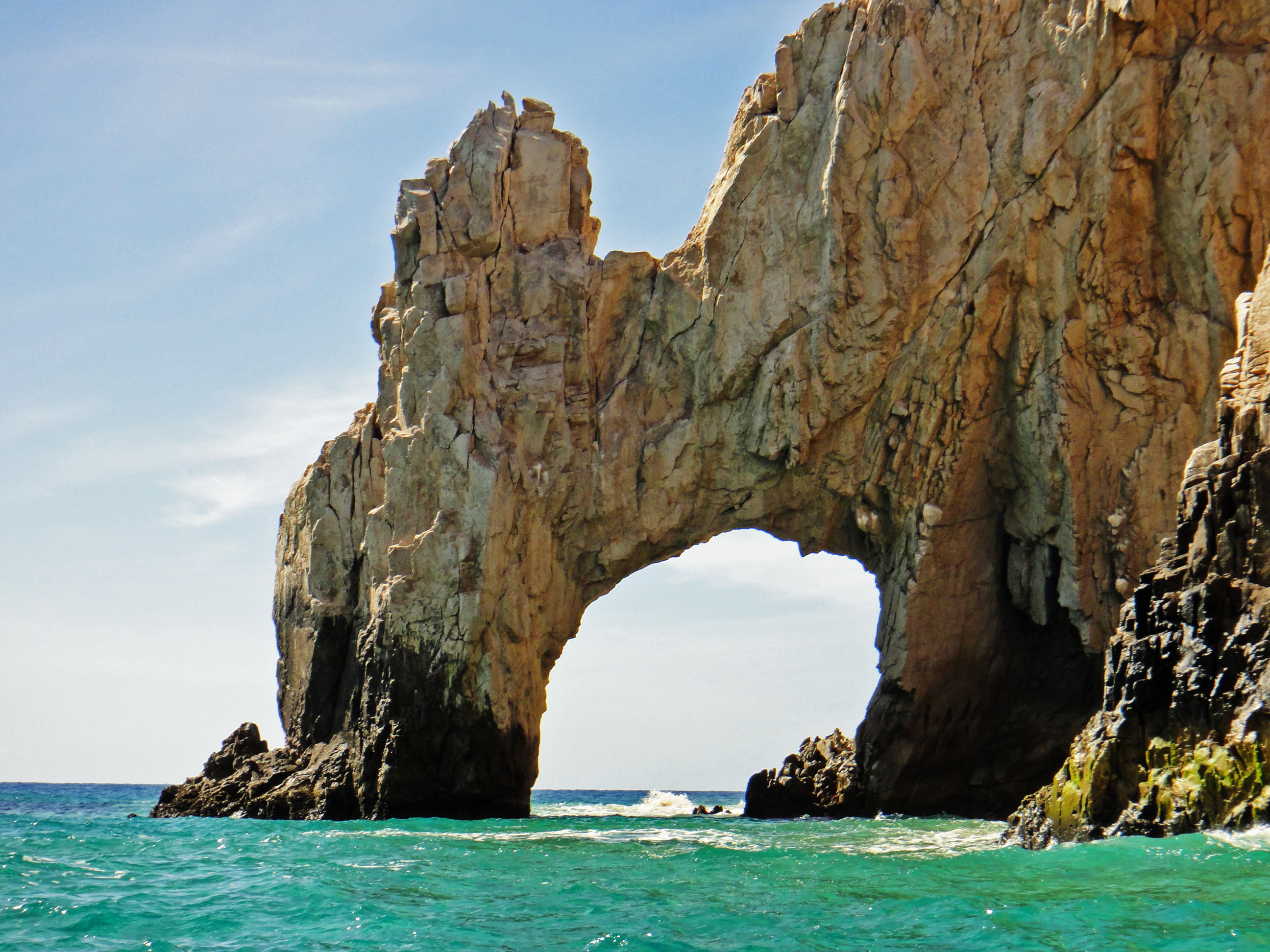
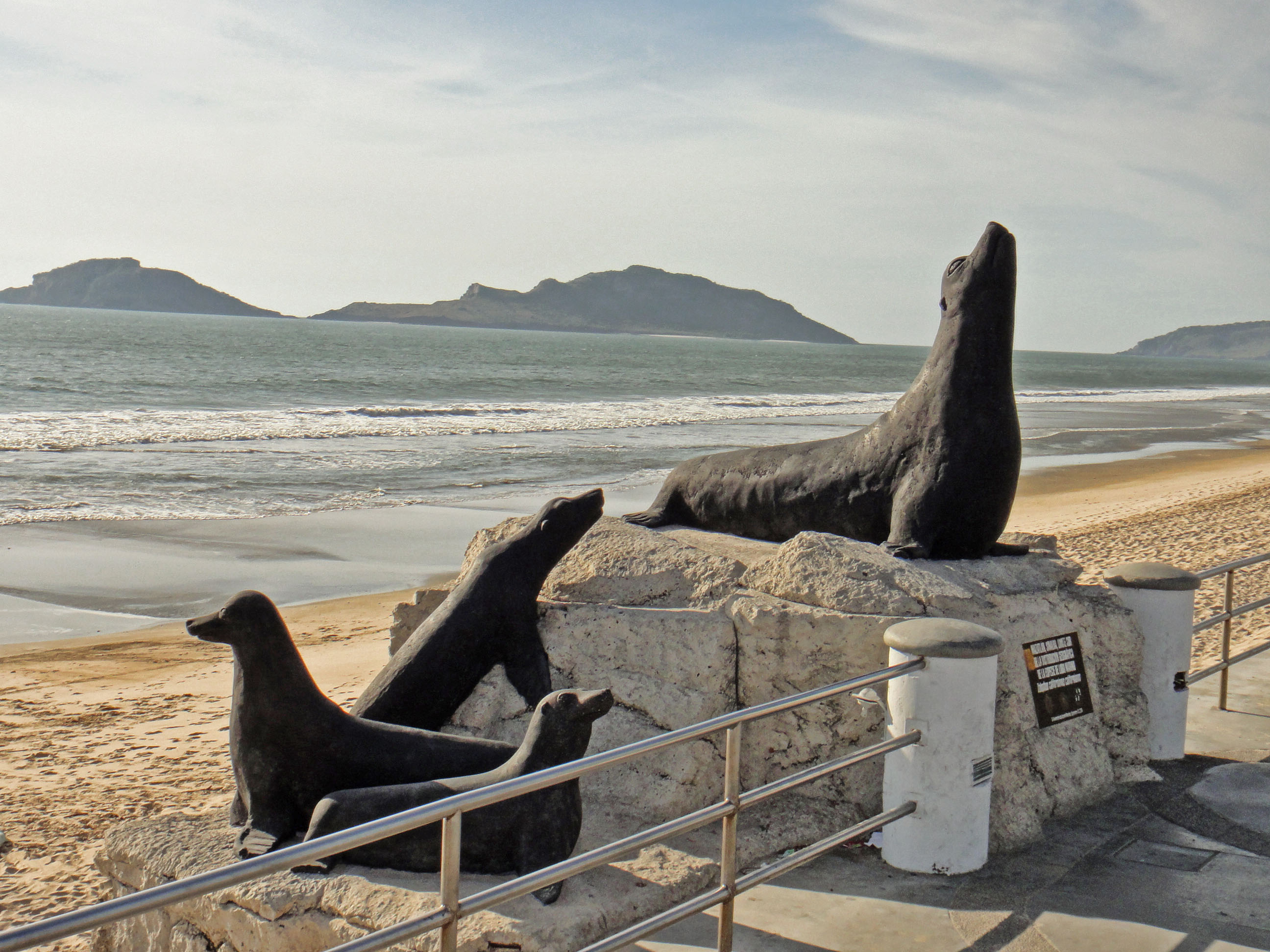
It was only a 5 minute boat transfer to the beach but we did get taken to see the Sea Lion colony and the Land’s End arch which are just round the corner from the beach. We decided to stay a couple of hours on the beach – the nice thing about this beach is that it has two sides – one facing the Sea of Cortez with great swimming and the other with the crashing waves and dangerous undertow of the Pacific.
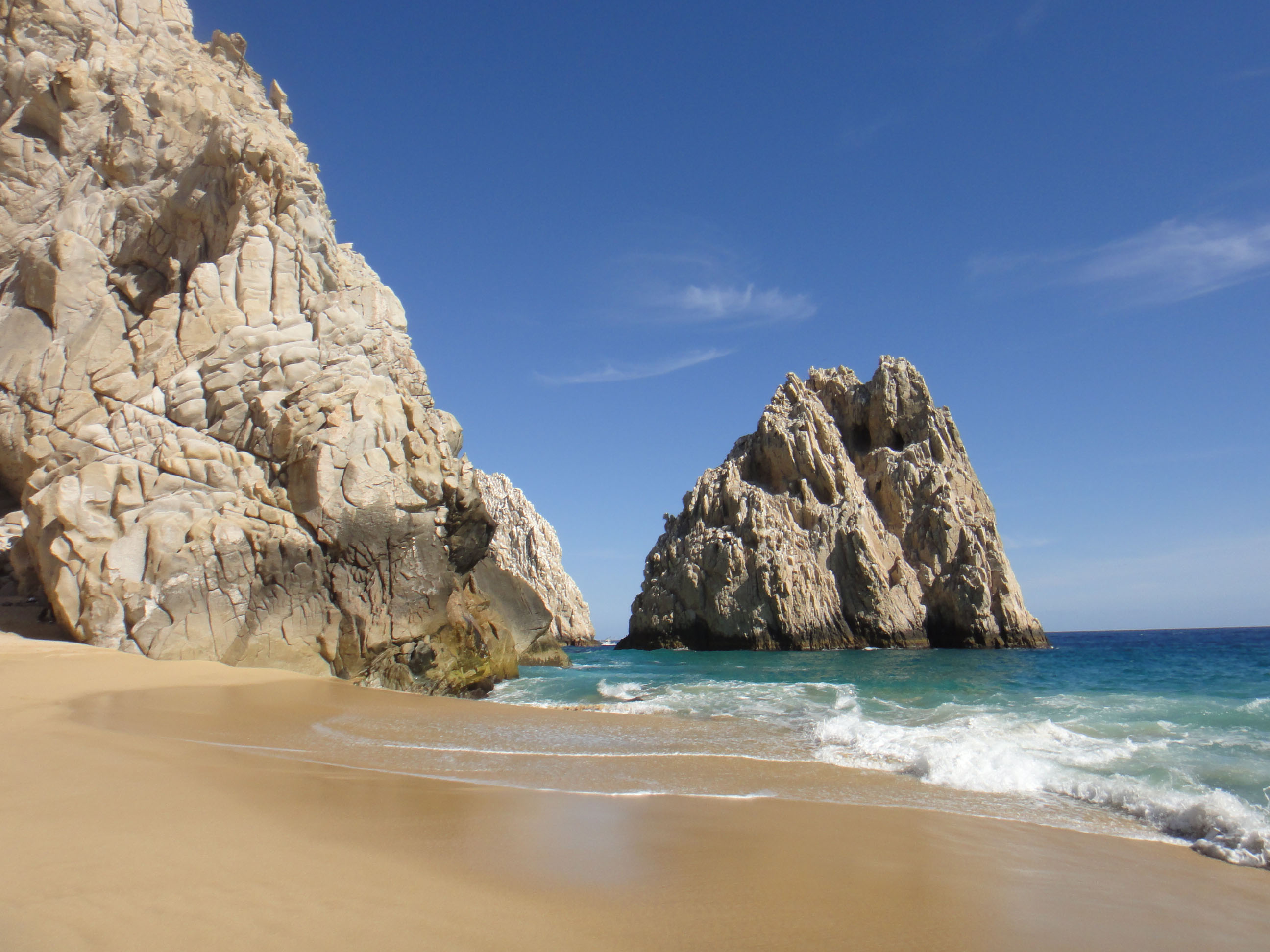
From the beach I decided to swim back to the Sea Lion colony – this involved swimming round a point with some heavy surf then crossing a channel with fairly heavy boat traffic. I made it the colony though and discovered that behind the rock with the sea lions lying on it was a shallow channel which they used to enter and exit the water. I spent 30 minutes or so just floating in this channel watching big sea lions cruise up and down – fairly oblivious to my presence – unless I got too close !
After returning to the Beast we thought we would give town another go and managed to find another free parking lot not so far from the harbour. We walked through the main tourist area and found a dive shop where we booked a couple of local dives for the next day.
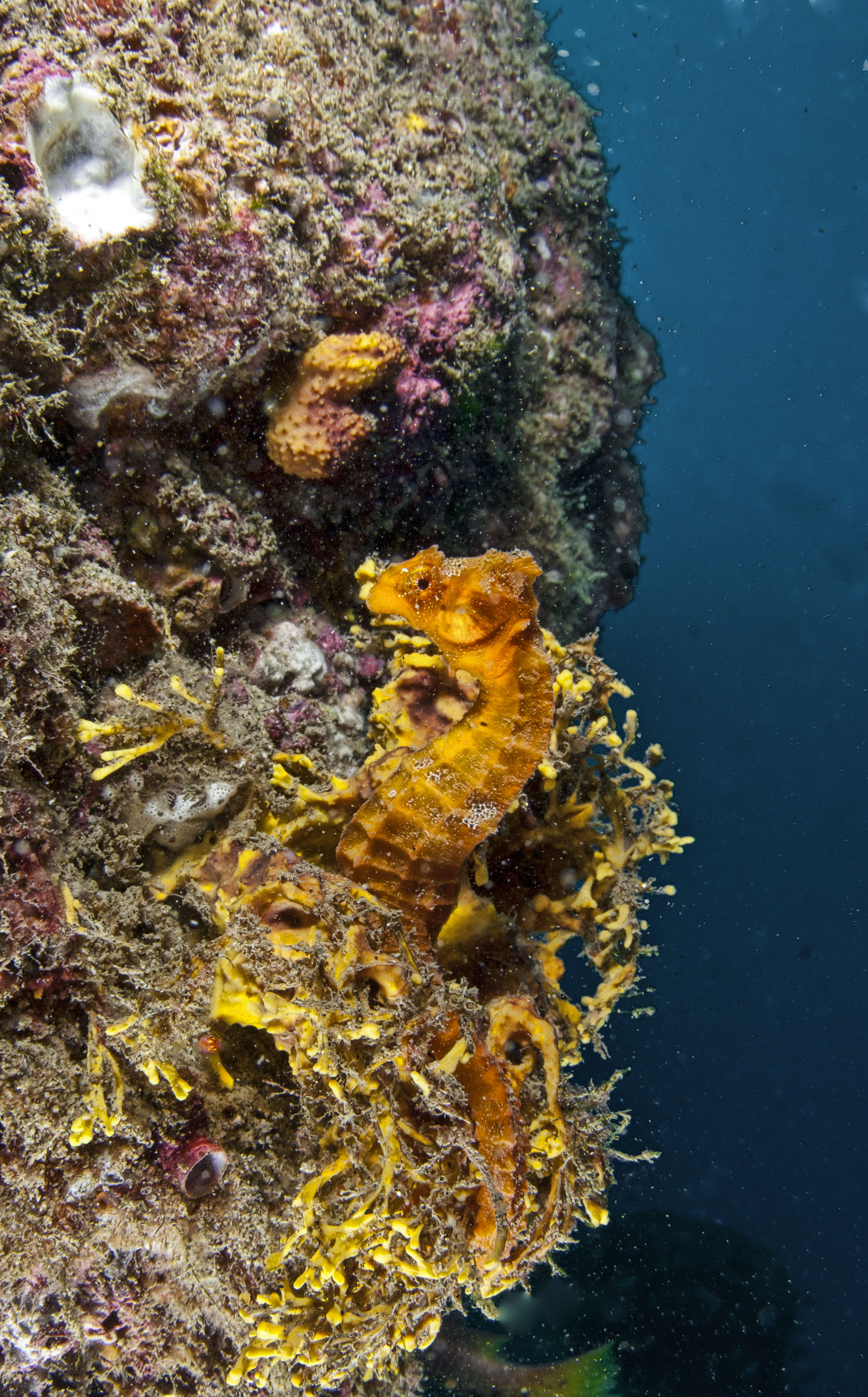
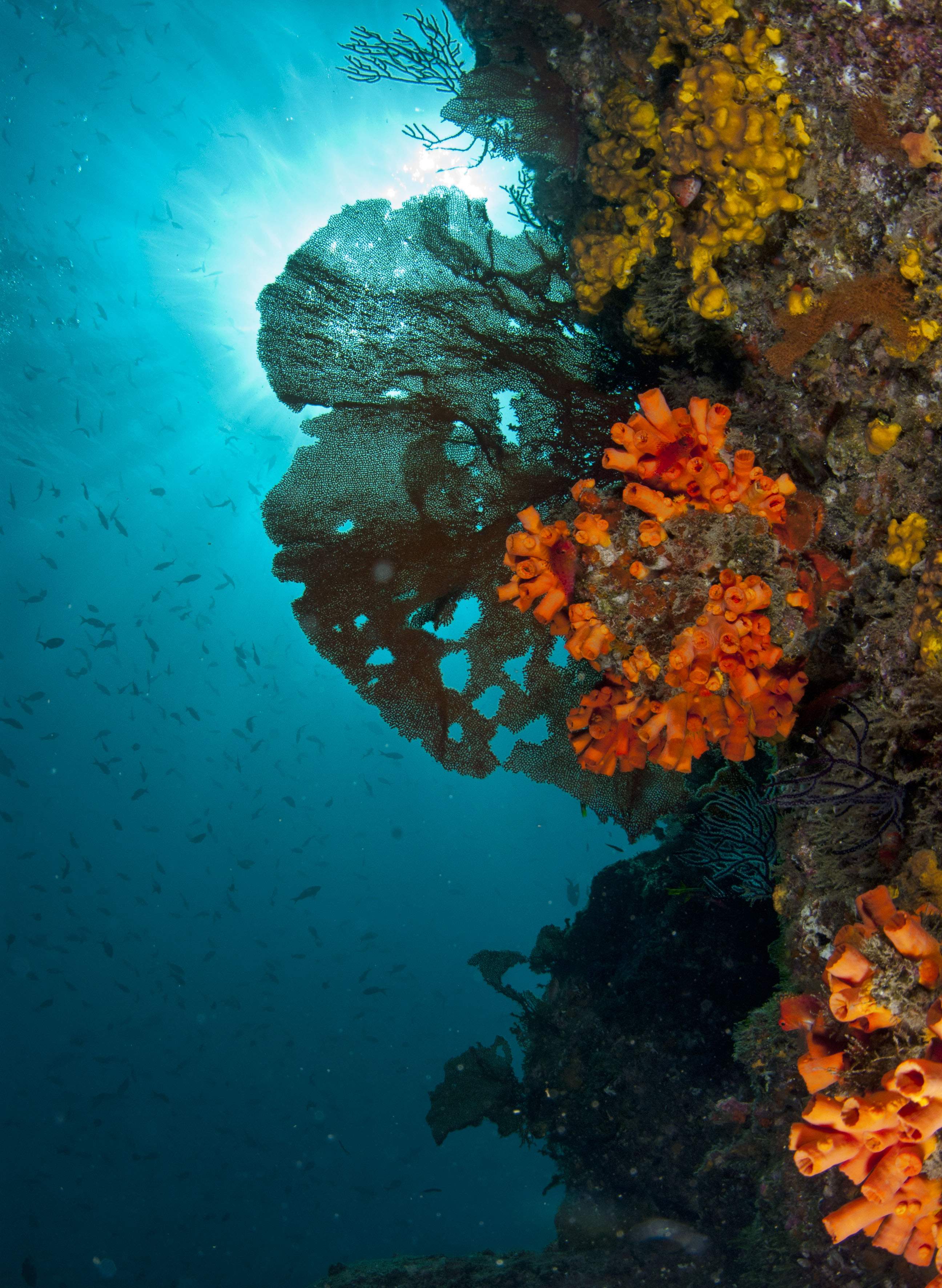
The next morning we drove to the dive shop and parked in a pay car park right outside the shop. We loaded up onto their boat for the 10 minute journey to the dive site. The first dive was on Pelican Rock – the harbour side of Playa Amor. This was a fairly average dive with the only real highlight being a seahorse that I’d not seen before with a snub nose, the visibility was variable because of a dredge working in the harbour. The second dive was much better and was on the point where the Sea of Cortez and Pacific meet. There is an underwater pinnacle here which we dove around – despite some heavy surge and interesting currents. The highlight of this dive was a school of cow nosed rays which swam past us. Unfortunately they bolted when the strobe from my camera fired !
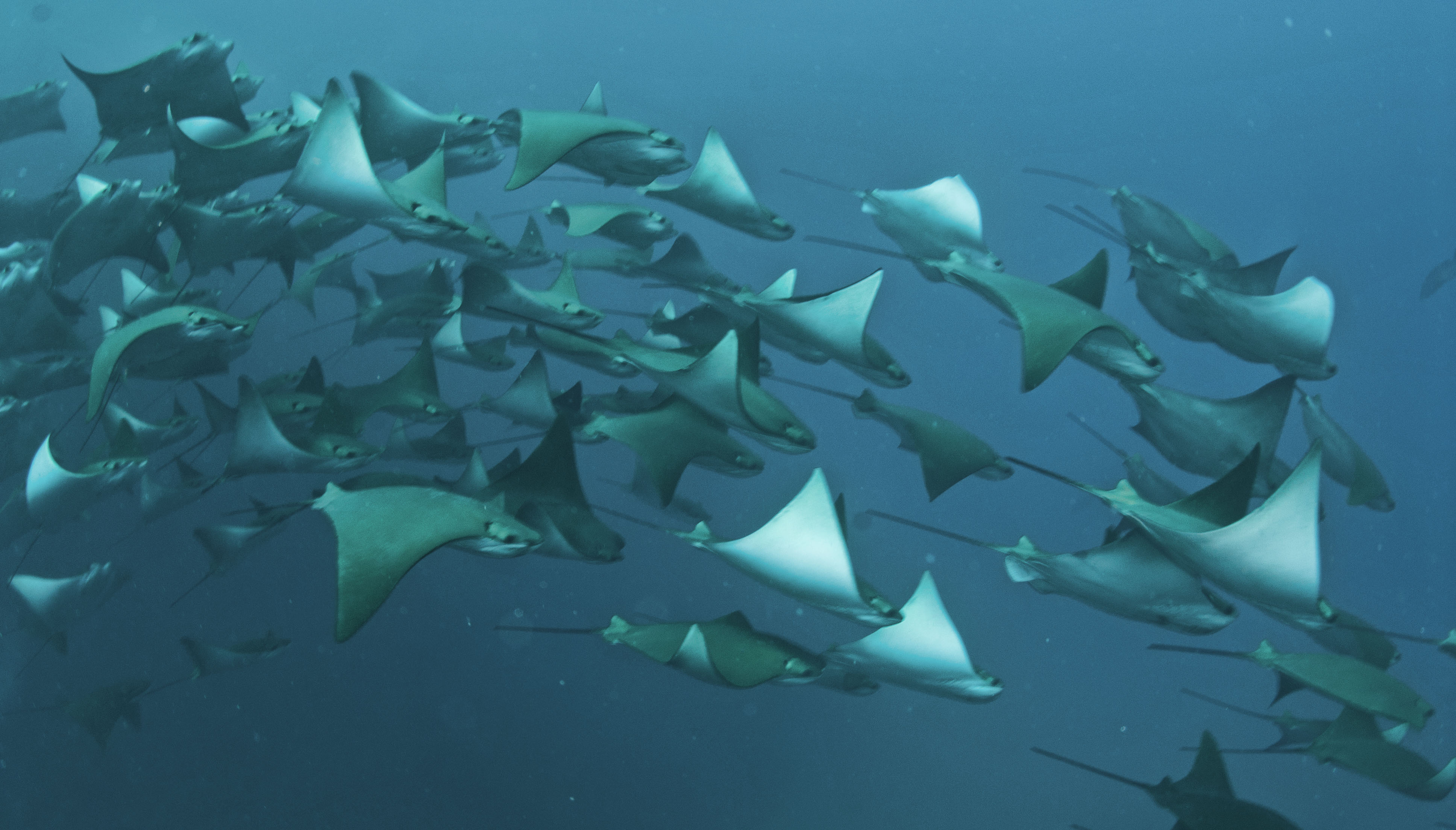
Overall Manta divers were a good operation and I would recommend them. The diving in Cabo was disappointing though – the visibility the day before when we were snorkelling had been perfect and the dredge had really killed it.
After we’d packed up our dive stuff we hit the road again and drove North to Todos Santos. This is one of the Mexican government’s Pueblos Magico’s. These are towns which have been designated as tourist hot spots and investment is being made to improve them. This involves things like road improvements and trying to remove wires in the key central areas to make them a bit more picturesque.
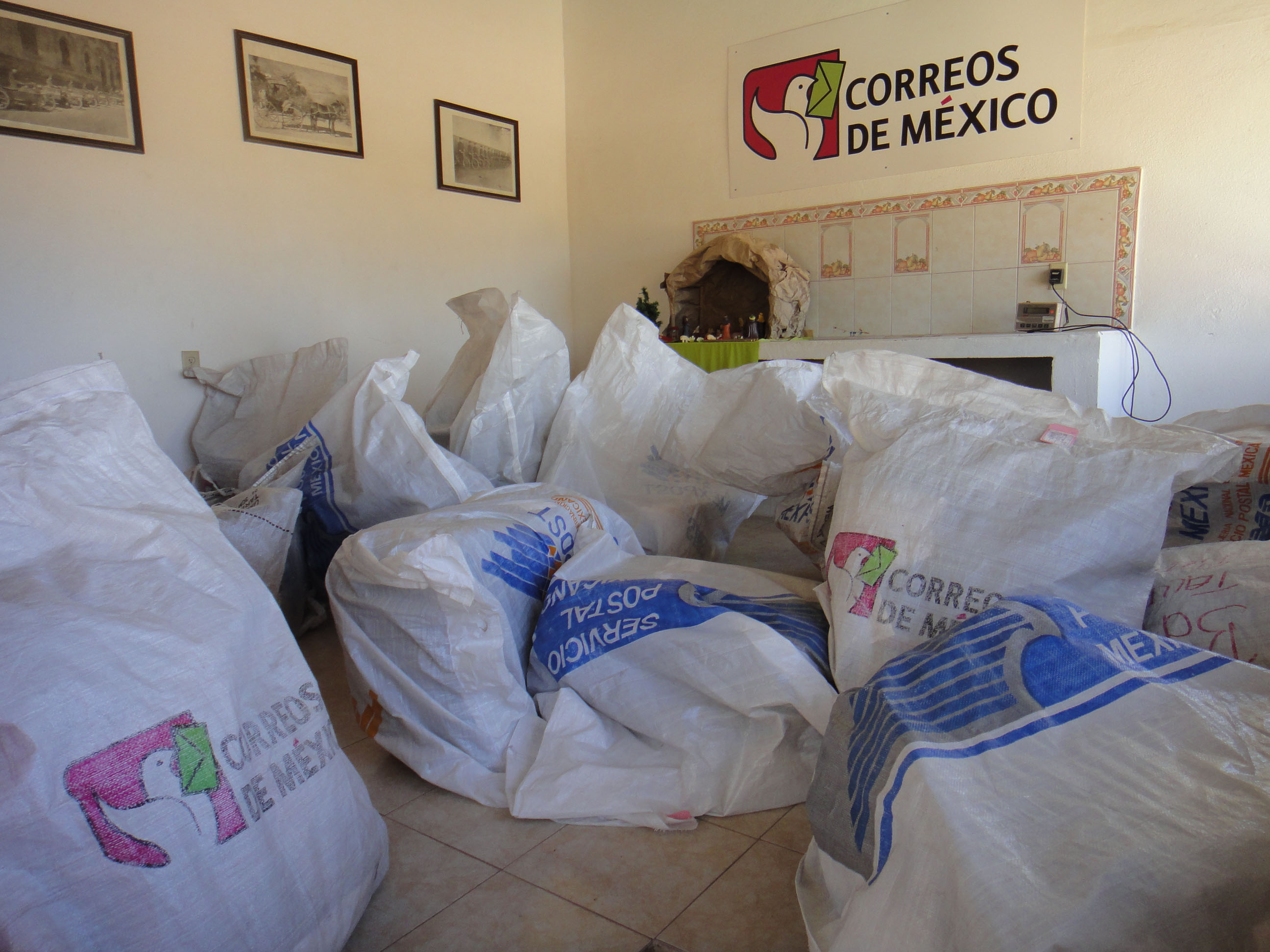
While in Todos Santos we visited the local post office as we needed to post something. It was like walking into someone’s house – but before reaching the office you had to climb over a little bit of post !
We hung out in Todos Santos for a bit but there wasn’t actually much there so we headed back to La Paz so we could be close for our ferry the next day.
La Paz – Sealions and Whales
From Loreto we drove straight down to La Paz which is the biggest town in Baja California Sur. We discovered on arrival that all of the campground’s have shut down – except one. The place that we had expected to stay has become a pretty flashy housing development !
Fortunately the one remaining campground, Campestre Maranatha, is nice with a swimming pool, a bakery/coffee shop on site and clean toilets and showers. There are also facilities for groups, in dormitories and on our third night here there was a group of Christian women. The downside of this group was a large amount of singing and guitar playing starting as early as 7.30 in the morning.
Our first task in La Paz was to book a ferry to the mainland so that we could continue with our journey. This took a couple of hours and I will blog about this separately.
After this we visited one of the big modern supermarkets in the town – the first proper supermarkets since Ensenada and then stopped in at a dive shop called the Cortez Club to arrange diving for the next day.
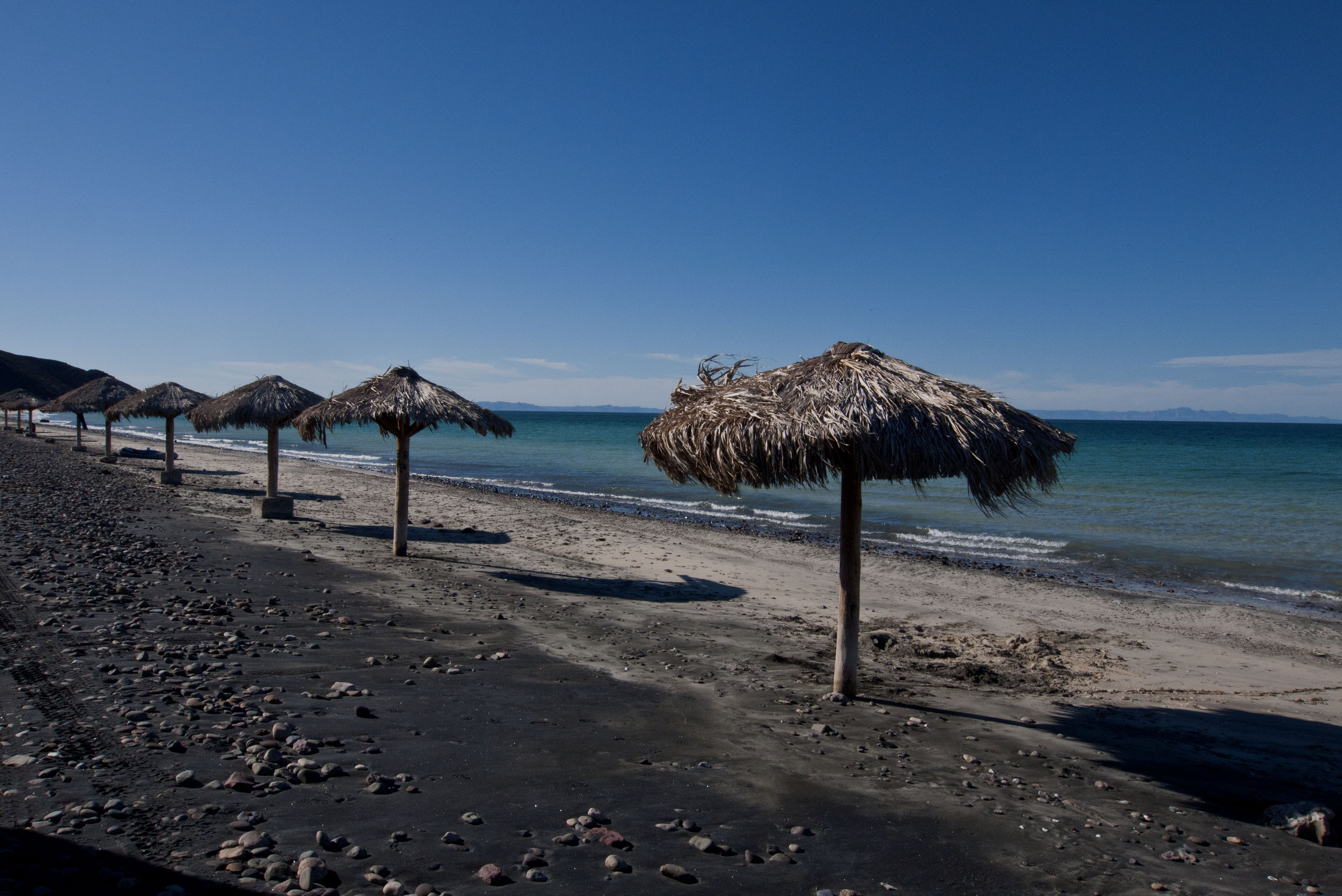
With our chores out of the way we drove up to one of the beaches which are South of town. Playa Tecolote. We had every intention of spending the night there as it was a nice beach with some Palapas for shade and at one end a cluster of restaurants and bars. However on arriving we settled in, opened the camper windows and then within seconds the camper was full of flies. A couple of weeks ago they had had some rain in this area (the first in two years) and this has meant a sharp increase in flies and even some mosquitos. These are the first real mosquitos we’ve seen since we were on the North Slope going to Prudhoe Bay. It didn’t take long for us to get fed up with this and head back to the campground for the night.
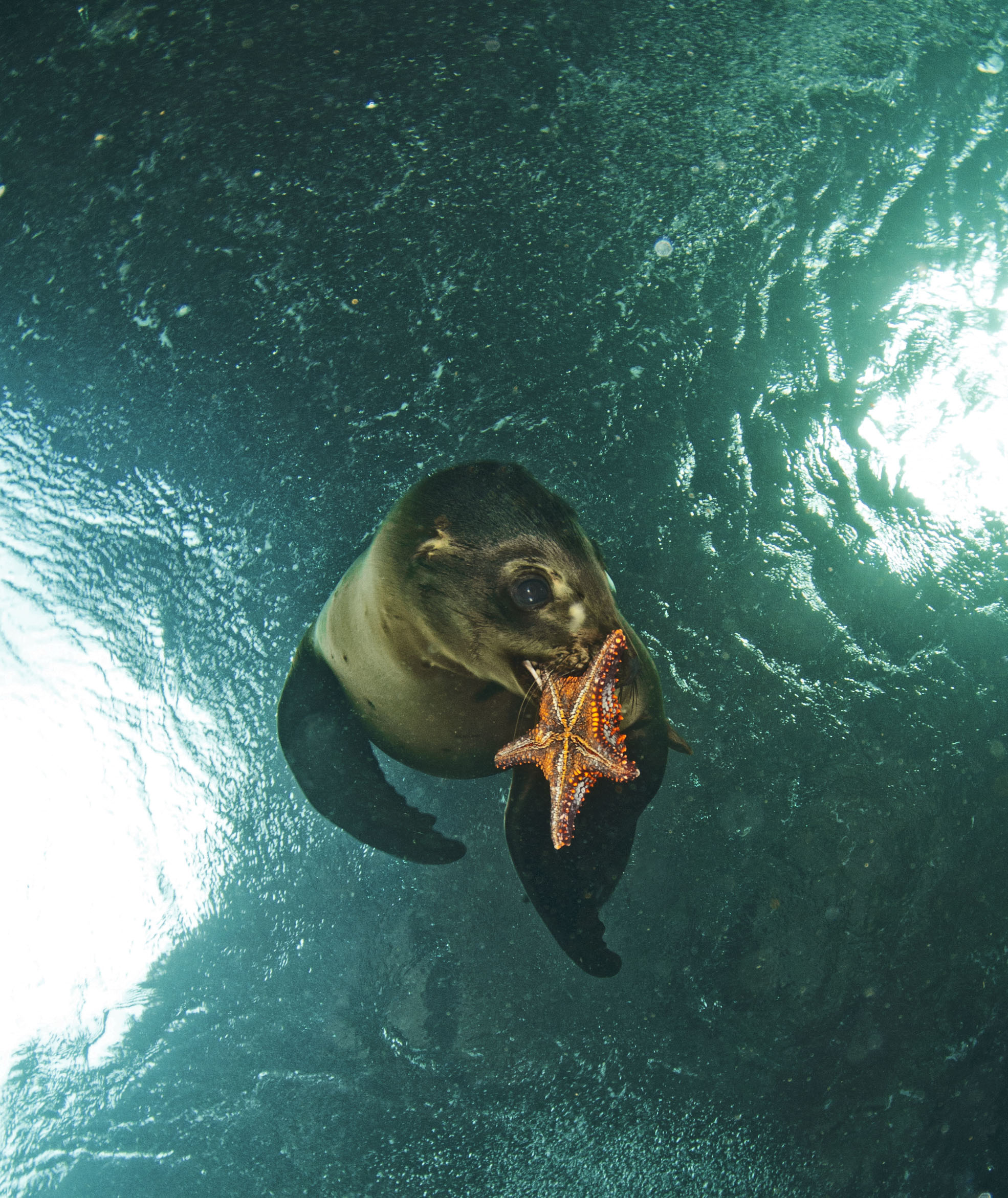
The next morning we were up early to get to the dive shop for an 8am start. We were quickly loaded up into a panga with 2 other divers (a couple of guys from California) and a Japanese divemaster (whose English was pretty limited).
The first dive site was over an hour away and we followed the coastline Southward before heading to an offshore island. This was called Los Islotes and is a famous sea lion colony. Once in the water (which was only 23c as opposed to the 25c that they’d told us it would be) we went through an arch and looped round one end of the island before coming back to the start.
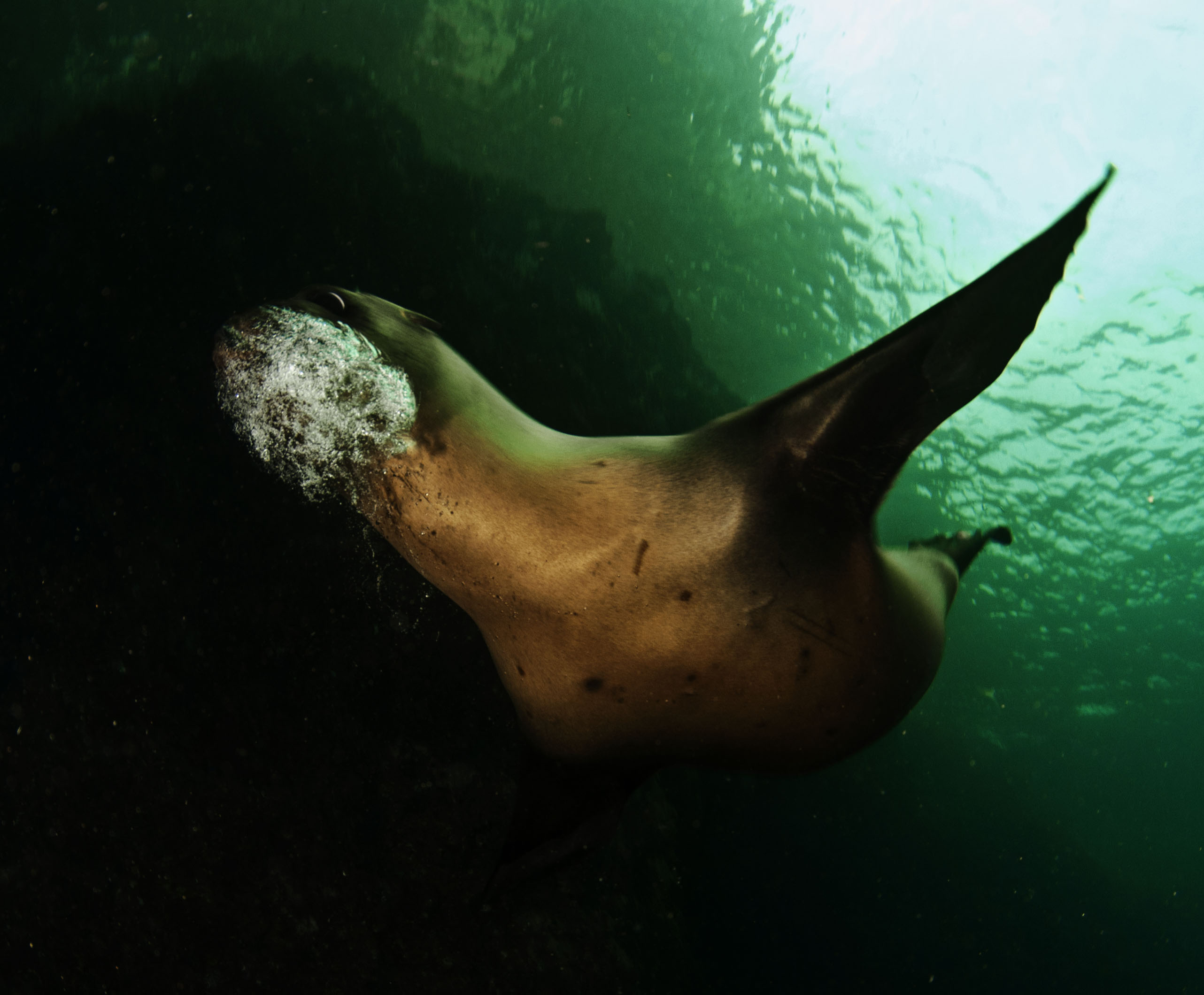
At one stage of the dive a big female sea lion and youngster swam by straight over my shoulder which gave me a bit of a start. The dive wasn’t that great until the end when we got to spend about 25 minutes playing with some pups who would fly around and around often waiting until your back was turned before sneaking up on you. One of the other guys on the dive got his fins nibbled by one of the pups a few times. I ended up being the last out of the water having spent almost 80 minutes on the dive.
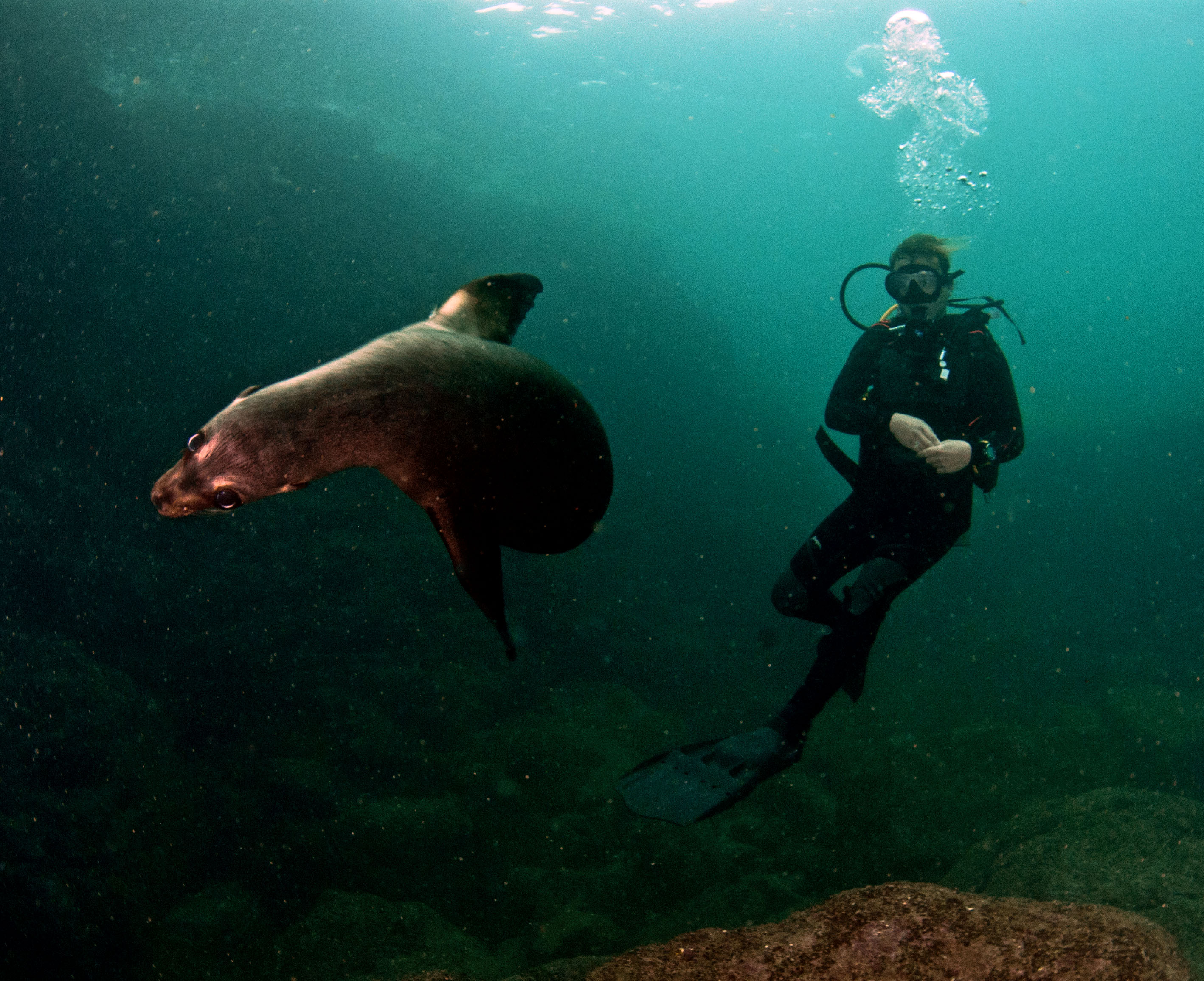
The down side of diving at this time of year is that the water temperature is only 23c – that’s pretty cold – particularly for me wearing a 3mm suit (albeit with a fourth element fleece top underneath) – memories of horseshoe bay in Komodo came flooding back at how cold it was.
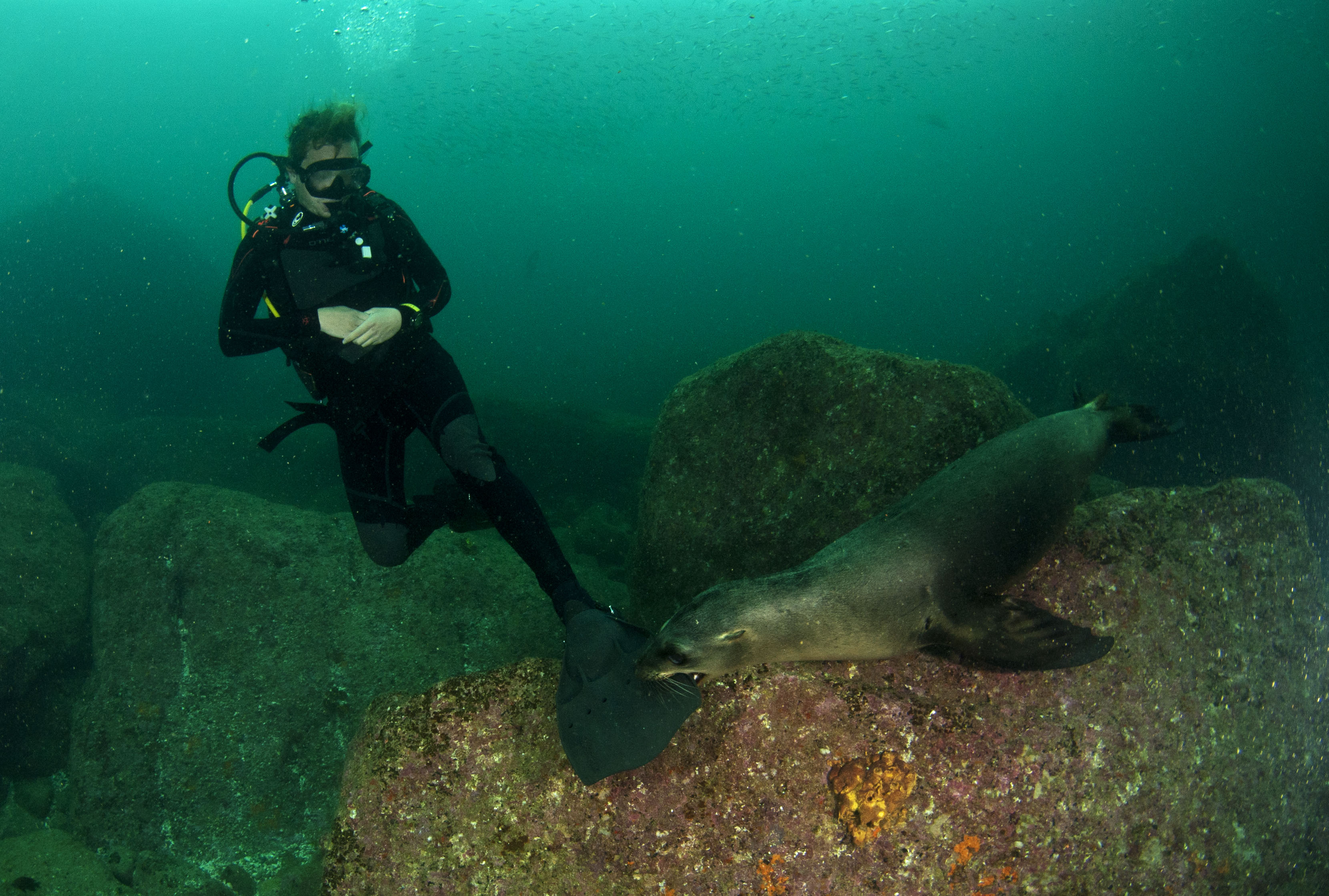
We had a spot of lunch back on the boat before heading off to the second dive site which was about 30 minutes away. This was the wreck of the Salvatierra – a ferry which sank around 30 years ago. We followed the anchor line down through the murk to the wreck which has been pretty flattened by the summer storms they have here. Visibility was only around 7m. The wreck was pretty and covered with fish life which made a good second dive. I particularly enjoyed penetrating the one part of the wreck that was still standing and moving down a corridor with a lattice work of windows to the open water.
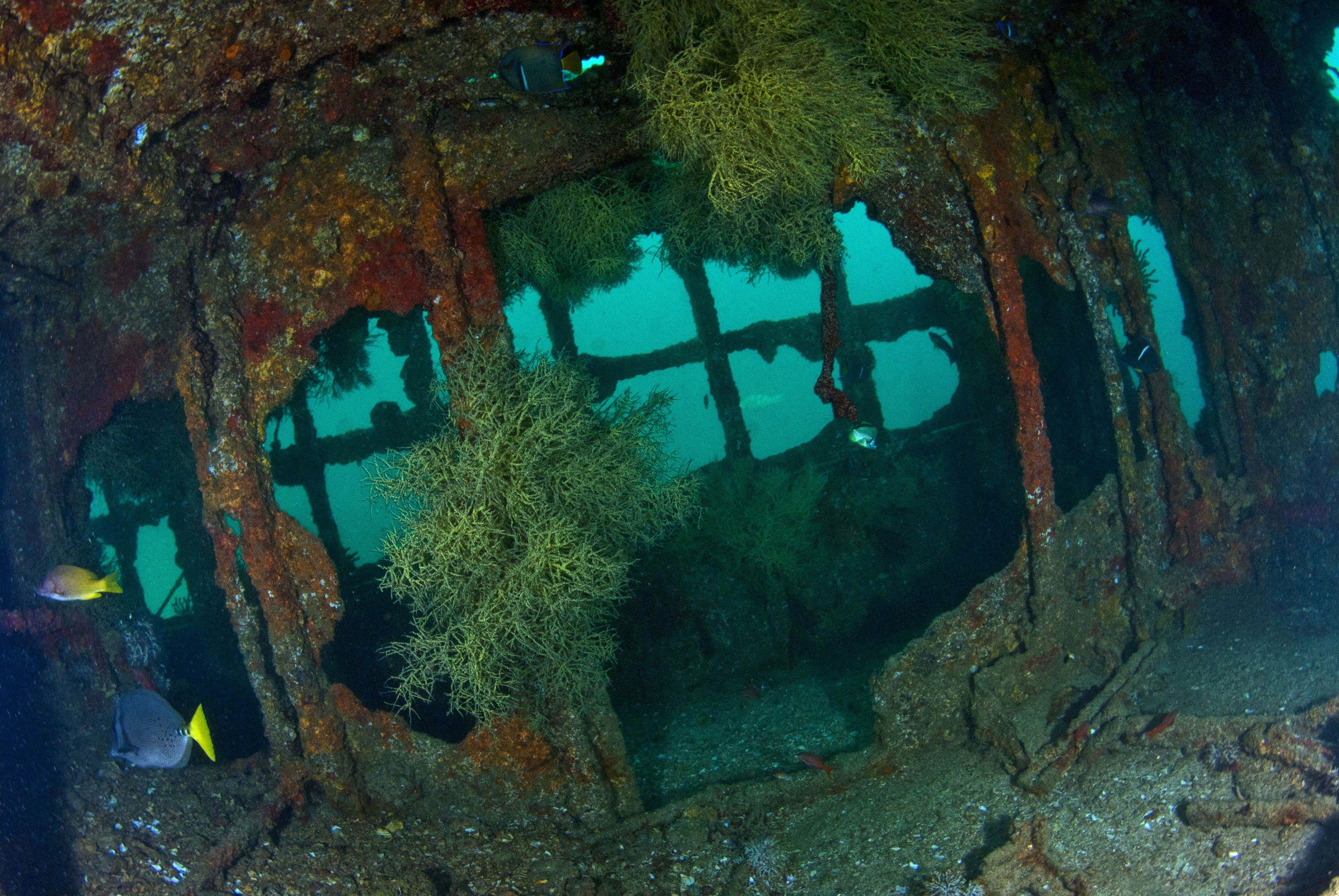
After about 50 minutes I was absolutely freezing and very glad when Sarah signaled to bring the dive to an end.
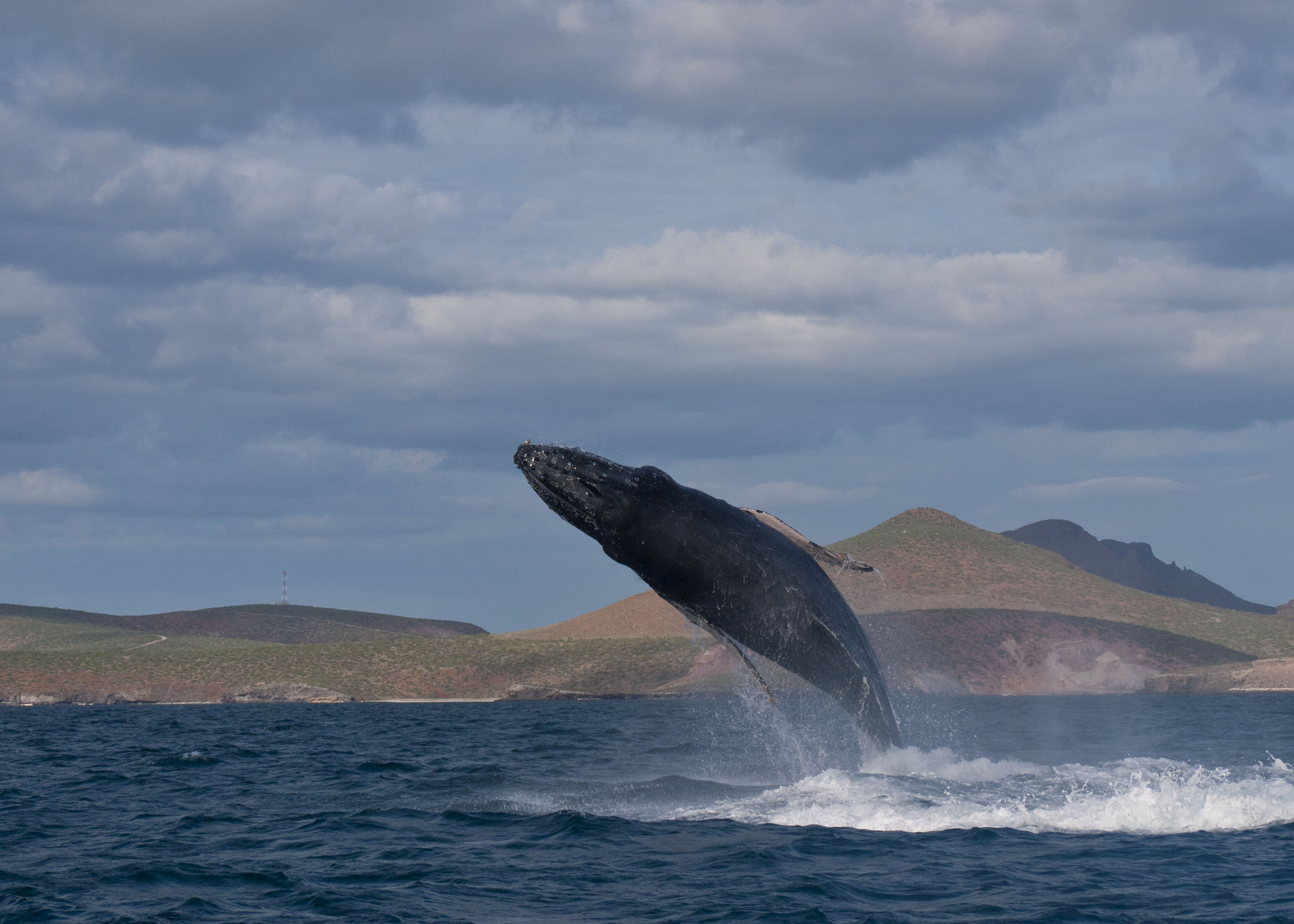
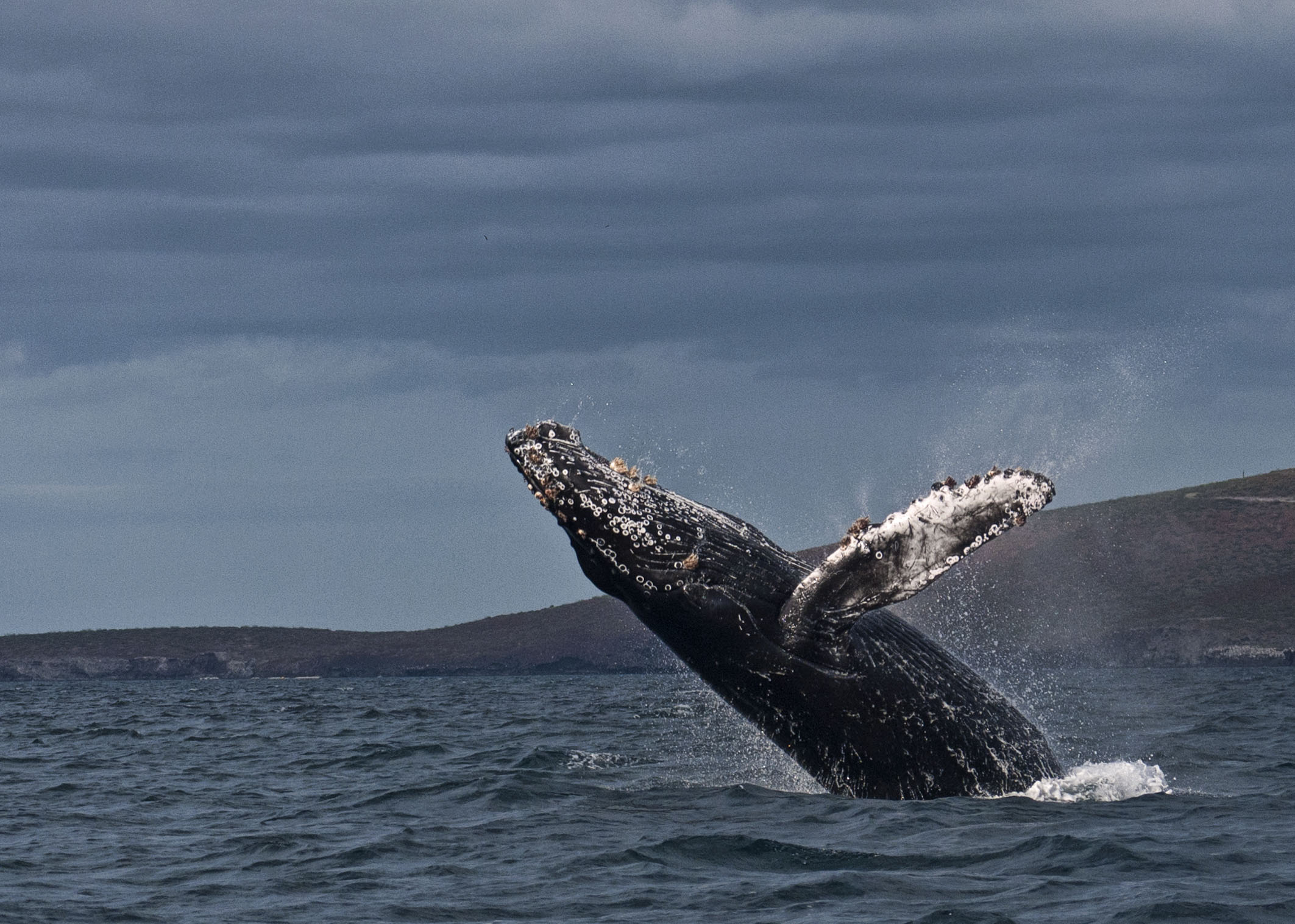
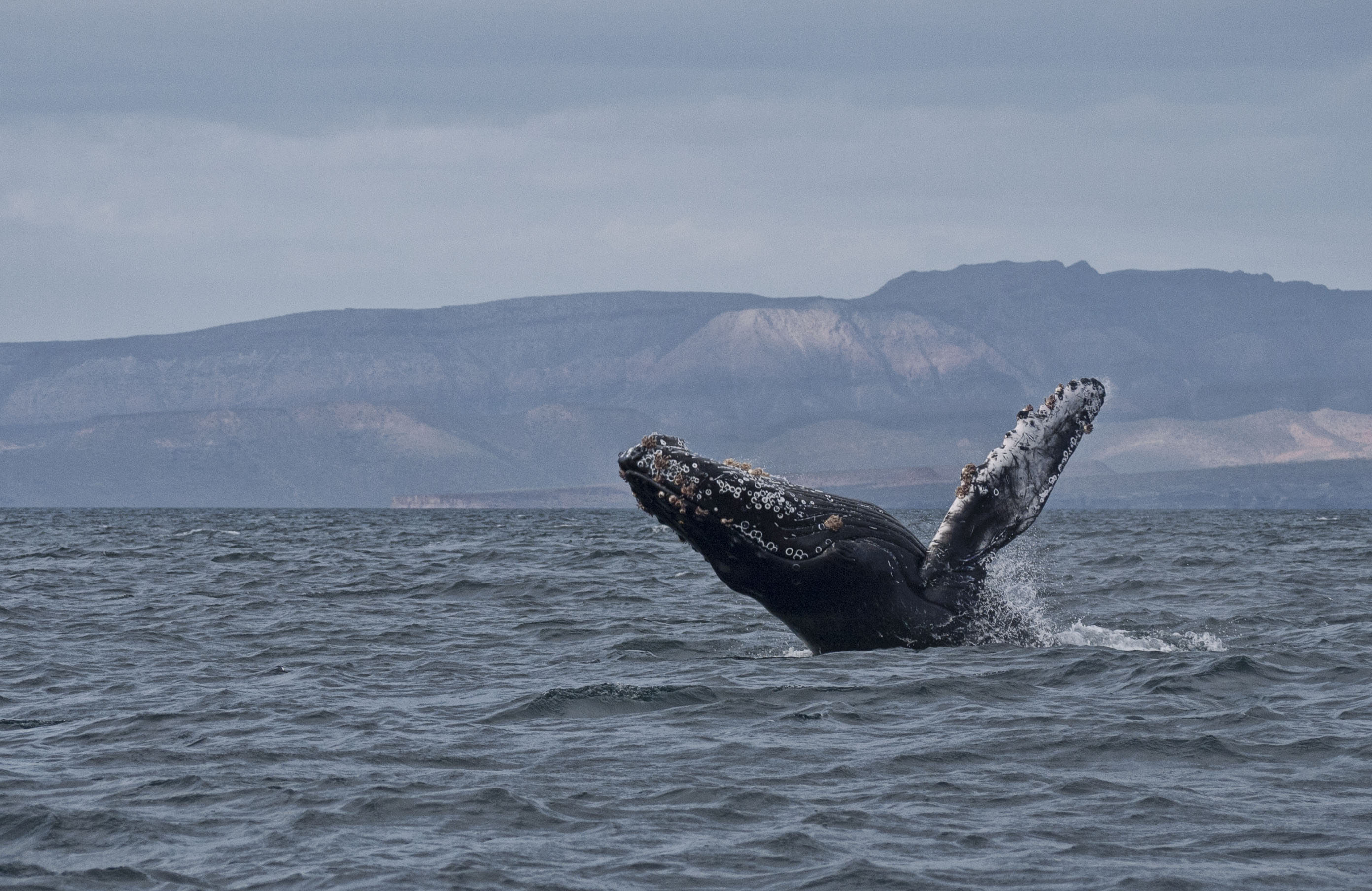
On the way back from these dives the boat captain spotted some whales and we made a bee line for them – with no other boats around. There were two young Humpback whales who were breaching again and again. It was so cool. We spent around 45 minutes watching them – and the time flew.
Once back on dry land we were both very glad to warm up and get dry. I think we need to be even further South for some warm water.
Loreto
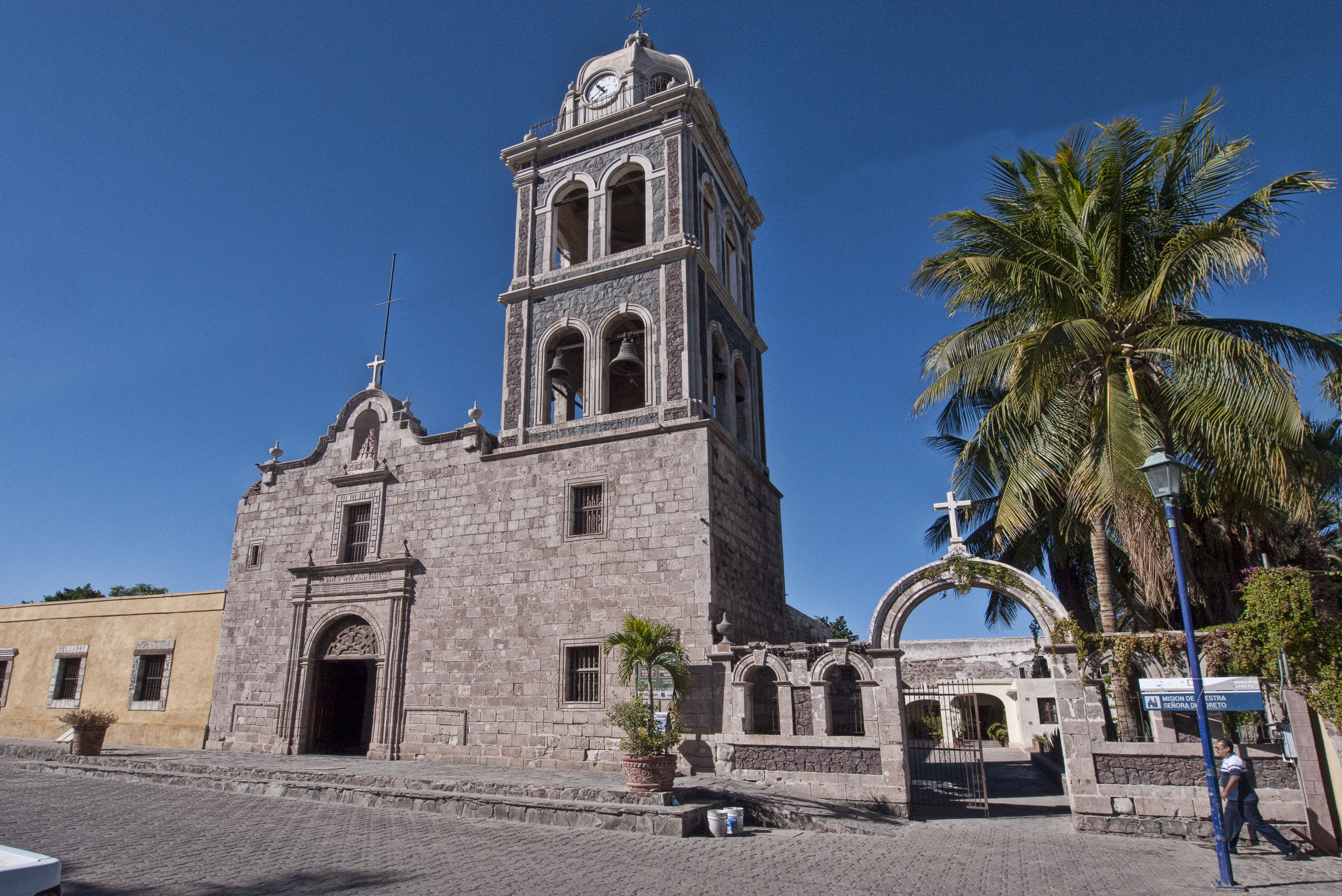
Our next stop on Mex 1 after leaving Bahia Concepcion was only 100km further South in the seaside town of Loreto. Loreto is one of the few places designated as a centre for tourism by the Mexican government and the only place between Ensenada and La Paz that you can fly in to directly.
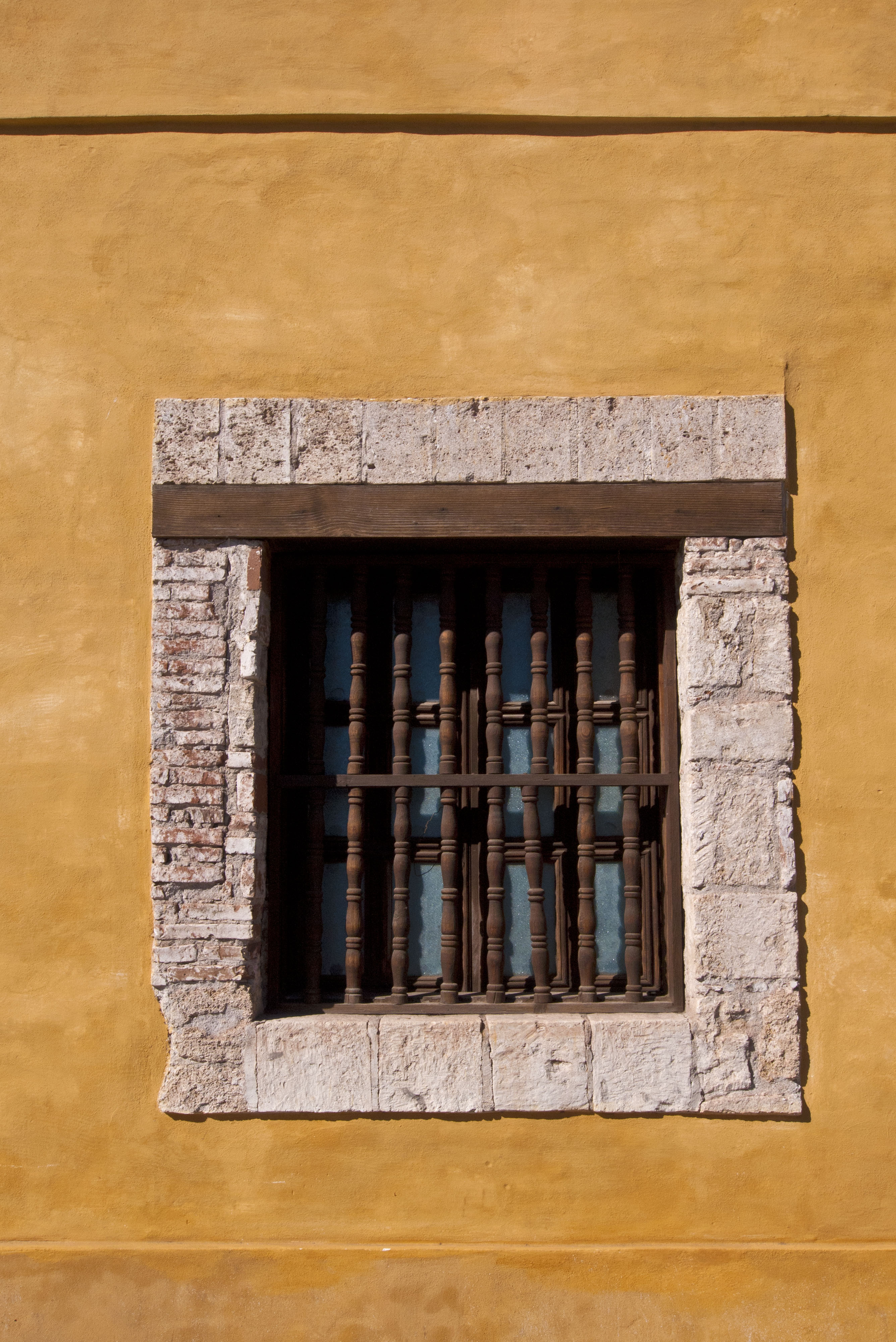
We arrived at our destination – a campground right in the middle of town quite early after an early start. This gave us time to wander round the town in the afternoon and have a relaxed lunch at a local restaurant. That meant Tacos for me and Burrito for Sarah. We had expected food in Mexico to be really spicy but have instead discovered that the base food is not at all and that spices are served on the side. This has been something of a relief !
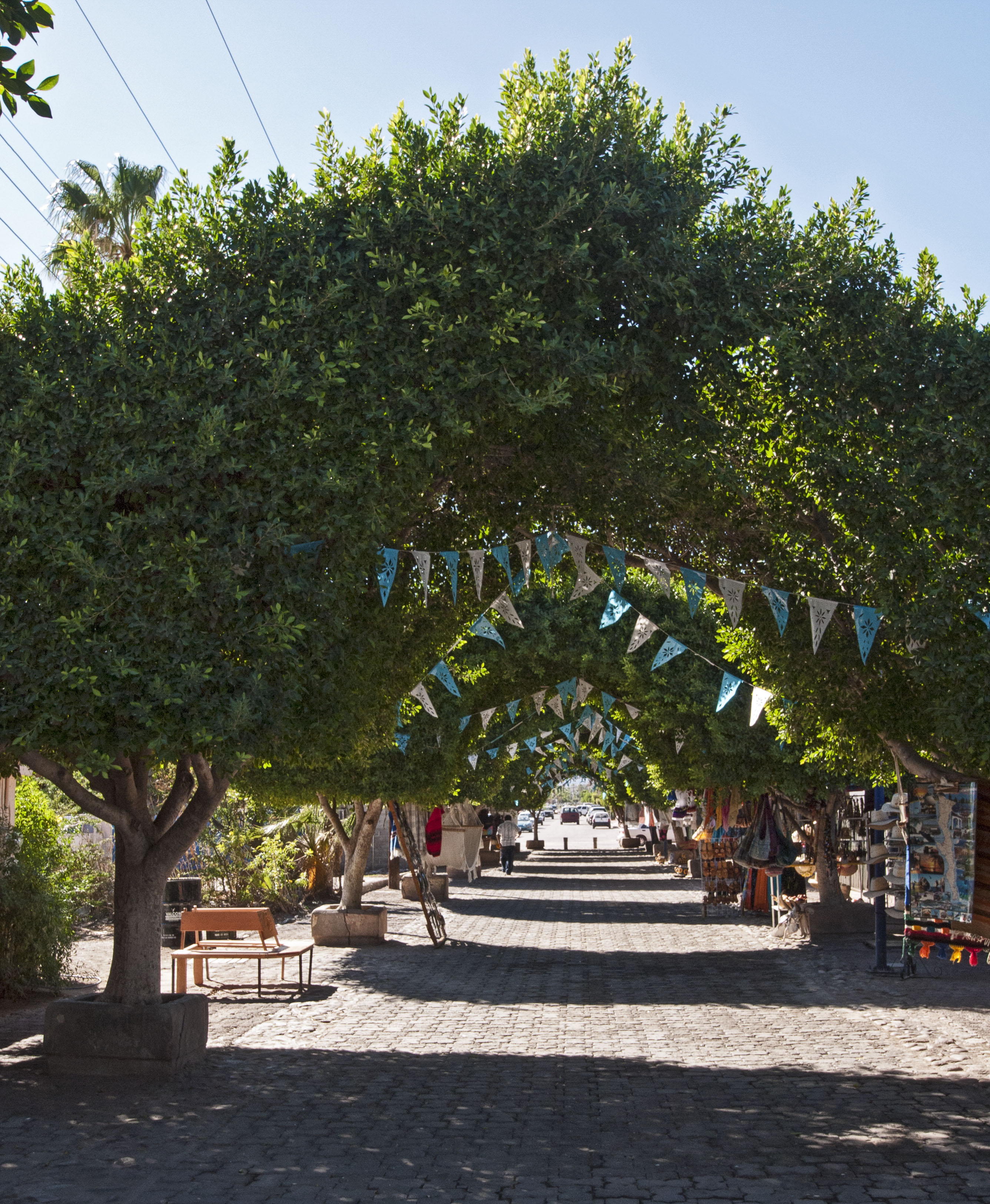
The centre of town is really pretty with tree lined roads (the trees arching over the road to create a canopy). Not roads for the Beast but great for strolling down. The town square, Plaza Salvatierra, is also very pretty – named after the founder of the town Mision. The Mision Nuestra Senora de Loreto de Concho was the first permanent Jesuit mission in Baja and was founded in 1699. The church is still holding regular services today.
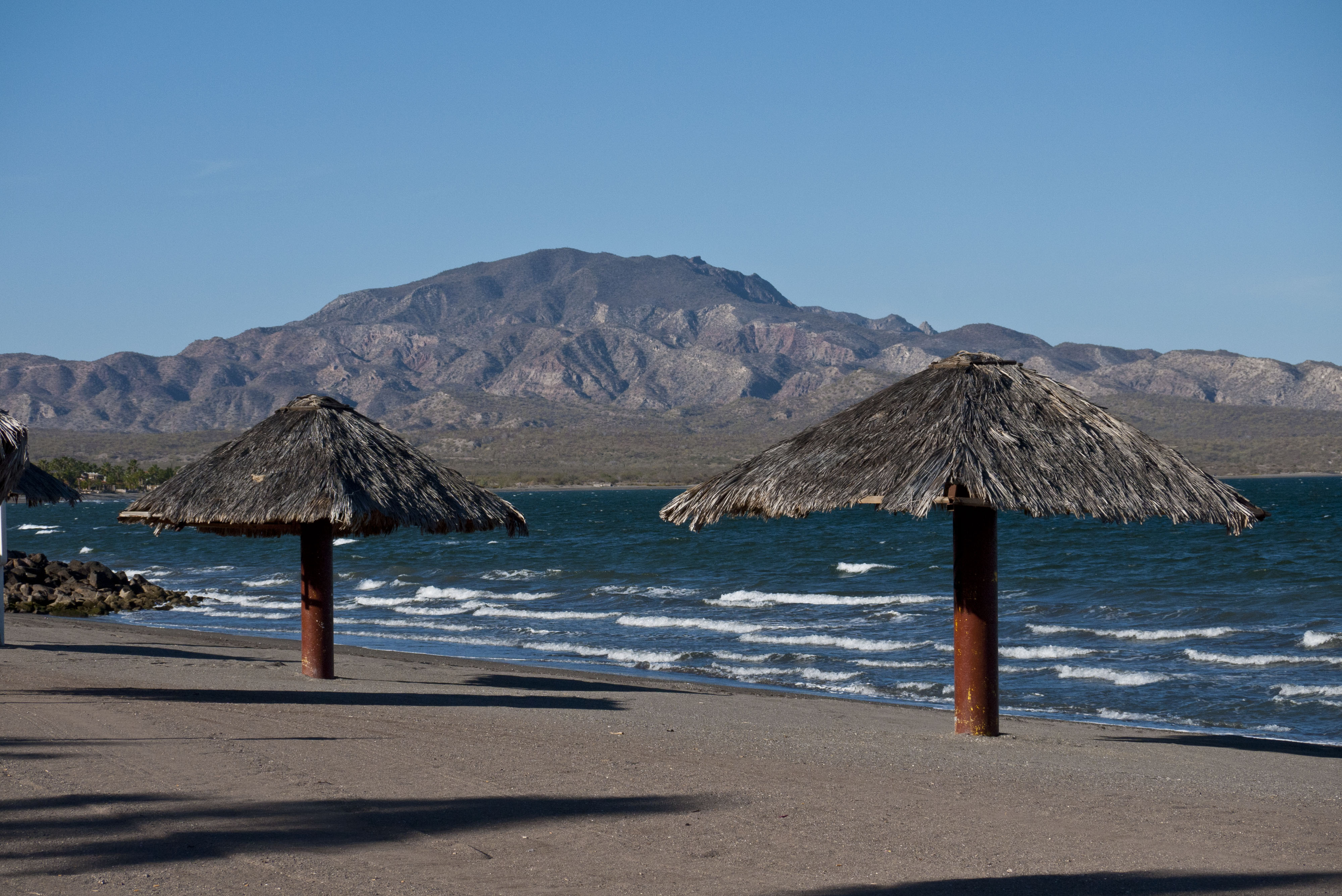
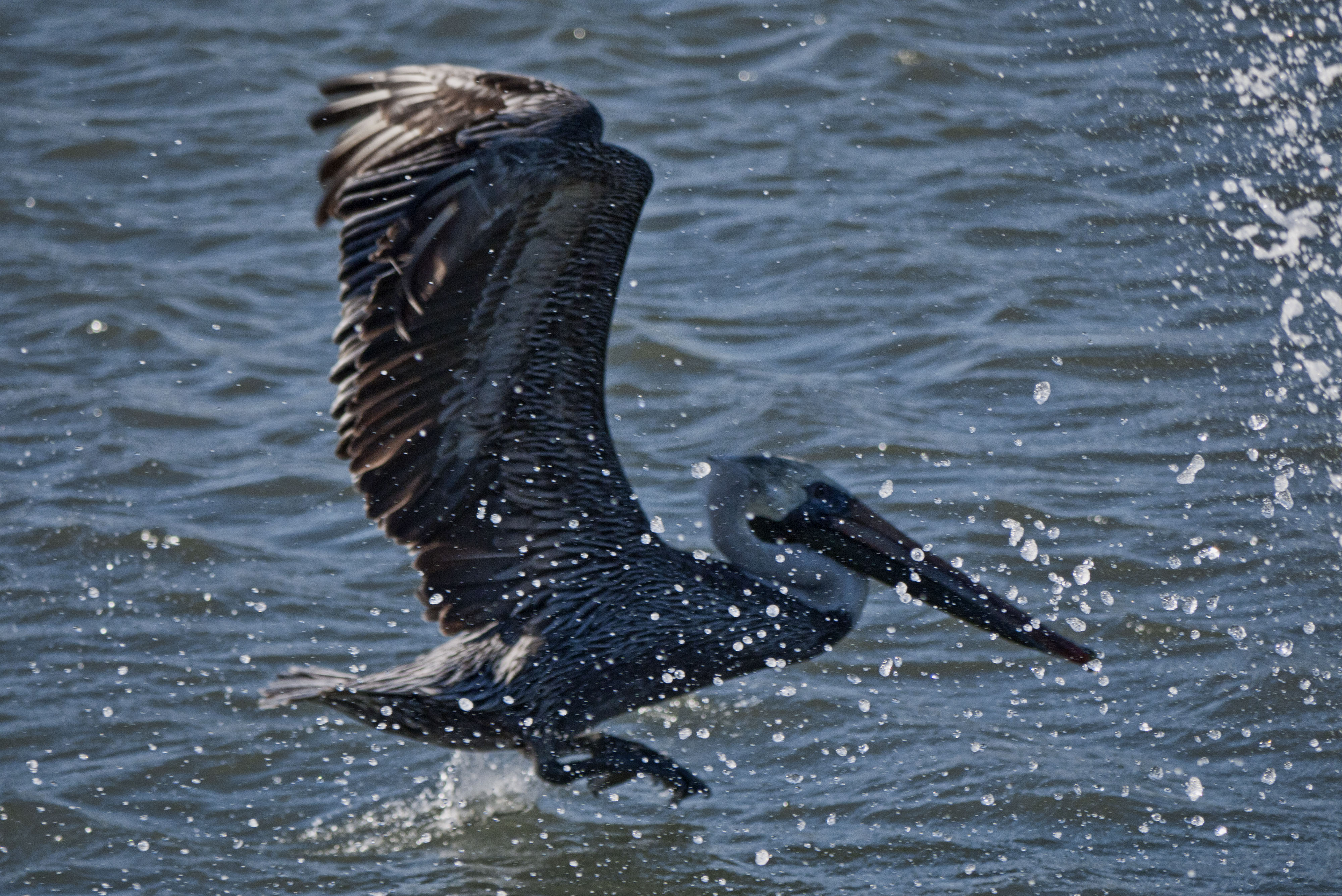
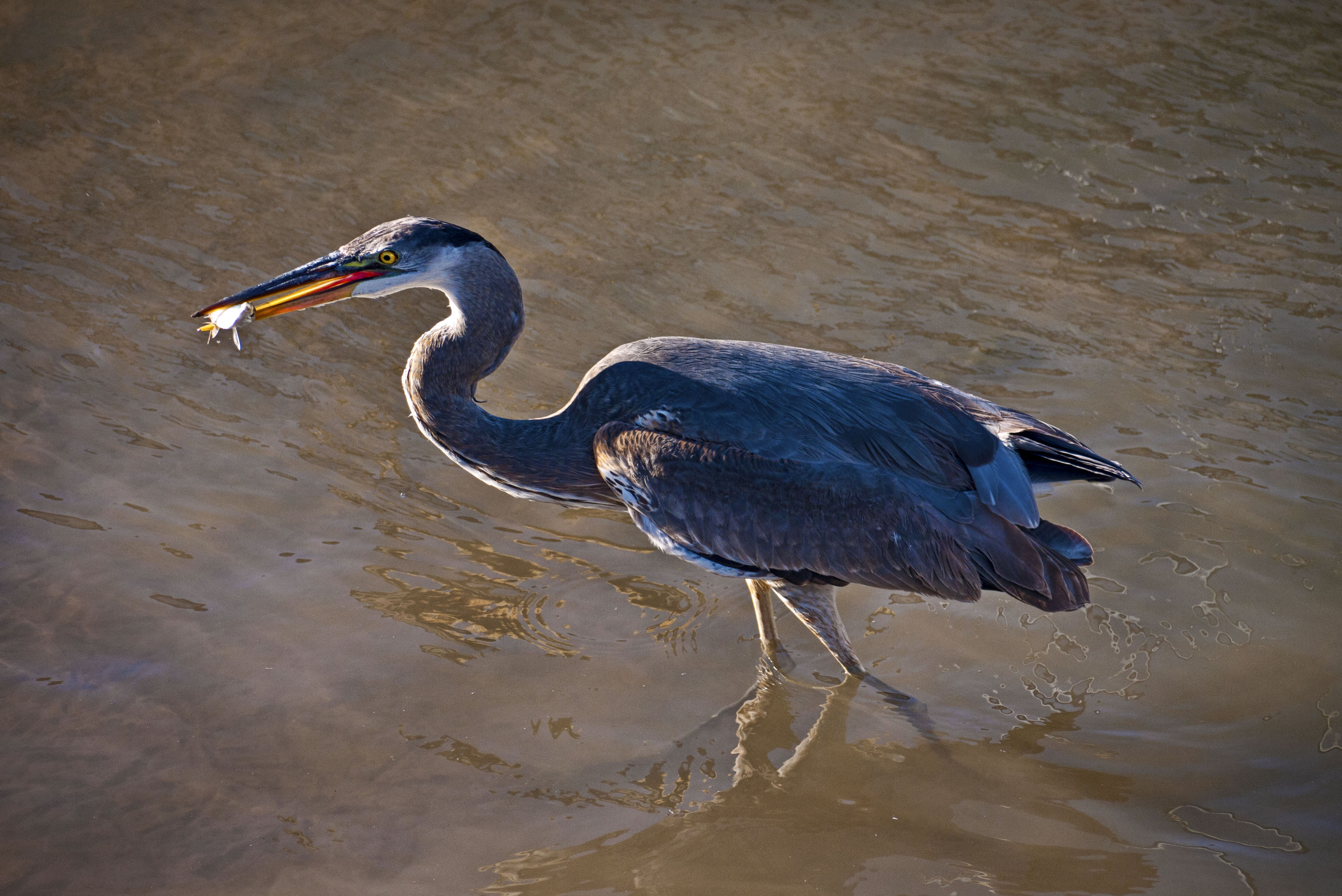
Loreto also has a Malecon, seaside promenade which runs along one edge of town. Around half way along is a harbour where pelicans, cormorants and herons fish. Watching the birds fishing is fascinating as every few seconds one type or another will dive bomb into the water. At times it felt a bit like watching a war scene.
 FromAtoB