Laguna Cuicocha
High above the town of Otavalo is a beautiful crater lake called Laguna Cuicocha. It is in the massive Cotacachi-Cayapas reserve but it is free to enter. There is even a paved road all the way up. There have been some changes here though and it is no longer possible to stay the night at the lake.

After talking to the ranger at the visitor centre we decided to try and walk round the whole lake. He had told us that this was a walk of around 6 hours however as it was already 1.30pm we knew that we needed to do it quicker than this.
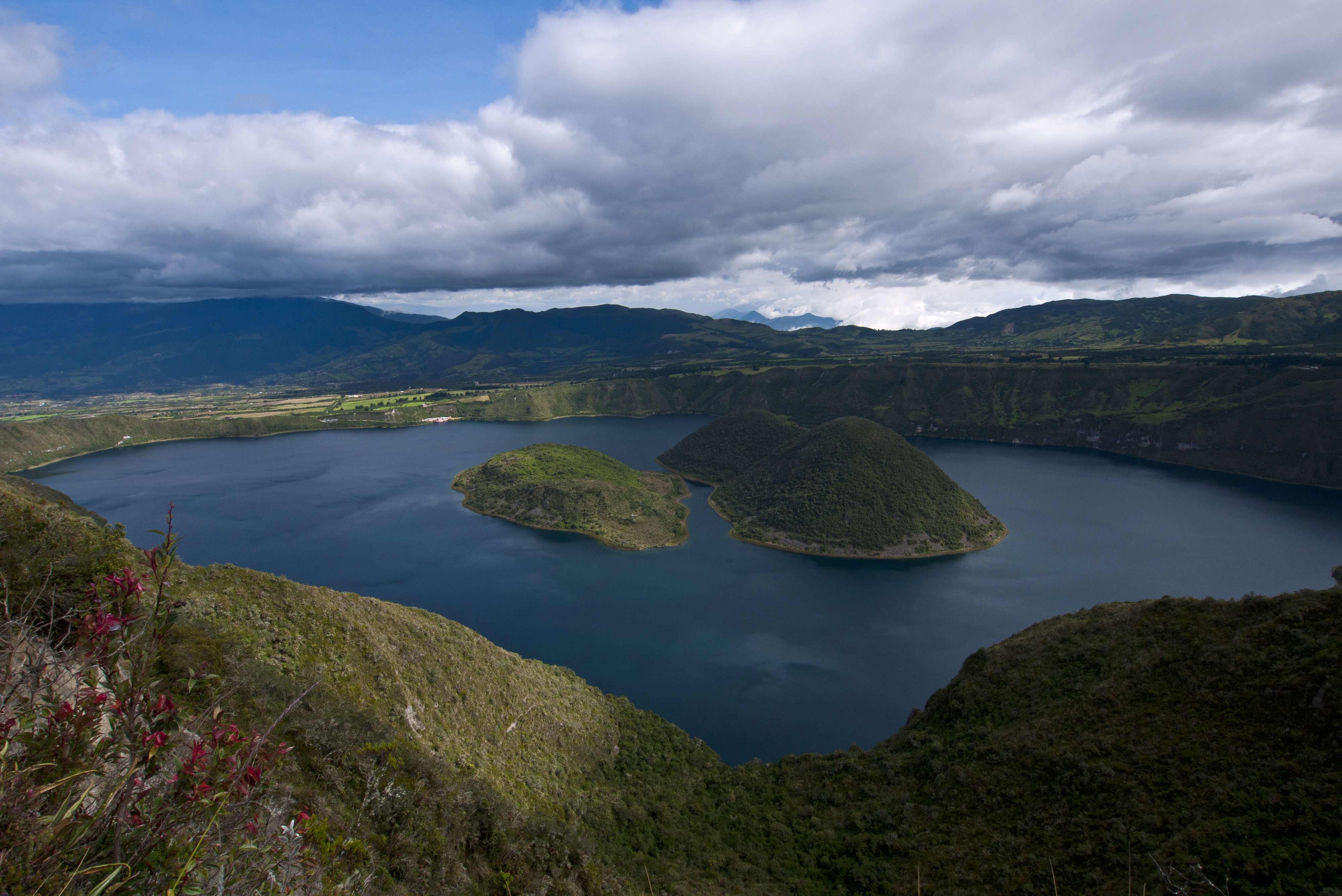
We decided to walk counter-clockwise and this meant that we needed to climb to begin with. The first third of the walk involved a climb from 3000m to 3500m at the highest point. The views across the lake were stunning and you could see right across the valley to Otavalo. Once on the backside of the lake there were also views deeper into the park which had a stark Paramo landscape.

We were a little disappointed that the last quarter of the walk you have to come away from the lake edge and walk down a road but its all downhill and goes quickly. We finished the walk in around 3hrs 45mins so we made it back well before dark.
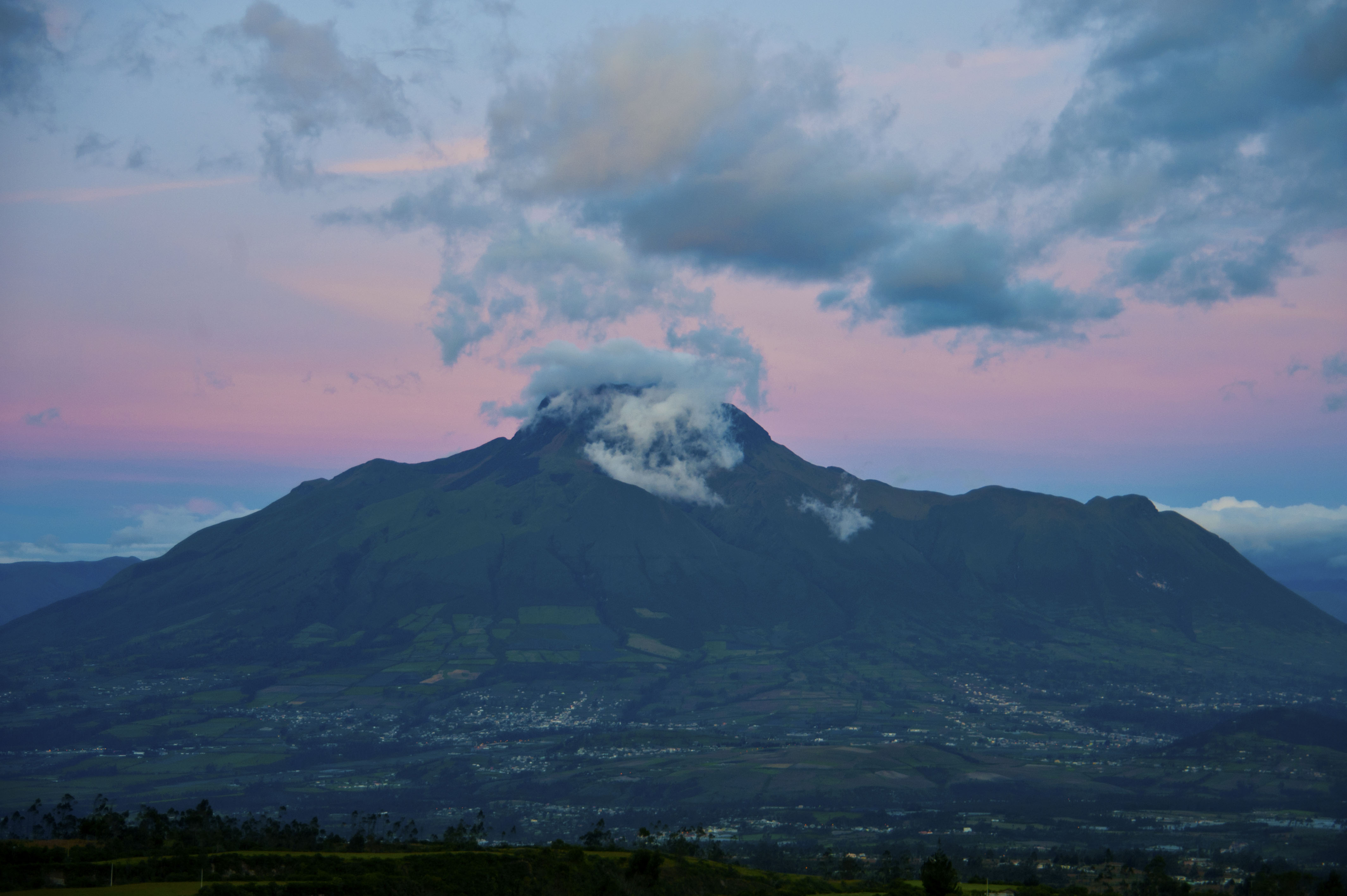
Now we had to find somewhere to spend the night – fortunately I’d spotted an area to pull off the road just before the entrance to the Laguna. It was a spectacular place to spend the night, overlooking the Otavalo valley and was very quiet.

Tulcan to Ibarra

After crossing the border from Colombia the first town that you arrive in is Tulcan which has little to recommend it. However it does have a famous graveyard which is filled with Topiary. Not normally the kind of people who get excited about Topiary we nevertheless decided to check it out.

After managing to park right outside we spent a pleasant half hour walking around and marvelling at the elaborate shapes that the bushes had been cut into.

After leaving Tulcan we headed South on the Pan-American which drops through a hot valley before climbing again as you approach the town of Ibarra – known as the white town (I think we’ve heard that before !).
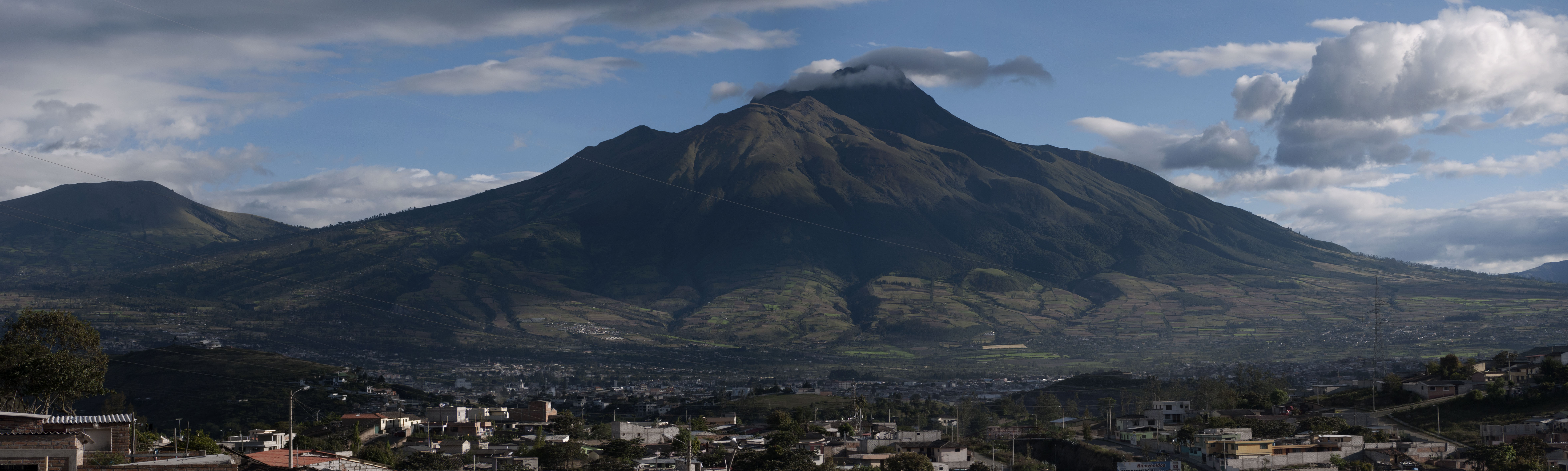
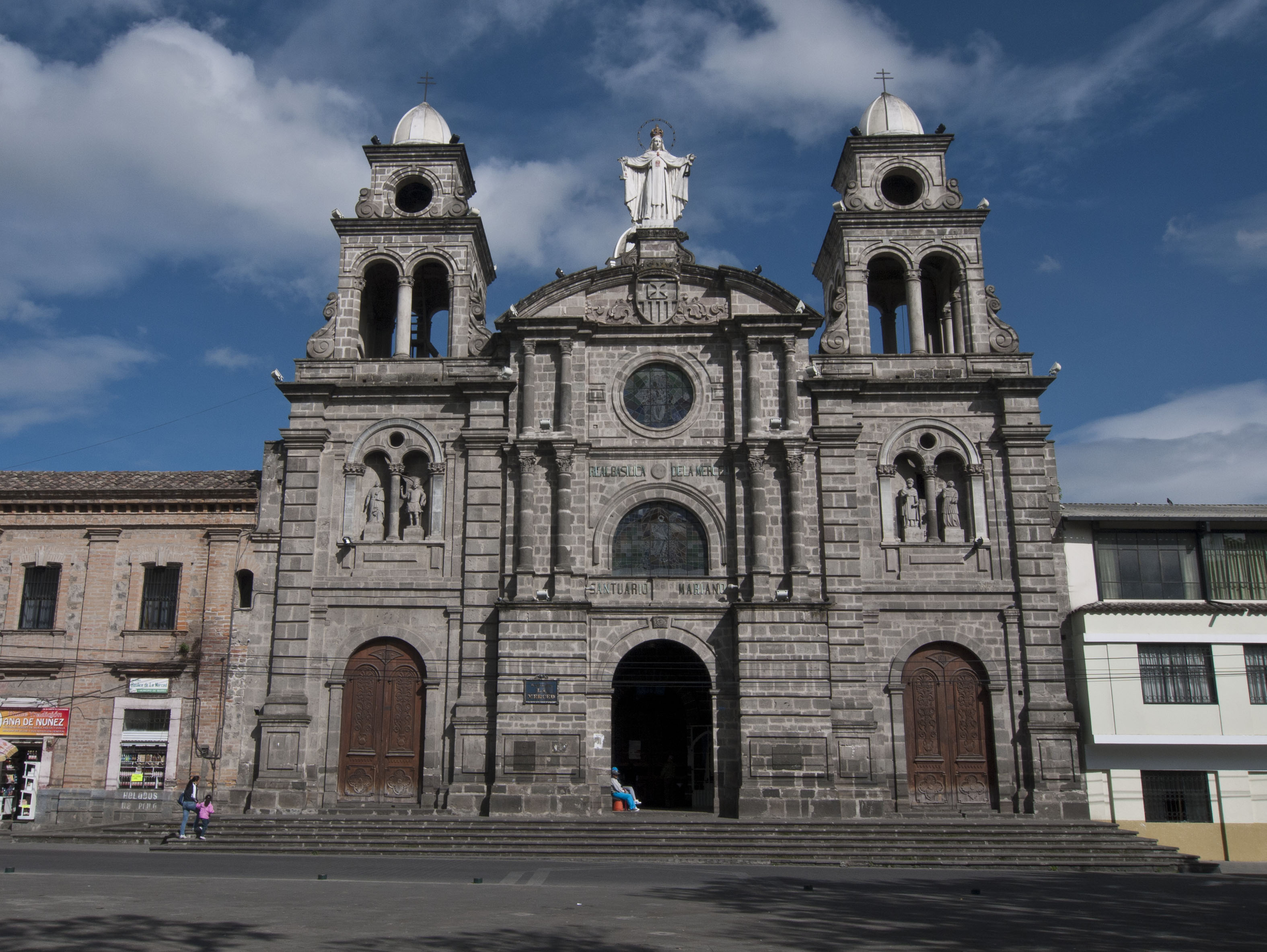
We stayed the night at a petrol station just outside the city and then in the morning drove right into the town and parked 200m from the central square. This allowed us to wander round the town and see the sights. The town is nice but the centre doesn’t take more than a couple of hours to slowly walk round.
From here we continued to drive South and made our way into the hills above Otavalo and the Laguna Cuicocha.
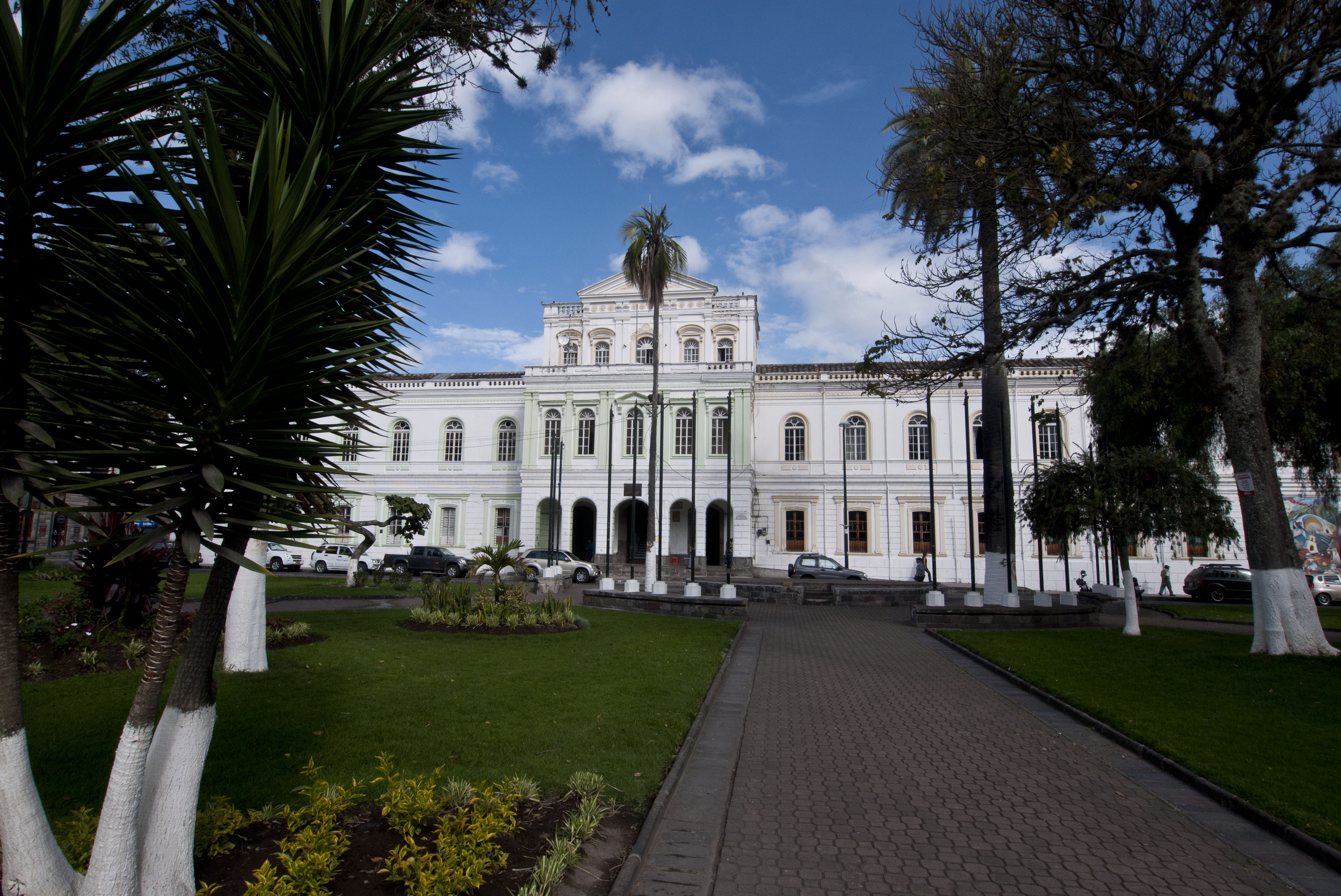
Driving in Colombia
Driving in Colombia is really expensive. Almost all the paved roads are toll roads with relatively expensive tolls – we’ve paid between 6,300 and 16,400 pesos. The tolls are around every 50-100km although we’ve had them twice in 10km. The total cost for us was 251,200 COP or around US$140.
The tolls depend on the no. of axles and size of vehicle. We have successfully argued that we are Category 1 at all the tolls that we’ve been through, except one at the beginning when we didn’t really know what they were looking for. Usually the person at the toll booth has to make a phone call but we’ve stuck to our guns and got the cheapest rate. So if you have 4 tyres it doesn’t matter how big you are you should get Category 1!
There are a lot of roadworks in Colombia. We’ve had to wait over an hour a number of times before our lane has been opened to go past the roadworks. You have to be really patient and don’t expect to make fast miles. In ten years time there will be an amazing road system but for now expect delays.
There are lots of police checkpoints. We’ve been stopped a number of times but all they want to see is your passport, driving licence and vehicle import document. After a few minutes they will let you move on. We haven’t been asked for our SOAT insurance and we have only been stopped by one of the military checkpoints and they were very polite and just checked the same things as the Police.
The driving standards in the North around the Caribbean coast seemed to be much worse than when you get further south.
In the Zona de Cafetera on the main roads there are roadside places called “Cau”. These offer free local coffee and tourist information (not much that’s useful though). What makes these places so useful is the free WIFI and nice bathrooms.
Once of the main roads the quality can deteriorate really fast. The dirt roads through the mountains are in fairly bad shape and have lots of trucks on them. The Road from Mocoa to Pasto is particularly bad and expect it to take 7 hours from Mocoa.
When in the mountains leave more time than you expect for even relatively short distances. Trucks on narrow roads will really limit your speed – unless of course you throw caution to the wind and overtake like a local. Also although straight line distance looks short the road winds and twists so much it limits speed and takes a lot longer.
Colombia to Ecuador Border (Rumichaca)
We stayed the night before in a hotel car park around 500m before the border. We always try to do border crossings as early as possible to avoid the crowds that often appear later.
The Colombian side of the border was fairly quick and easy. We drove slightly past the border building and parked out of the way on the road and then walked back to Migracion. This was a 2 minute process, although we did have our finger prints scanned – all very hi-tech.

Then all we had to do was get our vehicle import papers cancelled. It took a couple of minutes to track down the right building – you need to go to the Dian window for importing vehicles. You go inside the building hand your Temporary import papers to a guy and you’re done.

So far so good.
We hopped back in the Beast and drove the 250m to the Ecuador side of the border. Here we were directed to park behind the customs building and then go do our paperwork.

The migracion section was easy to find and is the same place for exit and entry. We handed over our passports and instead of stamping them the immigration officer placed them in a printer which gave us a printed entry. We got 90 days without asking.
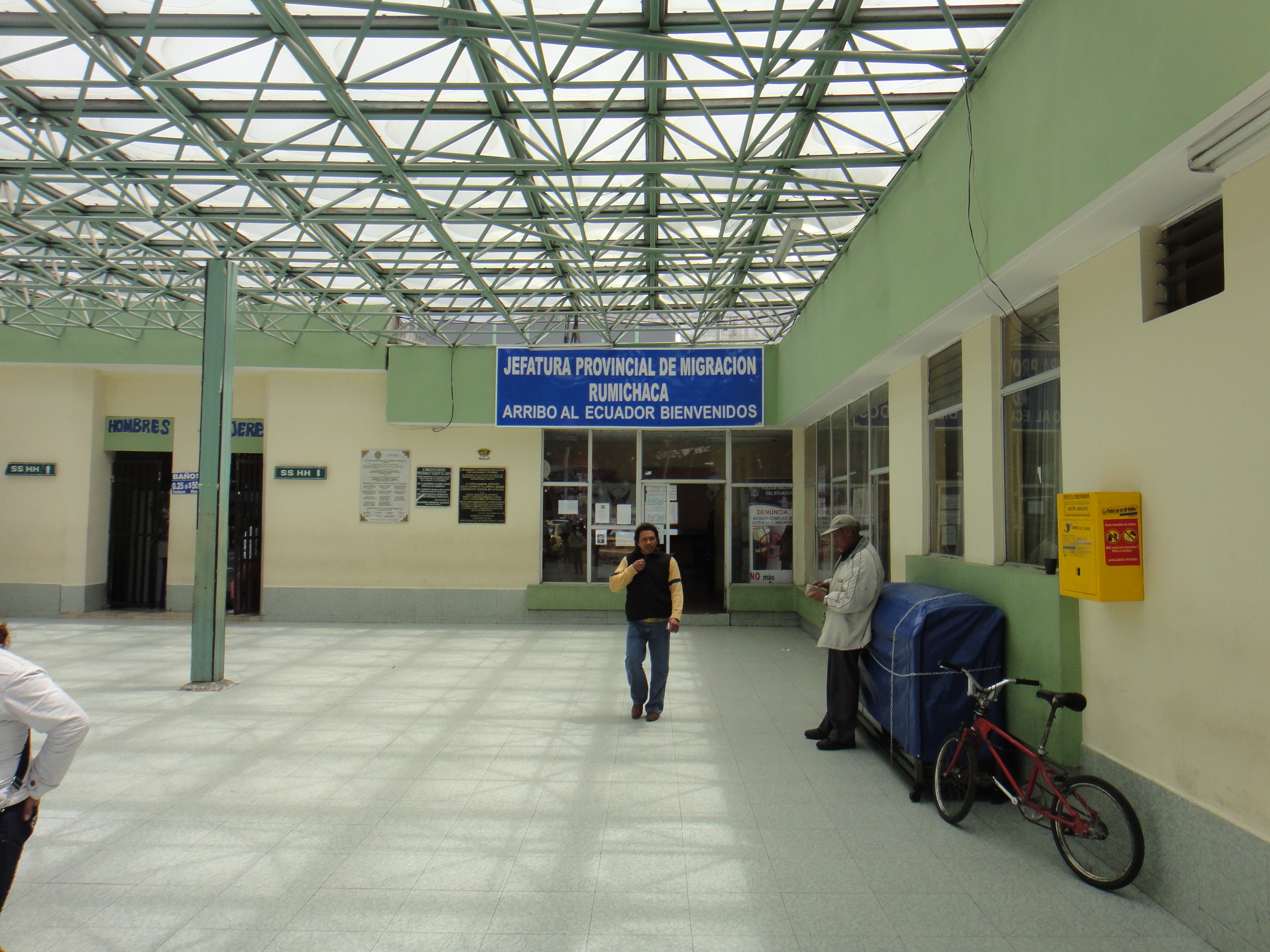
Next we had to find Aduana. This was a bit more difficult as it was an unmarked office. To get there go out of the main entrance to migracion and turn left when you hit the road. The office is a small room right at the left end of the building.

Here the customs official spent a few minutes filling out an online form – he needed copies of the registration, my passport and driving licence. He also needed to come out see the truck and check the VIN number.
Once this was done we got a printed Temporary Vehicle Import Permit for 90 days.
To get into Ecuador we had to drive round the building and then turn right up the hill. All done in less than an hour, the quickest border crossing we’ve done yet. Maybe the crossings in South America will be more straightforward than Central America.
Camping Places in Colombia
Navy Museum Car Park, Cartagena (N10 25.273 W75 33.162)
Large car park where we parked for a night. Cost: Col 23k. From approx 8pm until 1pm next day. The spaces in the car park itself are quite short but there is room for bigger vehicles by the entrance. 24hr Security.
There is also a secure car park by the convention centre which is bigger. However this was closed due the Summit of the Americas while we were there.
Playa Veneto (N10 57.052 W75 01.726)
Long sand Beach. Parking on beach in front of row of Palapas. Absolutely deserted during the week. There are restaurants which I assume are open at the weekend but were closed. Free. Porta-toilets are available.
Casa Grande (N11 16.692 W73 51.909)
Relaxed beach camping with power, flush toilets and cold showers. Palapas available. Large area available for camping – however sand gets deep towards front. This is right next to Tayrona NP but not in Park. Small restaurant and bar on site. Empty during week and slightly busier at weekends but not too bad. Relatively expensive at COP 25,000 per night.
Terpel Petrol Station, Pelaya (N08 40.814 W 73 39.505)
Petrol stations just outside a small town. Quiet over night. No Facilities. Free.
Parque National de Chicamocha (N6 47.366 W73 00.255)
Free Parking overnight. Power available from toilet block at end of car park. Check with police that its ok. Great view down into gorge from parking. Very quiet for night although car park is brightly lit.
El Candado, San Gil (N6 34.223 W73 06.484)
C20,000 per night camping. Water, power (from socket by gate), showers (cold) and nice toilets. Big swimming pool – cool but very refreshing. Owner is father of owner of Casa Grande on coast – very welcoming. Turn from road is not that obvious but is opposite petrol station about 5km South of town – up the hill. Pass over narrow bridge, through mock castle gateway (high clearance – we made it underneath with an inch or two to spare) and down dirt track to Candado. The left turn between the gateway and the bridge on the way out is tight, may not be possible for vehicles much longer than us (25 feet).
Camping San Jorge, Villa de Leyva (N5 38.915 W73 31.133)
C11k per person per night. Water (tap on main building) and Electricity (sockets in small camping palapa) available. Hot showers + flush toilets (very clean). Friendly host and lovely dogs. We were the only people there during the week but a few tent campers turned up for the weekend. You have to drive down a rough stony track to get there and the turn from the main road is N5 38.915 W73 31.133. No height restrictions and large gravel car park for turning around.
Terpel Station, Outside Tunja (N5 29.499 W73 24.185)
Terpel Station. Free. Good clean toilets in small shop. Free.
Alternative for Tunja: Unicentro Mall (N5 32.810 W73 20.830)
Carrefour supermarket plus a number of fairly upscale shops. Could spend night in street outside. Parking for larger vehicles not in car park but quiet street next to centre. Free WIFI in mall.
Secure Parking next to Portal 80 Mall, Bogota (N4 42.725 W74 06.533)
Secure Parking next to Portal 80 Mall (excellent mall with free wifi). COP 23k per 24 hours. Transmilenio end of line is just next to mall – can take bus from here straight to Av. Jimenez for La Candelaria region.
Terpel Petrol Station, Fresno (N5 09.290 W75 01.916)
Overnight stop. It was late and we didn’t have much choice. Attendant asked for COP 10k for night. Quiet overnight. Very small area and we just managed to squeeze in at back.
Outside Termales de Santa Rosa (N4 50.579 W75 33.349)
Outside entrance to Santa Rosa Thermals. Large gravel parking area. Fine to spend night here. Free. No facilities.
There are two sets of thermals inside the gate. The Baleanero is just inside the gate. We went to the hotel which is a bit more upscale(N4 50.269 W75 32.928). Entry is COP 23,000 per person. Several hot pools with waterfalls running into the pools. Bar, cafe and posh restaurant. No overnight parking at hotel or baleanero. Free WIFI.
Hebron Restaurant/Hotel, Valle de Cocora (N4 38.189 W75 29.322)
COP 12,000 per night. Access to shower and toilet. No Hot water. There is a level area outside the main building to park on. They only let us stay one night as they were hosting a cycling event the next day but said usually it wouldn’t have been a problem for us to stay longer. We moved across the road.
Los Palmas Restaurant and Eco-Hotel, Valle de Cocora (N4 38.216 W75 29.333)
Cold Shower, toilets (good ones in restaurant and less good ones in camping area) bar and restaurant. Power is available from outside sockets by coffee shop. 8000 COP per person per night. The restaurant is really good, they serve some fantastic trout and the owner is very friendly. Parking is in the large parking lot of the camping area. Very quiet overnight.
Regional Parque El Vinculo, just South of Buga (N3 50.096 W76 17.869)
Very expensive at COP50,000. Access road is unpaved and narrow with low overhanging trees. Not recommended for vehicles of our size due to 1 tight turn on hill and low trees (although they are nicely pruned since our visit!). Site is on top of hill with water and electricity. There is a small kitchen for your use – just a sink really. Toilets with cold showers. OK view of valley but not worth 50,000!.
Petromil, El Hogar (N2 42.505 W76 32.410)
Petrol station with big area for parking. Showers and toilets. Small garage, restaurant and convenience store. Free.
Parqueo Popayan, next to bus station (N2 27.078 W76 36.553)
No Toilets but there is an Exito five minutes walk away for free toilets or pay toilets in bus terminal 1 minute away. Hand car washing available (very thorough) and a small mechanic shop in corner. COP 7000 for 24 hours. Town is about 15 minutes walk.
Hostal Hacienda Anacoana (N1 53.986 W76 16.867)
Parking on driveway of beautiful hotel in lovely grounds. Toilets. Power with long lead from outside rooms. Water from laundry room – we didn’t fill because it had funny colour. Restaurant for nice meals. Hot shower available on request. Cost: 15,000 COP per night. Hotel can also arrange horse riding in surrounding area.
Alto de Los Idolos (N1 55.010 W76 14.594)
Camping on grassy area outside archaeological site. Ask guard to use toilets in the site –they shouldn’t be locked. There is 24 hour security at the site. Free.
You could also camp outside the main Parque Arquelogico but it is difficult to get flat. (N1 53.216 W76 17.695)
Restaurant El Sabor del Campo (N1 08.150 W77 02.280)
No facilities other than Restaurant – not even sure they had toilets. Free. We had a really cheap but tasty meal of soup here – 50c each. There was more food available (she served a huge lovely looking plate of trout to a customer but after 11.5 hours driving that day we were almost too tired to eat).
Terpel,Iles – 4km North of Ipiales (N0 59.297 W77 28.302)
Petrol station. Large parking area at one end. Restaurant (good meal of trout here – pretty cheap) and toilets available. Free.
Hotel Mayasquer (N0 48.978 W77 39.513)
15,000 COP for overnight camping. extra 15,000 COP to use room for hot shower. WIFI free. Water available from tap next to hotel entrance. There is also a restaurant here. The hotel is about 500m from the border. Parking is on level concrete out front.
Sanctuario de Las Lajas

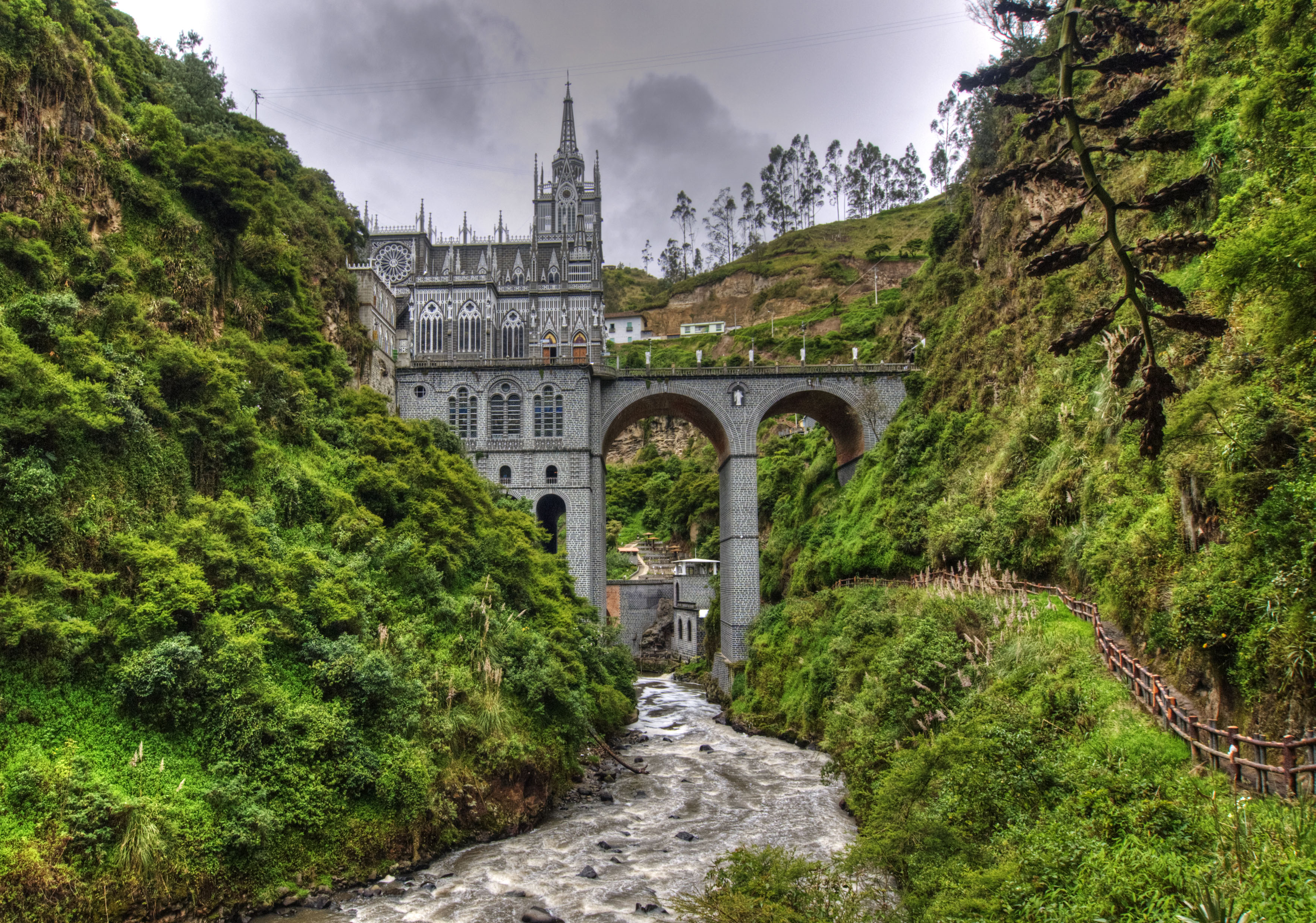
Near the border town of Ipiales is an amazing church built in a ravine which is a centre for pilgrimage from all over Colombia and Ecuador. The church is built over a rock where the image of the Virgin Mary is said to have appeared in the 18th century.

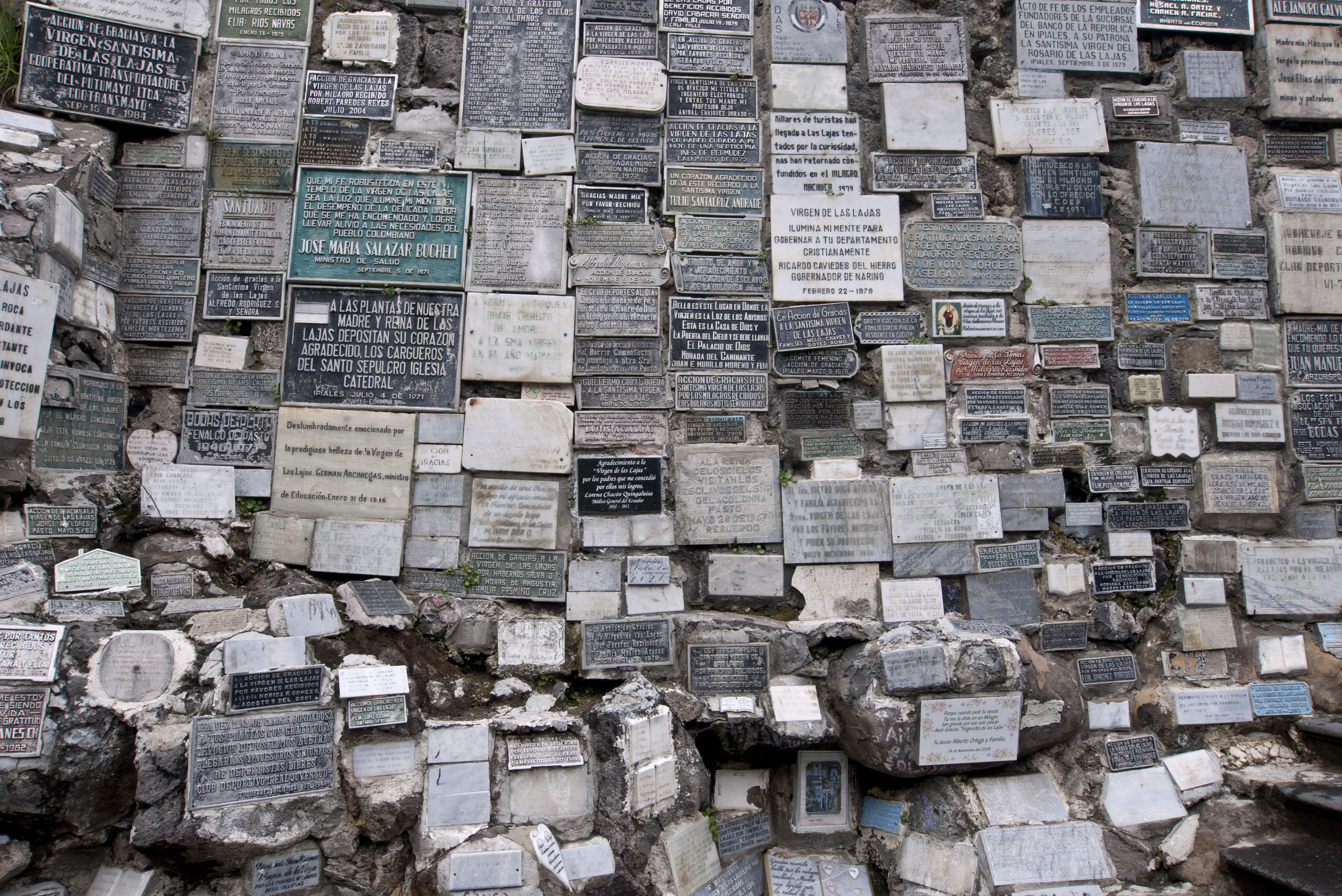
As you walk down into the ravine the rock walls are covered with plaques giving thanks for the help that Virgin Mary has given to families and individuals.
The church itself was only completed in the 1940’s replacing a previous church on the same site. In fact the first chapel was built in 1803. The present church is in a Neo-Gothic style and is very impressive – the impact increased by the waterfalls that surround the church and the gushing river running underneath.
Under the church there is a small museum which explains the history the Church. Bizarrely there is 7 legged calf and a two headed sheep down here – with no explanation whatsoever.

San Agustin to Ipiales
The road to San Agustin from Popayan had been slow and rough so we decided that on leaving we would go the other way. This involves driving South on a good paved road to the Amazon gateway town of Mocoa. We drove from the mountain heights of San Agustin at around 2000m down to only 500m at Mocoa. We knew that to get back to the PanAm we would have to cross over the mountains again and head over a pass at 3000m.
Little did we know that the road from Mocoa at only 130km would take us over 7 hours to drive. Our first inkling of this was when we filled up with diesel at Mocoa and asked a truck driver about the road and he told us that it was a 7 hour journey but we didn’t really believe him.
Shortly after Mocoa the road turns into a bumpy, narrow, stony track which heads up into the mountains. This road was fairly busy with small trucks no bigger than us – and it was pretty precarious passing oncoming traffic as much of the track had cliffs on one side and vertical drop-offs on the other.
We didn’t manage to get over 15km/hour on this track at any stage and judging from the speed of the other trucks (driven by far more reckless drivers) no one was managing any faster.
The entertaining bits of the road were when we had to pass under several waterfalls and drive through the stony bottomed river that flowed from them.
After 4 ½ hours we managed to get to the paved track the other side and gratefully found a small roadside restaurant to park outside for the night. As it was getting late (we’d been driving since 6.30am and it was around 6pm when we stopped and getting dark) we had dinner at the restaurant – a potato soup for only 50c each. With hindsight it would have been quicker going back towards Popayan, it’s a greater distance but the road was quicker and less hair-raising!
San Agustin
The drive from Popayan to San Agustin is only 130km but still took us all day. Although workmen are currently paving the road only the first 20km and last 30km are actually finished. The current works delay travel but worse still are the number of dumper trucks flying up and down the narrow road which really slows you down. Couple this with the middle section through the Purace National Park which is muddy, slippery and potholed and the journey is very slow (and cloudy and rainy when we drove through).

This area used to be dangerous and was a hotspot for FARC activity but things seem to have settled right down and it felt very safe. The clue to the previous troubles here is that all the police stations are barricaded off with sand bagged pillboxes and other protective measures.
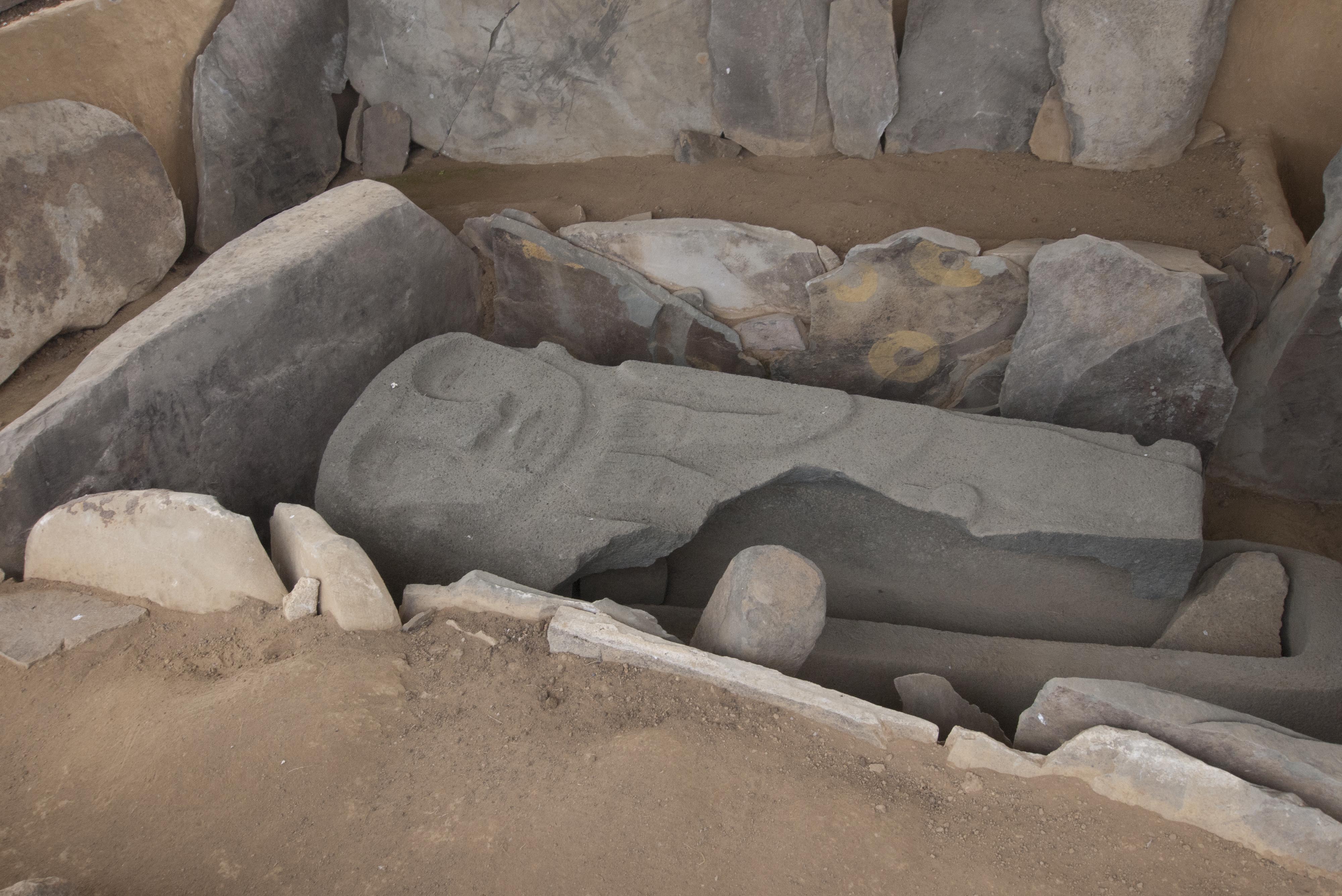
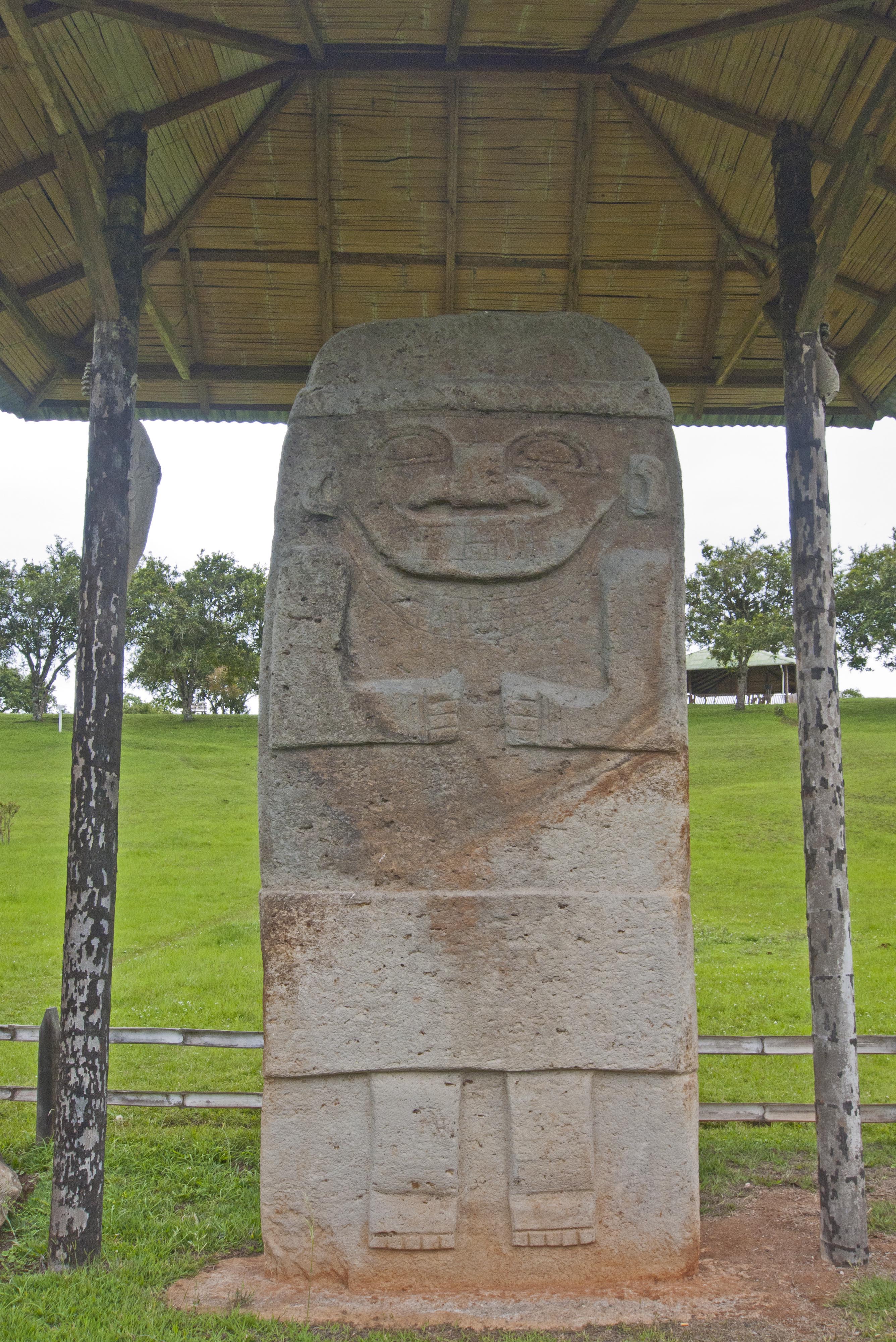
San Agustin is famous for a large number of stone carved statues left behind by two primitive cultures that lived in the area around 5 thousand years ago. These statues are set among spectacular scenery.

When we finally reached San Agustin we had the choice of a few places to stay. I think we chose a really good one in the hotel Anacoana. This was a small and really pretty hotel a couple of km’s up the road from the town of San Agustin (which is nothing to shout about). They allowed us to park on the driveway next to the main hotel building.

When we arrived some guests were just returning from a horse ride so we grabbed the guide and booked him for a horse trek to four archaeological sites the next day.

In the morning he arrived with some good looking horses and we set out along dirt roads to the first of our sites. My horse was a big stallion and had a real issue with following other horses. If either the guide or Sarah tried to get in front he would speed up and even block their horse to make sure he was still in the lead. However he was well schooled as was Sarah’s horse.

The first place that we went was a double site called La Pelota and El Purutal which are only about 250m apart. We had to leave the horses and hike up a steep hill to the sites. One of them was particularly interesting with the original colours still on the statues.

After returning to our horses our guide noticed that Sarah’s horse was slightly limping. On inspecting its shoes he found that one had lost a nail. He went to his pack, grabbed a hammer and new nail and promptly fixed the shoe before we set off again.

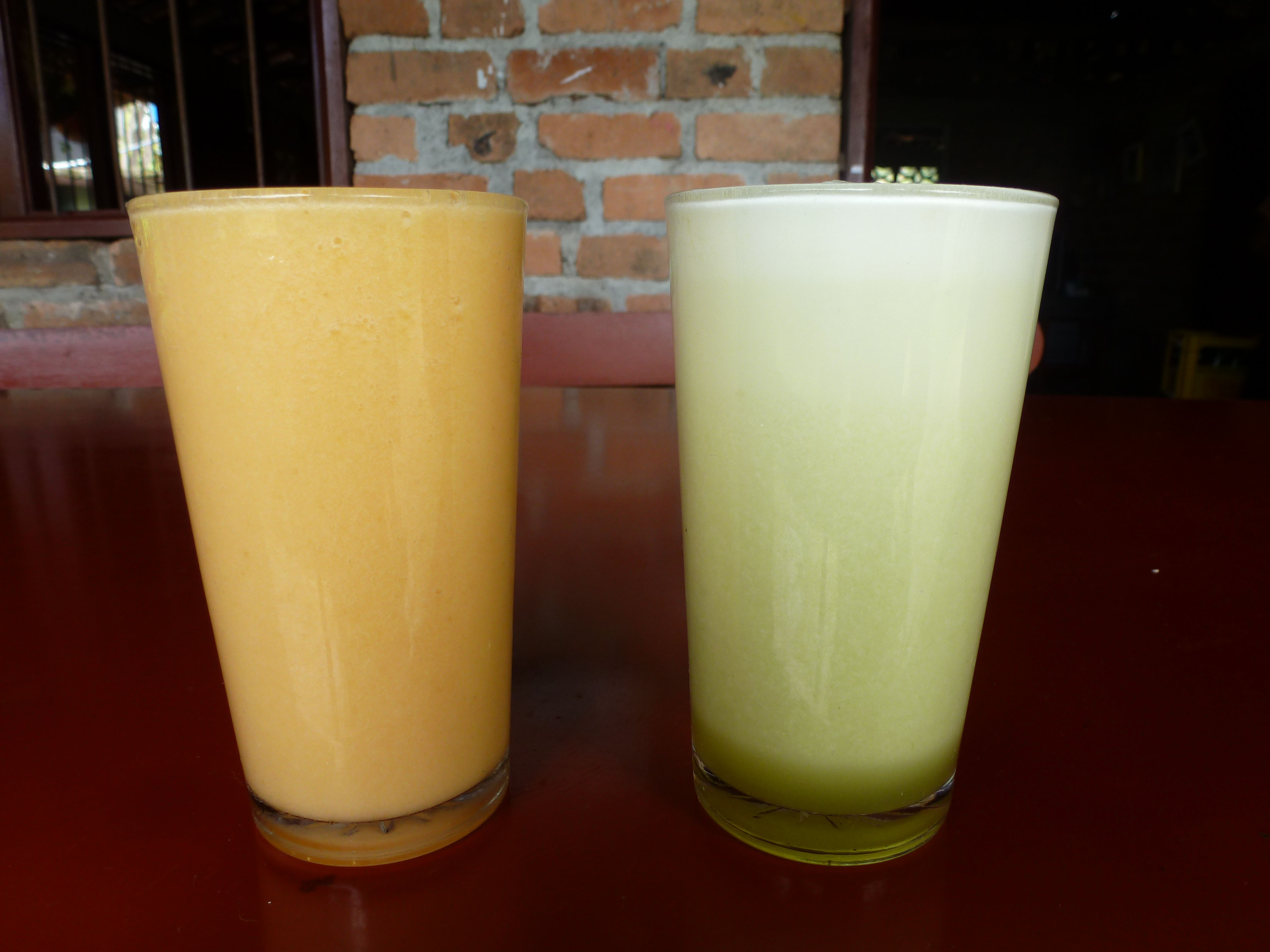
On the way to the next site we stopped off at a small farm and tried some Jugos – I had Tomate de Arbol and Sarah had Lulo. Not sure what they were but Lulo is indigenous to Colombia and tasted a bit like Kiwi Fruit. Tomate de Arbol tasted a bit like Papaya but different.
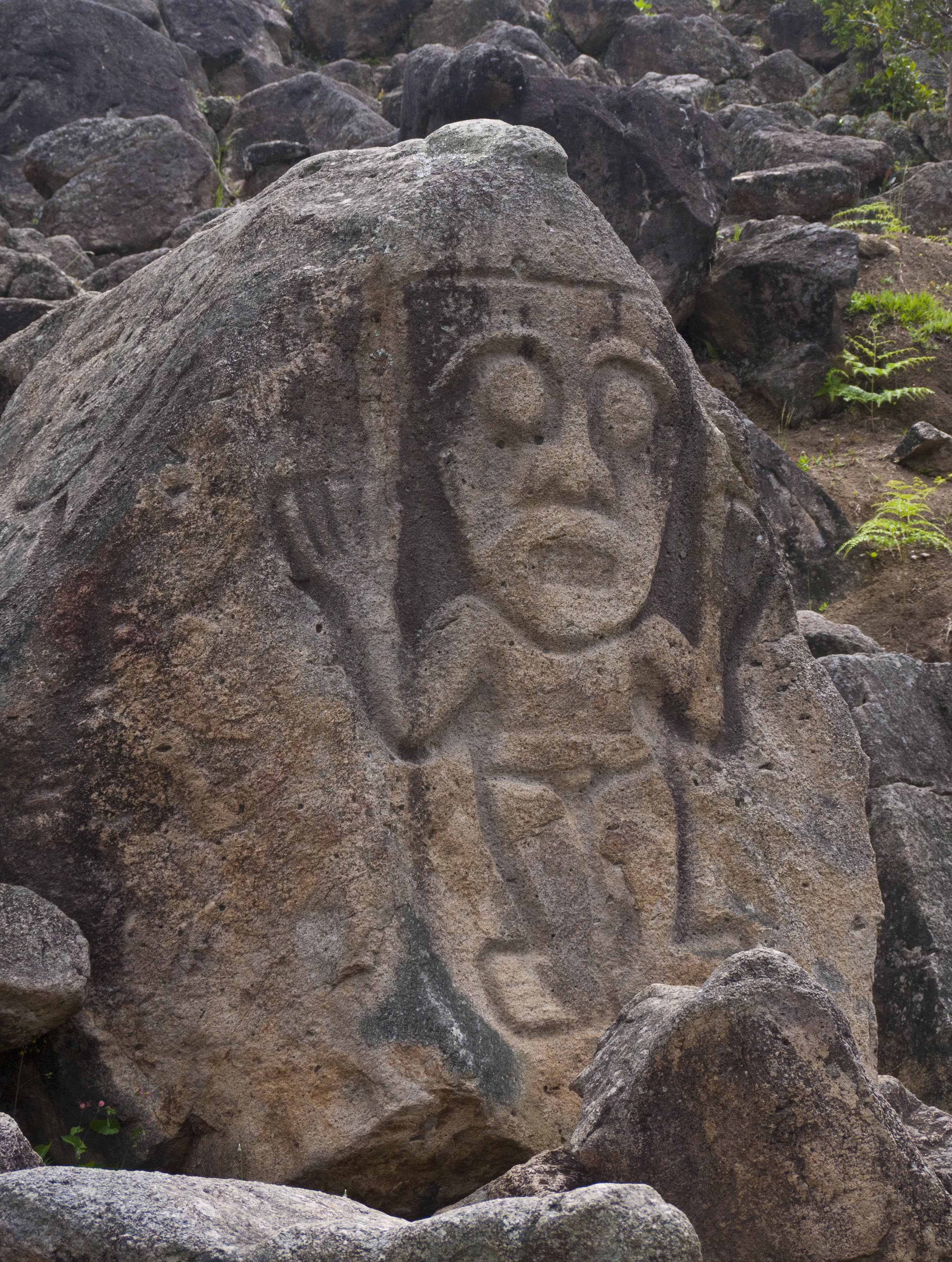
After that we rode to La Chaquira where you have to walk down a steep staircase to the edge of the gorge of the Rio Magdalena. Among amazing views is a large boulder with a carved face in it.

The last stop was El Tablon which was the least interesting of the sites with a few statues in a field.

After this we headed back to the hotel but when we were on the last leg of the trip up the dirt road to the hotel Sarah decided to have a gallop – well my horse wasn’t to be left out so we ended up racing back. Now I came in first but Sarah says she let me win because she didn’t want me to fall off – mmmmm !

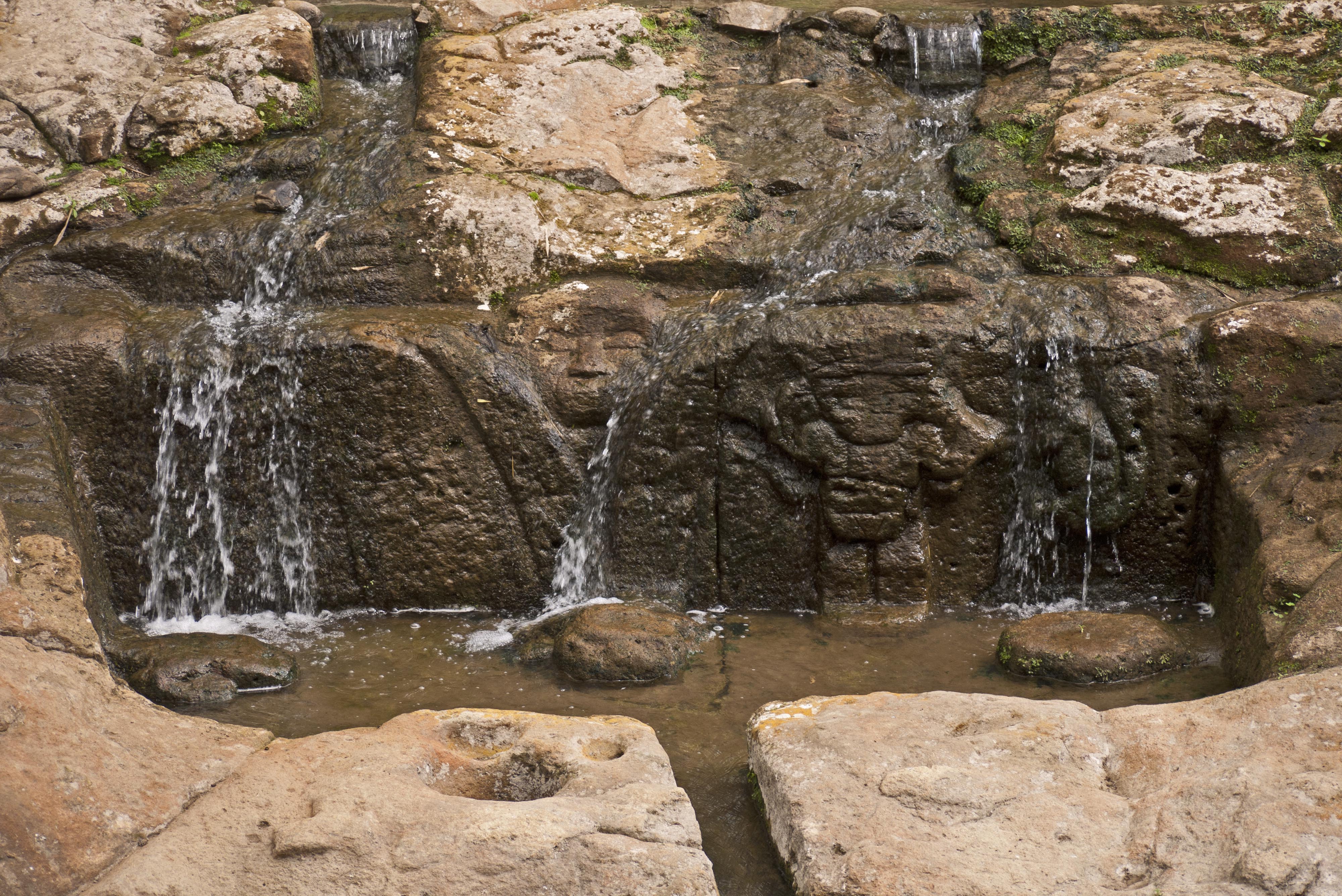
On our second day in San Agustin we first went to the Parque Arqueologico which has the highest density of statues. There is a nice walk between the sites where the statues have been left in situ. At one point there is a small river which was diverted and then carvings made around the pools and small falls that were created.
At the entrance to the park is a walk through a wooded area where a number of statues have been moved from their original places to make a 1km long trail.

After the Parque we drove down into the valley and up the other side to a site near Isnos called Los Alto de Los Idolos. This has a number of tombs on a plateau on top of a hill and the biggest statue in the area at 7m. We decided to spend the night parked outside here and then continue on our way the next day.
Popayan

Continuing down the Pan-American highway from Buga the first major town that you get to is Popayan. This is also the place where you turn off the PanAm to get to San Agustin. We decided to spend a night here, explore the town and get some chores done.
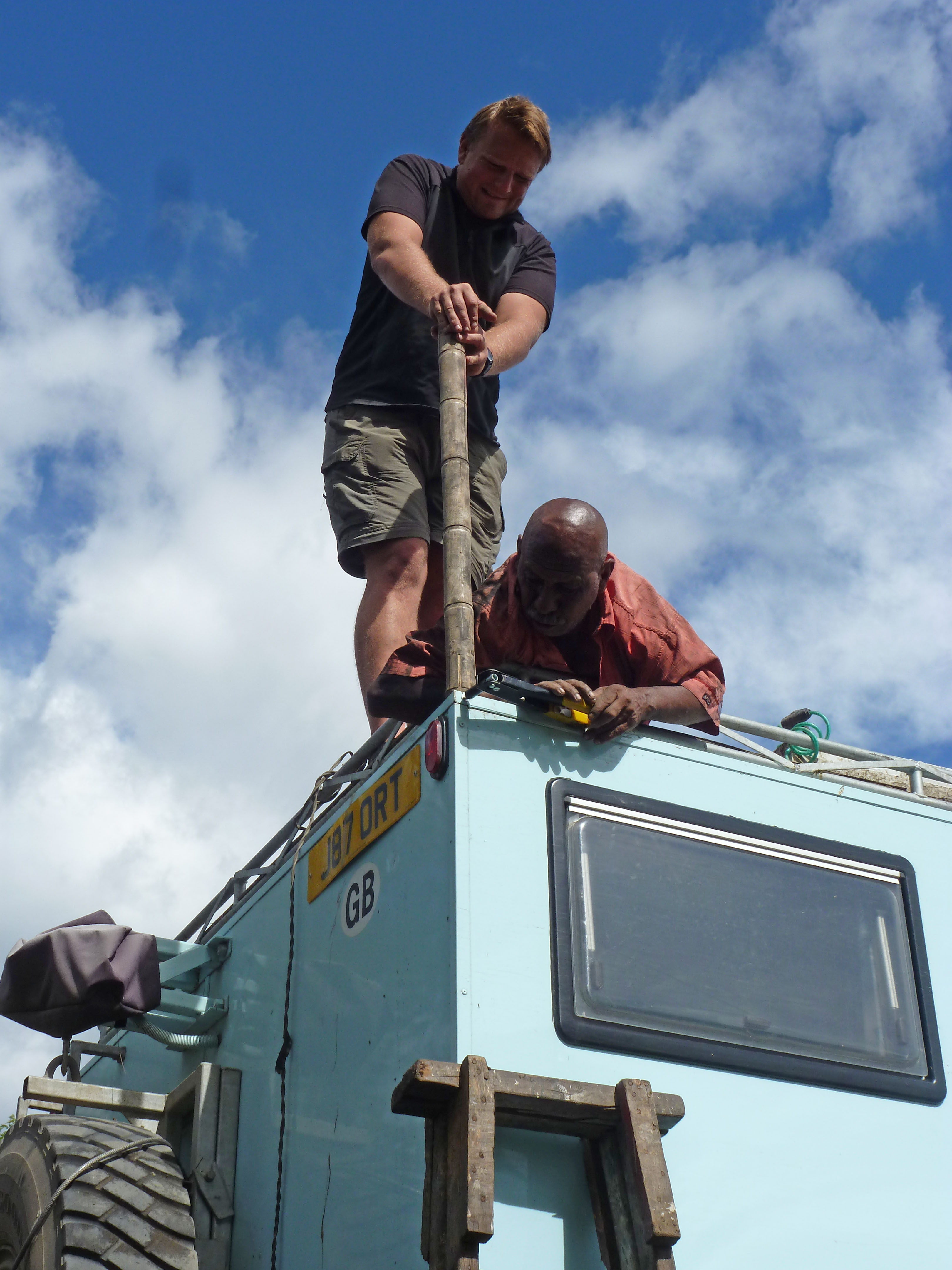
It didn’t take us long to find somewhere to spend the night as we spotted a Parqueadero just behind the bus station. This was something of a find as it was a very cheap place to park securely for 24 hours (only 7000 Cop or less than $4). Not only was it a good place to park but we managed to get the Beast thoroughly washed – dirt tracks make us very muddy. Somehow we had managed to hit the top right corner of the truck on something at some stage – we didn’t know when – but the top edge of the truck had come slightly loose and we needed someone with a rivet gun to fix it.
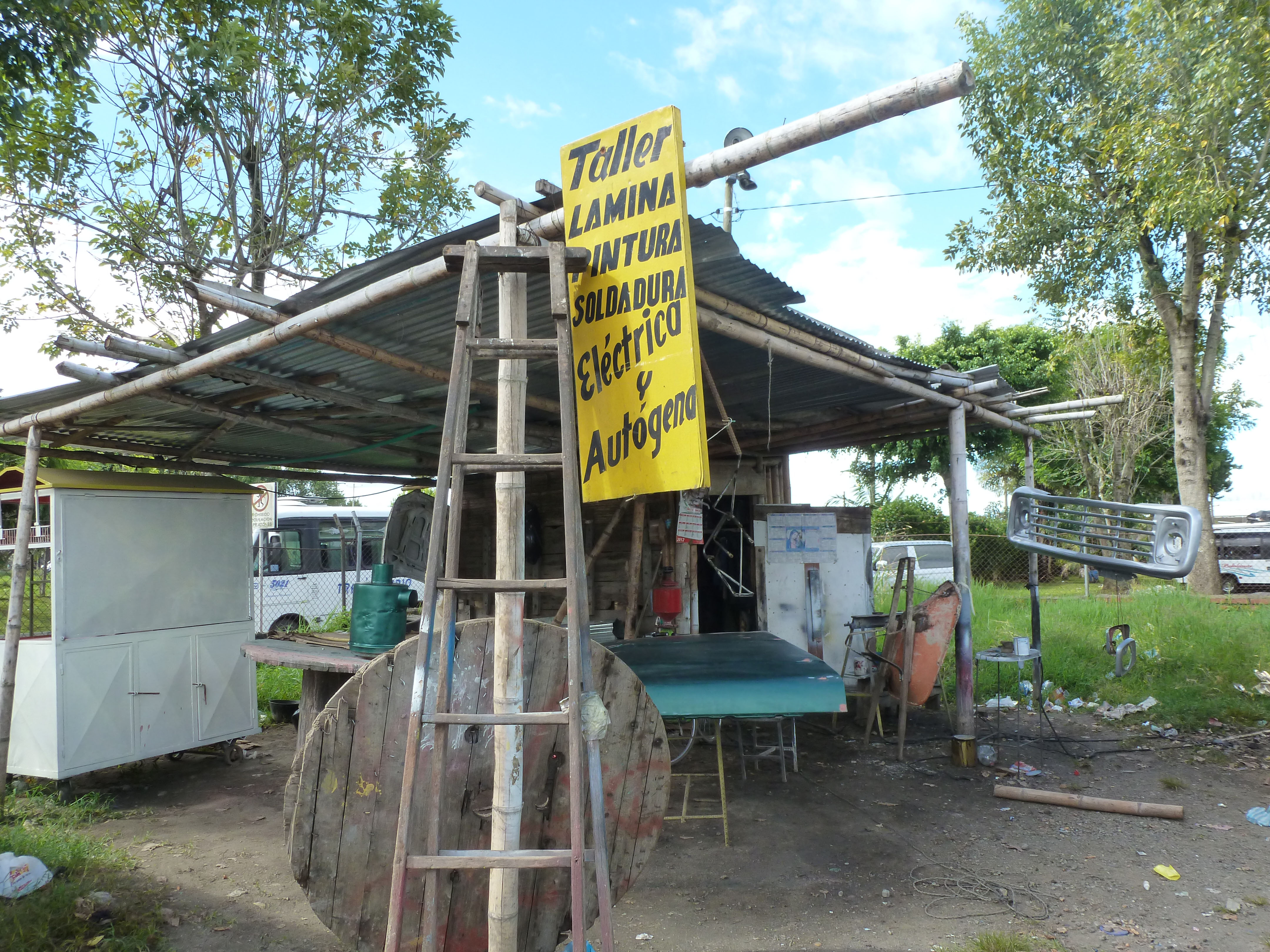
Well in the parking lot in one corner was a ramshackle hut which advertised some auto-services and an old man was working next to it on a truck that looked like it was at its end of life 20 years ago. We chanced asking him and it turned out he could do it right then and there. What a surprise !
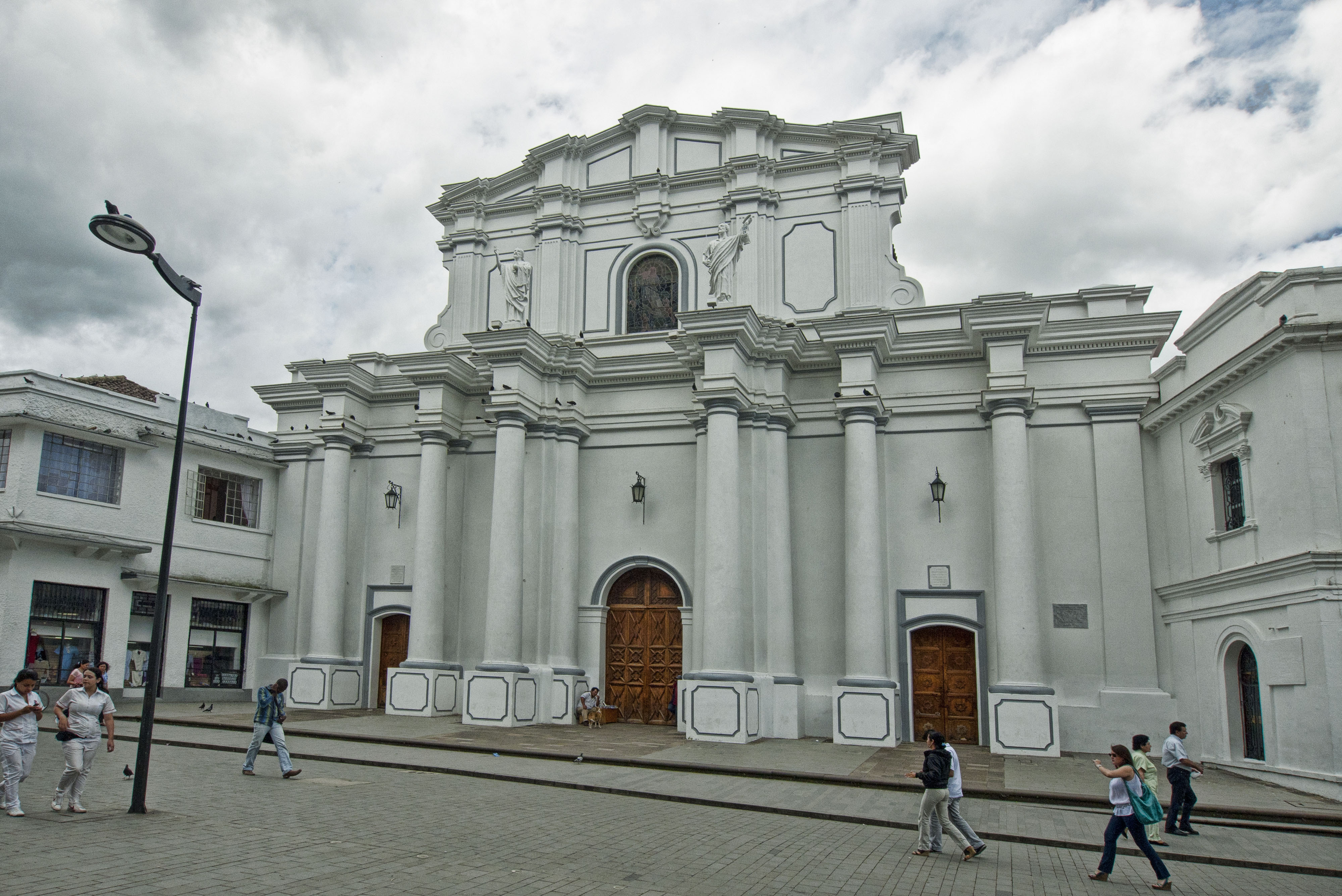
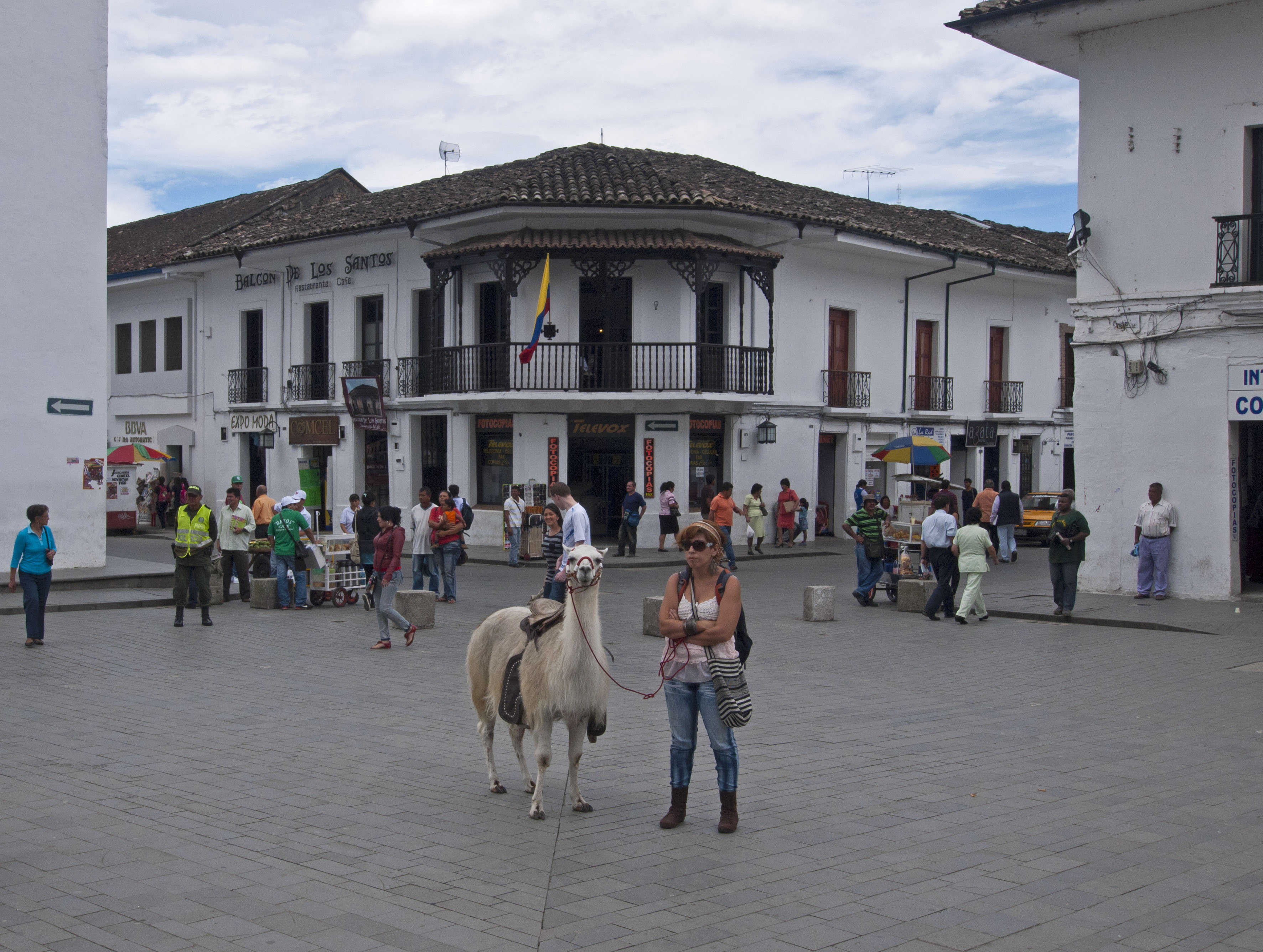
After getting these chores done we walked the 20 minutes into Popayan, which is an old colonial town and nicknamed “The White Town” – there do seem to be a lot of white towns around though.
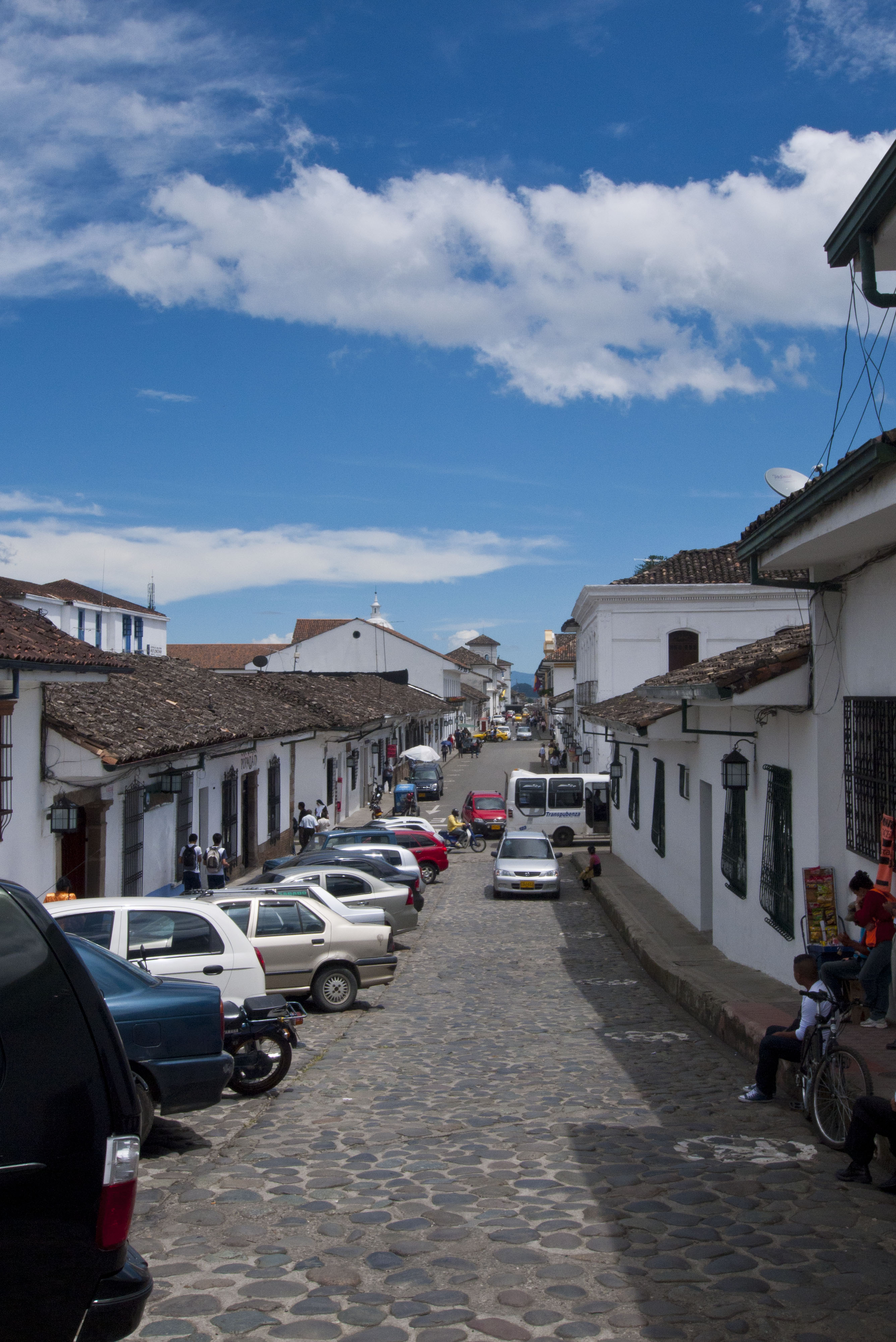
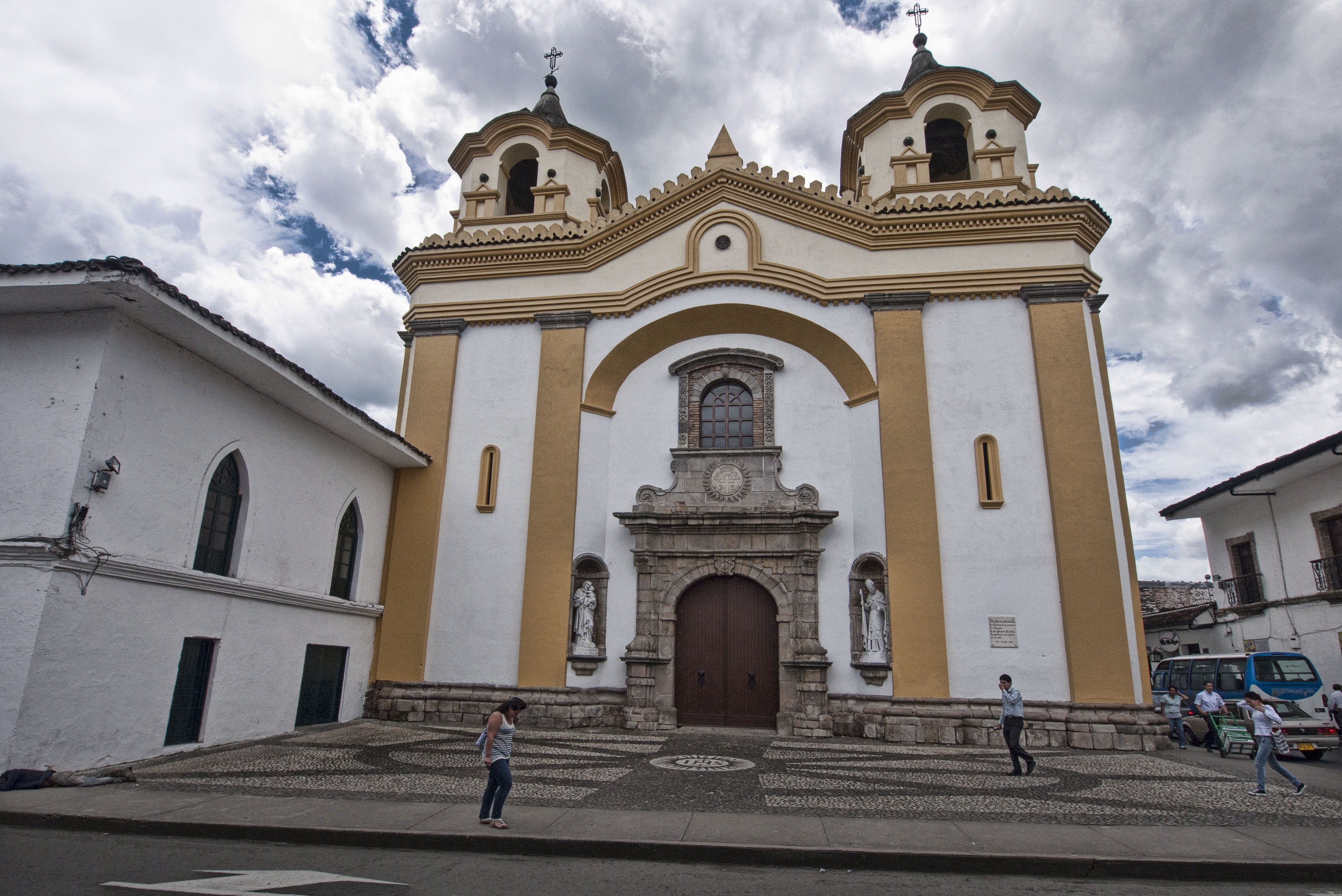
A couple of hours wandering around was enough to see the town, including walking up to a church above the town, albeit with disappointing views because of obscuring trees.
We ended up having a very quiet night in the parqueadero and set off the next morning for San Agustin.
Oh Buga !
Heading South from Cocora to Popayan we stopped off at Armenia to visit a big shopping centre. The interesting thing here was that in the middle of the food court a church service was being held with a big attendance – the food court was full and people were watching from the balconies of every floor of the shopping centre.

We continued heading South and reached a convenient stop off for the night at a Regional Park called El Vinculo just South of a town called Buga. Here we drove up a narrow road, with many overhanging trees – which had to be pushed over the top of the Beast. At the top we found a mirador with a flat space under some shading trees to park for the night. The view across the valley was lovely.

However soon after we arrived it started to rain and kept raining all night and into the morning. When we woke the grassy area we were in was boggy mud and the dirt road back to the highway was slick and running with water.
The Beast made easy work of the boggy mud area and we started down the steep and windy entrance road. I was again moving trees over the Beast and all was fine until we hit a really tight corner. We started round and discovered we couldn’t make it round in one. Sarah put the truck in reverse and then the wheels spun and we slid forward – the brakes were slammed on and we were stuck on slick mud.

Ok we were prepared for this – out came our sand ladders to provide traction, we moved some rocks to improve the surface, spread our cat litter on the wheels and behind to improve traction and turned on the diff lock. This time the Beast shot backwards and gave us the space we needed to make the turn – Phew. I think we’re getting a bit better at this ! Its only the second time we’ve been stuck though – both times on slick wet mud on a steep slope. This is when being 8 tonnes is a serious disadvantage.

 FromAtoB